Alright, let’s get real about this whole VAR thing in football. If you’ve ever been watching a match, seen the ref freeze, and thought, “What on earth is going on now?” — you’re not alone. VAR, or Video Assistant Referee, is like that mysterious gadget in sci-fi movies that suddenly appears and changes everything, but instead of lasers, it’s just replays and angles. No need to pull out your tech dictionary; I got you covered with the basics.
What Exactly is VAR?
In the simplest terms, VAR is a system where referees get a little help from technology. Think of it as having a second pair of eyes — or actually a whole team — watching the game through video feeds. Their job? To catch mistakes that the on-field ref might miss. The goal? Make the game fairer, or at least try to. But, spoiler alert, it’s not always smooth sailing.
| Term | What It Means |
|---|---|
| VAR | Video Assistant Referee – tech helping refs review decisions |
| On-field Referee | The main official running the game |
| Review | When VAR checks a play to confirm or overturn a call |
Why Did Football Need VAR?
Before VAR, refs had to make split-second calls with just their eyes and gut feelings. And yes, humans make mistakes — shocking, right? Some calls were so controversial they could ruin the vibe of an entire match. Fans yelling at their screens, players arguing, managers losing their minds. VAR was introduced to cut down on these errors and bring some order to the chaos. But, as with most tech, it’s a bit of a double-edged sword.
- Human error: Hard to avoid when you’re running up and down a pitch.
- High stakes: One wrong call can change a season’s outcome.
- Fair play: VAR aims to keep the game honest.
How Does VAR Actually Work?
Picture this: the game is live, the ref blows the whistle for a possible foul, but he’s not 100% sure. Instead of guessing, he signals for a VAR review. Meanwhile, in a dark room somewhere, a team of video assistants is watching every angle of the play — slow-mo, zoom, rewind, you name it. They chat with the ref and either say, “You got it right, mate,” or “Hey, check this again.” The ref then makes the final call, sometimes after watching the replay on a pitch-side screen.
The Team Behind the Scenes
This crew isn’t just tech geeks pressing buttons. They’re experienced officials trained to spot key moments. Their job is stressful — one missed angle and the whole stadium might turn against them. And don’t get me started on the pressure when millions are watching.
| Role | Responsibility |
|---|---|
| VAR Referee | Leads the review, communicates with on-field ref |
| Assistant VAR | Focuses on offside and technical issues |
| Replay Operator | Controls video feeds and replays |
When Does VAR Step In?
Not every little shove or handball gets a VAR look. The system only checks big-ticket items: goals, penalty decisions, direct red cards, and mistaken identity. So if you’re hoping VAR will fix every tiny foul, you’re out of luck. The idea is to keep the flow of the game while making sure the really important calls get a second glance.
The Good, The Bad, and The Ugly of VAR
VAR’s got fans who swear by it and haters who think it ruins the magic. On the plus side, it’s stopped some blatant errors — saving teams from unfair losses. But on the flip side, the delays can kill momentum, and sometimes the decisions still feel iffy.
- Good: Corrects clear mistakes, adds fairness.
- Bad: Interrupts the game, frustrates fans.
- Ugly: Confusing or inconsistent calls that spark debates.
Practical Tips for Watching Games with VAR
When the VAR screen pops up, don’t freak out. Grab a snack, chill, and remember: the ref’s just trying to get it right. And hey, sometimes the suspense is part of the fun.
What’s Next for VAR?
Tech keeps evolving. Expect faster reviews, clearer explanations, and maybe less drama. Fingers crossed, right?
So next time you see that VAR logo flash, you’ll know it’s just football’s way of double-checking itself — imperfect, sometimes annoying, but trying to keep the beautiful game fair.
What Exactly is VAR?
Alright, so you’re watching a football match, tension’s high, the crowd’s roaring, and suddenly the ref blows the whistle—or does he? Enter VAR, or as the fancy folks call it, the Video Assistant Referee. In simple terms, VAR is like having a super-sleuth referee buddy who’s glued to video screens, double-checking the big calls on the pitch. It’s football’s way of saying, “Hey, let’s not mess this up too badly.”
Now, VAR isn’t some magical button that fixes everything instantly. It’s more like a slow-motion replay with a referee’s hat on, stepping in when a decision is too close for comfort. Think of it as the game’s safety net, catching mistakes that human eyes might miss when the pace is lightning fast and the pressure is through the roof.
- What VAR checks: Goals, penalty decisions, direct red cards, and cases of mistaken identity.
- What VAR doesn’t do: Review every foul or offside—only the game-changing ones.
But here’s the kicker: VAR has turned football into a bit of a rollercoaster. Sometimes it saves the day, making sure a wrongly disallowed goal gets the green light or a dodgy penalty call gets overturned. Other times? Well, it drags out the drama, with everyone staring at a tiny screen, biting nails, and wondering what on earth is going on. Fans have been known to throw shade, and players sometimes look like they just lost their best mate.
| Pros of VAR | Cons of VAR |
|---|---|
| Reduces clear refereeing errors | Interrupts game flow and momentum |
| Brings fairness to critical decisions | Confusing for fans and players alike |
| Helps protect players from unfair penalties | Sometimes controversial calls still slip through |
So yeah, VAR is like that friend who means well but sometimes just can’t help overanalyzing everything. It’s not perfect, and honestly, it probably never will be. But it’s here to stay, shaking up the beautiful game in ways that keep everyone talking—whether they’re cheering or groaning. Love it or hate it, VAR is now part of football’s DNA.
Quick VAR Facts:- Introduced to cut down on big mistakes.- Uses multiple camera angles.- Communication is instant between pitch ref and video officials.- Only intervenes on “clear and obvious errors.”
In the end, VAR is football’s attempt to blend tradition with tech—sometimes a smooth marriage, sometimes a messy divorce. You decide which side you’re on. But one thing’s for sure: next time the ref looks a bit unsure, you’ll know there’s a whole team behind the scenes ready to jump in.
Why Did Football Need VAR?
Let’s be honest here, before VAR (Video Assistant Referee) stepped onto the pitch, football was a bit like a wild west show. Referees were making calls based on what they saw in the heat of the moment, and sometimes, just sometimes, they got it wrong. And by “sometimes,” we mean quite a lot. Fans, players, coaches—you name it—were all caught in the crossfire of human error, and the result? Controversy, chaos, and a whole lot of shouting at the TV.
Imagine a world where a goal is disallowed because the ref thought the striker was offside by a millimeter, or a red card gets handed out for a foul that looked more like a friendly pat on the back. Yep, those moments happened way too often. It wasn’t just frustrating—it was game-changing in the worst way possible. Some folks started thinking, “Hey, maybe it’s time to bring in some tech to help out.”
| Common Issues Before VAR | Impact on the Game |
|---|---|
| Incorrect offside calls | Goals unfairly disallowed or allowed |
| Missed fouls and penalties | Unfair advantage to one team |
| Referee bias or limited view | Loss of trust in officiating |
| Goal-line controversies | Confusion and protests from players and fans |
So, why exactly was VAR the chosen hero? Because football needed a safety net—something to catch the mistakes that the naked eye just couldn’t spot. The game is fast, players are crafty, and referees can’t be everywhere at once. VAR promised a second look, a chance to review, and maybe, just maybe, a way to get closer to the truth.
- Human error was running the show: No matter how good refs are, they’re human. They get tired, distracted, or just plain wrong sometimes.
- High stakes demanded accuracy: With millions watching and careers on the line, a wrong call could ruin everything.
- Technology was catching up: Other sports were already using video reviews, so why not football?
But hey, VAR wasn’t some magic wand that fixed everything overnight. It brought its own headaches and debates, but that’s a story for later. For now, just know that it was football’s way of saying, “We’re trying to do better, even if it’s messy.”
Quick Recap: Why VAR Was Needed- Too many wrong calls affecting game outcomes- Referees had limited perspectives- Fans and players demanded fairness- Technology was ready to lend a hand
In short, before VAR, football was a rollercoaster of “Did that really happen?” moments. VAR came in as the referee’s trusty sidekick, trying to keep the chaos in check. Whether you love it or hate it, you can’t deny it changed the game’s landscape forever. And honestly, maybe it was about time.
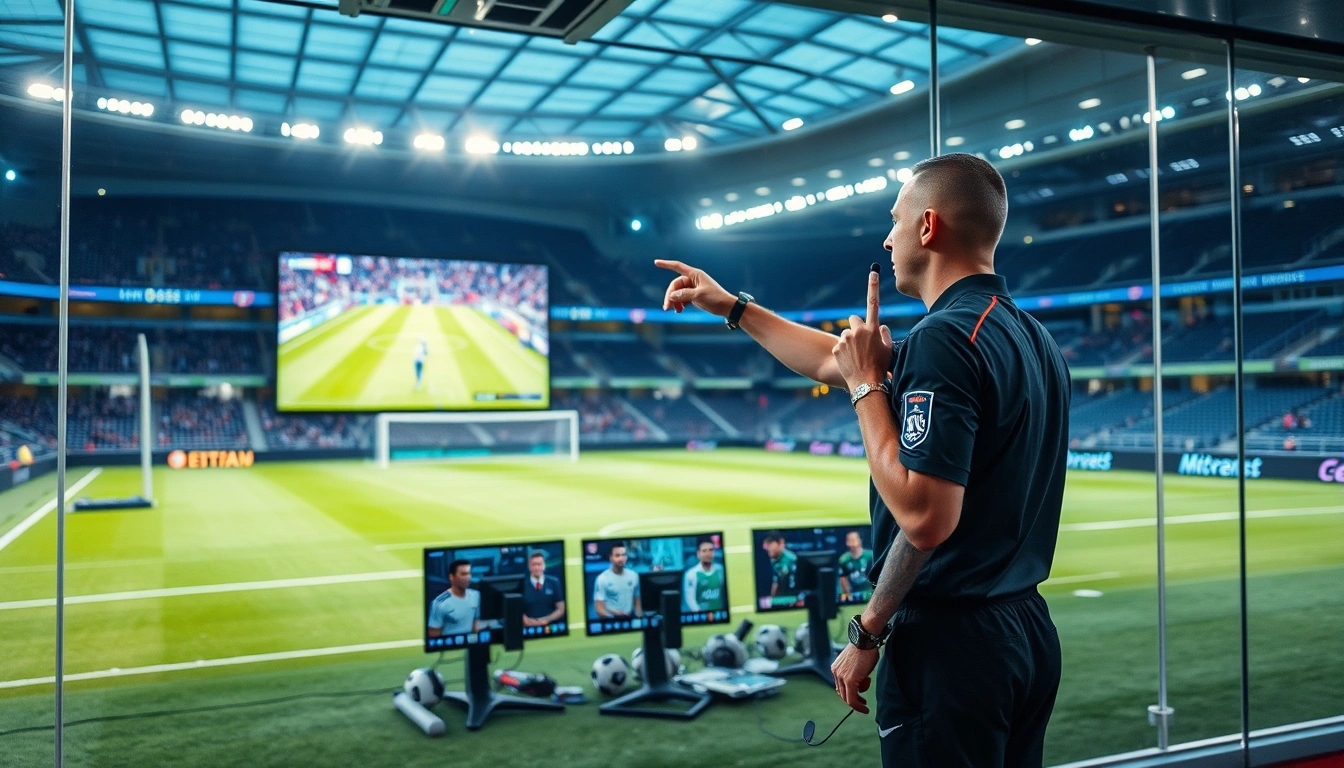
How Does VAR Actually Work?
Alright, so you’re watching a nail-biting football match, and suddenly the ref blows the whistle and signals for a VAR check. What happens next? Let’s peel back the curtain on this whole Video Assistant Referee thing without drowning you in tech mumbo jumbo or sounding like a robot manual.
First off, VAR is basically a backup eye. When the on-field referee isn’t 100% sure about a decision—maybe a penalty call, an offside, or a red card—the VAR team jumps into action. These folks aren’t just some random fans with screens; they’re trained referees sitting in a high-tech video operation room, often miles away from the stadium.
- Step 1: The Incident Happens – A controversial moment occurs on the pitch. The on-field ref either calls for a review or the VAR team spots something fishy.
- Step 2: Video Review Time – The VAR officials immediately check multiple camera angles, slow-motion replays, and sometimes even freeze frames to get a clearer picture.
- Step 3: Communication – Using a headset, the VAR team talks directly to the on-field referee. They can either confirm the original decision or suggest a review.
- Step 4: On-Field Review (if needed) – The referee can pause the game and check the footage on a pitch-side monitor before making the final call.
- Step 5: Decision – The ref announces the final decision, and the game continues.
| Stage | What Happens | Who’s Involved |
|---|---|---|
| Incident Occurs | Possible foul, offside, or card-worthy action | On-field referee, players |
| VAR Review | Multiple camera angles analyzed | VAR officials in video operation room |
| Communication | VAR talks to on-field ref via headset | VAR officials, on-field referee |
| On-Field Review | Ref watches footage on monitor (optional) | On-field referee |
| Final Decision | Ref confirms or overturns call | On-field referee |
Now, you might be thinking, “Sounds simple, but why does it sometimes feel like VAR takes forever?” Well, here’s the kicker: VAR tries to be as thorough as possible, but it’s not perfect. Sometimes the angles don’t give a crystal-clear answer, or the refs argue over what counts as a “clear and obvious error.” And yes, that phrase is as vague as your mate’s excuses for missing the match.
Also, not every single little thing gets checked. VAR only steps in for four main situations: goals, penalties, direct red cards, and mistaken identity. So if someone dives or a minor foul happens, the game just rolls on.
Practical Tip:If you see the VAR signal pop up, don’t freak out.Grab a snack, chat with your mates, and remember:the ref’s just trying to get it right — even if it means a short delay.
In the end, VAR is a tool to help refs avoid glaring mistakes, but it’s not some magic wand. It’s more like a slow, sometimes frustrating friend who insists on double-checking everything before giving a thumbs-up. So next time you see the VAR screen flash, you’ll know exactly what’s going down behind the scenes — and maybe, just maybe, you’ll cut the ref some slack.
The Team Behind the Scenes
Alright, so you’ve probably seen those moments when the referee suddenly pauses the game, stares up at the big screen, and everyone in the stadium collectively holds their breath. That’s when the Video Assistant Referee, or VAR, steps into the spotlight—or rather, behind the scenes. But who are these mysterious folks glued to multiple screens, and how much power do they really have? Let’s pull back the curtain and meet the unsung heroes (or villains, depending on who you ask) of modern football.
First off, the VAR team isn’t just one person tapping away on a keyboard. Nope, it’s a small squad of highly trained officials sitting in a special video operation room, often located far from the stadium. These folks have one job: watch every angle of the game through a barrage of cameras and catch the kind of details that the on-field referees might miss. Think of them as the ultimate replay junkies, but with a serious responsibility to keep the game fair.
| Role | Responsibilities | Fun Fact |
|---|---|---|
| VAR Chief | Leads the team, makes final calls on reviews | Usually a former referee with tons of experience |
| Assistant VAR | Helps spot offside and fouls, double-checks footage | Has to be super quick with decisions |
| Replay Operator | Controls camera angles and slow-mo replays | Knows every camera’s quirks like the back of their hand |
Now, here’s where it gets tricky. These folks have the power to change the course of a match with just a few clicks. A goal can be allowed or disallowed, a penalty can be awarded or denied, all based on their input. Sounds like a dream gig, right? Well, not always. Sometimes their decisions take forever, leaving fans and players twitching in frustration. Minutes can tick by like hours, and if you’re unlucky, you’re stuck watching the same slow-mo replay on loop while your popcorn gets cold.
- Pressure? Oh yeah. Imagine watching a multi-million dollar game with millions of eyes scrutinizing your every move.
- Communication is key. The VAR team must stay in constant contact with the on-field referee via headset, trying not to talk over each other or confuse the poor guy on the pitch.
- Human after all. Despite all the tech, mistakes still happen. Sometimes the angles don’t tell the full story, or a split-second decision is just too close to call.
So next time you see the ref pointing to the VAR screen, remember there’s a whole crew behind the scenes sweating bullets, trying to get it right. Whether you love them or hate them, these folks are rewriting how football is watched and played—one controversial call at a time.
Quick Insight:
"VAR Team Challenges"- Keeping up with fast-paced action without missing a beat- Balancing the need for accuracy with the game’s flow- Handling intense pressure from fans, players, and media
It’s not a perfect system, far from it. But the VAR team is the new gatekeeper of fairness in football, even if their calls sometimes make you want to scream at your TV. And hey, who doesn’t love a bit of drama?
When Does VAR Step In?
Alright, here’s the deal: VAR—that Video Assistant Referee thing—is not your game’s personal replay button. It doesn’t swoop in for every tiny trip or slight handball that barely made a blip on the radar. Nope, VAR’s got a pretty strict playbook about when it’s allowed to say, “Hold up, let’s check this.” So, if you’re wondering why your favorite referee sometimes ignores a little shove or a faint offside, it’s because VAR isn’t programmed to micromanage every single foul or offside call.
In fact, the official guidelines on VAR interventions boil down to a few key moments that can seriously affect the outcome of the game. Think of it like a referee’s safety net, only pulled out when the stakes are high enough to justify the pause. Here’s a quick rundown:
| Type of Incident | When VAR Can Step In | What It Means for the Game |
|---|---|---|
| Goals | To check for any fouls, offsides, or handballs in the build-up | Ensures goals are legit, no sneaky fouls or offside goals slipping through |
| Penalty Decisions | When it’s unclear if a penalty should be awarded or not | Prevents wrong calls that could make or break the game |
| Direct Red Cards | To review serious fouls or violent conduct | Keeps dangerous play in check, but avoids nitpicking minor fouls |
| Mistaken Identity | If the referee penalizes the wrong player | Corrects errors so the right player faces consequences |
Notice what’s missing from that list? Little fouls, minor offside calls, or borderline tackles that don’t completely change the game’s course. VAR isn’t here to babysit every single moment; it’s more like the emergency brake, pulled only when things threaten to spiral out of control.
Now, you might be thinking, “But what about those moments when VAR takes forever and everyone’s yelling at the screen?” Yeah, that’s the frustrating part. Sometimes the video refs need a bit longer to get the right angle or double-check the evidence, and that can drag the game into a mini-suspense thriller nobody asked for. But hey, better a few minutes of nail-biting than a wrong call deciding the whole match, right?
- Quick tip: If the referee’s not signaling for a VAR check, it usually means the incident isn’t serious enough to warrant one.
- Also: VAR reviews can only be initiated by the on-field referee or the VAR team, so fans yelling “VAR!” from the stands? Nice try, but no dice.
So next time you see a VAR check, remember it’s only jumping in when the stakes are sky-high. It’s not perfect, and sometimes it feels like it’s raining interruptions, but the goal is to keep the game fair without turning it into a never-ending highlight reel.
The Good, The Bad, and The Ugly of VAR
Video Assistant Referee, or VAR, has been one of football’s most divisive introductions in recent years. Some fans swear by it, others curse it like a bad referee decision from the 90s. So, what’s the real deal? Let’s dive into the rollercoaster that is VAR — moments when it’s been a hero, times when it’s been a villain, and those downright ugly situations that make you question everything.
First off, the good stuff. VAR’s main goal was to reduce human error, and in many cases, it’s done exactly that. Imagine a crucial game where a clear offside goal gets chalked off, or a penalty that should’ve been given is finally awarded after a slow-motion review. These moments have saved teams from heartbreak and ensured justice on the pitch. It’s like having a super-powered second set of eyes that don’t blink or get distracted by the crowd.
| Famous VAR Saves | Why It Worked |
|---|---|
| 2018 World Cup: Correct offside call on France’s goal vs. Australia | Prevented an unfair goal, kept the game fair |
| Premier League: Penalty awarded after VAR review in Liverpool vs. Chelsea | Right call after a missed foul, changed the game’s momentum |
| La Liga: Goal disallowed for handball in Real Madrid match | Ensured rules were followed strictly |
But then, there’s the bad side of VAR. Sometimes, it feels like the technology throws a spanner in the works just when you’re getting into the flow of the game. Long delays, confusing decisions, and that awkward moment when the referee looks at the pitchside monitor like it’s some ancient relic nobody knows how to use. It kills the rhythm and leaves fans biting their nails, wondering what the heck is going on. And let’s not forget those times when VAR feels inconsistent — one match it’s super strict, the next it lets things slide. Talk about mixed messages.
- Delay Drama: Games get paused for what feels like an eternity.
- Mixed Signals: Fans and players left clueless about the final decision.
- Inconsistency: Different leagues and refs apply VAR rules differently.
And now, the ugly. Oh boy, VAR has had its share of controversies that made you want to throw your remote through the TV. Remember when a goal was allowed even though the replay clearly showed a foul in the build-up? Or when a player got sent off for what looked like a harmless tussle? Sometimes VAR just adds fuel to the fire instead of calming things down. It can turn a straightforward match into a soap opera, with everyone arguing over pixels and angles.
Typical Ugly VAR Moments:- Goal allowed despite clear foul- Penalty decisions that divide fans 50/50- Red cards for minor contact- Referee confusion leading to multiple reviews
So, what’s the takeaway? VAR isn’t perfect — far from it. It’s a tool that’s still learning, evolving, and sometimes frustrating everyone involved. But it’s also a step toward fairness in a game where one wrong call can change everything. Whether you love it or hate it, VAR has undeniably changed football forever. The trick is learning to live with the pauses, the drama, and the occasional “what just happened?” moments.
In summary:
| Aspect | Pros | Cons |
|---|---|---|
| Accuracy | Corrects clear errors | Sometimes misses the spirit of the game |
| Game Flow | Ensures fair play | Interrupts rhythm with delays |
| Fan Experience | Brings clarity | Causes confusion and frustration |
Whether you’re shouting “VAR! VAR!” in celebration or groaning in disbelief, one thing’s for sure: football will never be quite the same.
Game-Changing Saves
Alright, let’s talk about those moments when VAR actually didn’t ruin the fun but instead swooped in like a superhero to save the day. Yeah, I know, VAR often gets a bad rap for killing the vibe with those awkward pauses and endless replays, but every now and then, it makes a call that feels so spot-on fair, you can’t help but tip your hat. So, here’s a rundown of some famous VAR decisions that kept the game honest and reminded us why technology in football isn’t all doom and gloom.
- 2018 World Cup: France vs. Australia – Remember that tricky penalty awarded to France after a VAR review? At first, fans were scratching their heads, but the footage showed a clear handball. No guessing, no bias, just a clean call that changed the game’s flow and gave France a deserved edge.
- Premier League 2019: Liverpool vs. Chelsea – This one was a nail-biter. VAR stepped in to disallow a Chelsea goal for offside by a hair’s breadth. The replay was crystal clear, and even the Chelsea fans had to accept it because it was just plain right.
- UEFA Champions League 2020: Bayern Munich vs. Chelsea – VAR overturned a penalty awarded to Bayern after it became evident the foul happened outside the box. It was a bold call, but it kept the fairness intact and showed VAR’s potential to get tricky decisions right.
Now, I know what you’re thinking: “Yeah, but those moments are rare!” And honestly, you’re not wrong. VAR’s track record is a mixed bag. Yet, these instances remind us why it was introduced in the first place—to minimize human error and keep the spirit of fair play alive. And sometimes, it nails it perfectly.
| Match | Decision | Impact | Fan Reaction |
|---|---|---|---|
| France vs Australia (2018 WC) | Penalty awarded after handball review | France scored, took lead | Mostly positive, seen as fair |
| Liverpool vs Chelsea (2019 EPL) | Offside goal disallowed | Maintained scoreline, fair play | Mixed but accepted |
| Bayern vs Chelsea (2020 UCL) | Penalty overturned | Prevented unfair advantage | Praised for accuracy |
But hey, it’s not just about the big games. VAR has stepped in at all levels to make those tight calls that referees sometimes just can’t get right on the spot. Offside lines that are too close to call? Check. Foul plays hidden in the chaos? Check. It’s like having an extra pair of eagle eyes watching the pitch, even if sometimes those eyes blink a bit too long.
- Practical Insight: If you’re watching a match with VAR, don’t freak out when the screen pops up. Instead, think of it as a referee’s lifeline. Sure, it delays the game, but it’s trying to get it right.
- Fan Tip: Keep your sarcasm handy, but also give credit when VAR calls out a clear foul or offside. It’s rare, but it happens.
So next time VAR interrupts your binge of football action, remember these moments where it actually made the beautiful game a bit more just. Because at the end of the day, football’s about fairness, and sometimes, technology is the referee’s best mate.
Controversies and Confusions
Alright, let’s be honest—VAR isn’t exactly the fairy godmother of football. Sometimes it feels more like that annoying cousin who shows up uninvited and ruins the party. Sure, it was supposed to clear things up, but more often than not, VAR just stirs the pot and leaves fans scratching their heads or banging their fists on the nearest table. Why? Because it’s not all sunshine—sometimes VAR just adds to the drama in the worst ways possible.
First off, there’s the whole timing issue. You think a game is flowing smoothly, then BAM!—the ref freezes everything for what feels like an eternity while the “video assistant” folks in the back room squint at screens. And just when you think they’ll give a quick thumbs up or down, nope, it drags on. You can almost hear the collective groan from the stadium and living rooms worldwide. It’s like watching paint dry, but the paint is your team’s fate.
| Common VAR Controversies | Why It Causes Confusion |
|---|---|
| Offside Calls by a Hair | Technology picks up the tiniest toe or fingertip, but should that really cancel a goal? |
| Handball Decisions | What counts as deliberate? Depends on who you ask, apparently. |
| Foul Interpretations | VAR can’t read intent, so some fouls get overruled or upheld inconsistently. |
Then there’s the human element—which, ironically, VAR was supposed to minimize. The people behind the screens are still human, after all. They make calls based on angles, replays, and sometimes downright blurry footage. Remember that infamous incident where a goal was disallowed because the VAR team spotted an offside that looked like a pixel glitch? Yeah, that happened.
- Subjectivity: What one official sees as a foul, another might shrug off.
- Inconsistency: Different leagues and tournaments apply VAR rules with varying strictness.
- Fan Frustration: When decisions seem random, even die-hard supporters lose faith.
And let’s not forget the psychological rollercoaster fans endure. One minute you’re celebrating a goal, the next you’re biting your nails waiting for the VAR verdict. It’s like the game suddenly turns into a suspense thriller, except nobody wanted this plot twist. Sometimes, the delay kills the momentum so badly that the stadium goes from roaring to awkward silence.
Practical Insight: If you want to survive VAR drama without losing your mind, here’s a quick survival guide:
- Keep snacks handy—those pauses can be long.- Don’t expect instant clarity; sometimes the refs themselves are confused.- Remember, VAR isn’t perfect, it’s just better than nothing.- Try to enjoy the suspense (or at least pretend to).
In the end, VAR’s controversies and confusions are part of its growing pains. It’s like watching a toddler learning to walk—wobbly, frustrating, but with potential to get better. Until then, brace yourself for those moments when technology just makes the beautiful game a bit messier and way more dramatic.
How VAR Is Changing Player and Fan Behavior
You know, VAR (Video Assistant Referee) has been a real game-changer—not just for the officials but for everyone involved in football. From players to fans, the whole vibe around the pitch has shifted, sometimes in ways you wouldn’t expect. Let’s dive into how this tech wizardry is rewriting the unwritten rules of football etiquette.
First off, players arguing with referees? Yeah, that’s still a thing, but not as much as before. The presence of VAR means that some decisions get double-checked, so players can’t just whine endlessly hoping to sway the ref. Sometimes, they actually hold back, thinking, “Wait, VAR might sort this out.” But don’t get me wrong—there’s still plenty of theatrics and dramatic flailing happening. VAR hasn’t exactly killed the art of the protest; it’s just made it a bit more strategic.
- Less immediate arguing: Players are a little more cautious because the ref’s call could be reviewed.
- More calculated protests: Some players save their breath, knowing VAR might back them up or shut them down.
- Occasional frustration: When VAR overturns a decision, players sometimes lose it, feeling robbed or vindicated.
Now, fans? Oh boy, that’s a mixed bag. Some folks love VAR because it brings fairness, reducing those “how did that not count?” moments. Others? They hate the delays, the confusion, and the way it sometimes kills the flow of the game. You can almost hear the collective groan when the ref waves for a VAR check. It’s like a mini heart attack for fans glued to the edge of their seats. And let’s not even start on the debates that explode on social media after a VAR decision—everyone’s suddenly an expert.
| Fan Reaction | Pros | Cons |
|---|---|---|
| Supporters of VAR | More accurate decisions, fairer outcomes | Occasional delays disrupt momentum |
| Critics of VAR | None really, except occasional correct calls | Slows down game, kills spontaneity, confuses viewers |
One of the subtle but interesting shifts is how players now approach fouls and dives. Since VAR can catch those sneaky bits, some players have toned down the diving theatrics—or at least tried to be sneakier about it. On the flip side, referees seem a bit more confident calling fouls, knowing they have backup. But sometimes, that confidence backfires when VAR steps in and says, “Nope, that wasn’t a foul after all,” leaving everyone scratching their heads.
Practical insights for players & fans:- Players: Keep your cool; over-arguing won’t help and might just waste your energy.- Fans: Patience is key; VAR might slow things down, but it aims to keep the game fair.- Everyone: Remember, VAR isn’t perfect—sometimes it’s as confused as we are!
In short, VAR is shaking up the culture of football. It’s making players think twice before throwing tantrums and giving fans a rollercoaster of emotions. Love it or hate it, VAR is here to stay, and it’s rewriting how we all behave on and off the pitch, one slow-motion replay at a time.
Practical Tips for Watching Games with VAR
Alright, let’s be honest—VAR can be a real test of patience. One minute you’re on the edge of your seat, the next you’re staring at that dreaded screen waiting for the referee’s verdict like it’s the season finale of your favorite show. But hey, it’s part of the modern game now, so why not learn to roll with it? Here’s a quick survival guide to keep your cool and actually enjoy the match, even when VAR decides to steal the spotlight.
| Tip | Why It Helps | How to Apply |
|---|---|---|
| Stay Patient | VAR reviews can take a while, and rushing won’t speed things up. | Take deep breaths, chat with friends, or grab a snack while waiting. |
| Understand the Limits | Not every call gets reviewed; VAR focuses on clear, obvious errors. | Don’t expect perfection—accept that some decisions won’t go your way. |
| Keep Perspective | Remember, VAR aims to make the game fairer, not frustrate you. | Focus on the bigger picture—fair play over instant gratification. |
First off, patience is your new best friend. You’re gonna need it when the VAR screen lights up, and everyone freezes like they’re in a suspense thriller. Sometimes it’s a quick check, sometimes it drags on forever—there’s no telling. Instead of groaning or throwing a fit, try to chill out. Maybe crack a joke with your mates or check your phone for a sec. Trust me, the game will still be there when the decision finally drops.
Secondly, get familiar with what VAR actually reviews. It’s not like every tiny foul or offside gets the red light treatment. VAR’s job is to catch the big, obvious mistakes—penalties, goals, red cards, and mistaken identity. So if the ref waves play on, it’s not because they’re ignoring you; it’s because the moment wasn’t “clear and obvious” enough. Knowing this can save you from those wild “VAR is ruining football” rants.
- Tip #4: Don’t obsess over the screen. It’s tempting to stare at the VAR monitor like it’s a crystal ball, but that just amps up frustration.
- Tip #5: Use the breaks to catch up on commentary or stats. Keeps your mind busy and less fixated on the delay.
- Tip #6: Remember, referees are human too. VAR is there to help, not to punish or annoy.
Here’s a little secret: sometimes VAR actually makes the game more exciting. That suspense during a review? It’s like a mini cliffhanger. Will the goal stand, or will it be chalked off? Will the penalty be awarded or not? It adds drama, even if it’s a bit annoying.
Quick VAR Survival Checklist:- Breathe. Seriously.- Accept the delay.- Know what VAR reviews.- Don’t blame the ref too hard.- Enjoy the game’s twists and turns.
In the end, VAR is here to stay, whether you love it or hate it. So, learning to watch with a bit of humor and patience will make your football experience a whole lot better. Next time the screen pops up and holds everyone hostage, just remember: it’s all part of the beautiful game’s new chapter. And hey, at least it’s not a commercial break, right?
What’s Next for VAR?
Alright, so here we are again, staring down the barrel of what feels like an eternal love-hate saga with VAR. You know, that tech that’s supposed to make football fairer but sometimes ends up making us want to throw our TVs out the window. Looking ahead, it’s clear VAR isn’t going anywhere — but the real question is, can it get better? Spoiler alert: it has to. Fans, players, and even referees are all praying for some upgrades, tweaks, and maybe a few fixes to ease the headaches VAR dishes out every now and then.
Let’s be honest, the biggest gripe is the time it takes. Waiting several minutes while the ref squints at a screen? Not exactly edge-of-your-seat excitement. So, one of the hot topics on the table is speeding up the review process. Some ideas floating around include better communication tech between the pitch and the VAR room or AI-assisted decisions to cut down human hesitation. Imagine a system where the VAR team can instantly flag clear mistakes without the drama of endless replays. Sounds dreamy, right?
| Current VAR Issues | Possible Solutions |
|---|---|
| Long delays disrupting game flow | AI-assisted quick reviews |
| Subjectivity in decisions | Clearer, standardized protocols |
| Fan and player confusion | Better on-screen explanations |
| Inconsistent use across leagues | Unified global VAR guidelines |
Another biggie is the consistency problem. Why does VAR get it “right” in one game and mess it up royally in the next? That inconsistency is a killer for trust. Football’s governing bodies are aware and are working on standardizing protocols so referees worldwide are singing from the same hymn sheet. Plus, there’s talk about improving training for VAR officials — because you can have the fanciest tech, but if the people behind the screens aren’t on point, it’s all for nothing.
- Faster decisions — less standing around, more playing.
- Clearer communication — fans and players get the “why” behind the calls.
- Global consistency — no more VAR roulette depending on where you watch.
- Tech upgrades — better cameras, AI help, and maybe even virtual reality someday.
Of course, no tech is perfect. Some purists argue that football is about human error and that VAR messes with the soul of the game. But let’s face it — mistakes that change the outcome of a match are brutal. The future of VAR probably lies somewhere in the middle: keeping the human element but backing it up with smarter, faster, and clearer tech.
So, what can we expect in the next few years? More trials with AI, improved communication tools, and hopefully less drama. Maybe the VAR screen won’t be the thing that makes you groan every time it lights up. Until then, grab your popcorn and get ready for the next episode in this never-ending VAR saga.
Practical Insight:
1. When watching games, remember VAR is a tool, not a magic wand.2. Patience is key — quicker decisions are on the horizon.3. Keep an eye on league announcements for VAR updates.4. Debate and discuss — VAR’s future depends on fan and player feedback.
In the end, VAR’s journey is a work in progress — a tech experiment in the world’s most beloved sport. And like any experiment, it’s messy, imperfect, but full of promise.
Frequently Asked Questions
- What is VAR and why was it introduced in football?
VAR stands for Video Assistant Referee, a technology designed to help referees make better decisions by reviewing video footage during matches. It was introduced to reduce human errors that could unfairly influence the outcome of games, making football fairer and more transparent.
- How does the VAR system actually work during a match?
When a controversial or unclear decision happens on the pitch, the VAR team reviews the footage from multiple angles in a separate video room. They communicate with the on-field referee, who can then decide to stick with their call or review the footage on a pitch-side monitor before making the final decision.
- When is VAR allowed to intervene in a game?
VAR only steps in for clear and obvious errors related to goals, penalty decisions, direct red cards, and cases of mistaken identity. It’s not used for every foul or minor incident, so the flow of the game isn’t constantly interrupted.
- Why do some fans and players dislike VAR?
While VAR aims to improve fairness, it can sometimes disrupt the excitement with long pauses, and controversial calls still happen due to subjective interpretations. This mix of delays and debates has frustrated many who prefer the game’s natural flow.
- Has VAR actually improved football matches?
Absolutely! VAR has corrected many crucial mistakes, saving goals that should have been disallowed or awarding penalties that were initially missed. Though not perfect, it’s a step forward in making the game more just and accurate.
- How is VAR changing player and fan behavior?
Players tend to argue less with referees knowing decisions might be reviewed, while fans have mixed feelings—some appreciate the fairness, others miss the spontaneous drama. Overall, VAR is reshaping how everyone experiences the game.
- What can viewers do to stay patient during VAR reviews?
Try to think of VAR like a referee’s instant replay—sometimes the suspense is part of the thrill! Remember, it’s there to keep the game fair, so taking a deep breath and enjoying the moment helps keep the experience fun.
- What’s next for VAR technology?
Expect ongoing improvements like faster reviews, better communication tools, and possibly more precise camera angles. The goal is to make VAR less intrusive and more seamless, so the beautiful game stays exciting without unnecessary interruptions.