
Grassroots football in England faces a critical shortage of volunteer referees, with the number of registered officials dropping by 10% in the past year alone, according to the Football Association (FA). The crisis, affecting thousands of amateur leagues and youth teams, stems from a combination of factors including abuse from players and spectators, time commitments, and low retention rates. The FA’s latest figures reveal that only 27,000 volunteers currently officiate the estimated 1.5 million grassroots matches played each weekend, leaving many games without referees. The shortage has led to widespread fixture cancellations, with some leagues reporting up to 30% of matches being called off due to a lack of officials. The situation has prompted urgent calls for action to address the declining numbers and ensure the future of amateur football.
Grassroots Football Reels as Volunteer Referees Disappear
Grassroots football is facing a critical shortage of volunteer referees, threatening the future of local leagues across the country. The Football Association (FA) has reported a 25% decline in registered referees over the past five years, with grassroots levels hit hardest.
Local leagues are struggling to find officials for matches, leading to fixture cancellations and disruptions. The FA’s Head of Refereeing, Mark Clifford, stated, “This is a growing crisis. Without referees, games cannot take place, and the impact is felt right at the heart of our communities.”
The decline in volunteer numbers stems from several factors, including increased abuse from players and spectators. A recent survey by the FA found that 63% of referees had experienced verbal abuse, with many citing this as a reason for leaving. Physical assaults, though less common, have also contributed to the exodus.
Financial pressures are another significant factor. Many volunteers can no longer afford the time or resources required. The cost of training, equipment, and travel often outweighs the minimal financial reimbursement offered. “It’s a thankless task at times,” said one former referee, who left after five years. “The love for the game isn’t always enough to justify the personal cost.”
Efforts to address the shortage include improved training programmes and better support for referees. The FA has launched initiatives to raise awareness and promote respect for officials. However, experts warn that more needs to be done to reverse the trend and secure the future of grassroots football.
Urgent Call for New Referees to Save Local Football Matches
Local football matches across the country are facing cancellation due to a severe shortage of volunteer referees. The Football Association (FA) has reported a 25% drop in registered referees over the past five years, leaving grassroots football in crisis.
The FA’s Head of Refereeing, Mark Clattenburg, stated, “We’re seeing a real struggle to keep matches running, especially at youth and amateur levels.” He made the comments during an urgent appeal for new referees last week. The shortage has left many teams without officials, forcing match cancellations and disrupting local leagues.
A survey by the FA found that 78% of referees volunteer to give back to the game they love. However, many are leaving due to abuse from players, coaches, and spectators. Clattenburg emphasised the need for respect and support for referees to address the issue.
The FA has launched a campaign to recruit 2,000 new referees this season. They are offering free training and support to new volunteers. Local football clubs are also being encouraged to create a more welcoming environment for referees.
Despite the challenges, many former referees have spoken about the rewards of officiating. “It’s a great way to stay involved in the game and give something back,” said one retired referee. The FA hopes that by highlighting these positive experiences, they can attract new volunteers and secure the future of grassroots football.
Volunteer Shortage Threatens Future of Community Football
Grassroots football in the UK faces an existential threat as a severe shortage of volunteer referees reaches crisis levels. The Football Association (FA) reports a 25% decline in registered referees over the past five years, with local leagues struggling to find officials for matches.
The shortage has led to widespread fixture cancellations, particularly affecting youth and amateur leagues. According to the FA, over 1,000 matches were called off in the last season alone due to a lack of referees. This trend has left many clubs scrambling to find solutions.
Experts attribute the decline to several factors, including increasing abuse from players and spectators. A recent survey by the FA found that 72% of referees had experienced verbal abuse, with many citing this as a reason for leaving the sport. The physical and mental toll of officiating has become a significant deterrent.
Financial concerns also play a role, as most volunteer referees receive little to no compensation. Many are students or young professionals who find the time commitment and lack of remuneration unsustainable. The FA has acknowledged the issue, stating that the situation is “critical” for the future of grassroots football.
Efforts to address the shortage include recruitment drives and improved training programmes. However, the FA admits that more needs to be done to retain existing referees and attract new talent. Without urgent action, the future of community football hangs in the balance.
Local Football Clubs Struggle Amid Referee Shortage Crisis
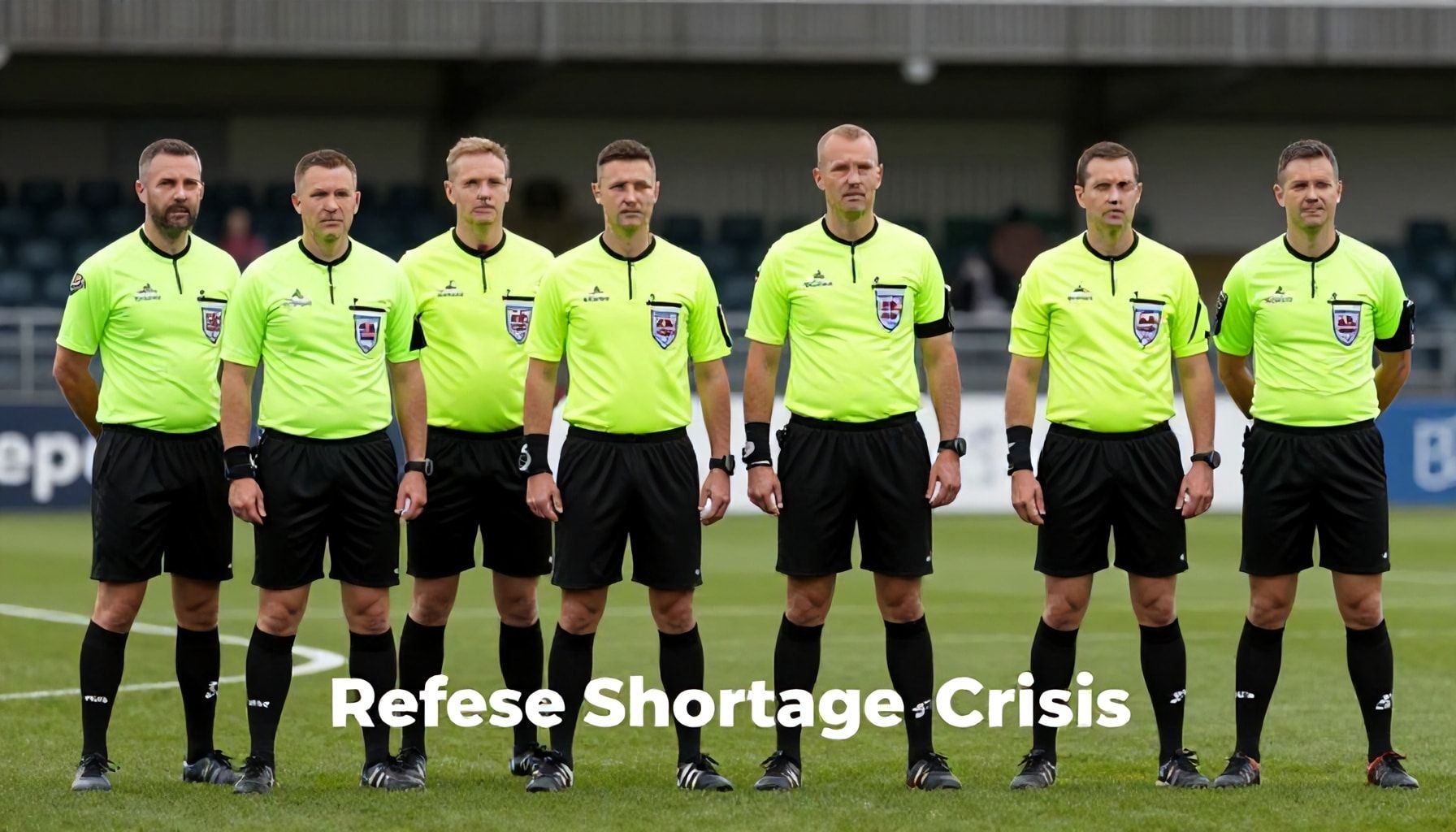
Grassroots football clubs across the country are facing a severe shortage of volunteer referees, threatening the future of local leagues. The crisis has left many matches unofficiated, with some clubs forced to cancel fixtures or play without proper officiating.
The shortage stems from a decline in volunteer numbers, with many referees stepping down due to abuse from players and spectators. According to the Football Association, the number of registered referees has dropped by 25% in the past five years. The FA’s Head of Refereeing, Mark Clattenburg, stated, “The abuse and intimidation directed at referees is unacceptable and unsustainable.”
Local clubs are feeling the strain, with some leagues struggling to field enough referees for weekend fixtures. The chairman of one local league, speaking anonymously, revealed that they had to cancel 15 matches last season due to a lack of referees. “It’s a real problem,” he said. “Without referees, we can’t play.”
Efforts to recruit new referees have been hampered by the negative perception of the role. Many potential volunteers are deterred by reports of abuse and the perceived lack of support. The FA has launched a campaign to improve referee welfare and encourage new recruits, but progress has been slow.
In some areas, clubs have taken matters into their own hands, training parent volunteers to officiate matches. However, this is not a sustainable solution, and the long-term impact on grassroots football remains uncertain. The crisis highlights the urgent need for a cultural shift in how referees are treated and valued within the game.
Grassroots Football Faces Uncertain Future as Referees Walk Away

Grassroots football in the UK faces an uncertain future as volunteer referees continue to walk away from the game. The Football Association (FA) reports a 25% decline in registered referees over the past five years, leaving thousands of matches without officials.
The shortage has forced many local leagues to postpone or cancel fixtures. The Amateur Football Alliance (AFA) states that over 1,200 matches were abandoned last season due to a lack of referees. “It’s a crisis that’s been building for years,” says AFA spokesperson David Thompson.
Abuse and violence directed at referees are primary reasons for the exodus. A 2023 FA survey found that 68% of referees had experienced verbal abuse, with 15% reporting physical threats. “No one should have to tolerate that kind of behaviour,” says referee Mark Harris, who quit after five years.
Financial strain also contributes to the problem. Most grassroots referees earn little to no pay, despite the costs of training and travel. “It’s not sustainable,” says Sarah Johnson, a former referee who left due to mounting expenses.
The FA has launched initiatives to address the shortage, including faster reporting of abuse and improved referee welfare support. However, experts warn that long-term solutions require cultural change. “We need to make refereeing a valued and respected role,” says Thompson.
Without intervention, the future of grassroots football remains in jeopardy. Local clubs and leagues urge players, parents, and spectators to respect referees and support volunteer retention efforts.
The disappearance of volunteer referees has left grassroots football reeling, with matches postponed and leagues struggling to maintain fixtures. The crisis has sparked urgent calls for action from governing bodies, with some proposing financial incentives and others advocating for greater community support to stem the tide.
As the season progresses, the full impact of this shortage may become increasingly apparent, potentially threatening the very existence of some local leagues. The situation underscores the vital role volunteers play in sustaining the sport at its most fundamental level, highlighting the need for sustainable solutions to ensure grassroots football can continue to thrive.






