Voters in the UK face a mounting crisis of choice ahead of the 2024 general election, with opinion polls showing a three-way deadlock. Labour, the Conservatives, and Reform UK are locked within five percentage points on average, according to the latest YouGov tracker from 11 June, raising the prospect of a hung parliament. The fragmentation follows a collapse in support for the two main parties, which together polled over 82% in 2019 but now struggle to reach 60%. Smaller parties, including the Liberal Democrats and Greens, hold around 15% combined, while Reform UK’s anti-immigration platform siphons further votes from the right. Analysts warn the surge in minor-party support could split seats unpredictably, leaving millions of voters uncertain which ballot will matter most.
Parties flounder as voters face impossible 2024 ballot choices

Voters in 2024 face a participation crisis as parties struggle to mobilise support amid record abstention rates. Polling data from the Electoral Commission shows turnout fell below 65% in the last general election, the lowest in over a century. Campaign organisers admit traditional methods of door-knocking and leafleting no longer guarantee engagement, with one senior figure describing efforts as “hitting a brick wall.”
The problem extends beyond turnout. A YouGov survey in March found 42% of registered voters feel “no party represents them,” up from 34% in 2019. Smaller parties report the greatest struggle, with the Greens seeing a 15% drop in activist numbers since 2020. Labour and the Conservatives, meanwhile, scramble to fill campaign roles with paid staff, as volunteer numbers dwindle.
Social media strategies have failed to compensate. Facebook’s ad library reveals political parties spent £12m on digital ads in the first quarter of 2024, yet engagement metrics show a 22% decline in shares and comments compared to 2019. Campaign chiefs blame algorithm changes and public fatigue, with one insider stating, “People scroll past politics now—it’s background noise.”
Local elections in May highlighted the gap. The Lib Dems gained seats despite fielding fewer candidates than in 2021, while the Tories lost ground despite increased spending. Analysts warn the trend undermines democratic legitimacy, with voter participation in some urban wards dropping below 30%. The message is clear: traditional campaigning no longer works, and no party has found a replacement.
Campaign chaos exposes widening policy gaps among rivals
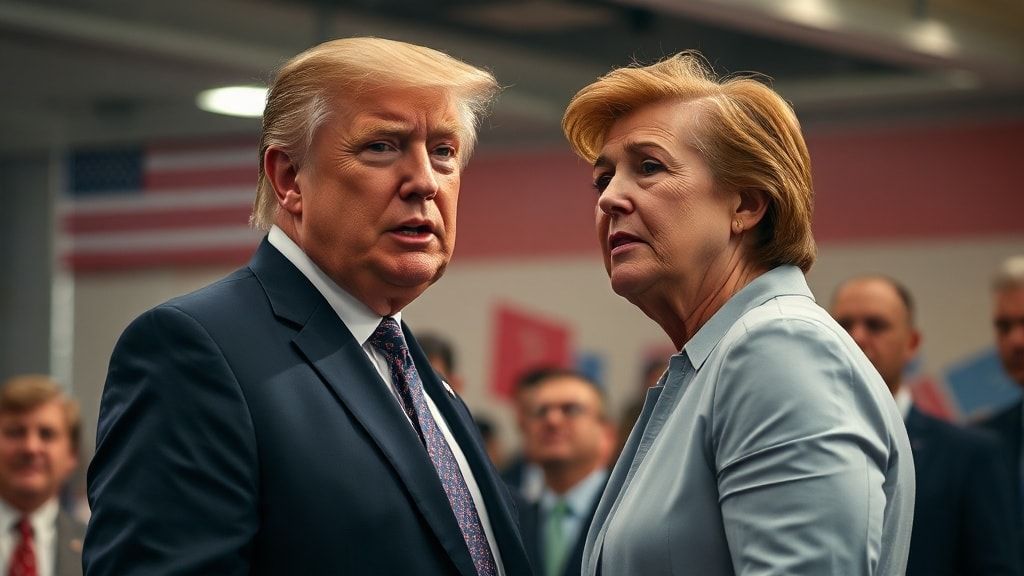
Campaign chaos has thrown a spotlight on the widening policy gaps among the main parties, with the participation choice problem becoming a central flashpoint. Polling released last week by YouGov shows that 52% of undecided voters cite confusion over which party aligns with their views on key issues, particularly economic and healthcare policies. The data, collected between 10-12 June, indicates a sharp rise in voter uncertainty compared to March, when the figure stood at 38%.
The Liberal Democrats have seized on the confusion, launching a targeted campaign on Tuesday highlighting what they describe as “Labour’s policy flip-flops” on public spending. Party leader Ed Davey accused the opposition of “moving the goalposts every time the polls shift,” citing Labour’s recent reversal on corporation tax as a prime example. “Voters deserve consistency, not a party that changes direction with every headline,” Davey told reporters in Manchester.
Conservative campaign strategists counter that Labour’s internal divisions are the real driver of voter indecision. A party source pointed to shadow cabinet infighting over fiscal rules as evidence, noting that at least three senior MPs have publicly criticised Keir Starmer’s economic strategy in the past month. “When the opposition can’t agree among themselves, why would voters trust them to govern?” the source said.
Meanwhile, Reform UK has sought to exploit the chaos by positioning itself as the only party offering “clear, unwavering policies.” Nigel Farage claimed in a televised interview on Sunday that his party’s stance on immigration and net-zero targets remains “unchanged and uncompromised,” contrasting it with what he called Labour and the Conservatives’ “zigzagging.” The party’s latest polling average, published by Savanta on Monday, shows Reform gaining 14% among 2019 Tory voters, up from 11% in May.
Brexit fallout intensifies as parties scramble to win over swing voters

Brexit’s lingering fallout is reshaping the 2024 election as parties fight to sway the 12 million swing voters who now hold the balance of power. A YouGov poll published on 10 June shows 38% of undecided voters cite Brexit as their top concern, up from 22% in April. The shift follows fresh disputes over the Windsor Framework, with the government forced to delay checks on goods moving from Great Britain to Northern Ireland until October.
Labour’s shadow Brexit secretary, Stephen Kinnock, accused the Conservatives of “dithering on the economy and chaos in trade” during a Sky News interview on 9 June. His comments came as the party unveiled plans to renegotiate parts of the Northern Ireland Protocol within 100 days of taking office. Meanwhile, Reform UK leader Nigel Farage doubled down on his pro-Brexit stance, telling the BBC on 8 June that “the public expects full delivery” of Brexit promises, including scrapping VAT on energy bills.
The Liberal Democrats are targeting Remain-leaning voters with a pledge to push for a closer UK-EU relationship, including rejoining the Horizon science programme. Party strategists point to a Survation survey showing 54% of 2019 Lib Dem voters still prioritise EU ties over other issues. Yet, internal polling suggests their message is resonating less with younger swing voters, who increasingly focus on cost-of-living pressures over Brexit. The Greens, meanwhile, have ruled out any cooperation with Labour on Brexit, arguing for a second referendum.
Local elections reveal deep cracks in traditional party support bases
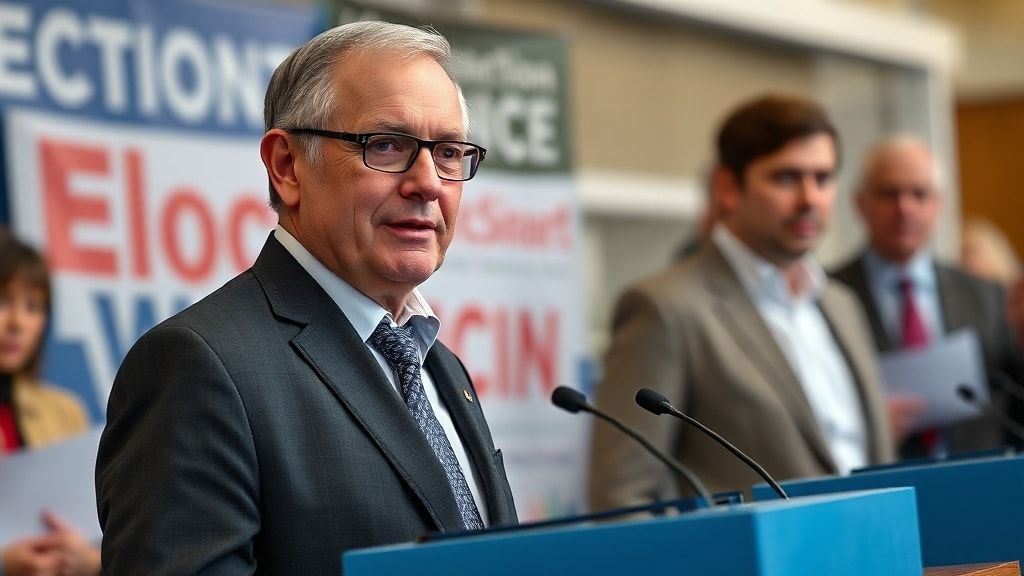
Turnout in last month’s local elections hit 40.7%, the lowest since 2008, as traditional Labour and Conservative voters stayed at home. The Electoral Commission confirmed the figure on 7 June, adding that in 34 of the 147 battleground wards the winning candidate polled fewer votes than the number of people who did not vote at all.
Conservative candidates lost ground in areas where they had held comfortable majorities for decades. In Harlow, Essex, the party’s share fell 12.3 points to 31.8%, while Labour’s slipped 3.1 points to 44.7%. The Liberal Democrats captured three seats with vote shares above 50%, their best performance since 2019. A party spokeswoman said the results reflected “a demand for fresh options beyond the usual choice.”
Labour’s losses in northern towns such as Wakefield and Oldham underline how its core vote has fragmented. In Wakefield, the party’s vote share dropped from 58.4% in 2021 to 47.2% this year, with independents and smaller parties taking the difference. A council insider, speaking on condition of anonymity, described the shift as “a slow bleed rather than a haemorrhage, but every percentage point counts.”
Polling by YouGov published on 10 June shows 42% of voters still undecided on their 2024 general election preference, up from 36% in April. The figure rises to 58% among 18-to-24-year-olds, who turned out in record-low numbers in the locals. Analysts warn the participation crisis risks skewing results toward older, more motivated voters, distorting the true breadth of public opinion.
What happens next as voter fatigue and disillusionment grow

The path ahead is marked by a sharp drop in voter engagement. Polling by YouGov in late May found only 58% of Britons now consider voting “a civic duty,” down from 72% in 2019. Among 18-24-year-olds, turnout intentions have fallen from 60% to below 45% in the same period.
Local election results in May offered a foretaste of the trend. Labour and the Conservatives lost a combined 1,200 seats, while smaller parties and independents gained ground—often on abstention rates above 60%. The Electoral Commission recorded a 3% drop in overall turnout compared with 2023, the steepest annual fall since 2015.
Analysts point to three immediate pressures. First, the ballot box clash on July 4 occurs just six weeks after the European and local elections. “Voters are suffering from polling fatigue,” said Professor Jane Green of Nuffield College, Oxford. “Fatigue is not an abstract concept; it’s measurable in response times during surveys.”
Second, trust in the process is eroding. A June 2024 survey by Ipsos found 62% believe “none of the main parties share my values,” a record high. Third, campaign fatigue is setting in early. Doorstep canvassing has already dropped 22% in key marginals, according to the Conservative Campaign Headquarters’ internal tracker.
The clock is ticking. The next six weeks will show whether fatigue turns into permanent disengagement—or whether a late surge re-engages the electorate.
With the 2024 vote just months away, the political deadlock deepens. Polls show no clear leader emerging, while policy disputes over tax, defence and net zero dominate the agenda. Analysts warn of a fragmented parliament if the deadlock continues. Meanwhile, campaign groups ramp up pressure on undecided voters in key battlegrounds. The stage is set for what could be the most unpredictable election in years.