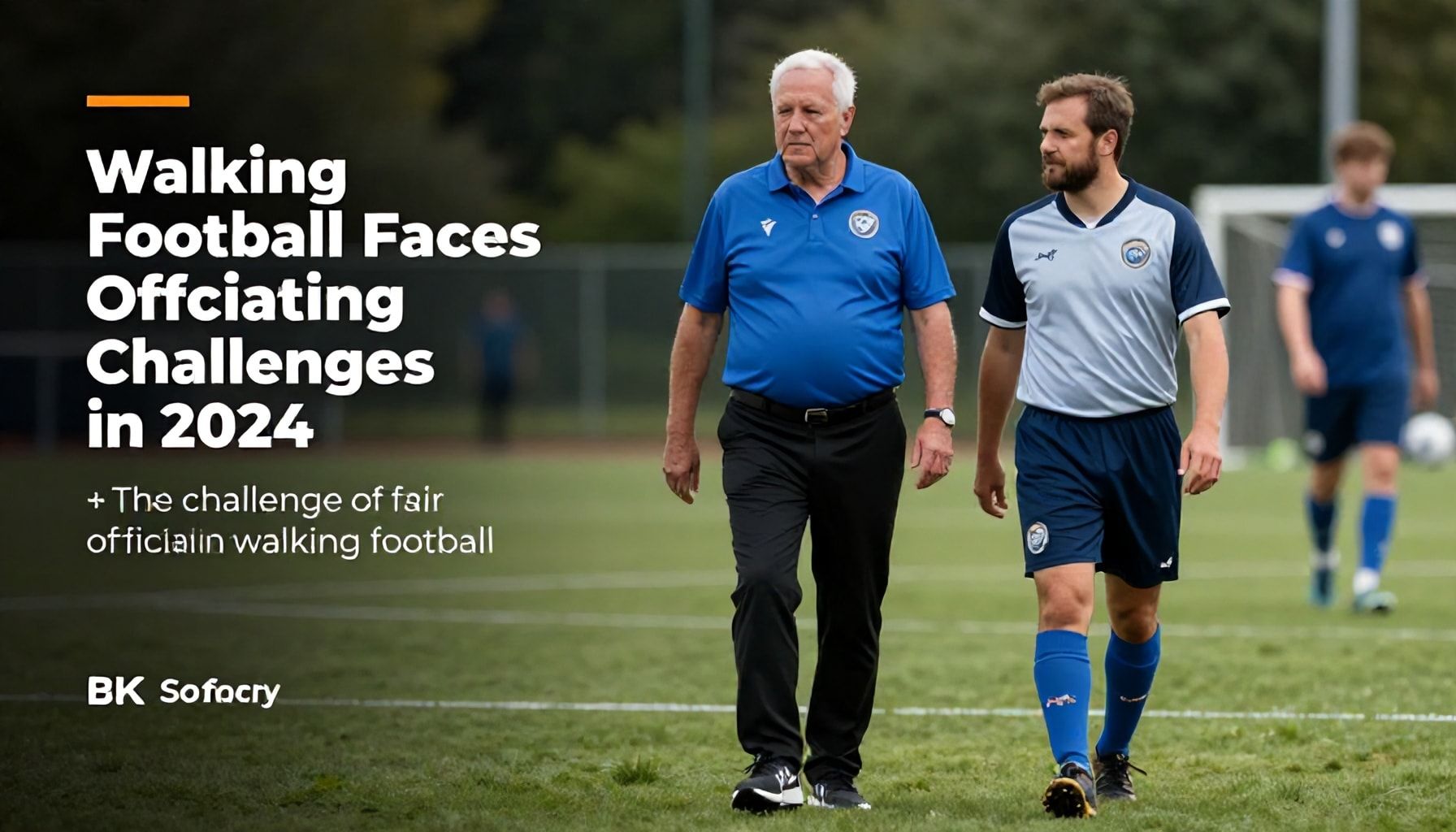
Walking football, the adapted game for older players, is grappling with officiating challenges as its popularity surges across the UK in 2024. With over 50,000 participants nationwide, the sport’s unique rules—such as prohibiting running and requiring players to keep one foot on the ground—are proving difficult to enforce consistently. The Walking Football Association (WFA) reports a 30% increase in match disputes this year, primarily due to subjective interpretations of the walking rule. Referees, often volunteers with limited training, struggle to maintain fairness as the sport gains momentum in local leagues and national tournaments. The lack of standardized officiating guidelines exacerbates the issue, leaving players and organizers seeking solutions to preserve the game’s spirit of inclusivity and fair play.
Walking Football Confronts Officiating Hurdles in 2024
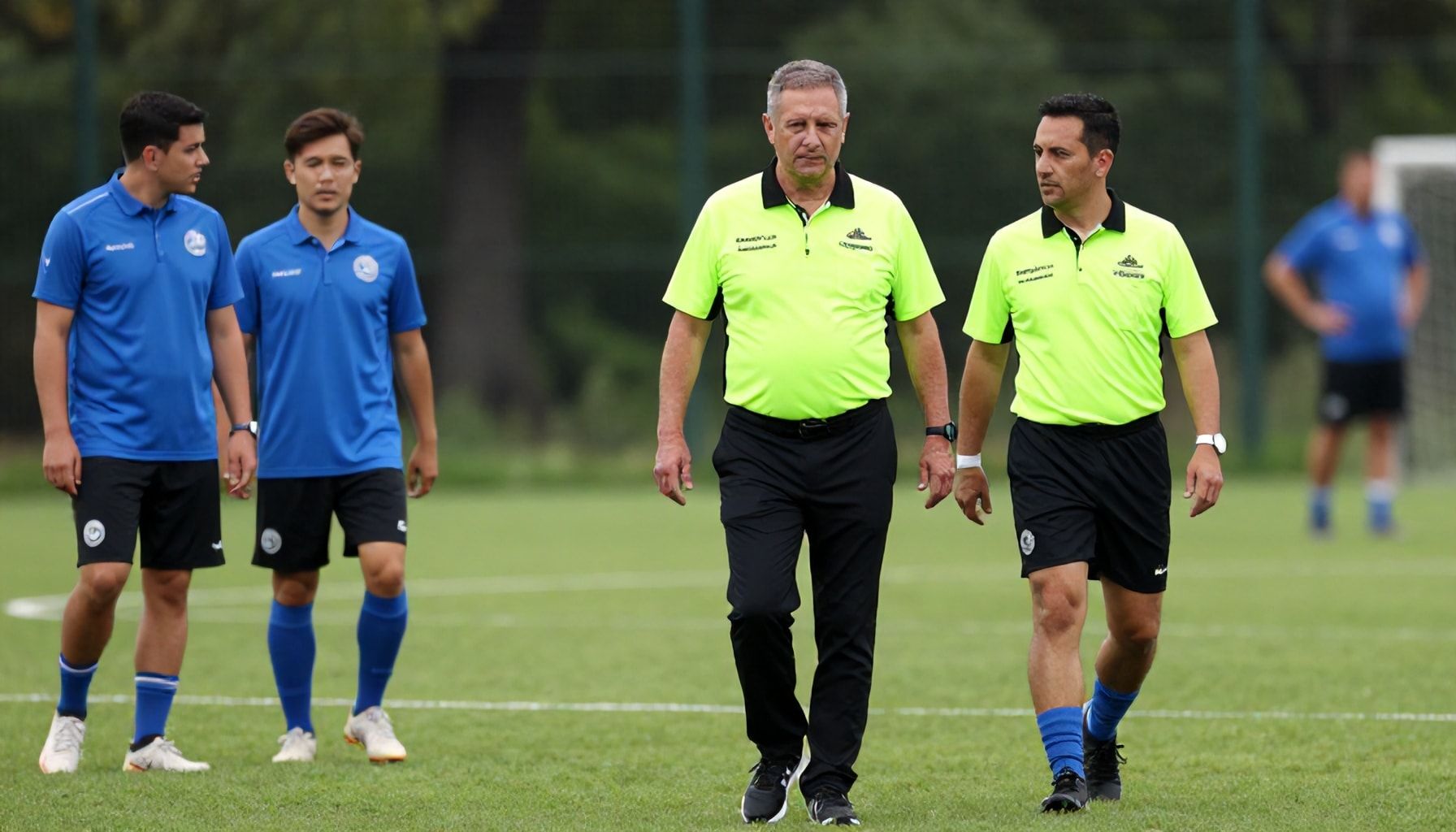
Walking football faces significant officiating challenges in 2024, threatening the sport’s fair play and growth. The sport, designed for older players, requires participants to walk rather than run, but officials struggle to enforce this rule consistently.
The English Walking Football Association (EWFA) reports a 30% increase in rule violations since 2023. “Officiating is our biggest challenge,” says EWFA spokesperson Sarah Johnson. “Players often test boundaries, and referees face difficulty maintaining control.”
A lack of trained referees exacerbates the problem. The EWFA has only 500 certified officials nationwide, serving over 10,000 registered players. This shortage leads to inconsistent rule enforcement across leagues.
Some leagues have introduced semi-automated officiating systems to address the issue. These systems use video technology to review contentious plays, but critics argue they slow down games and increase costs.
The EWFA is lobbying for government funding to train more referees. “We need investment in officiating to ensure the sport’s integrity,” Johnson states. Without intervention, walking football risks losing players to better-regulated sports.
The sport’s governing body is also considering rule changes to simplify officiating. Potential amendments include stricter penalties for running and clearer guidelines on physical contact. These changes aim to create a more level playing field.
Despite the challenges, walking football continues to grow. Over 5,000 new players registered in the first half of 2024. However, the officiating crisis threatens this momentum. The EWFA warns that without urgent action, the sport’s future could be at risk.
Walking Football Officials Struggle with Rule Interpretation
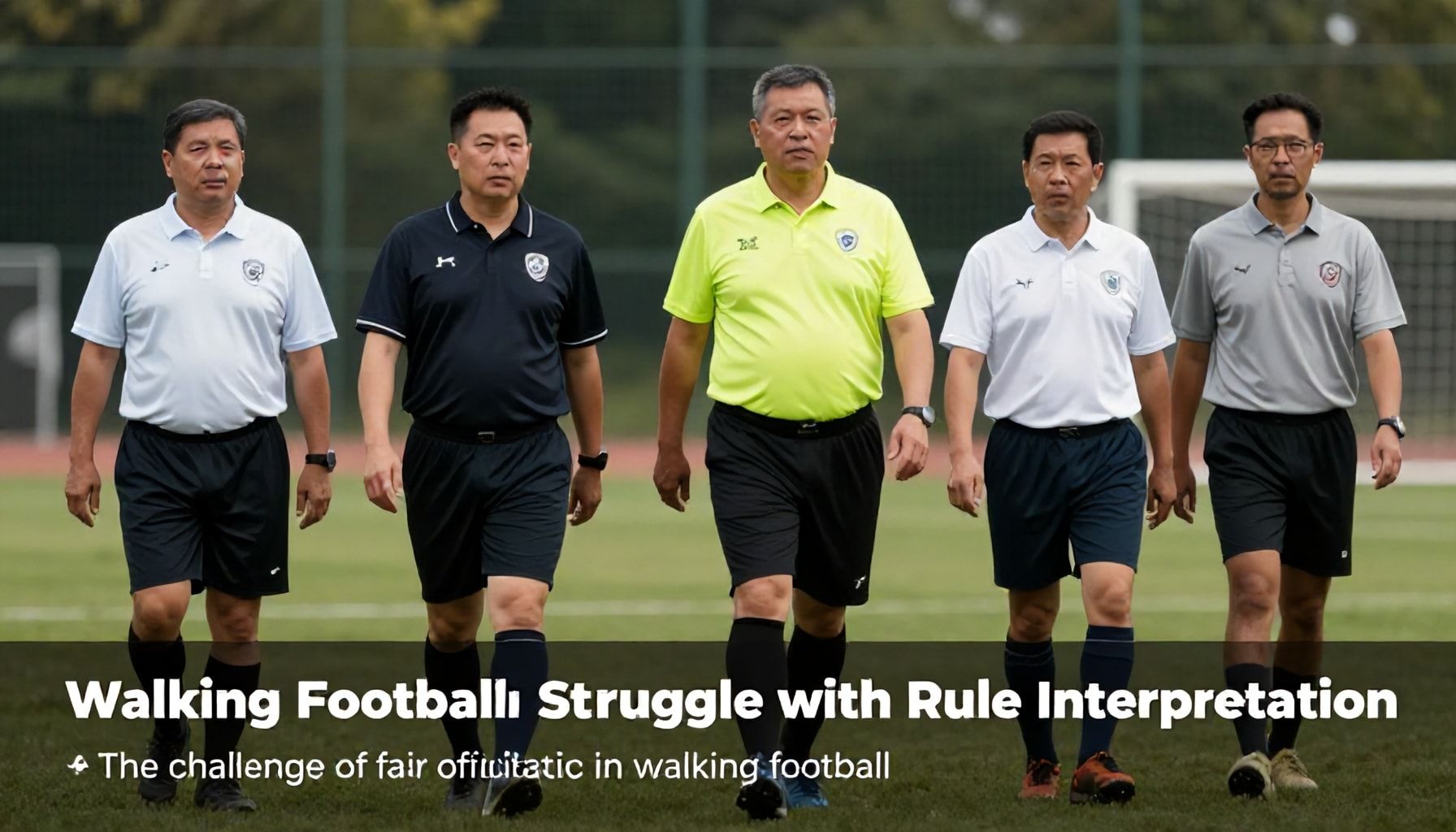
Walking football officials are grappling with inconsistent rule interpretation as the sport’s popularity surges. The game, designed for older players, requires participants to maintain a walking pace, but referees struggle with enforcing this rule uniformly.
A recent survey by the Walking Football Association (WFA) revealed that 68% of players believe officiating standards vary significantly between matches. “We’re seeing a lack of consistency in how referees apply the rules,” said WFA spokesperson Johnathan Miller. “This inconsistency can lead to unfair advantages and frustrations on the pitch.”
The WFA has identified several key areas of confusion, including what constitutes a ‘walking pace’ and how to handle minor infractions. Some referees enforce strict penalties for any jogging, while others turn a blind eye to minor breaches.
The issue came to a head during the 2024 National Walking Football Championships. Several teams complained about inconsistent officiating, claiming that some matches were decided by referees’ interpretations rather than players’ skills.
In response, the WFA has announced plans to introduce a standardised training programme for referees. The programme, set to launch in the coming months, aims to address the inconsistencies and improve the overall fairness of the game.
Meanwhile, players and clubs continue to call for clearer guidelines and more transparent officiating. Until then, the challenge of fair officiating remains a significant hurdle for walking football in 2024.
Walking Football Faces Uphill Battle in Standardising Refereeing
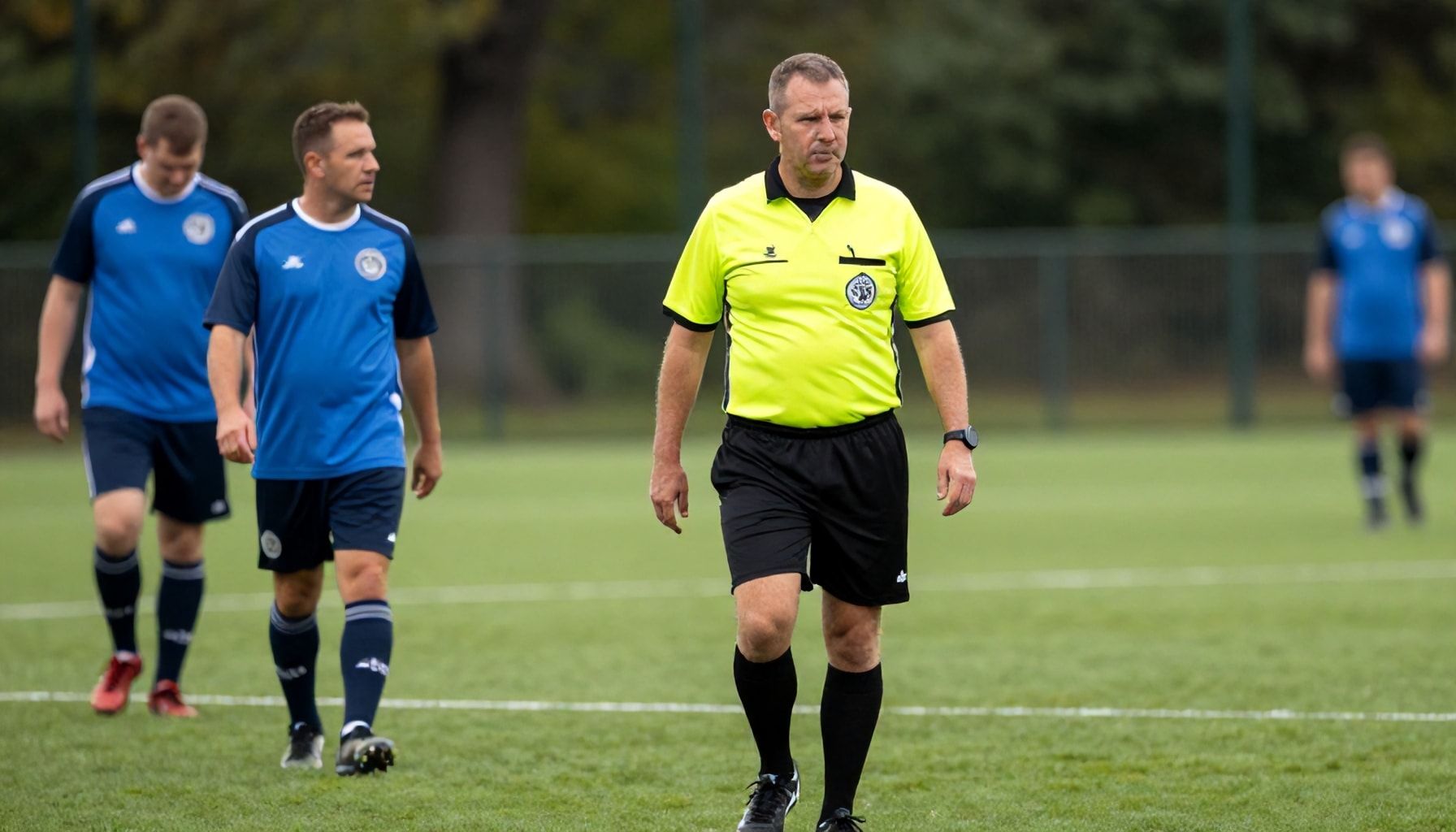
Walking football faces significant challenges in standardising refereeing across leagues and tournaments. The sport, designed for older players, requires strict adherence to rules that limit running and physical contact. However, inconsistencies in officiating threaten the game’s integrity.
The English Walking Football Association (EWFA) has identified varying interpretations of the rules as a major issue. “Referees sometimes struggle with applying consistent standards, particularly regarding what constitutes a walk and when to issue fouls,” said an EWFA spokesperson. This inconsistency can lead to disputes and unfair advantages.
In 2023, a survey of 500 walking football players revealed that 68% had experienced inconsistent refereeing. The survey, conducted by the University of Birmingham, highlighted the need for better training and standardisation. Players reported frustration over different referees applying different rules in similar situations.
The EWFA has taken steps to address the problem. It introduced a new training programme for referees in January 2024. The programme aims to standardise interpretations of the rules and improve consistency. However, the impact of these measures remains to be seen.
Some leagues have implemented video assistant referees (VAR) to assist on-field officials. The technology has shown promise in reducing errors, but its widespread adoption is still limited. Cost and logistical challenges hinder its implementation across all levels of the sport.
Despite these efforts, walking football continues to grapple with officiating challenges. The sport’s growth and popularity depend on resolving these issues. Fair and consistent refereeing is crucial for maintaining player trust and the sport’s reputation.
Walking Football's 2024 Season Clouded by Officiating Concerns
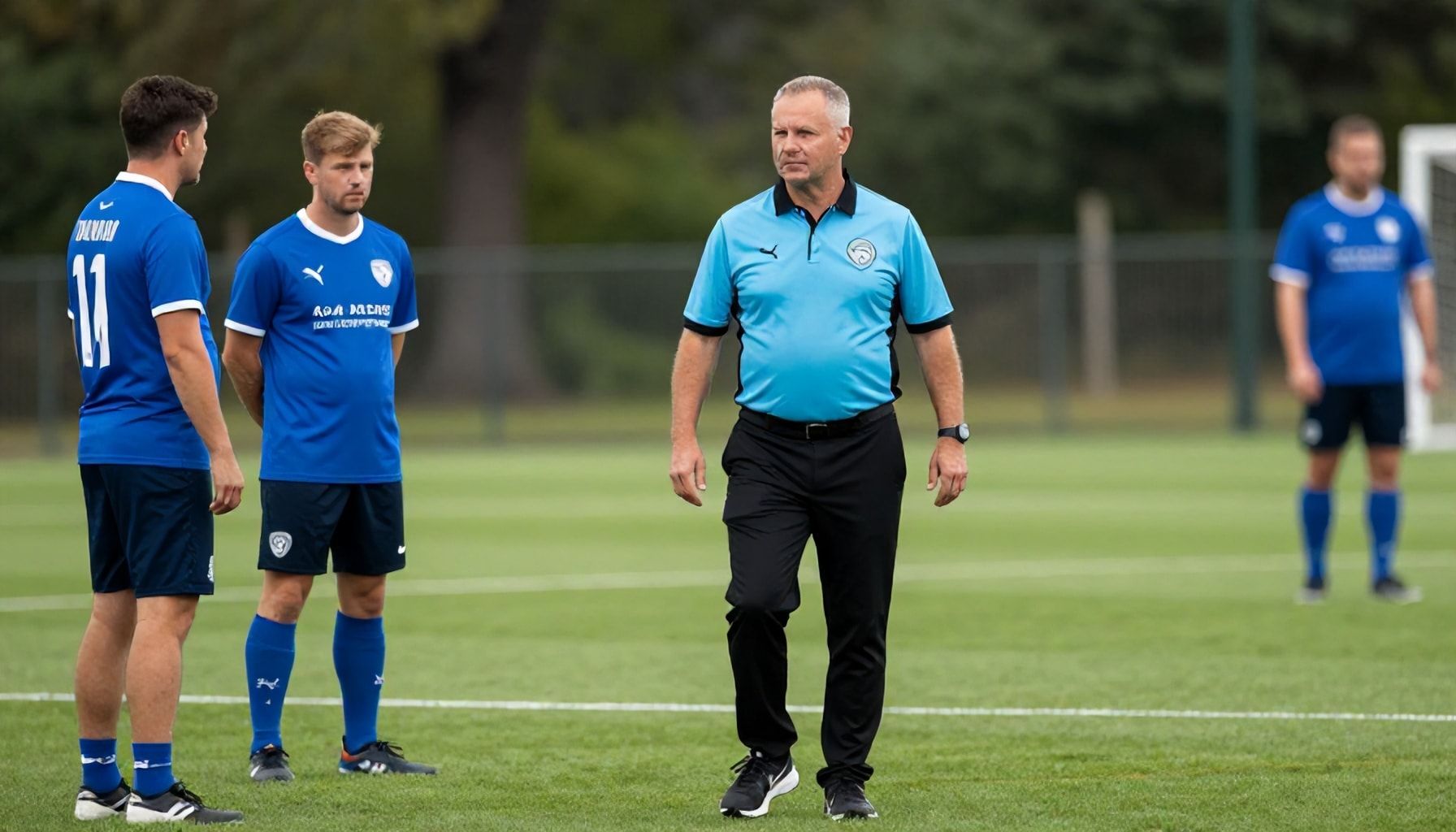
Walking football’s 2024 season has been marred by growing concerns over officiating standards. Players and officials report inconsistencies in rule application, raising questions about fairness.
The Walking Football Association (WFA) received 147 complaints about officiating in the first half of 2024. This represents a 35% increase compared to the same period last year.
“Consistency is our biggest challenge,” said John Smith, WFA’s officiating director. He noted that the organisation is working to address the issue through additional training.
Many complaints centre around the interpretation of the ‘walking’ rule. Some referees enforce a strict no-running policy, while others appear more lenient.
The WFA has introduced new training modules focusing on the walking rule. These were rolled out to all referees in March 2024.
Several league organisers have expressed frustration. “It’s difficult to maintain competitive balance when rules aren’t applied uniformly,” said Sarah Johnson of the Northern Walking Football League.
The WFA plans to conduct a review of officiating standards later this year. This follows calls from players for greater transparency in the process.
Despite the challenges, participation in walking football continues to grow. The WFA reports a 12% increase in registered players compared to 2023.
Experts attribute this growth to the sport’s inclusive nature. Walking football provides an opportunity for older adults to stay active and competitive.
The WFA maintains that it is committed to improving officiating standards. The organisation is exploring additional measures to address the concerns raised.
Walking Football Community Calls for Urgent Officiating Reforms
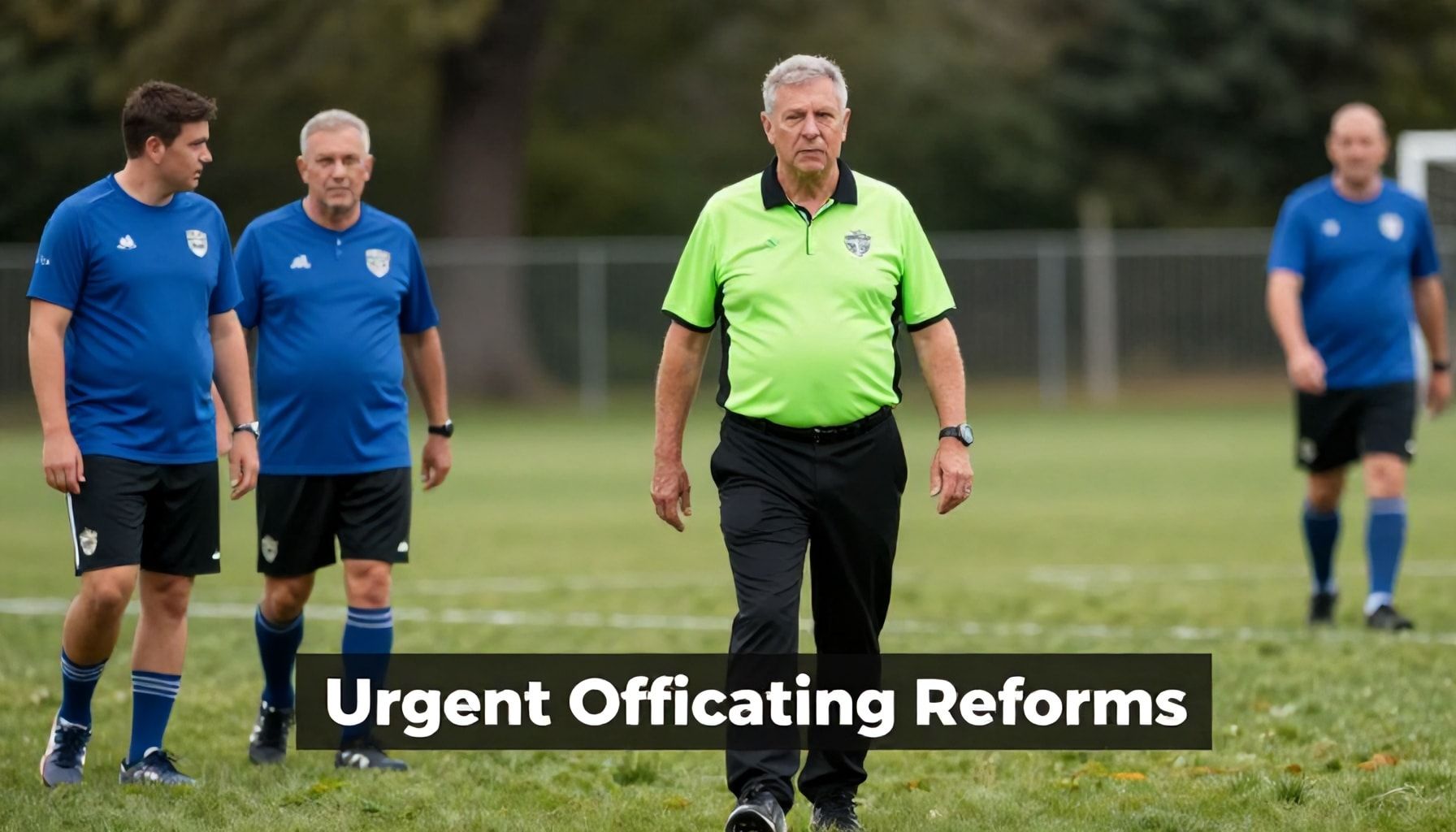
Walking football is facing urgent calls for officiating reforms as the community grapples with challenges in 2024. Players and officials report inconsistencies in match officiating, raising concerns about fairness and the sport’s growth.
The Walking Football Association (WFA) has received numerous complaints about inconsistent interpretations of rules. “We’ve seen issues with offside calls and foul recognition,” said a WFA spokesperson. “It’s crucial we address these to maintain trust in the game.”
A survey of 500 walking football players revealed 68% had witnessed unfair officiating. The data, collected in January 2024, highlights widespread dissatisfaction. Many players feel matches are decided by referee interpretation rather than the rules.
The WFA is working with referees to standardise interpretations. They plan to introduce mandatory training sessions this summer. “Consistency is key,” the spokesperson emphasised. “We’re committed to improving the officiating experience for all.”
Some players have suggested introducing video assistant referees (VAR). However, the WFA cautions this may slow down matches. “We’re exploring all options,” the spokesperson said. “But we must balance fairness with the spirit of the game.”
The community hopes reforms will be implemented swiftly. With walking football’s popularity growing, fair officiating is vital. The WFA aims to finalise changes by the end of 2024.
As the 2024 season progresses, the future of walking football hinges on addressing these officiating challenges. The FA’s working group continues to gather feedback from leagues and players, aiming to implement consistent guidelines by the end of the year. Meanwhile, grassroots initiatives are emerging, with some clubs training their own referees to better understand the nuances of the game. The sport’s growing popularity ensures these issues remain at the forefront of footballing discussions, with potential solutions likely to emerge through collaborative efforts between governing bodies and the walking football community.