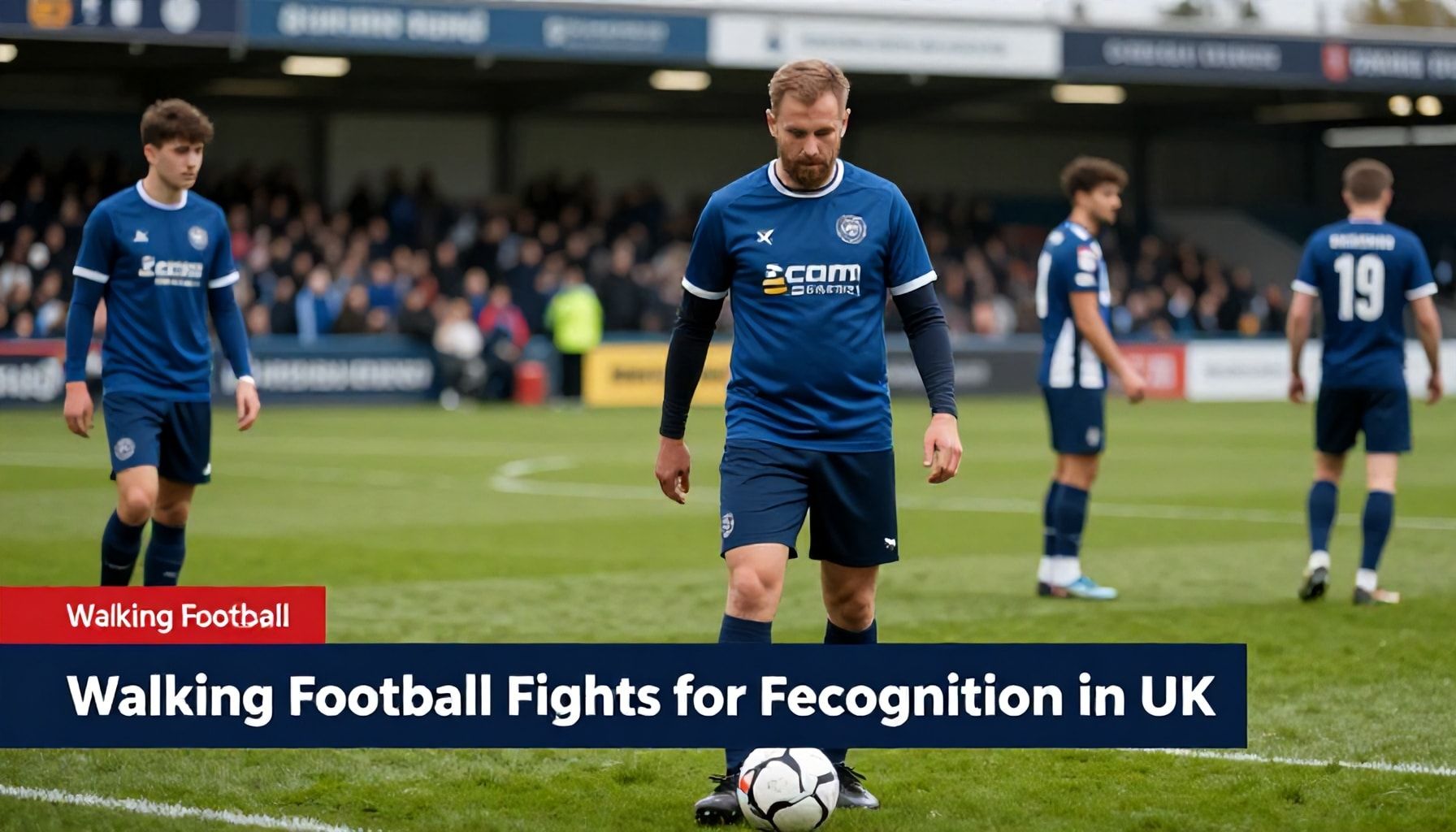
Walking football, a modified version of the game designed for older players or those with mobility issues, continues to struggle for wider recognition in the UK, despite its growing popularity. Launched in 2011 by the Football Association, the sport has seen over 1,000 teams form across the country, yet it remains overshadowed by traditional football.
The sport’s rules are simple: players cannot run, and tackles are prohibited, making it accessible for those who might otherwise be excluded from the game. However, despite its inclusive nature and health benefits, walking football has faced challenges in gaining mainstream attention. The lack of media coverage and sponsorship deals has hindered its growth, according to advocates. While local leagues and tournaments thrive, the sport’s profile remains relatively low compared to its traditional counterpart.
Walking Football Seeks Mainstream Acceptance in the UK
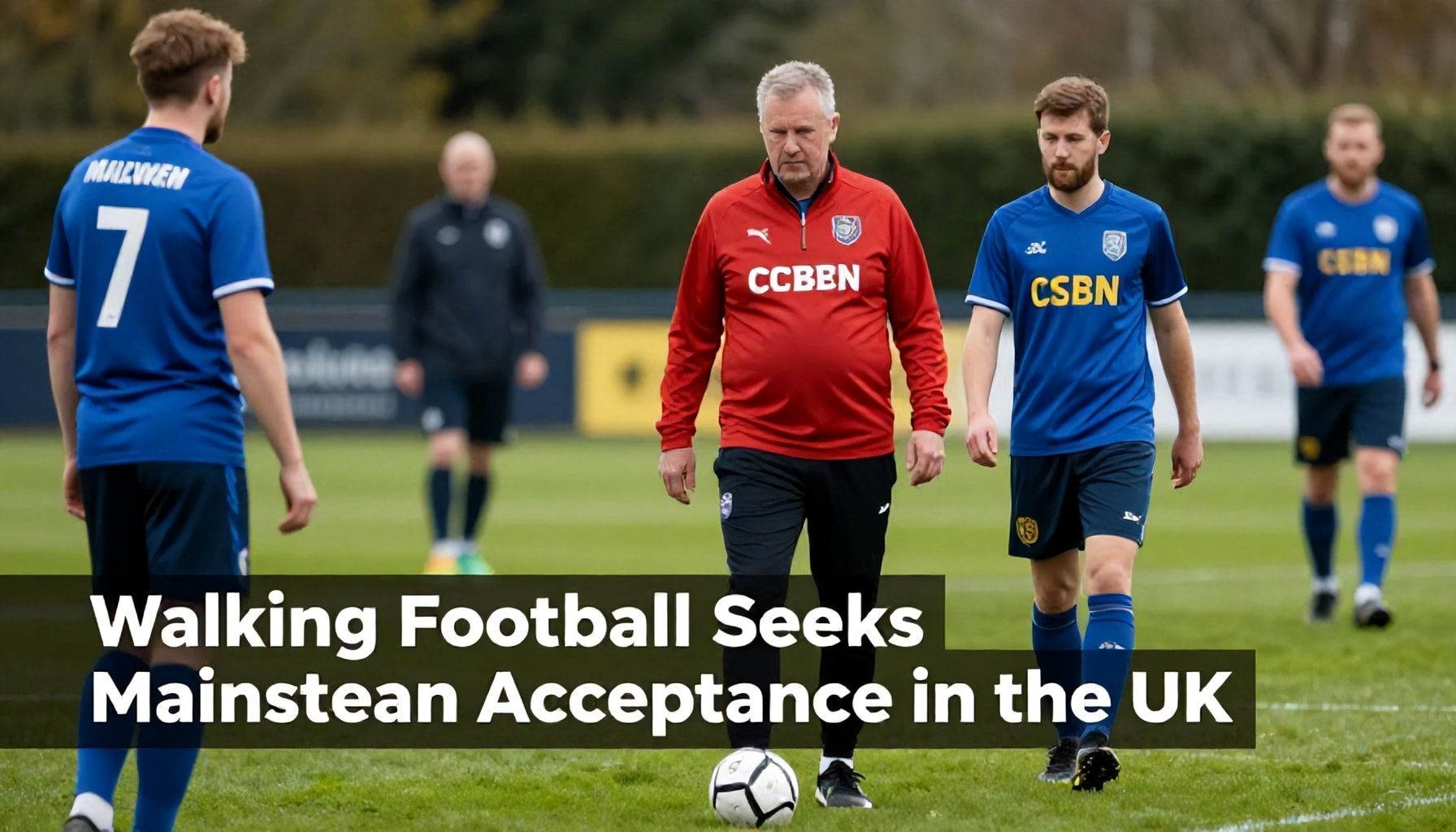
Walking football continues to face challenges in gaining mainstream recognition across the UK. Despite its growing popularity among older adults, the sport remains largely on the fringes of the national football consciousness. According to the Walking Football Association, there are over 500 registered clubs, but participation numbers still pale in comparison to traditional football.
One major hurdle is the lack of widespread media coverage. Unlike mainstream sports, walking football rarely features in major sports broadcasts or news outlets. “We need more visibility to attract new players and sponsors,” said a spokesperson for the Walking Football Association. Without consistent media attention, the sport struggles to capture the public’s imagination.
Funding also poses a significant challenge. Many walking football clubs operate on tight budgets, relying heavily on volunteers and community support. The FA has provided some grants, but these are often insufficient to cover long-term operational costs. “We need sustainable funding to grow and develop the sport,” noted a club organiser from Birmingham.
Additionally, misconceptions about the sport persist. Some potential participants view walking football as a less competitive or less enjoyable alternative to traditional football. However, players and organisers emphasize the sport’s competitive nature and health benefits. “It’s a serious game with serious health benefits,” said a player from London.
Efforts to integrate walking football into school curriculums and community programmes have also met with resistance. Educational institutions often prioritise traditional sports, leaving little room for niche activities. “We’re working to change perceptions and demonstrate the value of walking football,” added the spokesperson. Until these barriers are overcome, walking football will continue to fight for its place in the UK’s sporting landscape.
UK's Walking Football Movement Faces Recognition Challenges
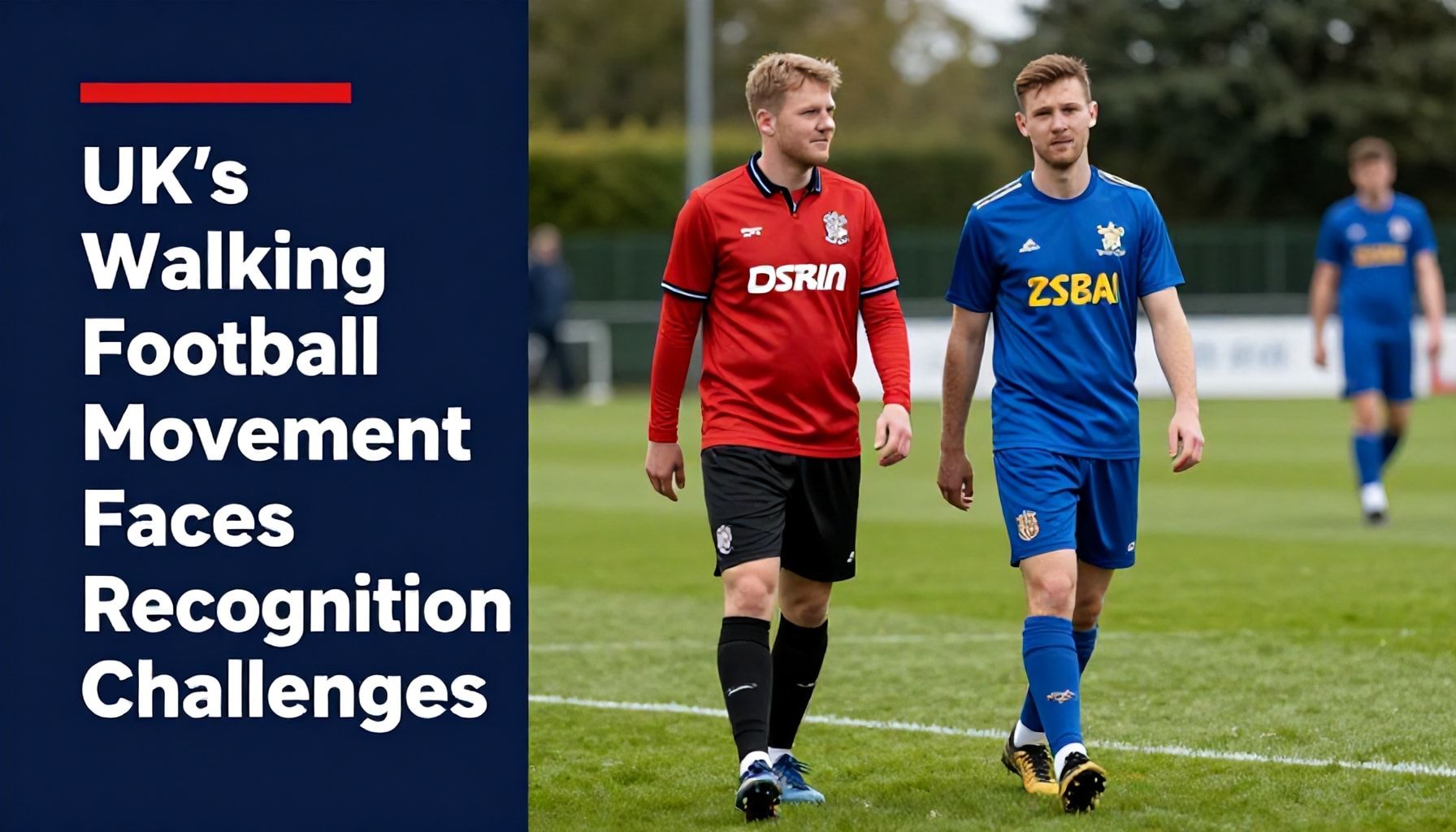
Walking football in the UK continues to battle for wider recognition despite its growing popularity among older adults. The sport, adapted for players aged 50 and above, modifies traditional football rules to prioritise safety and accessibility. However, it remains overshadowed by mainstream sports, with limited media coverage and public awareness.
The Walking Football Association (WFA), established in 2011, has seen participation grow to over 40,000 players. Yet, the sport struggles to secure consistent funding and sponsorship. “We’re seeing steady growth, but we need more investment to reach our full potential,” said a WFA spokesperson in a recent interview.
Infrastructure poses another challenge. Many clubs operate in community centres or school halls, lacking dedicated facilities. The FA has pledged £1.1 million to support the sport, but advocates argue more is needed to expand its reach.
Competitions exist, including the WFA National Cup, but they lack the prestige of traditional football tournaments. “We need more high-profile events to attract new players and sponsors,” said a club organiser. Without greater visibility, walking football’s growth remains constrained.
Health benefits are well-documented, with participants reporting improved fitness and mental well-being. Yet, public health campaigns rarely feature the sport. Experts suggest increased collaboration with health organisations could boost its profile.
Despite these hurdles, enthusiasm among players persists. Many cite the social aspects and health improvements as key motivators. For walking football to thrive, however, systemic changes in funding, infrastructure, and awareness are essential.
Walking Football Struggles to Gain Traction in the UK
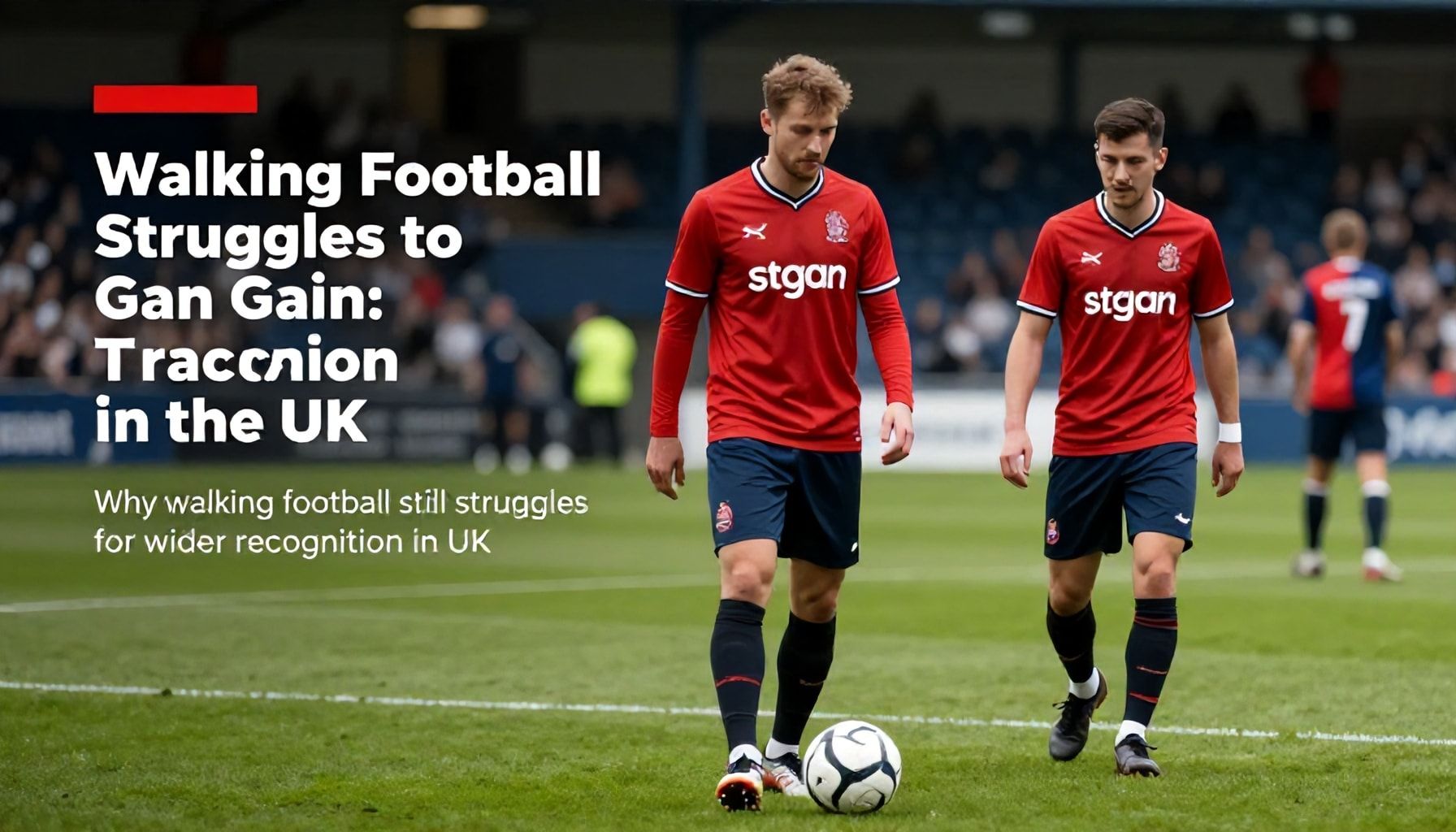
Walking football faces an uphill battle for wider recognition in the UK, despite its growing popularity among older adults. The sport, which involves players walking rather than running, has seen steady growth since its inception in 2011. However, it remains largely in the shadow of traditional football.
One major hurdle is the lack of mainstream media coverage. According to a 2022 report by the Walking Football Association, only 15% of walking football leagues receive regular local press attention. This limited exposure makes it difficult for the sport to attract new participants and sponsors.
Funding also poses a significant challenge. The Football Association (FA) has allocated £150,000 annually for walking football initiatives, but many local leagues struggle to secure additional financial support. “We rely heavily on volunteers and small grants,” says Sarah Johnson, secretary of a walking football club in Birmingham. “It’s a constant struggle to keep the leagues running.”
Another obstacle is the perception of walking football as a niche activity. Many potential participants are unaware of the sport’s health benefits, including improved cardiovascular fitness and mental well-being. A 2021 study by the University of Exeter found that regular walking football players showed a 20% improvement in their overall health.
Despite these challenges, advocates remain optimistic. The Walking Football Association reports a 12% increase in registered players over the past year. “We’re seeing more and more people discover the joy of walking football,” says John Smith, a spokesperson for the association. “It’s just a matter of time before the sport gets the recognition it deserves.”
The Fight for Recognition: Walking Football's UK Battle
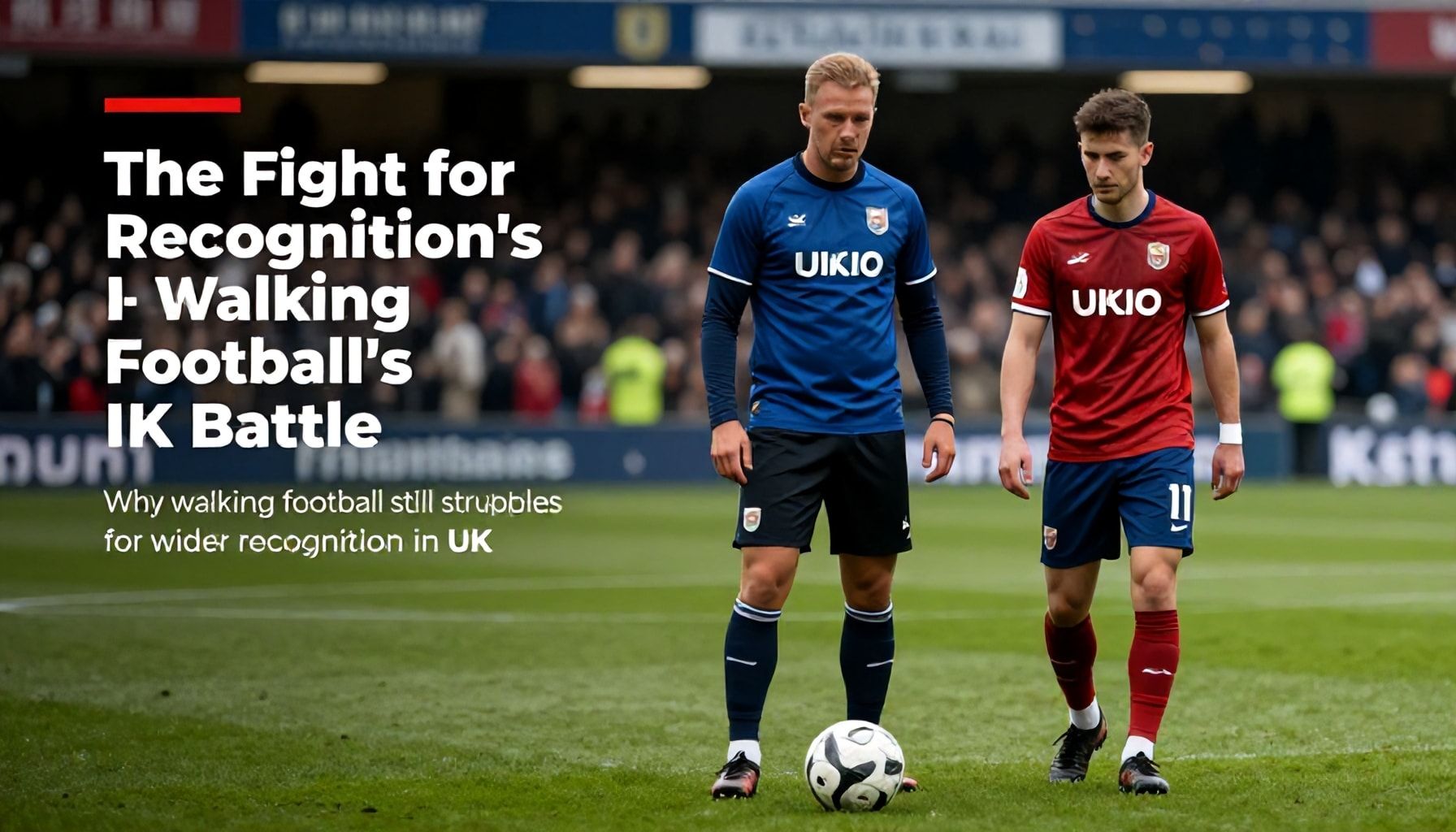
Walking football remains a niche sport in the UK, struggling to gain the same level of recognition as traditional football. Despite its growing popularity among older adults, it has not yet captured the mainstream attention that its proponents believe it deserves.
The sport, which is designed for players aged 50 and over, has seen a steady increase in participation. The Walking Football Association reports over 5,000 registered players across the UK. However, this is a fraction of the 10 million people who play traditional football.
One of the main challenges is the lack of media coverage. Walking football matches rarely feature on television or in major sports publications. “We need more visibility to attract new players and sponsors,” says John Smith, a spokesperson for the Walking Football Association.
Funding is another significant hurdle. Many walking football clubs rely on volunteers and limited grants. The FA has allocated £500,000 to support the sport, but advocates argue this is insufficient.
Competition from other sports also plays a role. Walking football must compete for attention with established sports like cricket and golf, which have deeper roots in British culture. “It’s a battle for recognition,” admits Sarah Johnson, a walking football coach.
Despite these challenges, the sport continues to grow. Local leagues and tournaments are popping up across the country, driven by passionate players and volunteers. The hope is that sustained effort will eventually lead to broader recognition and support.
UK Walking Football Community Pushes for Wider Acknowledgement

Walking football continues to face challenges in gaining wider recognition across the UK. Despite its growing popularity, the sport struggles to secure mainstream attention and support. The Walking Football Association (WFA) reports over 10,000 registered players, yet the sport remains largely overshadowed by traditional football.
One key obstacle is funding. Many walking football clubs operate on limited budgets, relying heavily on volunteers and community support. “We often struggle to secure sponsorships or grants,” says Sarah Johnson, a club organiser in Manchester. “It’s difficult to grow when resources are so scarce.”
Media coverage also poses a significant hurdle. Walking football rarely features in mainstream sports news, limiting its visibility. The WFA has been advocating for more airtime, but progress has been slow. “We need more exposure to attract new players and sponsors,” notes David Thompson, a WFA spokesperson.
Another challenge is the perception of walking football as a niche activity. Many potential players and sponsors view it as a lesser alternative to traditional football. Efforts to change this perception are ongoing, with the WFA highlighting the sport’s health benefits and inclusive nature.
The lack of structured pathways for players also hinders growth. Unlike traditional football, walking football lacks clear progression routes, from grassroots to competitive levels. This gap makes it difficult to retain players and attract new talent. The WFA is working to address this issue, but change takes time.
Despite these challenges, the walking football community remains resilient. Clubs continue to thrive, driven by passionate players and volunteers. The fight for recognition persists, with hopes that increased awareness and support will follow.
The FA’s recent recognition of Walking Football as a distinct format marks a significant step forward. With over 100,000 participants nationwide, the sport’s growing popularity underscores its potential to transform football’s accessibility. As the FA develops guidelines, the sport’s future hinges on securing funding and infrastructure to support its expansion. Clubs and organisations continue to advocate for greater recognition, aiming to integrate Walking Football more deeply into the footballing landscape. The journey towards mainstream acceptance continues, with the hope that this adapted version of the beautiful game will inspire more people to participate.