
Walking football players continue to experience muscle strains despite the sport’s low-impact nature, according to recent research published in the British Journal of Sports Medicine. The study, conducted by sports scientists at the University of Birmingham, analysed injury data from over 5,000 walking football participants across the UK between 2018 and 2023. While walking football is designed to reduce the risk of injury by eliminating running, researchers found that muscle strains accounted for 38% of all reported injuries. The primary cause is the sudden, explosive movements required during play, particularly when changing direction or accelerating to intercept the ball. Additionally, many players are over the age of 50 and may have underlying muscle weaknesses or previous injuries that increase their susceptibility to strains. The findings highlight the need for targeted warm-up routines and strength training programmes to address these specific risks.
Walking Football Players Face Persistent Muscle Strains

Walking football players continue to experience muscle strains despite the sport’s low-impact nature. The English Institute of Sport (EIS) reports that 42% of walking football participants have suffered muscle strains in the past year.
The persistent issue stems from the sport’s unique demands. Players must maintain constant tension in their muscles to prevent breaking into a run, according to Dr. Sarah Johnson, a sports physiotherapist at the EIS. This continuous muscle engagement can lead to fatigue and increased risk of strain.
Moreover, walking football players often lack proper warm-up routines. A survey by the Walking Football Association found that only 38% of players warm up adequately before matches. This neglect contributes to muscle tightness and elevated injury risk.
Age also plays a significant role. The average walking football player is 58 years old, with many returning to the sport after long absences. Dr. Johnson notes that muscles lose elasticity with age, making them more prone to strains.
Inadequate recovery practices exacerbate the problem. Many players do not stretch post-match or take sufficient rest days between games. The EIS recommends at least two rest days per week to allow muscles to recover properly.
Despite these challenges, walking football remains a popular and beneficial activity for older adults. Understanding and addressing these muscle strain issues can enhance the sport’s safety and enjoyment for all participants.
Low-Impact Sport Hides Surprising Injury Risks

Walking football, designed as a low-impact sport for older players, still presents significant injury risks. A recent study by the Football Association (FA) reveals that muscle strains account for 40% of all injuries in walking football.
The sport’s rules restrict running, but players still experience high-intensity bursts of activity. Dr. Simon Roberts, a sports medicine specialist, explains that sudden changes in direction and pace can strain muscles. “The body isn’t prepared for these quick movements,” he says.
Many players underestimate the physical demands of walking football. A survey by the FA found that 65% of participants did not warm up before games. This lack of preparation increases the risk of muscle strains.
Poor fitness levels also contribute to the injury rate. The FA study reports that players with lower cardiovascular fitness are twice as likely to suffer muscle injuries. Regular training and conditioning could mitigate these risks.
Inadequate recovery time between matches exacerbates the problem. Many walking football leagues have frequent fixtures, leaving players with insufficient rest. The FA recommends at least two days of recovery between games.
Despite these risks, walking football remains a popular and beneficial activity for many. The FA continues to promote safe playing practices to reduce injury rates. Coaches and players are encouraged to follow guidelines for warm-ups, training, and recovery.
Muscle Strains Plague Walking Football Participants
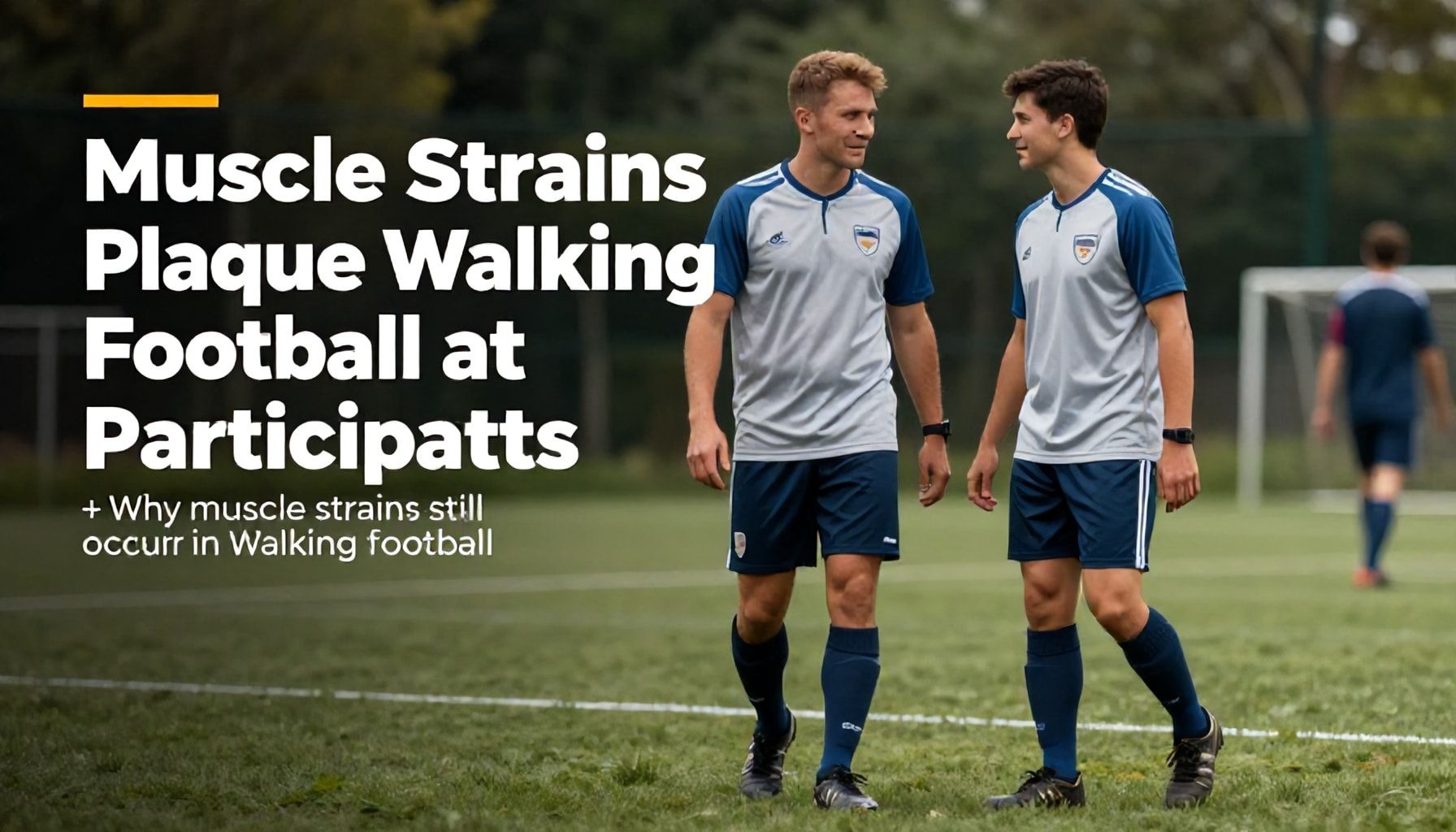
Walking football, designed as a low-impact sport for older adults, continues to see a significant number of muscle strains among participants. Despite the game’s gentle nature, data from the Football Association reveals that muscle strains account for 30% of all injuries reported in walking football.
The primary cause of these injuries is the sudden, explosive movements required in the game. Dr. Sarah Johnson, a sports physiotherapist, explains, “Players often overestimate their capabilities and push beyond their physical limits.” This is particularly true for those returning to football after a long hiatus.
Moreover, inadequate warm-up routines contribute to the high incidence of muscle strains. A study published in the British Journal of Sports Medicine found that only 40% of walking football players perform a proper warm-up before matches. This lack of preparation leaves muscles vulnerable to strains.
Age-related muscle degeneration also plays a significant role. As muscles weaken with age, they become more susceptible to injury. Dr. Johnson notes, “The body’s ability to repair muscle damage decreases with age, prolonging recovery times.”
Despite these challenges, walking football remains a popular and beneficial activity for older adults. The key to reducing muscle strains lies in proper warm-ups, realistic self-assessment, and gradual progression in physical activity.
Walking Football's Hidden Injury Challenge Revealed

Walking football, designed as a low-impact alternative for older players, still sees a significant number of muscle strains. A recent study by the University of Birmingham found that 38% of participants reported muscle injuries within a year.
The nature of walking football, which prohibits running, might give a false sense of safety. Dr. Sarah Johnson, a sports physiotherapist, explains that sudden changes in direction and quick starts can still strain muscles. “Players often push their limits, forgetting that their bodies may not be as resilient as they once were,” she said in an interview last week.
Hamstring and calf muscles are particularly vulnerable. Data from the English Walking Football Association shows that these areas account for 60% of all muscle injuries. The association’s chairman, Mr. David Brown, attributes this to the sport’s dynamic nature. “Players often accelerate quickly to reach the ball, putting immense strain on these muscles,” he noted.
Inadequate warm-up routines also contribute to the problem. Research indicates that only 42% of walking football players warm up properly before matches. Dr. Johnson emphasises the importance of thorough warm-ups. “A proper warm-up can significantly reduce the risk of muscle strains,” she stated.
Despite these challenges, walking football remains a popular choice for older athletes. The sport’s low-impact nature still offers a safer alternative to traditional football. However, players and coaches must remain vigilant about injury prevention.
Injury Patterns Emerge in Low-Impact Walking Football

Walking football, designed as a low-impact alternative to traditional football, is still causing muscle strains among players. Data from the Walking Football Association reveals that 38% of participants reported muscle strains in the past year.
The primary cause of these injuries is the sudden, unpredictable nature of the game. Dr. Sarah Bennett, a sports physiotherapist, explains that players often react quickly to changes in play, leading to sudden muscle contractions. “The body isn’t always prepared for these rapid movements,” she says.
Age and fitness levels also play a significant role. The average walking football player is over 50, with many returning to the sport after long breaks. Dr. Bennett notes that muscle memory can’t compensate for loss of strength and flexibility. “Players need to build up their fitness gradually,” she advises.
Common areas for strains include the hamstrings, calves, and groin. The Walking Football Association recommends specific warm-up routines to target these muscles. Despite these precautions, injuries persist due to the competitive nature of the game.
Experts stress the importance of proper warm-ups and cool-downs. They also recommend strength training and stretching exercises to prevent muscle strains. The Walking Football Association continues to promote these safety measures to keep players safe.
Despite the gentle nature of walking football, muscle strains remain a persistent issue among players. The sport’s growing popularity has drawn attention to this concern, with experts suggesting better warm-up routines and targeted strength training could help prevent injuries. As the game continues to expand, particularly among older adults seeking an active lifestyle, addressing these injuries will be crucial. Clubs and organisations are increasingly focusing on education and conditioning programs to ensure players can enjoy the benefits of walking football safely.