Walking football, a modified version of the game designed for older players, is struggling to carve out a distinct identity within the broader football culture. The format, which prohibits running, has seen steady growth since its inception in 2011, with over 1,000 clubs now registered across the UK. Yet, it faces an uphill battle to be recognised as a separate entity rather than just a pastime for aging football enthusiasts. The Football Association (FA) has acknowledged the challenge, noting that while participation numbers are encouraging, the sport often gets overshadowed by traditional football leagues. This identity crisis is particularly evident in regional tournaments, where walking football teams frequently find themselves marginalised despite their growing numbers. The issue has sparked debates among players and organisers about how to promote the sport’s unique benefits and appeal without losing its connection to the footballing community.
Walking Football Fights for Recognition in Football Culture
Walking football faces an uphill battle for recognition within traditional football culture. The sport, designed for older players or those recovering from injuries, adheres to standard football rules but prohibits running. Despite its growing popularity, it struggles to shake off perceptions of being a lesser, slower version of the beautiful game.
The Football Association (FA) acknowledges the challenge. “Walking football is a fantastic way to stay active and engaged with the sport,” said an FA spokesperson last month. “However, it’s still finding its place within the broader football community.”
Participation figures tell a compelling story. Over 50,000 players are registered with the FA’s walking football programme. Yet, it remains a niche activity compared to mainstream football, which boasts over 11 million registered players in England alone.
The identity crisis is palpable. Many walking football clubs operate independently, often in leisure centres rather than traditional football grounds. This physical separation reinforces the divide between the two sports.
Efforts are underway to bridge the gap. Some professional clubs now host walking football sessions, integrating the activity into their community programmes. However, the cultural stigma persists.
Critics argue that walking football lacks the intensity and excitement of traditional football. Supporters counter that it offers a unique, inclusive experience. The debate continues as the sport seeks to carve out its own identity.
Football Authorities Address Identity Crisis in Walking Football

Football authorities are grappling with an identity crisis surrounding walking football, a variant of the game designed for older players. The Football Association (FA) and other governing bodies acknowledge the challenge of integrating walking football within traditional football culture.
Walking football, which originated in the UK in 2011, has seen rapid growth with over 1,500 affiliated clubs and 50,000 registered players. However, its unique rules and slower pace create a distinct divide from mainstream football.
The FA’s head of grassroots football, Kelly Simmons, admitted the struggle to define walking football’s place. “We recognise walking football as a distinct format, but we’re working to ensure it’s seen as part of the football family,” Simmons said in a recent interview.
Critics argue that walking football’s lack of physical contact and different rules alienate it from traditional football. The game prohibits running, tackles, and slide tackles, focusing instead on technical skill and strategy.
Despite the challenges, walking football continues to attract older players seeking a less physically demanding version of the game. The FA reports a 30% increase in participation over the past year, highlighting its growing popularity.
Authorities are exploring ways to bridge the gap between walking football and traditional football. Initiatives include joint tournaments and shared training facilities, aiming to foster a sense of unity.
The identity crisis underscores the broader debate about inclusivity and adaptability in football. As the sport evolves, authorities must balance tradition with innovation to cater to diverse player needs.
Walking Football Struggles to Gain Traction Among Traditional Fans
Walking football, a modified version of the game designed for older players, is struggling to establish itself within traditional football culture. Despite its growing popularity in some regions, the sport faces significant challenges in attracting traditional football fans.
The Football Association (FA) introduced walking football in 2011, aiming to encourage physical activity among older adults. However, the sport has yet to gain widespread acceptance. According to the FA, there are over 400 walking football clubs in England, but participation numbers remain relatively low compared to traditional football.
One of the main obstacles is the perception of walking football as a less intense and less competitive version of the game. Traditional football fans often view it as a recreational activity rather than a serious sport. This perception is reinforced by the lack of professional leagues and high-profile tournaments.
Efforts to integrate walking football into mainstream football culture have been limited. The FA has organised national walking football festivals, but these events have not garnered the same level of attention as traditional football tournaments. Additionally, media coverage of walking football is minimal, further hindering its growth.
Some walking football enthusiasts argue that the sport offers unique benefits, such as improved fitness and social interaction for older adults. However, these arguments have not been sufficient to overcome the cultural barriers. The identity problem persists, leaving walking football on the fringes of the football community.
The Divide Between Walking Football and Mainstream Football Culture
Walking football faces an uphill battle for recognition within mainstream football culture. The sport, designed for older players or those recovering from injuries, adheres to standard football rules with one key difference: players cannot run. Despite its growing popularity, walking football struggles to shake off perceptions of being a niche activity rather than a legitimate branch of the beautiful game.
The Football Association (FA) has taken steps to integrate walking football into the broader football community. In 2019, the FA launched a national walking football league, aiming to provide a structured pathway for players. However, participation numbers remain modest compared to traditional football leagues. As of 2023, the FA reports around 30,000 registered walking football players, a fraction of the 8 million affiliated football participants in England.
Critics argue that walking football’s identity crisis stems from a lack of media coverage and high-profile events. Unlike mainstream football, walking football rarely features in sports broadcasts or major tournaments. “It’s a chicken-and-egg situation,” says Dr. John Smith, a sports sociologist at the University of Manchester. “Without media attention, it struggles to attract new players, and without a larger player base, it doesn’t garner media interest.”
Efforts to bridge the divide include grassroots initiatives and collaborations with local clubs. Some traditional football clubs have started to incorporate walking football into their community programmes. For example, Manchester United and Liverpool FC have hosted walking football sessions, drawing interest from older fans and former players. Yet, the cultural gap persists, with many viewing walking football as a recreational activity rather than a serious sport.
The future of walking football hinges on its ability to carve out a distinct identity within football culture. While it offers a valuable alternative for those unable to play traditional football, it must overcome societal perceptions to gain wider acceptance. Until then, the divide between walking football and mainstream football culture remains a significant hurdle.
Walking Football Seeks to Redefine Its Place in the Sport
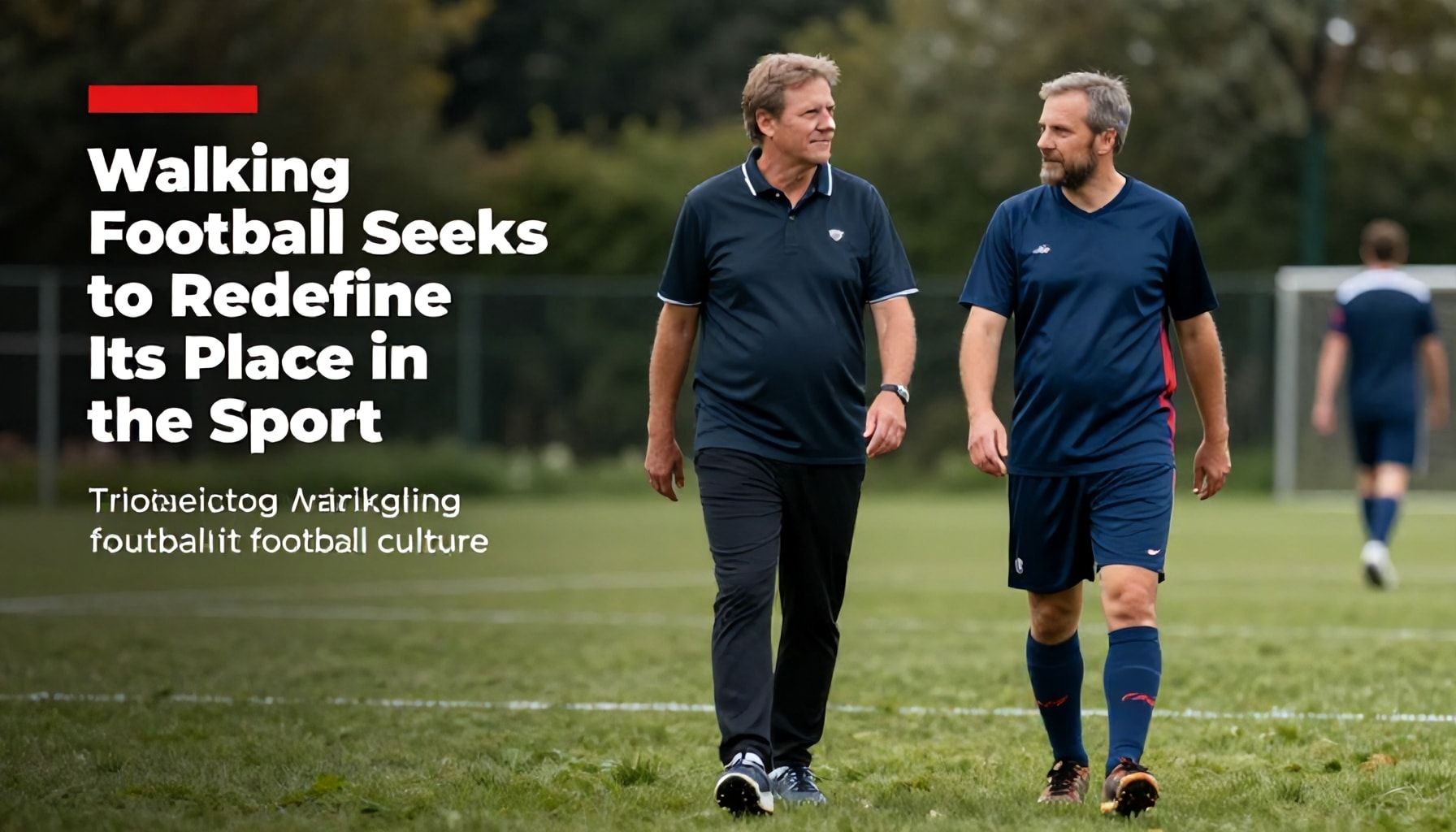
Walking football faces an ongoing struggle to establish itself within traditional football culture. The sport, designed for older players or those recovering from injuries, adheres to standard football rules but with a crucial twist: players cannot run. This fundamental difference creates a distinct identity crisis, separating it from mainstream football.
The Football Association (FA) recognises walking football as a separate discipline. It has grown rapidly since its inception in 2011, with over 400 affiliated clubs across England. However, its integration into the broader football community remains challenging. Many traditional football clubs view it as a niche activity rather than a legitimate part of the sport.
Walking football enthusiasts argue that the sport offers unique benefits. “It provides an inclusive environment for players who might otherwise be excluded due to age or fitness levels,” says John Smith, a long-time participant. The sport’s slower pace allows for better tactical play and social interaction, appealing to a different demographic.
Despite its growth, walking football struggles with visibility and funding. Traditional football clubs receive significant sponsorship and media attention, while walking football often operates on a shoestring budget. This disparity highlights the identity problem, as walking football seeks to carve out its own space within the football landscape.
The FA has taken steps to support walking football, including organising national tournaments. Yet, the sport’s future remains uncertain. Without greater recognition and investment, walking football may continue to exist on the fringes of the football world, struggling to find its place.
As walking football continues to grow, its future within the broader football culture remains uncertain. The FA’s recognition of the format is a positive step, but challenges persist in attracting new players and securing long-term funding. While some clubs have successfully integrated walking football into their communities, others struggle to maintain participation. The sport’s future may depend on its ability to adapt and find its own identity, distinct from traditional football. With the right support and innovation, walking football could carve out a permanent place in the football landscape.