
Unpredictable weather patterns have wreaked havoc on county cricket fixtures this season, with 37 matches already abandoned or rescheduled across England and Wales. The relentless rain and cold snaps have left clubs scrambling to fit in games, with the ECB confirming that over 200 playing days have been lost since April. The disruption has not only affected competitive results but also revenue, as clubs miss out on matchday income. Groundsmen have struggled to maintain pitches, with some counties reporting waterlogged outfields well into June. The Met Office attributes the unusual conditions to shifting weather fronts, while cricket analysts warn of potential knock-on effects for player fitness and tournament integrity.
Rain Washes Out Multiple County Matches
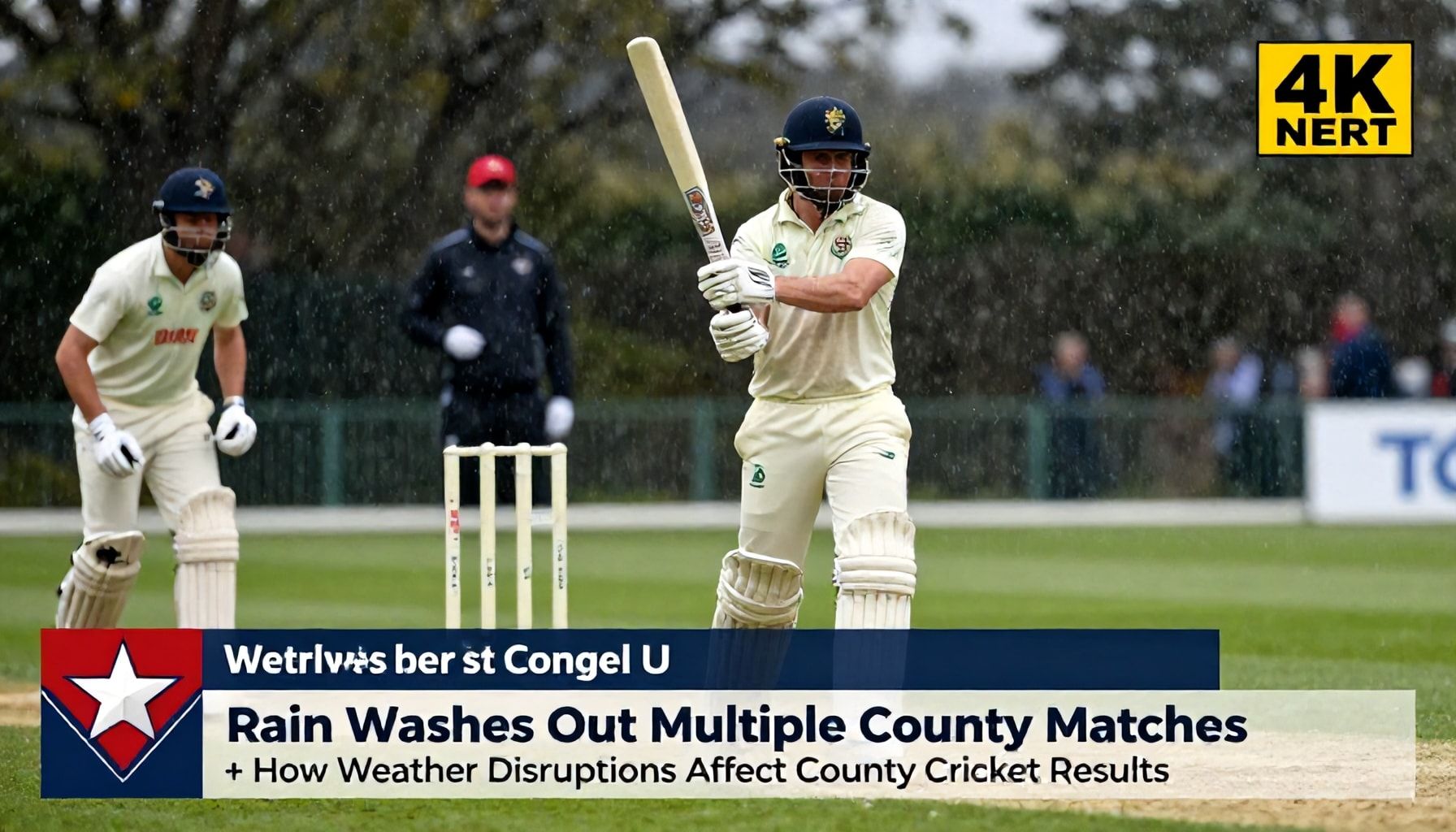
Persistent rain across the UK has caused widespread disruptions to county cricket matches this season. The England and Wales Cricket Board (ECB) reports that 15 matches have been abandoned or heavily affected by weather conditions since the start of the season.
The latest round of fixtures saw multiple matches washed out completely. Gloucestershire’s match against Nottinghamshire at Bristol was called off without a ball being bowled. Similarly, the match between Surrey and Essex at The Oval was abandoned after persistent rain throughout the day.
County cricket teams are feeling the impact of the disrupted schedule. “It’s frustrating for everyone involved,” said a spokesperson for the Professional Cricketers’ Association. “Players need consistent match practice, especially with the international season approaching.”
The ECB has acknowledged the challenges posed by the weather. “We’re working closely with counties to mitigate the impact,” said an ECB spokesperson. “However, the safety of players and spectators is our top priority.”
The disruptions have led to rescheduling of matches, causing logistical challenges. Some teams now face a condensed schedule, with multiple fixtures packed into a short period. This raises concerns about player workload and potential injuries.
Despite the setbacks, county cricket continues to adapt. Grounds teams are working tirelessly to prepare pitches and ensure matches can proceed when weather permits. The hope is that the remainder of the season will see more favourable conditions.
Unpredictable Weather Patterns Disrupt Season's Early Games
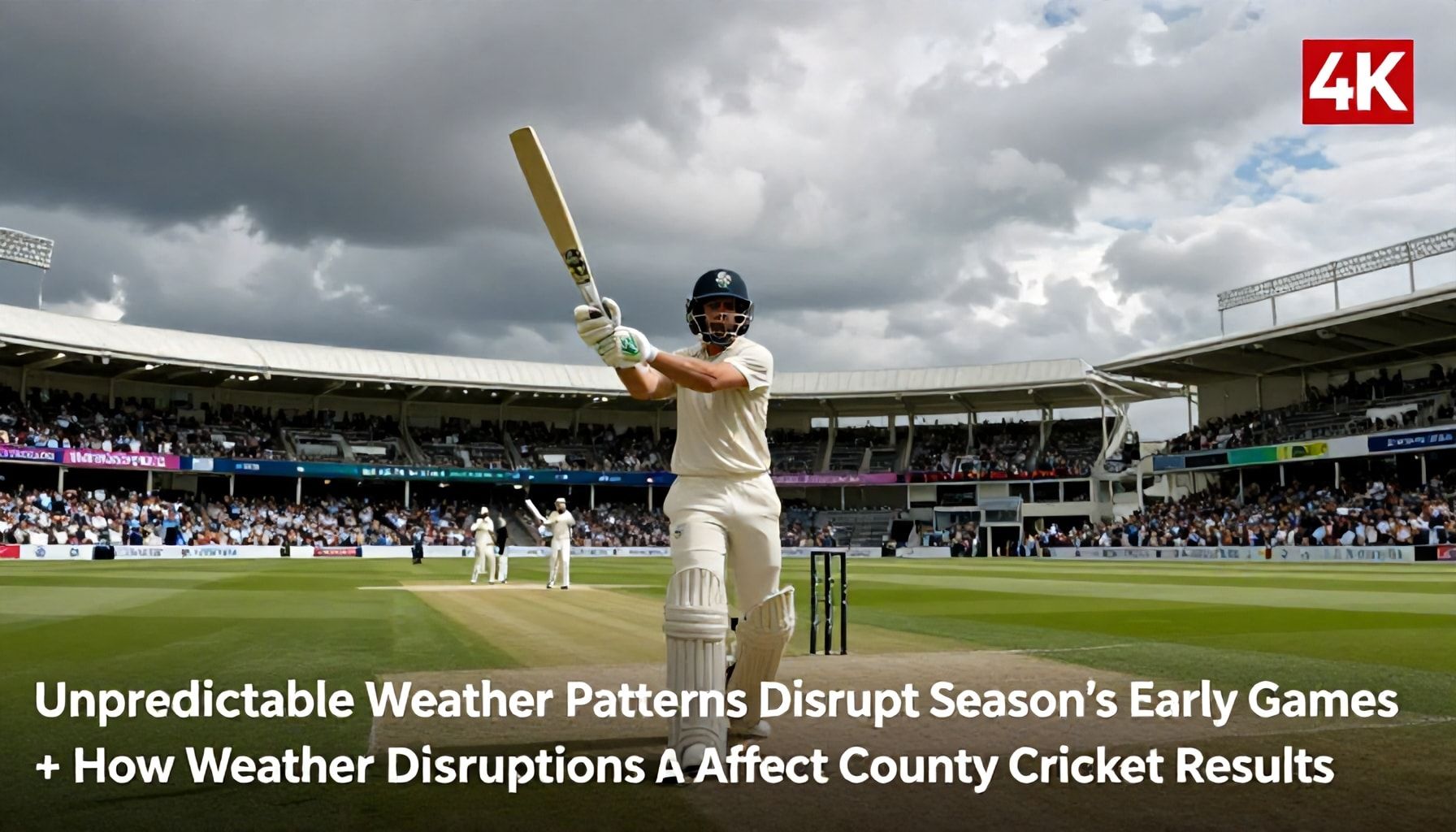
Unpredictable weather patterns have caused significant disruptions to the early games of the county cricket season. Heavy rain and unseasonal storms have led to multiple match cancellations and interruptions across the country. The England and Wales Cricket Board (ECB) has confirmed that at least 12 matches have been either abandoned or heavily affected since the season began.
County teams have struggled to find consistent playing conditions. The Sussex Sharks, for instance, have had two of their first three matches washed out completely. “It’s incredibly frustrating for the players and the fans,” said Sussex captain Tom Haines after their latest rain-affected game. “We’ve had very little opportunity to build any momentum.”
The Met Office reports that this season has seen a 30% increase in rainfall compared to the same period last year. This has led to waterlogged pitches and poor visibility, making it difficult for matches to proceed as scheduled. The ECB is closely monitoring the situation and has urged counties to be flexible with their schedules.
Players and coaches have expressed concerns about the impact on team performance. “Consistency is key in cricket, and these disruptions make it hard to maintain form,” noted Warwickshire’s head coach, Mark Robinson. The frequent interruptions have also affected gate revenues, putting additional financial strain on some counties.
Despite the challenges, some matches have managed to go ahead with reduced overs. The ECB has emphasised the importance of adhering to safety protocols during adverse weather conditions. As the season progresses, counties will need to adapt to these unpredictable patterns to minimise further disruptions.
Flooded Pitches Force Rescheduling of Key Fixtures
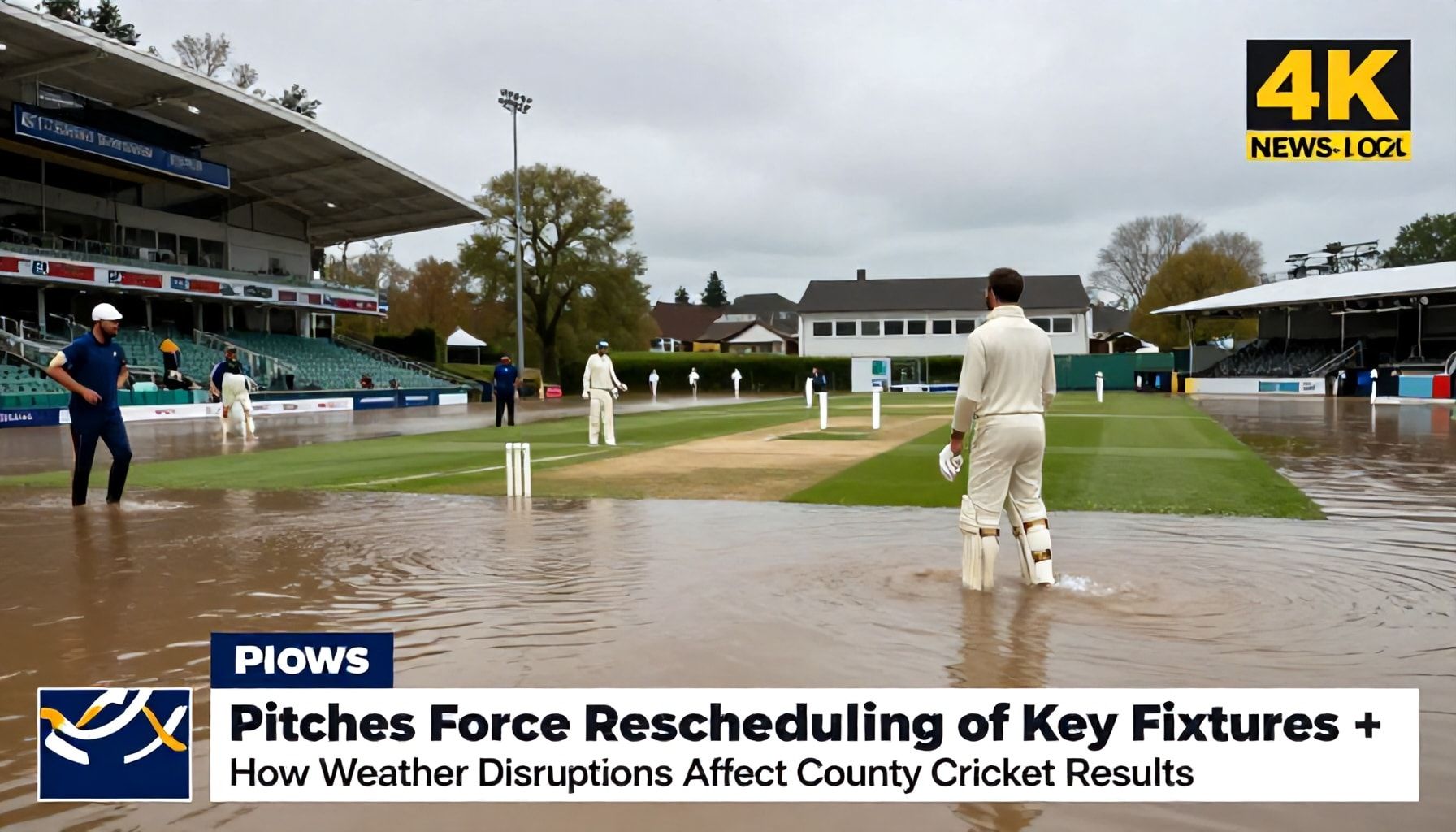
Persistent heavy rainfall has forced the rescheduling of several key fixtures in the ongoing county cricket season. The England and Wales Cricket Board (ECB) confirmed that 14 matches have been affected, with eight already postponed. The disruption follows weeks of unseasonal weather, leaving many pitches waterlogged and unplayable.
The ECB’s Head of Operations, Simon Williams, stated, “We’re working closely with counties to reschedule affected matches. Our priority is to ensure the integrity of the competition while minimising further disruption.” The ECB has set a deadline of 25 September for all fixtures to be completed.
Somerset and Lancashire have been particularly hard hit, with two of their matches already postponed. Somerset’s Director of Cricket, Andy Hurry, expressed frustration, “It’s disappointing for players and fans alike. We’re hopeful of finding suitable dates to reschedule.” Lancashire’s Chief Executive, Daniel Gidney, echoed similar sentiments, stating, “We’re working with the ECB to find solutions.”
The disruption has raised concerns about the impact on player workload and competition integrity. The ECB has assured that it will monitor the situation closely. Meanwhile, counties are exploring options to mitigate the impact, including the use of reserve days and adjusting future fixtures.
County Teams Face Challenges Amid Extreme Weather Conditions
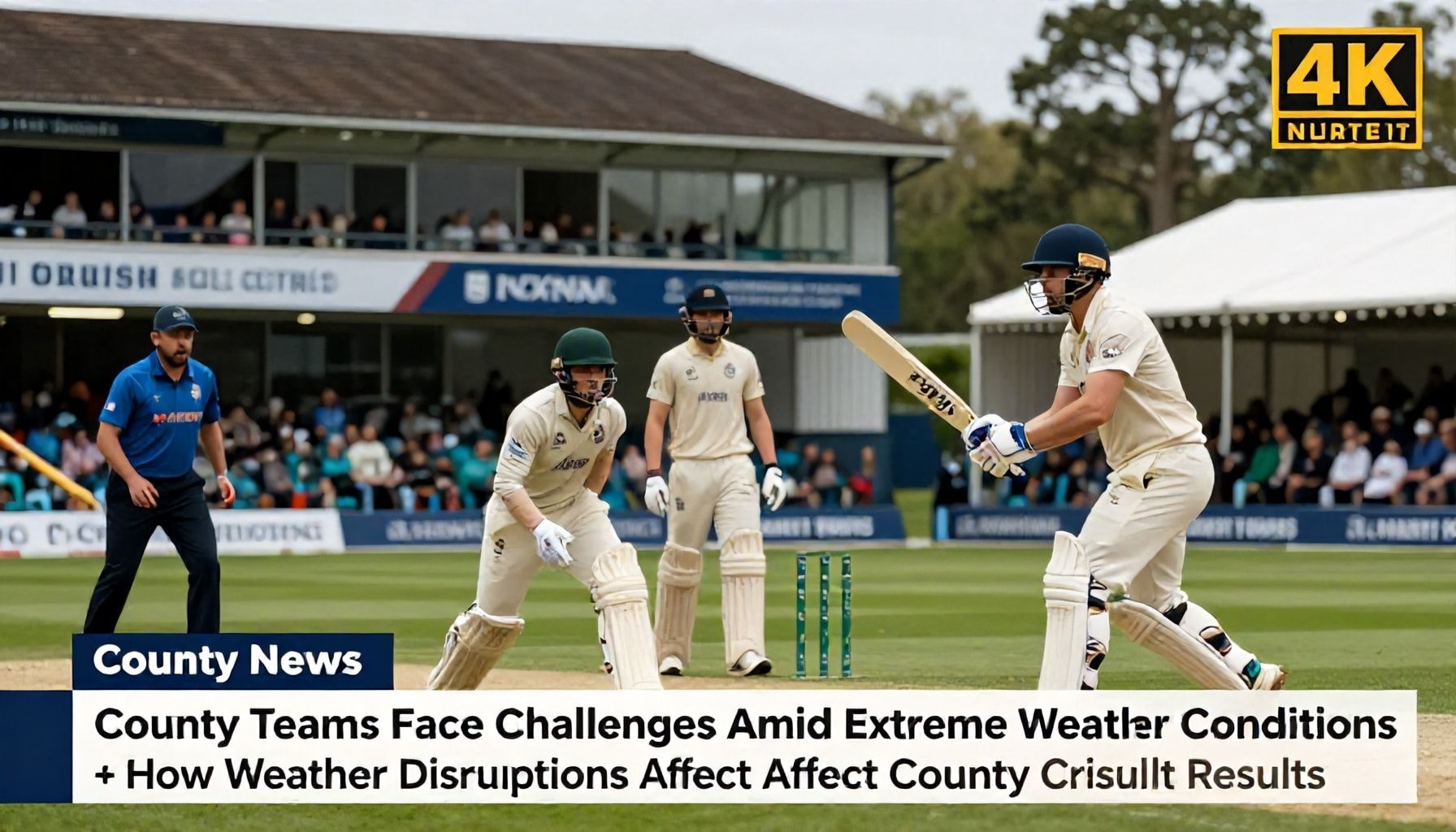
The 2023 county cricket season has been significantly disrupted by extreme weather conditions, with teams facing numerous challenges that have impacted match results and schedules. According to the England and Wales Cricket Board (ECB), at least 15 matches have been either abandoned or heavily affected by rain and unseasonably cold temperatures.
The most affected competition is the County Championship, where several matches have been reduced to one-day affairs or abandoned entirely. Lancashire’s game against Nottinghamshire was called off after just 14.2 overs due to persistent rain, marking the third abandonment for Lancashire this season. “It’s incredibly frustrating for the players and the fans,” said a spokesperson for Lancashire Cricket Club.
The Royal London One-Day Cup has also seen disruptions, with several matches rescheduled or abandoned. Gloucestershire’s fixture against Hampshire was postponed due to a waterlogged outfield, while Derbyshire’s match against Durham was abandoned after just 12 overs. The ECB has stated that it is monitoring the situation closely and will make decisions on rescheduling based on future weather forecasts.
The impact of the weather has extended beyond match disruptions, affecting training schedules and player morale. Several counties have reported difficulties in maintaining consistent training regimes due to unplayable conditions. “It’s a challenge for everyone involved,” said a player from an unnamed county, speaking to local media. “But we have to adapt and make the best of the situation.”
Despite the challenges, some counties have managed to adapt their strategies to mitigate the impact of the weather. Warwickshire, for instance, has focused on indoor training sessions to maintain fitness and skills. The ECB has also encouraged counties to explore innovative solutions, such as using covered practice facilities and adjusting training schedules to make the most of available dry periods.
The season’s disruptions have sparked discussions about the long-term impact of extreme weather on county cricket. Some experts have suggested that climate change could lead to more frequent and severe disruptions in the future, necessitating changes in scheduling and infrastructure. The ECB has acknowledged these concerns and is reportedly exploring ways to make county cricket more resilient to weather-related challenges.
As the season progresses, the focus will be on how counties adapt to the ongoing weather disruptions and the potential long-term implications for the sport. The ECB has reiterated its commitment to supporting counties during this challenging period and ensuring that the season runs as smoothly as possible under the circumstances.
Climate Change Concerns Rise as Rain Affects Cricket Calendar

The 2024 English county cricket season has seen significant disruptions due to persistent rain, with over 40 matches either abandoned or heavily impacted since April. The Met Office reports this year’s rainfall is 20% above average, causing widespread delays and affecting competition integrity.
Lancashire’s recent match against Yorkshire was the latest casualty, with only 13.2 overs bowled across two days. “It’s frustrating for players and fans alike,” said Lancashire captain, Josh Bohannon, after the match was abandoned. “We’ve had to adapt our training schedules and fitness regimes to compensate for the lost playing time.”
The ECB has expressed concern over the long-term effects of such disruptions. “Consistent match cancellations threaten the development of young players and the overall competitiveness of the league,” an ECB spokesperson stated last week. The organisation is considering revising fixture schedules to include more floating days to accommodate weather delays.
Historically, the English summer has been reliable, but climate change models predict increased rainfall variability. The University of Reading’s Dr. Hannah Cloke warns, “We’re seeing more frequent and intense rainfall events, which will continue to challenge outdoor sports like cricket.” She urges sports organisations to invest in better infrastructure and contingency planning.
Meanwhile, county teams are focusing on maintaining fitness and strategy discussions during the downtime. “It’s about making the most of what we can control,” noted Essex’s head coach, Anthony McGrath. “We’re using this time to strengthen our squad’s mental resilience and tactical awareness.” The season’s outcome hangs in the balance as teams navigate the unpredictable weather.
The unpredictable weather has undeniably left its mark on this season’s county cricket, with several matches abandoned or heavily affected. Teams now face the challenge of rescheduling fixtures, potentially leading to a compressed end-of-season schedule. The ECB will be monitoring the situation closely, as the disruptions could have implications for player workloads and the overall competitiveness of the season. With the weather forecast remaining uncertain, counties may need to prepare for further interruptions in the coming weeks.