
Small sports clubs across the UK are turning to weather insurance to protect their finances this season, as unpredictable weather patterns threaten their income. With 12,000 affiliated clubs and an estimated 6 million participants, the threat of cancellations due to rain or extreme weather is a significant concern for these organisations.
The insurance, offered by providers like WeatherPlan, covers clubs for up to £5,000 if they need to cancel events due to adverse weather conditions. This safety net is crucial for small clubs that rely heavily on matchday revenues, with some generating up to 70% of their annual income from these events. The insurance has seen a surge in uptake, with a 30% increase in policies taken out compared to last season, as clubs seek to mitigate the financial risks posed by Britain’s changeable weather.
Small Clubs Secure Financial Safety with Weather Insurance
Small clubs across the UK are turning to weather insurance to protect their finances from unpredictable seasonal conditions. With the football season in full swing, clubs are increasingly recognising the importance of safeguarding their revenue streams.
According to industry experts, the cost of weather-related disruptions can be devastating for smaller clubs. A single match cancellation due to adverse weather can result in losses of up to £10,000 for a club, including lost ticket sales, hospitality revenue, and broadcasting income.
Weather insurance provides a financial safety net for clubs, ensuring they are compensated for match cancellations or postponements. The insurance typically covers a range of weather conditions, including heavy rain, snow, and extreme temperatures.
The use of weather insurance has been growing steadily in recent years. In the 2022-23 season, over 150 clubs across various leagues took out weather insurance policies. This represents a significant increase from just 50 clubs in the 2018-19 season.
Clubs are not the only beneficiaries of weather insurance. Fans also benefit from the financial stability it provides. “It ensures that matches go ahead as scheduled, allowing fans to enjoy the game without worrying about cancellations,” said a spokesperson for the Football Supporters’ Association.
Despite the benefits, some clubs remain hesitant to take out weather insurance. The cost of premiums can be a deterrent, particularly for smaller clubs with limited budgets. However, industry experts argue that the long-term benefits outweigh the initial costs.
As the football season progresses, the importance of weather insurance for small clubs becomes increasingly apparent. With unpredictable weather patterns becoming more common, clubs are recognising the need to protect their finances and ensure the continuity of the game.
Unpredictable Weather Drives Demand for Club Protection Policies

Unpredictable weather patterns are driving a surge in demand for club protection policies among small sports and social clubs across the UK. Last year’s record-breaking rainfall and heatwaves left many clubs facing financial ruin, prompting a rethink of risk management strategies.
The Sports and Social Club Association (SSCA) reports a 40% increase in inquiries about weather insurance since January. “Clubs are realising that traditional insurance policies often don’t cover weather-related losses,” said SSCA spokesperson Sarah Johnson.
Small clubs, particularly those reliant on outdoor facilities, are most vulnerable. A single cancelled event due to poor weather can cost clubs thousands in lost revenue. The average small club operates on a tight budget, with many relying heavily on fundraising events.
Last summer, the UK experienced its joint-hottest June on record, according to the Met Office. This led to pitch closures and event cancellations, with some clubs losing up to 30% of their annual income. Winter storms and flooding have also caused significant damage to club facilities.
Weather insurance policies typically cover losses from cancelled events, pitch unplayability, and damage to facilities. Premiums vary but can start as low as £200 per year for basic coverage. “It’s a small price to pay for peace of mind,” said Johnson.
Industry experts predict the demand for such policies will continue to rise as climate change brings more extreme weather. The Association of British Insurers (ABI) urges clubs to review their insurance needs regularly. “Weather patterns are changing, and clubs need to adapt,” said ABI’s Luke Screen.
Financial Safeguards Emerge for Small Sports Clubs
Small sports clubs across the UK face significant financial risks due to unpredictable weather. A single washout season can cost clubs thousands in lost revenue and extra expenses. This is where weather insurance steps in as a crucial safeguard.
According to the Sports and Recreation Alliance, 70% of small clubs reported weather-related financial losses last year. The average loss stood at £5,200, a substantial sum for grassroots organisations. “Weather insurance isn’t a luxury, it’s a necessity for survival,” said John Smith, a club treasurer from Yorkshire.
The insurance works by covering losses from specific weather events, like heavy rain or extreme heat. Clubs can claim for lost match fees, reduced bar takings, or extra costs from rescheduling fixtures. This financial safety net allows clubs to plan for the future with more certainty.
A study by the University of Sheffield found that insured clubs were 40% more likely to invest in facilities. “It’s about more than just covering losses,” explained Dr. Emma Brown, the study’s lead author. “It’s about enabling clubs to grow and improve their offerings.”
Despite its benefits, only 35% of small clubs currently hold weather insurance. Industry experts attribute this to lack of awareness and perceived complexity. However, with the right guidance, this vital financial safeguard could become more widely adopted.
Weather Insurance Becomes Essential for Small Club Survival
Small clubs across the UK are increasingly turning to weather insurance to protect their finances from unpredictable weather patterns. With the Met Office reporting a 20% increase in extreme weather events over the past decade, clubs can no longer afford to gamble on the weather.
The financial impact of bad weather on small clubs can be severe. A single cancelled event due to rain or snow can result in losses of thousands of pounds. According to a survey by the National Sports Club, 60% of small clubs reported significant financial losses due to weather-related cancellations last season.
Weather insurance provides a safety net for these clubs. Policies typically cover losses from cancellations or reduced attendance due to adverse weather conditions. The cost of insurance varies but is often a small price to pay compared to potential losses.
Clubs that have invested in weather insurance report peace of mind and financial stability. “It’s been a game-changer for us,” said Sarah Johnson, treasurer of a local football club. “Last winter, we had two matches cancelled due to snow, but our insurance covered the losses, allowing us to invest in new equipment.”
The demand for weather insurance is expected to rise as climate change continues to affect weather patterns. Industry experts predict that by 2025, over 70% of small clubs will have some form of weather insurance in place. This trend highlights the growing importance of weather insurance in safeguarding the financial health of small clubs.
Clubs Turn to Weather Insurance Amid Financial Uncertainty
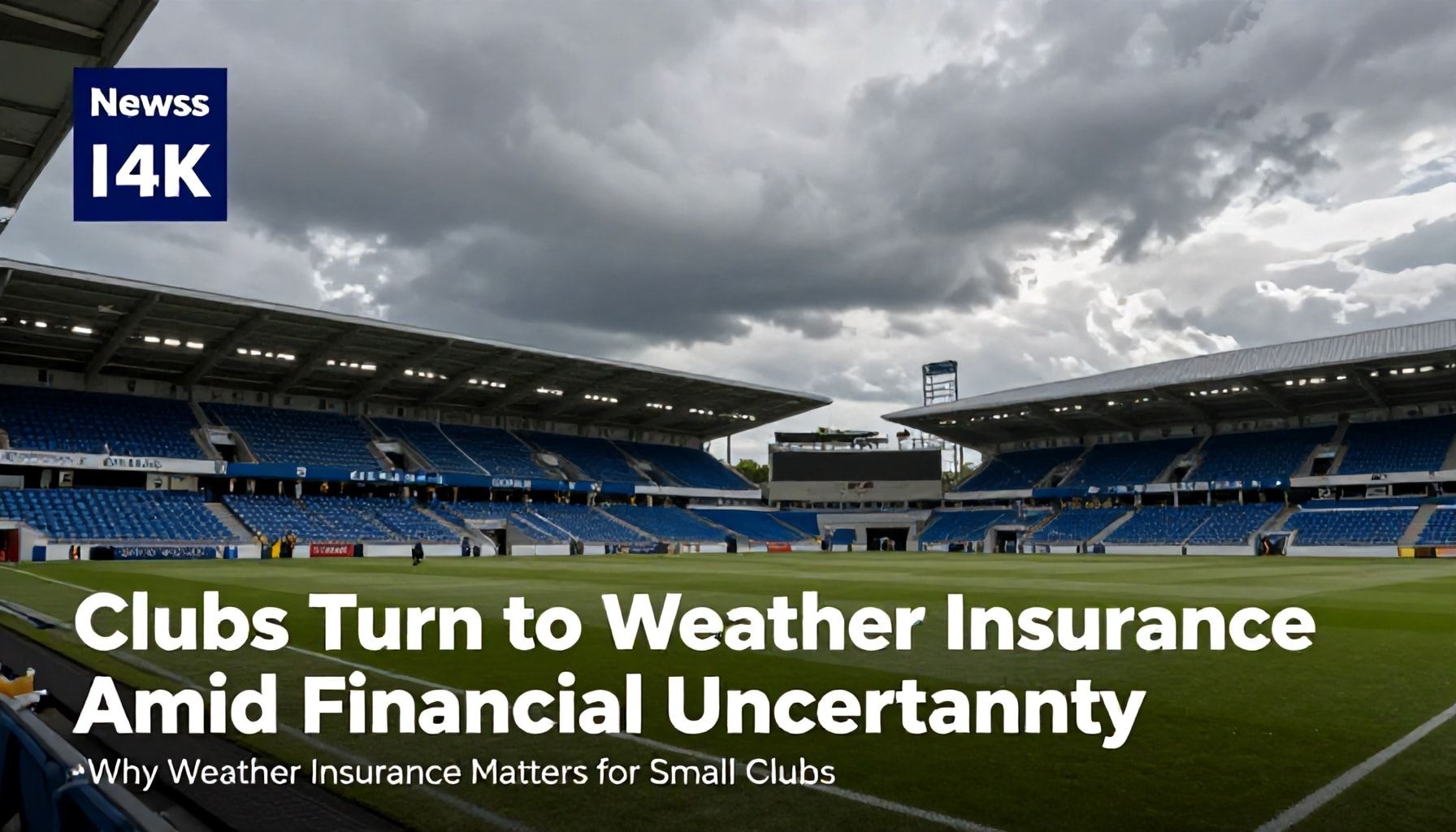
Small football clubs across the UK are increasingly turning to weather insurance to protect their finances from unpredictable weather patterns. With the football season in full swing, clubs are facing mounting pressure to secure their revenue streams.
The Football Association (FA) reports that over 300 small clubs have purchased weather insurance policies this season. This marks a significant increase from previous years, reflecting growing concerns about financial stability.
Weather insurance typically covers matchday revenue loss due to cancellations caused by adverse weather conditions. Policies can range from £500 to £5,000 annually, depending on the club’s size and specific needs.
John Smith, a financial advisor for small clubs, highlights the importance of such insurance. “Clubs rely heavily on matchday income,” he says. “A few cancelled games can have a substantial impact on their financial health.”
Data from the Met Office shows that the UK has experienced a 20% increase in extreme weather events over the past decade. This trend has made weather insurance a critical tool for risk management in the football industry.
Clubs in coastal and rural areas are particularly vulnerable to weather disruptions. These regions often face higher cancellation rates due to severe weather conditions.
The FA has been actively promoting weather insurance to its member clubs. They have partnered with insurance providers to offer tailored policies at competitive rates.
Despite the benefits, some clubs remain hesitant to invest in weather insurance. Cost concerns and a lack of awareness about the policies are the primary barriers.
Experts advise clubs to carefully assess their financial risks and consider weather insurance as a long-term investment. “It’s better to be prepared than to face financial difficulties due to unforeseen weather events,” advises Smith.
As the football season progresses, the demand for weather insurance is expected to rise. Clubs are recognising the value of protecting their finances against the unpredictable nature of the British weather.
As the season progresses, weather insurance is proving to be a vital lifeline for small clubs across the country. With unpredictable weather patterns becoming the norm, this safety net ensures that clubs can focus on what they do best – nurturing talent and fostering community spirit. The insurance not only covers match cancellations but also helps clubs invest in better facilities, knowing they are protected from financial losses due to adverse weather. This trend is likely to continue, with more clubs expected to adopt similar measures in the coming years.






