
Alright, let’s kick things off by diving headfirst into the fascinating world of overlapping runs. If you’re new to football or just scratching your head wondering what on earth this tactic is all about, you’re in the right spot. Overlapping runs are one of those nifty moves that add a whole lot of spice and unpredictability to the beautiful game. Imagine a winger or full-back darting past a teammate who’s carrying the ball – that’s your classic overlapping run. It’s like a well-timed surprise party for the defense, catching them off guard and opening up space that can lead to some seriously exciting moments on the pitch.
But why do coaches obsess over this? Simple – it’s a game-changer. Overlapping runs don’t just look cool; they force defenders into a tricky dilemma. Should they stick with the ball carrier or peel off to mark the overlapping player? This hesitation is golden for the attacking team, often creating gaps that can be exploited for crosses, shots, or clever passes.
| Aspect | Details |
|---|---|
| Who Executes | Usually full-backs or wingers |
| Purpose | Create space and confuse defenders |
| Result | More attacking options and unpredictability |
Now, if you’re thinking, “Okay, sounds neat, but how do I even start doing this without looking like a fish out of water?” – don’t sweat it. Like any football move, overlapping runs take timing and understanding between teammates. It’s not just about sprinting past someone; it’s about reading the play, anticipating your teammate’s moves, and knowing when to peel off. Beginners often mess up by running too early or too late, which can throw off the whole attack. Practice and communication are key, folks!
- Tip 1: Watch the ball carrier closely and time your run.
- Tip 2: Keep an eye on defenders’ positions to exploit gaps.
- Tip 3: Communicate with your teammates – a simple shout or gesture can work wonders.
And let’s not forget, overlapping runs aren’t just a random sprint fest. They’re a tactical weapon that’s been perfected by football legends. Think of players like Dani Alves or Jordi Alba, who’ve mastered the art of overlapping to devastating effect. Their runs often pull defenders out of position, creating chaos and opportunities for their team.
So next time you’re watching a match, try to spot these sneaky runs. It’s like watching a chess game unfold, but with a lot more running and a bit less sitting around. Trust me, once you get the hang of it, overlapping runs will make the game way more exciting and give you some serious street cred among your football buddies.
Understanding the Basics of Overlapping Runs
Alright, so you’ve probably heard the term overlapping runs tossed around by commentators or fans, but what the heck does it actually mean? In simple terms, an overlapping run is when a player, usually a full-back or winger, dashes past a teammate who’s got the ball, running on the outside to create a new attacking option. It’s like saying, “Hey, I’m open over here, pass me the ball!” but with a bit more style and chaos involved. This move is a staple in football because it spices up the attack and keeps defenders guessing — which is exactly what you want when you’re trying to break down a stubborn defense.
Think of it like a well-choreographed dance, except the defenders are trying to trip you up. The player with the ball might be a midfielder or winger holding the ball wide, and their teammate, often the full-back, speeds past on the outside. This overlap stretches the defense horizontally, forcing defenders to decide: do they stick with the ball carrier or track the overlapping runner? Either way, it’s a win for the attacking team because it opens gaps and creates space for crosses, cutbacks, or shots on goal.
- Who usually makes the overlapping run? Typically, it’s the full-back or wing-back, but sometimes midfielders join in too.
- Why is it effective? Because it pulls defenders out of position and creates confusion.
- When to use it? Mostly when the team is attacking down the flanks and wants to overload the opposition’s defense.
Now, don’t get it twisted — overlapping runs aren’t just about speed. Timing is everything. If the runner goes too early, the defense adjusts easily; too late, and the chance’s gone. It’s like a perfectly timed joke: if you miss the punchline, no one laughs. Players need to read each other like a book, anticipating when to sprint forward. Coaches drill this relentlessly during training to make sure the players’ movements sync up beautifully.
| Element | Role in Overlapping Runs |
|---|---|
| Ball Carrier | Draws defender’s attention, sets up the overlap |
| Overlapping Runner | Creates new passing option, stretches defense |
| Defenders | Forced to decide who to mark, often caught in a dilemma |
In short, overlapping runs are a clever way to inject unpredictability into the game. It’s like throwing a curveball when everyone expects a fastball. When executed well, it can lead to some jaw-dropping moments on the pitch, leaving fans and defenders alike scratching their heads. So next time you watch a match, keep an eye out for that sneaky full-back speeding past the winger — that’s the magic of overlapping runs at work.
Why Do Teams Use Overlapping Runs?
Alright, let’s talk about overlapping runs — that cheeky little move on the pitch that makes defenders sweat and fans jump out of their seats. It’s not just some flashy footwork or fancy dribbling; overlapping runs are a tactical *masterstroke* that teams use to shake things up, create chaos, and, ultimately, score goals. But why exactly do teams bother with these runs? Let’s break it down.
First off, overlapping runs are a brilliant way to create space. Imagine a winger or full-back darting past their teammate who’s got the ball. This sudden burst forward drags defenders out of their comfort zones. Defenders hate being pulled away from their positions because that’s when gaps open up — and gaps are like candy for attackers. When a defender chases the overlapping runner, it leaves a hole behind, which the ball carrier or another teammate can exploit. It’s like a game of chess, but with sweat and grass.
| Tactical Advantage | How It Works | Effect on Defense |
|---|---|---|
| Creating Space | Runner pulls defender wide | Defender leaves central zone vulnerable |
| Confusing Defenders | Multiple attacking options appear | Defender hesitates, unsure who to mark |
| Opening Scoring Opportunities | Crosses or cutbacks from overlapping player | Defenders out of position, attackers free |
Now, the fun part is how overlapping runs confuse defenders. Picture a full-back sprinting past the winger, but the winger doesn’t just stop; sometimes they cut inside or keep the ball. This forces defenders to make split-second choices: do they stick with the ball carrier or follow the overlapping run? It’s a classic tug-of-war that often ends in defenders making mistakes or leaving attackers wide open. The overlapping run basically pulls defenders out of position, making the defense look like a mess — exactly what the attacking team wants.
- Pull Defenders Out: Overlapping runs force defenders to chase, creating pockets of space.
- Stretch the Defense: Wide runs spread defenders thin, reducing their ability to support each other.
- Open Passing Lanes: The ball carrier suddenly has more options, making it tricky for defenders to predict the next move.
But hold on, it’s not just about making defenders dizzy. Overlapping runs open up real scoring chances. When the overlapping player gets the ball, they’re often in a prime spot to whip in a cross or cut the ball back to a teammate charging into the box. This unpredictability keeps the defense guessing and makes it way harder to defend set-pieces or crosses. It’s like having an extra weapon in your attacking arsenal.
Here’s a quick look at the practical benefits of overlapping runs in a nutshell:
- Create wider attacking angles- Force defenders to split focus- Generate dangerous crossing opportunities- Enable quick one-twos and combination plays
So yeah, overlapping runs might seem simple, but they pack a punch tactically. They’re a mix of timing, speed, and smarts — and when done right, they can turn a dull attack into a goal-scoring fiesta. Coaches love them, players swear by them, and defenders? Well, they dread them. Next time you watch a match, keep an eye out for these sneaky runs — they’re the secret sauce behind many a stunning goal.
Key Players Involved in Overlapping Runs
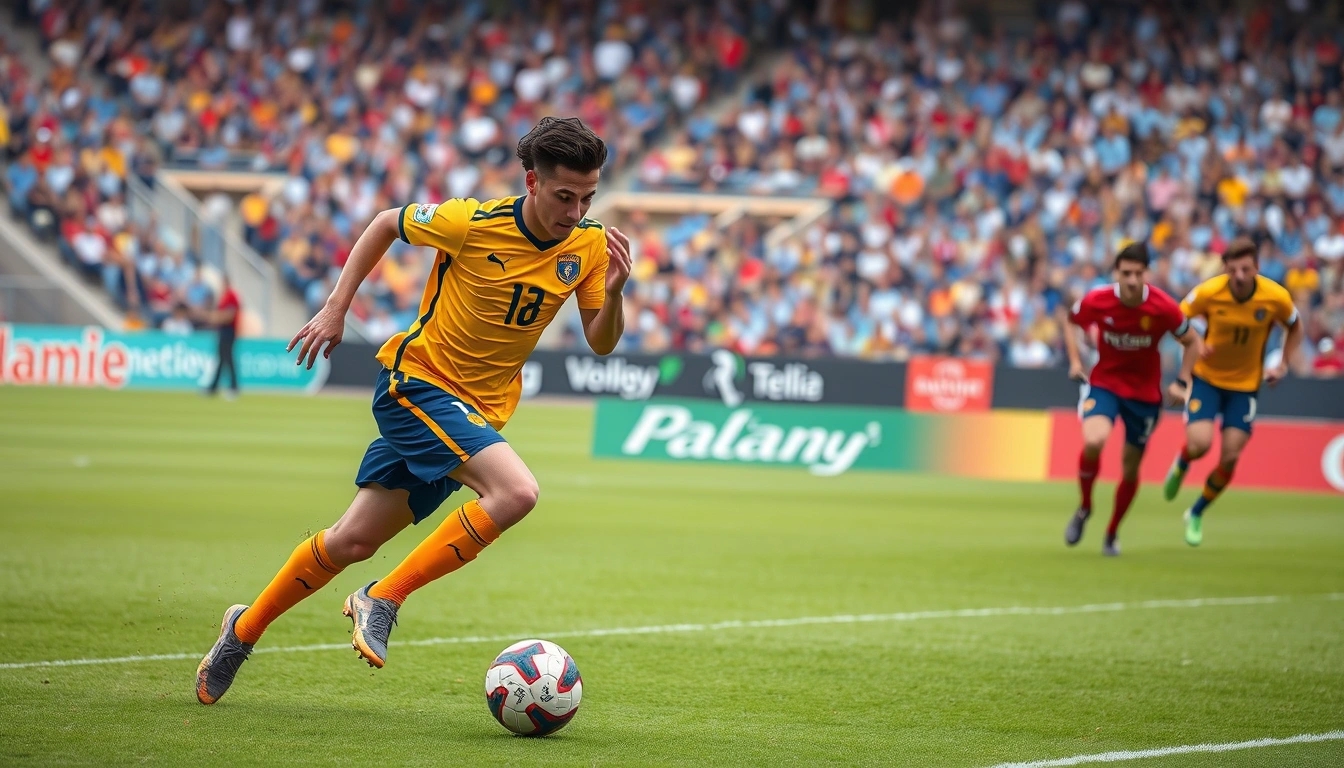
Alright, let’s get down to the nitty-gritty of who actually pulls off these flashy overlapping runs on the pitch. It’s not just some random sprint from any player; typically, it’s the fullbacks and wing-backs who are the stars of this show. Why? Because their job naturally involves covering the flanks, and when they sprint past their teammates, it creates chaos for the defense. But hey, don’t box yourself in thinking only defenders do this — midfielders and occasionally even forwards can jump in on the action depending on the team’s game plan.
- Fullbacks: These guys are the classic overlapping runners. Their primary role is defensive, sure, but modern football demands they turn into attacking weapons. When a winger has the ball, the fullback darts past on the outside, offering a passing option or stretching the defense. Think of them as the surprise element, sneaking behind defenders who are too focused on the winger.
- Wing-backs: A bit more attacking than fullbacks, wing-backs live for overlapping runs. In formations like 3-5-2 or 5-3-2, they’re practically midfielders with defensive duties. Their stamina is off the charts because they’re constantly bombing up and down the sideline.
Now, here’s where it gets interesting — depending on the team’s strategy and formation, the roles of these overlapping runners can vary wildly. For example, in a possession-based team like Pep Guardiola’s, fullbacks overlap to create passing triangles and maintain ball control. Meanwhile, in a counter-attacking side, overlapping runs might be more about quick bursts to catch defenses napping.
| Player Type | Typical Formation | Role in Overlapping Runs | Strategic Focus |
|---|---|---|---|
| Fullback | 4-4-2, 4-3-3 | Support winger, provide width, deliver crosses | Stretch defense, create crossing opportunities |
| Wing-back | 3-5-2, 5-3-2 | Attack and defend flanks, overlap aggressively | Maintain width, overload flanks, quick transitions |
| Midfielder | 4-3-3, 4-2-3-1 | Occasional overlapping runs to confuse defense | Create numerical advantages, open passing lanes |
Don’t forget, the chemistry between the winger and the overlapping runner is crucial. If they’re not on the same wavelength, the whole move falls flat. Imagine a winger expecting the run but the fullback hesitates — that’s a recipe for lost possession or a counter-attack against you.
Oh, and here’s a fun tidbit: some coaches actually train their forwards to perform overlapping runs to surprise the opposition. It’s less common but can be a game-changer when used cleverly. These runs confuse defenders who are usually marking the forwards tightly, only to find them darting around from behind.
- Practical Insight: If you’re a player wanting to master overlapping runs, focus on timing and communication. Sprint too early or too late, and you’re either caught offside or useless. And don’t just run blindly — always scan for your teammate’s position and the defenders’ reactions.
- Pro Tip: Overlapping runs are not just about speed but also about intelligence. Knowing when to overlap, when to hold back, and when to cut inside can make you invaluable to your team’s attacking rhythm.
In conclusion, overlapping runs are a beautiful mix of strategy, speed, and smarts. While fullbacks and wing-backs are the usual suspects, don’t be surprised to see midfielders and forwards getting in on the act, especially in teams with fluid tactics. The key takeaway? Overlapping runs are all about creating options and unsettling defenses, and the players who execute them best are those who understand their team’s rhythm like the back of their hand.
How Overlapping Runs Confuse Defenders
When you watch a football match, overlapping runs might seem like just another fancy move, but trust me, they’re a defensive nightmare in disguise. Imagine you’re a defender, minding your own business, when suddenly, one attacker darts past your teammate and then another swoops in from behind. Your brain’s doing somersaults trying to figure out who to mark, where to shift, and when to intercept. It’s like a chaotic dance where one wrong step can lead to disaster.
Overlapping runs force defenders into making split-second decisions. And let’s be honest, not everyone’s got the reflexes of a cat. When two attackers overlap, defenders are caught in a tug-of-war between tracking the ball carrier and shadowing the overlapping runner. This split focus often results in hesitation—a fraction of a second too long—and boom, the attacker is through on goal or whipping in a dangerous cross.
- Decision overload: Defenders must quickly decide whether to stick to their man or switch to the overlapping player.
- Space exploitation: Overlapping runs create pockets of space that defenders struggle to cover.
- Communication breakdown: In the heat of the moment, defenders often miscommunicate, leading to gaps.
| Defensive Challenge | Effect of Overlapping Run |
|---|---|
| Marking Responsibility | Confusion over who to track; risk of leaving attacker unmarked. |
| Positioning | Forced to shift and adjust rapidly, often creating gaps. |
| Coordination | Requires split-second communication; prone to errors. |
Now, here’s the kicker—overlapping runs aren’t just about speed or fancy footwork. It’s the timing and angle that mess with defenders’ heads. The overlapping player usually times their run to coincide perfectly with the ball carrier’s movement, adding an extra layer of unpredictability. Defenders often get caught ball-watching, totally forgetting the runner sneaking behind them. And that’s when the magic happens.
But hey, it’s not always doom and gloom for defenders. Some teams train specifically to counter overlapping runs, using zonal marking or double-teaming the overlapping player. Still, even the best defenders occasionally get bamboozled, especially when the attackers execute these runs with flair and precision.
Practical Insight:- Defenders should keep their heads on a swivel, always aware of runners behind.- Communication is key: constant verbal cues can prevent mix-ups.- Anticipate the overlap by reading the ball carrier’s body language.
In the end, overlapping runs are a brilliant tactical ploy that turns defense into a game of chess played at lightning speed. Defenders are forced to gamble, and more often than not, attackers cash in on that gamble. So next time you see a player sprinting past a teammate on the wing, remember: it’s not just a run; it’s a carefully crafted headache for the opposition.
Common Mistakes Beginners Make with Overlapping Runs
Alright, so you’ve heard about overlapping runs and you’re eager to try them out on the pitch. Good on you! But hold your horses — this tactic isn’t as simple as just sprinting past your teammate. Many beginners stumble over the same pitfalls, turning what should be a slick move into a confusing mess. Let’s unpack some of the most typical blunders and how to dodge them like a pro.
- Starting the run too early or too late: Timing is everything. If you bolt off before your teammate even gets the ball, defenders spot it coming from a mile away. On the flip side, if you wait too long, the chance to exploit the space disappears. It’s like trying to catch a train — miss it, and you’re stuck on the platform.
- Ignoring communication: Overlapping runs are a dance, not a solo act. Without clear signals or eye contact, the player with the ball won’t know you’re making the run. The result? Awkward passes, lost possession, and a frustrated teammate. So, shout, gesture, do whatever it takes to get noticed.
- Running into crowded areas: Beginners often rush into spots already swarming with defenders. Remember, the goal of an overlapping run is to create space, not add to the chaos. If you’re just adding bodies to the mix, you’re doing it wrong.
Now, here’s a handy table to keep these mistakes and fixes straight:
| Mistake | Why It Happens | How to Fix It |
|---|---|---|
| Bad Timing | Misjudging when to start the run | Practice syncing runs with teammates during training drills |
| Poor Communication | Not signaling intentions | Use verbal cues and eye contact consistently |
| Running into Traffic | Failing to read the defense and space available | Scan the field before making the run to find open lanes |
But wait, there’s more! Another rookie trap is overcommitting to the run without considering the bigger picture. Sometimes, charging forward blindly leaves your own defensive duties hanging. Coaches hate that — and so do teammates. Balance is key. You’re not a one-man show; think team first.
Also, don’t get cocky thinking that just because you’re fast, you automatically win the battle. Overlapping runs require smart movement, not just speed. If you blow past everyone but your pass is off, well, what’s the point? So, take a breath, keep your head in the game, and remember: it’s about quality over quantity.
- Failing to read defenders’ reactions: Overlapping runs work best when you can bait defenders into following you. If you don’t watch how they respond, you might run straight into a trap. Stay alert and adjust your run accordingly.
- Neglecting the follow-up: After the run, what’s next? Some beginners run, get the ball, and then freeze like deer in headlights. Always have a plan — whether it’s a cross, a cut-back, or a quick pass. No plan means wasted effort.
In short, overlapping runs are a fantastic weapon in your football arsenal, but like any weapon, they need to be wielded with care. Avoid these common mistakes, and you’ll soon see your gameplay become smoother, more effective, and dare I say, a bit more dazzling. So lace up, practice smart, and get ready to surprise those defenders!
Overlapping Runs vs. Underlapping Runs: What’s the Difference?
Alright, let’s cut through the confusion that often boggles even the most die-hard football fans: overlapping runs and underlapping runs. At first glance, these two might seem like just fancy jargon tossed around by commentators trying to sound smart, but trust me, they’re actually quite different, and understanding them can seriously up your football IQ.
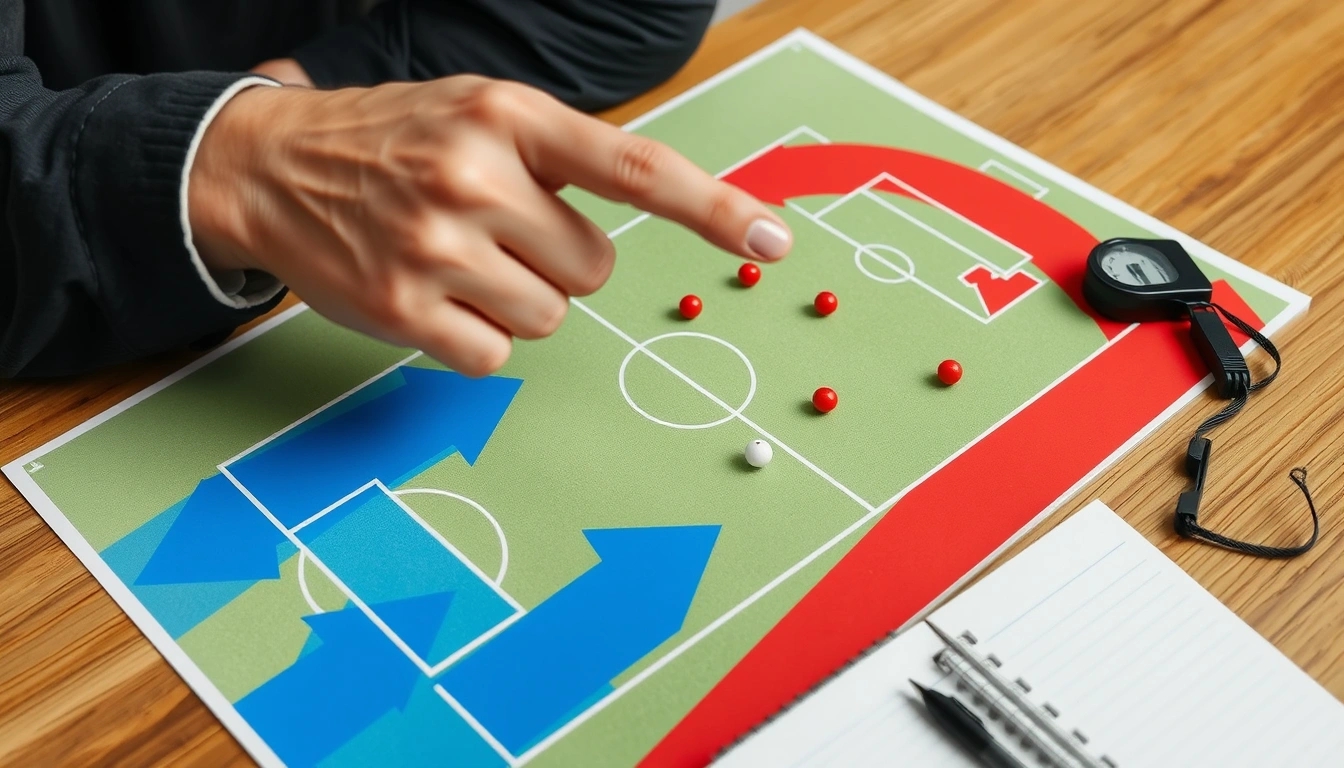
So, what’s an overlapping run? Picture this: a winger or full-back dashes down the flank, and just as the ball carrier is moving forward, a teammate sprints around outside of them, basically “overlapping” their path. The idea is to create a 2-on-1 situation against the defender, pulling them out wide and opening up space either to cross, cut inside, or pass. It’s like a cheeky double bluff on the pitch. The overlapping player usually comes from behind or wide, catching defenders off guard because they’re focused on the player with the ball.
Now, flip the script to underlapping runs. Instead of going around the outside, the supporting player darts inside the ball carrier, running between the ball handler and the center of the pitch. This move is a bit sneakier, aiming to exploit the gaps defenders leave when they shift wide to cover the ball carrier. It’s less about creating width and more about penetrating the defense through the middle or half-spaces. Underlapping runs often confuse defenders because they’re expecting the attack to stay wide, but suddenly, there’s a player cutting inside, ready to receive a pass or take a shot.
| Aspect | Overlapping Runs | Underlapping Runs |
|---|---|---|
| Direction | Outside around the ball carrier | Inside, between ball carrier and center |
| Purpose | Create width, stretch defense | Exploit central gaps, penetrate defense |
| Typical Players | Full-backs, wingers | Midfielders, attacking midfielders |
| Effect on Defenders | Pull defenders wide, cause confusion | Force defenders to cover inside, disrupt shape |
Now, don’t get me wrong, both runs rely heavily on timing and chemistry. A badly timed overlap or underlap? Well, that’s just handing the ball back to the other team on a silver platter. It’s not just about running fast; it’s about reading the game and knowing when to make that darting move.
- Overlapping runs often catch defenders flat-footed because the runner appears from behind or wide.
- Underlapping runs sneak through the middle, exploiting spaces defenders leave when they shift wide.
- Both tactics force defenders into split-second decisions — and that’s where mistakes happen.
One last nugget: coaches love mixing these runs up because predictability is the enemy of good football. When a defender can’t guess if the support run will be outside or inside, it’s like trying to solve a Rubik’s Cube blindfolded.
So next time you’re watching a game and see a player sprinting past a teammate, ask yourself: are they overlapping or underlapping? It’s a subtle but crucial difference that can turn the tide of an attack.
Training Drills to Master Overlapping Runs
Alright, so you want to get those overlapping runs just right, huh? Coaches swear by a handful of drills that not only sharpen a player’s timing but also boost their coordination and overall understanding of this sneaky little tactic. Overlapping runs might look like a simple sprint past a teammate, but trust me, there’s a lot more cooking behind the scenes.
First off, let’s talk about timing drills. Imagine this: two players working in tandem, one with the ball and the other ready to sprint around. The key is to get the overlap just as the ball carrier is about to move forward or pass. Coaches often use a “shadow run” drill where the runner practices overlapping without the ball, syncing up with the ball carrier’s pace and direction. It sounds straightforward, but nailing the timing takes loads of reps and a bit of intuition.
- Shadow Run Drill: Player A dribbles forward while Player B follows closely, practicing the overlap at the perfect moment.
- Passing and Overlap Combo: Player A passes to Player B and immediately overlaps, aiming to receive a return pass in stride.
Now, coordination isn’t just about footwork—it’s about reading your teammate’s body language. Coaches often set up cone drills where players have to weave through obstacles while maintaining awareness of their partner’s position. This drill forces players to keep their heads up and anticipate the right moment to break free for that overlap.
Here’s a quick table summarizing some popular drills:
| Drill Name | Focus Area | Description |
|---|---|---|
| Shadow Run | Timing & Positioning | Practice overlapping runs without the ball to sync with the ball carrier’s movement. |
| Passing & Overlap Combo | Passing Accuracy & Timing | Player passes and immediately overlaps to receive a return pass. |
| Cone Weave Awareness | Coordination & Spatial Awareness | Navigate cones while tracking teammate’s position for perfect overlap timing. |
But wait, there’s more! Coaches also love incorporating small-sided games during training. These mini matches force players to apply overlapping runs in real-time, making split-second decisions under pressure. It’s messy, chaotic, and honestly, sometimes frustrating — but that’s where the magic happens. Players learn when to overlap, when to hold back, and how to mess with defenders’ heads.
Pro tip: Communication is key. Overlapping runs can fall flat if the ball carrier and the runner aren’t on the same wavelength. So, drills often include verbal cues or hand signals to build that telepathic connection. Don’t underestimate the power of a well-timed shout or a quick gesture on the pitch!
- Small-Sided Games: Simulate match conditions with fewer players to practice overlaps under pressure.
- Communication Drills: Combine verbal and non-verbal signals to improve coordination during overlaps.
In the end, mastering overlapping runs isn’t just about speed or fancy footwork; it’s about understanding space, timing, and teamwork. Coaches know that drilling these elements repeatedly helps players develop an instinct for when and how to overlap, turning a simple run into a game-changing move. So, next time you see a winger or full-back darting past a teammate, remember—it’s hours of sweat, drills, and a bit of football wizardry behind that slick move.
Famous Examples of Overlapping Runs in Football History
Let’s be honest, when you talk about overlapping runs in football, you’re diving into one of the most exciting and clever tactical moves ever seen on the pitch. It’s like watching a perfectly choreographed dance where timing and instinct collide. Over the decades, some legendary players have not just used overlapping runs—they’ve practically redefined them, leaving defenders scratching their heads and fans jumping out of their seats.
Take, for instance, the iconic Javier Zanetti, the Argentine maestro who played for Inter Milan. Zanetti wasn’t just a full-back; he was a relentless force who knew exactly when to surge forward alongside his winger. His overlapping runs were less about flash and more about sheer effectiveness—pulling defenders wide, creating space, and crossing with deadly precision. The guy was like a Swiss army knife on the flank!
| Player | Team | Era | Signature Trait |
|---|---|---|---|
| Javier Zanetti | Inter Milan | 1995-2014 | Relentless stamina and precise timing |
| Giacinto Facchetti | Inter Milan | 1960s-1970s | Revolutionized the attacking full-back role |
| Philip Lahm | Bayern Munich | 2000s-2017 | Versatility and tactical intelligence |
| Dani Alves | Barcelona | 2008-2016 | Explosive pace and creativity |
Now, rewind a bit further to the 1960s and 70s, where Giacinto Facchetti was arguably the pioneer of the modern overlapping run. Before Facchetti, full-backs were mostly about defense—boring, right? But this guy turned the role upside down, charging forward with the ball, often outpacing midfielders and wingers alike. He basically gave birth to the attacking full-back concept, influencing generations to come.
Fast forward to more recent times and you can’t ignore Dani Alves at Barcelona. The Brazilian was like a human rocket on the right flank, his overlapping runs so quick and unpredictable that defenders often found themselves lost. Alves’ style was flamboyant, full of tricks and flair, and his chemistry with Lionel Messi was a match made in football heaven. When Alves overlapped, you just knew something dangerous was brewing.
- Why do these players stand out? It’s their timing. Overlapping runs are all about the split-second decision to burst forward without leaving your defense exposed.
- Coordination with teammates: The winger and full-back must be in sync, like dance partners, or else the move falls flat.
- Reading the game: Knowing when defenders are out of position is key to making the run effective.
And let’s not forget Philip Lahm, the German tactician who could play anywhere on the pitch. Lahm’s overlapping runs were less about speed and more about intelligence and precision. He’d pick the perfect moment to overlap, often catching opponents off guard with his subtle but deadly movements.
So, what’s the takeaway here? Overlapping runs aren’t just about running past your teammate; it’s a calculated, sometimes artful move that requires brains, guts, and a bit of flair. These legends didn’t just run—they changed how football is played today. Watching their highlights is like taking a masterclass in offensive football tactics, and if you’re a budding player or a fan, you’d do well to study these moves closely.
In summary:
| Key Elements of Iconic Overlapping Runs | Impact on Modern Football |
| Perfect timing and stamina | Redefined full-back roles as attacking threats |
| Coordination with wingers | Created new tactical dimensions for breaking defenses |
| Game intelligence and unpredictability | Forced defenders into constant dilemmas |
If you ever find yourself watching a match and see a full-back darting past the winger, remember: you’re witnessing a tactic perfected by some of football’s greatest minds. It’s not just a run; it’s a legacy.

How to Spot Overlapping Runs During a Match
If you’re new to football or just tired of squinting at the screen wondering what on earth those players are up to, spotting overlapping runs can feel like trying to catch smoke with your bare hands. But don’t sweat it! Once you get the hang of it, your viewing experience will level up big time – trust me, it’s like unlocking a secret code of the beautiful game.
First things first, an overlapping run happens when a player with the ball is supported by a teammate who runs around (or “overlaps”) them, usually on the outside. Think of it as a sneaky little move to confuse defenders and create space. So, when watching live or on TV, keep your eyes peeled for a player sprinting wide and ahead of the ball carrier, often along the sidelines. It’s a classic way teams stretch the defense.
- Watch the full-back: Most overlapping runs come from full-backs or wing-backs charging forward. They’re the ones who look like they’re about to join a relay race, bursting past midfielders and wingers.
- Notice the timing: Overlapping runs aren’t random – they’re timed to perfection. The runner usually starts their move just as the ball carrier is about to pass or dribble forward, aiming to pull defenders out of position.
- Check the defenders’ reactions: Here’s where the fun begins. Overlapping runs often leave defenders scratching their heads, unsure whether to stick with the ball carrier or switch to the runner. If you see defenders hesitating or getting pulled wide, you’re witnessing the tactic in action.
| Key Signs of Overlapping Runs | What to Look For |
|---|---|
| Player Movement | Teammate runs outside and ahead of the ball carrier |
| Ball Carrier’s Behavior | Dribbling or preparing to pass to the overlapping runner |
| Defensive Confusion | Defenders hesitate or get pulled out of their zone |
Now, if you’re watching on TV, don’t just stare at the ball like a hawk (been there, done that). Instead, try to shift your gaze to the whole attacking side of the pitch. Overlapping runs are all about movement off the ball, so keeping an eye on players without the ball is crucial.
One sneaky tip: listen to the commentators. They often point out overlapping runs, especially when they lead to dangerous chances. But hey, don’t rely on them entirely – sometimes they miss the subtle stuff, and that’s where your newfound skills come in.
Quick Recap:- Look for a player sprinting on the outside of the ball carrier.- Notice if the ball carrier is setting up a pass or dribble.- Observe defenders getting pulled out of position or confused.- Watch the full-back or wing-back closely – they’re usually the culprits.
At the end of the day, spotting overlapping runs is like spotting a dance move in a crowded party – once you recognize the pattern, it’s hard to miss. And honestly, it makes watching football way more enjoyable because you start appreciating the cleverness behind those runs, not just the goals.
So next time you’re glued to a match, try catching those sneaky overlapping runs. Your tactical appreciation will thank you, and you might even impress your friends with your sharp eye. Just don’t blame me if you start pointing at the screen and yelling, “Look! There it is!”
Frequently Asked Questions
- What exactly is an overlapping run in football?
An overlapping run is a clever attacking move where a player runs around a teammate who has the ball, creating extra options and confusing defenders. Think of it as a surprise pass in a dance—just when defenders think they know the rhythm, the overlapping player swoops in to steal the spotlight.
- Why do teams rely so much on overlapping runs?
Teams love overlapping runs because they stretch the defense, pulling defenders out of position and opening up space for crosses or shots. It’s like opening a secret door in a crowded room—suddenly, new paths to goal appear, making attacks unpredictable and exciting.
- Who usually performs overlapping runs on the field?
Typically, full-backs or wingers take on the role of overlapping runners. Their speed and positioning allow them to support the attack effectively. Imagine them as the surprise guests at a party, arriving just when the fun is about to peak.
- How do overlapping runs confuse defenders?
Overlapping runs force defenders into split-second decisions—do they stick with the ball carrier or track the overlapping runner? This hesitation can cause defensive errors, much like a magician’s sleight of hand that distracts the audience at the perfect moment.
- What are common mistakes beginners make with overlapping runs?
New players often mistime their runs or fail to communicate, leading to offsides or missed opportunities. It’s like jumping into a conversation too early—you miss the flow. Practicing timing and teamwork is key to mastering this tactic.
- How do overlapping runs differ from underlapping runs?
While overlapping runs circle around the outside, underlapping runs cut inside between defenders. Think of overlapping as taking the scenic route, while underlapping is the shortcut through the middle—both effective but with different flavors.
- Can overlapping runs be spotted easily during a match?
Yes! Look for players sprinting beyond the teammate with the ball, creating an option on the outside. It’s like spotting a runner sneaking behind a defender—once you know what to watch for, it’s hard to miss.
- Are there specific drills to improve overlapping runs?
Absolutely. Coaches use drills focusing on timing, communication, and coordination between the ball carrier and the overlapping player. Think of it as rehearsing a duet until both performers move in perfect harmony.
- Who are some famous players known for their overlapping runs?
Legends like Dani Alves and Gareth Bale have dazzled fans with their impeccable overlapping runs. Their ability to combine speed, timing, and vision turned this tactic into an art form, inspiring countless players worldwide.