Alright, let’s just say you’re chilling on your couch, watching a game, and wondering, “How the heck do coaches know exactly where every player is, what they’re doing, and how tired they look?” Welcome to the fascinating, sometimes confusing world of player tracking systems. These gizmos and gadgets are changing the game—literally—by giving teams insane amounts of data on player movements, speed, stamina, and much more. But what are they really, and why should you care? Let’s break it down in a way that doesn’t make your eyes glaze over.
At its core, a player tracking system is a tech setup designed to monitor athletes during training or matches. Think of it as a super-nerdy assistant who never blinks and records every sprint, jump, and dodge. The goal? To help coaches make smarter decisions and athletes perform better. These systems have become the secret sauce behind many winning teams, giving them an edge with data-driven insights instead of just gut feelings.
- GPS Trackers: Common in outdoor sports, these little devices strap onto players and track their position using satellites. Great for measuring distance and speed.
- RFID Tags: These use radio waves to identify players and their locations, often in indoor arenas.
- Optical Tracking: Cameras set around the field capture player movements, then software analyzes the footage. It’s like having a bunch of eyes watching every move.
- Wearables: From heart rate monitors to accelerometers, these gadgets provide data about physical exertion and health.
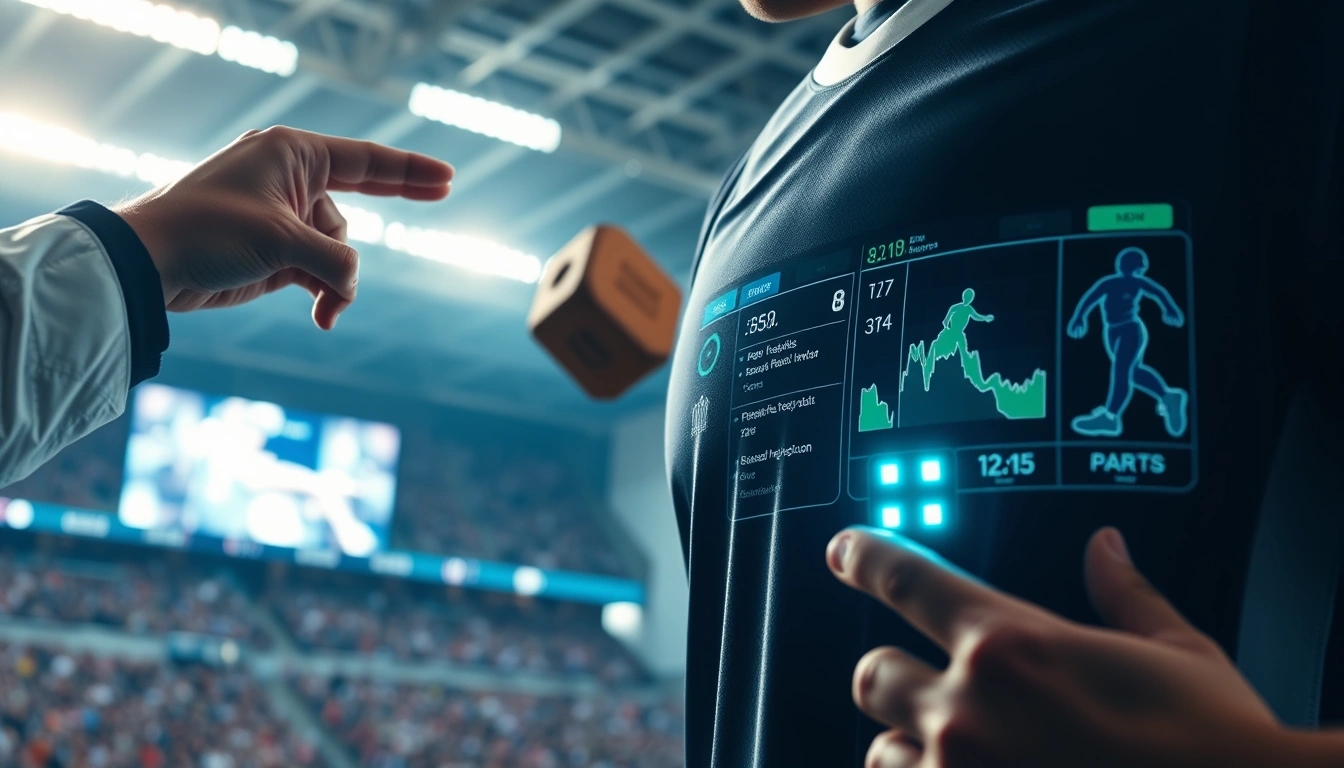
Imagine dozens of sensors, cameras, and devices all feeding data into a central computer as the game unfolds. Coaches get dashboards showing player speed, distance covered, even fatigue levels. It’s like having a crystal ball, except it’s just really fancy tech. This real-time info can be a game-changer—literally—because coaches can swap players or tweak tactics on the fly.
| Component | Role | Example |
|---|---|---|
| Sensors/Wearables | Collect physical data | GPS tracker on jersey |
| Cameras | Capture movement visually | Optical tracking systems |
| Software | Analyze & display data | Performance dashboards |
| Coaches | Make decisions based on data | Substitution & strategy changes |
Look, aside from making coaches look like geniuses, player tracking tech actually helps athletes avoid injuries by spotting signs of fatigue before disaster strikes. Plus, it highlights strengths and weaknesses—so players can focus on what really needs work instead of guessing. Coaches get a tactical edge by knowing exactly who’s hustling and who’s slacking (yep, no hiding anymore).
But hey, it’s not all sunshine and rainbows. These systems can be pricey, and sometimes the data isn’t 100% accurate (hello, GPS glitches). Privacy concerns pop up too—do players really want every move tracked and analyzed? And then there’s the “data overload” problem—too much info can be just as bad as too little if you don’t know how to use it.
- Catapult: Loved by pro teams worldwide for its detailed analytics.
- STATSports: Known for wearable tech that’s user-friendly and reliable.
- Zebra Technologies: Famous for NFL tracking, combining RFID and optical tech.
With all this data, coaches can fine-tune strategies, scout opponents more effectively, and make split-second calls that might just win the game. It’s like having a secret weapon, except everyone’s trying to get one.
Looking ahead, expect AI to play a bigger role, analyzing data faster and predicting injuries before they happen. Biometrics will get even more advanced, and we might see VR tools that let coaches “step inside” the game data. Exciting? Heck yes.
If you’re curious and want to dive in, start small. Use budget-friendly wearables or free software tools to get a feel for the data. Plenty of online courses and forums exist to help you understand the jargon and tech. Just don’t get overwhelmed—baby steps!
Understanding Player Tracking Systems Basics
Alright, let’s cut to the chase: player tracking systems might sound like something out of a sci-fi flick, but they’re very much real and have become a staple in modern sports. Simply put, these systems are tech setups designed to monitor athletes’ movements, positions, and even some biometric data during games or training sessions. Think of them as the all-seeing eyes that coaches and analysts rely on to make smarter decisions — whether it’s swapping players at the right time, tweaking strategies, or preventing injuries before they happen.
Now, why has this tech become such a big deal? Well, sports used to be pretty much about eyeballing performance and gut feelings. But with player tracking, you get cold, hard data. For example, instead of guessing if a player is tired, you can check exactly how much ground they covered, their speed bursts, or how often they sprinted. This kind of info is a game-changer — pun intended — because it takes the guesswork out of coaching.
| Purpose of Player Tracking Systems | How It Impacts Sports |
|---|---|
| Measure player movement and positioning | Improves tactical decisions during matches |
| Monitor physical metrics like speed, acceleration, and distance | Helps prevent injuries by identifying fatigue |
| Provide real-time data to coaching staff | Enhances player development and training efficiency |
But hold your horses — it’s not just about sticking a GPS tracker on a player and calling it a day. These systems often combine multiple technologies like cameras, sensors, and software algorithms to paint a full picture. For example, optical tracking uses multiple cameras around the stadium to follow player movements, while wearable devices gather heart rate or muscle load data.
- Why Coaches Love It: Instant stats during games help with quick tactical shifts.
- Athletes Benefit Too: Personalized feedback means training can be tailored to each player’s needs.
- Fans Get Smarter: Analysts can break down plays with precision, making broadcasts more insightful.
Sure, it sounds all rosy, but tracking systems have their quirks. Sometimes the data isn’t 100% accurate — like when a player gets blocked from a camera’s view or a sensor glitches. Plus, there’s the whole privacy debate: how much data is too much? And let’s not forget the price tag; not every team can afford this high-tech wizardry.
Still, there’s no denying that player tracking systems have revolutionized how sports are played and analyzed. They’ve turned a game of instincts into a science of numbers, stats, and strategies — a blend that’s making sports more thrilling and competitive than ever before.
Quick Recap:
- Player tracking systems tech that monitors athletes’ movements and stats- Used by coaches to improve decisions and by players to up their game- Combines GPS, cameras, wearables, and software for comprehensive data- Benefits: injury prevention, tactical advantage, personalized training- Challenges: data accuracy, privacy concerns, high costs
So next time you watch a game and hear about “distance covered” or “top speed,” you’ll know there’s a whole tech army behind those numbers — making sure every inch and second counts.
Types of Player Tracking Technologies
When it comes to tracking player movement and performance, sports teams today have quite the arsenal of tech at their disposal. No more guessing games or relying solely on the coach’s eye — these systems bring cold, hard data to the table. Let’s break down the main types of tracking technologies being used on the field, court, or rink. Spoiler alert: it’s not just GPS and fancy watches.
| Technology | How It Works | Pros | Cons |
|---|---|---|---|
| GPS (Global Positioning System) | Players wear devices that communicate with satellites to track precise location and speed. | Great for outdoor sports, real-time location data, easy to interpret. | Not reliable indoors, signal can drop, limited accuracy in dense stadiums. |
| RFID (Radio Frequency Identification) | Tags worn by players send signals to nearby readers to track position and movement. | Works both indoors and outdoors, low latency, good for detailed movement patterns. | Requires infrastructure setup, can be costly, limited range per reader. |
| Optical Tracking | Uses multiple cameras around the venue to visually follow players and extract data via computer vision. | Non-intrusive (no wearables), very detailed movement and positioning data. | Expensive setup, affected by lighting and occlusion, complex data processing. |
| Wearables | Devices like accelerometers, gyroscopes, and heart rate monitors worn on the body to collect physiological and motion data. | Provides performance and health metrics, injury prevention insights, versatile. | Can be uncomfortable, needs charging, data accuracy varies by device. |
Now, I know what you’re thinking: “Wait, GPS can’t work indoors? That’s a bummer.” Yeah, it’s one of those annoying tech quirks. That’s where RFID and optical tracking step in, filling the gaps where GPS falters. But each has its own headache—RFID needs a bunch of readers set up all over the place, and optical systems? Well, they’re like the high-maintenance divas of tracking tech. Lighting has to be perfect, and if a player ducks behind someone else, the system might lose track for a hot second.
- GPS: Best for outdoor sports like soccer, rugby, or football.
- RFID: Handy in arenas and indoor courts; think basketball or hockey.
- Optical Tracking: Favored by big leagues with deep pockets — think NBA or Premier League.
- Wearables: The all-rounder, giving both movement and physiological data.
But here’s the kicker — teams often don’t just pick one system. Nope, they mix and match to cover all bases. Imagine a soccer team using GPS for tracking sprint speeds and distances, while also fitting players with heart rate monitors to catch fatigue before it turns into an injury. It’s a bit like having your cake and eating it too.
Practical Tip for Beginners:- Start with wearables if you’re on a budget; they’re versatile and easier to manage.- For indoor sports, consider RFID setups but watch out for installation costs.- If you’re aiming big and can invest, optical tracking offers a treasure trove of data but demands serious tech support.
In a nutshell, player tracking technologies have come a long way from just “counting steps.” They’re now complex ecosystems blending hardware and software, delivering insights that can make or break a game. So next time you see a player sprinting across the field, remember — there’s a whole tech squad behind the scenes, quietly crunching numbers and decoding every move. Pretty wild, huh?
How Do These Systems Work in Real Time?
Alright, let’s peel back the curtain on the magic behind real-time player tracking systems. It’s not just some sci-fi mumbo jumbo—there’s a whole orchestra of tech working together to deliver instant insights while the game’s blazing on.
First off, the hardware—you’ve got sensors, GPS trackers, and sometimes those nifty little RFID tags snugly strapped on players or embedded in their gear. These gadgets are constantly buzzing, collecting raw data on everything from player speed and position to heart rate and acceleration. Imagine a swarm of tiny spies feeding info non-stop.
| Component | Function | Example |
|---|---|---|
| Sensors | Gather movement and physiological data | Accelerometers, gyroscopes |
| GPS Trackers | Pinpoint player location on the field | Wearables like Catapult GPS units |
| RFID Tags | Identify players and track proximity | Zebra Technologies chips in NFL |
Now, all this raw data doesn’t just sit there looking pretty. It’s instantly transmitted to a central system—usually a cloud-based platform or dedicated servers—where software algorithms jump into action. These algorithms clean up the noise, stitch together the raw numbers, and churn out meaningful stats and visualizations. Think of it as turning a chaotic jumble of puzzle pieces into a crystal-clear picture.
- Data Filtering: Removes errors or irrelevant info.
- Data Fusion: Combines data from multiple sensors for accuracy.
- Real-Time Analytics: Calculates speed, distance, fatigue levels, and more.
The real kicker? Coaches and analysts get this info on their tablets or screens in near real-time. That means during a tense match, they can spot if a player’s slowing down, if an opponent’s making a sneaky run, or if a tactical tweak is needed—right there, on the spot. No more waiting for post-game reports; it’s like having a crystal ball that updates every second.
Example: A coach notices Player A’s sprint speed drops by 20% in the 3rd quarter.Action: Substitutes Player A to keep the team’s intensity high.
Of course, latency is a thing—there’s usually a tiny delay (milliseconds to seconds), but it’s fast enough to keep decisions sharp and relevant.
To sum it up, the real-time workings of player tracking systems are a blend of cutting-edge sensors, lightning-fast data transmission, and smart software crunching numbers on the fly. It’s a tech symphony that’s changing how games are coached, played, and analyzed. And honestly, it’s pretty darn cool to see science and sweat collide so seamlessly.
Quick Recap Table:
| Stage | Description | Outcome |
|---|---|---|
| Data Capture | Players wear sensors & trackers collecting movement & biometrics | Raw data on position, speed, heart rate |
| Data Transmission | Data sent wirelessly to central servers/cloud | Instant availability for processing |
| Data Processing | Algorithms clean, merge, analyze data | Actionable insights, alerts, visualizations |
| Coach/Analyst Interface | Real-time dashboards on tablets or computers | In-game tactical decisions & player management |
So next time you watch a game and hear about “real-time analytics,” remember there’s a whole high-tech dance happening behind the scenes, making sure every sprint, pass, and play is tracked, analyzed, and used to gain that precious competitive edge.
Benefits for Athletes and Coaches
Alright, let’s talk about the real game-changer here: player tracking technology. If you thought it was just some fancy gadget to make players feel like they’re in a sci-fi movie, think again. This tech is seriously shaking up how athletes train and how coaches call the shots. Let’s break down why everyone’s buzzing about it.
First off, for athletes, it’s like having a personal coach who never sleeps. Tracking systems gather tons of data — think speed, distance covered, heart rate, acceleration, you name it — all in real time. This means players can pinpoint exactly where they’re slacking or excelling. No more guessing if you ran enough or pushed too hard. The system tells you straight up.
- Skill Improvement: By analyzing movement patterns, athletes can tweak their technique. For example, a sprinter might discover they’re losing power in the last 20 meters and adjust their training accordingly.
- Injury Prevention: This is huge. Overtraining or improper movement often leads to injuries. Player tracking highlights fatigue levels and biomechanical red flags before things go south.
- Recovery Monitoring: Post-injury, these systems track progress meticulously, ensuring players don’t rush back too soon — because we all know how tempting that can be.
Now, coaches? Oh, they’re loving this tech too. It’s like having a crystal ball during a match. Instead of relying on gut feelings or second-hand reports, coaches get live stats and heat maps showing player positioning and workload.
| Coach Benefit | What It Means |
|---|---|
| Enhanced Tactical Decisions | Real-time data helps adjust strategies on the fly, like subbing out tired players or switching formations. |
| Player Management | Knowing who’s overworked or underperforming helps balance training loads and avoid burnout. |
| Opponent Analysis | Tracking data isn’t just for your team; it can reveal opponents’ weaknesses and tendencies too. |
Sure, it’s not all sunshine and rainbows. Sometimes the data can be overwhelming, or sensors might glitch at the worst moment. Plus, there’s always that nagging question about privacy — who’s really owning all this info? But despite the hiccups, the benefits are undeniable.
So, whether you’re a player trying to shave milliseconds off your sprint or a coach plotting the next big upset, player tracking systems are like having a secret weapon. They turn raw numbers into actionable insights, making sports smarter, faster, and safer. And honestly, in today’s ultra-competitive scene, that edge isn’t just nice to have — it’s everything.
Quick Tips for Athletes and Coaches Using Tracking Tech:
- Don’t get lost in the data jungle — focus on key metrics relevant to your sport and role.
- Combine tech insights with traditional coaching; the human touch still matters.
- Keep communication open — players should understand what the data means for them.
In the end, it’s about making every move count and staying one step ahead — and that’s exactly what player tracking tech delivers.
Challenges and Limitations of Tracking Systems
Alright, let’s get real for a moment—player tracking systems aren’t the flawless superheroes some might hype them up to be. Sure, they bring a ton of cool benefits to the table, but they also come with a bucketload of challenges that often get swept under the rug. First off, data accuracy—it’s not always as spot-on as you’d hope. These systems rely on a mix of sensors, cameras, and software algorithms, and when any piece of that puzzle slips up, the whole picture can get blurry. Imagine a GPS signal dropping out mid-game or optical cameras misreading a player’s position because of poor lighting or overlapping bodies. Coaches and analysts might end up with misleading stats, which can be more frustrating than helpful.
| Common Data Issues | Impact |
|---|---|
| GPS signal loss | Inaccurate positioning, missed movements |
| Sensor malfunction | False readings, incomplete data |
| Camera occlusion | Misidentification of players |
| Software glitches | Delayed or wrong analytics |
Then there’s the elephant in the room: privacy concerns. Tracking systems gather a ton of personal and biometric data, which can get pretty intrusive. Players—and rightly so—worry about who’s watching their every move and how that data might be used beyond the game. Is it just for performance? Or could it end up influencing contract negotiations or even be leaked to the public? The debate around data ownership and consent is still very much alive, and no one’s quite found the perfect balance yet.
And don’t even get me started on costs. These systems don’t come cheap. Between the hardware, software licenses, maintenance, and training staff to interpret the data, smaller teams and amateur clubs might find themselves priced out. It’s not just a one-time buy either—upgrades and repairs keep piling up. So while the big leagues splash cash on shiny new tech, grassroots sports often get left in the dust, which is a real bummer.
- High initial investment—not feasible for all budgets
- Ongoing maintenance—software updates, hardware fixes
- Training requirements—need skilled analysts to make sense of data
- Unequal access—widening the gap between pro and amateur levels
To top it off, these systems sometimes create a false sense of security. Coaches might lean too heavily on numbers and forget the human element—the gut feeling, the experience, the unpredictable nature of sports. Data is powerful, but it’s not a crystal ball. Over-reliance can lead to missed opportunities or misjudged decisions. In other words, don’t toss out your instincts just yet.
So, while player tracking tech is undeniably fascinating and game-changing, it’s not all sunshine and rainbows. It’s a messy mix of tech glitches, privacy puzzles, and wallet-busting prices. Like any tool, it’s only as good as the people using it—and the context in which it’s applied. Keep that in mind next time you see those flashy stats lighting up the screen.
Popular Player Tracking Systems in the Market
Alright, let’s cut to the chase and talk about the big players in the player tracking game. There’s a bunch of systems out there, but if you’ve been snooping around sports tech forums or caught a coach geek out mid-game, you’ve probably heard names like Catapult, STATSports, and Zebra. Each one claims to be the holy grail of tracking, but honestly? They all have their quirks, perks, and yeah, some meh moments too. So here’s a no-nonsense rundown of what sets them apart and where they kinda fall flat.
| System | What’s Cool About It | Where It Stumbles |
|---|---|---|
| Catapult |
|
|
| STATSports |
|
|
| Zebra |
|
|
Now, if you’re wondering which one’s the “best,” well, it depends on what you want. If you’re a big-time pro team with deep pockets, Catapult or STATSports might be your jam for wearable tech that tracks every sprint and stumble. But if you’re more about integrating tracking seamlessly into the stadium experience without bugging players, Zebra’s system is pretty slick — as long as you’re playing in a stadium that’s decked out for it.
Here’s a quick list of what to consider when picking a system:
- Budget: These systems aren’t cheap. Factor in hardware, software, and support costs.
- Environment: Indoor vs. outdoor? Stadium infrastructure?
- User-friendliness: Will your coaches and players actually use it?
- Data Needs: Do you want raw data dumps or actionable insights?
In the end, player tracking tech is evolving faster than a sprinter on steroids. What’s top-notch today might be yesterday’s news next season. But one thing’s for sure — these systems are shaking up how sports are played and coached, turning gut feelings into cold, hard data. Whether you’re a die-hard fan, a curious newbie, or a coach looking to squeeze every ounce of performance out of your squad, knowing the pros and cons of these systems is your first step to getting in the game.
Impact on Sports Strategy and Game Analysis
Alright, let’s cut to the chase: player tracking data is like having a crystal ball for coaches and analysts. It’s not just fancy numbers floating around; these stats actually shape how teams approach every single moment on the field. Imagine being able to peek inside your opponent’s playbook without them knowing — that’s the kind of edge tracking systems provide. From tweaking strategies mid-game to scouting opponents weeks ahead, this tech is changing the game in ways that were pure sci-fi a decade ago.
First off, real-time decision making is where the magic happens. Coaches get a flood of info — player speed, positioning, stamina levels — all updated live. So when a star player looks gassed or an opposing defender is lagging behind, adjustments can be made on the fly. No more guessing who to sub out or when to press harder; the data practically shouts the answers. But hey, it’s not flawless. Sometimes the sheer volume of data can overwhelm, and not every coach is a data wizard. Still, most teams are scrambling to get on board because the alternative is flying blind.
| Key Strategic Uses of Tracking Data | Description |
|---|---|
| Opponent Scouting | Analyzing movement patterns and tendencies to exploit weaknesses. |
| Performance Optimization | Identifying fatigue and injury risk to manage player workload. |
| Tactical Adjustments | Changing formations or pressing intensity based on live data. |
| Set-piece Analysis | Fine-tuning free kicks, corners, and throw-ins using positional data. |
Now, scouting opponents used to mean hours of watching grainy VHS tapes or endless YouTube clips. With tracking systems, it’s a whole new ballgame. Teams can dissect an opponent’s style down to the tiniest movements — how fast their winger sprints at different match phases, or how their midfield shifts when under pressure. This means coaches can craft game plans that are surgical in precision, targeting specific players or formations. But, and it’s a big but, this also means opponents are aware their every move is under a microscope, leading to a cat-and-mouse game of deception and counter-strategy.
- Split-second decisions: Imagine a coach seeing a defender’s speed drop by 15% in the last 10 minutes — that’s your cue to exploit that gap immediately.
- Data-driven substitutions: Not just swapping tired legs but choosing players whose stats suggest they’ll outmatch specific opponents.
- Game tempo control: Slowing down or speeding up play based on the team’s physical data to maintain dominance.
And let’s not forget the psychological angle. Players knowing they’re tracked every second might push harder or, conversely, feel the pressure and crack. It’s a double-edged sword. Plus, some critics argue that over-reliance on data could stifle creativity — turning soccer into a numbers game rather than an art. But hey, whether you love it or hate it, player tracking is here to stay, and it’s reshaping sports strategy and analysis like nothing else before.
In short, player tracking systems have moved from a luxury to a necessity. They provide a treasure trove of insights that can be the difference between a win and a loss. Coaches who master this data are the ones who’ll keep fans on the edge of their seats, and teams who ignore it might just find themselves left in the dust.
Future Trends in Player Tracking Technology
Alright, let’s take a wild ride into the near future of player tracking technology — where science fiction starts to look a little less fictional. If you thought current systems were cool, just wait. The next wave promises to shake up sports analytics with some jaw-dropping innovations that’ll have coaches and fans alike glued to their screens, scratching their heads, and maybe even questioning reality.
First off, Artificial Intelligence (AI) is no longer just a buzzword tossed around by tech geeks. It’s becoming the MVP behind the scenes. Imagine AI algorithms not just collecting data but actually interpreting it in real time, predicting player fatigue, injury risks, or even suggesting tactical shifts mid-game. It’s like having a super-smart assistant coach who never sleeps and doesn’t ask for a paycheck.
- Predictive analytics: AI crunches massive datasets to forecast player performance dips before they happen.
- Automated video analysis: Forget hours of tedious review; AI highlights key moments instantly.
- Personalized training plans: Tailored suggestions based on individual biometrics and game data.
Speaking of biometrics, advanced biometric sensors are stepping up their game. We’re talking beyond heart rate monitors and GPS trackers — think sweat analysis patches that can detect hydration and electrolyte levels on the fly, or smart fabrics woven with sensors that monitor muscle strain and oxygen levels. This means coaches can make split-second decisions not just on “how fast” a player runs but “how well” their body is holding up under pressure.
| Biometric Tech | Function | Impact on Performance |
|---|---|---|
| Sweat Analysis Sensors | Measures hydration, electrolytes | Prevents cramps, optimizes endurance |
| Smart Fabrics | Tracks muscle strain, oxygen levels | Reduces injury risk, improves recovery |
| Implantable Sensors (future) | Continuous internal monitoring | Revolutionizes personalized health data |
Now, data visualization is about to get a serious makeover. Forget boring charts and static graphs — the future is all about immersive, 3D, and even VR-driven data experiences. Imagine coaches and analysts stepping into a virtual stadium where they can walk around player movement heatmaps or watch a 3D replay of a play from any angle. It’s like having X-ray vision for tactics, and it might just make those post-game meetings a lot more engaging (and less snooze-worthy).
But hey, it’s not all sunshine. These advancements bring a heap of questions: How much data is too much? What about player privacy? And let’s not forget the hefty price tags that could leave smaller teams eating dust. Still, the race is on — and the tech is evolving faster than you can say “offside.”
- AI integration promises smarter, faster insights that could redefine coaching strategies.
- Biometric innovations offer a deeper understanding of player health and readiness.
- Immersive visualization tools will make data analysis more intuitive and interactive.
In short, player tracking tech is gearing up for a revolution. Whether you’re a die-hard fan, a coach, or just someone who loves the game, these upcoming trends will change how we watch, understand, and maybe even play sports. So, buckle up — the future’s looking fast, smart, and a little bit wild.
How to Get Started with Player Tracking as a Beginner
Getting Started with Player Tracking: A Beginner’s Playbook
So, you’re curious about player tracking but don’t have a PhD in tech or a billionaire’s budget? No worries, you’re not alone. Diving into the world of player tracking can seem like stepping onto an alien spaceship—lots of blinking lights, confusing jargon, and that overwhelming “where do I even start?” feeling. But hey, it’s not rocket science (well, mostly). Here’s a down-to-earth guide to help you get your feet wet without breaking the bank or losing your mind.
First things first: Understand what you need. Player tracking isn’t a one-size-fits-all deal. Are you a coach looking to boost your team’s performance? A data geek wanting to experiment? Or just a curious fan who wants to geek out on stats? Your goals will shape the tools and resources you’ll need.
- Set a realistic budget: High-end systems like Catapult or STATSports can cost a fortune, but don’t let that scare you off. There are plenty of budget-friendly options out there.
- Start small: Consider wearable devices like fitness trackers or smartphone apps that offer GPS tracking and basic analytics. They won’t give you every nitty-gritty detail, but they’re a fantastic starting point.
- Open-source software: For the tech-savvy, platforms like OpenTrack or Kinovea provide free or low-cost video analysis tools that can be paired with simple cameras.
| Budget Range | Recommended Tools | Pros | Cons |
|---|---|---|---|
| Under $100 | Smartphone apps (Strava, Hudl) | Easy to use, widely available | Limited accuracy, basic metrics only |
| $100 – $500 | Entry-level GPS trackers, fitness bands | Better accuracy, real-time data | Less detailed than pro systems |
| $500+ | Advanced wearables, basic optical systems | More data points, customizable | Requires some tech know-how |
Next up: Learn the ropes. Player tracking isn’t just about gadgets; it’s about understanding the data and how to use it. Luckily, the internet is your best buddy here. YouTube channels, online courses, and forums are gold mines for beginners. Here are some handy resources:
- Online courses: Platforms like Coursera and Udemy offer beginner-friendly classes on sports analytics and data interpretation.
- YouTube tutorials: Look for channels that break down player tracking tech and data analysis in simple terms.
- Community forums: Reddit’s r/sportsanalytics or specialized Facebook groups can be super helpful for asking questions and sharing tips.
Don’t forget to get hands-on. Theory is great, but nothing beats tinkering with actual data. Start tracking simple metrics like distance covered, speed, or heart rate during practice sessions. Over time, try to experiment with combining data points to uncover insights.
Finally, keep your expectations in check. Player tracking is a marathon, not a sprint. You’ll probably fumble a few times, get overwhelmed by data, or question why you started in the first place. But stick with it! The payoff—better player performance, smarter coaching, and maybe even a few “aha!” moments—is worth the effort.
In a nutshell:
- Define your goals and budget.
- Start with affordable tools.
- Use free or low-cost learning resources.
- Practice analyzing simple data.
- Be patient and persistent.
Player tracking might seem like a complicated beast at first, but with a little curiosity and some practical steps, you’ll be decoding player movements and stats like a pro before you know it. Now, go on—get tracking and unleash that inner sports analyst!
Frequently Asked Questions (The title must be written in English.)
- What exactly are player tracking systems?
Player tracking systems are high-tech tools designed to monitor and analyze athletes’ movements during training and games. Think of them as a GPS and health tracker combined, but specifically made for sports. They collect data like speed, distance, positioning, and even biometric info to help coaches and players make smarter decisions on and off the field.
- How do these systems collect data in real time?
These systems use a mix of sensors, cameras, and wearables like GPS devices or RFID tags to gather live data. The magic happens when this info is instantly processed by specialized software, giving coaches real-time insights—kind of like having a sports scientist whispering in their ear during the game.
- What types of technologies are commonly used in player tracking?
There are several key technologies in play: GPS for outdoor tracking, RFID for precise location tagging, optical tracking which uses multiple cameras to follow players, and wearable devices that monitor physical metrics. Each has its perks, and teams often combine them for the best results.
- How do player tracking systems benefit athletes and coaches?
These systems are like a personal coach and doctor rolled into one. Athletes get to see their strengths and weaknesses clearly, helping them improve skills and avoid injuries. Coaches gain a tactical edge by analyzing detailed performance data, enabling smarter game strategies and player management.
- Are there any downsides or challenges with player tracking systems?
Absolutely. While powerful, these systems can be expensive and sometimes struggle with data accuracy. Privacy concerns also pop up since sensitive player data is collected. Plus, interpreting all this data requires expertise—otherwise, it’s just a mountain of numbers.
- Which player tracking systems are popular in the market?
Some big names include Catapult, STATSports, and Zebra. Each offers unique features—Catapult is known for its wearable tech, STATSports for GPS accuracy, and Zebra for real-time stadium tracking. Choosing the right system depends on a team’s specific needs and budget.
- How do tracking systems impact sports strategy and game analysis?
Tracking data is a game-changer for strategy. Coaches use it to analyze opponents’ patterns, tweak tactics mid-game, and make split-second decisions that can turn the tide. It’s like having a secret playbook written in numbers and movement patterns.
- What does the future hold for player tracking technology?
The future looks thrilling with AI integration, advanced biometrics, and immersive data visualization on the horizon. Imagine coaches not just seeing stats but experiencing player performance through augmented reality—talk about next-level game analysis!
- How can beginners get started with player tracking?
Starting out can be simple! Beginners should explore budget-friendly wearables and free online resources to understand the basics. Joining sports tech communities and experimenting with small-scale tracking can make the learning curve feel more like a fun climb than a steep wall.