
Alright, let’s get into the nitty-gritty of boots in UK 5-a-side football leagues. If you’re thinking, “Boots? Aren’t all football boots the same?” — well, you’re in for a surprise. Choosing the right pair isn’t just about looking flashy or matching your kit; it’s about sticking to the rules, staying safe, and most importantly, playing your best on that tiny pitch.
First off, the rules around boots in 5-a-side leagues can feel like a minefield. Different venues, different leagues, different regulations — it’s a bit of a headache. But here’s the essence: most UK 5-a-side leagues have strict guidelines banning traditional studded boots. Why? Because those studs can wreck the artificial turf surfaces, and more importantly, they can cause injuries to other players. So, if you’re rocking your old firm ground boots, you might get politely asked to sit this one out.
| Boot Type | Allowed? | Best For | Notes |
|---|---|---|---|
| Flat-soled indoor boots | Yes | Indoor courts | Great grip, non-marking soles |
| Turf boots (small rubber studs) | Usually yes | Artificial turf | Good traction, safer than firm studs |
| Firm ground boots (long studs) | No | Natural grass | Not allowed on 5-a-side pitches |
Now, about those indoor vs outdoor boots — mixing them up is a rookie mistake that can cost you. Indoor boots have flat, rubbery soles designed for smooth surfaces like sports halls, while turf boots have tiny rubber studs that grip artificial grass better. Wearing the wrong type can mean slipping all over the place or, worse, getting banned from the game. So, if you’re playing indoors, leave those turf boots at home.
Another thing to keep in mind is the material of your boots. Leather boots might sound posh and classic, but synthetic boots are often the better pick for 5-a-side. They’re lighter, dry quicker if you get caught in the rain, and tend to be easier on your wallet. Plus, synthetic materials usually offer better flexibility for those quick turns and sharp cuts that 5-a-side demands.
- Pro tip: Try on boots at the end of the day when your feet are a bit swollen — this helps avoid buying boots that are too tight.
- Don’t just buy boots because they look cool. Comfort and fit trump style every time.
- Check the sole type carefully before you buy — it can make or break your game.
So, what about studs? Well, the short answer is: leave them at home. Studs are a big no-no in 5-a-side leagues because they can damage the pitch and cause nasty injuries in such tight, fast-paced games. Instead, go for flat or turf soles that offer enough grip without the risk.
And if you’re wondering about brands, you can’t go wrong with names like Nike, Adidas, and Puma — they all have decent ranges tailored for 5-a-side. But remember, the perfect boot is the one that fits your foot like a glove and suits the surface you’re playing on.
In summary: know your pitch, know your rules, and pick boots that keep you comfortable and legal. That’s the winning formula for any 5-a-side player wanting to avoid the boot ban hammer and actually enjoy the game.
Quick checklist for 5-a-side boot shopping:
- Confirm pitch type (indoor/outdoor)- Avoid long studs or firm ground boots- Opt for flat or turf soles- Prioritize fit and comfort over looks- Choose synthetic for lightweight and flexibility- Check league-specific rules before buying
So, next time you lace up, remember: it’s not just about looking the part — it’s about playing smart and staying on the pitch. No one wants to be the guy benched because of rogue studs, right? Happy boot hunting!
Understanding 5-a-side football and its unique demands
Alright, so you’ve probably heard of 5-a-side football – that fast, furious mini version of the beautiful game that’s taken over backyards, indoor halls, and local pitches across the UK. But if you think it’s just football with fewer players, well, you’re in for a surprise. This variant demands a totally different approach, not just tactically but also when it comes to your gear, especially your boots.
Why boots? You might ask. Well, in 5-a-side, the pitch is smaller, the pace quicker, and the turns sharper. You don’t have the luxury of a huge field to run into space or take a breather. Every touch, every sprint, every pivot counts – and your boots play a starring role in all that.
- Speed and agility: The game’s rapid-fire nature means you need boots that help you accelerate and decelerate on a dime.
- Grip and traction: Slipping on the pitch? Nightmare. The right sole can make or break your balance during those tricky cuts.
- Comfort and fit: Blisters and sore feet? No thanks. You want boots that hug your feet but don’t suffocate them.
Now, here’s the kicker: not all boots are created equal for 5-a-side. The boots you’d wear for a muddy Sunday league game with 11 players? Probably a disaster here. The smaller, often indoor or artificial pitches demand soles that won’t wreck the surface or leave you floundering.
| Aspect | 5-a-side Boots | Traditional Football Boots |
|---|---|---|
| Sole Type | Flat or turf soles for grip on artificial surfaces | Studs or cleats for natural grass |
| Weight | Lighter for quick movements | Often heavier due to extra support |
| Material | Flexible synthetics for touch and comfort | Varied, including leather for durability |
And don’t get me started on safety. Wearing the wrong boots can lead to nasty slips, twisted ankles, or worse. The fast-paced, stop-start nature of 5-a-side means your joints and muscles are under constant strain. Boots that don’t offer proper support or grip? Recipe for disaster.
Plus, let’s be honest, a poor boot choice can seriously cramp your style. You want to feel confident, nimble, and ready to unleash that cheeky nutmeg or rocket shot. The right boots do more than just protect your feet – they boost your performance, making you feel like you own the pitch.
- Practical tip: Always check the league’s boot rules before buying. Some indoor pitches ban studs outright.
- Pro insight: Try boots on with the socks you’ll wear during games. Fit can vary wildly.
So next time you’re gearing up for a 5-a-side match, don’t just grab your old cleats and hope for the best. Your boots are your foundation in this lightning-fast game – choose wisely, and you might just find your game elevated to the next level.
The official boot regulations across UK 5-a-side leagues
Alright, let’s cut to the chase: navigating the rules around what boots you can actually wear in UK 5-a-side leagues is a bit like trying to solve a Rubik’s cube blindfolded. Every league seems to have its own quirky set of do’s and don’ts when it comes to boots — from the materials allowed, to the sole design, and even the tiniest studs. If you’ve ever rocked up to a game only to be told your boots are “not legal,” you know the frustration. So, let’s break it down and make some sense of this madness.
- Material matters: Most leagues prefer synthetic boots over leather, mainly because synthetics are lighter, more durable, and handle the indoor turf conditions better. Leather boots? They’re often frowned upon indoors because they soak up water and get heavy, plus they can damage the pitch surface.
- Sole design: This is where it gets tricky. Flat-soled boots or those with a thin, rubber sole are usually the go-to for indoor pitches. Turf soles, with their little rubber studs, are often allowed but only on certain surfaces. And forget about those big, chunky firm ground studs — they’re almost always a no-no. Not only can they wreck the playing surface, but they’re also a safety hazard for other players.
Now, here’s a quick table to give you a rough idea of what’s generally acceptable:
| Boot Type | Indoor Pitch | Outdoor 5-a-side Pitch | Common Restrictions |
|---|---|---|---|
| Flat-soled (Futsal) | Allowed | Usually not recommended | None |
| Turf soles (rubber studs) | Often allowed | Allowed | Stud length limits |
| Firm ground studs | Usually banned | Sometimes allowed (depending on surface) | Stud size restrictions, safety concerns |
| Leather boots | Rarely allowed | Allowed | Water absorption issues indoors |
But don’t just take this as gospel. Some leagues are sticklers for their rules, while others are more relaxed — it really depends on the venue and the league’s management. For example, a high-profile league in London might ban any sort of studs indoors, whereas a smaller regional league might turn a blind eye. So, always double-check the league’s rulebook or ask the organisers before you splash out on new boots.
Here’s a quick checklist to help you avoid those awkward “boot fails” before your next 5-a-side match:
- Check the pitch surface: Is it indoor hard court, artificial turf, or outdoor grass? Different surfaces demand different soles.
- Read the league’s boot policy: Some leagues post their rules online — don’t ignore them!
- Avoid full studs indoors: They’ll get you banned or worse, cause injuries.
- Opt for lightweight, synthetic materials: They’re just easier to move in and generally accepted.
And if you’re still scratching your head wondering why all these rules even exist, it boils down to two things: player safety and pitch preservation. Leagues want to avoid nasty ankle twists caused by inappropriate studs and prevent turf damage that costs a fortune to fix. So, while it might feel like a pain, these regulations actually keep the game fun and fair for everyone.
In summary, don’t just buy boots because they look flash or your mate swears by them. Know the rules, the surface, and your own comfort. That way, you’ll stay on the right side of the law and, more importantly, keep your feet happy and your game sharp.

Indoor vs outdoor boots: What’s the difference?
Alright, let’s get straight to the point. Mixing up your indoor and outdoor boots in 5-a-side football isn’t just a rookie mistake — it can seriously mess up your game and might even get you kicked off the pitch (or worse, disqualified). Sounds dramatic? Well, it kinda is. But trust me, the difference between these two types of boots is more than just a fashion statement.
First off, indoor boots are designed with smooth, flat soles made from rubber or similar materials to provide maximum grip on hard, flat surfaces like indoor courts or astro turf. They’re lightweight, flexible, and built to give you quick turns and sharp stops without sliding all over the place. If you try to use outdoor boots indoors, you’ll either be slipping like Bambi on ice or tearing up the surface, which league organizers absolutely hate.
On the flip side, outdoor boots are crafted for grass or turf pitches. They often have studs or cleats to dig into the softer ground, giving you traction and stability. Using these boots indoors? Big no-no. Those studs can damage indoor floors and cause injuries to other players. Plus, most 5-a-side leagues have strict rules banning studded boots indoors — so unless you want a referee’s glare or a swift penalty, leave those bad boys in your outdoor kit bag.
| Feature | Indoor Boots | Outdoor Boots |
|---|---|---|
| Sole Type | Flat rubber sole | Studs or cleats |
| Surface | Hard courts, astro turf | Grass, natural turf |
| Weight | Lightweight | Heavier |
| Grip | Friction-based grip for smooth surfaces | Traction via studs for soft ground |
| Usage Risk if Mixed | Slipping, floor damage, disqualification | Floor damage, injury risk, banned |
Now, let’s talk about why mixing these up is a recipe for disaster — and not just because you’ll look like you don’t know what you’re doing. Using the wrong boots can lead to injuries. Imagine trying to make a slick slide tackle indoors with studded boots — you’re basically asking for a twisted ankle or worse. And from a rules perspective, leagues are pretty strict. Most 5-a-side venues have clear signage or guidelines, and referees don’t hesitate to bench you if your boots aren’t up to code.
- Performance: Wearing the right boots means better control, quicker reactions, and less slipping.
- Safety: Proper soles reduce injury risk for you and others.
- Compliance: Avoid fines, penalties, or being asked to leave the game.
Honestly, it’s a bit surprising how many players overlook this basic fact. Maybe they think boots are boots, right? Nope. The playing surface demands different technology and design. So, next time you’re gearing up for a 5-a-side match, double-check your boots. If you’re playing indoors, leave those chunky outdoor cleats at home. And if you’re heading outside, don’t try to get away with indoor shoes — you’ll regret it.
Bottom line? Indoor and outdoor boots are not interchangeable. Treat them like your trusty sidekicks — each has a role, and mixing them up can turn your game from slick to slip-up real quick.
Common boot sole types and their impact on play
When it comes to 5-a-side football, the boot you lace up can make or break your game — literally. You might think any old pair will do, but trust me, the sole type plays a massive role in how you grip the pitch, dart around opponents, and keep yourself from taking an unexpected tumble. Let’s break down the three main sole types you’ll encounter: flat soles, turf soles, and firm ground studs. Each one has its quirks, pros, and, yes, some annoyances that can catch you off guard if you’re not careful.
- Flat soles: These are the go-to for indoor 5-a-side, especially on smooth surfaces like sports halls. The flat, rubbery base offers maximum surface contact, which means great grip on those polished floors. But don’t get too cocky — while they help with quick stops and turns, they can be a bit slippery if the floor’s dusty or damp. Also, the lack of any stud means no digging into softer ground, so they’re a no-go outside.
- Turf soles: Turf soles are like the middle child — not too aggressive, not too soft. They feature tiny rubber studs or nubs that provide extra traction on artificial grass or astroturf pitches. This design helps you stay nimble and reduces sliding, but beware: if you try these on indoor courts, the studs can actually decrease your grip and even damage the surface.
- Firm ground studs: These are your classic football boots with longer, harder studs designed for natural grass. On 5-a-side pitches, they’re mostly a bad idea. The studs can be too aggressive, causing you to trip or even injure yourself. Plus, many leagues outright ban them because they damage artificial surfaces. So, unless you want to be *that* player who gets kicked out or worse, injured, steer clear.
Here’s a quick table to sum it all up:
| Sole Type | Best Surface | Grip Level | Agility Impact | Injury Risk |
|---|---|---|---|---|
| Flat Sole | Indoor courts | High | Excellent for quick turns | Low |
| Turf Sole | Artificial grass | Moderate to high | Good balance of grip and movement | Moderate |
| Firm Ground Studs | Natural grass | High but too aggressive on artificial | Can hinder agility due to stud length | High on artificial surfaces |
Now, let’s be honest — sometimes players pick boots based on looks or brand hype, ignoring the sole type entirely. That’s a recipe for disaster. Imagine trying to sprint on a slippery indoor court with turf soles or worse, firm ground studs. You’ll be sliding around like a beginner on ice, and not in a cool breakdance way.
The truth is, the right sole can boost your confidence and performance. Flat soles offer that sticky grip for those lightning-fast direction changes, turf soles help you maintain traction on synthetic surfaces without feeling like you’re stuck in glue, and firm ground studs… well, they’re mostly better left for the 11-a-side pitches.
Pro tip: Always check the surface type before picking your boots. If you’re playing on a mix of surfaces, it might be worth investing in two pairs — one with flat soles for indoors and one with turf soles for outdoor artificial pitches. It’s a bit of a faff, but your ankles and pride will thank you.
In the end, don’t underestimate the impact of sole types on your game. It’s not just about looking sharp; it’s about playing smart and staying safe. So next time you’re shopping for 5-a-side boots, give those soles a good hard look — your feet and your performance depend on it.
Why studs are usually a no-go in 5-a-side football
Alright, let’s get straight to the point: if you’re thinking about rocking those traditional studded boots in a 5-a-side game, you might want to hit the brakes. It’s not just some arbitrary rule thrown in to annoy players — there are legit reasons why studs are often banned or at least heavily discouraged in these fast-paced, tight-pitch matches.
First off, the playing surface in most 5-a-side leagues is usually artificial turf or indoor courts. These surfaces are way different from the lush, muddy grass pitches where studded boots actually shine. Studs dig in, sure, but on turf or hard floors, they can cause more harm than good — both to the surface and to your ankles. Imagine trying to twist and turn with metal spikes gripping a hard plastic pitch; it’s a recipe for nasty injuries like sprains or even worse.
| Reason | Explanation |
|---|---|
| Surface Damage | Studs can gouge artificial turf, leading to expensive repairs and uneven playing conditions. |
| Player Safety | Excessive grip can cause joints to twist unnaturally, increasing injury risk. |
| League Rules | Most leagues explicitly ban studs to keep gameplay fair and safe for everyone. |
Now, don’t get me wrong — studs are fantastic for outdoor 11-a-side matches on natural grass. But 5-a-side is a different beast. The game’s smaller pitch means quicker turns, sudden stops, and more close-quarter action. Boots with studs just don’t cut it here because they reduce your ability to glide smoothly and react fast. Instead, what you want are boots with flat or turf soles designed for grip without the risk of getting stuck mid-move.
- Flat-soled indoor boots: These are perfect for hard court surfaces, offering excellent traction without damaging the pitch.
- Turf boots (with tiny rubber studs): Great for artificial grass, these provide grip but are gentle enough to protect the turf.
Players often ask: “Can I just use my firm ground boots with studs anyway?” The short answer is no, unless you want to be benched or fined. Leagues take this seriously because it’s about safety and fairness. Plus, using the wrong boots can mess up your game — you’ll either slip around or get stuck, neither of which is fun.
Pro tip: When shopping for 5-a-side boots, look for models specifically labelled as “indoor” or “turf.” Don’t just grab your old cleats and hope for the best. Trust me, your knees and your teammates will thank you.
To sum it up, traditional studded boots are a no-go in 5-a-side football mainly due to safety concerns, surface compatibility, and league regulations. Instead, opt for boots designed to handle the unique demands of smaller pitches and artificial surfaces. Your feet will feel better, your game will improve, and you won’t be that guy who’s asked to change boots mid-match.
So, ditch the studs and embrace the right footwear — because in 5-a-side, it’s not just about how you play, but how you stay on your feet doing it.

Material matters: Synthetic vs leather boots for 5-a-side
When it comes to picking boots for 5-a-side football in the UK, the debate between synthetic and leather materials is as lively as a last-minute goal at your local futsal centre. Both have their die-hard fans and obvious drawbacks, so let’s break down what really matters when you’re darting around those tight pitches.
First up, synthetic boots. These bad boys are usually lighter and more affordable, which is music to the ears of anyone who’s ever shelled out a fortune on footwear that barely lasts a season. Synthetic materials tend to dry faster too—handy when you’re trudging through the UK’s infamous drizzle or after a sweaty session. Plus, they often come with snazzy designs and vibrant colours that can make you look like a pro (or at least try to).
But—and there’s always a but—synthetics sometimes lack that “feel” for the ball that leather offers. You might notice the ball doesn’t sit as naturally on your foot, which can be a bit of a pain when you’re trying to pull off quick flicks or precise passes. Also, cheaper synthetics can crack or peel after heavy use, so they might not be the best long-term investment.
| Pros of Synthetic Boots | Cons of Synthetic Boots |
|---|---|
| Lightweight and fast drying | Less natural ball touch |
| Usually cheaper | Can crack or peel over time |
| Wide range of colours and styles | May feel less breathable |
On the flip side, leather boots have been the traditional choice for decades, and for good reason. The natural material molds to your foot over time, giving a snug, personalised fit that synthetics struggle to match. This can make a big difference when you’re weaving through defenders or nailing that delicate chip shot. Leather also tends to offer better durability, especially if you look after them properly (more on that later).
However, leather boots come with their own quirks. They’re usually pricier, and if you don’t care for them, they can absorb water like a sponge—hello, soggy socks! Also, they might feel heavier, which some players find a bit clunky when you’re all about quick turns and rapid acceleration.
- Leather boots advantages: superior ball control, durability, and comfort once broken in.
- Leather boots disadvantages: higher cost, heavier weight, and need for maintenance.
So, what’s the verdict? Well, it really boils down to your style, budget, and how much care you’re willing to give your boots. If you’re a casual player who loves flashy colours and low maintenance, synthetics might be your mate. But if you’re chasing that perfect touch and don’t mind splashing some cash (and effort) on upkeep, leather could be worth the investment.
Quick tips for choosing your 5-a-side boots:- Consider the pitch surface: synthetic soles pair well with synthetic uppers.- Think about weather: leather can get heavy in wet conditions.- Don’t overlook fit: a snug boot beats a flashy but loose one any day.
At the end of the day, whether you lace up synthetics or leather, remember that no boot will magically make you Lionel Messi overnight. But picking the right material can sure help you feel more confident and comfortable while you’re tearing up the 5-a-side pitch.
Happy boot hunting, and may your next game be full of nutmegs and no blisters!
Top UK brands making boots for 5-a-side players
Alright, so you’re on the hunt for the perfect pair of boots to smash it on the 5-a-side pitch, yeah? It’s not just about looking cool (though that definitely helps), but finding boots that actually work for the quick turns, tight spaces, and relentless pace of small-sided football. Lucky for you, the UK market’s packed with brands that get it—boots designed specifically for 5-a-side players who want grip, comfort, and a bit of style. Let’s dive into some of the big names and what they bring to the table.
- Nike – The giant of football boots, Nike’s got a solid line-up for 5-a-side fanatics. Their Mercurial and Phantom models are popular because they combine lightweight synthetic uppers with non-marking rubber soles, perfect for indoor or turf pitches. Plus, they often feature Flyknit technology which hugs your foot like a second skin. Just a heads-up: they can be a bit pricey, but hey, you get what you pay for.
- Adidas – Adidas isn’t just about the three stripes on your tracksuit. Their X and Predator ranges have been adapted for 5-a-side with flat, grippy soles that don’t wreck indoor floors. The Adidas Samba is a classic favorite too, especially for those who want a retro vibe with modern comfort. These boots tend to run a bit narrow, so if you’ve got wider feet, maybe try before you buy.
- Puma – Puma’s Future and One models cater well to the agility and speed demanded by 5-a-side. Their boots usually feature a snug fit and flexible soles that help with quick pivots. Bonus: Puma often offers vibrant colourways, so your boots won’t be lost on the pitch.
| Brand | Popular Models | Key Features | Price Range |
|---|---|---|---|
| Nike | Mercurial, Phantom | Lightweight, Flyknit upper, non-marking sole | £80 – £160 |
| Adidas | X, Predator, Samba | Flat sole, grippy, narrow fit | £60 – £140 |
| Puma | Future, One | Snug fit, flexible sole, vibrant designs | £70 – £150 |
Now, a quick buyer’s guide because I know picking boots can feel like rocket science when you’re staring at shelves full of shiny shoes:
- Know your surface: Indoor pitches? Go for flat, non-marking soles. Turf? Look for boots with turf soles that have small rubber studs.
- Fit is king: Don’t just grab your street shoe size. Try them on with the socks you’ll wear playing. Walk around, make some quick turns. If your toes are squished or heels slip, keep looking.
- Material matters: Synthetic uppers are lighter and dry faster but might not last as long as leather. Leather boots mold better to your foot but can get heavy when wet.
- Budget wisely: You don’t need the flashiest boots to play well, but avoid the super cheap ones. Quality boots usually mean better durability and comfort.
One last thing—don’t fall for the “these boots will make you score goals” hype. They won’t. But the right boots? They’ll keep your feet happy, your movements sharp, and maybe save you a nasty ankle twist or two. So, take your time, try a few brands, and find your perfect match. Your feet (and your game) will thank you.
Happy hunting!
How to pick the right boot size and fit for 5-a-side
Alright, so you’ve decided to step up your 5-a-side game, and naturally, you want boots that don’t just look the part but actually feel like they belong on your feet. Picking the right size and fit for 5-a-side boots isn’t just about grabbing what’s on sale or what fits your street shoes. Nope, this is a whole different ball game, literally. The fast, stop-start nature of small-sided football means your boots have to keep up with your moves without turning your feet into a blister factory or a cramped mess.
First off, forget the “I’ll just go half a size bigger” myth. Many players swear by it because they think their feet swell during play, but in reality, boots that are too big cause your feet to slide around, leading to blisters and a lack of control. Instead, aim for a snug fit — not painfully tight, but close enough that your foot doesn’t shift inside. Your toes should have a little wiggle room, though. No one wants to feel like their toes are squished like sardines.
| Fit Factor | What to Check | Why It Matters |
|---|---|---|
| Length | About a thumb’s width between longest toe and boot tip | Prevents toe injuries and discomfort |
| Width | No pinching or tightness across the ball of the foot | Ensures comfort and prevents blisters |
| Heel | Firm hold without slipping | Improves stability and reduces blisters |
Now, 5-a-side football involves quick turns, sudden stops, and bursts of speed. Your boots need to accommodate these movements without causing foot fatigue or irritation. Look for boots with flexible uppers — synthetic materials often offer great stretch and breathability. Leather boots, while classic, can sometimes feel stiff initially and may need a break-in period, which you don’t want if you’re gearing up for a weekend tournament.
Here’s a little insider tip: try your boots on at the end of the day when your feet are naturally a bit swollen. This trick helps you avoid buying boots that feel fine in the morning but become torture devices after 30 minutes on the pitch. Also, wear the same socks you plan to use during matches when trying boots on. Thick or thin socks can drastically change the fit.
- Don’t forget to walk and jog around in the boots before buying. Feel for any hotspots or pressure points.
- Test lateral movements — side-to-side shuffles and quick pivots should feel natural, not restrictive.
- Consider insoles or orthotics if you have specific foot conditions — they can make a huge difference.
Lastly, if you’re ordering online (and who isn’t these days?), check the brand’s sizing chart carefully. Sizes can vary wildly between manufacturers. Reading customer reviews often reveals if a boot runs large or small. And don’t be shy about returning or exchanging — a bad fit is a fast track to misery on the pitch.
So, to wrap it up: choose boots that fit snugly but comfortably, support your unique foot shape, and allow for the dynamic moves of 5-a-side football. Your feet will thank you, and your game might just get that little edge you’ve been chasing.
Common mistakes players make when choosing 5-a-side boots
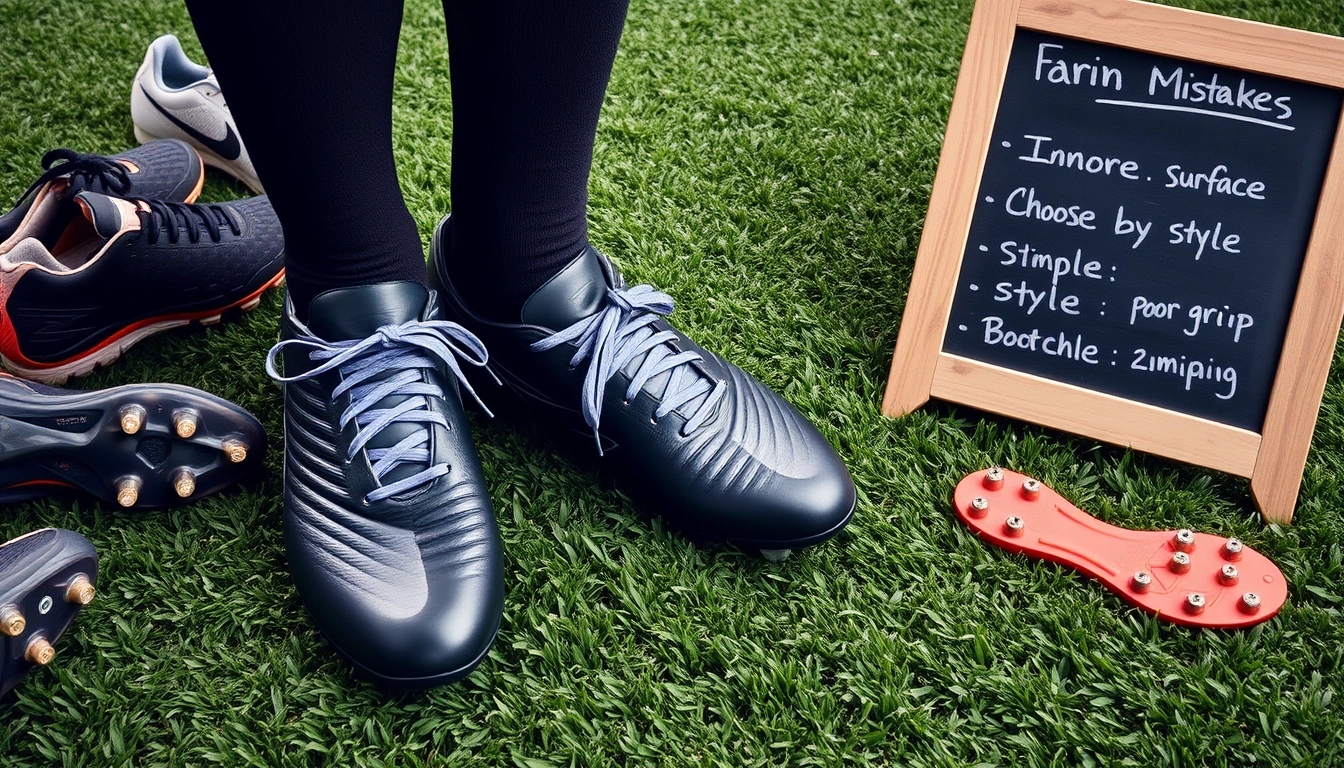
Alright, let’s be honest — picking the right boots for 5-a-side football can sometimes feel like a minefield. You’d think it’s just about grabbing the coolest-looking pair off the shelf, but oh no, there’s a whole lot more to it. Many players fall into some classic traps that, frankly, could have been avoided with a bit of common sense (or just asking someone who knows!). So, buckle up, here’s a candid rundown of the most frequent boot blunders that can seriously mess with your game and comfort.
- Ignoring the surface type: This is probably the biggest rookie mistake. You wouldn’t wear hiking boots to a beach party, right? Same logic applies here. Indoor pitches demand flat, non-marking soles, while outdoor artificial turf needs boots with turf soles. Using the wrong boots can lead to slipping, poor grip, or even getting kicked out of the game. Don’t be that player sliding all over the place because you thought “these boots look cool.”
- Buying boots just for the style: We get it, those flashy neon boots are tempting. But style doesn’t always equal function. Boots that look amazing might not offer the support or comfort needed for the quick, sharp movements in 5-a-side. Trust me, you’ll regret it when blisters start forming halfway through the match.
Here’s a quick table to help you avoid some common pitfalls:
| Common Mistake | Why It’s Bad | Better Approach |
|---|---|---|
| Using studded boots indoors | Damages pitch, banned by most leagues | Choose flat-soled indoor boots |
| Ignoring boot fit | Causes discomfort, blisters, poor control | Try boots on, consider half sizes |
| Overlooking boot material | Leads to poor ball control or quick wear | Pick synthetic for durability or leather for touch |
Another thing that trips up players: not thinking about the sole’s grip. You want just enough traction to dart and pivot without sticking like glue or sliding out of control. Turf soles are usually the sweet spot for outdoor 5-a-side, but don’t try to double up with firm ground studs unless you want to be the talk of the league for all the wrong reasons.
And oh, the temptation to buy boots online without trying them on first? Dangerous territory. Sizes vary wildly between brands and models. What fits like a glove in one might feel like a potato sack in another. If you’re ordering online, always check return policies or better yet, visit a store to get a feel for what suits your foot shape.
- Neglecting maintenance: Some folks buy boots, wear them once, and shove them in the back of a cupboard. Bad move. Dirty, worn-out boots lose grip and comfort quickly. A little cleaning and proper drying can extend their life massively.
- Assuming all boots are created equal: Not all boots are designed with 5-a-side in mind. Some are made for 11-a-side on grass, which means heavier, less agile shoes. Using these in small-sided games can slow you down and increase injury risk.
To wrap up, choosing the right 5-a-side boots isn’t rocket science, but it does require a bit of attention to detail. Don’t be swayed just by looks or price tags. Think about where you’ll be playing, how the boots fit, and what kind of grip you need. Your feet (and your teammates) will thank you!
Care and maintenance tips for your 5-a-side boots
Look, if you’re serious about your 5-a-side game, then you know your boots aren’t just some fancy accessories — they’re your partners on the pitch. And like any good teammate, they need a bit of TLC to keep performing at their best. So, here’s the lowdown on how to keep those boots in tip-top shape, making sure they last longer and don’t embarrass you when you’re trying to pull off that slick turn.
- First things first: Cleaning. After every game, don’t just chuck your boots in the corner like yesterday’s news. Dirt, mud, and grime build up and can seriously damage the material. Grab a soft brush or an old toothbrush and gently scrub off the muck. For stubborn gunk, a damp cloth with a bit of mild soap works wonders. Avoid soaking your boots in water — that’s a one-way ticket to ruined leather or synthetic materials.
- Drying them right. Here’s a rookie mistake: tossing wet boots next to a radiator or in direct sunlight. Bad idea. That heat can warp the shape and crack the material. Instead, stuff your boots with newspaper or use a boot dryer if you’re fancy like that. This absorbs moisture and keeps the shape intact.
Now, let’s talk about storage. Boots are like fine wine — they need the right conditions to age well. Keep them in a cool, dry place, away from damp basements or overly hot garages. And if you’re the forgetful type, consider a boot bag with ventilation holes. It’s a small investment that pays off big time.
| Maintenance Tip | Why It Matters | Quick Do’s & Don’ts |
|---|---|---|
| Regular Cleaning | Prevents material breakdown and keeps boots looking fresh | Do: Use soft brushes; Don’t: Use harsh chemicals or soak boots |
| Proper Drying | Maintains shape and prevents cracking | Do: Use newspaper or boot dryers; Don’t: Place near direct heat |
| Storage | Avoids mildew and deformation | Do: Store in ventilated bags; Don’t: Leave in damp or hot places |
Oh, and here’s a nugget of wisdom: rotate your boots if you can. Using the same pair every single match is like running a marathon in the same pair of trainers day after day — eventually, they’re gonna give up on you. Having a backup pair lets each set rest and dry properly.
- Conditioning leather boots. If you’re rocking leather, don’t forget to apply a leather conditioner every now and then. It keeps the leather supple and prevents that dreaded cracking. Synthetic boots? They’re easier to maintain but still benefit from a wipe-down with a damp cloth regularly.
- Check the soles and studs. This might seem obvious, but don’t ignore worn-out soles or loose studs. They can mess with your grip and increase injury risk. Replace studs if your boots have them, and if the sole is shot, it might be time to invest in a new pair.
Finally, a little common sense goes a long way. Don’t wear your 5-a-side boots for casual walking around town or muddy hikes. They’re designed for the pitch, not the wild outdoors. Treat them well, and they’ll repay you with performance and comfort.
So, next time you finish a sweaty 5-a-side session, don’t just toss your boots in the bag and forget about them. A bit of effort now means you won’t be scrambling to buy new boots mid-season or dealing with blisters caused by worn-out gear. Your feet — and your wallet — will thank you.
Future trends: What’s next for 5-a-side boot technology?
Alright, let’s be honest—5-a-side football boots haven’t always been the star of the show. But that’s changing fast. With the game evolving and players demanding more from their gear, tech innovators are stepping up their game to deliver boots that don’t just look slick but actually boost performance on those tight, sweaty pitches. So, what’s cooking in the world of 5-a-side boot design? Grab a cuppa and let’s dive into some of the freshest ideas that might just change the way you play.
First off, smart materials are making waves. Think about boots that adapt to your foot’s shape in real-time, offering custom support where you need it most. We’re talking memory foam insoles that mould perfectly, combined with uppers made from flexible, breathable fabrics that respond to heat and moisture. No more pinching or blisters after a frantic 30-minute session! Some brands are even experimenting with self-cleaning surfaces—yes, boots that repel mud and grime, keeping you looking sharp without the post-game scrubbing hassle.
| Innovation | Benefit | Potential Drawback |
|---|---|---|
| Adaptive Fit Uppers | Enhanced comfort, reduces injuries | Higher cost, durability concerns |
| Self-Cleaning Materials | Less maintenance, cleaner look | Unknown long-term effectiveness |
| Embedded Sensors | Performance tracking, injury prevention | Battery life, data privacy |
Speaking of tech, embedded sensors are no longer sci-fi. Imagine boots that track your every sprint, twist, and slide, feeding data to your phone or smartwatch. Coaches could analyze your movement patterns to fine-tune tactics, or you could spot early signs of injury risk before it’s too late. Of course, some players might find this a bit Big Brother-ish, but hey, data is king these days.
On the sole front, there’s a buzz about 3D-printed outsoles. This means soles tailored exactly to the surface you play on—whether it’s a slick indoor court or a slightly rough outdoor turf. The goal? Maximise grip and agility while cutting down on injuries. Plus, 3D printing could make boots lighter and more eco-friendly by reducing waste during manufacturing. Win-win, right?
- Customisable studs: Though traditional studs are usually banned in 5-a-side, some firms are working on micro-studs that offer grip without damaging indoor surfaces.
- Eco-conscious materials: Recycled plastics and plant-based fabrics are gaining traction, appealing to the environmentally aware player.
- Modular boots: Boots with interchangeable parts so you can switch soles or uppers depending on game conditions.
Of course, not every innovation will stick. Some will flop, and others might be too pricey for your average weekend warrior. But the fact that brands are experimenting so wildly means 5-a-side players can expect some seriously cool gear soon. And if you ask me, anything that helps you outpace your mates or avoid that dreaded ankle twist is worth a shot.
So, keep your eyes peeled and your laces tight—these next-gen boots could soon be the secret weapon in your 5-a-side arsenal.
Frequently Asked Questions
- What types of boots are allowed in UK 5-a-side leagues?
Most UK 5-a-side leagues require boots with flat or turf soles to ensure safety and proper grip on artificial surfaces. Traditional studded boots are usually banned because they can damage the pitch and increase injury risk. Always check your league’s specific rules before playing!
- Can I wear outdoor football boots for indoor 5-a-side matches?
It’s generally not recommended. Outdoor boots often have studs designed for grass or firm ground, which can be slippery or harmful on indoor surfaces. Indoor or turf boots with flat or rubber soles offer better traction and comfort for indoor games.
- Why are studs usually not allowed in 5-a-side football?
Studs dig into natural grass to provide grip, but 5-a-side pitches are mostly artificial turf or indoor courts where studs can cause damage and increase injury chances. Flat or turf soles spread pressure more evenly, making them safer and more effective for small-sided games.
- What’s the difference between synthetic and leather boots for 5-a-side?
Synthetic boots are lightweight, water-resistant, and often cheaper, making them great for quick, technical play. Leather boots offer better comfort and durability but can be heavier and less suited for wet conditions. Your choice depends on personal preference and playing environment.
- How do I choose the right size and fit for 5-a-side boots?
Fit is king! Boots should feel snug but not tight, allowing natural foot movement without causing blisters. Trying boots on with the socks you’ll wear during games helps. Remember, your feet may swell during play, so leave a little wiggle room.
- Are there specific brands known for quality 5-a-side boots?
Yes! Brands like Nike, Adidas, Puma, and New Balance offer specialized 5-a-side models that balance grip, comfort, and durability. Look for boots designed specifically for turf or indoor play to get the best performance.
- How can I maintain my 5-a-side boots to last longer?
Keep them clean by wiping off dirt after each use, air them out to prevent odor, and store them in a cool, dry place. Avoid leaving boots in damp bags or direct sunlight, which can deteriorate materials quickly.
- What are the latest trends in 5-a-side boot technology?
Innovations include lighter materials for speed, enhanced grip soles for better traction, and ergonomic designs that mimic natural foot movement. Some boots even incorporate smart tech to track performance metrics—exciting times ahead!