
Alright, let’s cut to the chase: if you’re lacing up your boots or grabbing your racket in the UK, you can’t just wing it when it comes to insurance. Sports insurance isn’t just a boring legal mumbo jumbo—it’s your safety net when things go sideways on the pitch, track, or court. But man, navigating this insurance maze? It’s like trying to find a needle in a haystack while blindfolded. Don’t worry, I’m here to break it down without the snooze-fest jargon.
Understanding the basics of sports insurance
First off, sports insurance isn’t one-size-fits-all. You’ve got personal accident insurance, public liability insurance, and even professional indemnity insurance if you’re coaching or training. Each covers different risks, and knowing which one fits your situation is half the battle.
- Personal Accident Insurance: This covers injuries you might get while playing. Broken bones, sprains, you name it.
- Public Liability Insurance: Essential for clubs. If someone trips over your water bottle and sues, this has your back.
- Professional Indemnity Insurance: Coaches beware! This protects you if someone claims you messed up their training.
Now, don’t get comfy thinking your home or travel insurance will cover your sports mishaps. Spoiler alert: most don’t, or they’ll have so many exclusions you might as well be uninsured.
Why does it matter if your sport is contact or non-contact?
Here’s where things get spicy. If you’re into rugby or boxing, insurers see you as a bigger risk than, say, a jogger or a golfer. That means higher premiums and stricter coverage rules. It’s not just about the sport but also your age, previous injuries, and sometimes even your history with claims.
| Sport Type | Risk Level | Typical Insurance Needs |
|---|---|---|
| Contact (e.g., rugby, boxing) | High | Comprehensive personal accident + public liability |
| Non-contact (e.g., tennis, running) | Low to medium | Basic personal accident, optional liability |
Governing bodies and insurance
If you’re a member of a sports club or league, chances are your governing body has some say in what insurance you need. They often require clubs and players to have certain coverages before you can even step on the field. So, skipping this step isn’t just risky—it might get you benched.
Amateur vs. Professional: Different beasts
If you’re a weekend warrior, your insurance needs are simpler (and cheaper). But if you’re playing professionally? Well, you better buckle up. Professionals face higher risks, and their policies often include loss of income coverage if injuries bench them for a while.
Common pitfalls and how to avoid them
Look, the biggest mistake people make is assuming they’re covered without actually reading the fine print. Another classic blunder? Not updating your policy when you switch sports or level up your game. Here’s a quick checklist:
- Read all policy exclusions carefully.
- Disclose any previous injuries honestly.
- Review your coverage annually.
- Consult your club or governing body for mandatory insurance.
Cost factors: What makes your premiums jump?
Your age, the sport’s risk level, previous claims, and even your location can affect how much you pay. Don’t be surprised if your insurer asks a million questions before giving you a quote. It’s all part of their risk assessment.
How to pick the right policy?
Start by listing your sport’s risks, then check what your club requires. Next, compare quotes but don’t just go for the cheapest—look at coverage limits, exclusions, and claim processes. If in doubt, chat with an insurance broker who knows the sports scene.
In short, sports insurance in the UK is a bit of a jungle, but with the right info, you can tackle it head-on. Play hard, but cover your back—because injuries don’t ask before showing up.
Understanding the basics of sports insurance
Alright, before you lace up those trainers or grab your racket, let’s get something straight — sports insurance isn’t just some boring paperwork mumbo jumbo. It’s actually pretty crucial if you want to avoid turning a fun day out on the pitch or court into a financial nightmare. Now, in the UK, sports insurance can seem like a tangled web of jargon and fine print, but trust me, once you get the basics down, it’s not rocket science.
First off, what exactly is sports insurance? Well, it’s a type of coverage designed specifically for people who play sports — whether you’re a weekend warrior or a semi-pro athlete. The main aim? To protect you from the unexpected: injuries, accidents, or even legal claims if someone gets hurt because of you (or your club). Think of it as a safety net, catching you when things go sideways.
- Personal accident insurance – This one’s your go-to if you take a tumble or suffer an injury while playing. It usually covers medical expenses, lost income, and sometimes rehabilitation costs. But heads up, not all injuries are covered — some policies exclude things like pre-existing conditions or certain extreme sports.
- Public liability insurance – If you’re part of a sports club, this is a must-have. It protects you against claims if a spectator or another player gets injured or their property is damaged during your activities.
- Professional indemnity insurance – Coaches and trainers, listen up! This covers you if someone accuses you of giving bad advice or making a mistake during training.
| Type of Insurance | Who Needs It? | What It Covers |
|---|---|---|
| Personal Accident | All sports participants | Injury treatment, compensation for lost earnings |
| Public Liability | Sports clubs and teams | Claims from third parties for injury or damage |
| Professional Indemnity | Coaches, trainers, sports therapists | Claims of negligence or malpractice |
Now, don’t go thinking your regular health insurance or travel insurance has got your back here. Spoiler alert: they usually don’t cover sports-related injuries, especially if you’re playing something “risky.” And if you’re into contact sports like rugby or boxing, you’ll definitely want to pay closer attention to what’s included.
Here’s a quick tip: always read the small print. Some policies might look great on paper but exclude the very activities you love. And if you’re part of a club, check if they already have some insurance in place — you might be double paying otherwise.
To wrap it up, understanding the basics of sports insurance means knowing what types of coverage exist, who needs them, and what’s actually included or excluded. It’s not just about ticking a box; it’s about making sure you can enjoy your sport without that nagging worry about “what if.” Because let’s face it, the only thing you should be stressing about on game day is your performance, not your insurance.
Practical insight:
- Always ask your club or sports organisation about their insurance policies.
- Compare quotes from different insurers — prices and coverage can vary wildly.
- Consider your sport’s risk level and your personal circumstances (age, health, experience).
So, next time you hear “insurance,” don’t roll your eyes. Think of it as your secret weapon to keep playing hard and safe.
Personal accident insurance: What does it cover?
So, you’ve taken up football, rugby, or maybe even something a bit more chill like badminton. Either way, there’s always that lurking risk of a twisted ankle or a more dramatic tumble. Enter personal accident insurance, your financial safety net when sports mishaps happen. But what exactly does this type of insurance cover, and where does it leave you hanging? Let’s unpack this a bit.
At its core, personal accident insurance is designed to provide compensation if you suffer an injury from an accident—say, a nasty fall on the pitch or a collision with another player. Think of it as a backup plan that kicks in when your body decides to throw a tantrum mid-game. This coverage typically includes:
- Accidental death benefits – not the cheeriest thought, but it’s there to support your loved ones if the worst happens.
- Permanent disability payouts – if you’re left with lasting injuries, this helps ease the financial strain.
- Temporary total disablement – covering lost income if you can’t work while recovering.
- Medical expenses – some policies chip in for hospital bills, physiotherapy, or even ambulance rides.
| Coverage | Exclusions |
|---|---|
| Injuries sustained during organised sports events | Injuries from extreme sports like skydiving or motor racing (unless specifically included) |
| Accidental fractures, dislocations, or sprains | Pre-existing medical conditions or injuries |
| Emergency medical treatment costs | Injuries caused by reckless or illegal behaviour |
| Loss of income during recovery | Injuries sustained while under the influence of alcohol or drugs |
Now, here’s the kicker—personal accident insurance isn’t a catch-all. It’s not the same as health insurance, so don’t expect it to cover every single medical bill or ongoing treatments. Plus, many policies have exclusions that catch people off guard. For example, if you’re participating in a high-risk sport like boxing or MMA, standard policies might either exclude you entirely or charge a bomb for coverage. Also, if you’re injured while doing something a bit reckless—think sneaking in an unsanctioned game or ignoring safety gear—you might find your claim denied faster than you can say “ouch.”
Here’s a quick checklist to help you figure out if your personal accident insurance is up to scratch:
- Does it specifically cover your chosen sport or activity?
- What’s the maximum payout for death or disability?
- Are there any waiting periods before coverage kicks in?
- Does it cover medical treatments and rehabilitation?
- What are the exclusions? (Read the fine print, seriously!)
Honestly, the best advice? Don’t just grab the first policy that pops up. Chat with your insurer, ask awkward questions, and maybe even get a second opinion. Because when you’re out there chasing goals or smashing birdies, the last thing you want is to discover your insurance has more holes than Swiss cheese.
In the unpredictable world of sports, personal accident insurance is like your trusty sidekick—sometimes overlooked, but invaluable when the unexpected happens. So gear up smartly, protect yourself properly, and keep playing hard without that nagging “what if?” hanging over your head.
Public liability insurance for sports clubs
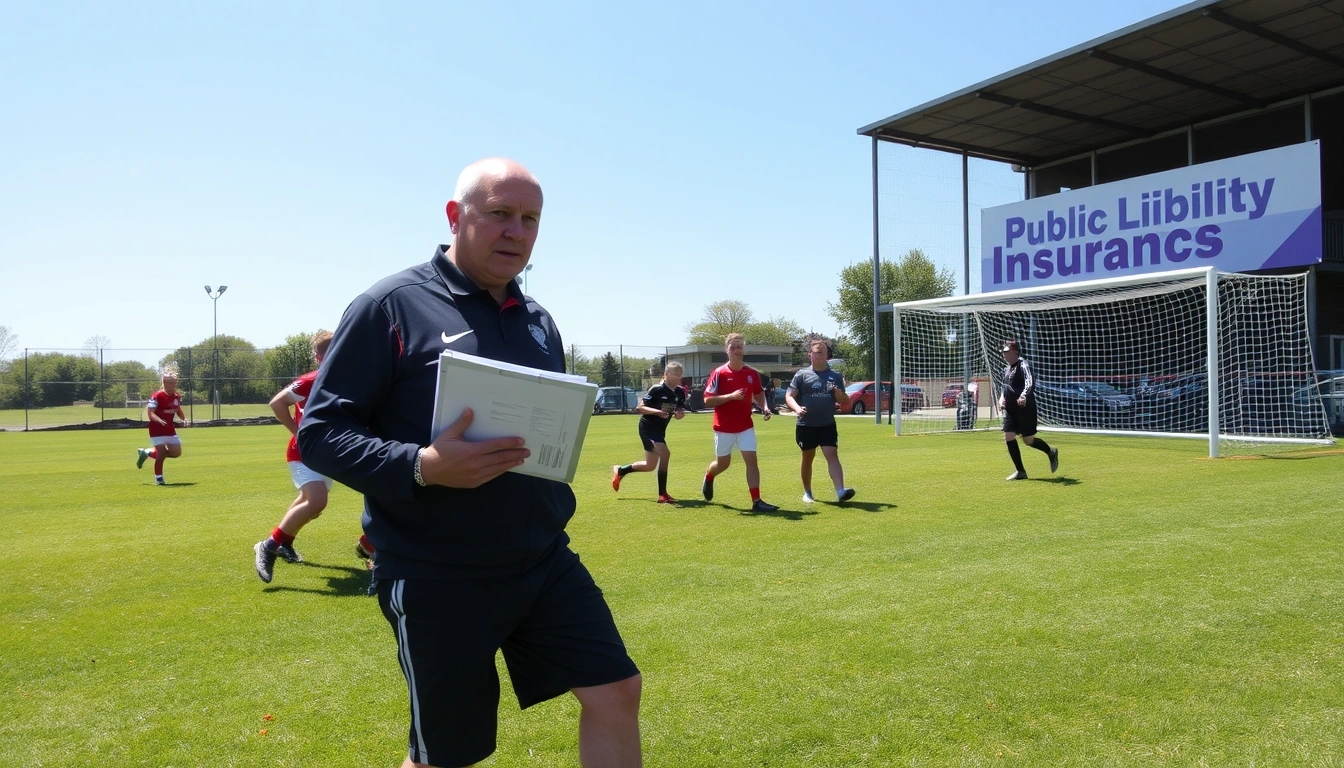
Public liability insurance — sounds like one of those boring legal mumbo jumbo things, right? But, hold your horses, because if you’re involved in running a sports club, this is one of those essentials you just can’t afford to skip. Imagine this: during a weekend football match, a spectator trips over a loose cable and ends up with a broken wrist. Or a player from a visiting team gets injured because of faulty equipment. Who’s on the hook? That’s right, the club. And without public liability insurance, you might be staring down the barrel of some serious legal and financial trouble.
Let’s get real here. Sports clubs, whether they’re community-based or semi-professional, are buzzing hubs of action where accidents can and do happen. It’s not just the players you need to worry about — think about the spectators, volunteers, referees, or even the random jogger who decides to cut across your pitch. Public liability insurance is designed to cover claims made by third parties who suffer injury or property damage because of your club’s activities.
| Who it Protects | What it Covers | Why it Matters |
|---|---|---|
| Players, Spectators, Volunteers, Third Parties | Injuries, Property Damage, Legal Costs | Shields club finances and reputation from costly lawsuits |
Now, you might be thinking, “But surely, the injured party should have their own insurance?” Sure, that’s the ideal world. But in reality, not everyone has personal accident insurance or health insurance that covers sports injuries. Plus, the law tends to hold the club responsible if negligence can be proven — like poor maintenance of facilities or inadequate safety measures.
Without this insurance, clubs could face hefty compensation claims, which can quickly drain funds, disrupt operations, or worse, force the club to shut down. No one wants that, especially when local communities depend on these clubs for social connection and physical activity. So, it’s not just about covering your back; it’s about protecting the whole ecosystem around your club.
- Tip #1: Check your policy limits carefully — low coverage might not cut it if a serious injury occurs.
- Tip #2: Make sure the insurance covers all activities your club offers, including training sessions and tournaments.
- Tip #3: Review your policy annually — as your club grows or adds new sports, your insurance needs can change.
Another thing to remember: public liability insurance doesn’t cover injuries to your own players — that’s where personal accident insurance steps in. But together, these policies form a safety net that lets you focus on what really matters: the sport, the fun, and the community spirit.
So next time you’re chatting with your club committee or treasurer, don’t just brush off insurance talk as boring paperwork. It’s the lifeline that keeps your club running smoothly when the unexpected happens. Because let’s face it, in sports, the unexpected is pretty much guaranteed.
Professional indemnity insurance: Is it necessary?
Alright, let’s get straight to the point — if you’re a coach or trainer in the UK, you might be wondering whether professional indemnity insurance is just another expense or an absolute must-have. Spoiler alert: it’s not just a fancy add-on; it can be a lifesaver when things go sideways.
Imagine this: you’re running a training session, giving your best advice, and suddenly, a player trips, gets injured, and claims it’s because of your negligence. Or maybe a parent accuses you of malpractice because their kid didn’t improve as expected. Sounds like a nightmare, right? This is where professional indemnity insurance steps in — it offers protection against claims of negligence, errors, or omissions during your professional service.
- What does it cover? Typically, it covers legal costs and any compensation you might have to pay if you’re found liable.
- Who needs it? Coaches, personal trainers, physiotherapists, and anyone offering professional advice or training.
- Is it mandatory? Not legally, but highly recommended.
Now, let’s not kid ourselves — not every coach or trainer needs this insurance. If you’re just volunteering at a local club and not charging a dime, maybe you can skip it. But if you’re running a business, taking payments, or offering specialized advice, the risk of being sued is real.
| Scenario | Professional Indemnity Insurance Needed? |
|---|---|
| Volunteering at community sports club | No, usually not necessary |
| Freelance personal trainer with clients | Yes, highly recommended |
| Coach employed by a professional sports team | Likely covered by employer |
| Sports therapist offering advice independently | Yes, essential |
But here’s the kicker — professional indemnity insurance doesn’t cover everything. It’s not a magic shield against all lawsuits. For example, it usually won’t cover intentional wrongdoing or criminal acts. Also, it doesn’t typically cover physical injuries directly — that’s where public liability or personal accident insurance come into play.
So, how do you decide? Ask yourself these quick questions:
- Do I give advice or training that others rely on?
- Could someone claim that my advice caused them harm or loss?
- Am I charging for my services?
If you answered yes to any of these, then professional indemnity insurance is probably a smart move.
In the end, it boils down to risk management. Nobody wants to think about lawsuits while coaching a team or training clients, but being prepared is just good business sense. Plus, some clients or sports organisations might even require you to have it before you can work with them.
So, while it might feel like just another bill to pay, professional indemnity insurance can save you from a financial headache that’s way worse than the premium. Don’t wait for disaster to strike — get covered and coach on with peace of mind.
Health insurance vs. sports insurance: Key differences
Alright, let’s get one thing straight right from the jump — health insurance and sports insurance might sound like they cover similar ground, but they’re not exactly twins separated at birth. They serve different roles, and knowing what each does can save you a heap of trouble (and money) if you’re out there smashing goals or just trying not to trip over your own feet on the pitch.
First off, general health insurance is your all-around safety net. It’s designed to cover medical expenses when you get sick or injured, whether that’s a common cold, a broken arm from a kitchen mishap, or even surgery. It’s broad, it’s essential, and most people have it — either through the NHS or private providers. But here’s the kicker: it usually doesn’t cover injuries that happen during sports activities, especially if you’re doing something a bit more… adventurous.
Now, sports insurance is a whole different ball game. This specialized coverage is tailored to athletes, whether you’re playing weekend football, racing bikes, or climbing mountains. It kicks in when you get injured during a sports session — think sprains, fractures, or even more serious stuff. Sports insurance can cover things like physiotherapy, rehabilitation costs, and sometimes even loss of income if you can’t work because of a sports injury. It’s like having a personal bodyguard who’s only interested in your sporting escapades.
| Aspect | Health Insurance | Sports Insurance |
|---|---|---|
| Coverage Scope | General medical treatment for illness and injury | Injuries sustained specifically during sports activities |
| Typical Benefits | Hospital stays, doctor visits, medication | Physiotherapy, rehabilitation, loss of earnings |
| Who Needs It? | Everyone | Athletes and active sports participants |
| Exclusions | Often excludes sports-related injuries or high-risk activities | Usually excludes non-sport related illnesses |
But wait, there’s more! You might wonder, “Do I really need both?” The short answer: probably yes, if you’re serious about your sport and want to avoid nasty surprises. General health insurance won’t always cover that twisted ankle on the rugby field or a concussion from a cycling crash. Meanwhile, sports insurance won’t pay for that pesky flu that knocked you out last winter.
- Tip 1: Check your existing health insurance policy to see if sports injuries are excluded — many are, especially for contact or high-risk sports.
- Tip 2: Consider the type of sport you play. Contact sports typically require more comprehensive sports insurance coverage.
- Tip 3: If you’re part of a club or team, see if they provide group sports insurance — it can be cheaper and cover a lot of ground.
In the end, it’s all about knowing your risks and not leaving your health (and wallet) to chance. Think of health insurance as your everyday shield, and sports insurance as your specialized armour for when you’re out there pushing your limits. Don’t be that person who assumes one covers all — that’s a gamble nobody wants to take.
So, lace up, gear up, and make sure you’re covered both on and off the field. Because when it comes to injuries, prevention and preparation are worth their weight in gold.

Does your home or travel insurance cover sports injuries?
Alright, let’s cut to the chase — if you’re thinking your trusty home or travel insurance is going to bail you out when you twist an ankle mid-football match or take a tumble skiing, you might want to think twice. Most folks assume these policies have their back in every scenario, but the reality? It’s a bit more tangled than that.
First off, home insurance primarily focuses on protecting your property — your house, belongings, and sometimes liability if someone gets hurt on your property. But when it comes to sports injuries, it’s usually a different story. Many standard home insurance policies exclude injuries that happen while participating in sports activities, especially if those sports are deemed “high-risk.” So, if you’re the weekend warrior playing rugby or mountain biking, your home insurance might just shrug and say, “Not my problem.”
| Type of Insurance | Sports Injury Coverage | Common Exclusions |
|---|---|---|
| Home Insurance | Rarely covers personal sports injuries | Injuries during high-risk or organized sports; injuries off property |
| Travel Insurance | May cover some sports injuries if specified | Extreme sports, professional sports, injuries due to reckless behaviour |
Now, travel insurance is a bit more flexible — or at least, it tries to be. Some policies offer optional add-ons for sports activities, but here’s the kicker: you have to declare your planned sports activities upfront. Otherwise, if you get hurt skiing or scuba diving without telling your insurer, your claim could be denied faster than you can say “ouch.” And don’t get me started on “extreme” or “dangerous” sports — many travel policies outright exclude those unless you pay extra. So, if you’re planning to bungee jump or try downhill mountain biking abroad, check the fine print like a hawk.
- Tip #1: Always read the exclusions section carefully — it’s where the devil hides.
- Tip #2: Be honest about your sports plans when buying travel insurance.
- Tip #3: Consider specialized sports insurance if you’re regularly active or doing risky stuff.
Here’s a quick reality check: many people think their health insurance or NHS will cover everything if they get injured playing sports. Sure, the NHS will patch you up, but what about lost income, rehabilitation costs, or expensive private treatment? That’s where dedicated sports insurance or personal accident policies come into play.
Common pitfalls with home/travel insurance and sports injuries:- Not declaring sports activities on travel insurance applications- Assuming home insurance covers all personal injuries- Ignoring the “professional athlete” clauses (yes, even if you’re semi-pro)- Overlooking the difference between contact and non-contact sport coverage
Bottom line? Don’t just assume your existing policies have your back on the pitch or the slopes. Dig into those policy documents, ask questions, and if needed, get a dedicated sports insurance policy. Because when you’re nursing a sprain or worse, the last thing you want is to find out your insurance won’t cover the damage.
Stay safe, play smart, and don’t let the fine print trip you up!
Insurance requirements for contact vs. non-contact sports
When it comes to insurance, not all sports are created equal—far from it, actually. The difference between high-risk contact sports like rugby, boxing, or martial arts and low-risk non-contact activities such as golf, swimming, or running is massive, and that gap reflects heavily on the kind of insurance coverage you’ll need. It’s not just about getting a policy and hoping for the best; it’s about tailoring that coverage to the risks you’re actually facing on the field or in the pool.
Contact sports are notorious for their higher injury rates. Think broken bones, concussions, torn ligaments—the kind of stuff that can put you out of commission for months. Because of this, insurance providers tend to push for more comprehensive personal accident insurance policies for players involved in these sports. This usually means higher premiums but also better coverage for medical expenses, rehabilitation costs, and sometimes even loss of earnings if you’re sidelined. Public liability insurance is also a hot topic here, especially for clubs hosting contact sports, since the risk of claims from injured participants or even spectators is significantly greater.
- Contact Sports Insurance Needs: High personal accident coverage, public liability, possible professional indemnity for coaches
- Non-Contact Sports Insurance Needs: Basic personal accident insurance, lower premiums, less emphasis on liability
On the flip side, non-contact sports generally carry a much lower risk of serious injury. Sure, you can still twist an ankle or pull a muscle, but the likelihood of catastrophic injuries is far less. Consequently, insurance policies for these activities tend to be more straightforward and affordable. For example, a casual runner or a golfer might only need basic personal accident insurance, and often their existing health insurance will cover minor injuries.
| Aspect | Contact Sports | Non-Contact Sports |
|---|---|---|
| Risk Level | High | Low to Moderate |
| Common Injuries | Concussions, fractures, dislocations | Sprains, strains, minor cuts |
| Insurance Premiums | Higher | Lower |
| Coverage Complexity | Comprehensive, multiple policies needed | Simple, often single policy |
Now, here’s where things get a bit murky—some sports blur the lines. Take basketball or hockey, for example. They’re contact sports but not as brutal as rugby or boxing. Insurance providers often categorize them somewhere in the middle, which can confuse players about what coverage they actually need. Plus, many insurance policies have exclusions or clauses that catch you off guard, like not covering injuries sustained during unsanctioned matches or training sessions.
So, what’s the takeaway? If you’re diving into a contact sport, expect to shell out more for insurance, but also expect better protection that matches the intensity of the game. For non-contact sports, you can probably breathe a little easier, but don’t get complacent—accidents happen everywhere. Always read the fine print and consider your personal circumstances, like age, fitness level, and whether you’re playing competitively or just for fun.
Quick tips to keep in mind:
- Check if your club offers group insurance; it’s often cheaper and tailored to your sport.
- Don’t assume home or travel insurance covers sports injuries—most don’t, especially for contact sports.
- Ask about exclusions related to training, competitions, and unsanctioned events.
- Consider additional cover for loss of income if you rely on sports professionally or semi-professionally.
In the end, it’s a bit like picking the right gear for your sport—you wouldn’t show up to a boxing match with a tennis racket, right? Similarly, your insurance needs to fit the game you’re playing. Otherwise, you might find yourself out of pocket and out of luck when the unexpected happens.
The role of governing bodies in sports insurance
When it comes to sports insurance in the UK, the governing bodies play a far bigger role than most athletes or clubs realise. These organisations don’t just set the rules on the pitch or court; they also have a big say in what kind of insurance coverage is mandatory, recommended, or downright optional for those involved. It’s like they’re the referees off the field too, blowing the whistle on what’s needed to keep everyone protected.
You see, UK sports governing bodies are often the ones who negotiate with insurance providers or even arrange group policies for their members. This means athletes and clubs affiliated with these bodies usually get access to insurance plans that are tailored to the specific risks of their sport. For example, the Football Association (FA) might push for certain public liability insurance levels because football has a higher risk of injury and spectator incidents compared to, say, badminton.
- Insurance standards: Governing bodies set minimum insurance requirements for clubs and athletes to participate in official competitions or events. Without meeting these, you might as well pack your bags because you won’t be allowed to play.
- Risk assessment: They analyse injury data and incident reports to advise on what insurance coverages are essential, which helps in reducing disputes or claims later on.
- Education and guidance: Many governing bodies provide resources, workshops, or online guides to help clubs and athletes understand their insurance needs. Because let’s face it, insurance jargon can be a nightmare.
| Governing Body | Insurance Influence | Typical Coverage Requirements |
|---|---|---|
| The Football Association (FA) | Mandates public liability and personal accident insurance for clubs | Public Liability (£10 million), Personal Accident |
| England Rugby | Requires comprehensive injury and liability coverage for players and coaches | Player Injury, Professional Indemnity for coaches |
| British Cycling | Promotes insurance for race events and training sessions | Event Liability, Personal Accident |
Now, it’s not all sunshine and rainbows. Sometimes these insurance rules can feel like a bureaucratic headache, especially for smaller clubs or amateur players who just want to have fun without drowning in paperwork or extra costs. But the reality is, these regulations exist because, well, accidents happen. And when they do, having the right insurance can be the difference between a minor hiccup and a financial disaster.
One thing that often gets overlooked is how governing bodies can influence insurers to develop sport-specific policies. Instead of a one-size-fits-all approach, insurance companies craft plans that consider unique risks — like concussion protocols in rugby or equipment damage in cycling. This tailored approach wouldn’t be possible without the data and pressure from these governing bodies.
In a nutshell, if you’re an athlete or run a club in the UK, ignoring the role of governing bodies in your insurance setup is a rookie mistake. They’re the gatekeepers who ensure you’re not just playing by the rules of the game but also by the rules of safety and financial protection. So, before you lace up your boots or hit the field, check what your governing body says about insurance — it might save you a world of trouble down the line.
Quick tips to keep in mind:
- Always verify your club’s insurance meets the governing body’s minimum requirements.
- Look out for updates or changes in insurance policies announced by your governing body.
- Don’t hesitate to ask your governing body for advice or resources — they’re there to help.
In the end, these organisations might seem like just rule enforcers, but when it comes to insurance, they’re your best ally — even if it doesn’t always feel like it at the time.
Insurance for amateur vs. professional athletes
When it comes to insurance in the UK sports scene, the divide between amateur players and professional athletes is pretty stark. You might think, “Hey, a sprain is a sprain, right?” Well, not quite. The reality is that insurance needs and coverage options differ massively depending on whether you’re kicking a ball for fun on weekends or raking in the big bucks on the pitch. Let’s unpack this a bit.
- Amateur athletes usually have a more straightforward insurance setup. Most rely on personal accident insurance or even club-provided coverage which tends to be basic but covers common injuries like sprains, fractures, or concussions during training or matches.
- Professional athletes, on the other hand, need comprehensive policies that cover a wider range of risks, including career-ending injuries, loss of earnings, and even legal expenses related to contracts or endorsements.
Now, here’s a table that sums up some key differences in coverage needs:
| Aspect | Amateur Athletes | Professional Athletes |
|---|---|---|
| Coverage Scope | Basic injury protection | Extensive, includes career and income protection |
| Premium Costs | Generally lower | Higher, reflecting risk and income levels |
| Policy Complexity | Simple, often standard club policies | Tailored, often with legal and financial advice |
| Additional Cover | Rarely includes legal or endorsement protection | Includes legal, endorsement, and even mental health support |
One might wonder, “Why the fuss for amateurs?” Well, it’s not that amateurs don’t get injured – they do, plenty! But their insurance usually doesn’t cover lost wages or long-term rehabilitation costs because, let’s be honest, most amateurs aren’t earning a salary from their sport. They might rely on NHS or private health insurance for serious stuff. Meanwhile, professionals can’t afford downtime; their livelihood depends on staying fit and playing. So their policies are designed to safeguard their income and future, not just patch up a twisted ankle.
Here’s a quick checklist for amateurs thinking about insurance:
- Check if your club offers public liability insurance.
- Consider personal accident insurance for injuries during play.
- Read the fine print on your home or travel insurance – some exclude sports injuries.
- Think about whether you need additional coverage for equipment loss or damage.
For professionals, the game changes:
- Look for income protection policies that cover you if injury sidelines you.
- Consider career-ending injury insurance – it’s pricey but crucial.
- Don’t overlook legal protection for contracts and endorsements.
- Consult with a broker who understands sports-specific risks and policies.
Honestly, it’s a jungle out there, and insurance companies know it. They’ll try to upsell you policies you don’t really need or confuse you with jargon. So, whether you’re a weekend warrior or a pro, do your homework, ask questions, and don’t be shy about negotiating. After all, getting injured sucks enough without having to worry about insurance mess-ups on top.
In the end, insurance for sports is like a good pair of boots – you might not think about it until you really need it. So, get the right fit for your level and keep playing safe.
Common pitfalls and how to avoid them
Playing sports is thrilling, but when it comes to insurance, many athletes and sports clubs trip up big time. Let’s be honest, insurance isn’t exactly the most exciting topic, so it’s no surprise people often overlook the fine print until it’s too late. Here’s a rundown of the usual blunders and some practical tips to dodge the dreaded financial headaches.
1. Assuming basic health insurance has you covered
Many sports enthusiasts wrongly believe their regular health or travel insurance will cover sports-related injuries. Spoiler alert: it usually doesn’t. Most standard policies exclude injuries sustained during high-risk or competitive sports. So, if you’re smashing tackles on the rugby pitch or diving for that volleyball, double-check your coverage.
| Common Mistake | Consequence | How to Avoid |
|---|---|---|
| Relying solely on personal health insurance | Unexpected medical bills for sports injuries | Purchase dedicated sports injury insurance or personal accident cover |
| Ignoring public liability insurance for clubs | Legal claims from injured third parties | Ensure clubs have valid public liability insurance |
| Overlooking policy exclusions | Denied claims due to specific sport or activity exclusions | Read policy documents carefully and ask insurers about exclusions |
2. Skipping public liability insurance for clubs
If you’re involved in running a sports club, thinking “Nah, we’re just a small group” won’t cut it. Public liability insurance is a must. It protects your club if someone gets injured on your turf and decides to sue. Without it, you’re basically playing Russian roulette with your finances.
- Tip: Always confirm your club’s insurance is up to date before joining or volunteering.
- Tip: Ask about the scope of coverage – some policies don’t cover all activities.
3. Not understanding the difference between amateur and professional insurance
Here’s a curveball: insurance needs aren’t one-size-fits-all. Amateur athletes might get away with basic coverage, but professionals? They need more comprehensive policies, often including indemnity and loss of earnings cover. Mixing these up can leave you seriously exposed.
Practical Insight:- Amateur player? Focus on personal accident and public liability insurance.- Professional athlete? Add professional indemnity and income protection.
4. Overlooking policy exclusions and fine print
This one’s a classic. You buy a policy thinking you’re covered for everything, only to find out your sport or activity is excluded. Maybe your insurance won’t cover injuries from “extreme” sports, or it won’t pay out if you’re under the influence. Reading the fine print might be boring, but it’s worth its weight in gold.
5. Waiting too long to get insured
Some folks think they’ll get insurance once they’re injured or after joining a club. Bad move. Insurance works best when you’re proactive. Signing up early means you’re protected from day one, not scrambling for coverage when the worst happens.
Summary: Avoiding the insurance trap
- Don’t assume general health insurance covers sports injuries.
- Check your club’s public liability insurance status.
- Know the difference between amateur and professional insurance needs.
- Always read and understand policy exclusions.
- Get insured before you hit the field, not after.
Remember, sports are meant to be fun, not a financial nightmare. Taking a little time to get your insurance right can save you a world of hassle down the line. Don’t let a silly oversight bench you off the field for longer than necessary!
Cost factors: What affects your sports insurance premiums?
When it comes to sports insurance premiums, there’s no one-size-fits-all. The price tag you see on your policy isn’t just pulled out of thin air; it’s influenced by a bunch of factors that insurance companies weigh carefully. Let’s break down some of the main variables that drive these costs, so you’re not left scratching your head when you get your quote.
First up, the type of sport you’re involved in plays a massive role. Think about it: a leisurely round of golf isn’t going to raise as many eyebrows as a full-contact rugby match where tackles fly left, right, and center. Insurance providers see high-contact or extreme sports as riskier, so premiums shoot up accordingly. If you’re into something like boxing, martial arts, or even mountain biking, expect to pay more because the likelihood of injury is higher. On the flip side, low-risk activities like badminton or swimming usually come with cheaper rates.
| Sport Type | Risk Level | Typical Premium Impact |
|---|---|---|
| Contact Sports (e.g., Rugby, Boxing) | High | Higher premiums |
| Non-contact Sports (e.g., Tennis, Golf) | Low | Lower premiums |
| Extreme Sports (e.g., Mountain Biking, Skiing) | Very High | Significantly higher premiums |
Age is another sneaky factor insurance companies love to use. Younger athletes, especially teens and those in their early 20s, might get a bit of a break because they’re generally fitter and recover faster. However, they’re also more prone to taking risks — so it’s a double-edged sword. Older players, say 40 and above, often face higher premiums because injuries can take longer to heal and complications are more common. It’s not just about how old you are, but how your body handles wear and tear.
Now, here’s where things get a tad tricky: your previous claims history. If you’ve been a serial claimant, insurance companies will see you as a higher risk, and your premiums could skyrocket. No one likes paying more because of past mishaps, but hey, that’s how the cookie crumbles. On the other hand, if you’ve got a squeaky clean record, you might be eligible for some discounts or loyalty perks. It’s always worth asking.
- Sport type: Contact and extreme sports cost more to insure.
- Age: Both very young and older athletes may pay higher premiums.
- Claims history: Past injuries or claims can increase your costs.
- Location: Where you live or play can impact pricing due to local risk factors.
- Coverage level: The more comprehensive the policy, the higher the premium.
Don’t forget, location also sneaks into the mix. If you’re playing in an area known for rough weather, difficult terrain, or even higher crime rates, insurers might jack up your premium. It’s not just about the sport but the environment you’re in.
And finally, the level of coverage you want. Basic policies might cover injuries but exclude things like equipment damage or third-party liability. Want full-on protection? Be prepared to pay a bit extra.
So, if you’re staring at your insurance quote wondering why it’s so steep or surprisingly cheap, remember it’s a cocktail of all these factors. No magic formula, just a careful balancing act by insurers trying to cover their backs while keeping you in the game.
Quick tips to keep premiums in check:
- Choose your sport wisely if insurance cost is a concern.
- Maintain a good claims history by staying safe!
- Shop around – different insurers weigh factors differently.
- Consider bundling policies for discounts.
In the end, it’s about finding the right balance between protection and price. Because, let’s face it, you want to play hard, but you don’t want to pay through the nose when things go sideways.
How to choose the right insurance policy for your sport
Alright, so you’re gearing up to get insured for your sport—but where on earth do you start? Picking the right insurance coverage can feel like trying to find a needle in a haystack, especially when every policy sounds like it’s written in some secret insurance lingo only decipherable by cryptographers. But don’t sweat it, here’s a step-by-step guide to help you cut through the noise and find a policy that won’t leave you high and dry when you need it most.
Step 1: Know your sport and its risks
First things first, identify what kind of sport you’re into. Contact sports like rugby or boxing carry a higher risk of injury, so you’ll likely need more comprehensive coverage. On the flip side, non-contact activities such as running or swimming might require less extensive policies. It’s no one-size-fits-all deal here.
- Contact sports: Look for policies covering serious injuries, long-term disability, and possibly even death benefits.
- Non-contact sports: Focus on accident and personal injury coverage.
Step 2: Understand what the insurance covers — and what it doesn’t
Not all policies are created equal. Some might cover medical expenses but exclude rehabilitation or loss of income. Others might have sneaky exclusions for injuries sustained during competitions or training. Always, and I mean always, read the fine print.
| Coverage Type | What it Covers | Common Exclusions |
|---|---|---|
| Personal Accident | Medical bills, hospital stays, accidental death | Pre-existing conditions, injuries from extreme sports |
| Public Liability | Legal claims from third parties | Intentional harm, unlicensed activities |
| Professional Indemnity | Negligence claims for coaches/trainers | Criminal acts, fraud |
Step 3: Factor in your budget — but don’t skimp
Sure, everyone loves a bargain, but when it comes to insurance, cheap isn’t always cheerful. You want a policy that balances cost with adequate protection. Sometimes spending a bit more upfront saves you a truckload of hassle later.
Step 4: Check if you already have coverage
Before rushing to buy a new policy, peek at your existing insurances. Some home or travel insurance plans sneakily include sports injury coverage. But beware—often those come with tight restrictions or exclude high-risk sports.
Step 5: Ask questions and get advice
Don’t be shy. Contact insurance providers, sports clubs, or even fellow athletes. They’ve been there, done that, and might just save you from making rookie mistakes. Also, consider consulting a broker who specialises in sports insurance.
Quick Tips:
- Keep a record of your medical history and any previous claims.
- Review your policy annually—your sporting activities and needs might change.
- Understand the claims process to avoid surprises.
In the end, choosing the right insurance boils down to knowing your sport, understanding your risks, and matching those with a policy that won’t leave you out in the cold. It’s a bit like picking your gear—get it wrong, and you’re in for a world of pain; get it right, and you can focus on smashing those goals without worry.
So, take a deep breath, do your homework, and get insured like a pro. Because when the unexpected happens (and it often does), you’ll be glad you did.
Frequently Asked Questions (The title must be written in English.)
- Do I really need sports insurance to play in the UK?
Absolutely! While it might seem like an extra hassle, sports insurance is your safety net. It protects you from unexpected injuries or legal claims that could otherwise drain your wallet. Think of it as a helmet for your finances—better to have it and not need it than the other way around.
- What does personal accident insurance cover in sports?
Personal accident insurance mainly covers injuries sustained while playing, like fractures, sprains, or even more serious accidents. However, it usually won’t cover pre-existing conditions or injuries from extreme sports unless explicitly stated. Always check the fine print to avoid surprises.
- Is public liability insurance necessary for sports clubs?
Yes, if you’re running or part of a sports club, public liability insurance is crucial. It protects your club from legal claims if someone gets injured or their property is damaged during club activities. Imagine it as your club’s legal bodyguard, ready to step in when things go sideways.
- Do coaches and trainers need professional indemnity insurance?
Coaches and trainers should seriously consider professional indemnity insurance. This covers claims related to negligence or mistakes during training sessions. It’s like having a backup plan in case your advice or guidance unintentionally leads to injury or loss.
- Can my health or travel insurance cover sports injuries?
Sometimes, but often not fully. Many general health and travel insurance policies exclude injuries from high-risk or contact sports. It’s essential to read your policy carefully or get specific sports insurance to fill in the gaps.
- How do insurance needs differ between contact and non-contact sports?
Contact sports like rugby or boxing carry higher injury risks, so insurance premiums and coverage are typically more comprehensive and costly. Non-contact sports, like golf or running, usually have lower premiums due to reduced risk. Tailoring your insurance to your sport’s risk level is key.
- What role do governing bodies play in sports insurance?
Governing bodies often set minimum insurance standards for athletes and clubs to protect everyone involved. They might even offer group insurance schemes that are more affordable. Think of them as referees ensuring fair play in the insurance game.
- Are insurance needs different for amateur versus professional athletes?
Definitely. Professionals often require more extensive coverage due to higher risks and potential income loss from injuries. Amateurs might get by with basic coverage, but it’s wise to assess your personal risk and financial situation before deciding.
- What common mistakes should I avoid when buying sports insurance?
Don’t just grab the cheapest policy! Avoid overlooking exclusions, failing to disclose previous injuries, or assuming your existing insurance covers sports injuries. Always read the terms carefully and be honest about your health and sport type.
- What factors influence my sports insurance premiums?
Several factors come into play: the type of sport, your age, previous injury claims, and even your location. High-risk sports and older age brackets usually mean higher premiums. Knowing these can help you shop smarter and maybe lower your costs.
- How do I choose the right insurance policy for my sport?
Start by assessing your sport’s risk level and your personal health. Then compare policies focusing on coverage limits, exclusions, and premiums. Don’t hesitate to ask for expert advice or check reviews. Remember, the best policy is one that fits your unique needs like a glove.