
Alright, let’s get down to brass tacks about this whole “dangerous play” foul thing. It’s one of those rules that seems straightforward until you’re watching a game and suddenly—bam!—someone’s flying through the air or crashing into another player, and the ref’s got to decide if it’s just aggressive or downright reckless. So, what actually makes a play “dangerous”? Well, it’s all about risking injury—intentionally or not—to another player by breaking the rules or playing in a way that’s just plain unsafe. The tricky part? Sports are fast, messy, and full of adrenaline, so spotting a dangerous play isn’t always as easy as it sounds.
Why does it matter so much? Because the stakes are high. Player safety is no joke. A single reckless move can end a career or worse. That’s why leagues have cracked down hard on dangerous plays—fines, suspensions, you name it. It’s not just about fairness; it’s about keeping the game alive without turning it into a gladiator pit.
| Key Elements of Dangerous Play | What It Means |
|---|---|
| Intent | Was the player trying to harm or just careless? |
| Contact | Did the play involve illegal or excessive physical contact? |
| Timing | Was the action late or during a vulnerable moment? |
| Equipment | Was dangerous gear or methods used (like high sticks in hockey)? |
In sports like soccer, hockey, and basketball, refs keep their eyes peeled for moves like high tackles, elbow swings, or reckless slide tackles. But here’s where it gets fuzzy. Sometimes a player lunges for the ball, misses, and accidentally clips someone’s ankle. Is that dangerous? Depends on the ref’s call and sometimes, the crowd’s mood.
- Soccer: Dangerous play often includes high kicks near opponents’ heads or studs-up tackles.
- Hockey: High sticks, boarding, and charging are common culprits.
- Basketball: Flagrant fouls like elbows to the head or hard fouls away from the ball.
And let’s not forget the referee’s dilemma. These folks have milliseconds to judge if a play crosses the line. Blow the whistle too soon, and the game’s flow dies; wait too long, and someone might get hurt. It’s a tightrope walk. Plus, with VAR and instant replay, sometimes technology saves the day—other times it just adds fuel to the fiery debates.
So, next time you see a player get whistled for dangerous play, remember: it’s not just about the foul. It’s about protecting the heart and soul of the game, keeping players safe, and trying to balance hard play with respect. And honestly? Sometimes it’s a mess. But hey, that’s sports for you.
Defining Dangerous Play: The Basics
Alright, let’s cut to the chase — dangerous play fouls are those moments in sports that make you cringe, gasp, or sometimes even shout at the TV like you’re the head ref. But what exactly qualifies as “dangerous play”? It’s not just about roughness or being a bit too aggressive; it’s about actions on the field or court that put players’ safety on the line. Think of it as the thin line between playing hard and playing reckless. And trust me, referees have a tough job spotting these in the heat of the moment.
Imagine a chaotic soccer match where players are sprinting, tackling, and flying around like it’s their last game ever. In that mess, a high foot aimed near someone’s head or a reckless slide tackle can lead to a dangerous play foul. But it’s not always obvious. Referees have to watch for intent, the actual risk posed, and whether the action was avoidable. It’s a split-second judgment call that can change the course of the game.
- What makes a play dangerous? It’s usually about potential harm — like high tackles, elbows up, or even a wildly swung hockey stick.
- How do refs spot it? They rely on positioning, experience, and sometimes a bit of luck to catch the foul before it escalates.
- Why does it matter? Because player safety is paramount, and dangerous plays can cause serious injuries or even end careers.
Now, let’s get a bit technical but keep it real. The rules vary across sports, but the core idea remains: any action that threatens to injure an opponent unnecessarily is a dangerous play foul. It’s not just about contact, but the nature of that contact. For example, in basketball, a flagrant foul is often called when a player hits another with excessive force, while in hockey, a high hit or boarding can be flagged as dangerous.
| Sport | Common Dangerous Play Examples | Why It’s Penalized |
|---|---|---|
| Soccer | High kicks near head, studs up tackles, elbowing | Risk of head injuries, concussions, broken bones |
| Hockey | Checking from behind, boarding, high sticks | Can cause severe trauma, concussions, or spinal injuries |
| Basketball | Flagrant fouls, elbowing, hard screens | Player safety, preventing fights, maintaining sportsmanship |
So, how do refs keep their cool and make the call? It’s a balancing act. They’ve got to protect players but also keep the game flowing. Blow the whistle too often, and the game turns into a boring stop-start snooze fest. Miss it, and players could get hurt or tempers flare up. It’s a thankless job, really.
In the end, understanding dangerous play fouls isn’t just for refs or players—it helps fans appreciate the game’s intensity while respecting the rules that keep it safe. Next time you see a ref pull out a yellow or red card, remember, it’s not just about punishment, but about keeping the game fierce yet fair.
Common Sports Where Dangerous Play Is Called
Alright, let’s dive into the world of sports where the phrase “dangerous play” isn’t just tossed around lightly. It’s the kind of foul that makes players, coaches, and fans alike wince — sometimes literally. While many sports have their own flavor of what counts as dangerous, some stand out because these fouls pop up so often they’re practically part of the game’s drama.
- Soccer (Football): Ah, the beautiful game. Soccer is no stranger to dangerous play fouls. Think of those reckless studs flying in for a tackle, elbows raised in aerial duels, or even the sneaky high kicks that come out of nowhere. Referees are always on high alert to spot challenges that could seriously hurt someone. The “dangerous play” call here often involves things like high feet near an opponent’s head or sliding tackles from behind. It’s a tricky balance because soccer is fast and physical, but safety’s gotta come first.
- Ice Hockey: Now here’s a sport where rough stuff is basically the norm. Body checks, fights, and wild scrambles for the puck make hockey a hotbed for dangerous play fouls. But even in this gritty sport, there are clear lines. Hits to the head, boarding (throwing someone violently into the boards), and high-sticking (slashing with the stick near the head or neck) are classic examples. The refs have a tough gig because the game is so fast and brutal — they gotta keep players safe without killing the flow.
- Basketball: You might think basketball is all about finesse and fast breaks, but dangerous play fouls happen here too. Hard fouls — think charging or flagrant fouls — can cause injuries and change the game’s momentum in a heartbeat. Players flying in for rebounds or driving to the hoop sometimes get tangled up in ways that cross the line. The refs don’t hesitate to call out dangerous elbows or reckless blocks because nobody wants a repeat of those nasty collisions that leave players sidelined.
| Sport | Common Dangerous Plays | Typical Penalties |
|---|---|---|
| Soccer | High kicks, studs up tackles, elbows in the air | Free kicks, yellow/red cards |
| Ice Hockey | Boarding, hits to the head, high-sticking | Penalties, game misconducts, suspensions |
| Basketball | Flagrant fouls, dangerous blocks, hard elbows | Fouls, ejections, fines |
Now, you might be wondering why these fouls get so much attention. It’s because dangerous play fouls don’t just mess with the game’s flow — they put players at risk of serious injury. And trust me, no one wants to see a star player carted off the court or field. That’s why refs have to be on their toes, constantly judging whether a play was just aggressive or downright reckless.
Each sport has its own rulebook nuances, but the core idea is the same: protect the players. Sometimes, though, what’s “dangerous” is up for debate, stirring up controversy among fans and analysts. But hey, that’s what keeps sports interesting, right? The tension between playing hard and playing safe is a tightrope walk that every athlete and official knows all too well.
So next time you see a whistle blow for dangerous play, remember it’s not just about the rules — it’s about keeping the game alive and the players healthy enough to keep the excitement coming.
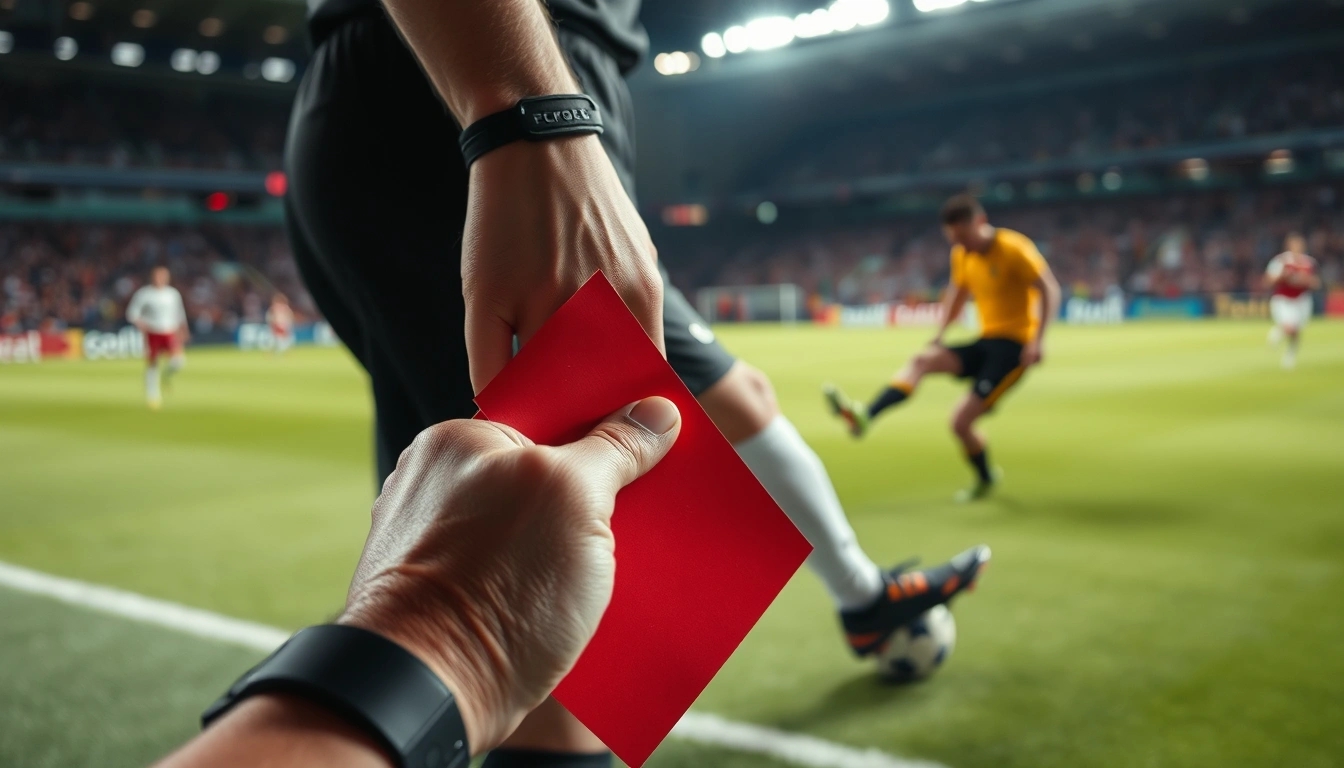
The Rules Behind Dangerous Play
Alright, let’s get down to the nitty-gritty of what really counts as dangerous play in the official rulebooks. You might think it’s just about being reckless or rough, but oh no, it’s way more complicated than that. Sports governing bodies have spent years trying to pin down exactly what crosses the line between a hard but fair challenge and a reckless, potentially harmful act. And spoiler alert: sometimes even the refs are scratching their heads about it.
First off, dangerous play generally refers to any action by a player that threatens the safety of an opponent. But here’s where it gets tricky — what’s “threatening” can be subjective. For example, in soccer (or football, if you prefer), the Laws of the Game describe dangerous play as any attempt to play the ball that risks injury to oneself or others, like high kicks near an opponent’s head. But wait, it’s not just about contact. Even if no one gets touched, a high boot swinging near someone’s face can get flagged.
| Sport | Common Dangerous Play Examples | Penalty |
|---|---|---|
| Soccer | High kicks, studs up tackles, elbowing | Indirect free kick, direct free kick, or even red card |
| Hockey | Checking from behind, high sticking, boarding | Minor or major penalties, game misconduct |
| Basketball | Flagrant fouls, elbowing, dangerous screens | Fouls, ejections |
But here’s the kicker: not all risky plays are dangerous plays. For instance, a hard tackle might look nasty but if it’s clean and the ball is played first, it usually doesn’t qualify as dangerous. And then there’s the infamous “gray zone” — those borderline moments where refs have to decide if a player was just unlucky or downright reckless.
Let’s not forget, different leagues and sports have their own nuances. The NHL, for example, is notoriously strict on hits from behind, considering them inherently dangerous regardless of injury. Meanwhile, basketball’s rulebook defines dangerous play more by intent and outcome — was the contact avoidable? Was it excessive? It’s a lot to juggle.
- Intent: Was the player trying to harm or just going for the ball?
- Position: Was the opponent vulnerable or exposed?
- Outcome: Did the play cause injury or could it have?
And just when you think you’ve got it, the rulebooks throw in exceptions and context. For example, a slide tackle in soccer isn’t automatically dangerous — it depends on timing, angle, and follow-through. Same with a body check in hockey; if it’s within the rules and shoulder-to-shoulder, it’s fair game.
So, what’s the takeaway? Dangerous play rules are designed to protect players but also keep the game flowing and competitive. It’s a balancing act between safety and spirit of the sport. And because human judgment is involved, you’ll always have some “did that really deserve a foul?” moments. But hey, that’s what makes sports thrilling and sometimes downright maddening!
Summary Table: Key Factors in Dangerous Play Decisions| Factor | Description | Example ||--------------|--------------------------------------------|---------------------------------|| Intent | Was the action deliberate or accidental? | Elbowing vs accidental contact || Contact Area | Was the hit to a vulnerable body part? | Head, back, or torso || Timing | Was the action timely or late? | Late tackle after ball passed || Severity | Potential or actual injury caused | Minor scrape or broken bone || Game Context | Score, time left, player emotions | Frustration leading to roughness|
In the end, the rules behind dangerous play aren’t just black and white lines — they’re a messy, sometimes frustrating patchwork designed to keep sports as safe and fair as possible without killing the passion. So next time you see a controversial call, remember: it’s not just about the rules, it’s about protecting players while keeping the game alive.
Examples That Make You Go “Ouch!”
When it comes to dangerous play, nothing grabs the crowd’s attention quite like those jaw-dropping moments that leave players writhing on the ground and fans holding their breath. These incidents are more than just painful—they’re a stark reminder of why rules exist to keep everyone safe. Let’s dive into some unforgettable examples that made everyone say, “Whoa, that was way too close for comfort!”
- The infamous “Kung-Fu Kick” in soccer: Remember the 2006 World Cup match when a player launched a high, flying kick aimed at an opponent’s chest? The ref didn’t hesitate—red card, immediate ejection. It wasn’t just the height of the kick but the reckless abandon behind it that made it a textbook dangerous play. Fans were stunned, players were furious, and the game’s momentum shifted completely.
- Ice hockey’s brutal boarding hits: Hockey is fast and physical, but sometimes players cross the line. Take that notorious hit where a player slammed his opponent into the boards head-first. The crowd gasped, the injured player was stretchered off, and the aggressor got a hefty penalty. It’s a classic example of how dangerous play isn’t just about intent but also about consequences.
| Sport | Incident | Penalty | Why Penalized? |
|---|---|---|---|
| Soccer | High flying kick to chest | Red card | Endangering opponent’s safety with reckless contact |
| Hockey | Boarding hit | Major penalty + game misconduct | Unsafe hit leading to potential serious injury |
| Basketball | Elbow to the face during rebound | Flagrant foul | Intentional violent contact |
Of course, not all dangerous plays are as clear-cut. Sometimes it’s a split-second decision—a defender going for a tackle but clipping the attacker’s ankles, or a basketball player diving for a loose ball and accidentally elbowing someone in the face. In these cases, refs have to weigh intent versus impact, which is easier said than done. And yes, fans often scream at the TV wondering how the ref missed that “obvious” foul—welcome to the chaotic world of officiating!
Here’s a little secret: players themselves often push the envelope, testing the boundaries of what’s allowed. It’s a high-wire act between aggressive play and outright recklessness. Sometimes the line is so thin it might as well be invisible. Yet, when a dangerous play happens, it’s not just about punishment—it’s a message that the sport values safety above all.
So next time you see a player crumple after a reckless challenge or a wild swing, remember, these moments aren’t just accidents—they’re lessons wrapped in pain, reminding everyone why dangerous play fouls exist. And trust me, no one wants to be the player who’s “that guy” remembered for a dirty hit rather than skill.
Quick Tips for Spotting Dangerous Plays:
- Look for high contact areas—head, neck, and joints are big no-no zones.
- Notice if the player’s actions seem reckless or intentional.
- Watch the reaction of teammates and refs—it often tells you if something’s seriously wrong.
In the end, dangerous plays are those moments that make sports unpredictable, thrilling, and sometimes downright scary. But without rules and penalties, it’d be chaos. And honestly, no one wants chaos—they want a game that’s fierce but fair.
Referees’ Dilemma: When to Blow the Whistle
Calling a dangerous play foul isn’t some straightforward task referees get to tick off easily. Oh no, it’s more like walking a tightrope while juggling flaming torches—blindfolded! The moment a potentially risky move happens on the field, refs have mere seconds to decide: “Is this a foul or just part of the game’s chaos?” And let me tell you, it’s rarely just black or white.
Imagine you’re a ref, standing there with adrenaline pumping, players zooming past, fans screaming, and suddenly—bam!—a tackle looks a bit too aggressive, maybe borderline reckless. Do you blow the whistle? Or do you let it slide because the player didn’t *intend* harm? The problem is, intent is tricky to read, especially when you’re relying on split-second judgement.
| Challenge | Why It’s Tough | Example |
|---|---|---|
| Speed of Play | Actions happen so fast, refs often miss subtle cues. | A quick slide tackle in soccer that looks dangerous but was clean. |
| Player Intent | Determining if the move was malicious or accidental is nearly impossible. | A basketball player’s elbow swings during a rebound. |
| Game Context | Sometimes fouls are tactical; refs must weigh fairness vs. flow. | Late-game fouls to stop momentum. |
Plus, the pressure from fans and coaches is insane. One wrong call, and you’re the villain of the hour. Refs often admit they second-guess themselves after games, wondering if they were too strict or too lenient. This isn’t just about rules—it’s about reading the game’s rhythm and players’ body language, which, spoiler alert, isn’t an exact science.
- Split-Second Decisions: Refs must process what happened instantly, often without the luxury of replay.
- Physical vs. Dangerous: Not every hard hit is dangerous; context matters.
- Consistency: Keeping calls uniform across the match is a tall order.
Technology like VAR or instant replay can help, but it’s a double-edged sword. Sometimes, it clarifies the foul; other times, it drags the game into endless reviews, frustrating everyone. And let’s be honest, even with slow-mo, some plays still look borderline. What’s dangerous to one might be fair play to another.
In the end, refs are human, not robots. They wrestle with the weight of every call, knowing it could change the game’s outcome or, worse, player safety. So next time you see a whistle blown for dangerous play, remember: it’s not just a rule being enforced—it’s a tough call made in the heat of the moment, balancing fairness, safety, and the spirit of the game.
Quick Tips for Understanding Ref Calls on Dangerous Play
- Don’t expect perfection; refs see things from a different angle.
- Recognize the game’s flow matters—sometimes refs let minor stuff slide.
- Player safety is the priority, but it’s a judgment call, not a science.
So yeah, calling a dangerous play foul? It’s messy, complicated, and far from black and white. And that’s what makes sports thrilling—and refs’ jobs downright heroic.

Impact on Players and Game Flow
When it comes to dangerous play fouls, the ripple effect is far more than just a whistle and a free kick or penalty. These fouls don’t just mess with the scoreboard—they shake up player safety, tweak team tactics, and throw the game’s rhythm into a bit of chaos. Let’s unpack this mess because it’s not always as straightforward as it sounds.
First off, player safety is the big elephant in the room. Dangerous plays often involve reckless tackles, high sticks, or wild swings that can seriously injure someone. And no, it’s not just about a bruise or a sprain; we’re talking concussions, broken bones, or worse. When refs spot these fouls, they’re trying to protect players from getting hurt—not just punish bad behavior. But here’s the kicker: sometimes players push the limits because the game’s intensity demands it, and that’s where the line blurs.
- Physical toll: Players may hesitate to go all out, fearing injury or penalties.
- Mental toll: Constant threat of dangerous fouls can make players anxious or overly cautious.
- Long-term effects: Repeated fouls can lead to chronic injuries or shortened careers.
Now, let’s talk team strategies. Coaches and players have to adjust their game plans knowing that one reckless move could cost them dearly. You might see teams dialing back aggression in certain zones or instructing players to avoid risky tackles. On the flip side, some teams exploit the fear of dangerous play fouls by drawing fouls deliberately—yeah, it’s a bit sneaky but part of the game.
| Strategy Aspect | Effect of Dangerous Play Fouls |
|---|---|
| Defensive Tactics | More cautious, avoid risky tackles to prevent penalties |
| Offensive Play | May slow down to avoid dangerous contacts |
| Foul Drawing | Players might exaggerate contact to gain advantage |
The overall rhythm of the game also takes a hit. Every time a dangerous play foul is called, the game pauses, sometimes disrupting momentum. Fans and players alike can get frustrated with these frequent stops because it breaks the flow and can make the match feel choppy or disjointed. But hey, it’s a trade-off for safety, right? Sometimes the game turns into a stop-and-go fest, which isn’t exactly thrilling to watch.
To sum it up, dangerous play fouls are like that annoying but necessary referee in your life—they keep things in check but can be a real party pooper. They force players to balance aggression with caution, force teams to rethink their strategies, and sometimes slow down the game’s heartbeat. It’s a messy, complicated dance, but one that’s crucial for keeping sports competitive and safe.
Quick Tips for Players:
- Stay aware of your body position to avoid reckless moves.
- Communicate with teammates to prevent dangerous collisions.
- Learn to play smart—aggressive doesn’t mean careless.
So next time you see a whistle for dangerous play, remember: it’s not just about rules—it’s about keeping the game alive and the players standing.
Controversies and Debates Around Dangerous Play
Ah, the never-ending saga of what really counts as dangerous play—it’s like the gift that keeps on giving for sports fans, referees, and players alike. You’d think the rules would be crystal clear by now, but nope, every season brings a fresh batch of heated arguments and eyebrow-raising calls that leave everyone scratching their heads.
First off, the biggest gripe is the subjectivity involved. What one ref flags as a reckless, bone-crushing foul, another might shrug off as just “part of the game.” This inconsistency drives coaches and players nuts. Fans? Well, they’re usually split down the middle, with half calling the whistle-happy ref a killjoy, and the other half screaming for player safety. It’s a classic “he said, she said” scenario, but on a much bigger stage.
| Stakeholder | Common Perspective | Typical Complaint |
|---|---|---|
| Referees | Must protect players and keep the game fair | Pressure to make split-second calls; fear of backlash |
| Players | Want aggressive play but not reckless penalties | Calls can be inconsistent and affect game flow |
| Fans | Desire exciting, physical play | Dislike over-penalization or missed fouls |
Now, let’s throw in the gray areas. Sometimes, a play might look dangerous on a slow-motion replay, but in real-time, it’s a split-second decision with no intent to harm. Is it fair to penalize players for something they couldn’t possibly control? Opinions wildly differ. Some argue that a zero-tolerance policy keeps everyone safer, while others claim it kills the spirit of the game.
And oh boy, the social media explosion after controversial calls! One minute you’re watching a game, next thing you know, the internet is ablaze with memes, hot takes, and conspiracy theories about refs being biased or clueless. It’s a wild ride that often overshadows the actual sport.
- Example 1: A soccer player’s high foot caught on a rival’s face—was it dangerous or just unlucky timing?
- Example 2: A basketball player’s hard foul that looked intentional but was actually a mistimed block.
- Example 3: Hockey’s notorious hits from behind—always a flashpoint for debate.
Here’s a little practical insight: players who master the art of “controlled aggression” tend to avoid these fouls more often. It’s a fine line between playing hard and playing dirty, and those who can walk it usually get the nod from refs and fans alike.
At the end of the day, the debate over dangerous play fouls probably isn’t going anywhere. It’s part of what makes sports unpredictable and, frankly, a bit more exciting. But one thing’s for sure—everyone involved wants the same thing: a game that’s thrilling and safe. Easier said than done, right?
How Technology Helps (or Confuses) the Call
Let’s get real—technology in sports officiating is a double-edged sword. On one hand, tools like VAR (Video Assistant Referee), instant replay, and other gizmos have revolutionized how dangerous play fouls get spotted. On the other, they sometimes muddle the waters, leaving fans scratching their heads and referees sweating bullets. So, what’s the deal? Does tech truly make the game safer and fairer, or does it just add layers of confusion? Let’s unpack this.
First off, VAR has been a game-changer, especially in soccer. Before VAR, refs had to rely solely on their eyeballs and split-second judgment calls—pretty tough when a player’s flying in for a tackle at 60 mph. Now, with multiple camera angles and slow-motion replays, officials can review incidents that might’ve been missed or misinterpreted in real-time. It’s like giving referees superpowers. But, here’s the kicker: sometimes the tech review takes forever, killing the game’s flow and frustrating everyone from players to fans.
| Technology | Pros | Cons |
|---|---|---|
| VAR (Video Assistant Referee) |
|
|
| Instant Replay |
|
|
| Sensor Technology (Emerging) |
|
|
But hey, tech isn’t just about cameras and replays. In sports like hockey and American football, sensor tech and wearable devices are starting to pop up, tracking player impacts and alerting officials to potentially dangerous hits. It’s like having a referee in your helmet! Though still in its infancy, this could be huge for player safety down the line.
Now, here’s where things get sticky: even with all this tech, there’s still a ton of subjectivity involved. What one ref calls a dangerous play, another might see as just hard but fair. Technology can provide evidence, sure, but it can’t always settle the debate about intent or context. Plus, the stoppages for reviews sometimes sap the energy out of the crowd and players alike. It’s a delicate balance between accuracy and maintaining the game’s rhythm.
- Practical Insight: Players should remember that relying solely on tech to save them won’t work—staying clean and smart on the field is still the best bet.
- Fan Tip: Next time you groan at a VAR review, remind yourself it’s better than a missed dangerous play that could seriously injure someone.
In the end, technology is a tool—not a magic wand. It helps catch some fouls that might’ve slipped through, but it also introduces new challenges. The key will be refining these systems so they assist referees without turning matches into endless video sessions. Until then, expect some controversies, some delays, and a whole lot of debate about whether tech is friend or foe when it comes to dangerous play fouls.
To sum it up:
Technology in spotting dangerous play fouls:- Pros: Better accuracy, enhanced safety, multiple viewpoints- Cons: Game delays, subjective calls still linger, fan frustration
So yeah, tech helps—but sometimes it confuses. And honestly? That’s part of the messy charm of sports.

Tips for Players to Avoid Dangerous Play Fouls
Alright, let’s cut to the chase. Staying aggressive on the field without crossing into the dreaded territory of a dangerous play foul? Easier said than done. But hey, if you want to keep your reputation intact and avoid those pesky whistles, here’s the lowdown.
1. Know the Rules Like the Back of Your Hand
Sounds obvious, right? But you’d be surprised how many players get caught out because they’re a bit fuzzy on what exactly counts as dangerous. Every sport has its nuances—whether it’s a high tackle in soccer, a boarding call in hockey, or a flagrant foul in basketball. Take the time to study the rulebook, or better yet, watch some game footage focusing on what refs call and what they let slide.
2. Keep Your Head in the Game (Literally)
One of the biggest no-no’s is reckless contact aimed at the head or neck. Not only is it dangerous, but refs are laser-focused on these plays. So, when you’re going in for that tackle or block, aim lower and control your body. Remember, it’s about skill, not just brute force.
| Common Dangerous Play Traps | How to Avoid Them |
|---|---|
| Late tackles or hits | Anticipate the play and time your move better |
| High boots or sticks (in hockey/soccer) | Focus on ball control, not wild swings |
| Charging or running into opponents recklessly | Maintain balance and control your speed |
3. Communication Is Key
Sounds cheesy, but talking to your teammates and even opponents during the game can prevent a lot of misjudged plays. If everyone’s on the same page, chances are you won’t accidentally catch someone off guard and draw that dreaded foul.
4. Stay Calm Under Pressure
Look, everyone gets fired up during a match. But losing your cool is a fast track to dangerous play fouls. When adrenaline spikes, it’s easy to overcommit or make reckless decisions. Practice breathing techniques or mental resets during breaks to keep your aggression in check.
- Pro Tip: Visualize clean plays during practice. It sounds a bit woo-woo, but mentally rehearsing good habits helps them stick during the chaos of real games.
- Watch out for: Referee tendencies. Some refs are stricter than others, so adjust your play style accordingly.
- Don’t be a show-off: Flashy moves that risk injury? Not worth the risk. Play smart, not just hard.
5. Learn From Mistakes
If you do get called for a dangerous play foul, don’t just stew in frustration. Analyze what went wrong, get feedback from coaches, and work on those weak spots. The best players are the ones who evolve.
In the end, being a tough competitor doesn’t mean being reckless. It’s a fine line between playing hard and playing dirty. Nail that balance, and you’ll keep your edge without getting on the wrong side of the whistle.
Remember: Aggression fuels the game, but discipline keeps you in it.
Frequently Asked Questions (The title must be written in English.)
- What exactly is considered a “dangerous play” foul?
Great question! A “dangerous play” foul happens when a player acts in a way that could seriously hurt others on the field. It’s not just about breaking rules—it’s about putting safety on the line, like reckless tackles or high kicks near someone’s head. Think of it as the game’s way of saying, “Hey, let’s keep it safe and fair!”
- Which sports are most affected by dangerous play fouls?
You’ll see dangerous play called often in sports like soccer, hockey, and basketball. These games involve fast moves and close contact, so referees are always on the lookout for actions that could cause injuries. It’s like a safety net to keep the game exciting but not hazardous.
- How do referees decide when to call a dangerous play?
Referees have a tough job—they must make split-second calls based on what they see and the rules. They consider the intent, the risk involved, and the outcome. Sometimes it’s clear-cut, but other times it’s like walking a tightrope, balancing game flow and player safety.
- Can technology help in spotting dangerous play fouls?
Absolutely! Tools like VAR and instant replay give referees a second look, which can clear up confusion or confirm a tough call. But sometimes, tech can add to the drama by slowing things down or sparking debates about what really happened.
- What impact do dangerous play fouls have on the game?
Besides protecting players, these fouls shake up the game’s rhythm. Teams might change tactics to avoid penalties, and players learn to be aggressive without crossing the line. It’s like tuning the game’s engine for both speed and safety.
- Are there controversies around what counts as dangerous play?
Oh, definitely! What one person sees as dangerous, another might call fair play. These debates fuel passionate discussions among fans, players, and officials, making the sport even more thrilling—and sometimes frustrating.
- How can players avoid committing dangerous play fouls?
Players should focus on control and awareness—playing hard but smart. Practicing good technique, respecting opponents, and knowing the rules can keep them out of trouble. It’s like dancing: you want to impress without stepping on toes!