
Alright, let’s jump headfirst into the wild world of football tactics — specifically, the mysterious role of the deep-lying playmaker. Now, if you’re picturing some flashy midfielder running around like a headless chicken, think again. These guys (and gals) are the puppet masters, pulling strings from deep in midfield, orchestrating play while everyone else scrambles around. They’re the unsung heroes who keep the chaos in check, dictating tempo and turning defense into attack with a flick of the boot. But why do they matter so much? And what makes them tick? Let’s crack it open.
- Position on the pitch: Usually stationed just in front of the defense, these players operate in a pocket of space that’s often overlooked but oh-so-crucial.
- Role: Unlike your typical box-to-box midfielder, deep-lying playmakers don’t just hustle; they think. They’re the brains behind the ball distribution, setting up plays before anyone else even notices.
- Impact: Their ability to control the game’s rhythm can be the difference between a team looking like a hot mess or a well-oiled machine.
| Key Attributes | Why It Matters |
|---|---|
| Vision | Spotting teammates and space others can’t see. |
| Passing Range | Switching play or threading killer through balls. |
| Composure | Staying cool under pressure, avoiding panic passes. |
| Positioning | Finding pockets to receive and launch attacks safely. |
Now, here’s the kicker — these players rarely get the spotlight. Fans cheer for the flashy winger or the goal-scoring striker, but the deep-lying playmaker? They’re more like that quiet genius in the back, making sure everything clicks. Without them, midfield can descend into utter chaos. Think of them as the calm eye in the storm, the chess grandmaster moving pawns while others brawl.
But don’t get me wrong, it’s not all smooth sailing. Playing so deep means they’re often the first line of defense against opposition attacks, which can be a nightmare if they lose the ball. Plus, the modern game’s high press can really put these guys under the cosh, forcing errors and turnovers.
- Why coaches love them: They offer tactical flexibility — able to drop back, start attacks, and keep possession under pressure.
- Why fans might not notice: Their work is subtle, often overshadowed by goal scorers and flashy dribblers.
If you’re an aspiring player or just a curious fan, keep an eye on these midfield maestros. They might not grab headlines every week, but without their magic, football wouldn’t be the beautiful game we adore.
Summary:- Deep-lying playmakers operate deep in midfield, controlling tempo.- Key skills: vision, passing, composure, positioning.- Unsung heroes who orchestrate play from behind.- Vulnerable to pressure but vital tactically.
So next time you watch a match, don’t just cheer the goals — appreciate the mind behind the moves. The deep-lying playmaker is the heartbeat of the midfield, quietly shaping the game’s flow one pass at a time.
The Basics: Who’s This Deep-Lying Playmaker Anyway?
Alright, let’s kick off with the deep-lying playmaker — a role that’s often misunderstood, overlooked, or just plain confused with your run-of-the-mill midfielder. So, what’s the deal with these guys? Well, unlike your typical box-to-box midfielder who’s darting all over the pitch like a headless chicken, the deep-lying playmaker has this almost zen-like calmness. They hang back closer to their own defense, kind of like the team’s puppet master, pulling strings and dictating the tempo without breaking too much sweat.
Where do they operate? Picture the midfield but a bit deeper, just in front of the defenders. This positioning is crucial because it allows them to see the entire pitch — both the defensive line behind them and the attacking players ahead. They’re the first line of attack after regaining possession and the last line of defense before the opposition breaks through. It’s a sweet spot that demands not just skill but serious awareness.
- Positioning: Deep in midfield, often shielding the defense.
- Role: Initiate attacks, recycle possession, and provide defensive cover.
- Difference: Unlike defensive midfielders who mainly focus on breaking up play, deep-lying playmakers are more about creating chances from deep.
Now, what sets them apart from your average midfielder? It’s all about vision and passing. These players have this almost psychic ability to spot a teammate’s run before it happens and thread passes that slice through defenses like a hot knife through butter. They’re not about flashy dribbles or crazy pace but about controlling the game’s rhythm. Think of them as the metronome of the team, keeping everything ticking smoothly.
| Aspect | Deep-Lying Playmaker | Average Midfielder |
|---|---|---|
| Primary Role | Dictate tempo, create chances from deep | Support both defense and attack, box-to-box |
| Positioning | Deep midfield, near defense | Varies, often higher up the pitch |
| Key Skills | Vision, passing range, composure | Stamina, tackling, passing |
| Defensive Duties | Shield defense, intercept passes | More aggressive ball-winning |
But hey, it’s not just about sitting deep and pinging balls around. There’s a lot of responsibility and pressure. If they mess up, the whole team is exposed because they’re the link between defense and attack. Plus, they have to be cool under pressure — opponents love to press these players hard, knowing that cutting off their influence can throw the team into chaos.
So yeah, the deep-lying playmaker is a bit like that quiet genius in class — not the loudest or flashiest, but without them, the whole system falls apart. Next time you watch a match, keep an eye on who’s pulling the strings from deep. That’s your deep-lying playmaker, the unsung hero quietly running the show.
Key Skills That Make a Deep-Lying Playmaker Tick
Alright, let’s cut to the chase: the deep-lying playmaker isn’t your run-of-the-mill midfielder. This guy (or gal) is the midfield maestro, the puppet master pulling strings from deep positions. But what exactly makes them tick? What skills separate a top-tier deep-lying playmaker from a mere cog in the midfield machine? Buckle up, because we’re diving into the nitty-gritty of vision, passing range, composure, and more — and trust me, these traits are way more than just fancy football jargon.
- Vision: This is the crown jewel. A deep-lying playmaker’s vision is like having eyes in the back of their head — spotting runs, anticipating teammates’ moves, and seeing passes that others wouldn’t even dream of attempting. It’s not just about seeing the obvious; it’s about predicting the flow of the game two or three moves ahead. Without this, you’re basically playing checkers while everyone else is playing chess.
- Passing Range: When you’re stationed deep, your passing needs to be versatile. We’re talking short, sharp one-twos to break the immediate press, and then those long, slicing diagonal balls to launch counter-attacks or switch play across the pitch. A deep-lying playmaker who can only pass sideways or backwards? Yeah, good luck controlling the tempo with that.
- Composure: Pressure? Bring it on. These players must stay cool as cucumbers even when the opposition is breathing down their necks. One panicked touch or rushed pass can lead to disaster, so composure under fire is non-negotiable. It’s the difference between a slick transition and a catastrophic turnover.
| Skill | Why It Matters | Example in Action |
|---|---|---|
| Vision | Enables anticipation and creative distribution. | Andrea Pirlo’s ability to spot and execute defense-splitting passes. |
| Passing Range | Allows control over tempo and launching attacks from deep. | Xabi Alonso’s long diagonal balls to wingers. |
| Composure | Maintains possession under pressure and prevents turnovers. | Michael Carrick’s calmness in tight spaces. |
Now, let’s not forget some other less glamorous but equally vital skills. Positioning is key — a deep-lying playmaker must know where to be to receive the ball and avoid pressure. Also, tactical awareness helps them understand when to slow the game down or speed it up, which can frustrate opponents and give their team the upper hand. And hey, stamina and defensive contribution? Yeah, they’re not just sitting back sipping tea; they have to break up play and cover ground too.
- Positioning: Smart movement to create passing lanes and avoid being closed down.
- Tactical Awareness: Reading the game to decide when to accelerate or decelerate play.
- Defensive Skills: Interceptions and tackling to help protect the backline.
So why do these skills matter so much? Because the deep-lying playmaker is essentially the heartbeat of the team. They control the rhythm, dictate the tempo, and provide the platform for attacks. Without their cool-headed distribution and clever decision-making, teams can look disjointed and predictable. It’s no coincidence that some of the greatest managers obsess over finding a player who can fulfill this role perfectly — it’s like having a secret weapon in midfield.
In short, if you want to be a deep-lying playmaker, it’s not just about fancy footwork or flashy skills. It’s about seeing the bigger picture, making smart choices under pressure, and having a passing game that’s both precise and imaginative. Nail these, and you’re not just playing midfield — you’re running the show.
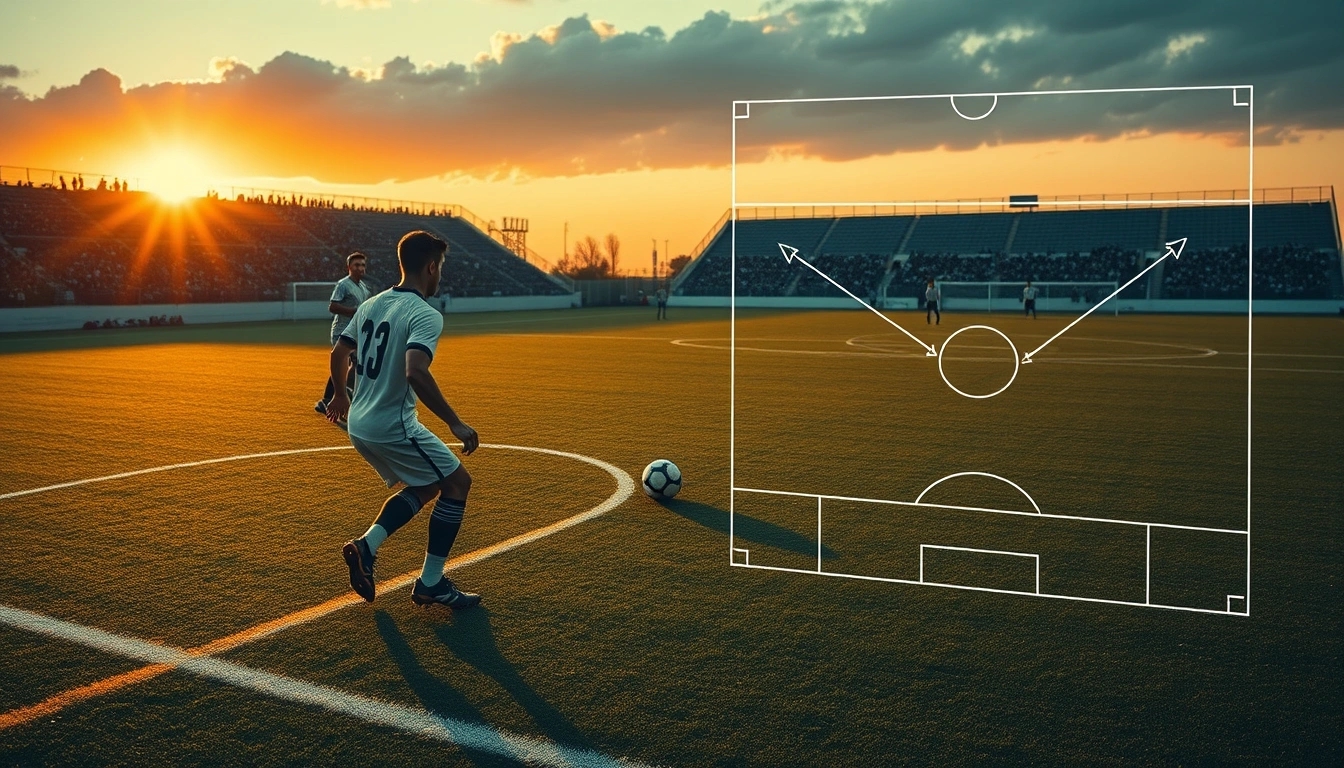
Famous Deep-Lying Playmakers in Football History
When you talk about deep-lying playmakers, you’re diving into a niche but absolutely critical football role that’s shaped how teams orchestrate attacks from the back. These players aren’t just your run-of-the-mill midfielders; they’re the maestros pulling strings from deep, often unnoticed but hugely influential. Let’s take a stroll down memory lane and spotlight some legends who made this role their own, each with a unique style that rewired how teams build from the back.
Andrea Pirlo – The first name that pops up in any chat about deep-lying playmakers. Pirlo was the epitome of calmness and precision. Watching him was like watching a chess grandmaster think five moves ahead. His vision? Insane. Passing range? Out of this world. His ability to pick out teammates with laser-guided accuracy from 40-50 yards made him the heartbeat of Italy’s midfield for years. Pirlo didn’t just pass; he dictated tempo and tempo is everything in football. His style was less about hustle and more about brains, proving that you don’t need to be a tank to dominate the midfield.
Xabi Alonso – If Pirlo was poetry, Alonso was pure engineering. The Spaniard combined tactical intelligence with impeccable technique. His knack for reading the game and intercepting passes was top-notch, but what really set him apart was his ability to switch play and launch attacks with pinpoint long balls. Alonso’s influence stretched beyond just passing; he was a leader who controlled the rhythm and made sure his team never lost shape. Plus, his calmness under pressure made him a safe pair of hands when the opposition pressed hard.
| Player | Style | Impact |
|---|---|---|
| Andrea Pirlo | Visionary passer, tempo controller | Redefined deep playmaking with creative long-range distribution |
| Xabi Alonso | Tactical intelligence, interception, long passes | Balanced defense and attack, maintained team shape |
| Sergio Busquets | Positional awareness, short passing, defensive shield | Key to Barcelona’s tiki-taka, linked defense and midfield |
Sergio Busquets – Now, Busquets might not be the flashiest name, but don’t let that fool you. His role was more subtle, acting as the glue between defense and attack. Busquets excelled in positioning and reading the game, breaking up opposition moves and recycling possession with simple, effective passes. He’s the kind of player who makes the team tick without stealing the spotlight. Barcelona’s tiki-taka style leaned heavily on his ability to keep the ball moving and maintain balance in midfield.
What’s fascinating is how these players influenced tactics beyond just their own teams. Coaches started realizing that having a deep-lying playmaker meant you could build attacks patiently, controlling the game from the back instead of relying on quick counter-attacks or long balls. This role forced opponents to rethink pressing strategies because cutting off these playmakers could choke a team’s creativity.
- Style diversity: Some deep-lying playmakers are maestros of long passes (Pirlo), others excel at interception and quick distribution (Alonso), while some focus on positional play and short passes (Busquets).
- Tactical evolution: Their presence made teams more possession-oriented and patient in attack, influencing formations and pressing systems.
- Legacy: They inspired a generation of midfielders to develop vision and composure over just physicality.
In a nutshell, the deep-lying playmaker is the unsung hero of modern football. These legends didn’t just play the game; they redefined how midfield control and creativity can come from the deepest positions on the pitch. So next time you see a midfielder calmly pinging passes from near his own box, remember – you’re watching a football artist at work.
How Does a Deep-Lying Playmaker Differ from a Defensive Midfielder?
Alright, let’s clear the fog around these two midfield roles that often get tossed around like interchangeable puzzle pieces: the deep-lying playmaker and the defensive midfielder. On the surface, they might seem like the same beast—both hang out in the deeper zones of the midfield, often just in front of the defense. But trust me, their jobs, positioning, and tactical importance? Worlds apart.
First off, the defensive midfielder is basically the team’s vacuum cleaner. Their primary mission? Snuff out threats, break up opposition attacks, and shield the backline. Think of them as the midfield’s bodyguard, constantly hustling, tackling, intercepting passes, and generally being a nuisance to the opposing team’s creative players. They’re less about flair and more about grit.
Now, the deep-lying playmaker, on the other hand, is more like the midfield’s grandmaster—calm, collected, and with a chess player’s vision. Positioned deep but with eyes glued to the whole pitch, they dictate tempo and launch attacks with pinpoint passes. Their job isn’t just to defend but to control the rhythm of the game. They’re the quiet maestros, pulling strings from the back, making sure the team moves as one.
| Aspect | Defensive Midfielder | Deep-Lying Playmaker |
|---|---|---|
| Primary Role | Defend, tackle, intercept | Control tempo, distribute passes |
| Positioning | Close to the defense, often in front of center-backs | Deep midfield, slightly ahead or beside defenders |
| Skillset | Physicality, aggression, stamina | Vision, passing range, composure |
| Tactical Importance | Shield defense, disrupt attacks | Initiate attacks, manage game flow |
One common misconception? People often assume that a deep-lying playmaker is just a defensive midfielder with better passing. Nah, it’s more nuanced than that. While a defensive midfielder might focus on winning the ball and keeping things tight, the deep-lying playmaker is less about winning duels and more about avoiding them—using intelligence and positioning to stay on the ball and pick out teammates.
And positioning-wise, defensive midfielders often stay glued to their defensive duties, sometimes dropping back to form a back three or four when under pressure. Deep-lying playmakers, meanwhile, might drift wider or step into pockets of space to receive the ball and turn, acting almost like a deep central midfielder with a license to create.
- Defensive Midfielder: The destroyer, the enforcer, the midfield’s muscle.
- Deep-Lying Playmaker: The architect, the calm conductor, the game’s metronome.
To put it simply, if your team was a band, the defensive midfielder is the drummer keeping the beat steady and the deep-lying playmaker is the lead guitarist crafting the melody. Both essential, but totally different vibes.
In modern football, some players blur the lines—think Sergio Busquets or Jorginho, who can defend but also orchestrate play. But the distinction remains crucial for coaches when setting up tactics. Want to stifle the opponent? Deploy a tough defensive mid. Want to control possession and build patiently? Bring in a deep-lying playmaker.
So, next time someone throws these terms around like confetti, you’ll know exactly who does what, and why both roles, though neighbors on the pitch, play totally different games.
Typical Formations Featuring a Deep-Lying Playmaker
Alright, let’s talk about those tactical setups where the deep-lying playmaker really shines — the midfield maestro who sits just in front of the defense, pulling strings and dictating the rhythm. It’s not just about sitting back and passing sideways; these players are the heartbeat of many successful teams, and coaches love them for the control and creativity they bring from deep.
First off, the classic 4-3-3 formation is a playground for deep-lying playmakers. In this setup, the player usually occupies the central pivot role — think of Andrea Pirlo at Juventus or Sergio Busquets at Barcelona. They’re the ones who receive the ball from defenders, then spray passes wide or thread needle-like balls through the lines. The formation gives them the space and protection to operate, with two midfielders ahead helping out defensively and offensively.
| Formation | Deep-Lying Playmaker Role | Example Player | Coach’s Tactical Use |
|---|---|---|---|
| 4-3-3 | Central pivot, deep midfield orchestrator | Andrea Pirlo (Juventus), Sergio Busquets (Barcelona) | Control tempo, link defense to attack, initiate build-up |
| 4-2-3-1 | One of the two holding midfielders, playmaking focus | Xabi Alonso (Real Madrid), Jorginho (Chelsea) | Shield defense, distribute passes, maintain possession |
| 3-5-2 | Single deep midfielder, anchor and creative hub | Javier Mascherano (Barcelona), Thiago Alcântara (Bayern Munich) | Balance defense and attack, control central zones |
Then you have the 4-2-3-1, where the deep-lying playmaker shares midfield duties with a more defensive-minded partner. This is a bit more of a balancing act because they must juggle creativity with defensive responsibility. Think of Xabi Alonso’s role at Real Madrid or Jorginho at Chelsea — not just sitting back but constantly scanning for passes, breaking lines, and sometimes dropping back to intercept. Coaches use this to have a reliable passing outlet while still maintaining a solid defensive block.
- Why does this formation suit them? Because the double pivot offers cover, allowing the playmaker to focus on distribution rather than pure ball-winning.
- What’s the risk? If the defensive partner is out of position, the deep-lying playmaker can be exposed, especially to pressing forwards.
Another interesting setup is the 3-5-2, popularized in recent years by teams like Juventus and Bayern Munich. Here, the deep-lying playmaker often operates as the single pivot in midfield, which is a tough gig. They have to be tactically smart, constantly aware of threats from counterattacks while orchestrating attacks. This formation demands high stamina and intelligence because the player is the sole shield in front of the back three. Javier Mascherano, during his time at Barcelona, adapted brilliantly to this role, showing that a deep-lying playmaker doesn’t have to be just a passer but also a gritty midfielder.
Key Tactical Insights:- Space is king: Deep-lying playmakers thrive when given room to pick their head up.- Support system: Having midfield partners who can cover defensively is crucial.- Press resistance: Teams with high pressing can disrupt the playmaker’s rhythm.
In the end, these formations aren’t set in stone — coaches tweak roles based on player traits and opposition. But one thing’s clear: wherever they line up, deep-lying playmakers bring a unique blend of calmness and creativity that can transform a team’s entire style. It’s like having a chess grandmaster controlling the board from the back, making moves that others wouldn’t even see coming.
So next time you watch a match, keep an eye on that player sitting deep, calmly surveying the chaos — chances are, they’re the unsung hero making everything tick.

Pros and Cons: The Double-Edged Sword of Playing Deep
Alright, let’s get real about the deep-lying playmaker role. It’s one of those positions that can make or break a team’s rhythm, and honestly, it’s not all sunshine and rainbows. On one hand, having a maestro controlling the game from deep can be a godsend. On the other, it’s like walking a tightrope – one slip and the whole midfield might collapse. So, what’s the deal with this role? Let’s break it down.
- Advantages:
- Game Control: The deep-lying playmaker is the heartbeat of the team’s tempo. Sitting just in front of the defense, they dictate play with their vision and passing range, switching the field or threading those killer through balls.
- Space Creation: By dropping deep, they pull opponents out of position, opening gaps for teammates to exploit. It’s like chess – forcing your opponent to react rather than act.
- Defensive Shield: While not a pure destroyer, they often help screen the backline, intercepting passes and recycling possession smoothly.
- Potential Pitfalls:
- Vulnerability to High Press: Here’s the kicker – teams that press aggressively can suffocate a deep-lying playmaker. When they’re closed down quickly, it disrupts the entire build-up, forcing hurried or risky passes.
- Physical Demands: This role isn’t just about brains; it requires stamina and strength. If the player isn’t up for the defensive duties or gets bullied physically, it leaves the defense exposed.
- Risk of Over-Reliance: Sometimes teams get a bit obsessed with their deep-lying playmaker’s creativity, which can backfire if the opposition marks them out of the game or if the player has an off day.
| Aspect | Pros | Cons |
|---|---|---|
| Positioning | Controls midfield tempo, creates space for teammates | Can be exposed by high pressing teams |
| Passing | Long-range vision and accurate distribution | Pressure can force risky or misplaced passes |
| Defensive Duties | Helps shield defense, intercepts passes | Physical battles can be challenging, leaving gaps |
Okay, so it’s clear that playing deep is a bit like juggling flaming torches. You want that elegant control and creativity, but you’ve also got to be ready for the dirty work and constant pressure. And let’s not forget, modern football is ruthless – opponents are clever, and they’ll zero in on the deep-lying playmaker like a heat-seeking missile if given the chance.
Here’s a little practical insight for coaches or players aiming to master or utilize this role effectively:
- Training Tip: Work on quick decision-making under pressure. Simulate high-press scenarios in training to improve composure and passing accuracy when opponents swarm.
- Team Tactics: Surround your deep-lying playmaker with teammates who can drop in to offer passing options and help break the press.
- Physical Conditioning: Don’t overlook endurance and strength; this role demands more than just fancy footwork.
In the end, the deep-lying playmaker is a brilliant but risky investment. When it works, it’s poetry in motion, turning defense into attack with a flick of the boot. When it doesn’t, well, it can leave your team looking like they’re playing pinball under pressure. So, is it worth the gamble? For many teams, absolutely. Just don’t expect it to be a walk in the park.
Remember: The deep-lying playmaker is the unsung hero or the weak link, depending on how well they handle the chaos beneath the surface.
Training Tips to Develop Deep-Lying Playmaker Skills
Alright, so you want to step into the shoes of a deep-lying playmaker, huh? It’s not just about sitting back and passing the ball around like a metronome. This role demands razor-sharp vision, pinpoint passing, and split-second decision-making. Lucky for you, there are some practical drills and advice to help you sharpen these skills — no magic wand required.
1. Enhance Your Vision: See the Game Before It Happens
First things first, a deep-lying playmaker needs to read the game like a book. It’s about anticipating your teammates’ runs and the opponents’ moves. A simple but effective drill is the “Scanning and Passing” exercise:
- Set up cones in a semicircle around you, representing different passing options.
- Have a partner call out a number or color of a cone randomly.
- Your job? Scan quickly, locate the cone, and deliver a precise pass.
Doing this regularly will train your brain and eyes to process information faster, which is crucial when the pressure’s on.
2. Passing Accuracy: It’s Not Just About Power
You might think blasting the ball long and hard is enough, but nah, it’s about precision. Try the “Wall Pass and Control” drill:
| Step | What to Do |
|---|---|
| 1 | Stand 5 meters from a wall. |
| 2 | Pass the ball against the wall with one foot, controlling the rebound with the other. |
| 3 | Repeat with both feet, increasing speed gradually. |
This drill not only improves your passing but also your first touch — a key skill to keep the play flowing smoothly.
3. Decision-Making Under Pressure: Think Fast, Act Faster
The midfield is a hectic place. You’ll be bombarded with options and opponents. To simulate this, try the “Pressure Cooker” drill:
- Get two teammates to close in on you as you receive the ball.
- Your goal: Find and execute the best pass within 3 seconds.
- Repeat from different positions on the pitch.
This drill forces you to sharpen your mental agility and composure — no time for hesitation here.
Bonus Tips:
- Watch and Learn: Study legends like Andrea Pirlo or Sergio Busquets. Notice how they carry themselves and make decisions.
- Stay Calm: Confidence is key. Even if you mess up, keep your cool and learn from it.
- Fitness Matters: A deep-lying playmaker covers a lot of ground. Build your stamina with interval running and agility drills.
Summary Table: Core Drills for Deep-Lying Playmakers
| Skill | Drill | Purpose |
|---|---|---|
| Vision | Scanning and Passing | Improve awareness and anticipation |
| Passing Accuracy | Wall Pass and Control | Enhance precision and first touch |
| Decision-Making | Pressure Cooker | Develop quick thinking under pressure |
| Fitness | Interval Running | Boost stamina and agility |
So, there you have it — no rocket science, just some solid, sweat-inducing drills to get you closer to mastering the deep-lying playmaker role. Remember, it’s about control, vision, and calmness under fire. Keep grinding, and who knows? Maybe the next midfield maestro is hiding in your boots.
Impact on Modern Football: Why Teams Can’t Ignore This Role
Alright, let’s get real about the deep-lying playmaker—this isn’t just some fancy term coaches throw around to sound smart. These players are the heartbeat of modern football tactics, quietly dictating the rhythm and flow of the game from way back near their own defense. If you think football’s all about flashy forwards and goal-scoring heroes, think again. The deep-lying playmaker is the puppet master pulling strings behind the scenes.
So, why are managers absolutely obsessed with finding the perfect player for this role? It’s because this position is a tactical goldmine. The deep-lying playmaker controls the tempo like a DJ at a club, speeding things up when the team needs to press or slowing it down to maintain possession and calm nerves. Without this guy, the midfield can turn into a chaotic mess, with players running around like headless chickens.
- Game Tempo Control: They decide when to launch a quick counter-attack or when to hold the ball and regroup.
- Transition Mastery: Switching from defense to attack smoothly is their specialty.
- Spatial Awareness: They find pockets of space others don’t even see.
But here’s the kicker—this role isn’t just about passing. It’s about vision, patience, and nerves of steel. Managers want someone who can pick out a pass from 40 yards out, but also someone who won’t crumble under pressure when the opposition’s forwards are breathing down their neck. It’s a fine balance, and finding a player who nails it is like hunting for a unicorn.
| Aspect | Impact |
|---|---|
| Ball Distribution | Enables quick switches and opens up attacking lanes |
| Defensive Shield | Breaks up opposition plays before they become dangerous |
| Leadership | Organizes teammates and sets the team’s tempo |
Now, don’t get me wrong, this role has its headaches. If the deep-lying playmaker isn’t up to scratch, teams can get exposed at the back, especially against high-pressing sides who love to close down space quickly. And yeah, sometimes these players get criticized for being a bit too cautious or slow, but hey, controlling the game isn’t always about speed—it’s about smart decisions.
Let’s look at some practical insights for coaches and players aiming to master this role:
- Develop Vision: Practice scanning the field constantly to spot teammates making runs.
- Passing Drills: Work on both short, sharp passes and long, curling balls.
- Composure Training: Simulate high-pressure scenarios to stay calm under attack.
In the end, the deep-lying playmaker is the glue that holds modern teams together. They might not always grab the headlines, but without them, a team’s tactical structure can fall apart like a house of cards. So next time you watch a match, keep an eye on the player sitting deep, pulling the strings—it’s where the real magic happens.

Future Trends: Evolution of the Deep-Lying Playmaker Role
Alright, let’s talk about the deep-lying playmaker and where this crafty midfield maestro is headed as football keeps spinning its tactical wheel. You might think this role is set in stone – sitting deep, pulling strings, and delivering those inch-perfect passes. But nah, the game’s evolving faster than you can say “through ball.” Styles are shifting, tech is creeping in, and coaches are cooking up new strategies that could totally reshape how this position functions.
First off, football’s becoming more dynamic and less rigid. The days when a deep-lying playmaker just parked themselves in front of the defense are fading. Modern tactics demand versatility – these players are expected to break lines, join attacks, and sometimes even press high. Think of it as a hybrid role, blending the old-school metronome with a more aggressive, box-to-box vibe. So, we might see deep-lying playmakers becoming more like midfield generals who aren’t afraid to get stuck in physically or make daring runs forward.
| Trend | Impact on Deep-Lying Playmaker Role |
|---|---|
| Increased Physicality | More stamina and tackling required; not just a passer but a disruptor too |
| Advanced Analytics & Tech | Data-driven positioning and decision-making; smarter off-the-ball movement |
| Flexible Formations | Adapting to fluid systems where roles merge and shift mid-game |
| Press-Resistant Passing | Mastery of quick, precise distribution under pressure |
Speaking of technology, it’s creeping into every nook and cranny of football. GPS trackers, heat maps, and AI-powered analysis tools are now feeding players and coaches real-time insights. Imagine a deep-lying playmaker getting instant feedback on their positioning or pass success rates mid-match. Wild, right? This data overload could push these players to become even more tactically aware, anticipating opponents’ moves before they happen. It’s like having a sixth sense on the pitch.
But hey, not everything’s rainbows and butterflies. The rise of aggressive pressing teams means deep-lying playmakers have less time on the ball. This forces them to speed up their decision-making or risk turnovers in dangerous areas. Some players might struggle, while others could thrive by developing lightning-fast reflexes and sharper awareness. Coaches might even start training these midfielders to be better at shielding the ball or slipping out of tight spots – basically, turning them into escape artists.
- More Hybrid Roles: Expect deep-lying playmakers to double as defensive shields or even surprise attackers.
- Tech Integration: Wearables and AI could tailor training programs to fine-tune passing angles and stamina.
- Tactical Fluidity: Formations will blur lines, making the role less defined but more influential.
So, what’s the crystal ball saying? The deep-lying playmaker isn’t going extinct; they’re just getting a makeover. They’ll be smarter, tougher, and more multi-dimensional. In a world obsessed with speed and pressing, these players will have to balance artistry with grit. It’s a tricky dance, but if anyone can pull it off, it’s the deep-lying playmaker – the midfield’s secret weapon, quietly shaping the game’s future.
Frequently Asked Questions (The title must be written in English.)
- What exactly is a deep-lying playmaker?
A deep-lying playmaker is a midfield maestro who operates from a deeper position on the pitch, orchestrating play with exceptional vision and precise passing. Unlike traditional midfielders who hustle all over the field, these players act like the team’s brain, controlling the tempo and launching attacks from the back.
- How does a deep-lying playmaker differ from a defensive midfielder?
While both roles share defensive duties, a deep-lying playmaker focuses more on creating opportunities and dictating play, whereas a defensive midfielder primarily shields the defense and breaks up opposition attacks. Think of the deep-lying playmaker as a conductor and the defensive midfielder as a bodyguard.
- Which skills are essential for a deep-lying playmaker?
Vision, composure, and an incredible passing range are the holy trinity here. These players must see openings others miss, stay calm under pressure, and deliver pinpoint passes that slice through defenses like a hot knife through butter.
- Can you name some famous deep-lying playmakers?
Absolutely! Legends like Andrea Pirlo, Xabi Alonso, and Sergio Busquets have mastered this role, leaving footprints on football history with their ability to control games from deep positions.
- Why are deep-lying playmakers so important in modern football?
In today’s fast-paced game, controlling the midfield chaos is crucial. Deep-lying playmakers set the rhythm, help their teams transition smoothly from defense to attack, and often become the secret weapon coaches rely on to unlock stubborn defenses.
- What formations best suit a deep-lying playmaker?
Formations like 4-3-3 or 4-2-3-1 often feature deep-lying playmakers, giving them space to operate and influence the game. Coaches strategically position them to maximize their impact on both defense and attack.
- Are there any risks in relying on a deep-lying playmaker?
Yes, like any role, it has its pitfalls. If pressed aggressively, these players can become vulnerable, potentially losing possession in dangerous areas. Plus, they must balance creative duties with defensive responsibilities, which can be a tough juggling act.
- How can aspiring players develop deep-lying playmaker skills?
Focus on improving your passing accuracy, spatial awareness, and decision-making under pressure. Drills that simulate game scenarios and encourage quick thinking will help you think two steps ahead, just like the pros.
- What does the future hold for the deep-lying playmaker role?
As football evolves, this role is becoming more dynamic, blending traditional playmaking with increased defensive work and adaptability. Technology and tactical innovations will continue to shape how these players influence the beautiful game.