
The double pivot in football – sounds fancy, right? But what on earth does it actually mean? Simply put, it’s a midfield setup where two players share the defensive and creative duties, acting like a tag team in the heart of the pitch. Instead of relying on a single holding midfielder, teams use a pair to cover more ground, breaking up attacks and launching their own. It’s like having two anchors holding the ship steady while also steering it forward. This tactic has become a real game-changer in modern football, shaking up how managers think about midfield balance.
Now, why is this double pivot so special? Well, it’s all about balance and versatility. These two midfielders don’t just sit back and defend; they’re constantly toggling between protecting the defense and linking up with the forwards. Picture a seesaw where both sides need to be perfectly balanced, or else the whole team’s rhythm falls apart. The double pivot provides that equilibrium, allowing for smoother transitions from defense to attack.
| Aspect | Role in Double Pivot |
|---|---|
| Defensive Duties | Shielding backline, intercepting passes, breaking up opposition plays |
| Offensive Duties | Distributing passes, supporting attacks, maintaining possession |
| Positioning | Close coordination, covering for each other, controlling central areas |
But let’s not kid ourselves – pulling off a double pivot isn’t a walk in the park. The players need to be smart, disciplined, and have a sixth sense for reading the game. It’s not just about running around like headless chickens; it’s about knowing when to hold your ground and when to push forward. And who are these magicians? Think of legends like Sergio Busquets and Xabi Alonso, or more recently, N’Golo Kanté paired with Jorginho. These guys make it look effortless, but trust me, it takes years of practice.
- Technical Skills: Precise passing, ball control, tactical awareness
- Physical Attributes: Stamina, strength, speed
- Mental Traits: Composure, decision-making, communication
One thing coaches love about the double pivot is how adaptable it is. Whether you’re playing a cautious 4-2-3-1 or a more adventurous 4-3-1-2, the double pivot can be tweaked to suit different opponents or match situations. It’s like having a Swiss Army knife in your tactical toolkit. But beware – it can also backfire if the two midfielders don’t click. Too much overlap or confusion can leave gaps, and suddenly your midfield turns into a sieve.
So, in a nutshell, the double pivot is a clever midfield strategy that blends defense and attack through two hardworking players sharing the load. It’s a dance of coordination, skill, and tactical nous that, when done right, can totally dominate the middle of the park and control the game’s tempo. And honestly, once you see it in action, you’ll never look at midfield the same way again.
Origins of the Double Pivot
Alright, let’s dive into the somewhat tangled history of the double pivot in football — because, honestly, it’s not like this tactic just popped out of nowhere overnight. The double pivot, for those who might be scratching their heads, is essentially a midfield setup where two players share the defensive and playmaking duties, acting as the team’s heartbeat. But how did this idea even come about? Well, strap in.
Back in the early days of football, formations were a lot simpler — think the classic 2-3-5 “Pyramid” formation from the late 19th and early 20th centuries. Midfield roles were pretty loose, and the concept of specialized defensive midfielders was barely a thing. But as the game evolved, managers started noticing that having just one midfielder trying to do all the defending and attacking was a bit… optimistic.
- 1950s-60s: The seeds of the double pivot were sown with the rise of the “half-back” roles, where two midfielders would drop back to help the defense while also initiating attacks.
- 1970s: The Dutch “Total Football” revolution, led by Rinus Michels and Johan Cruyff, emphasized fluidity and positional interchange, indirectly encouraging midfield partnerships that could both defend and create.
| Era | Key Development | Notable Teams/Managers |
|---|---|---|
| 1950s-60s | Emergence of half-back roles; early midfield partnerships | Hungarian Golden Team, Catenaccio in Italy |
| 1970s | Total Football and positional fluidity | Ajax, Netherlands (Rinus Michels) |
| 1990s | Formal recognition of double pivot in formations like 4-2-3-1 | AC Milan, Barcelona (early days) |
| 2000s-Present | Widespread adoption and tactical refinement | Manchester City, Bayern Munich, Spain National Team |
By the 1990s, the double pivot had morphed into a more defined tactical tool. Coaches realized that having two midfielders share the workload not only bolstered defensive solidity but also allowed for better ball distribution. Suddenly, formations like the 4-2-3-1 became all the rage, with two holding midfielders acting as the shield and engine room.
Now, don’t get me wrong, it wasn’t all smooth sailing. Early double pivots sometimes looked like they were just two players standing awkwardly in front of the defense, unsure whether to attack or defend. But as football intelligence grew, so did the understanding of this role’s nuances. The magic is in the balance — one midfielder often sits a bit deeper, breaking up attacks, while the other has the freedom to push forward, link up play, or even shoot from distance.
- Fun fact: Pep Guardiola’s Barcelona team in the late 2000s practically redefined the double pivot by using Sergio Busquets and Xavi Hernandez in a way that combined defensive discipline with creative genius.
- Before that, the Italian catenaccio teams of the 60s and 70s used similar setups to frustrate opponents, though less flashy and more pragmatic.
So, the double pivot is less a sudden invention and more an evolutionary milestone — a tactical response to the game’s increasing pace and complexity. It’s like football’s way of saying, “Hey, maybe two heads are better than one.” And today? Well, it’s hard to find a top team that doesn’t rely on some version of this dynamic duo in midfield.
In short, the double pivot’s history is a fascinating journey from vague midfield roles to a cornerstone of modern football strategy — blending defense, creativity, and balance in a way that keeps fans, players, and coaches endlessly intrigued.
Core Responsibilities of a Double Pivot
In football, the double pivot midfielders are like the unsung heroes who quietly pull the strings behind the scenes. They’re not just there to look pretty or run around aimlessly; these two players have a crucial dual role that blends both defensive grit and creative spark. Imagine them as the midfield’s Swiss Army knives — versatile, multifunctional, and absolutely essential for balancing the team’s rhythm on the pitch.
First off, defense is a big part of their job. These midfielders act as a shield in front of the backline, breaking up opposition attacks with timely tackles and interceptions. But don’t get it twisted — they’re not just destroyers. They’re smart, reading the game well enough to anticipate danger before it arrives. This means they often drop deep to help defenders, close passing lanes, and force opponents into uncomfortable spots. Their positioning is key; if they’re out of sync, the whole midfield can look like a mess.
- Defensive duties: intercept passes, tackle aggressively, maintain positional discipline
- Support backline: provide cover, help in marking, and initiate counter-pressing
But here’s where it gets interesting — these midfielders also act as the creative engine of the team. Once they’ve won the ball, they’re expected to switch gears instantly and start orchestrating attacks. This means quick, precise passing, smart movement, and often dropping into pockets of space to pull strings. They’re the ones who can turn a dull possession phase into something dangerous with a clever pass or a well-timed forward run. It’s a fine line between being too cautious and too adventurous, and mastering that balance is what separates the great double pivots from the average ones.
| Role Aspect | Description | Key Actions |
|---|---|---|
| Defensive | Shielding defense, disrupting opponent attacks | Interceptions, tackles, positioning |
| Offensive | Initiating attacks, linking play | Passing, vision, movement |
Now, don’t underestimate the physical and mental stamina required here. These players cover a ton of ground, constantly switching from defense to attack and back again. It’s like they’re running a marathon with sprints thrown in every few minutes. Plus, the mental load is heavy — they’ve got to constantly analyze the flow of the game, make split-second decisions, and communicate with teammates to maintain structure.
In short, the double pivot midfielders are the heartbeat of the team. They’re the ones who keep the engine running smoothly, making sure the team isn’t just a bunch of individuals running around but a cohesive unit working towards one goal. Without their balance of control and creativity, a team’s midfield often looks shaky and disorganized. So next time you watch a match, keep an eye on those two midfielders in front of the defense — they’re doing a lot more than you might think.

Key Skills Needed for Double Pivot Players
When you talk about the double pivot in football, you’re basically diving into a midfield role that demands a cocktail of technical finesse and physical grit. These players aren’t just sitting pretty in the middle; they’re the heartbeat of the team, juggling defense and attack like circus pros. So, what exactly makes a double pivot player tick? Let’s break it down — and spoiler alert: it’s not for the faint-hearted.
- Technical Prowess: First off, these midfielders need to have a wizard-like touch on the ball. Passing accuracy? Non-negotiable. Whether it’s a slick one-two or a long diagonal that splits the defense, the double pivot must deliver consistently. Their range of passing is often what sets the tempo of the game. Think of them as the team’s metronome — they keep everything ticking smoothly.
- Ball Control and Composure: Ever seen a player panic under pressure? Yeah, that’s a no-go here. Double pivot players must remain calm, even when opponents swarm like hungry wolves. Their ability to control tight spaces and resist tackles is key to maintaining possession and launching attacks.
Now, don’t get it twisted — it’s not all about fancy footwork. There’s a serious physical side to this role.
| Attribute | Why It Matters |
|---|---|
| Stamina | Midfield is a marathon, not a sprint. Double pivots cover tons of ground, linking defense and attack throughout the 90 minutes. |
| Strength | Holding off aggressive opponents and winning physical duels is part of the daily grind in this role. |
| Agility | Quick turns and sharp reactions help evade pressing opponents and recover defensively when needed. |
| Endurance | Consistent performance without fading late in the game can be the difference between a draw and a win. |
On top of these, there’s a mental game going on — the double pivot is often the team’s tactical brain. They read the game, anticipate opposition moves, and decide when to break lines or sit back. It’s like playing chess at 100 miles per hour.
- Positioning and Awareness: Knowing where to be, when to press, and when to drop back is crucial. A slight lapse can leave the defense exposed or kill a promising attack.
- Communication: These players often act as the link between defense and attack, so barking orders and organizing teammates is part of their daily routine.
Honestly, not many can pull off this role without cracking under pressure. It requires a unique blend of brains, brawn, and a bit of stubbornness. And while some might say the double pivot is just a “defensive midfielder duo,” that’s selling them short. They’re the unsung heroes who make the whole team tick — the midfield maestros who keep chaos at bay and creativity flowing.
So next time you watch a game, keep an eye on that double pivot. They might not always grab the headlines, but without them, the whole team’s rhythm could fall apart like a house of cards.
Famous Double Pivot Duos in Football History
When it comes to the double pivot, football fans often overlook just how much these midfield pairs have shaped the way the game is played today. It’s not just about two players sitting deep and passing sideways—no, these duos have been the heartbeat of their teams, dictating tempo, breaking up attacks, and launching counterattacks with surgical precision. Let’s dive into some iconic pairs who really mastered this art and left their mark on football history.
First up, the legendary Xabi Alonso and Sergio Busquets at Barcelona and later Bayern Munich. These two were the textbook example of how a double pivot should function. Alonso’s exquisite passing range combined with Busquets’ uncanny ability to intercept and read the game made them a nightmare for opponents. They weren’t flashy but oh boy, were they effective. Their synergy allowed their teams to control midfield battles and dominate possession, forcing rivals to chase shadows.
| Player | Team(s) | Strength |
|---|---|---|
| Xabi Alonso | Real Madrid, Liverpool, Bayern | Vision & Long Passing |
| Sergio Busquets | Barcelona | Positioning & Interceptions |
| Claude Makélélé & Patrick Vieira | Arsenal | Defensive Solidity & Box-to-Box Power |
| Fernandinho & Ilkay Gündoğan | Manchester City | Work Rate & Tactical Intelligence |
Now, if you want to talk about sheer grit and physicality, look no further than Claude Makélélé and Patrick Vieira during Arsenal’s golden era. These two were the yin and yang of the midfield. Makélélé was the anchor, a defensive rock who rarely made mistakes, while Vieira was the powerhouse, surging forward and dominating aerial duels. Their partnership allowed Arsenal to play with confidence, knowing they had midfielders who could both protect the defense and initiate attacks.
- Makélélé’s role: The classic destroyer, breaking up play, shielding the backline.
- Vieira’s role: The engine, driving forward, winning tackles, and supporting strikers.
Fast forward to modern days, and you have duos like Fernandinho and Ilkay Gündoğan at Manchester City, who have redefined the double pivot with their versatility. Fernandinho, the seasoned veteran, brings leadership and defensive discipline, while Gündoğan offers creativity and a knack for timely goals. Pep Guardiola’s tactical genius shines here, adapting the double pivot to fluidly switch between defense and attack.
Key lessons from these duos:- Communication is everything; these pairs don’t just play side by side, they think as one.- Balance between defense and attack is crucial; neither player should be too offensive or too defensive.- Tactical awareness beats raw talent sometimes; knowing when to drop back or push forward changes games.
In short, the double pivot isn’t just a midfield setup; it’s a chess game played by two masters who control the board. These legendary duos didn’t just influence their teams—they changed how coaches worldwide approach midfield battles. So next time you see two midfielders sitting deep, remember, there’s a lot more going on than meets the eye.
To wrap it up: The double pivot duos have been the unsung heroes, the silent generals, and sometimes the headache for opponents. Their mastery of positioning, timing, and teamwork continues to inspire new generations of midfielders aiming to dominate the middle of the park.
How Coaches Utilize the Double Pivot Tactically
Alright, let’s dive into the fascinating world of tactical tweaks and how managers bend the double pivot to their will. The double pivot isn’t just some rigid midfield setup; it’s more like a Swiss army knife for coaches who want flexibility without losing control. You see, the beauty lies in its adaptability — it can morph depending on the opponent, the game situation, or even the whims of a tactical genius on the sidelines.
First off, the double pivot usually involves two midfielders who share defensive duties but also help in building attacks. But here’s the kicker — not all double pivots are created equal. Some managers prefer a balanced duo, where both players are equally tasked with breaking up play and distributing passes. Others lean towards a more specialized setup: one holding midfielder who acts as a shield in front of the defense, and a more creative partner who dares to push forward and link up with the attack.
| Double Pivot Variation | Typical Roles | When It’s Used |
|---|---|---|
| Balanced Duo | Both midfielders defend & attack equally | Against teams with strong midfield presence |
| Defensive + Creative | One shields defense, other drives forward | When controlling possession and quick transitions are needed |
| Pressing Pair | Both aggressively press opponents | Versus teams that rely heavily on buildup play |
Now, adapting the double pivot to different opponents can be a bit of a headache for coaches. Imagine facing a side that loves to overload one flank — the double pivot can shift sideways to offer extra cover or force the opposition to play through congested zones. Alternatively, if the opponent is weak in midfield, the pivot can push higher, almost turning into a double six-and-eight hybrid, controlling the tempo and suffocating any counterattacks.
In some cases, managers even tweak the roles mid-game. Say your team is chasing a goal — one midfielder might be told to take more risks, stepping into attacking zones, while the other stays back to prevent counterattacks. It’s a delicate dance, and sometimes it works like a charm; other times, well, it’s a recipe for chaos.
- Flexibility: Coaches prize the double pivot for how it can shift shapes fluidly.
- Defensive Solidity: The two midfielders can cover each other, making it tough for opponents to break through.
- Creative Outlet: The right pairing can unlock defenses with smart passes and movement.
But don’t get me wrong — it’s not all sunshine and rainbows. Some managers have struggled to find the perfect double pivot combo, ending up with midfielders who either step on each other’s toes or leave gaps that opponents exploit mercilessly. It’s a high-risk, high-reward setup that demands discipline, chemistry, and a bit of tactical wizardry.
To wrap it up, the double pivot is like a tactical chameleon. Coaches who master its nuances can tailor their midfield to dismantle the opposition’s game plan, whether that means sitting deep and soaking pressure or pressing high and launching lightning-fast counters. It’s not just about having two midfielders — it’s about how those two operate together, adapt, and respond to the ever-changing chessboard of football.
Common Formations Featuring a Double Pivot
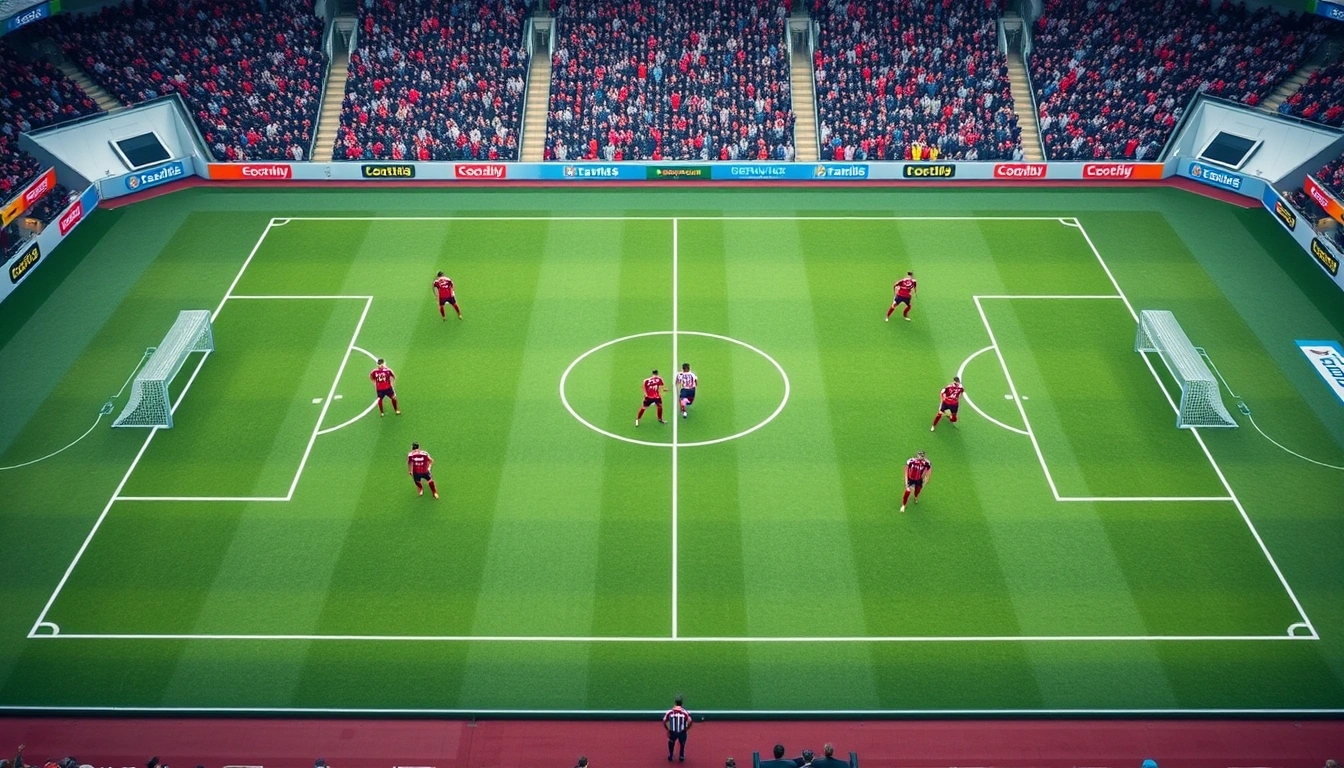
When it comes to football tactics, the double pivot is like that secret sauce coaches sprinkle into their midfield recipe. You’ll often find this dynamic duo operating in formations such as 4-2-3-1 and 4-3-1-2, where their presence is crucial for maintaining balance, stability, and control in the heart of the pitch. But why these formations? Well, let’s dive in and unpack the magic behind these setups.
- 4-2-3-1: Probably the most popular formation to feature a double pivot. Here, two midfielders sit just in front of the defense, acting as a shield and a launchpad. One might be the more defensive-minded, breaking up attacks, while the other often steps up to distribute the ball or link with the creative trio ahead. This setup allows the team to be defensively solid without sacrificing attacking options.
- 4-3-1-2: A slightly less conventional but equally effective formation. The double pivot provides the foundation for the midfield three, with one attacking midfielder playing just behind the two strikers. This offers a compact midfield shape, controlling the center while allowing the attacking midfielder to roam and create chances.
| Formation | Role of Double Pivot | Advantages | Potential Drawbacks |
|---|---|---|---|
| 4-2-3-1 | Two holding midfielders protect defense and distribute to attackers | Great defensive cover, flexible attack support | Can be too cautious, leaving creative midfielders isolated |
| 4-3-1-2 | Two midfielders control tempo, one attacking midfielder connects with forwards | Compact midfield, strong central control | Less width, can be vulnerable on flanks |
Now, here’s the kicker: the double pivot isn’t just about sitting back and breaking up play. These two midfielders often have contrasting personalities on the pitch. One might be the gritty, no-nonsense destroyer, while the other is the calm, composed passer who sees the game two steps ahead. This yin-and-yang relationship is what makes the double pivot tick. It’s like peanut butter and jelly — separate, they’re good, but together, they’re a game-changer.
In the 4-2-3-1, for example, the double pivot often dictates how quickly the team transitions from defense to attack. When the ball is won, one midfielder can immediately launch a counter, while the other stays back to cover. This dual responsibility demands intense communication and chemistry, which is why coaches obsess over picking the right pair.
- Practical Insight: If you’re a coach looking to implement a double pivot, focus on pairing players whose skills complement each other. Don’t just pick two defensive-minded players and expect magic.
- Player Tip: For midfielders aiming to thrive in a double pivot, mastering positional awareness and quick decision-making is a must. You’re not just breaking up play; you’re the midfield’s heartbeat.
So, while the formations might look neat on paper, the real beauty of the double pivot lies in how those two midfielders read the game, cover each other, and turn chaos into control. It’s a dance of discipline and creativity, and when done right, it can frustrate opponents and energize your team.
In short, if you want a midfield setup that offers both protection and attacking fluidity, the double pivot in formations like 4-2-3-1 and 4-3-1-2 is your go-to. Just remember, it’s not just about the numbers on the pitch — it’s about the chemistry between those two midfield maestros.
Pros and Cons of Using a Double Pivot
When it comes to the double pivot in football, it’s not all sunshine and rainbows. Sure, this midfield setup has become a staple in many top teams, but like anything in football, it comes with its own set of ups and downs. Let’s dive into what makes the double pivot both a blessing and, sometimes, a bit of a headache.
The Advantages
- Balance and Stability: The double pivot provides a solid defensive shield in front of the backline. With two midfielders sharing the workload, teams can control the tempo better and cut out opposition attacks before they become dangerous.
- Flexibility in Transition: These two midfielders often act as the team’s engine room, linking defense and attack smoothly. Because they cover a lot of ground, they help switch play quickly and maintain possession under pressure.
- Creativity Meets Control: One midfielder can sit deeper, breaking up play, while the other pushes forward to create chances. This duality allows for tactical variation without sacrificing defensive solidity.
- Press Resistance: With two players in midfield, it’s easier to escape high pressing from opponents. They can offer multiple passing options and recycle possession effectively.
But hey, nothing’s perfect, right? Here come the drawbacks.
The Potential Drawbacks
- Risk of Midfield Congestion: Sometimes, having two players in similar roles can clog the midfield, making it harder for wingers or attacking midfielders to find space. Opponents can exploit this by overloading wide areas.
- Dependence on Player Chemistry: The double pivot demands excellent understanding between the two midfielders. If one goes rogue or lacks discipline, whole midfield balance can crumble like a house of cards.
- Limited Offensive Threat: While one midfielder may push forward, the setup can sometimes lack a natural attacking midfielder, leading to fewer creative spark moments or long-range shots.
- Vulnerability on the Flanks: Because the double pivot focuses centrally, fullbacks might get isolated, especially against teams that use quick wingers or overlapping runs.
| Pros | Cons |
|---|---|
| Provides midfield stability and defensive cover | Can cause congestion in central areas |
| Enhances ball retention and transition play | Requires strong player understanding and chemistry |
| Supports flexible tactical adjustments | May limit offensive creativity |
| Helps resist high pressing | Can leave flanks exposed |
Now, if you ask coaches, some swear by the double pivot while others prefer a single pivot or a more fluid midfield. It’s a bit of a tactical love-hate relationship. The key is knowing your players and the opposition. A double pivot might be the perfect solution against a team that wants to dominate possession but a nightmare against a side that thrives on quick counterattacks down the wings.
Ultimately, the double pivot is like that reliable old pair of boots: comfortable and steady, but sometimes you just want to slip into something a bit flashier. For teams embracing it, the challenge is to keep it dynamic enough to surprise opponents rather than becoming predictable and slow.
So, is the double pivot a genius tactical move or a potential midfield trap? Well, it depends on how you use it — and who’s wearing those boots on the pitch.
Impact of the Double Pivot on Modern Football
Alright, let’s dive into the nitty-gritty of how the double pivot has become this unsung hero in modern football. You know, the midfield setup where two players sit deep, acting like the team’s heartbeat? Yeah, that one. It’s not just some fancy tactical buzzword coaches throw around to sound smart; it actually shapes the entire rhythm of a game, from the way teams defend to how they launch attacks.
First off, the tempo control is where the double pivot really shines. Imagine these two midfielders as DJs, spinning the tracks that dictate how fast or slow the game flows. When they keep possession cool and calm, the team can breathe, set up plays, and frustrate opponents. But when the moment calls for it, they can flip the switch and send a lightning-fast ball forward, catching defenders napping. This balance keeps the opposition guessing, which is pure gold in football.
| Aspect | Double Pivot’s Role |
|---|---|
| Game Tempo | Dictates pace; slows down or speeds up play as needed |
| Defensive Solidity | Provides a shield in front of the backline, breaking up attacks |
| Attacking Transitions | Quickly shifts play from defense to offense, initiating counter-attacks |
Now, when it comes to defensive solidity, these two midfielders are the unsung warriors. They’re not just sitting ducks waiting for the ball; they’re constantly scanning, intercepting passes, and plugging gaps. Think of them as the midfield’s bodyguards, making sure no sneaky attacker slips through. This role is crucial because it allows the fullbacks and center-backs to focus on their jobs without panic. Without a solid double pivot, teams often look like a sieve in midfield, leaking chances left and right.
- Interception Skills: Sniffing out passes before they happen.
- Positioning: Always in the right place to break up play.
- Communication: Coordinating with defenders and attackers alike.
But hold on, the magic doesn’t stop there. The attacking transitions are where the double pivot can turn defense into offense faster than you can say “counter-attack.” Once they win the ball back, these players have to make quick decisions — do they pass sideways, or do they thread a killer ball to the striker? Their vision and passing range can literally change the outcome of a match. And when you see teams like Manchester City or Bayern Munich in full flow, you’re witnessing a masterclass in double pivot transitions.
Example of a quick attacking transition:1. Double pivot intercepts a pass near midfield.2. One midfielder holds the ball to draw pressure.3. The other midfielder launches a precise through ball to the winger.4. Winger speeds down the flank, creating a scoring chance.
To wrap it up, the double pivot isn’t just a tactical setup; it’s the engine room that keeps modern football ticking. It influences how teams manage the pace, maintain defensive strength, and launch attacks. Sure, it might not grab the headlines like a flashy striker’s goal, but without it, many teams would be lost in midfield chaos. So next time you watch a match, pay attention to those two midfielders quietly pulling the strings — they’re the real MVPs.

Training Tips for Aspiring Double Pivot Players
Alright, so you want to master the double pivot role in football? Good luck, because it’s no walk in the park. This midfield position demands a blend of tactical smarts, physical endurance, and technical skills that can make or break your team’s balance. But hey, don’t sweat it—here’s some practical advice and drills that’ll help you get there.
First off, let’s talk about the core skills you need. The double pivot isn’t just about sitting back and breaking up play; you’ve got to be a maestro in passing, positioning, and reading the game. If your passes are sloppy or you’re always caught out of position, you’ll be a liability rather than an asset.
- Passing Accuracy Drill: Set up cones 10-15 meters apart. Practice one-touch passes with a partner, focusing on precision and timing. Increase speed gradually.
- Positional Awareness Exercise: Use video analysis or a coach’s feedback to understand your positioning during different phases of play. Mark your heat maps to spot weak zones.
Now, don’t forget the defensive duties. The double pivot often acts as a shield for the backline. You’ve got to be quick on your feet and aggressive without being reckless. A great drill here is the interception game: Have teammates pass the ball randomly in a confined space while you try to anticipate and intercept.
| Drill | Purpose | How to Execute |
|---|---|---|
| Interception Game | Improve anticipation and defensive positioning | Teammates pass unpredictably; you intercept or block passes |
| Box-to-Box Sprint | Boost stamina and transition speed | Sprint from penalty box edge to opposite box edge repeatedly |
| Shadow Play | Enhance spatial awareness and movement without the ball | Follow a partner’s movements closely, mimicking positioning |
One thing many overlook is the mental aspect. The double pivot is like the team’s heartbeat—you have to stay calm under pressure, make split-second decisions, and communicate constantly. Don’t shy away from drills that simulate high-pressure scenarios, like playing with a time limit or under constant “opposition” pressure.
Here’s a quick checklist to keep in mind during training:
- Stay mobile: Don’t get stuck in one spot; always be ready to switch between defense and attack.
- Communicate: Talk to your teammates, organize the midfield, and call out threats.
- Read the game: Anticipate passes and player movements rather than just reacting.
- Work on your weak foot: A double pivot with only one strong foot? Nope, that’s asking for trouble.
- Endurance training: You’ll cover a lot of ground, so cardio is your best mate.
To wrap it up, becoming a proficient double pivot player takes time and a lot of sweat, but with consistent practice focusing on these drills and tips, you’ll start to notice improvements. Remember, it’s not just about fancy footwork or long passes; it’s about balance, awareness, and being the engine that keeps your team ticking. So lace up, get out there, and don’t be afraid to make mistakes—that’s how legends are made.
Frequently Asked Questions
- What exactly is a double pivot in football?
Think of the double pivot as the midfield’s dynamic duo. It’s a tactical setup where two midfielders work side by side, sharing defensive duties while also sparking attacks. They act like the team’s heartbeat, controlling tempo and linking defense to offense seamlessly.
- Why has the double pivot become so popular in modern football?
Because it offers balance! This setup lets teams stay solid defensively without sacrificing creativity going forward. It’s like having a safety net and a launchpad simultaneously, giving coaches flexibility to adapt to fast-paced games and tricky opponents.
- What skills do players need to excel in a double pivot role?
Players must be jacks-of-all-trades: strong in tackling, smart in positioning, and quick thinkers with great passing range. Stamina and communication are key too, since they cover a lot of ground and coordinate constantly with teammates.
- Can you name some famous double pivot duos?
Absolutely! Think of legends like Xabi Alonso and Sergio Busquets or the iconic partnership of Claude Makélélé and Patrick Vieira. These pairs mastered the art of controlling midfield battles and influenced how teams build their strategies today.
- How do coaches tweak the double pivot for different matches?
Coaches often adjust the roles—sometimes one midfielder plays more defensively while the other pushes forward, or both share responsibilities equally. They might also change positioning based on the opponent’s style, making the double pivot a versatile chess move on the pitch.
- Are there any downsides to using a double pivot?
Like any tactic, it’s not foolproof. If the midfielders aren’t in sync, gaps can appear, leaving the defense exposed. Also, it demands high work rates; if players tire, the whole system can collapse, so fitness and understanding are crucial.
- Which formations commonly use a double pivot?
Formations like 4-2-3-1 and 4-3-1-2 often feature a double pivot. These setups rely on the pair to provide midfield stability, allowing attacking players to push forward with confidence while the double pivot holds the fort.
- How can aspiring players train to become effective double pivot midfielders?
Focus on drills that improve passing accuracy, defensive positioning, and stamina. Practice reading the game and communicating with teammates. Think of it as building a Swiss Army knife of skills—versatile, reliable, and ready for anything on the pitch.