Soccer, a game beloved worldwide, thrives on its fluidity and continuous action. Yet, every so often, the game hits a pause button, and that’s where the drop ball steps in—a quirky little rule that might seem minor but actually plays a crucial role in keeping things fair and square on the pitch. So, what exactly is a drop ball? Well, imagine a moment when the referee blows the whistle not because of a foul or offside, but because the game has to restart after a sudden interruption that doesn’t involve a free kick or throw-in. That’s when the ball is literally dropped from the referee’s hands to the ground, and play resumes. It’s like giving the ball a tiny breather from the madness, a reset button for fairness.
Why does this odd little ritual exist? The answer lies in fairness and neutrality. Soccer’s laws aim to avoid giving any team an unfair advantage when play is stopped due to unusual reasons—like an injury, an object on the field, or even a VAR check. Instead of awarding possession to one side, the drop ball acts as a neutral way to restart, ensuring no team benefits unfairly from the stoppage. It’s a bit like saying, “Alright, everyone just chill, and we’ll pick up right where we left off.”
- When is it used? Drop balls pop up during those awkward moments where no foul or infringement is involved but the game must stop. Think injuries, external interference, or even when the ball gets stuck in the stadium roof (yes, that happens!).
- How does it work? The ref holds the ball waist-high and drops it straight down between two players—usually one from each team—standing close by. The moment it hits the ground, it’s game on again.
| Step | Action | Notes |
|---|---|---|
| 1 | Referee stops play for non-foul reasons | Injury, interference, VAR check |
| 2 | Players position themselves around the drop spot | Usually one player from each team |
| 3 | Referee drops the ball vertically to the ground | Ball must touch the ground before players contest |
| 4 | Play resumes immediately | No player can touch before ball hits ground |
Now, don’t get me started on the misconceptions! Fans often grumble that the drop ball is “just a free kick in disguise” or that refs use it to favor one team. Nope, not really. It’s meant to be as neutral as a referee’s whistle—no favors, no sneaky tricks. That said, some players try to get cheeky, racing to nab the ball first, which sometimes sparks mini scuffles or hilarious moments of sportsmanship.
In fact, there have been some memorable moments where drop balls turned into mini dramas. Remember that chaotic Premier League game where a player blatantly kicked the ball away before it hit the ground? The ref had to stop everything and restart again, much to the crowd’s amusement. Moments like these remind us that even the simplest rules can cause a stir.
Bottom line? The drop ball might not be the flashiest part of soccer, but it’s a vital little rule that keeps the game honest when things get weird. Next time you see a ref holding the ball high, know that it’s not just a random pause—it’s a carefully crafted moment of fairness, giving the ball a breather before the beautiful chaos resumes.
The Origins of the Drop Ball
Soccer, as we know, has a knack for evolving rules that keep the game flowing yet fair. Now, the drop ball—that seemingly simple act of the referee dropping the ball between players—didn’t just pop out of nowhere. It actually has roots digging back to the early days of the sport, when officials wrestled with how to restart play fairly after unexpected interruptions.
Back in the day, before modern refereeing standards, restarts were a bit chaotic. Imagine players arguing over who should get possession after a stoppage caused by an injury, or a stray spectator ball rolling onto the pitch. There was a clear need for a neutral way to get the game going again without giving either team an unfair advantage. Enter the drop ball, a solution designed to level the playing field.
- Why a drop ball? It’s all about fairness. Unlike free kicks or throw-ins, where one team gets the ball, the drop ball is meant to be impartial.
- Historical tweaks: Initially, the drop ball could be contested by any player, often leading to scrambles and confusion.
- Referee’s role: The official physically dropping the ball ensures the restart is controlled and transparent.
| Era | Drop Ball Role | Notes |
|---|---|---|
| Early 1900s | Informal restart | Players raced to claim the ball after drop |
| Mid 20th Century | Standardized restart | Referee drops ball between two players |
| Recent Years | Fair play emphasis | Drop ball awarded to one player, no contest |
The drop ball was a clever way to avoid disputes and keep the game moving, especially when the ball went out of play due to reasons other than fouls or standard restarts. It’s funny, though, how something so straightforward has sparked debates over the years—because, let’s be honest, soccer fans love a good argument over rules.
To put it bluntly, the drop ball’s origin story is a tale of necessity meeting fairness. It’s the referee’s way of saying, “Alright, folks, reset. No cheating, no advantage. Just a clean slate.” The rule has morphed over decades, but its heart remains the same: to keep the game honest when things get messy.
So next time you see that ball plummeting from the ref’s hands, remember it’s not just a random act. It’s a nod to soccer’s long journey in balancing chaos with fairness—because sometimes, even the beautiful game needs a timeout to catch its breath.
When Is a Drop Ball Used?
In the whirlwind of a soccer match, the drop ball might seem like a bit of an odd duck. It’s not the flashiest restart, nor does it happen every five minutes, but it plays a crucial role in keeping the game fair when things get a little messy. So, when exactly do referees decide to pull out this particular trick from their rulebook? Let’s break it down.
- Injuries on the pitch: When a player goes down and the game is stopped for medical attention, play can’t just resume where it left off. The referee often calls for a drop ball to restart the action fairly, especially if the ball wasn’t in anyone’s clear possession.
- Unexpected interruptions: Stuff happens—like a ball bursting, an animal running onto the field, or even a sudden weather delay. In such cases, since the normal flow of play is disrupted without a foul or infringement, the drop ball is the go-to method to restart.
- Referee interference or external factors: Sometimes the ref or an assistant might accidentally interfere with the ball, or a spectator might throw something onto the pitch. When the game is paused due to these odd interruptions, the drop ball is the fair way to get things going again.
Now, you might be wondering, “Why not just hand the ball back to the team that had it before the stoppage?” Well, it’s not always that simple. The drop ball aims to be an impartial reset, especially when no team clearly had control. It’s about keeping the spirit of fairness alive, even if it feels a bit like a coin toss sometimes.
| Situation | Reason for Drop Ball |
|---|---|
| Player injury requiring stoppage | Ensures fair restart without giving advantage |
| Ball bursts or becomes defective | Game paused for safety and fairness |
| Interference by referee or assistant | Neutral restart to avoid bias |
| External disruptions (animal, object on field) | Maintains integrity of the game |
Here’s a little insider nugget: the drop ball used to be a bit of a free-for-all, with multiple players often scrambling for the ball once it hit the ground. Nowadays, the rules have tightened up to prevent chaos—only the players involved in the original ball possession or the ones closest to the drop get to contest it. This change came after some pretty wild moments where players took advantage of the confusion.
So next time you see the referee stop play for one of these odd reasons and then toss the ball down between two players, remember: it’s all about fairness and keeping the game flowing smoothly. It’s a quirky little rule that doesn’t get much spotlight but quietly keeps the beautiful game honest.
- Quick Tip for Fans: Don’t expect a drop ball to happen often—it’s the referee’s way of saying, “Hold up, let’s reset this fairly.”
- For Players: Stay alert! A drop ball can be your chance to catch opponents off guard, but remember, sportsmanship is key.
The Procedure of a Drop Ball
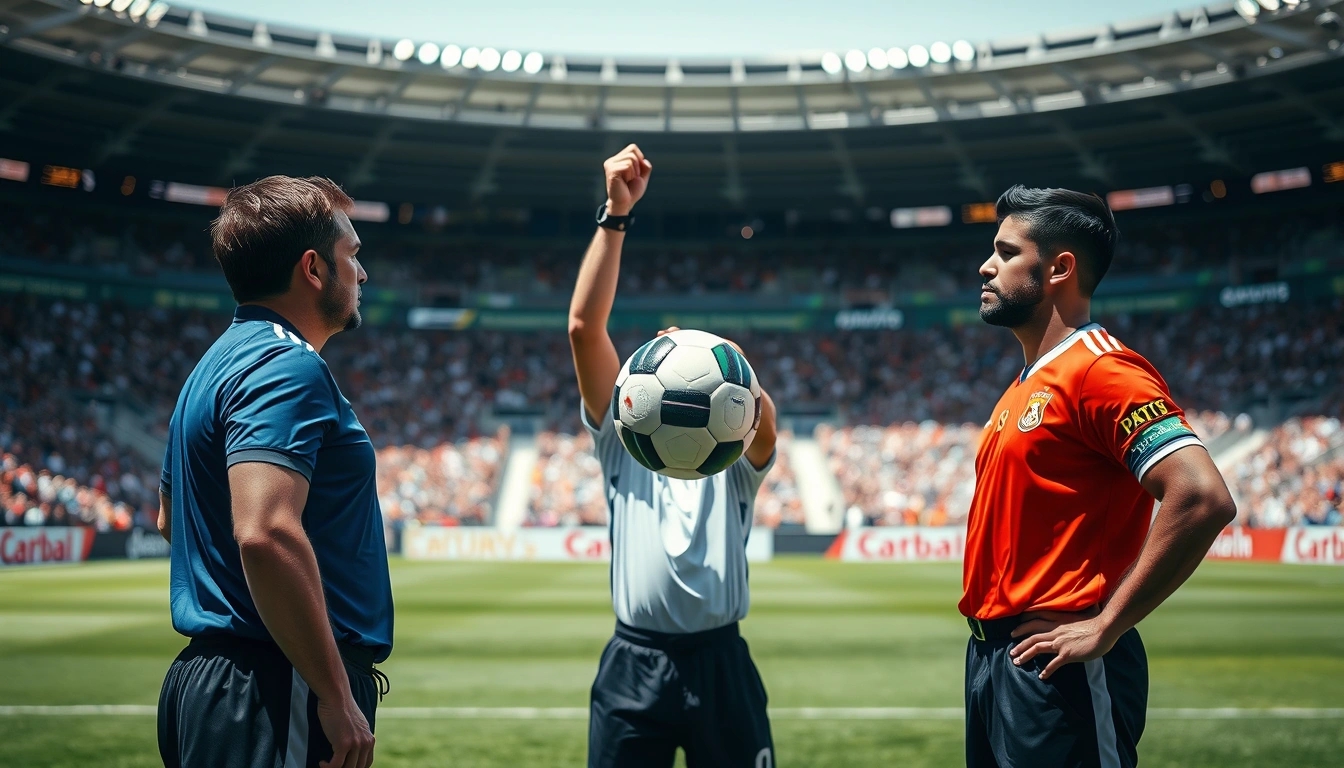
So, what exactly goes down when the referee decides it’s time for a drop ball? It’s not just a random toss into the air and scramble for the ball—there’s a method to the madness, even if it sometimes looks like chaos to the casual viewer. Let’s break it down step-by-step, because knowing the nitty-gritty can really change how you see this often overlooked restart.
First off, the referee is the boss here. When play stops for reasons not covered by other restart rules—like an injury or an unforeseen interruption—the ref signals for a drop ball. But before the ball hits the ground, there’s a whole setup to ensure fairness and order. The referee decides the exact spot where the ball will be dropped, which is usually where the ball was when play stopped, unless it’s inside the goal area. In that case, it’s dropped on the nearest point outside the box.
- Player Positioning: All players must be at least 4 meters (about 13 feet) away from the ball until it touches the ground. This is crucial to prevent any immediate scrambles or unfair advantages.
- Who’s Involved? Only the players from the team that last touched the ball and the opposing team are allowed around the drop ball area. No random players barging in.
- The Referee’s Role: The ref drops the ball from about waist height, straight down, ensuring it hits the ground cleanly within the designated spot.
Now, here’s where things get interesting and sometimes a bit confusing: What happens when the ball hits the ground? Contrary to what many think, the ball is live the moment it touches the ground—not when a player kicks it. This means players can jump on it, kick it, or head it as soon as it bounces up. But, and here’s the kicker, the ball must touch the ground first. No one’s allowed to grab it or play it mid-air before it lands.
| Step | Action | Details |
|---|---|---|
| 1 | Stop Play | Referee halts the game for a non-foul reason. |
| 2 | Determine Drop Spot | Usually where the ball was last played, adjusted if inside goal area. |
| 3 | Player Positioning | All players 4 meters away except those involved. |
| 4 | Drop the Ball | Ref drops ball from waist height straight down. |
| 5 | Ball Becomes Live | Once ball hits ground, players can contest it. |
One more thing that often trips people up: in recent rule updates, the drop ball procedure has changed slightly. The ball is now dropped between two players from opposing teams only if the stoppage was due to a foul or misconduct. Otherwise, the ball is dropped to a single player from the team that last touched it. This tweak aims to reduce those frantic scrambles and disputes that used to break out.
In summary, the drop ball is all about fairness and order, even if it looks like a free-for-all. The referee’s job is to keep everyone honest and make sure the restart doesn’t turn into a mini-war zone. So next time you see that ball dropping, remember: there’s a whole set of rules behind that little bounce, and it’s more than just luck who gets it first.
Common Misconceptions About the Drop Ball
Alright, let’s get one thing straight right off the bat: the drop ball in soccer is one of those rules that’s as misunderstood as the offside rule is loved (or hated). Fans, players, even some coaches sometimes get it all wrong, leading to confusion and, frankly, a bit of unnecessary drama on the pitch. So, it’s high time we clear the air and bust some myths about this rarely seen but crucial part of the game.
First myth: “The drop ball is a free-for-all scrum.” Nope, not anymore. Back in the day, when the referee dropped the ball, players could essentially fight tooth and nail to claim possession. Today, the rules have tightened up. The ball is dropped to one player—usually the one who had it last before play stopped—and everyone else must keep their distance until it touches the ground. No mad dash or elbowing allowed. It’s about fairness, not chaos.
- Myth #2: “You can score directly from a drop ball.” False alarm. The ball must touch at least two players or move before a goal can count. So, if you’re dreaming of a cheeky goal straight from the drop, think again.
- Myth #3: “The ball is dropped exactly where the foul or stoppage happened.” Not always. Sometimes the referee moves the drop spot slightly for safety or fairness reasons—like if the stoppage was near the penalty area or a corner flag.
Now, here’s a little table to help sort fact from fiction:
| Common Belief | Reality |
|---|---|
| Drop ball restarts with all players fighting for possession | Only the designated player can receive the ball; others must stand back |
| You can score directly from a drop ball | Ball must touch two players or move before a goal counts |
| Drop ball always happens exactly where play stopped | Referee can adjust the spot for safety/fairness |
And here’s something that trips up even some seasoned fans: the idea that a drop ball is just a lazy way for referees to restart play. In reality, it’s a thoughtful solution to those awkward moments when the game halts for reasons that don’t fit neatly into free kicks or throw-ins—like a player getting injured or the ball hitting a foreign object on the pitch. It’s the referee’s way of saying, “Let’s keep it fair and square, no favors.”
Also, players sometimes get a bit cheeky during drop balls. You might see sneaky moves, like pretending to be ready for the drop when they’re really plotting to catch opponents off guard. It’s a subtle mind game, but the referee’s watching closely to keep things clean.
Practical tip for fans: Next time you see a drop ball, don’t expect a mad dash or a quick goal. Instead, watch how players position themselves, how the ref manages the space, and appreciate the little pause it brings to the game’s usual frenzy.
In short, the drop ball isn’t just some random restart—it’s a carefully crafted rule designed to maintain fairness when the unexpected happens. So next time you hear someone grumble about a drop ball being “boring” or “pointless,” you can hit them with these facts and set the record straight.
Remember: The drop ball might be quiet, but it’s got a big role in keeping the beautiful game fair and fun.
Drop Ball Controversies and Famous Incidents
Ah, the drop ball — that quirky little moment in soccer that’s supposed to be a straightforward restart but often turns into a mini soap opera on the pitch. You’d think something as simple as dropping the ball back to play would be drama-free, right? Well, nope. Over the years, drop balls have sparked some of the most eyebrow-raising, debate-fueling, and downright chaotic scenes in football history. Let’s unpack some of those unforgettable moments and why this seemingly innocent rule sometimes feels like a ticking time bomb.
First off, the whole idea of a drop ball is to be fair — when play stops for reasons other than fouls or throw-ins, the referee drops the ball between players to restart. Sounds simple, but as soon as the ball hits the ground, all bets are off. Players either go full throttle, ignoring unwritten sportsmanship codes, or pretend to be angels, letting opponents have the ball. It’s this unpredictability that has led to some infamous incidents.
- 1999 UEFA Champions League: The Battle of the Drop Ball
During a heated match, the referee awarded a drop ball inside the penalty area — a rare and controversial spot for a restart. One player cheekily kicked the ball directly into the net before anyone else could touch it, causing uproar among fans and players alike. The goal was disallowed, but the incident ignited fierce debate about whether the drop ball should ever happen in such a sensitive zone. - Premier League’s Fair Play Fiasco
In a match that was supposed to be a model of sportsmanship, a player took advantage of a drop ball by immediately shooting at goal, catching the goalkeeper off guard. The crowd was stunned, and commentators questioned if the player’s actions were clever or just plain rude. This incident sparked calls for clearer rules about player conduct during drop balls.
| Year | Incident | Outcome |
|---|---|---|
| 2012 | MLS Drop Ball Chaos | Players from both teams clashed over possession, resulting in a scuffle and yellow cards for unsporting behavior. |
| 2017 | La Liga Drop Ball Goal | Goal scored directly from a drop ball, later ruled invalid, sparking confusion and rule clarifications. |
| 2020 | World Cup Qualifier Controversy | Drop ball led to a quick counterattack and goal, prompting debate on fairness and rule enforcement. |
Now, why all the fuss? Because the drop ball, unlike a free kick or throw-in, doesn’t have a clear “possession” rule. Players are supposed to wait for the ball to touch the ground and then contest it fairly, but in reality, it’s a free-for-all. Some players exploit this gray area, leading to disputes, angry protests, and sometimes, full-blown chaos.
The media loves these moments — they’re perfect for stirring up controversy and questioning referees’ decisions. Fans get divided, social media explodes, and pundits argue endlessly about what “should” have happened. It’s almost like the drop ball has a secret talent for turning a calm game into a circus.
In conclusion: Drop balls might seem like a minor blip in the grand scheme, but their unpredictable nature and the human element involved make them a fascinating, if sometimes frustrating, part of soccer. Whether it’s a cheeky goal, a sportsmanship debate, or a referee’s nightmare, drop ball controversies remind us that even the smallest rules can pack a punch.
Practical Insights for Fans and Players:
- Expect the unexpected — drop balls can lead to sudden, surprising moments.
- Sportsmanship matters — sometimes letting the opponent have the ball keeps the game’s spirit alive.
- Referees have a tough job — understanding the rule’s nuances is key to managing chaos.
So next time you see a drop ball, keep your eyes peeled — you might just witness the next classic controversy in the making!
How Players React to Drop Balls
Drop balls in soccer are one of those quirky moments that can really shake things up on the pitch. You’d think it’s just a straightforward restart after a stoppage, right? Well, not quite. Players’ reactions to drop balls often reveal a fascinating mix of cunning, sportsmanship, and sometimes downright cheeky behavior that keeps everyone watching on their toes.
- The Sneaky Tactics: Some players treat the drop ball like a mini free-for-all, ready to pounce the second the ball hits the ground. It’s almost like a game within the game. You’ll see a forward darting in, pretending to respect the fair contest but secretly eyeing the ball like a hawk. Meanwhile, defenders might try to position themselves just right to intercept the drop and launch a quick counterattack. It’s a little chaotic but undeniably thrilling.
- Playing It Fair: On the flip side, there are moments that restore your faith in the sport. Often, players will nod, step back, and allow the opponent to regain possession, especially after a stoppage for injury. It’s a silent agreement that says, “We’re all in this together.” These moments highlight the sportsmanship that sometimes gets overshadowed by the cutthroat nature of professional soccer.
| Player Behavior | Description | Typical Outcome |
|---|---|---|
| Immediate Challenge | Players rush to gain control as soon as the ball drops. | Fast-paced restart, often leading to quick shots or passes. |
| Mutual Respect | Players allow the ball to be gently dropped to a neutral player. | Game resumes calmly, maintaining fair play. |
| Feigning Ignorance | Some act distracted or slow to react to confuse opponents. | Can cause momentary confusion, giving an edge to the “unaware” player. |
Sometimes, the drop ball becomes a stage for mind games. Players might fake a limp or look away, hoping the other side will hesitate. It’s almost like a poker face, but on grass. And referees? They have to keep a hawk’s eye to make sure no one’s bending the rules too far. You’d be surprised how many small disputes come up because someone thought the drop ball was theirs to steal outright.
- Fan Reactions: Fans often get a kick out of these moments too. The unpredictability of a drop ball—will it be a fair contest, or a sneaky grab?—adds a little spice to the match. Social media lights up with clips of clever steals or moments of kindness where players let the ball go back to the opposition.
- Team Strategies: Some coaches even drill players on how to handle drop balls, emphasizing quick thinking or encouraging fair play to avoid unnecessary fouls or confrontations.
Practical Tips for Players During Drop Balls:- Stay alert and anticipate the referee’s signal.- Position yourself strategically but avoid encroaching unfairly.- Use the moment to surprise the opponent, but don’t risk a foul.- Respect the spirit of the game—sometimes letting the other side have it back pays off in goodwill.
In the end, drop balls are tiny pauses in the relentless flow of soccer, moments where a little bit of chaos meets a whole lot of character. Whether it’s a sly move or a nod of respect, the way players react tells you a lot about their mindset—and sometimes, it’s the little things that make the beautiful game even more beautiful.
Rule Changes and Evolution of the Drop Ball
Alright, let’s dive into the curious case of the drop ball — that quirky little restart in soccer that’s been through more makeovers than a reality TV star. You might think it’s just a simple thing: ball hits the ground, players scramble, game resumes. But oh no, the drop ball has had its fair share of drama and tweaks over the years, all in the name of fairness and keeping the game flowing faster.
Back in the day, the drop ball was a bit of a free-for-all. Referees would just drop the ball anywhere they fancied, and players would jostle like it was a Black Friday sale. No clear rules on who could touch it first, or even if the ball had to hit the ground before being played. Chaos, basically. Fans and players alike often grumbled about how unfair or confusing it all was. Imagine expecting a neat restart and instead getting a scrum that looked more like a rugby match gone wrong.
| Era | Key Features | Impact on Game |
|---|---|---|
| Pre-2019 | Ball dropped to ground, any player could touch it immediately | Often led to disputes and unsportsmanlike behavior |
| 2019 Update | Ball must touch ground first; only players inside the field can contest | Reduced confusion, improved fairness |
| 2023 Clarifications | Ball dropped to single player’s feet in some cases; no immediate challenges allowed | Speeds up restarts, less physical tussling |
Fast forward to 2019, and FIFA decided enough was enough. They rolled out some pretty significant changes to the drop ball rule. Now, the ball has to hit the ground before anyone can touch it — sounds obvious, right? But before that, players would sometimes boot it mid-air, causing all sorts of mayhem. Plus, only players on the field at the time of stoppage could participate, which put an end to sneaky off-field players running in for a cheeky advantage.
But wait, there’s more! The 2023 tweaks added a new twist: in certain situations, the referee now drops the ball directly to one player’s feet instead of just letting it bounce freely. This is a game-changer — literally. No more mad scrambles or elbowing for possession; the player gets the ball, and the game zips along without those awkward pauses or mini brawls. It’s like the rule-makers finally said, “Let’s cut the nonsense and keep it clean.”
- Why the fuss about speed? Because soccer isn’t tennis — you don’t want the game stalling for minutes every time the ball goes out. Faster restarts keep the adrenaline pumping and fans glued to their seats.
- Fairness factor: The changes aim to remove any gray areas that players and referees used to exploit, intentionally or not. No more “I touched it first” arguments that make you roll your eyes.
Of course, not everyone’s thrilled about these changes. Some old-schoolers argue it takes away from the “spontaneity” of the game, making it too controlled. But hey, if it means fewer headaches for referees and less drama on the pitch, maybe it’s a fair trade-off. Plus, it keeps the focus on skill and teamwork rather than who’s better at elbowing their way to the ball during a drop ball.
In short, the drop ball’s journey from a chaotic free-for-all to a carefully regulated restart shows how soccer constantly evolves, balancing tradition with the need for fairness and pace. Next time you see a drop ball, remember there’s a whole history and a bunch of brainy rule changes behind that simple moment — and maybe, just maybe, appreciate the game’s effort to keep things clean and quick.
Drop Ball vs Other Restart Methods
Alright, let’s dive into the chaotic world of soccer restarts — where the drop ball, free kicks, throw-ins, and others duke it out for the spotlight. If you’ve ever scratched your head wondering why a referee chooses one method over another, you’re not alone. It’s not just a random pick; there’s a method to this madness.
First up, the drop ball. This one’s like the referee’s way of saying, “Let’s hit pause and reset fairly.” It’s used when play is stopped for reasons that don’t really favor either team — think accidental injuries, or when the ball gets stuck in the stadium roof (okay, rare but it happens). Unlike free kicks or throw-ins, a drop ball is more neutral, no team gets a direct advantage. The ref literally drops the ball between two players, and boom, play resumes.
| Restart Method | When Used | Who Gets Possession? | Key Characteristics |
|---|---|---|---|
| Drop Ball | Neutral stoppages (injuries, interference, outside interference) | Neither team; ball dropped to players | Fair, neutral restart; no advantage |
| Free Kick | Fouls or rule infringements | Team awarded the foul | Direct or indirect kick; can be quick or set-piece |
| Throw-In | Ball crosses sideline | Opposing team to last touch | Restart from sideline; must be thrown in |
| Goal Kick | Ball crosses goal line last touched by attacking team | Defending team | Restart from goal area |
| Corner Kick | Ball crosses goal line last touched by defending team | Attacking team | Set-piece from corner arc |
Now, free kicks are a whole different beast. They’re the ref’s way of punishing fouls or infringements. The team fouled gets the ball, and they can either blast it right away or set up some fancy set-piece routine. It’s all about giving a tangible advantage to the team that was wronged. Unlike the drop ball, which says “Let’s be fair,” free kicks scream “You messed up, now pay up.”
And then there’s the throw-in, probably the most straightforward of the lot. When the ball crosses the sidelines, the other team gets to chuck it back in. Simple, right? But don’t let that fool you — a well-timed throw-in can turn into a sneaky assist or even a goal sometimes. It’s a quick way to restart, no fuss.
- Drop Ball: Neutral, fair, rare, used for unexpected stoppages.
- Free Kick: Punishment for fouls, advantage to fouled team.
- Throw-In: Quick restart from sidelines, possession to opponents.
So, when does the referee reach for the drop ball instead of handing out a free kick or a throw-in? Usually, it’s when the stoppage isn’t due to a foul or the ball going out of play. For example, if a player gets hurt and the ref stops the game, the drop ball is the go-to. Or when outside interference happens — say, a dog runs onto the pitch (yeah, that’s happened). No one’s to blame, so no team should get an edge.
Honestly, drop balls can sometimes be a bit of a circus. Players might jockey for position, pretend to be ready, or just flat out ignore the rules, turning a simple restart into a mini-battle. Free kicks and throw-ins? Usually more straightforward, but they come with their own drama, like quick free kicks catching defenses napping or throw-ins turned into clever passes.
In the grand scheme, each restart method serves a distinct purpose:
- Drop Ball: Fairness and neutrality- Free Kick: Punishment and advantage- Throw-In: Quick resumption from sidelines- Goal Kick & Corner Kick: Restart from goal line situations
So next time you see the ref drop the ball, remember — it’s not just a random act. It’s the game’s way of hitting the reset button without giving anyone a leg up. And honestly, in the whirlwind of soccer’s highs and lows, sometimes that’s exactly what the pitch needs.
Practical Tips for Referees Handling Drop Balls
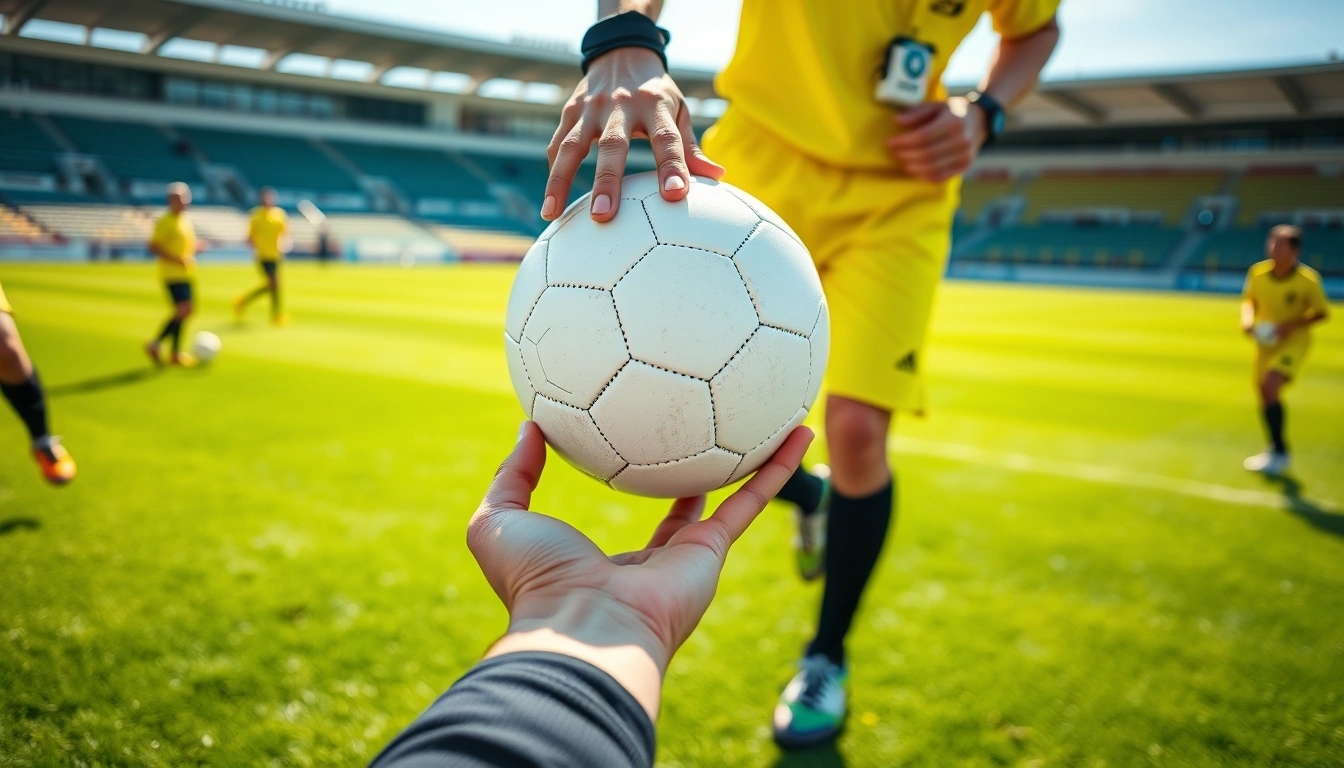
Managing a drop ball situation might seem like a walk in the park, but in reality, it can quickly spiral into a headache for referees who aren’t prepared. Let’s face it: drop balls are one of those moments on the pitch where chaos can sneak in if you’re not on your toes. So, here’s some down-to-earth advice to help referees handle drop balls smoothly and keep the game flowing without a hitch.
- Stay Calm and Clear: First off, keep your cool. Players can get antsy or confused about what’s going to happen next. Make sure you clearly communicate the procedure — a simple, firm “Drop ball here, no hands, play on” can do wonders.
- Positioning is Key: Stand close enough to the spot where the ball will be dropped but not so close that you’re in the way. Your positioning sends a message of control and fairness. Remember, the ball should drop between the two players involved, or if no specific players are involved, just drop it to the ground without favoring anyone.
- Enforce the Rules, But Don’t Be a Robot: The official rules say the ball must touch the ground before anyone plays it, but in practice, you might have to let a little leeway slide. If a player kicks it mid-air but it doesn’t cause any unfair advantage, sometimes it’s better to let it go than stop play again.
Now, here’s a quick table to highlight some common pitfalls and how to avoid them:
| Common Issue | Why It Happens | How to Fix It |
|---|---|---|
| Players crowding the drop ball | Confusion or eagerness to gain possession | Clearly separate players and remind them to wait until the ball touches the ground |
| Disputes over who gets the ball | Lack of clear communication or unclear restart spot | Announce the restart spot loudly and ensure fairness by dropping the ball between involved players |
| Players playing the ball before it hits the ground | Impatience or trying to gain an advantage | Give a verbal warning and be consistent with enforcement |
Another nugget of wisdom: always keep your whistle handy but don’t blow it unnecessarily. Sometimes, letting the game breathe a bit makes players respect you more. And hey, if a player tries to pull a fast one, a quick word or a sharp gesture is often enough to keep things in check.
- Anticipate Player Behavior: Players sometimes get creative — some might pretend to be injured to force a drop ball, others might try to sneak the ball away before the restart. Stay alert and don’t be fooled.
- Use the Drop Ball to Your Advantage: It’s a perfect moment to regain control, calm the players, and even subtly remind everyone of your authority on the pitch.
In the end, drop balls aren’t just a technical restart; they’re a test of your presence and poise as a referee. Nail this, and you’ll save yourself a ton of trouble — plus, you’ll keep the game fair and fun for everyone involved. So, next time you’re about to execute a drop ball, remember: clear communication, firm positioning, and a sprinkle of patience are your best friends.
Quick Recap:
- Communicate clearly and confidently- Position yourself smartly, not intrusively- Enforce rules but keep it practical- Watch out for sneaky player behavior- Use the moment to assert control
Trust me, mastering the drop ball is less about memorizing rules and more about reading the room — or in this case, the pitch.
Frequently Asked Questions (The title must be written in English.)
- What exactly is a drop ball in soccer?
Think of a drop ball as soccer’s way of hitting the pause button when play stops unexpectedly. It’s a method referees use to fairly restart the game when neither team is at fault, like after an injury or when the ball becomes unplayable. Instead of awarding a free kick or throw-in, the referee literally drops the ball between players to keep things neutral and fair.
- When does a referee decide to use a drop ball?
Referees reach for the drop ball in those odd moments when the game is halted for reasons outside fouls or normal restarts. This includes situations like player injuries, external interruptions, or if the ball gets stuck in something unusual. It’s the referee’s way of saying, “Let’s restart without giving anyone an unfair advantage.”
- How is a drop ball actually conducted on the field?
The referee holds the ball waist-high and drops it straight down between two opposing players, usually standing a few feet apart. Players can only touch the ball after it hits the ground, and no tricks or sneaky moves are allowed until then. It’s like a mini face-off, but with a ball gently falling from the sky instead of a puck.
- Are there common misunderstandings about the drop ball rule?
Absolutely! Many fans think the ball must always be dropped to two players, but recent rule changes sometimes allow a single player to receive it, especially if the ball was last touched by only one team. Another myth is that players can immediately fight for the ball mid-air, but the rule clearly states the ball must touch the ground first.
- Have there been any famous controversies involving drop balls?
Oh yes, drop balls have sparked plenty of drama! From players racing to “steal” the ball unfairly to debates about whether the restart was handled correctly, these moments often ignite heated discussions among fans and pundits alike. It’s like a tiny powder keg of tension in an otherwise smooth game.
- How have drop ball rules evolved over time?
The drop ball has come a long way from its early days. Recent updates focus on speeding up the game and promoting fairness, such as limiting how many players can contest the drop ball or allowing the ball to be dropped to a single player in certain situations. It’s soccer’s way of keeping up with the fast pace and spirit of the modern game.
- Why choose a drop ball over other restart methods?
Great question! Unlike free kicks or throw-ins that reward one team, the drop ball is neutral. It’s the referee’s tool to keep the playing field level when no team is responsible for the stoppage. So, when fairness is the goal, the drop ball steps up and says, “Let’s reset and play on.”
- Any tips for referees managing drop balls smoothly?
Referees should keep their cool and be clear with players about the procedure. Positioning the players correctly, ensuring the ball is dropped straight down, and reminding everyone that the ball must hit the ground first can prevent confusion and disputes. Think of it as orchestrating a small but crucial moment of harmony on the pitch.