Alright, let’s jump right into the dizzying world of highlining — that crazy sport where folks walk on a thin strip of webbing stretched high above the ground, often hundreds of feet up. It’s not just some backyard slackline trick; this is the real deal, where the stakes are sky-high (literally) and the adrenaline kicks in hard. So, what’s the big fuss about? Why do people willingly step onto a line that could send them plummeting if things go south? Well, buckle up — we’re about to unpack the thrills, the dangers, and why this borderline madness keeps pulling people back for more.
First off, a high line is a type of slackline, but it’s set up way above the ground, often between cliffs, trees, or man-made structures. Unlike your casual backyard slackline, which is usually just a few feet off the ground, highlining demands serious guts and skill. The line itself is typically narrower and tensioned tighter, making balance a whole new ballgame. And don’t get me started on the wind or the heights — those add layers of challenge and, frankly, a healthy dose of terror.
- The Thrill: It’s not just about balance; it’s about confronting fear head-on. Walking that thin line with nothing but a harness and your own focus is a rush like no other.
- The Danger: Falls are rare but possible. Gear failure, sudden gusts of wind, or a momentary lapse in concentration can turn things ugly fast.
- The Addiction: Once you’ve tasted that mix of fear and triumph, you’re hooked. Highliners talk about a “flow state” — a zen-like focus where time slows and worries vanish.
| Aspect | Why It Matters |
|---|---|
| Equipment | Quality webbing, solid harnesses, and reliable anchors are your lifeline — literally. |
| Location | Picking the right spot means considering wind, anchor strength, and emergency access. |
| Training | Practice on low lines first; build balance and mental toughness before going high. |
Now, don’t mistake highlining for a casual stroll. The mental game is brutal. You’re battling your brain’s natural fear response while trying to stay perfectly balanced. It’s like telling your inner voice, “Hey, chill, I got this,” when every instinct screams, “Run for your life!” That tension is what makes the sport so addictive and terrifying at the same time.
And yeah, the dangers are real — but highliners don’t just throw caution to the wind. Safety gear and backup lines are standard. Still, accidents happen, and when they do, they can be nasty. But here’s the kicker: that risk is part of the allure. It’s a test of nerve, skill, and trust in your equipment.
So, why do people keep coming back? Because highlining offers something few sports can: a raw, unfiltered connection to nature, a heady dose of adrenaline, and the sweet satisfaction of conquering fear. It’s a wild ride, no doubt, but for those who dare, it’s worth every shaky step.
In summary:
- Highlining is walking a narrow, tensioned webbing high above the ground.
- It’s a mix of physical skill, mental grit, and a dash of madness.
- Risks are significant but manageable with the right gear and training.
- The thrill and sense of accomplishment keep enthusiasts hooked.
In the end, highlining isn’t just a sport — it’s a lifestyle for those chasing that perfect balance between fear and freedom.
Understanding the Basics of a High Line
Alright, so you’ve probably heard the term “high line” tossed around in adventure circles or maybe caught a glimpse of someone strutting across a thin rope suspended hundreds of feet above the ground. But what exactly is a high line? Let’s unravel this a bit because it’s way more than just a fancy slackline in the sky.
First off, a high line is essentially a type of slackline, but don’t get it twisted—it’s not your casual backyard setup. While slacklining usually happens just a few feet off the ground, highlining takes it to a whole new level, literally. Imagine a narrow, flexible webbing stretched tight between two points—often cliffs, trees, or man-made anchors—at heights that can make your stomach do flips. That’s highlining. The key difference? The altitude and the safety gear involved.
- Slacklining: Usually low to the ground, maybe 1-2 feet up, used for balance training, fun, or tricks.
- Highlining: Suspended tens or even hundreds of feet in the air, requiring a harness, leash, and serious mental focus.
Now, you might be wondering, “Isn’t it just walking on a rope?” Well, not quite. Highlining demands a unique blend of physical balance, mental grit, and a bit of daredevil spirit. Unlike slacklining, where falling is usually just a tumble onto soft ground, falling on a high line means you’re dependent on your safety harness and leash to catch you. So, yeah, the stakes are higher. No room for casual strolls here.
| Aspect | Slacklining | Highlining |
|---|---|---|
| Height | 1-3 feet | 20 feet and up (sometimes hundreds) |
| Safety Gear | Usually none or minimal | Harness, leash, backup lines |
| Risk Level | Low | High |
| Mental Focus | Moderate | Intense |
Let’s not sugarcoat it—highlining isn’t just a backyard balancing act you can pick up on a lazy Sunday afternoon. It involves careful planning, understanding the rigging, and most importantly, respecting the environment and the inherent risks. You’re literally walking a tightrope between thrill and terror, and that’s what makes it so addictive for many.
In fact, the whole vibe around highlining is a mix of extreme sport and meditation. You gotta keep your head clear, your body steady, and your nerves in check while dangling above the abyss. It’s a mental dance as much as a physical one.
- Pro tip: If you’re thinking about trying it out, don’t just jump on a high line right away. Start low, get comfortable with slacklining basics, and then work your way up with proper instruction and gear.
- Remember: The difference between a cool walk and a horror story is all about preparation and respect for the sport.
So, next time you hear someone say “I’m going highlining this weekend,” you’ll know it’s not just a casual stroll on a rope—it’s a high-stakes, adrenaline-fueled adventure that blends skill, courage, and a touch of madness.
In short, highlining is where balance meets bravery, and the ground feels like a distant memory. Ready to give it a shot? Just don’t say we didn’t warn you about the butterflies.
The Equipment Essentials: What You Need to Get Started
Alright, so you’ve caught the highline bug and now you’re itching to step out over that dizzying gap. But hold your horses! Before you start strutting across like some fearless tightrope walker, let’s talk gear — because trust me, this isn’t your grandma’s backyard slackline.
First up, the webbing. This is the backbone of your setup, literally the line you’ll be walking on. Not all webbing is created equal, folks. You want something strong, durable, and with just the right amount of stretch. Too much bounce and you’ll feel like you’re trying to cross a trampoline; too stiff and it’s a nightmare to balance on. Most highliners swear by tubular nylon or polyester webbing rated for at least 22kN (that’s kiloNewtons, a fancy way of saying “strong as heck”).
| Equipment | Purpose | Key Features |
|---|---|---|
| Webbing | Main line to walk on | Strong, low stretch, 2-inch width recommended |
| Harness | Safety attachment point | Comfortable, adjustable, certified climbing harness |
| Leash | Connects harness to line | Dynamic or static, shock-absorbing |
| Anchors | Secure line endpoints | Tree protection, strong bolts, or natural anchors |
| Pulleys & Carabiners | Setup and tensioning | Locking carabiners, smooth pulleys |
Now, the harness. This is your lifeline to sanity — and safety. A good climbing harness is a must, not some bargain-bin thing from a hardware store. Comfort is key here because you’ll be dangling or hanging for a while if things go south. Look for adjustable leg loops and a padded waist belt. Oh, and make sure it’s certified by UIAA or CE standards — this isn’t the time to cut corners.
Next, the leash. Sounds simple, right? Just a piece of rope? Nope. This bad boy connects your harness to the line, so if you slip (and you will, trust me), it’s what keeps you from becoming a human pancake below. Leashes come in dynamic and static varieties; dynamic ones stretch a bit to absorb shock, which might save your back from a nasty jolt. Some highliners prefer static for its predictability, but it’s a personal preference battle.
- Anchors: Your line’s security depends on solid anchors. Trees are popular, but you gotta protect them with padding to avoid damage. If you’re setting up on rocks or man-made structures, use bolts or cams rated for climbing. Never skimp here; a failed anchor is a disaster waiting to happen.
- Tensioning System: Setting the right tension is an art and a science. Pulley systems help crank up the tension so your line isn’t sagging like a wet noodle. Get good quality pulleys and locking carabiners — these little guys take a beating.
And hey, don’t forget the backup systems. Highlining is not for the faint-hearted, and redundancy is your best friend. Backup lines, secondary anchors, and safety checks — these are your insurance policies against Murphy’s Law.
Quick Gear Checklist:- Webbing (22kN+, 2-inch width)- Certified climbing harness- Dynamic/static leash- Tree protection pads- Locking carabiners & pulleys- Backup lines & anchors
To wrap it up, gearing up for highlining isn’t just about buying the fanciest stuff on the market. It’s about understanding what each piece does, how it works with the rest, and respecting the risks involved. Sure, it’s tempting to dive in with just a line and some guts, but trust me — the right gear can mean the difference between a legendary walk and a trip to the ER.
So, get your kit sorted, double-check every knot, and then maybe — just maybe — you’ll be ready to dance with the sky.
Setting Up Your High Line: Location and Safety Tips
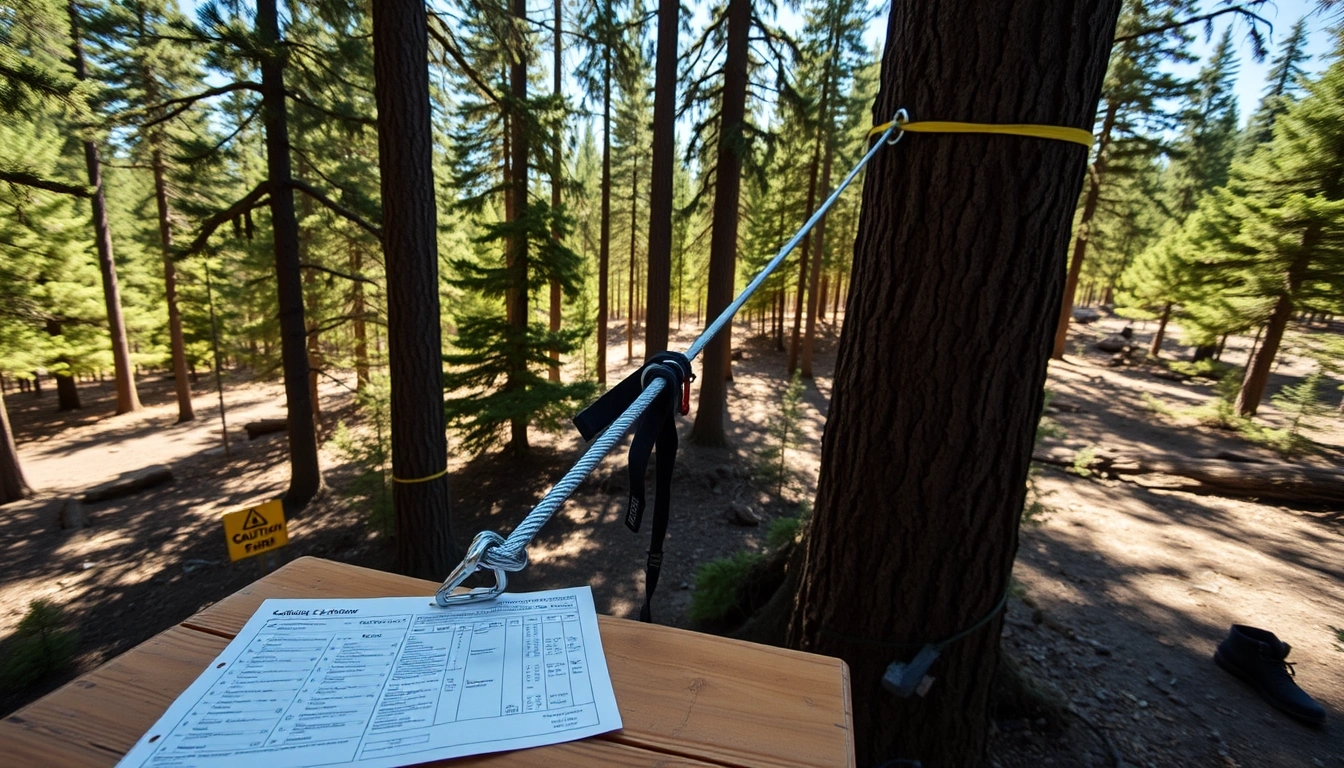
Alright, so you’ve decided to dive into the world of highlining — congratulations, you thrill-seeker, you! But before you start picturing yourself strutting across a thin webbing like some sort of fearless tightrope artist, there’s a crucial step that many newbies overlook: choosing the right spot and setting everything up safely. Trust me, this isn’t just about finding a cool place with a killer view (though that’s a nice bonus). It’s about making sure you don’t end up as a cautionary tale on some outdoor forum.
First off, the location. Not all spots are created equal. You want something stable and accessible, but don’t just pick the first two trees that look sturdy. Look for trees or anchors that can handle serious weight and tension. If you’re thinking “Eh, that tree looks fine,” stop right there. It’s gotta be healthy, thick, and deeply rooted. Otherwise, you’re basically trusting your life to a glorified twig.
| Ideal Anchor Characteristics | Why It Matters |
|---|---|
| Diameter > 30cm (12 inches) | Supports high tension without damage |
| Healthy bark, no rot or cracks | Ensures long-term reliability |
| Deep root system | Prevents uprooting under load |
| Accessible for rigging | Makes setup safer and easier |
Now, safety gear — don’t even think about skipping this. Your harness, leash, carabiners, and backup lines aren’t just fancy accessories; they’re your lifeline. Double-check everything. And then double-check again. A tiny fray or a loose knot can turn your highline dream into a nightmare real quick.
- Use redundant anchors: Always have backups. If one anchor fails, the others catch you.
- Inspect webbing: Look for cuts, wear, or UV damage before every session.
- Wear a helmet: Yes, it’s not just for kids on bikes.
- Practice low first: Set your line close to the ground to test tension and balance.
Oh, and here’s a rookie mistake you’ll want to avoid: setting your line too tight or too loose. Too tight, and you risk snapping the webbing or anchors; too loose, and you’ll be bouncing like a jelly on a trampoline — not exactly the graceful walk you imagined. Aim for a slight sag, like a gentle smile across the gap.
Pro Tip:- Use a tension meter or a trusted method (like the "weight drop test") to find the sweet spot.- Enlist a buddy to help with setup and spot you. Highlining solo? That’s a no-go for beginners.
Finally, consider the environment. Don’t turn your favorite nature spot into a mess of damaged trees and litter. Use tree protection pads, pack out all your gear, and respect local regulations. Nature’s not just your backdrop — it’s your partner in crime here.
So yeah, picking the right spot and setting up safely might sound like a drag compared to the thrill of the walk itself, but it’s half the battle. Nail this part, and you’re not just a highliner; you’re a smart, prepared adventurer ready to take on the heights without turning your adrenaline rush into an emergency room visit.
Stay sharp, stay safe, and happy highlining!
The Thrill Factor: Why People Are Hooked on Highlining
Is highlining just a fancy form of balance practice, or is there something lurking beneath the surface that keeps adrenaline junkies coming back for more? Well, it’s definitely more than just walking a tightrope in the sky. Highlining taps into something primal—fear, excitement, and a craving for conquering the unknown. It’s like flirting with danger but with a safety harness, of course. Why else would someone willingly step onto a narrow line hundreds of feet above the ground? Let’s break down the psychology behind this obsession.
- Adrenaline Rush: The obvious one. When you’re dangling in the air, every nerve fires up. Your heart pounds, your senses sharpen, and your brain floods with adrenaline. It’s that cocktail of chemicals that makes you feel alive, kicking boredom to the curb.
- Mastering Fear: Highlining forces you to face fear head-on. That terrifying drop below? It’s a mental game as much as physical. Each successful step builds confidence, turning fear into fuel.
- Flow State: Ever heard of being “in the zone”? Highliners often describe a meditative focus where time slows, distractions vanish, and you’re just one with the line. It’s a beautiful blend of concentration and calm.
Psychological Drivers of Highlining:- Thrill-seeking: Chasing that next big rush.- Mastery: Building skills and self-trust.- Mindfulness: Being present in a risky moment.- Community: Sharing the experience with like-minded daredevils.
But wait, it’s not all about the butterflies in your stomach. There’s a deeper craving for challenge and pushing personal limits. Highlining is a metaphor—balancing on the edge, literally and figuratively. It’s about proving to yourself that you can handle uncertainty, that you can dance with risk and come out smiling.
| Why People Highline | What It Feels Like |
|---|---|
| Seeking Adventure | Heart racing, breath quickening, senses alive |
| Overcoming Fear | Initial panic followed by calm focus |
| Community Bonding | Shared excitement and encouragement |
| Personal Growth | Sense of accomplishment and empowerment |
And let’s be honest — sometimes it’s just about bragging rights. “Oh, you walked a line 50 feet up? Cute. I did 200.” The social aspect can’t be ignored. Highlining communities thrive on stories, fails, and triumphs. It’s a wild mix of camaraderie and competition.
So, next time you see someone poised on a highline, don’t just think balance. Think courage, chemistry, and a touch of madness. Because highlining isn’t just a sport—it’s a full-on psychological rollercoaster that hooks you before you even take your first step.
Risks Involved: What Could Possibly Go Wrong?
Alright, let’s not sugarcoat it—highlining is not exactly your grandma’s knitting circle. There’s a whole laundry list of things that can go sideways when you’re dangling hundreds of feet off the ground on a thin piece of webbing. Spoiler alert: plenty can and does go wrong. But hey, that’s part of the adrenaline cocktail that keeps people coming back for more, right? Let’s dive into the nitty-gritty of what could possibly happen, and how you might dodge the worst-case scenarios.
- Common Injuries: Think twisted ankles, scraped knees, and bruised egos. But it’s not just about minor bumps. Falls (even with safety gear) can cause sprains, fractures, or worse. The weird thing is, sometimes it’s not the fall itself but the sudden jerk or improper landing that messes you up.
- Freak Accidents: This is where things get unpredictable. Imagine a gust of wind turning your balance into a wild dance, or equipment failure at the worst possible moment. Sure, rare, but when it happens, it’s headline news—because it’s scary as hell.
- Environmental Hazards: Loose rocks, slippery surfaces, unexpected wildlife encounters—nature doesn’t always play nice. Setting up a line in the wrong spot might mean dealing with more than just your own nerves.
| Risk Type | Description | Prevention Tips |
|---|---|---|
| Equipment Failure | Webbing tears, harness breakage, or anchor slippage | Regular gear checks, use certified equipment, double-check anchors |
| Human Error | Missteps, poor setup, or overconfidence | Training, buddy checks, never rush setup |
| Environmental | Weather changes, unstable terrain, wildlife | Scout location, monitor weather, stay alert |
Now, minimizing your chances of a face-plant (or worse) is all about respect—for the sport, the gear, and your own limits. Here’s a quick rundown of practical advice for staying upright and sane:
- Practice Makes Perfect: Start low, get comfortable, and build your skills gradually. Nobody expects you to be a highline ninja on day one.
- Gear Up Properly: Don’t skimp on quality. Your life depends on it. Harness, leash, helmet—think of it as your superhero costume.
- Buddy System: Always have someone with you. Not just for moral support, but for safety checks and emergency backup.
- Stay Sober: Highlining and booze? Bad combo. Keep your head clear and your balance sharper.
Remember:- Check knots twice- Inspect webbing for cuts- Anchor points must be rock solid- Weather can change in a blink- Trust your gut—if it feels off, don’t do it
In the end, highlining is a dance with danger, a flirtation with the unknown. Yes, the risks are real, but so is the thrill. If you’re smart, cautious, and a bit stubborn, you can enjoy the rush without becoming a cautionary tale. Just don’t forget: the line might be thin, but your common sense should be thicker.
Training and Skill Development: From Beginner to Pro
Look, nobody wakes up one morning and suddenly becomes a highline ninja. It’s not like you just slap on a harness, step onto a rope stretched hundreds of feet above the ground, and suddenly channel your inner acrobat. Highlining demands more than guts; it’s about training your body and mind in ways you probably never imagined. So, how do you go from trembling newbie to confident pro? Let’s break it down — no sugarcoating, just the real deal.
- Start Low, Stay Low: First things first, don’t jump straight to the dizzying heights. Begin with lowlines just a few feet off the ground. This lets you get comfy with balance and movement without the terror of a long fall looming over you.
- Master the Basics: Balance isn’t just about standing still. You’ve got to learn how to walk, crouch, and even sit on the line. Practice falling safely too — yes, falling is part of learning, so get used to it!
- Strength and Flexibility: Your legs, core, and even arms need to be strong and flexible. Yoga and balance exercises aren’t just for hippies; they’re your secret weapons for controlling your body on that wobbly rope.
Now, here’s where things get tricky. Highlining is as much a mental game as a physical one. Fear? Oh, it’s there, and it’s a monster you have to wrestle daily. The key is learning to embrace the fear, not run from it. Meditation, breathing exercises, and visualization help a ton. Picture yourself walking that line, nail it in your head before even stepping on the webbing.
| Stage | Focus | Typical Duration | Key Tips |
|---|---|---|---|
| Beginner | Balance basics on lowline | 1-3 months | Practice falling, build confidence |
| Intermediate | Walking longer distances, slight heights | 3-6 months | Build core strength, mental focus |
| Advanced | Highline at significant heights | 6+ months | Master fear control, endurance |
And don’t think it’s all about solo practice. Highlining is a community sport — well, sort of a cult if you ask me — and learning from others is invaluable. Join meet-ups, watch videos, and heck, get a coach if you can afford one. Nothing beats real-time feedback when you’re teetering on that thin line.
- Gear Familiarity: Know your equipment inside out. Harnesses, leashes, anchors — these aren’t just fancy accessories; they’re lifesavers. Practice rigging your line properly before you even think about stepping on it.
- Patience is Your Best Friend: Progress won’t be linear. Some days you’ll feel like a rockstar, other days you can’t even stand up. That’s normal. Keep at it, and celebrate the small wins.
To wrap it up, training for highlining is a marathon, not a sprint. It’s about building physical skills, mental toughness, and a healthy respect for the risks involved. So, lace up (or rather, strap in), get ready to fall a lot, and remember: every pro was once a shaky beginner staring down their first line.
Famous Highliners and Their Mind-Blowing Feats
Alright, buckle up because the world of highlining is packed with some of the most fearless daredevils you’ll ever hear about. These folks don’t just walk a thin line—they flirt with death while making it look like a casual Sunday stroll. You might think, “Yeah, it’s just walking on a rope,” but nah, these athletes redefine what it means to flirt with danger. Their stories? Absolutely jaw-dropping, and they’ll probably make you rethink your own fear levels (or lack thereof).
First off, let’s talk about Faith Dickey, often hailed as the queen of highlining. This woman has set records that seem downright insane—like walking across a highline over 1,000 feet long. Imagine that: suspended hundreds of feet above ground, with nothing but a thin strap under your feet and the wind messing with your balance. She’s smashed world records and, spoiler alert, she’s not done yet. Her ability to stay calm up there is something that mere mortals can only dream of.
Then there’s Dean Potter, a name that’s practically legendary in the highlining community. Potter’s feats are the stuff of legend, combining highlining with BASE jumping and wingsuit flying. This guy basically invented new ways to die—err, I mean, to push the sport forward. His death was tragic, but his legacy? Immortal. Potter’s approach was all about blending extreme sports, taking highlining to places no one else dared.
| Name | Notable Feats | Why They Matter |
|---|---|---|
| Faith Dickey | World record for longest highline walk (1000+ feet) | Master of balance and endurance, inspiring women worldwide |
| Dean Potter | Combined highlining with BASE jumping and wingsuit flying | Pushed the boundaries of what’s possible, innovator in extreme sports |
| Alex Honnold | Known for free solo climbing and highlining feats | Blurs lines between climbing and highlining, famous for nerve-wracking stunts |
Oh, and don’t forget Alex Honnold, the guy who made free solo climbing famous and then decided, “Hey, why not add some highlining to the mix?” His stunts often look like a scene from a movie where the hero’s about to fall any second but somehow doesn’t. Watching him balance on a line high above the ground is like watching a magic trick—except you know the stakes are real.
- Why do these feats matter? Because they push the sport forward, inspiring newbies and veterans alike.
- What’s the common thread? Mental toughness, physical skill, and a borderline obsession with defying gravity.
- Could you do it? Probably not. But hey, watching them makes you feel alive, right?
Here’s a quick reality check: highlining isn’t just a sport; it’s a lifestyle for these pros. The training, the focus, the sheer guts required? Off the charts. Many of these athletes spend hours, days, even years perfecting their craft. And let’s be honest, it’s not for the faint-hearted. One slip, one miscalculation, and it’s game over—unless you’re strapped in with the right safety gear, which thankfully they always are.
Practical Tips from the Pros:- Always double-check your gear before stepping on the line.- Train your mind as hard as your body; mental focus is everything.- Start low and slow—don’t try to conquer a 1000-foot line on your first day.- Learn from failures—they’re part of the journey, not the end.
So next time you hear about someone walking a line hundreds of feet in the air, remember the incredible human stories behind it. These highliners aren’t just thrill-seekers; they’re pioneers, artists, and sometimes, a little bit crazy. But hey, that’s what makes their feats so damn mesmerizing.
In the end, it’s about pushing limits—physical, mental, and emotional—and maybe, just maybe, inspiring the rest of us to face our own fears, even if it’s just balancing on a curb.
Environmental Impact and Ethical Considerations
Highlining — it’s not just a heart-pounding, edge-of-your-seat sport; it’s also an activity that can leave a mark on the environment if you’re not careful. Sure, walking a thin line hundreds of feet above the ground sounds like pure adrenaline, but the reality is, the natural spots where highliners set up often face unintended consequences. So, before you strap on your harness and step onto that webbing, let’s talk about the do’s and don’ts to keep Mother Nature smiling.
- Do choose your location wisely. Popular highlining spots can get hammered by crowds, leading to soil erosion, trampled vegetation, and disturbed wildlife. Instead of always hitting the same cliff or tree, scout out less-used areas or wait for off-peak times to minimize impact.
- Don’t damage the anchor points. Trees and rocks are often used to secure lines, but slapping webbing directly on bark or fragile rock can cause harm. Use tree protection pads or webbing sleeves to prevent cuts and abrasions. Remember, those trees didn’t sign up to be your anchor buddies forever.
Now, here’s a quick table to sum up some practical tips for eco-friendly highlining gear and setup:
| Practice | Why It Matters | How to Do It |
|---|---|---|
| Use Tree Protection | Prevents bark damage and tree stress | Wrap padding or dedicated sleeves around trees before rigging |
| Pack Out All Trash | Keeps natural spots pristine and wildlife safe | Bring a trash bag and double-check the site before leaving |
| Limit Group Size | Reduces environmental footprint and noise | Keep sessions small and staggered |
Ok, but what about the critters? Highlining spots are often habitats for sensitive animals — birds nesting on cliffs, small mammals in the underbrush. Disturbing these can have ripple effects on the ecosystem. So, avoid setting up during breeding seasons and keep noise levels down. No one wants to be the reason a rare bird abandons its nest.
- Do leave no trace. This mantra isn’t just for hikers. It means no gear left behind, no markings on rocks, and absolutely no litter. Highlining should be a temporary adventure, not a permanent scar on the landscape.
- Don’t overstay your welcome. Long sessions with multiple setups can stress the environment. Plan your day efficiently and move on once you’re done.
In the end, highlining’s magic comes from the natural beauty and freedom it offers. If we don’t protect those spaces, we risk losing the very essence of what makes the sport so special. It’s a delicate balance — just like the line itself.
Remember:- Respect nature like you respect your safety gear.- The environment isn’t just a backdrop; it’s part of the experience.- Ethical highlining more adventures for everyone, forever.
So next time you’re itching to set up that line, take a moment. Think about the trees, the critters, the soil beneath your feet. Highlining is a dance with nature — don’t be the clumsy partner who stomps on toes. Stay smart, stay safe, and keep the wild wild.
Future Trends in Highlining: Tech, Styles, and Community
Alright, so you think highlining is just about balancing on a thin line stretched between two points, right? Well, buckle up, because this adrenaline-fueled sport is evolving faster than you can say “slackline.” What’s coming next? Let’s unpack some of the coolest trends shaking up the highline scene — from tech wizardry to styles that’ll make your head spin, plus how the community is growing like wildfire.
Gear Innovations: More Than Just Fancy Webbing
First off, let’s talk equipment. Remember when all you needed was some basic webbing and a harness? Those days are fading. Nowadays, companies are pushing boundaries with ultra-lightweight, high-strength materials that make setups safer and easier to carry around. Think carbon fiber carabiners, smart harnesses with impact sensors, and even lines that can adjust tension automatically. Yeah, it sounds like sci-fi, but it’s real.
| New Gear | Benefit |
|---|---|
| Smart Harnesses | Real-time safety alerts and fall detection |
| Carbon Fiber Carabiners | Stronger & lighter than steel |
| Auto-Tension Lines | Maintains optimal tension without manual tweaks |
But don’t get me wrong, it’s not just about flashy gadgets. There’s a growing focus on sustainability, too — biodegradable webbing and eco-friendly rigging gear are becoming popular, so you can save the planet while risking your neck.
Emerging Styles: Beyond the Classic Highline
If you thought highlining was just about walking from point A to B, think again. New styles are popping up that blend creativity with pure adrenaline.
- Urban Highlining: Setting up lines across cityscapes, rooftops, and even abandoned buildings. It’s gritty, edgy, and definitely not for the faint-hearted.
- Tricklining at Height: Imagine doing flips and jumps on a highline. Yep, some pros are turning the sport into a high-wire circus act.
- Nightlining: Highlining under the stars with LED-lit lines and gear — a surreal experience that’s gaining traction.
These styles aren’t just for show; they’re pushing athletes to develop new skills and rethink what highlining can be.
The Growing Global Community: More Than Just Solo Daredevils
Here’s a surprise: highlining isn’t a lonely sport anymore. The community is exploding worldwide, with festivals, workshops, and online forums popping up everywhere. Whether you’re in the Alps, the Rockies, or somewhere in Southeast Asia, chances are there’s a crew ready to welcome you.
- Festivals: Events like the “Highline Meeting” in Europe bring together hundreds of enthusiasts for a week of challenges, music, and camaraderie.
- Online Platforms: Social media groups and apps dedicated to highlining help newbies find mentors and pros share tips and epic fails (because, let’s be real, there are plenty).
- Inclusivity: More women, diverse age groups, and differently-abled athletes are joining the scene, making it richer and more vibrant.
| Community Aspect | Why It Matters |
|---|---|
| Festivals | Build skills, make friends, and push limits together |
| Online Forums | Access to knowledge and support anytime |
| Diversity & Inclusion | Fresh perspectives and stronger community bonds |
So, what’s next for highlining? Expect a wild mix of cutting-edge tech, fresh styles that break the mold, and a community that’s more connected and diverse than ever. If you thought this sport was just a passing fad, think again — it’s gearing up for a future as thrilling and unpredictable as the lines themselves.
Stay tuned and maybe, just maybe, it’s time to dust off your balance skills and join the ride.
Frequently Asked Questions
- What exactly is a high line, and how is it different from slacklining?
Great question! A high line is essentially a slackline set up at a significant height, often hundreds of feet above the ground, which adds a thrilling edge to the balancing act. Unlike backyard slacklining, which is usually low to the ground for fun or exercise, highlining involves serious gear, safety measures, and a whole lot of nerve. Think of it as slacklining’s daredevil cousin!
- What gear do I absolutely need to start highlining safely?
Safety first! You’ll need strong webbing (the line you walk on), a reliable harness, a leash to connect you to the line, and solid anchors to secure everything. Don’t forget a helmet and backup safety lines. It’s like building your own fortress in the sky—every piece counts to keep you from turning a thrill into a spill.
- How do I choose the right location for setting up a high line?
Picking the perfect spot is half the adventure. Look for sturdy anchor points like trees or rocks that can handle the tension. Also, consider accessibility, wind conditions, and environmental impact. Setting up in a safe, legal, and eco-friendly place makes your highlining experience not just exciting but responsible too.
- Why do people get hooked on highlining despite the risks?
It’s more than just balance; it’s about conquering fear and feeling alive. Highlining offers a unique rush—like walking on air with the world at your feet. That adrenaline explosion combined with mental focus creates an addictive cocktail of thrill and mindfulness that keeps people coming back for more.
- What are the biggest risks involved in highlining, and how can I avoid them?
Highlining isn’t without danger—falls, equipment failure, and environmental hazards top the list. But here’s the kicker: most accidents happen due to poor setup or lack of experience. Training, double-checking gear, and never rushing your setup are your best bets to keep those risks in check.
- How can a beginner start training to become a pro highliner?
Start low and slow! Practice slacklining close to the ground to build balance and confidence. Gradually increase height and complexity while mastering safety techniques. Mental training is key too—think of it as yoga on a rope, where focus and calm are just as important as physical skill.
- Who are some famous highliners, and what makes their feats so impressive?
Legends like Dean Potter and Faith Dickey have pushed the boundaries with jaw-dropping stunts across canyons and skyscrapers. Their stories aren’t just about skill but about pushing human limits, inspiring us to face fears and dream bigger than ever before.
- Does highlining harm the environment, and how can I minimize my impact?
Highlining can affect nature if not done responsibly—damaging trees or disturbing wildlife are common concerns. Use tree protection gear, stick to established spots, and pack out all your trash. Think of it as being a respectful guest in nature’s living room.
- What’s the future of highlining? Are there new trends or tech on the horizon?
The highlining scene is buzzing with innovation—from lighter, stronger gear to virtual reality training tools. Styles are evolving too, blending yoga, dance, and even group performances on the line. Plus, the community is growing worldwide, making this sky-high sport more accessible and exciting than ever.