Alright, so you’ve probably heard the term “high press” thrown around by commentators or your mates when watching football, but what exactly is it? In the simplest terms, the high press is a tactical move where a team aggressively chases the opposition high up the pitch, trying to snatch the ball back as soon as possible. Think of it as a pack of wolves hunting their prey — relentless, coordinated, and up close in the enemy’s territory. This tactic isn’t just about being annoying; it’s designed to force mistakes, speed up the game, and keep the pressure on the opposing team’s defenders and midfielders.
- Purpose: The main goal is to regain possession quickly and in dangerous areas.
- Execution: Players push up the field, cutting off passing lanes and pressing the ball carrier.
- Impact: It disrupts opponents’ rhythm and often leads to scoring chances.
Now, don’t get me wrong — it’s not a walk in the park to pull off a high press. It requires incredible fitness, razor-sharp timing, and a deep understanding between players. If one guy goes rogue or is a second late, the whole press can collapse like a house of cards, leaving the defense exposed. Coaches love this tactic because when it works, it’s like watching a well-oiled machine — the ball zips from one side to the other, and the opposition is left gasping for air.
| Aspect | Explanation |
|---|---|
| When to Use | Usually when a team wants to dominate possession and keep the opposition pinned back. |
| Key Players | Forwards and midfielders who are quick, energetic, and can anticipate passes. |
| Risks | Leaves space behind the defense if the press is bypassed; tiring on players. |
If you’re new to football, spotting a high press can be a bit tricky at first. But here’s a quick tip: look for when the attacking team’s players swarm the ball carrier almost immediately after losing possession, usually deep in the opponent’s half. You’ll see defenders and midfielders sprinting forward, cutting off easy passes, and forcing the opponent to make rushed decisions. It’s chaotic but beautiful in its own way.
In the end, the high press is more than just a tactic — it’s a statement. It says, “We’re here to control the game, not just react.” And whether you love it or hate it, it’s one of those strategies that have shaped modern football into the fast-paced, thrilling sport millions adore today.
Quick Recap:
- High press: Aggressive ball recovery near opponent’s goal.
- Requires: Fitness, teamwork, and sharp timing.
- Benefits: Forces errors, quick turnovers, and controls game tempo.
- Downsides: Vulnerable to quick counterattacks and tiring for players.
So next time you watch a match, keep an eye out for the high press — it might just change how you see the beautiful game forever.
What Exactly Is a High Press?
Alright, let’s dive into the high press — one of football’s most thrilling and, frankly, exhausting tactics. Imagine a team not just waiting around for the ball to come to them, but actively chasing it down right where the opponent feels safest: near their own goal. That’s the high press in a nutshell. Instead of dropping back and defending deep, teams push their players up the pitch, applying relentless pressure on the opposition’s defenders and midfielders. The goal? To snatch the ball back quickly and catch the other team off guard before they can even breathe. It’s like a swarm of hungry bees chasing after a flower — chaotic, aggressive, and often effective.
Why do teams bother with this madness? Well, it’s all about disrupting the opponent’s rhythm and forcing mistakes. When you press high, you’re basically saying: “No time for you to think or pass calmly. We’re in your face!” This can lead to turnovers in dangerous areas, giving your own team a chance to launch quick attacks without having to trek back from their own half. You could say it’s the football equivalent of stealing candy from a baby — except the baby is a highly trained athlete, and the candy is possession of the ball.
- Disrupting play early: The high press aims to break down the opponent’s build-up before it even starts.
- Regaining possession fast: By closing down passing lanes and pressuring the ball carrier, teams try to win the ball back high up the pitch.
- Setting the tempo: It forces the game into a frantic, high-energy pace, which some teams thrive on.
Now, don’t get me wrong — it’s not just about running around like headless chickens. The high press requires coordination, timing, and tactical awareness. Players need to know when to press hard, when to cut off passing options, and when to fall back if things go south. It’s a high-risk, high-reward strategy. If done well, it can suffocate opponents and create scoring chances out of thin air. If done poorly, it leaves your defense exposed and tired.
| Purpose of High Press | Effect on Opponents |
|---|---|
| Force errors in defensive lines | Opponents panic, make risky passes |
| Quickly regain possession | Disrupts build-up play |
| Control game tempo | Opponents forced into reactive mode |
| Generate scoring opportunities | Creates chances close to opponent’s goal |
In short, the high press is like football’s version of a full-court press in basketball — aggressive, exhausting, but potentially game-changing. It’s no surprise that some of the most exciting teams in the world swear by it. But hey, if you spot a team running around like maniacs chasing every touch, chances are they’re trying to pull off the high press. And if it works? Well, that’s football magic right there.
Origins and Evolution of the High Press
The high press – ah, that relentless chase, that furious hunt for the ball up the pitch – it might seem like a modern invention, but its roots go way back. You might be surprised to learn it’s not just a trendy tactic cooked up in some fancy coaching seminar last year. Nope, the high press is a tactic steeped in history, evolving through decades of football philosophy, sweat, and sometimes sheer stubbornness.
Back in the early days of football, teams were mostly content sitting back and waiting for the opponent to make a mistake. But as the game grew faster and more tactical, some clever coaches started thinking, “Why wait? Let’s go get the ball back ourselves!” This idea slowly gave birth to the high press, where players swarm the opposition’s defenders and midfielders right after losing possession, trying to suffocate their build-up play.
| Era | Key Coaches | Characteristic Style | Impact on High Press |
|---|---|---|---|
| 1960s-70s | Rinus Michels | Total Football | Introduced pressing as a team effort, focusing on constant pressure and positional interchange. |
| 1980s-90s | Arrigo Sacchi | Compact Defensive Lines | Refined pressing zones and collective movement, emphasizing team shape. |
| 2000s-Present | Jürgen Klopp, Pep Guardiola | Intense, Coordinated Pressing | High-energy pressing with tactical triggers, blending physicality and intelligence. |
Now, if you ask a football fan about the high press, chances are they’ll mention the legendary Dutch “Total Football” of the 1970s. Rinus Michels and Johan Cruyff were pioneers here, pushing players to press aggressively and interchange positions fluidly. The idea was revolutionary – not just chase the ball, but do it as a cohesive unit, suffocating the opponent’s options. This was the first real blueprint for the high press we see today.
Fast forward to the late 80s and early 90s, and Arrigo Sacchi’s AC Milan took pressing to another level. Sacchi wasn’t just about pressure; he was about where and when to press. His Milan team was famous for its compact defensive lines and coordinated pressing zones, making it incredibly hard for opponents to find space. The high press became less about wild chasing and more about intelligent positioning and timing.
- Why did this matter? Because pressing without shape is just running around like headless chickens.
- Sacchi showed that pressing could be a disciplined, strategic weapon.
In the modern era, the high press has exploded in popularity thanks to coaches like Jürgen Klopp and Pep Guardiola. Klopp’s “Gegenpressing” (counter-pressing) is all about immediate pressure after losing the ball, forcing mistakes in dangerous areas. Guardiola, on the other hand, combines pressing with patient possession, making his teams press high but also control the game’s rhythm.
Key Features of Modern High Press:- Intense energy and fitness demands- Tactical triggers (e.g., pressing when the opponent’s back pass is weak)- Collective movement to cut passing lanes- Quick transitions from defense to attack
Of course, the high press isn’t without critics. Some say it’s exhausting, risky, and can leave teams exposed if not executed perfectly. But love it or hate it, the high press has reshaped football, turning defense into attack in seconds and thrilling fans worldwide.
So next time you see a team swarm their opponents high up the pitch, remember: you’re watching a tactic shaped by decades of innovation, sweat, and a few brilliant minds who dared to press hard and never back down.

Key Players and Positions in a High Press
When it comes to pulling off a high press in football, not every player is just running around chasing shadows. Certain key players have to step up and own their roles, or else the whole tactic falls apart faster than a cheap set of shin pads. The high press isn’t just about aggression; it’s a carefully choreographed dance where positioning and timing are everything.
First off, the forwards are the frontline warriors in this battle. Their job? To harass the opposing defenders and goalkeeper the moment they get the ball. Think of them as the first line of defense, except they’re trying to steal the ball, not protect it. These players have to be quick on their feet and smart enough to cut off passing lanes. Without their pressure, the rest of the team’s pressing efforts can feel like shouting into the void.
Right behind the forwards, the midfielders act as the glue that holds the press together. They’re the ones who decide when to double up on a player or drop back to cover space. Midfielders in a high press often have to cover a ton of ground, switching between attacking and defensive roles in seconds. It’s exhausting work, but crucial. If the midfielders slack off, the opponent’s midfield can find pockets of space and launch counterattacks.
| Position | Primary Role in High Press | Key Attributes |
|---|---|---|
| Forwards | Initiate pressure, block passing options, force errors | Speed, anticipation, stamina |
| Midfielders | Support forwards, cover spaces, intercept passes | Positioning, work rate, tactical awareness |
| Fullbacks | Push up to compress space, support midfield, track runners | Endurance, speed, defensive skills |
| Center Backs | Hold line, cover behind pressing players, initiate counter-press | Composure, communication, positioning |
Now, don’t forget the fullbacks. These guys have to be absolutely relentless. Their positioning can make or break the press because they’re tasked with squeezing the wide areas, preventing the opposition from simply bypassing the press by playing out wide. If fullbacks are too cautious, the press becomes a sieve; if they’re too aggressive, they leave gaping holes behind. It’s a fine line, and only the best can walk it without tripping.
Center backs, meanwhile, might seem like the last line of defense and less involved in the press, but they play a vital role too. They have to stay alert, ready to cover any gaps left behind by their teammates who are pressing upfield. Plus, when the press wins the ball back, center backs often kickstart the attack. So, their positioning and composure under pressure can change the game’s momentum.
- Positioning is everything: The team must maintain compactness, reducing space between lines so opponents have nowhere to breathe.
- Communication: Players constantly shout instructions, alerting teammates to shifts in opponent movement.
- Timing: Pressing too early or too late can leave players stranded or open spaces for opponents.
Putting all this together, the success of a high press hinges on players understanding their roles and trusting each other to cover their zones. If one player gets lazy or mistimed their press, it’s like a house of cards falling down. But when it clicks? Oh boy, there’s nothing quite like watching a team suffocate their opponents into mistakes high up the pitch.
So next time you see a team swarming the ball in the opponent’s half, remember: it’s not just chaos. It’s a calculated, exhausting, and beautifully orchestrated effort by players who know exactly where to be and when. High press isn’t just a tactic; it’s a full-team commitment, and every player’s role is crucial.
How Teams Set Up a High Press Formation
Alright, let’s dive into the nitty-gritty of how teams put together a high press formation. If you’ve ever watched a match and wondered why suddenly 8 players swarm the opponent’s defenders like bees on honey, you’re about to get the lowdown. The high press isn’t just a chaotic swarm; it’s a carefully choreographed setup, with each player knowing their role — or at least, they’re *supposed* to.
First off, the shape. Most teams rely on formations that allow compactness upfront — think 4-3-3 or 4-2-3-1. These formations provide enough bodies to press aggressively without leaving gaping holes in defense. The front three, usually forwards or wingers, act as the spearhead, closing down the ball carrier and cutting passing lanes. Behind them, the midfielders act as a second wave, ready to pounce if the first press is bypassed. Defenders, meanwhile, push up to keep the team compact but remain alert to any through balls or long passes.
| Position | Role in High Press | Key Responsibility |
|---|---|---|
| Strikers/Forwards | Lead the press | Close down defenders, block passing lanes |
| Wingers | Support front line | Pressure fullbacks, cut wide options |
| Central Midfielders | Second line of press | Intercept passes, cover spaces |
| Defenders | Push up line | Maintain compactness, prevent through balls |
Now, onto the “common shapes” you hear about. The most popular is the diamond or trapezoid pressing shape. Imagine the forwards forming a tight triangle at the top, squeezing the ball handler, while midfielders form a diamond behind them, ready to close gaps and support. This shape makes it tough for the opponent to find easy outlets, forcing hurried or risky passes. But, and here’s the kicker, if even one player is lazy or slow to react, the whole press can collapse faster than a house of cards.
- Front Line: The forwards and wingers aggressively mark defenders and the goalkeeper’s passing options.
- Midfield Shield: Midfielders cut off central passing lanes and prepare to intercept.
- Defensive Line: Pushes up to reduce space behind, but must be ready to sprint back.
Player responsibilities? Oh boy, they’re intense. Every player must be constantly aware of their zone and the ball’s location. For example, if the ball is on the right flank, the left winger might tuck in slightly to block a central pass, while the right winger presses hard on the ball carrier. Midfielders adjust accordingly, shifting to cover potential passing lanes or to trap the opponent in a pressing “net.”
Here’s a quick rundown of what players *should* do during a high press:
- Forwards & Wingers: Hunt the ball relentlessly, force mistakes.- Midfielders: Anticipate passes, cut off support players.- Defenders: Stay high but alert, ready for quick recovery.- Goalkeeper: Act as a sweeper, help organize the press.
Of course, this sounds simple on paper, but in reality, it’s a bit of a mess sometimes. Timing is everything; press too early, and you get bypassed. Press too late, and the opponent has time to breathe. Plus, stamina plays a huge role — pressing high is exhausting, and if players aren’t up to the task, the whole system falls apart.
In the end, setting up a high press is like assembling a puzzle where every piece needs to fit perfectly. Coaches drill this endlessly, but on the pitch, chaos often reigns. Still, when it works? Oh, it’s poetry in motion — a relentless, suffocating force that can turn defense into attack in a blink.
Advantages of Using a High Press
When it comes to football tactics, the high press is like that overenthusiastic friend who just won’t let the other team breathe. It’s aggressive, relentless, and honestly, quite brilliant when executed right. So, why do so many coaches swear by it? Well, buckle up, because the benefits are pretty compelling.
First off, the high press forces errors. Imagine your opponent’s defenders trying to calmly pass the ball out from the back, and suddenly, there’s a swarm of hungry attackers breathing down their necks. It’s like trying to do your homework with a toddler screaming next to you—mistakes are bound to happen. This pressure disrupts their rhythm and often leads to sloppy passes or panicked clearances, giving the pressing team a golden chance to snatch the ball in dangerous areas.
| Benefit | Explanation |
|---|---|
| Forcing Errors | High pressure causes opponents to make mistakes, increasing chances to regain possession. |
| Quick Turnovers | Winning the ball high up the pitch allows for immediate attacking opportunities. |
| Controlling Game Rhythm | Dictates the pace and flow, keeping opponents on the back foot. |
Next, the high press leads to quick turnovers. This is gold for teams looking to catch their rivals off guard. When you win the ball near the opponent’s goal, you’re already in a prime position to launch an attack. No need to waste time building up from deep; just snap, and you’re off. It’s like stealing cookies from the jar right when the jar’s almost empty—quick and satisfying.
But it’s not just about snatching the ball back. The high press also lets teams control the game’s rhythm. By pushing up and pressing aggressively, you force the opposition to play your game. They’re scrambling, reacting, and trying to find ways out of the pressure, which means they’re less likely to settle into their own style. This control can frustrate even the most composed teams, leading to more mistakes and openings.
- Psychological edge: Constant pressure can wear down opponents mentally.
- Energy boost: Successful presses lift the whole team’s spirit and intensity.
- Fan excitement: High pressing is often thrilling to watch, keeping supporters on their feet.
Coaches love the high press because it’s proactive, not reactive. Instead of sitting back and hoping to defend well, you’re actively hunting the ball, trying to dictate terms. It’s risky, sure, but when it clicks, it’s poetry in motion. Plus, in today’s fast-paced game, the ability to disrupt and regain possession quickly can be the difference between winning and losing.
So yeah, the high press isn’t just some fancy buzzword. It’s a game-changer that combines strategy, stamina, and a bit of madness. When done right, it’s like having a secret weapon that keeps the opposition on edge and your team buzzing with energy.

Risks and Downsides of the High Press
The high press, while flashy and effective at times, isn’t all sunshine and rainbows. Sure, it looks exciting when a team chases the ball relentlessly in the opponent’s half, but beneath that aggressive hustle lie some pretty glaring vulnerabilities. First off, the most obvious risk is the space left behind the defense. When your players are all up front, pressing hard, they naturally vacate the areas closer to their own goal. Opponents with quick, clever attackers can exploit this gap in seconds, launching counterattacks that leave the pressing team scrambling. It’s like leaving your front door wide open while you’re busy yelling at the neighbor’s cat. Not smart.
| Risk | Explanation | Impact |
|---|---|---|
| Space Behind Defense | Defensive line pushed high, creating gaps for opponents to exploit. | Leads to dangerous counterattacks and potential goals conceded. |
| Player Fatigue | Constant running and pressing drains energy quickly. | Performance drops late in the game; risk of injuries increases. |
| Coordination Breakdown | Requires perfect timing and teamwork; one slip-up is costly. | Can lead to defensive disorganization and vulnerability. |
Now, let’s talk about player fatigue. Pressing high demands a ton of physical exertion. Players are sprinting, tracking back, and pressing relentlessly for 90 minutes—or at least trying to. This kind of intensity is exhausting, and if a team lacks depth or fitness, the strategy can backfire spectacularly. You’ll often see teams start strong with a high press but fade badly in the second half, allowing the opposition to take control. It’s like trying to sprint a marathon; eventually, you’re going to crash and burn.
- Physical toll: Players risk burning out or picking up injuries due to overexertion.
- Mental strain: Maintaining concentration while pressing aggressively is tough, and mistakes creep in.
- Substitution challenges: Coaches need to manage player rotations carefully to keep the press effective.
Another downside is that the high press isn’t a one-size-fits-all tactic. It demands a certain type of squad—fast, disciplined, and tactically aware. If your players aren’t up to the task, you’re just inviting disaster. Plus, some teams are masters at bypassing the press with simple long balls or quick passes, rendering all that hard work pointless. So, sometimes, it’s just not the best choice, especially against teams that can exploit the weaknesses it exposes.
To sum it up, while the high press can be a game-changer, it’s a double-edged sword. You get the thrill and potential domination upfront, but risk getting caught with your pants down at the back or watching your players gas out before the final whistle. Coaches have to weigh these risks carefully and decide if the payoff is worth the gamble. Because let’s be honest, no one likes chasing shadows and leaving their own goal wide open for the taking.
Famous Teams Known for Their High Press
Alright, let’s dive into the gritty world of high pressing—that relentless, in-your-face style of football that either makes you cheer wildly or scream in frustration (usually both). Over the years, some clubs and national teams have absolutely nailed this tactic, turning it into an art form. It’s not just about chasing the ball; it’s about suffocating the opponent’s playmakers and forcing mistakes high up the pitch. Here’s a look at some of the most iconic teams who made the high press their signature move, along with those unforgettable matches that left fans on the edge of their seats.
First up, you can’t talk about high pressing without mentioning Jürgen Klopp’s Liverpool. This team practically wrote the modern manual on pressing with their “Gegenpressing” style—pressing immediately after losing the ball. Remember their 2019 Champions League semi-final second leg against Barcelona? Trailing 3-0 from the first leg, Liverpool came out like a pack of wolves, pressing aggressively and forcing Barca into panic errors. The result? A stunning 4-0 victory that shocked the football world. Their front three—Salah, Mane, and Firmino—are relentless in closing down defenders, showing how crucial forward pressure is.
| Team | Coach | Memorable Match | Key Feature |
|---|---|---|---|
| Liverpool | Jürgen Klopp | 2019 UCL Semi-final vs Barcelona | Relentless Gegenpressing |
| Bayern Munich | Pep Guardiola | 2013 Bundesliga Title Run | Coordinated team pressing |
| Germany National Team | Joachim Löw | 2014 World Cup | Pressing to dominate possession |
| Leeds United (1970s) | Don Revie | 1970 FA Cup Final | High-energy pressing |
Speaking of relentless pressing, Bayern Munich under Pep Guardiola was a clinic in how to combine pressing with possession football. Pep’s Bayern didn’t just chase the ball mindlessly; they pressed with purpose and precision, cutting off passing lanes and forcing turnovers in dangerous zones. Their 2013 Bundesliga season was a masterclass in this, where they won the league with a staggering goal difference. The beauty here? It’s not just the forwards but the entire team moving as a unit—pressing triggers were well drilled and executed.
On the international stage, the German national team during their 2014 World Cup campaign also deserves a shoutout. Their pressing was less flashy but incredibly effective, designed to suffocate opponents and regain possession quickly. Their final against Argentina wasn’t just about scoring a late winner; it was about controlling the midfield and pressing so hard that Argentina barely had time to breathe. It’s a reminder that high pressing isn’t just a club trend; it can be a winning formula on the world’s biggest stage.
- Leeds United in the 1970s, under Don Revie, showed early glimpses of high pressing before it was the cool tactic it is today. Their intense work rate and aggressive closing down unsettled opponents, proving that pressing isn’t just a modern invention.
- RB Leipzig and Borussia Dortmund are recent Bundesliga teams carrying the high press torch, blending youthful energy with tactical discipline.
So, what makes these teams stand out? It’s their commitment to the press. It’s exhausting, mentally and physically, and not every squad can pull it off consistently. But when it works, it turns matches on their head—forcing errors, creating scoring chances, and utterly dominating the game’s tempo. Next time you watch a match, keep an eye on how the team reacts the moment they lose the ball. If they swarm the opponent like a pack of hungry wolves, you’re witnessing the high press in action.
How Fans Can Spot a High Press During a Game
Alright, so you’re new to football and someone drops the term “high press” during a match. You might be scratching your head wondering, “What on earth is that?” Well, here’s the deal: a high press is when a team decides to get all up in the opponent’s grill, like right near their goal, trying to snatch the ball back quickly. But how do you actually recognize it when it’s happening? Let’s break it down in a way that won’t make your head spin.
- Look at where the players are on the pitch. If you notice the team without the ball is pushing their forwards and midfielders far up the field, close to the opponent’s defenders or goalkeeper, that’s a classic sign. They’re not hanging back waiting for the ball; they’re hunting for it aggressively.
- Watch the pressure on the ball carrier. The moment the opposing team gets the ball, if two or three players swarm around them quickly, trying to block passing lanes or force mistakes, that’s the press in action.
- Notice the defenders’ positioning. When a high press is on, defenders often move higher up the pitch too, almost daring the opponent to try a long pass or risky move.
Now, spotting the high press isn’t just about where the players are. It’s about how the game changes when it’s on. The flow suddenly feels faster, more frantic. The team pressing is trying to force errors, so passes might be rushed, and you’ll see more turnovers near the attacking third. It’s like watching a pack of wolves closing in on their prey – intense and relentless.
| Signs of a High Press | What It Means |
|---|---|
| Players clustered near opponent’s penalty area | Team is trying to stop build-up early |
| Quick closing down of ball carrier | Pressure to force mistakes or hurried passes |
| Defenders positioned high up the pitch | Compressing space, daring long balls |
| Increased turnovers in attacking third | Pressing is effective, team regains possession fast |
One thing to keep in mind, though: not every team presses high all the time. Sometimes they switch it up, especially if they’re tired or the other team is good at playing out from the back. So if you see a team suddenly ramp up the pressure and push forward aggressively, that’s your cue. It’s like they’re saying, “Let’s shake things up and take control!”
So, next time you’re glued to the match, try spotting these signs. It’s not rocket science, just a bit of practice and paying attention. And hey, if you miss it the first few times, no worries — even seasoned fans sometimes get caught off guard by a sneaky press.
- Quick tip: Follow the ball and then glance around the pitch. If you see a swarm of players rushing the ball carrier high up the field, you’re witnessing the high press in action.
- Fun fact: Some teams make it look like a choreographed dance, with players moving in sync to trap opponents. Others? More like a chaotic stampede. Either way, it’s entertaining!
In short, the high press is a thrilling part of modern football that can change the game’s tempo in seconds. Once you get the hang of spotting it, you’ll enjoy matches on a whole new level. So keep your eyes peeled, and get ready to shout, “There it is! That’s the press!”
Practice Drills and Training for Perfecting the High Press
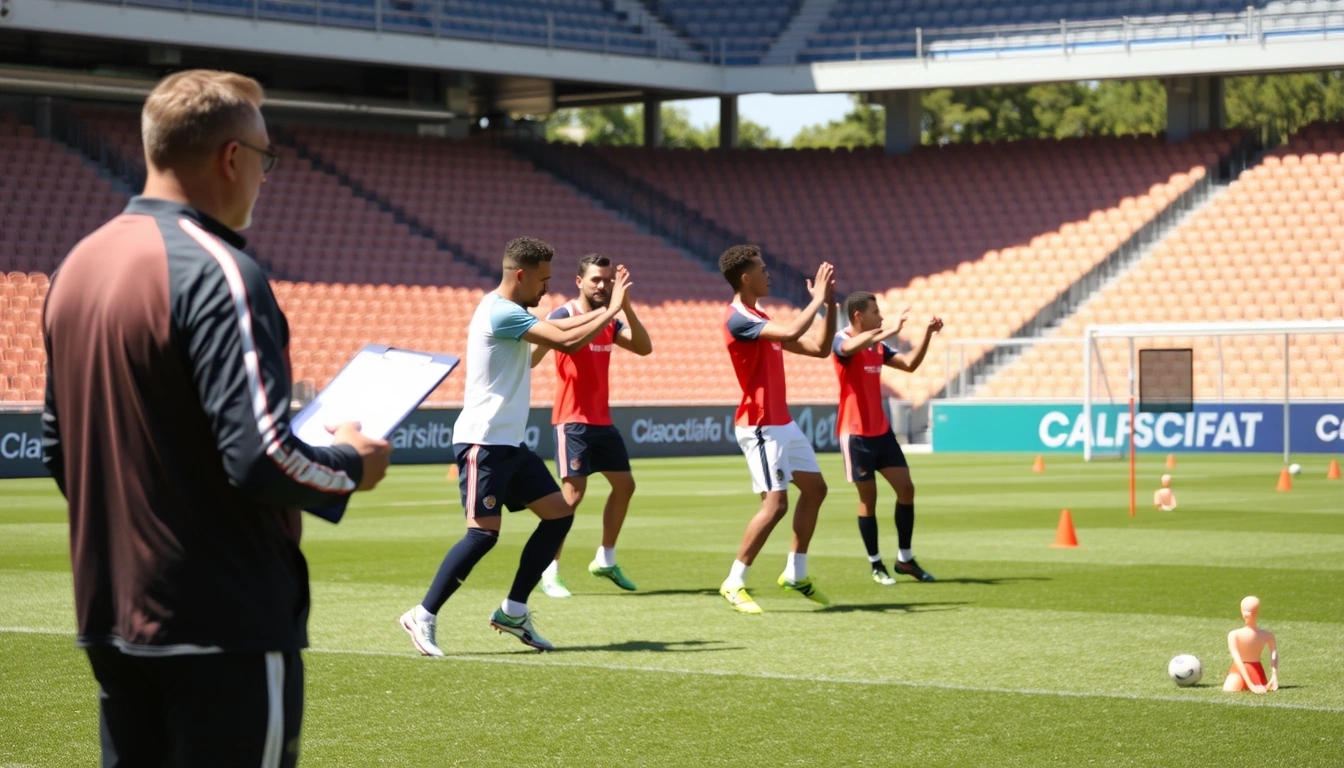
When it comes to mastering the high press, it’s not just about shouting “press, press!” and hoping for the best. Coaches spend countless hours drilling their squads, fine-tuning every movement until it becomes second nature. The high press is a delicate dance—a mix of timing, positioning, and sheer determination. Without proper training, it quickly turns into a chaotic mess rather than a strategic weapon.
One of the go-to drills for building team coordination is the shadow pressing exercise. Picture this: players work in pairs or small groups, with one side acting as the pressing unit, the other as the ball carriers trying to escape the press. The pressing players practice cutting off passing lanes and closing down space tightly, while their partners try to find gaps or quick outlets. This drill helps sharpen players’ anticipation and reaction times, crucial for that split-second decision-making on the pitch.
| Drill Name | Purpose | Key Focus |
|---|---|---|
| Shadow Pressing | Simulate pressing scenarios | Positioning, anticipation, quick reactions |
| Pass Interception Circuit | Improve interception skills | Timing, reading the game |
| High Press Small-Sided Games | Apply pressing under pressure | Teamwork, stamina, communication |
Another classic is the pass interception circuit. It sounds fancy, but it’s basically a fast-paced drill where players must anticipate and cut off passes in a controlled setting. Coaches love this one because it trains players to read the opponent’s intentions—a skill that’s pure gold when executing a high press. Timing is everything here; jump in too early, and you’re out of position. Wait too long, and the opponent escapes.
Now, let’s talk about the real deal: small-sided games. These mini matches cram players into tight spaces, forcing them to work on pressing as a unit. It’s where theory meets chaos. Players learn to communicate, cover for each other, and maintain pressure without burning out too fast. Stamina is a huge factor—pressing is exhausting, so conditioning drills often sneak into these sessions.
- Communication drills: Players call out triggers to press or hold.
- Staggered pressing: Teaching players when to press aggressively and when to hold back.
- Recovery runs: Sprint exercises to simulate chasing down opponents after a failed press.
It’s worth noting, though, that no drill can perfectly recreate the unpredictability of a live match. Coaches often mix in video analysis and real-game scenarios to help players understand when to press and when to sit back. Because, honestly, pressing high all the time can be a double-edged sword if the timing’s off.
So yeah, training for the high press isn’t just about running around like headless chickens. It’s a calculated, well-rehearsed strategy that requires patience, grit, and a whole lot of sweat. When done right, it can suffocate opponents and flip the momentum in an instant. But without the right drills and team chemistry? Well, you might as well just let the other team have the ball.
Frequently Asked Questions
- What is a high press in football?
A high press is a tactical strategy where a team aggressively pressures their opponents in the opponent’s half, aiming to win the ball back quickly. Think of it as a pack of wolves closing in on their prey—relentless and fast, designed to disrupt the other team’s rhythm before they can build an attack.
- Why do teams use the high press?
Teams use the high press to force mistakes, speed up possession recovery, and control the game’s tempo. It’s like turning up the heat in a kitchen; the pressure cooks the opposition into errors, giving your team a chance to strike fast.
- Which players are key in executing a high press?
Typically, forwards and midfielders lead the charge in a high press, with defenders pushing up to support. These players need to be energetic, quick thinkers, and great communicators—imagine a well-rehearsed dance troupe moving as one, closing spaces and cutting passing lanes.
- What formations work best for a high press?
Formations like 4-3-3 or 4-2-3-1 are popular because they provide width and midfield density, essential for pressuring opponents high up the pitch. The shape must allow players to cover each other and close down spaces rapidly, like a tight-knit squadron.
- What are the main risks of using a high press?
While effective, the high press can leave your defense vulnerable to quick counterattacks, especially with space behind your backline. Plus, it demands high stamina—players can tire quickly if the press isn’t executed smartly, much like sprinting a marathon.
- How can fans recognize when a team is pressing high?
Look for players aggressively closing down opponents near their own goal, defenders pushing up the field, and the team moving as a compact unit. The game’s pace often feels faster and more intense, almost like watching a thrilling chase scene unfold.
- Can any team use the high press effectively?
Not every team can pull off a successful high press. It requires discipline, fitness, and tactical understanding. Without these, the team risks being exposed. It’s like trying to drive a sports car without knowing how to handle it—exciting but risky!