Football, a game of inches and split-second decisions, has an often overlooked but incredibly effective weapon tucked away in its tactical toolbox: the long throw. Now, you might be thinking, “Throw? Isn’t that just a boring restart?” Well, think again. The long throw is like a sneaky missile launched from the sidelines, capable of turning the tide of a match when things get tight and the usual routes to goal are well-guarded.
Imagine this: your team’s stuck in a midfield battle, the opposition’s defense is a brick wall, and the clock’s ticking down. What do you do? That’s when the long throw comes into play. It’s basically a supercharged throw-in, but with a purpose far beyond just restarting play. Teams use it as a set-piece weapon, a way to bypass the midfield congestion and drop the ball right into the danger zone — often the opponent’s penalty box. It’s like a corner kick’s cheeky cousin, but sometimes even deadlier because it’s unexpected.
- Why is it so effective? Because the ball travels fast, high, and directly into the box, catching defenders off guard. It creates chaos — defenders scramble, attackers leap, and suddenly, a goal-scoring chance appears out of thin air.
- What about the technique? It’s not just about chucking the ball as far as you can. Players have to master the biomechanics — a run-up, a flick of the wrist, and a powerful arm motion. Timing and accuracy are everything; a misplaced throw is just a waste of possession.
| Aspect | Details |
|---|---|
| Distance | Usually between 30-40 meters |
| Key Skill | Strength, accuracy, and timing |
| Common Target | Strikers and tall midfielders in the penalty area |
| Typical Outcome | Goal-scoring opportunities or fouls leading to free kicks |
It’s not just a random tactic either. Some teams build entire strategies around exploiting the long throw. Think of it as a secret weapon that can be pulled out when the chips are down. Coaches love it because it mixes unpredictability with brute force. And fans? Well, they get that heart-pounding moment every time the ball sails in like a guided missile.
But hey, it’s not foolproof. Defenders have learned to anticipate, positioning themselves to snatch the ball or clear it quickly. And sometimes, it’s just a desperate punt when nothing else works — a bit of a “throw it and hope” moment. Still, when executed well, the long throw can be a game-changer, turning a dull stalemate into a thrilling goal frenzy.
So next time you see a player lining up for a throw-in near the corner flag, don’t yawn or scroll away. Watch closely — you might just witness a piece of football magic unfold, all from a simple throw.
Origins of the Long Throw: From Sidelines to Spotlight
You know, the long throw tactic in football isn’t just some random trick teams pull out of their bag on a rainy Tuesday night. It’s got roots deeper than you might think, stretching back to when throw-ins were just… well, throw-ins. Nothing fancy, no fireworks, just a way to get the ball back into play. But somewhere along the line, someone said, “Wait a minute, what if we actually used this to our advantage?” And bam! The long throw was born.
Back in the day, throw-ins were treated like the awkward cousin of set-pieces. Coaches barely gave them a second thought, and players just lobbed the ball back into the field without much flair or thought. But as football got more tactical, teams started realizing that a well-executed long throw could be like having a secret weapon in your locker. Suddenly, it wasn’t just about restarting play—it was about launching a direct attack, catching defenses off guard, and creating chaos in the penalty area.
- Early Days: The tactic was crude but effective. Players with strong arms could hurl the ball into the box, hoping for a lucky flick or header.
- Evolution: Over time, coaches refined the technique, turning it into a precision tool rather than a hopeful punt.
- Modern Use: Now, it’s a fully-fledged strategy, sometimes even rehearsed like a corner kick or free kick routine.
| Era | Throw-In Style | Strategic Importance |
|---|---|---|
| Early 1900s | Simple, short throws | Minimal, just restarting play |
| Mid 20th Century | Longer throws attempted | Occasional surprise weapon |
| Late 20th Century to Present | Powerful, targeted long throws | Key set-piece tactic |
But here’s the kicker: not everyone was on board at first. Some traditionalists thought it was a bit of a gimmick, a cheap way to score. “Football’s about skill, not just chucking the ball into the box!” they’d say. Fair point, but the results don’t lie. Teams with players who mastered the long throw tactic often found themselves with an extra edge, especially in tight matches where a single goal could decide everything.
In fact, the long throw has become so respected that some clubs actually scout players based on their throwing ability alone. Imagine that—arm strength and accuracy becoming as valuable as dribbling or shooting. It’s a testament to how football, always evolving, finds new ways to surprise us.
So next time you see a player wind up and launch that missile from the sidelines, remember: you’re witnessing a tactic with a rich history, one that transformed a simple throw-in into a potent weapon. From humble beginnings to a spotlight-stealing move, the long throw has come a long way—and it’s not going anywhere anytime soon.
Quick Facts:
- The longest recorded throw-in is over 50 meters!
- Teams often use long throws as a last-ditch effort when trailing late in games.
- Some defenders dread long throws more than free kicks—because they’re so unpredictable.
How Does a Long Throw Actually Work?
Alright, let’s get down to the nitty-gritty of the long throw — it’s not just some bloke heaving the ball as far as his arm can fling it. No, sir. There’s a whole science behind this seemingly simple football move, a blend of biomechanics, timing, and technique that can turn a boring throw-in into a genuine goal-scoring chance.
First off, the biomechanics of a long throw are fascinating. To get that ball sailing 30, 40, or even 50 meters downfield, players need to harness more than just brute strength. It’s about leveraging the entire body: from the ankles pushing off the ground, through the hips rotating, all the way to the shoulders and arms snapping forward. Imagine a whip cracking — the energy transfers from the lower body up through the torso and finally explodes out through the arm and wrist.
- Step 1: The run-up — a few quick steps to build momentum.
- Step 2: Planting the feet firmly to create a stable base.
- Step 3: Twisting the torso to store energy.
- Step 4: Launching the ball with a flick of the wrist for extra distance and accuracy.
Without proper coordination, the ball might just flop short or sail wildly off target. And let’s be honest, not everyone has the knack for this — it’s a skill honed over years of practice.
| Biomechanical Component | Role in Long Throw |
|---|---|
| Leg Drive | Generates initial forward momentum |
| Hip Rotation | Stores and releases energy for power |
| Shoulder and Arm Movement | Controls direction and velocity |
| Wrist Flick | Adds spin and fine-tunes accuracy |
Now, technique-wise, it’s not just about chucking the ball over the fence. Timing is everything. The thrower needs to read the positioning of teammates and opponents, aiming for that sweet spot where a teammate can catch or head the ball without interference. The angle of release usually hovers around 30 to 40 degrees — too steep and the ball drops short, too flat and it skims off the pitch.
Also, let’s not forget the rules. The throw must be taken with both feet on or behind the touchline, and the ball must be thrown with both hands from behind and over the head. If you try to sneak a cheeky underarm lob, the ref will have none of it.
So, why does this matter? Because a well-executed long throw can be like a corner kick on steroids — a direct, dangerous set-piece weapon that can disrupt defenses and create chaos in the penalty area. It’s no wonder managers love having a specialist in their squad.
In short, the long throw is much more than muscle. It’s a dance of physics, precision, and practice — a unique weapon that, when done right, can flip the script in a heartbeat.
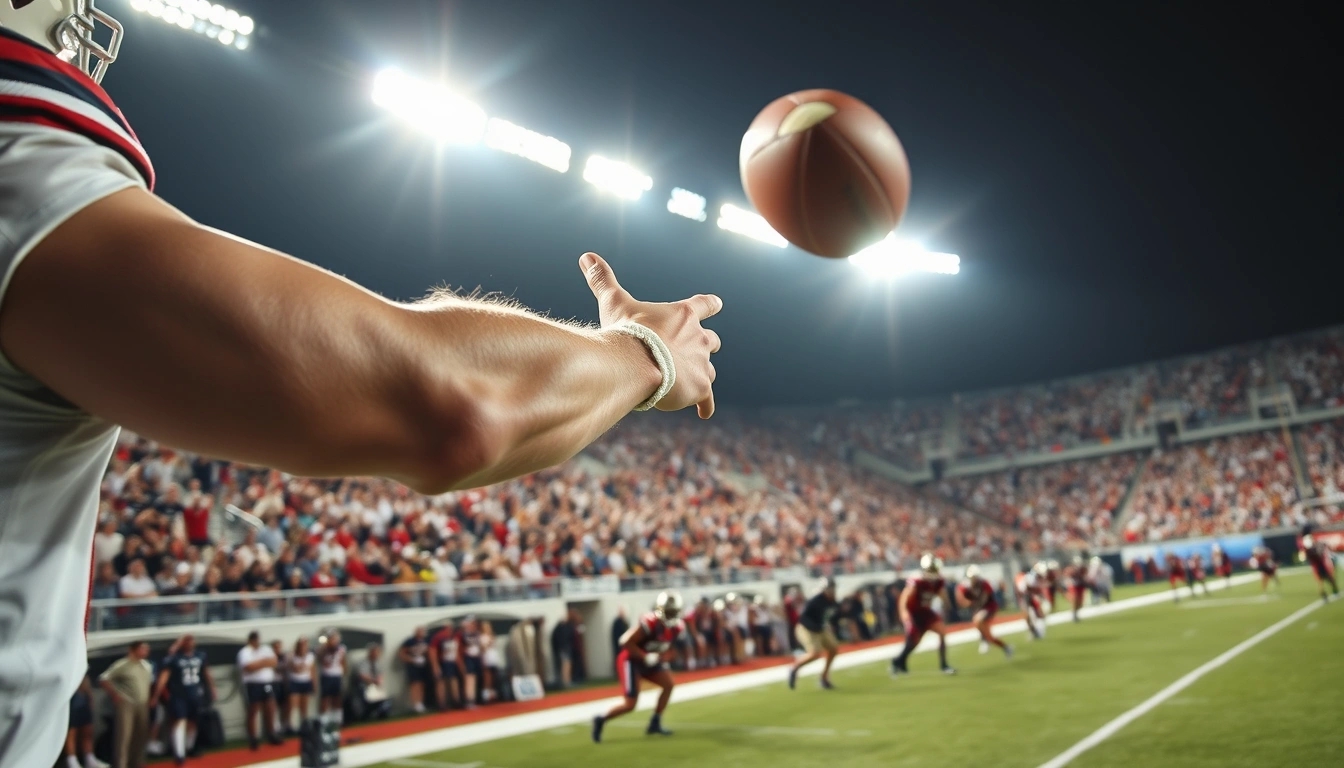
Top Players Known for Their Long Throw Skills
When it comes to football, some players just have that special something — a unique weapon in their arsenal that can turn the tide of a game in seconds. The long throw is one such underrated skill, and a handful of legends and current stars have elevated it from a mere restart to a genuine game-changer.
Let’s be honest, the long throw isn’t just about hurling the ball downfield with brute force. It’s an art form, a blend of technique, timing, and sometimes, sheer physicality. Players who master this skill don’t just throw the ball far; they create chaos in the opponent’s penalty area, almost like a corner kick on steroids. And yes, it’s as fun to watch as it sounds.
| Player | Era | Known For | Memorable Moment |
|---|---|---|---|
| Rory Delap | 2000s | Unbelievably long and accurate throws for Stoke City | Turning Stoke’s throw-ins into near-goal set-pieces in Premier League |
| Andy Legg | 1990s-2000s | Consistent long throws, especially in lower leagues | Helping teams like Cardiff and Swansea with crucial assists |
| Christian Schwegler | 2010s | Precision long throws in the Swiss Super League | Setting up goals from throw-ins with surgical accuracy |
| Stefan Frei | 2010s-Present | MLS goalkeeper known for long throw distribution | Quick counter-attacks launched from his throws for Seattle Sounders |
| Joe Gomez | 2010s-Present | Occasionally surprises with long throw-ins for Liverpool | Adding an unexpected weapon to Liverpool’s set-piece arsenal |
Now, Rory Delap is the poster child for long throws. Watching him in action was like witnessing a catapult launch a missile — the ball would rocket into the box with such velocity and precision, defenders barely had time to blink. Stoke City’s rivals dreaded those throw-ins, and honestly, who could blame them? It was a nightmare to defend against. But it wasn’t just about power. Delap’s throws had this sneaky dip and curve that made them almost impossible to predict.
- Technique: A perfect mix of arm strength and body momentum.
- Timing: Picking the exact moment when the box is crowded but disorganized.
- Targeting: Aiming for the tallest or most agile teammates.
But don’t think this skill is only for the past. Players like Stefan Frei in MLS have taken the long throw into the modern era, using it not just for direct goals but as a launchpad for lightning-fast counterattacks. It’s the kind of unpredictability that keeps defenders on edge. And even some defenders, like Joe Gomez, sneak in a long throw here and there to keep things spicy.
In truth, mastering the long throw is a bit like wielding a secret weapon — it requires dedication and practice, but when executed well, it can be downright devastating. Coaches love it because it adds a new dimension to attacking play without needing a free kick or corner. And fans? Well, they just love the drama it brings.
So next time you see a player lining up for a long throw, pay close attention. You might just be witnessing the start of a goal that changes the entire game.
When to Use the Long Throw: Tactical Timing
Alright, let’s get real about the long throw — that cheeky weapon some teams whip out when they’re either onto a genius plan or just throwing spaghetti at the wall hoping something sticks. It’s not just about hurling the ball as far as humanly possible; there’s a bit of tactical wizardry behind deciding when to unleash this beast. So, when exactly does a long throw make sense, and when is it just a last-ditch, desperate punt that screams “we’re running out of options”?
- Crunch Time Chaos: Picture this — your team is down by a goal, the clock’s ticking mercilessly, and you desperately need a foothold in the opponent’s box. A long throw can be a sneaky way to bypass midfield clutter and drop the ball right into the danger zone. It’s like launching a surprise missile into enemy territory. Not always pretty, but effective when you want to rattle the opposition’s nerves.
- Exploiting Set-Piece Specialists: If you’ve got towering forwards or players who excel in aerial battles, long throws are like handing them a golden ticket. It’s a chance to create chaos inside the box, where headers and flick-ons can turn the tide. Teams often save this tactic for moments when they want to capitalize on their physical advantage.
Now, don’t get me wrong — not every long throw is a stroke of brilliance. Sometimes it’s just plain panic. When a team’s midfield is getting steamrolled or when the clock’s running out, you might see a long throw that looks more like a desperate punt than a calculated move. It’s a gamble, sure, but sometimes you gotta roll the dice.
| Scenario | When to Use Long Throw | Why |
|---|---|---|
| Late-game trailing | Yes | To create immediate pressure and disrupt defensive shape |
| Early possession build-up | No | Better to play short, controlled passes to maintain rhythm |
| Against physically weaker defenses | Yes | Exploit aerial dominance and set-piece prowess |
| When team is under heavy pressure | Sometimes | Can relieve pressure but risks losing possession |
Here’s a little nugget for coaches and fans alike: timing is everything. Too early, and it looks like you’re just throwing the ball away. Too late, and your team might be chasing shadows. The magic lies in reading the game’s pulse — knowing when the opposition’s defense is stretched thin or when your own players are ready to pounce on a high ball.
- Wind and Weather: Oddly enough, external factors play a role. A strong tailwind can turn a decent throw into a missile, while a headwind might kill the distance. Smart teams keep this in mind before deciding to go long.
- Pitch Condition: On soggy or uneven pitches, long throws can be unpredictable, sometimes working in your favor by causing chaos or backfiring when the ball bounces awkwardly.
In summary, the long throw is a bit like that wildcard player — unpredictable, sometimes brilliant, sometimes just plain frustrating. When used with a sprinkle of tactical sense, it can tilt the balance, turning the game on its head. But if you’re just chucking it up because you’re out of ideas? Well, that’s when it’s a desperate punt, and everyone knows it.
So next time you see a long throw, ask yourself: is this a well-timed tactical bomb or just a hopeful lob into the unknown? The answer might just decide the match.
Long Throw vs. Corner Kick: Which Packs More Punch?
Alright, let’s get one thing straight: when it comes to set-pieces in football, the long throw and the corner kick are like two heavyweight contenders duking it out for the title of “Most Chaotic Scoring Opportunity.” Both have their quirks, their moments of brilliance, and their fair share of head-scratching failures. But which one truly turns the tide and rattles the opposition’s cage more? Let’s break it down.
First up, the corner kick. It’s the classic, the go-to, the bread-and-butter of set-piece specialists. You get the ball curled or whipped into the box, a swarm of players leap like salmon trying to land the winning header, and bam! Either a goal or a frantic scramble ensues. The beauty of the corner is its unpredictability — from near-post flick-ons to towering headers at the back post, it’s a buffet of options for the attacking side.
- Advantages: Variety of delivery styles, multiple target zones, and the chance to exploit aerial dominance.
- Downsides: Defenders usually have the aerial advantage, and well-drilled teams often clear their lines efficiently.
Now, the long throw. Often underestimated, this tactic is like a secret weapon that can catch defenses napping. Imagine a throw-in that’s basically a cross between a rocket launcher and a pinpoint pass, hurling the ball straight into the danger zone. It’s less about finesse and more about chaos — the ball drops into a crowded penalty area, and suddenly it’s a free-for-all. The sheer unpredictability can cause defenders to panic, leading to mistakes, fouls, or even goals.
| Aspect | Long Throw | Corner Kick |
|---|---|---|
| Chaos Factor | High – ball drops suddenly, defenders scramble | Moderate – more structured delivery, but can cause confusion |
| Scoring Chances | Often leads to scrappy goals or flick-ons | Better chance for clean headers or volleys |
| Defensive Setup | Harder to predict, disrupts marking schemes | Defenders can organize zonal or man-marking |
| Frequency | Less frequent but impactful | More common and rehearsed |
One thing’s for sure — while corners are rehearsed to death in training, long throws bring a wild card element. Teams like Stoke City in the Premier League famously used Rory Delap’s monstrous long throws to terrorize opponents. It wasn’t pretty football, but boy, was it effective.
On the flip side, corners offer more control and tactical nuance. You can plan runs, block defenders, and tailor the delivery to your team’s strengths. Long throws? They’re more of a gamble, a “let’s see what happens” kind of play. Sometimes it flops, other times it sparks a moment of madness that changes the game.
- Practical Insight: If your team lacks aerial power or set-piece specialists, long throws might be your best bet to create chaos.
- Coaching Tip: Mix it up! Don’t rely solely on corners or long throws. Use both to keep the opposition guessing.
So, which packs more punch? It depends on your style, your squad, and sometimes just plain luck. Corners are the reliable workhorse, while long throws are the unpredictable wild card. Both can win matches, but the long throw definitely brings a special kind of pandemonium that’s hard to replicate.
In the end, football’s beauty lies in these moments of chaos and order clashing — and whether it’s a whipped-in corner or a missile-like throw-in, the goal is the same: to shake the net and send fans into a frenzy.
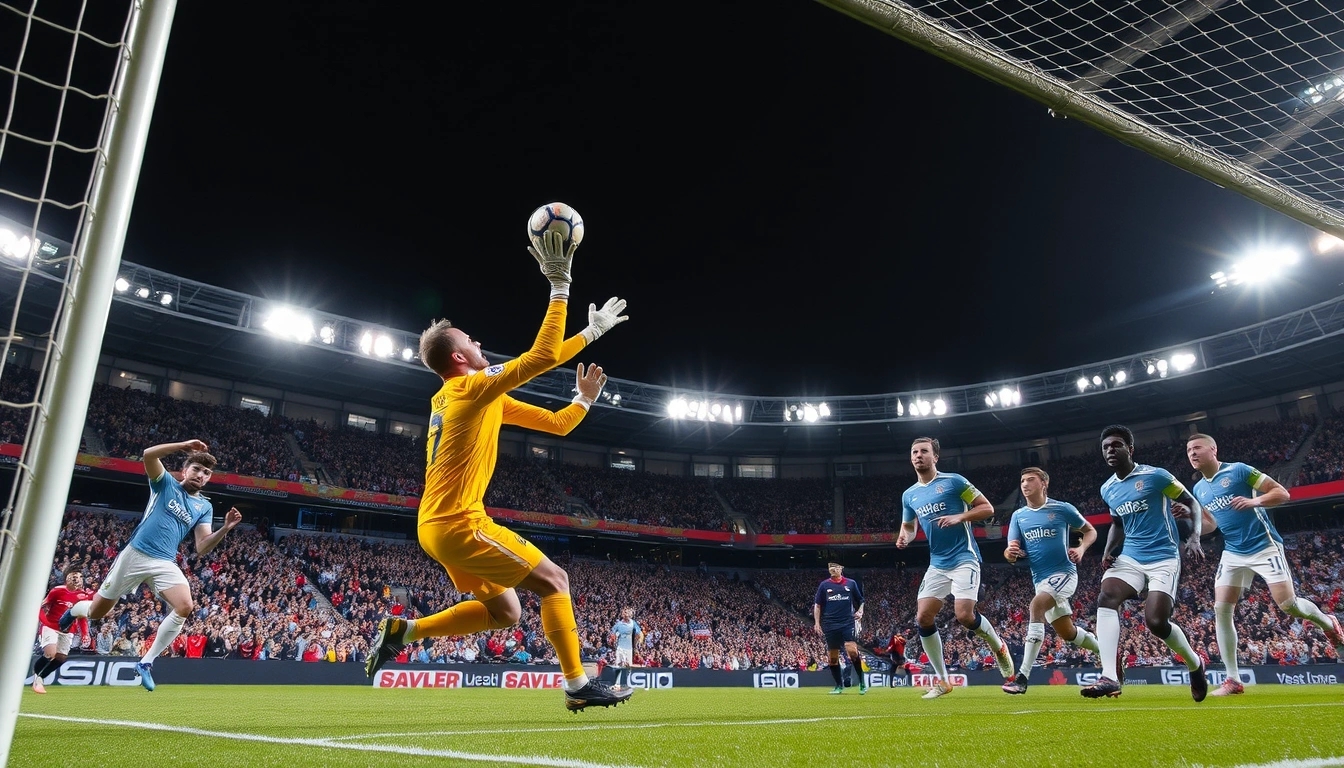
Defending Against the Long Throw: Strategies and Setups
Alright, let’s get real about long throws — those beastly lobbed balls that can turn a calm defense into a chaotic mess in seconds. If you’ve ever been on the receiving end of one, you know the panic it sparks. It’s like, one moment you’re chillin’, the next you’re scrambling to track a missile flying at your box. So how do teams stop this madness before it starts? Here’s the lowdown on defensive tactics to keep those long throws from turning into goal-scoring nightmares.
First off, preparation is everything. You can’t just wing it when the opposition’s long throw specialist steps up to the line. Teams that do usually pay the price. One of the most common setups is to assign dedicated markers to the main aerial threats in the box. This means identifying who’s the tallest, best jumper, or sneakiest header and sticking to them like glue. Forget zonal marking alone — long throws thrive on confusion, so a mix of man-marking and zonal coverage tends to work best.
| Defensive Setup | Pros | Cons |
|---|---|---|
| Man-Mark + Zonal Hybrid | Combines tight marking with area coverage, reducing free headers | Requires high communication and discipline |
| Pure Zonal Marking | Maintains team shape, easier to organize | Players can lose track of attackers, leading to free headers |
| Man-Mark Focus | Neutralizes key aerial threats directly | Can be exploited if markers get pulled out of position |
Another trick? Quick reaction and physicality. Defenders must be ready to jump, push, and box out attackers immediately the ball leaves the thrower’s hands. Hesitation? Forget it. The long throw is a sprint in disguise, and if you blink, you’re toast. Coaches often drill defenders on timing their jumps perfectly — too early and you foul, too late and you concede.
- Positioning is key: Stand between the thrower and your goal, not behind the attacker.
- Communication: Keep shouting to organize the wall of bodies.
- Anticipate second balls: Long throws often drop into loose balls — midfielders and defenders need to be alert.
Now, here’s a curveball — sometimes teams use a goalkeeper sweeper tactic during long throws. The keeper doesn’t just guard the net but also rushes out to punch or catch the ball early, disrupting the attackers’ rhythm. It’s risky but can pay off big time.
And let’s not forget the mental game. Defending a long throw is as much about nerves as it is about skill. Players must keep their cool despite the crowd roaring and bodies crashing. One slip, one missed header, and boom — it’s a goal or a penalty. Coaches often emphasize staying composed and trusting the system.
So yeah, long throws can be a beast, but with the right mix of marking, timing, communication, and a dash of guts, you can tame the monster. Just remember: it’s chaos in a box, and the team that handles the madness best usually walks away with the points.
Quick Defensive Checklist for Long Throws:
- Identify aerial threats and assign markers- Mix man-marking with zonal coverage- Time your jumps to perfection- Communicate constantly- Position smartly (between thrower & goal)- Prepare for second balls- Consider goalkeeper sweeper role- Stay calm under pressure
Long throws might be a nightmare, but nightmares can be beaten — if you’re ready.
Impact of the Long Throw on Modern Football Tactics
In today’s whirlwind world of football, where possession stats and slick passing reign supreme, the long throw might seem like that old dusty trick your granddad swears by. But hold your horses before you write it off as a relic! The long throw has carved out a quirky niche, sometimes overlooked but never truly out of the game. It’s like that unexpected plot twist in a movie—sometimes you see it coming, sometimes it blindsides you, and often it changes everything.
First off, let’s be honest: modern football loves to keep the ball glued to feet, threading passes with surgical precision. So where does a long throw fit in? Well, it’s the ultimate chaos creator. When a team’s rhythm is stifled or the midfield is clogged, a long throw can flip the script in a heartbeat, launching the ball into the box like a missile. Defenders scramble, attackers jostle, and suddenly, the neat possession game turns into a scrappy, high-stakes aerial battle.
- Why coaches still love it: It’s a set-piece weapon that demands minimal build-up but can yield maximum pressure.
- Players’ perspective: For those towering strikers or aggressive midfielders, a long throw is a golden chance to show off their aerial prowess.
- Fans’ reaction: Nothing quite gets the crowd roaring like a sudden, thunderous throw-in that leads to a goal.
| Aspect | Traditional View | Modern Interpretation |
|---|---|---|
| Usage Frequency | Occasional, seen as desperation | Strategic, planned weapon |
| Effectiveness | Low, luck-dependent | High when executed well |
| Team Style Compatibility | Direct, long-ball teams | Fits possession teams in specific scenarios |
Now, don’t get me wrong, it’s not all sunshine and roses. The long throw can be a double-edged sword. If the thrower isn’t accurate or the team isn’t ready to capitalize, it turns into a gift for the opposition—wasted possession and a chance for a counter-attack. Plus, in a game obsessed with fluidity and quick transitions, pausing for a throw-in might feel like hitting the brakes hard.
But here’s a nugget of wisdom: the long throw thrives in unpredictability. It’s that curveball in a game full of predictability. Coaches who integrate it smartly—knowing exactly when to unleash it—can disrupt the opponent’s flow. And that’s gold. It’s not about abandoning possession play but adding a surprise ingredient to the tactical stew.
Practical Insights for Coaches:- Train players to recognize moments when a long throw can catch defenses off guard.- Develop routines where throw-ins are as rehearsed as corners or free kicks.- Use throwers with strong upper body strength and refined technique.- Combine long throws with quick follow-up runs to exploit chaos in the box.
In conclusion, the long throw isn’t just a quaint blast from football’s past. It’s a quirky, sometimes brilliant, tactical tool that refuses to fade quietly. Whether it’s a rising star or an old-timer depends largely on how teams wield it. But one thing’s for sure—when the chips are down and space is tight, that booming throw can still turn the tide and leave everyone scratching their heads wondering, “Where did that come from?”
So, is the long throw a relic or a rising star? Maybe it’s a bit of both—old school charm with a modern twist.
Practical Tips for Coaches to Implement Long Throw Tactics
Alright, so you’re a coach itching to slap that long throw tactic into your team’s arsenal, huh? Well, before you start drilling your players to hurl the ball like Thor’s hammer, let’s pump the brakes for a sec. The long throw isn’t just a flashy stunt; it’s a strategic weapon that, if misused, can turn your squad into a one-trick pony faster than you can say “offside.” Here’s the lowdown on how to get it right without turning your team into a long throw circus.
- Pick the Right Player: Not everyone’s built to launch a 40-yard missile. Look for someone with a blend of upper body strength, technique, and, crucially, accuracy. It’s not about chucking the ball as far as possible—it’s about placing it where your teammates can pounce.
- Train the Technique, Not Just Power: A lot of coaches focus on brute strength, but the secret sauce is in the biomechanics—the run-up, the grip, the flick of the wrist. Incorporate drills that emphasize these elements to make throws consistent and effective.
- Mix It Up: Here’s the golden rule—don’t make your team predictable. Use the long throw only in select scenarios. If every throw-in turns into a bomb, opponents will sniff it out and prepare accordingly.
Now, let’s talk about when to unleash this beast. Long throws shine brightest in tight matches when corners and free-kicks aren’t doing the job. Think late game, desperate for a goal, or when you’re facing a team that struggles with aerial duels. But don’t just blindly lob it every time you get a throw-in near the opponent’s box—that’s a recipe for wasted possession.
| Scenario | When to Use Long Throws | When to Avoid |
|---|---|---|
| Trailing late in the game | Ideal for creating chaos in the box | Don’t overdo it; mix with other tactics |
| Against teams weak in aerial defense | Exploit their vulnerability | Avoid if your thrower lacks accuracy |
| Early possession buildup | Not recommended; looks desperate | Stick to passing and possession |
Another nugget of wisdom: build your set-piece routines around the long throw. It’s not just about tossing the ball in and hoping for a headbutt goal. Train your forwards and midfielders to anticipate the trajectory, timing their runs perfectly. Consider variations—short throw followed by a quick cross, or a near-post flick to catch defenders off guard.
- Defensive Awareness: Remember, committing too many players forward for a long throw can leave you exposed to counterattacks. Always balance aggression with caution.
- Practice Under Pressure: Simulate match conditions in training. Nothing kills a tactic faster than panic or miscommunication when the real deal comes.
- Analyze Opponents: Study teams’ weaknesses and adapt your long throw usage accordingly. Sometimes, the threat alone forces defensive errors.
To wrap it up, the long throw is like that secret sauce—use it sparingly, master the technique, and integrate it smartly into your game plan. Otherwise, you’ll just be known as the coach who loves throwing the ball long but never quite scores. And nobody wants that.
Remember: It’s a weapon, not a crutch. Use it wisely.

Memorable Matches Decided by a Long Throw
Ah, the long throw – often overlooked, sometimes mocked, but when it hits just right, it’s pure magic on the pitch. There’s something about those moments when a player steps up to the sideline, winds up, and launches the ball deep into the opponent’s penalty area that just sends chills down the spine of fans and players alike. Long throws have an uncanny ability to swing the momentum of a game, turning what seems like a routine throw-in into a match-defining moment.
Take, for instance, the famous 2010 English Premier League clash where Rory Delap, Stoke City’s long throw maestro, terrorized defenses all day long. His throws were so lethal that teams practically had to build a mini wall inside the box to defend against them. One of those throws led to a last-minute goal that snatched victory from the jaws of a draw, leaving fans in a frenzy and opponents scratching their heads.
| Match | Player | Outcome | Significance |
|---|---|---|---|
| Stoke City vs. Chelsea, 2010 | Rory Delap | Winning Goal from Long Throw | Turned Stoke into a set-piece nightmare |
| Norwich City vs. Arsenal, 2015 | Russell Martin | Assist Leading to Equalizer | Showcased tactical use of long throws in tight matches |
| Sheffield Wednesday vs. Leeds United, 2018 | Steven Fletcher | Goal from Chaos After Long Throw | Classic derby moment remembered by fans |
But it’s not just about Stoke or Rory Delap. Long throws have popped up in all sorts of leagues and competitions, sometimes as a cheeky last-ditch effort, other times as a carefully rehearsed weapon. Remember Norwich City’s Russell Martin, who used his throws like a sniper’s bullet, setting up goals that left defenders gasping? Or Steven Fletcher’s cheeky long throw that caused absolute chaos in the Leeds derby, ending with a goal that fans still talk about over pints?
- Why do these moments stick? Because they’re unpredictable. Unlike corners or free-kicks, a long throw can come from nowhere, catching defenses flat-footed.
- They create chaos. When the ball sails into a crowded box, it’s like a pinball machine – players bounce off each other, and the ball ricochets unpredictably.
- They’re a psychological weapon. Teams facing a long-throw specialist often get rattled, knowing that any throw can turn into a goal-scoring chance.
Of course, not every long throw leads to glory. Plenty fizzle out or get easily cleared, and some are just desperate punts when the clock’s ticking down. But when it works, oh boy, it’s worth every bit of the fuss. It’s a reminder that football isn’t just about fancy footwork or slick passes – sometimes, brute force and clever tactics combine to deliver unforgettable drama.
Long Throw Drama Checklist:- Player with strong arm and accuracy- Well-timed runs into the box- Teammates ready to pounce on rebounds- Opponents caught off guard- Referee allowing physical play in the box
So next time you see a player lining up for a long throw, don’t scoff. Instead, lean in and watch closely. You might just witness the moment that decides the match, turning a simple throw-in into football folklore.
Frequently Asked Questions (The title must be written in English.)
- What exactly is a long throw in football?
Think of a long throw as a secret weapon, like a quarterback launching a perfect pass downfield. It’s a throw-in taken with such power and distance that it turns into a set-piece opportunity, almost like a corner kick, catching defenses off guard and creating scoring chances.
- How did the long throw tactic become popular?
Originally, throw-ins were just routine restarts, but clever coaches and players realized that with skill and technique, these could become game-changers. Over time, the long throw evolved into a strategic move, gaining fame through players who mastered the art and teams that capitalized on its surprise factor.
- What makes a long throw effective?
It’s not just about hurling the ball far; it’s about precision, timing, and biomechanics. A perfect long throw requires strength, technique, and often a bit of deception to outwit defenders. When executed well, it’s like launching a missile right into the opponent’s penalty box.
- Who are some famous players known for their long throw skills?
Players like Rory Delap have turned the long throw into an art form, making it a feared weapon on the pitch. These specialists have the power and accuracy to transform a simple throw-in into a goal-scoring opportunity, dazzling fans and frustrating opponents alike.
- When should a team use the long throw tactic?
Long throws shine best in tight matches or when a team needs to shake things up. They’re perfect for moments when crossing the ball into the box can create chaos, especially late in the game when every chance counts. But beware—used too often, it can become predictable.
- Is a long throw better than a corner kick?
Both have their perks, but a long throw can be surprisingly more disruptive because it’s less expected and can catch defenses flat-footed. While corners are rehearsed set-pieces, long throws bring an element of surprise, making them a potent alternative.
- How do teams defend against long throws?
Defending long throws requires organization and anticipation. Teams often set up zonal marking or assign players to clear the ball aggressively. It’s like preparing for a storm—you need to be ready to intercept and neutralize the threat before it turns into a goal.
- Does the long throw still fit in modern football tactics?
Absolutely! Even in today’s fast, possession-focused game, the long throw remains a valuable tool. It offers an unpredictable attacking option and can break down stubborn defenses, proving it’s far from being a relic of the past.
- What tips can coaches use to implement long throw tactics?
Coaches should focus on training players in technique and timing, integrating the long throw into set-piece routines, and knowing when to deploy it tactically. Think of it as adding a powerful ace to your deck—use it wisely and watch it pay off.
- Can you share examples of matches decided by a long throw?
There have been countless memorable moments where a long throw changed the game’s outcome. From last-minute goals to turning the tide in critical matches, these throws have delivered drama and excitement, proving their impact on football history.