Alright, let’s get into the nitty-gritty of the low block — a defensive strategy in football that’s all about digging deep and making life miserable for the opposition. At first glance, it might look like a team just “parking the bus,” but trust me, there’s a lot more going on beneath the surface. It’s about sitting back, yes, but with purpose, discipline, and a sprinkle of cunning. So, what’s the deal with this tactic? Why do some coaches swear by it, and why do others roll their eyes? Let’s break it down.
Understanding the Low Block Basics
A low block means a team pulls most of its players back, usually behind the ball, close to their own penalty area. The idea? Clog the space and force opponents to hack their way through a forest of defenders. It’s not just about retreating; it’s about positioning, patience, and teamwork. Opponents get frustrated, passing sideways or taking shots from distance — which often end up in the stands. It’s like building a fortress out of players.
| Key Elements of a Low Block | Description |
|---|---|
| Defensive Depth | Players stay close to their own goal, reducing space behind the defense. |
| Compactness | Minimal gaps between players to prevent through balls. |
| Discipline | Everyone sticks to their role, no fancy moves, just solid positioning. |
Why Teams Opt for the Low Block
You’ll often see teams use the low block when they’re underdogs, protecting a lead, or just trying not to get humiliated by a stronger side. It’s like saying, “Alright, you can have the ball, but good luck getting past us.” It’s a survival tactic, really. Nothing glamorous, but effective.
- Protecting a lead: When the clock’s ticking and you’re ahead, sitting deep can kill the game.
- Against stronger teams: If you can’t outplay them, out-defend them.
- Counterattack setup: So many teams rely on quick breaks after soaking up pressure.
Who Does What in a Low Block?
Every player has a job, and if one guy slacks off, the whole block crumbles. Defenders are the backbone, midfielders are the workhorses, and forwards? They’re either pressing or lurking for that counter.
| Position | Role in Low Block |
|---|---|
| Defenders | Stay tight, close shooting lanes, and clear danger. |
| Midfielders | Track runners, cut passing options, and support defense. |
| Forwards | Press defenders or hang back ready to pounce on counters. |
The Ups and Downs of Using a Low Block
Here’s the kicker: while the low block can frustrate attackers and protect leads, it can also backfire. Sitting deep invites pressure, and if your team can’t clear the ball well, you’re in trouble. Plus, it often means fewer chances going forward — your offense takes a backseat.
- Pros: Frustrates opponents, solid defense, great for protecting leads.
- Cons: Invites pressure, limits attacking opportunities, can be boring for fans.
So next time you see a team camped out near their goal, don’t just think “boring defense.” There’s a method to the madness — a calculated chess game where every move counts.
Understanding the Low Block Basics
So, you’ve heard about the low block in football, right? It’s one of those defensive setups that sounds simple on paper but is way trickier when you see it live. At its core, the low block is all about a team retreating deep into their own half, packing nearly everyone close to the goal. The idea? Clog up the space so the opposing team struggles to find any gaps to exploit. Sounds straightforward, but oh boy, there’s a lot more to it than just “sit back and defend.”
When teams employ a low block, they usually have their defenders lined up tightly, often with midfielders dropping back to help out. Imagine a wall of players all squished together, leaving almost no room for the attackers to breathe. This setup forces the opposition to be patient, to pass sideways and backwards more than forwards, and to get creative in trying to break through. It’s like a giant traffic jam in front of the goal.
- Defensive compactness: Players stay close to each other, reducing gaps.
- Low defensive line: The backline stays near their own penalty area.
- Limited space: Opponents find it tough to get clear shots or through balls.
But here’s the kicker — the low block isn’t just about dropping back and hoping for the best. It requires immense discipline and team cohesion. Everyone must know their role, and one slip-up can open a hole big enough for a striker to slip through. It’s not just about being defensive; it’s about being smart defensively.
| Aspect | What Happens | Why It Matters |
|---|---|---|
| Player Positioning | Close lines, minimal space between players | Reduces passing lanes and shooting opportunities |
| Defensive Line | Set deep near own goal | Makes it harder for attackers to get behind |
| Midfield Support | Midfielders drop back to assist defense | Prevents overloads and cuts passing options |
Now, some might say it’s just “parking the bus” — a term thrown around like confetti when a team plays ultra-defensive. But the low block isn’t just cowardly defense or giving up the game. It’s tactical chess. Teams use it when they want to frustrate the opposition, protect a lead, or simply survive against a stronger side. It’s about absorbing pressure and then springing counter-attacks when the chance arises.
It’s also a bit of a gamble. Sure, it frustrates attackers, but it can also invite relentless pressure. The team with the low block often ends up defending for long spells, which can be mentally and physically draining. If the block cracks even once, it can lead to disastrous consequences.
So next time you see a team sitting deep, don’t just dismiss it as boring defense. There’s a whole lot of strategy, grit, and teamwork behind that low block. It’s a fascinating, frustrating, and sometimes genius way to play the beautiful game.
Why Teams Choose the Low Block Strategy
Alright, let’s get real about the low block. It’s not some fancy, flashy tactic that gets the crowd roaring. Nope, it’s more like that stubborn friend who just refuses to give up, who digs in their heels and says, “Not today, mate!” Teams often resort to the low block when they’re either trying to hold onto a lead or facing a squad that’s just plain stronger. It’s a classic case of defense first, offense… well, maybe later—sometimes way later. And sometimes, it’s just about survival on the pitch.
Imagine you’re up 1-0 in the last 15 minutes. The other team’s throwing everything at you, like a pack of wolves. What do you do? You drop deep, tighten up, and clog every avenue they might try to sneak through. That’s the low block in action. It’s not sexy, but boy, can it be effective. It’s like parking a bus in front of your goal, but with a bit more strategy and less chaos.
| Reasons Teams Opt for the Low Block | What It Means on the Pitch |
|---|---|
| Protecting a Narrow Lead | Players sit deep, focusing on blocking shots and intercepting passes. |
| Facing Superior Opposition | Concede possession but stay compact to frustrate attackers. |
| Playing for a Draw or Survival | Defensive mindset dominates; risk-taking minimized. |
Now, let’s not sugarcoat it — the low block ain’t all sunshine and rainbows. While it can frustrate the opposition to no end, it also means your own team might struggle to create chances. You’re basically saying, “You can have the ball, but good luck scoring.” It’s a bit like inviting someone over and then locking all the cupboards. Not exactly the most welcoming approach.
- Defense First: The team prioritizes keeping the ball out of their net.
- Counterattack Later: When the opportunity arises, quick breaks are launched.
- Survival Mode: Sometimes, it’s just about not losing rather than winning.
And here’s the kicker — the low block requires some serious discipline. Players have to be glued to their positions, communicate like mad, and keep their heads cool under pressure. One slip-up, one lazy run forward, and the whole thing can collapse faster than you can say “offside.”
Is it boring to watch? Maybe. But for coaches, it’s a tactical chess move. It’s about reading the game, managing risk, and squeezing every drop of grit out of the squad. So next time you see a team sitting deep and soaking up pressure, remember: it’s not just cowardice. It’s a calculated gamble, a defensive fortress built to protect something precious.
Quick Insight: Teams like Atletico Madrid under Diego Simeone have turned the low block into an art form. They don’t just sit deep; they spring lethal counters and make the opposition pay dearly for every inch gained.
In the end, whether you love it or hate it, the low block remains a vital tool in football’s tactical toolbox. It’s messy, it’s gritty, and sometimes, it’s exactly what a team needs to get the job done.
Key Players’ Roles in a Low Block
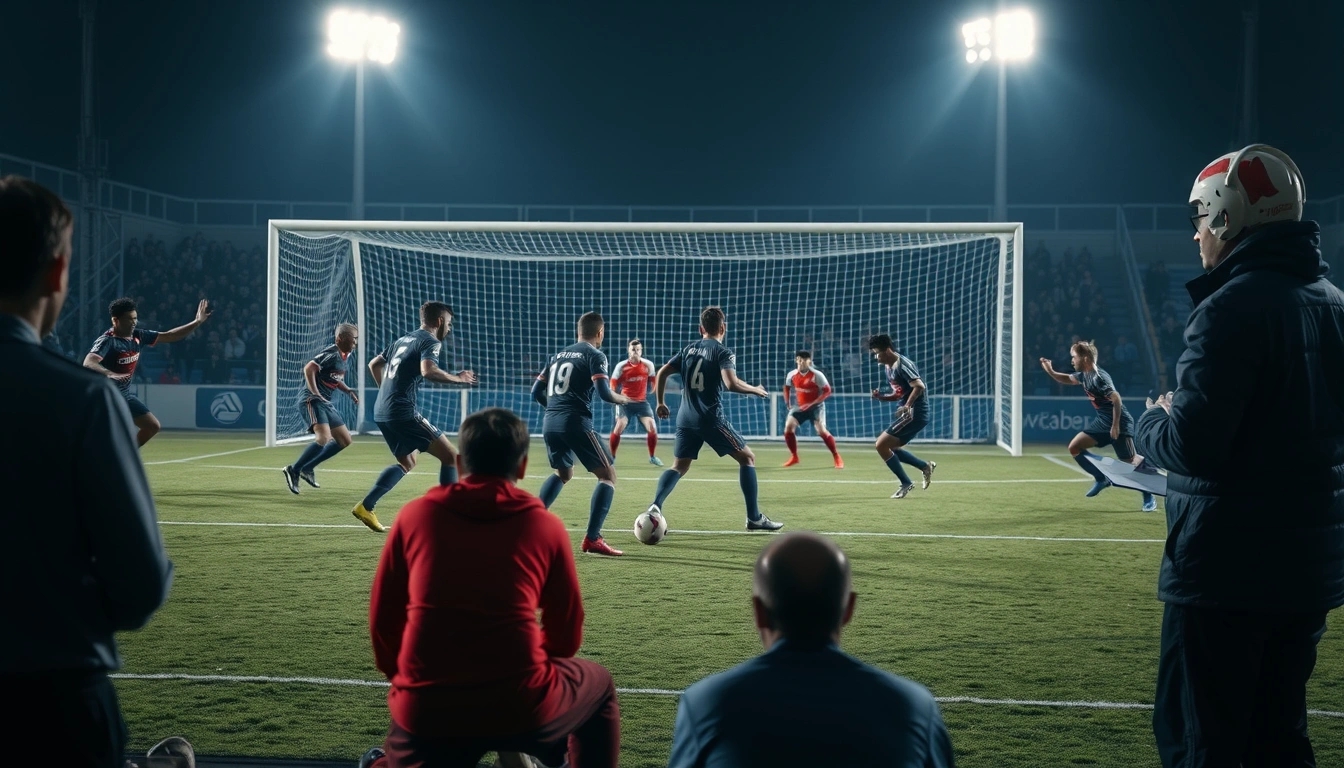
Alright, so the low block isn’t just some random shuffle of players hanging around the penalty box hoping for the best. Nope, every single player knows exactly what they’re supposed to be doing — it’s like a well-rehearsed play, but with sweat, grit, and a lot of running. If even one player slacks off or loses focus, the whole thing can crumble faster than a cookie in a toddler’s hand.
Defenders are the backbone here. They’re the ones holding the line, literally and figuratively. Their job? Stay tight, compact, and make sure there’s no space for the attacking team to sneak through. Think of them as the gatekeepers of the fortress, blocking shooting lanes, cutting off passes, and generally being a massive pain in the opposition’s backside. But it’s not just about brute strength — positioning is everything. One wrong step, and suddenly you’ve got attackers breathing down your neck. Concentration and discipline are non-negotiable. They need to read the game like a book and anticipate where the danger’s coming from before it even shows up.
| Player Role | Main Responsibilities | Key Skills Needed |
|---|---|---|
| Defenders | Maintain compact shape, block shots, close gaps | Positioning, concentration, physicality |
| Midfielders | Track runners, cut passing lanes, support defense | Stamina, awareness, tackling |
| Forwards | Press defenders, stay ready for counters | Speed, anticipation, work rate |
Now, midfielders — oh boy, these guys are the unsung heroes of the low block. They’re basically the glue holding the whole thing together. Their role? Track back like their life depends on it (because sometimes, well, it kinda does). They have to constantly shadow the opposition’s runners, cut off those sneaky passes between the lines, and help out the defenders when things get hairy. Without midfielders putting in that relentless work rate, the low block turns into Swiss cheese — full of holes and easy to poke through.
Then you have the forwards. It might seem like they’re just hanging around, waiting for a chance to break forward, but no, they’ve got a crucial job too. When the team’s sitting deep, forwards often have to press the opposing defenders to disrupt their build-up play. Or, they stand ready to launch lightning-fast counterattacks the moment the ball is won. It’s a tricky balance — pressing enough to annoy the opposition but not so much that they get caught out of position.
- Coordination is key: If defenders push up too early, midfielders get exposed.
- Communication is king: Players must constantly talk to each other, reminding who marks whom or when to step out.
- Fitness matters: Running back, pressing, and holding the line takes serious stamina.
So yeah, the low block isn’t just about “parking the bus” and hoping for a miracle. It’s a complex, demanding system where every player’s role is vital. Screw up the timing or lose focus for a second, and the whole tactic falls apart like a house of cards. But get it right? You frustrate your opponents, frustrate the crowd, and sometimes, just sometimes, you snatch that precious point or win.
In short, the low block is a team effort through and through — a defensive dance where every player knows their steps, and the rhythm has to be just right.
Defenders: The Last Line of Defense
Alright, let’s get real about defenders in a low block setup — these guys aren’t just standing around looking tough; they’re the backbone of the whole operation. When a team drops deep and sets up a low block, defenders become the fortress walls, the gatekeepers, and honestly, sometimes the last people standing before disaster strikes. Their job? Stay tight, stay alert, and make life miserable for attackers.
First off, compactness is their mantra. Defenders huddle close together, almost like a pack of wolves, closing down every little crack or crevice an opponent might try to sneak through. This isn’t just about being physically close, but also about maintaining shape — if one guy steps out of line, the whole defense can get stretched and torn apart. It’s a bit like a finely tuned machine; one loose cog and everything falls apart.
- Closing gaps: This is crucial. Defenders must constantly identify and shrink the spaces attackers want to exploit. It’s not rocket science, but it sure feels like it when you’re under pressure.
- Blocking shooting lanes: Ever noticed how defenders sometimes throw their bodies in front of shots? That’s no accident. They have to anticipate where the ball might go and position themselves to block those dangerous shots.
- Communication: Shouting, pointing, and sometimes even gesturing wildly — defenders need to be vocal. If someone’s out of position, a quick warning can save the day.
| Defensive Task | What It Means | Why It Matters |
|---|---|---|
| Compactness | Keeping the defensive line tight and close | Limits space for attackers to exploit |
| Gap Control | Closing spaces between defenders and midfielders | Prevents through balls and easy passes |
| Blocking Shooting Lanes | Positioning bodies to prevent clear shots | Reduces the number of dangerous chances |
| Concentration & Discipline | Staying focused, avoiding rash tackles or fouls | Maintains the defensive shape and avoids penalties |
Now, here’s the kicker — this role demands mental toughness. Defenders in a low block can’t afford to switch off for even a second. One lapse in concentration, one missed mark, and boom, the whole low block crumbles like a house of cards. It’s exhausting, both physically and mentally. You’re basically saying, “Hey, attackers, come at us if you dare,” while bracing for impact.
And don’t get me started on discipline. It’s tempting to dive in for a flashy tackle or try to intercept a risky pass, but in a low block, reckless challenges can be suicidal. Defenders have to pick their moments carefully, often opting to hold their ground and funnel attackers into less dangerous areas rather than going all out.
In short, defenders in a low block are like chess players, always thinking two moves ahead, positioning themselves not just to defend but to set up the team’s next counterattack. It’s a tough gig, but when done right, it’s poetry in motion — a wall that’s almost impossible to breach.
So next time you see a team parked deep, give a nod to those defenders. They’re grinding away in the trenches, making sure the scoreboard doesn’t flip against their side. Not the flashiest role, maybe, but absolutely vital.
Midfielders: The Unsung Heroes
When it comes to the low block, midfielders are often the silent warriors who make or break the entire defensive setup. You might hear commentators rave about defenders or forwards, but midfielders? They’re the ones slogging through the mud, chasing shadows, and plugging gaps nobody else wants to touch. They don’t just stand around looking pretty—they track back relentlessly, cut off passing lanes like a hawk, and provide that vital extra layer of protection for the backline.
Think about it: a low block is all about compactness and denying space. Midfielders have to be everywhere at once—sniffing out danger, intercepting passes, and sometimes even doubling up on wingers or strikers who sneak past the first line of defense. Without their relentless work rate, the defensive block quickly becomes a sieve, and let’s be honest, no coach wants their team’s defense leaking like a rusty faucet.
- Relentless Tracking: Midfielders don’t just jog back; they sprint, slide, and hustle, often covering more ground than anyone else on the pitch.
- Cutting Passing Lanes: Their awareness is crucial. Spotting a through ball or a quick switch before it happens means the difference between a blocked attack and a goal conceded.
- Supporting Defenders: When defenders are under pressure, midfielders step in to double-team or clear danger, acting as a safety net.
Now, it’s not all glamorous. Midfielders in a low block often look like they’re playing a never-ending game of whack-a-mole—popping up everywhere to stop attacks in their tracks. This constant hustle can be exhausting, both physically and mentally. And if they lose concentration for even a second? Bam! The opposition slices through the block like a hot knife through butter.
| Key Midfielder Tasks | Why It Matters |
|---|---|
| Closing down space quickly | Prevents opponents from settling and crafting dangerous plays |
| Interceptions and tackles | Stops attacks before they develop and regains possession |
| Communication with defenders | Ensures the defensive line stays organized and compact |
And here’s a kicker: midfielders also have to think offensively, even in a low block. It’s not just about defense. They’re the first line of launching counterattacks, spotting that one quick pass to a forward who’s ready to break free. So while they’re busy shutting down attacks, they’re also plotting the next move, balancing defense and offense like tightrope walkers.
In short, without midfielders grinding away in the trenches, the low block would be about as effective as a chocolate teapot. They’re the unsung heroes, the engine room, the glue holding the defensive puzzle together. So next time you see a team sitting deep and frustrating their opponents, tip your hat to those midfielders busting a gut just to keep the fortress intact.
Practical Insight: If you’re coaching or playing in a low block system, emphasize stamina and positioning drills for your midfielders. Their ability to read the game and maintain focus under pressure can make the difference between a clean sheet and a nightmare.
Remember: The low block isn’t just about defenders standing tall—it’s midfielders doing the dirty work that nobody notices but everyone depends on.
Pros and Cons of Using a Low Block
Alright, let’s cut to the chase. The low block—it’s like that stubborn friend who just won’t budge, sitting deep in their own half, daring the opposition to break through. On one hand, it’s a fantastic defensive shield, frustrating attackers to no end. But on the flip side? Well, it can sometimes feel like you’re just inviting pressure and shooting yourself in the foot by limiting your own attacking opportunities. Yeah, it’s a real double-edged sword, and coaches often find themselves scratching their heads over whether to stick with it or not.
- Why the low block works: When you’re protecting a lead or facing a stronger side, sitting deep can clog up the pitch. It’s like parking a bus in front of your goal—except, hopefully, a bit more organized than that cliché suggests. The low block forces opponents to take shots from distance, try tight angles, or get creative in ways they might not want to. It’s frustrating and often tires the attacking team out.
- What’s the catch? Well, by sitting so deep, you’re basically conceding possession and territory. This can lead to relentless pressure, with the ball constantly ping-ponging around your box. And if your team isn’t disciplined or physically up for the task, cracks will appear. Plus, your own attacking chances can be few and far between, making it tough to score or even build momentum.
| Pros | Cons |
|---|---|
| Protects leads effectively | Invites sustained pressure |
| Frustrates and tires attackers | Limits your own attacking options |
| Organizes defensive shape tightly | Risk of defensive lapses under constant attack |
| Allows quick counter-attacks | Can be perceived as negative football |
Now, not every coach is a fan, and some downright despise the low block because it feels like playing not to lose rather than playing to win. But hey, in football, sometimes survival is the name of the game. The low block demands immense discipline, team coordination, and a lot of patience. If your midfielders and defenders aren’t tracking runners or closing down space, the whole system falls apart faster than a dodgy IKEA shelf.
Here’s a quick rundown of what you need to nail for a successful low block:
- Compactness: Players must stay close together, denying gaps.
- Communication: Everyone needs to know their role and adjust on the fly.
- Physicality: It’s tiring work, so stamina is key.
- Counter-attack readiness: Since you’re sitting back, you better be ready to hit fast when the chance arises.
In the end, the low block is a tactical gamble. It’s like playing chess but with 22 moving pieces on a muddy pitch. It can frustrate the hell out of attackers and save you precious points, but it also risks turning your team into a sitting duck, waiting to get picked apart. Coaches wrestle with this every matchday, trying to find that sweet spot between defense and attack.
So next time you see a team parked deep, don’t just scoff at “parking the bus” — there’s a lot more going on beneath the surface. It’s a gritty, tactical battle that can make or break games. Just remember, it’s not for the faint-hearted or the impatient.
Famous Teams Who Mastered the Low Block
Alright, let’s talk about the low block and those legendary squads who turned this defensive setup into a masterpiece of football strategy. When you hear names like Jose Mourinho’s Inter Milan or Diego Simeone’s Atletico Madrid, it’s impossible not to think about steel walls, stubborn resistance, and tactical genius all rolled into one.
Take Mourinho’s Inter Milan in the 2009-2010 season. That team wasn’t just good at defending; they made the low block look like an art form. Dropping deep, compact, and incredibly disciplined, they absorbed pressure like a sponge and then hit you on the break with deadly efficiency. It wasn’t just luck or brute force — it was a meticulously crafted system where every player knew their role down to the last detail.
- Defenders stayed tight, blocking every possible passing lane.
- Midfielders worked tirelessly to track runners and support the backline.
- Forwards waited patiently, ready to launch counterattacks at a moment’s notice.
And then there’s Atletico Madrid under Simeone. If Mourinho’s Inter was a fortress, Simeone’s Atletico is a snarling beast. They don’t just sit back; they press, they harass, and when they drop into the low block, it’s with an intensity that makes opponents want to scream. Simeone’s teams have this gritty, never-say-die attitude that’s as much psychological warfare as it is tactical. Opponents often find themselves banging their heads against a brick wall — a wall that’s perfectly organized and ready to pounce on any mistake.
| Aspect | Inter Milan (Mourinho) | Atletico Madrid (Simeone) |
|---|---|---|
| Defensive Shape | Compact 4-3-3, tight lines, minimal gaps | Rigid 4-4-2, aggressive pressing before dropping deep |
| Counterattack Style | Quick, clinical, exploiting wide spaces | Direct, physical, relying on quick transitions |
| Psychological Approach | Calm, calculated, patient | Intense, relentless, intimidating |
| Key Players | Lucio, Maicon, Sneijder, Milito | Godin, Koke, Saúl, Griezmann |
But wait, it’s not just these two. You can’t forget about the likes of Antonio Conte’s Chelsea or Marcelo Bielsa’s Leeds (though Bielsa’s style is more high pressing, he’s also used the low block tactically). Even Claudio Ranieri’s Leicester City in their miraculous 2015-16 Premier League season used elements of the low block—deep defensive lines, compact midfield—that confounded some of the best attacking teams in Europe.
Why does the low block work so well for these teams? It’s about discipline, organization, and a bit of mental toughness. It’s not just sitting back and hoping for the best. It’s a deliberate tactic designed to frustrate opponents, force errors, and then strike when the time is right. And let’s be honest, when you’re up against a team that’s pressing hard and creating chances, sometimes the best defense is to dig in and make life hell for the attackers.
- Key takeaway: Mastering the low block requires every player to be on the same page.
- Coordination and communication are non-negotiable.
- It’s a test of mental stamina as much as physical endurance.
So next time you watch a game where a team looks like they’re just “parking the bus,” remember — there’s a lot more going on beneath the surface. The low block isn’t just defense; it’s a carefully crafted strategy that’s won trophies and made legends out of managers and players alike.
Common Misconceptions About the Low Block
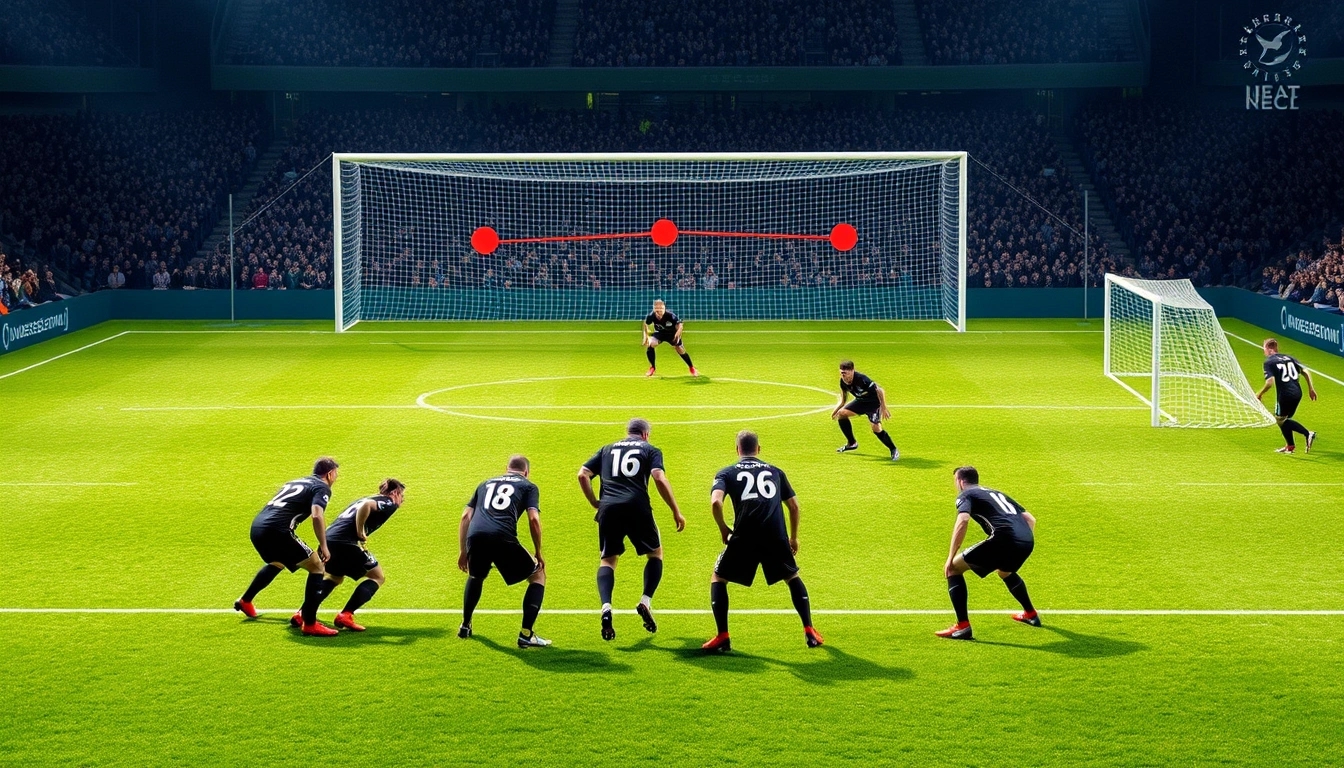
Alright, let’s get one thing straight right off the bat: the low block is not just about “parking the bus” or some cowardly, all-defence-no-attack nonsense. That’s a lazy take you hear way too often, especially from fans who love the flashy, end-to-end stuff. But the low block? It’s a whole different beast — tactical, disciplined, and, frankly, a bit underrated.
First off, people tend to think teams using the low block are just scared. Nope. It’s not about fear; it’s about strategy. When a team drops back deep, they’re not throwing in the towel. They’re setting up a fortress, making the opposition work for every inch. It’s like saying, “You want to break us down? Good luck, mate.” And it’s exhausting for the attacking team who has to constantly probe and pass through a well-organized wall.
| Misconception | Reality |
|---|---|
| Low block Defensive Cowardice | Low block Tactical Discipline and Patience |
| Teams just sit back and do nothing | Teams actively control space and wait for the right moment to counter |
| Low block kills attacking chances | It limits chances but creates smart counterattack opportunities |
Another myth is that the low block is some boring, negative football style. Sure, it’s not exactly a highlight reel of dazzling dribbles or slick passing, but calling it boring is missing the point. Think about it: the low block demands incredible focus and teamwork. Players have to be in sync, constantly shifting, communicating, and anticipating. It’s like a chess match played at 100 mph.
- Positioning: Players must hold their shape perfectly, no drifting out of line.
- Timing: Knowing when to press and when to drop back is crucial.
- Stamina: Running, tracking back, and staying alert for 90 minutes isn’t easy.
If you think the low block is just about “defending deep,” you’re missing the subtlety. It’s also about controlling the tempo and daring the opposition to make mistakes. That’s why some of the best managers, like Diego Simeone or Jose Mourinho, swear by it. It’s a way to level the playing field against technically superior teams.
“Low block isn’t about sitting back; it’s about sitting smart.”
In the end, the low block isn’t a cop-out; it’s a calculated gamble. Yes, it can frustrate fans craving goals, but it’s a crucial tactic in football’s tactical toolbox. So next time you see a team drop deep, don’t just moan about boring football — appreciate the cunning and effort behind it. It’s football’s equivalent of a well-played defensive masterpiece.
parking the bus
— a phrase that’s thrown around so much in football circles, you’d think it’s some kind of vehicular traffic violation rather than a defensive tactic. But no, it’s that infamous strategy where a team basically says, “Nah, we’re not gonna attack much, just gonna stick everyone behind the ball and hope for the best.” Sounds simple, right? Well, not quite. Let’s break it down, warts and all.
First off, what does parking the bus really mean? Imagine a team dropping so deep in their own half that it looks like they’re about to set up camp. Defenders, midfielders, even forwards all huddled near their own goal, blocking every possible route to scoring. It’s like they’re building a fortress, and the opposition is left banging their heads against a brick wall. The idea is to frustrate the attacking side, kill their momentum, and maybe nick a counterattack if the stars align.
- Why do teams do this? Usually, it’s about damage control. Protecting a lead, facing a superior opponent, or simply trying not to get embarrassed. Sometimes, it’s tactical genius. Other times, it’s just plain dull.
- Is it cowardly? Oh, the debates! Critics love to call it “negative football” or “anti-football,” but those who’ve tried it know it requires serious discipline and organization. It’s not just parking and praying; it’s a calculated gamble.
| Pros | Cons |
|---|---|
| Shuts down dangerous attacks | Limits own attacking chances |
| Protects narrow leads | Can frustrate fans and players |
| Forces opponents to take low-percentage shots | Invites sustained pressure |
Now, let’s get real — parking the bus isn’t for the faint-hearted. It demands every player to be glued to their defensive duties, tracking runners, blocking passing lanes, and staying alert. One slip, and the whole plan crumbles like a house of cards. Plus, it’s exhausting. Constantly defending, staying compact, and ready to spring a counterattack is no walk in the park.
Here’s a quick rundown of how teams set it up:
- Defenders form a tight line just in front of the goalkeeper- Midfielders drop deep to support, often doubling up on opponents- Forwards either press aggressively or hang back to catch counters
Famous managers like Jose Mourinho and Diego Simeone have made parking the bus almost an art form. Simeone’s Atletico Madrid, for instance, is notorious for their rock-solid defense, making life miserable for even the most creative attackers. But hey, even the best get criticized for it. Fans sometimes groan, “Here we go again, parking the bus,” as if the beautiful game just turned into a snooze fest.
Common misconceptions? Yeah, plenty. It’s not just about sitting back and hoping. Timing is key. Knowing when to press, when to hold, and how to transition quickly can turn this defensive setup into a lethal weapon. But let’s be honest, it’s a gamble — if the opponent cracks you open, it’s gonna hurt.
So next time you hear “parking the bus,” don’t just roll your eyes. Appreciate the tactical chess match happening on the pitch. It might not be flashy, but it’s football’s version of a stubborn mule — hard to budge and sometimes, just sometimes, brilliant in its own stubborn way.
or cowardly defense, the low block requires tactical brains and stamina. It’s more than just sitting back; it’s about smart positioning and timing.
What Is a Low Block in Football? Beginner Breakdown
Alright, so you’ve probably heard the term “low block” thrown around by commentators or football fans, right? But what on earth does it actually mean? In the simplest terms, a low block is a defensive setup where a team basically sits deep, close to their own goal, making it super tough for the opponents to break through. Sounds like just parking the bus? Well, not exactly — there’s a bit more finesse involved than just “defense, defense, defense.”
Understanding the Low Block Basics
Imagine your entire team dropping back, almost like a wall, with very little space between defenders and midfielders. The goal? To clog up the areas attackers usually exploit. It’s like trying to stop a swarm of bees by standing in the middle of them — you want to be tight, compact, and ready to react.
- Defensive Line: Very deep, close to the penalty box.
- Midfielders: Sitting just ahead, cutting passing lanes.
- Forwards: Either pressing high or lurking for quick counterattacks.
This isn’t just about sitting back and hoping for the best. It’s a tactical chess game.
Why Teams Choose the Low Block Strategy
Teams often pull out the low block card when they’re up against a stronger side or trying to protect a slim lead. It’s like saying, “Okay, you can have the ball, but good luck getting past us.” You’ll see this a lot in high-stakes games where survival trumps style.
| Situation | Why Low Block? |
|---|---|
| Protecting a lead | Minimize risk and frustrate attackers |
| Facing superior opponents | Defend deep and wait for counterattack chances |
| Playing away | Keep compact shape, absorb pressure |
Key Players’ Roles in a Low Block
Every player has a job that’s crucial. Defenders act as the last line, midfielders are the engine tracking runners and intercepting passes, and forwards either press or stay ready for a lightning-fast counter. If one guy’s lazy or out of position, the whole block cracks like a bad foundation.
- Defenders: Stay tight, block shooting lanes, and communicate constantly.
- Midfielders: Relentlessly track back, cut passing lanes, and support the defense.
- Forwards: Press when needed or hold position for counters.
Pros and Cons of Using a Low Block
Let’s be honest, the low block isn’t everyone’s cup of tea. It’s brilliant at frustrating opponents and protecting a lead, but it also means you’re inviting pressure and might struggle to create your own chances.
| Pros | Cons |
|---|---|
| Frustrates attackers | Limits attacking opportunities |
| Protects leads effectively | Can lead to constant pressure |
| Encourages teamwork and discipline | Requires high stamina and concentration |
Famous Teams Who Mastered the Low Block
You can’t talk low blocks without mentioning Jose Mourinho’s Inter Milan during the 2010 Champions League or Diego Simeone’s Atletico Madrid. These teams made it an art form. They didn’t just sit back—they waited, absorbed, and then struck like a cobra. It’s a tactic that demands patience and brutal discipline.
Common Misconceptions About the Low Block
Here’s the kicker: it’s not just “parking the bus” or cowardly defense. It’s a tactical masterpiece requiring brains, stamina, and perfect timing. Sitting back aimlessly? Nah, this is about smart positioning and knowing exactly when to pounce.
How to Spot a Low Block During a Match
If you want to impress your mates next time, watch for these signs:
- Defensive lines sitting deep near their own box
- Players packed closely together, leaving little space behind
- Few risky forward runs by defenders or midfielders
Recognizing these can turn you from casual viewer to tactical guru.
So yeah, the low block might look boring at first glance, but it’s a fascinating defensive strategy full of nuance. Next time you see a team doing it, remember — it’s not just about sitting back, it’s about outsmarting the opponent with patience and grit.
How to Spot a Low Block During a Match
If you’ve ever sat watching a football match and wondered why one team seems to be camped out in their own half like they’re afraid of the opposition, chances are you’re witnessing a low block in action. Now, spotting this defensive setup isn’t rocket science, but it does take a bit of an eye and understanding of what’s going on tactically. So, let’s break it down — no jargon, just the real deal.
First off, the defensive line is your biggest giveaway. In a low block, defenders aren’t pushing up the pitch; instead, they’re parked deep, often within 30 yards of their own goal. You’ll notice them forming a compact wall, almost like a brick fortress, leaving very little breathing room behind them. This means the space behind the defenders — that golden spot attackers dream of — is practically non-existent. It’s like trying to sneak past a sleeping dragon without waking it.
- Defensive Lines: Look for defenders staying close to their penalty area, not venturing far forward.
- Compactness: Players bunch up tightly, reducing gaps between themselves.
- Minimal Space Behind: No big runs behind the defense, making through balls hard to come by.
Now, it’s not just about the defenders. Midfielders and even forwards play a part in this tight-knit setup. They often drop back to clog the spaces between the lines, making it a nightmare for the attacking team to find openings. The midfielders act like glue, sticking close to opponents and cutting off easy passing lanes. You might even see forwards tracking back more than usual — yes, those guys who are supposed to be scoring are suddenly doing the dirty work.
| Player Role | What to Watch For |
|---|---|
| Defenders | Deep positioning, tight marking, blocking shooting lanes |
| Midfielders | Dropping back, intercepting passes, supporting defense |
| Forwards | Pressing defenders, tracking back, ready for counterattacks |
One quirky thing about spotting a low block — it can sometimes look like a team is just “parking the bus” and being boring. But don’t be fooled! It’s a highly organized and strategic approach, not just a lazy defense. The spacing between players is tight, but it’s precise, almost surgical. They’re daring the opposition to find a needle in a haystack.
In fact, if you’re trying to get a better grip on the tactical battles happening on the pitch, recognizing a low block is a great start. It tells you a lot about the game’s flow — who’s defending, who’s attacking, and where the real pressure points are. Next time you watch a match, keep an eye on how the defending team arranges themselves. Are they crowding their own half? Are the spaces between players tiny? Is there little to no room behind the defensive line? If yes, congratulations, you just spotted a low block!
Quick Low Block Checklist:- Defensive line deep near penalty box- Players close together, minimal gaps- Midfielders and forwards dropping back- Little to no space behind defenders- Opposition forced to slow down attacks or try risky passes
So, next time you’re shouting at the TV about how “boring” a team’s defending is, remember — there’s a method to this madness. The low block might not be flashy, but it’s a masterclass in patience, discipline, and tactical nous. And spotting it? Well, now you’re one step closer to thinking like a coach rather than just a fan yelling at the screen.
Frequently Asked Questions
- What exactly is a low block in football?
Think of a low block as a fortress built near your own goal. It’s a defensive setup where most players stay deep, minimizing space and making it tough for opponents to break through. It’s not just parking the bus; it’s about smart, coordinated defense that frustrates attackers and protects your team.
- Why do teams use the low block strategy?
Teams often resort to the low block when they want to protect a lead or face a stronger opponent. It’s like hunkering down during a storm—defense first, then striking back on the counterattack. It’s a survival tactic that demands patience and discipline.
- Who plays the most crucial roles in a low block?
Every player matters, but defenders and midfielders are the backbone. Defenders keep the line tight and block shooting lanes, while midfielders track runners and cut off passing options. Forwards usually stay ready to launch quick counterattacks. It’s a team effort where coordination is key.
- What are the main advantages of using a low block?
The low block frustrates opponents by limiting their space and chances, making it ideal for protecting leads. It forces attackers to work harder and can create opportunities for quick counters. It’s like a well-placed trap that turns defense into offense.
- Are there any downsides to playing a low block?
Absolutely. While it’s great defensively, the low block can invite relentless pressure and reduce your team’s attacking opportunities. It’s a bit like sitting in your shell—safe but sometimes passive. Coaches have to balance defense with the risk of losing momentum.
- Can you name some teams famous for mastering the low block?
Sure! Jose Mourinho’s Inter Milan and Diego Simeone’s Atletico Madrid are prime examples. These teams turned the low block into an art form, combining tactical discipline with fierce determination to shut down top opponents.
- Is the low block just a defensive parking-the-bus tactic?
Not at all. It’s often misunderstood as cowardly defense, but the low block requires sharp tactical awareness, stamina, and timing. It’s more like a chess game—positioning players smartly to control the flow and strike when the moment is right.
- How can I spot a low block during a live match?
Look for a deep defensive line, tight spacing between players, and very little room behind the defenders. If the opposing team is forced to pass sideways or take long shots, chances are a low block is in play. It’s a fascinating defensive puzzle to watch unfold.