Ah, the Number 10—the shirt that carries a mystique all its own in the world of football. It’s not just a number on the back of a jersey; it’s a symbol, a badge of honor, and often the spark that ignites a team’s attacking flair. But what exactly makes the Number 10 so special? Why do fans, pundits, and players alike whisper about the magic that this role supposedly holds? Let’s break it down—warts and all.
First off, the Number 10 is often seen as the creative heartbeat of a team. This player is the one who pulls the strings, the magician who conjures up chances out of thin air. They’re usually positioned just behind the striker(s), acting as the link between midfield and attack. But don’t be fooled into thinking it’s all about flashy tricks and nutmegs; the Number 10 is also a tactician, reading the game, finding space where none seems to exist, and threading passes that make defenders look silly.
- Creativity: The Number 10 thrives on vision and imagination, often setting the tempo of the game.
- Playmaking: They’re the chief architects, crafting goal-scoring opportunities for teammates.
- Goal Threat: While not always the main striker, a Number 10 must chip in with goals.
- Responsibility: They carry the burden of expectation, often being the player fans look to when the team’s stuck.
| Attribute | Description |
|---|---|
| Vision | Ability to spot runs and passes others miss |
| Technical Skill | Excellent ball control, dribbling, and passing accuracy |
| Creativity | Inventiveness in tight spaces and under pressure |
| Composure | Staying calm to make the right decision in crucial moments |
Now, let’s get real for a moment. The Number 10 role isn’t some fairy tale position handed out to anyone with fancy footwork. It’s tough as nails. The player must constantly dodge markers, take on defensive duties when needed, and handle the immense pressure of being the “go-to” guy in tight spots. Sometimes, this role is misunderstood or even undervalued in modern, more physically demanding football. The rise of pressing systems and rigid formations means the traditional Number 10 has had to adapt or risk becoming obsolete.
But when it works? Oh boy, it’s poetry in motion. The Number 10 can single-handedly change the course of a game with a cheeky through ball or a moment of brilliance. They are the brain and soul of the team, the ones who make football more than just a bunch of players chasing a ball.
So, next time you see that Number 10 jersey, remember: it’s not just a number. It’s a role packed with creativity, responsibility, and a dash of magic that keeps football endlessly fascinating. Whether it’s the classic playmaker or the modern hybrid, the Number 10 remains football’s enigmatic maestro.
The Origins of the Number 10 Shirt
Ah, the Number 10 jersey — just hearing that number sends shivers down the spines of football fans worldwide. But where did this iconic number actually come from? And how did it become so deeply intertwined with creativity, flair, and pure football wizardry? Let’s take a little trip back in time, shall we?
Back in the early days of football, numbers on shirts were more about organizing players than assigning any special meaning. The numbering system was pretty straightforward: 1 for the goalkeeper, defenders got the lower numbers, midfielders somewhere in the middle, and forwards the higher digits. The Number 10 was traditionally assigned to an inside forward — a player who operated between the midfield and the attack. But it wasn’t until some legendary players donned that number that it started gaining its almost mythical reputation.
| Era | Significance of Number 10 | Notable Players |
|---|---|---|
| 1950s-60s | Emergence as playmaker’s number | Pelé, Alfredo Di Stéfano |
| 1970s-80s | Symbol of creative genius | Johan Cruyff, Diego Maradona |
| 1990s-2000s | Iconic attacking midfielder role | Zinedine Zidane, Roberto Baggio |
| Modern Day | Hybrid roles, tactical flexibility | Lionel Messi, Neymar Jr. |
What’s fascinating is how the Number 10 evolved from just being a number to an identity. It became the badge of honor for the team’s chief magician — the player who could see passes others couldn’t, who could dribble through defenses like they were cones in training, and who often carried the hopes of fans on their shoulders. It’s no coincidence that some of the greatest football legends — think Pelé, Maradona, or Zidane — all wore the Number 10.
- Flair and Creativity: The Number 10 is the creative heartbeat of the team. They’re expected to conjure up moments of magic out of thin air.
- Playmaking Prowess: Not just about scoring, but setting up teammates with inch-perfect passes.
- Football IQ: Vision, anticipation, and intelligence are key traits.
But hey, it wasn’t always smooth sailing for the Number 10. As football tactics evolved, especially with the rise of pressing and more defensive responsibilities, the traditional Number 10 role sometimes struggled to find its place. Teams started favoring more versatile midfielders or double pivots, which meant the classic “number 10” became a bit of a luxury.
Still, the aura around the Number 10 remains. It’s a number that carries weight, history, and expectations. When a young player gets handed that jersey, fans instantly start dreaming — will they be the next genius, the next legend? Or just another player trying to live up to a legacy that’s almost impossible to match?
Summary of Number 10 Origins:- Started as a simple squad number for inside forwards.- Gained prominence through legendary players in mid-20th century.- Became synonymous with creativity and attacking flair.- Role adapted over decades but retained its symbolic status.
In the end, the Number 10 shirt isn’t just fabric and numbers — it’s a symbol of hope, artistry, and football genius. And no matter how the game changes, that little number will always shine bright on the pitch.
Key Responsibilities of a Number 10
So, what exactly does a Number 10 do on the pitch? It’s not just some fancy jersey number, folks. The Number 10 is often the creative heartbeat of the team, the guy (or gal) who pulls the strings and makes magic happen in tight spaces. While the role might sound straightforward—“just pass the ball and score goals”—it’s actually a juggling act of multiple duties, all wrapped up in one position.
- Playmaking Extraordinaire: The Number 10 is the chief architect of attacking moves. They spot gaps others don’t even see, threading those killer passes that slice through defenses like a hot knife through butter. Their vision? Absolutely crucial. Without it, the team’s offense can look like a headless chicken.
- Goal Scorer: Don’t be fooled into thinking the Number 10 only sets up goals. They’ve got to finish too. Whether it’s a cheeky chip over the keeper or a thunderous strike from outside the box, they’re expected to contribute on the scoresheet. Basically, they’re a hybrid of a creator and a finisher.
- Space Creator: Movement is everything. A great Number 10 doesn’t just stand still waiting for the ball; they’re constantly shifting, dragging defenders out of position, and carving out pockets of space for teammates to exploit.
Now, here’s a little table that breaks down the core responsibilities of a Number 10 in a nutshell:
| Responsibility | Description | Why It Matters |
|---|---|---|
| Playmaking | Creating goal-scoring opportunities through precise passes and vision. | Sets the tempo and unlocks stubborn defenses. |
| Goal Scoring | Finishing chances and adding goals to the tally. | Keeps the team’s attack lethal and unpredictable. |
| Dribbling & Ball Control | Maintaining possession under pressure and beating opponents one-on-one. | Helps retain attack momentum and destabilize defenses. |
| Spatial Awareness | Finding and creating space to receive the ball. | Ensures the team maintains fluidity and unpredictability. |
| Link-Up Play | Connecting midfield and forwards seamlessly. | Bridges the gap between defense and attack. |
But hey, it’s not all sunshine and rainbows. The Number 10 often carries the weight of the team’s creativity on their shoulders, which can be a lonely and frustrating gig. When the opposition knows who the danger man is, expect to see double or triple marking, relentless pressing, and sometimes even a little bit of dirty play. Defending? Yeah, that’s not usually their primary job, but modern football demands they hustle back occasionally, too. Not the easiest role to master.
Here’s a quick list of practical insights if you’re trying to understand or even play as a Number 10:
- Keep your head up: Always scan the field before receiving the ball.
- Master short and long passes: Variety keeps defenders guessing.
- Stay unpredictable: Mix dribbles with quick one-twos.
- Work on stamina: You’ll need bursts of energy to attack and track back.
- Read the game: Anticipate teammates’ runs and opponents’ moves.
In short, the Number 10 is a jack-of-all-trades on the pitch—part magician, part sniper, part midfield maestro. They’re the ones who make watching football a little more thrilling, a little more unpredictable. And honestly, without a Number 10, a team’s attack might just feel a bit… flat.

Famous Number 10s in History
Alright, let’s talk about those legendary footballers who wore the Number 10 jersey and basically redefined what it means to be the creative heartbeat of a team. The Number 10 role isn’t just a shirt number; it’s a symbol of magic, flair, and sometimes, pure madness on the pitch. These players didn’t just play football; they painted masterpieces with the ball at their feet. So buckle up, because this is going to be a whirlwind tour of some of the most iconic Number 10s who left an indelible mark on the beautiful game.
First up, you can’t even begin this conversation without mentioning Pelé. The Brazilian maestro wasn’t just a Number 10; he was the original showstopper. With a jaw-dropping combination of speed, skill, and an eye for goal, Pelé made the Number 10 shirt legendary. His influence went beyond goals—he was a symbol of joy and creativity during an era when football was starting to become a global obsession.
| Player | Country | Era | Known For |
|---|---|---|---|
| Pelé | Brazil | 1950s-1970s | Goal scoring, creativity, charisma |
| Diego Maradona | Argentina | 1980s-1990s | Dribbling, vision, leadership |
| Michel Platini | France | 1970s-1980s | Passing, free kicks, tactical intelligence |
| Zinedine Zidane | France | 1990s-2000s | Ball control, composure, clutch performances |
| Lionel Messi | Argentina | 2000s-present | Dribbling, goal scoring, playmaking |
Then there’s Diego Maradona, the man who could single-handedly dismantle defenses with his dribbling wizardry and fearless attitude. Maradona was the kind of player who made you hold your breath every time he touched the ball — equal parts genius and troublemaker. His “Hand of God” goal? Infamous. His solo run against England in the 1986 World Cup? Legendary. Maradona embodied the passion and unpredictability that the Number 10 role demands.
Now, don’t get me started on Michel Platini. The Frenchman was less about flashy tricks and more about pure football intelligence. He could dissect defenses with his passing and was a dead-ball specialist who scored some of the most beautiful free kicks in football history. Platini’s game was like a chess match — every move calculated, every pass precise.
- Zinedine Zidane: The elegant Frenchman who combined grace and power, Zidane’s ball control and vision made him a maestro of the midfield. His ability to perform under pressure, especially in finals, is the stuff of legends.
- Lionel Messi: Arguably the greatest Number 10 of the modern era, Messi’s dribbling, creativity, and uncanny goal-scoring record have rewritten the rules of the game. He’s a living example of how the Number 10 role continues to evolve.
So what’s the takeaway here? The Number 10 role is a cocktail of creativity, responsibility, and sometimes downright genius. These players didn’t just wear the number; they owned the role and, in doing so, shaped football history in ways that still inspire millions worldwide. Whether it’s Pelé’s joyous flair or Maradona’s fiery genius, the legacy of these Number 10s is a reminder that football is as much about art as it is about sport.
Quick Summary:
| Player | Signature Trait | Legacy |
|---|---|---|
| Pelé | Goal scoring & charisma | Global football icon & pioneer |
| Maradona | Dribbling & passion | Unpredictable genius & national hero |
| Platini | Tactical intelligence | Master tactician & free-kick specialist |
| Zidane | Composure & vision | Midfield maestro & clutch performer |
| Messi | Dribbling & creativity | Modern legend & record breaker |
In the end, the Number 10 is more than just a position; it’s a legacy passed down from one footballing genius to the next. And honestly? The game wouldn’t be the same without them.
Number 10 vs. Other Midfield Roles
Number 10 vs. Other Midfield Roles: Let’s dive into the tangled web of midfield positions and figure out what really sets the Number 10 apart. It’s not just a shirt number; it’s a whole mood, a vibe, a creative spark that some folks just don’t quite get. While the midfield is often crowded with players doing their thing, the Number 10 is that special breed who’s expected to be the team’s *brain*, *artist*, and often its *secret weapon*.
First off, compare the Number 10 to a traditional central midfielder (CM). The CM is like the engine room — grinding, distributing, covering ground. They’re the unsung heroes who make sure the team doesn’t collapse in midfield. The Number 10, however, is more about flair and imagination. They hover just behind the strikers, looking for that killer pass or a cheeky dribble to unlock defenses. You could say the CM is the reliable accountant while the Number 10 is the eccentric artist who sometimes forgets to balance the books but creates a masterpiece instead.
| Midfield Role | Primary Focus | Typical Positioning | Key Traits |
|---|---|---|---|
| Number 10 | Creativity, playmaking, scoring | Just behind strikers | Vision, flair, technical skill |
| Central Midfielder (CM) | Ball distribution, defense, transition | Center of midfield | Stamina, passing, tactical awareness |
| Defensive Midfielder (CDM) | Shielding defense, breaking up plays | In front of defense | Positioning, tackling, discipline |
| Wide Midfielder/Winger | Providing width, crossing, pace | Flanks | Speed, dribbling, crossing |
Now, the Number 10 role is often misunderstood because it’s a bit of a floating concept. Unlike the CDM — who’s crystal clear in their job of breaking up attacks — the Number 10’s tasks can be all over the place. They’re expected to create magic but also sometimes track back and help out defensively. This dual expectation can be a real headache. Ask any Number 10, and they’ll tell you it’s like being stuck between a rock and a hard place — your coach wants you to dazzle but also not get caught napping when the opposition counter-attacks.
Another point of confusion is the overlap with attacking midfielders (AM). While all Number 10s are attacking midfielders, not all attacking midfielders are Number 10s. The Number 10 is typically the central attacking midfielder with a license to roam and orchestrate. Other AMs might be more focused on direct attacking runs or supporting the striker from slightly wider positions.
- Number 10: The creative hub, often the team’s heartbeat.
- CM: The workhorse, balancing attack and defense.
- CDM: The guardian, focused on stopping attacks.
- Wide Midfielder: The pacey provider, stretching defenses.
In modern football, the lines blur even more. Some teams ditch the classic Number 10 altogether, opting for a more collective approach to creativity. Yet, when a true Number 10 is on form, they can single-handedly change the game with a flick, a pass, or a cheeky nutmeg. It’s no wonder they’re often the most loved — and sometimes the most frustrating — players on the pitch.
So next time you hear someone say, “Why does the Number 10 just wander around?” remember: that wandering is often the sign of a mind working overtime, searching for the perfect moment to strike. It’s a role that’s equal parts genius and madness, and that’s what makes it so uniquely captivating.
Skills That Make a Great Number 10
When you think about a Number 10 in football, you’re picturing that one player who seems to have a magical touch — the one who can split defenses with a single pass or pull a goal out of thin air. But what exactly separates a run-of-the-mill player from a top-class Number 10? Let’s dive into the mix of technical wizardry and mental horsepower that truly makes these footballing artists stand out.
First off, vision is the bread and butter. A great Number 10 doesn’t just see the ball; they see the entire pitch like a chessboard. They anticipate runs, spot pockets of space, and deliver passes that others wouldn’t even dream of attempting. If you’re the kind of player who only looks at the ball and a few feet ahead, well, the Number 10 role might not be your cup of tea.
- Technical Skills: Dribbling, precise passing, and quick ball control are non-negotiable. This player needs to handle tight spaces without breaking a sweat and execute through balls that slice defenses open.
- Creativity: Creativity isn’t just about flashy tricks; it’s about inventing solutions on the fly. When defenders close down, the Number 10 must improvise — sometimes with unexpected flicks, sudden turns, or clever one-twos.
- Finishing Ability: Sure, they’re playmakers, but a Number 10 also has to chip in with goals. Being a threat in front of goal keeps defenders honest and opens up more space for teammates.
Now, let’s not forget the mental side — often overlooked but crucial. Decision-making under pressure is what separates the wheat from the chaff. You’ve got seconds to decide whether to shoot, pass, or dribble, and hesitation can kill a promising attack.
| Skill | Description | Why It Matters |
|---|---|---|
| Spatial Awareness | Understanding positioning of teammates and opponents | Enables finding and exploiting gaps in defense |
| Composure | Staying calm under intense pressure | Prevents rushed mistakes and maintains attacking flow |
| Stamina & Agility | Ability to sustain effort and change direction quickly | Keeps the player effective throughout the match |
And yeah, the physical demands aren’t a joke either. Modern Number 10s get chased down relentlessly — so they better have the stamina to keep dancing around defenders for 90 minutes plus extra time. It’s not all glamour; there’s grit behind the glamour.
Here’s a quick checklist if you’re aspiring to be that Number 10 maestro:
- Practice tight-space dribbling daily — defenders love to suffocate you, so learn to wiggle free.
- Work on both feet. Being predictable with your dominant foot? Nah, that won’t cut it.
- Train your peripheral vision — try drills that force you to process multiple stimuli at once.
- Play small-sided games to sharpen quick decision-making under pressure.
- Watch classic Number 10s like Maradona, Zidane, or Ronaldinho — learn from their creativity and composure.
At the end of the day, being a top-class Number 10 is about mixing skill, brains, and heart. It’s a role that demands you be the team’s creative engine but also their calm in the storm. So if you’re not ready to handle the pressure and think three moves ahead, maybe sit this one out. But if you’re up for it, the Number 10 jersey can be the most rewarding — and maddening — position on the pitch.
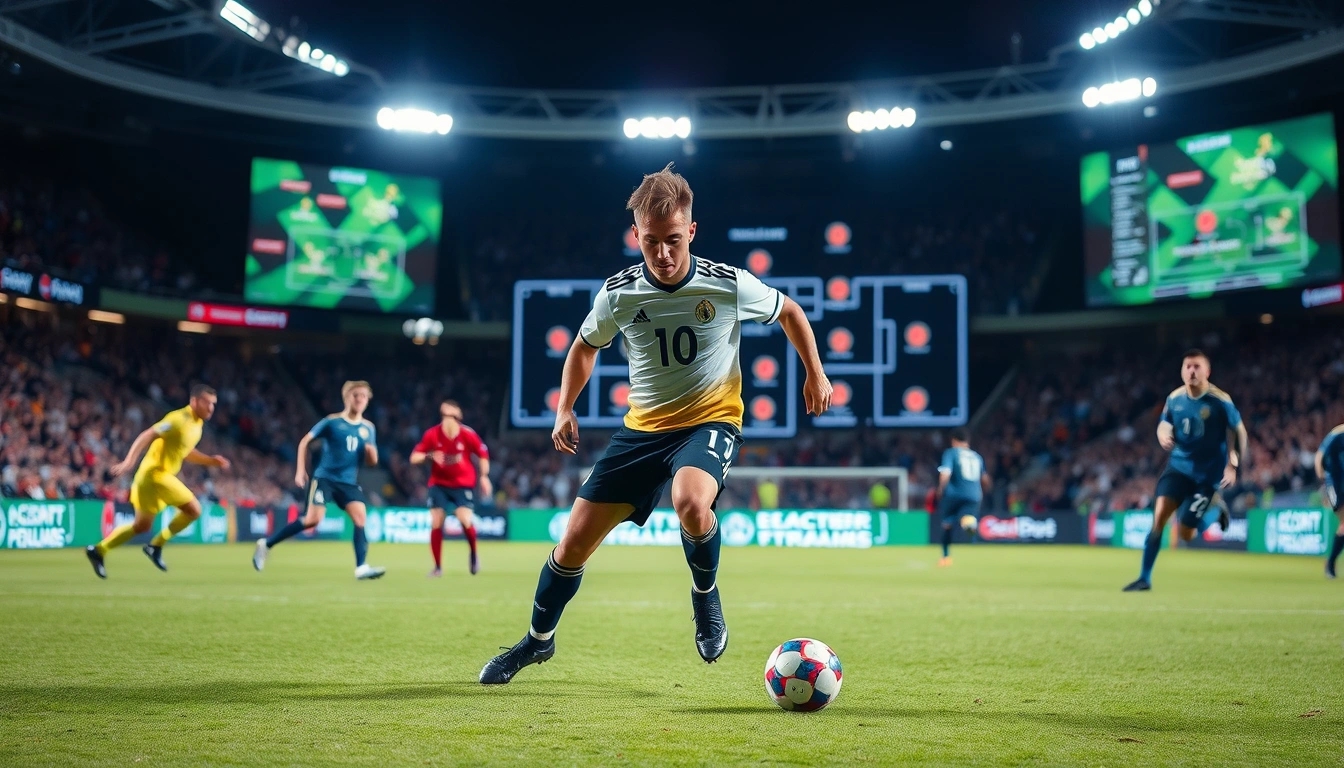
Modern Evolution of the Number 10 Role
Ah, the classic Number 10 — once the undisputed maestro of the football pitch, the creative wizard pulling strings behind the strikers. But if you think the Number 10 today still wears the same mantle as legends like Maradona or Zinedine Zidane, well, you might be in for a surprise. Football’s tactical landscape has shifted so much in recent years that the traditional Number 10 has sometimes morphed into a role that’s less clear-cut, more fluid, and frankly, a bit harder to pin down.
Gone are the days when a team would line up with a clear playmaker stationed just behind the forwards, dictating play with flair and freedom. Modern football demands so much more — pressing, tracking back, and often, sacrificing that creative license for the sake of team shape and defensive solidity. The rise of formations like 4-3-3 or 4-2-3-1 means the Number 10 is no longer just a “free spirit” but a cog in a well-oiled machine.
- Tactical Flexibility: The Number 10 now often doubles up as a winger or a central attacking midfielder who drifts wide, making it trickier for defenders to mark them.
- Defensive Duties: Pressing high and helping midfielders isn’t optional anymore — it’s a must.
- Interchangeable Roles: Sometimes, the Number 10 isn’t even wearing the number 10 shirt! Players like Kevin De Bruyne or Bernardo Silva operate in hybrid roles, blending creative playmaking with midfield industriousness.
| Old-School Number 10 | Modern Number 10 |
|---|---|
| Stationed centrally, free to roam | More positionally disciplined, often shifting wide |
| Primary creator and assist provider | Balanced between creating and defending |
| Little defensive responsibility | High work rate in pressing and tracking back |
| Often the team’s focal point | Part of a fluid attacking unit |
So, what does this mean for the Number 10’s identity? Well, it’s a bit of a mixed bag. On one hand, the magic and flair that defined the role have somewhat been diluted by the physical and tactical demands of modern football. On the other hand, this evolution has pushed players to develop a broader skill set — vision and creativity still matter, but so do stamina, tactical awareness, and defensive grit.
It’s also worth noting that some managers have ditched the traditional Number 10 entirely, preferring a double pivot or a false nine system. Pep Guardiola, for example, often prefers midfielders who can create from deep or wide positions rather than a classic Number 10 lurking behind the striker. This tactical shift sometimes leaves purists lamenting the “lost art” of the Number 10, while others celebrate the new-age versatility.
Practical Tips for Aspiring Modern Number 10s:- Work on your endurance: You’ll need to cover a lot more ground than before.- Hone your pressing skills: Winning the ball high up is gold.- Develop positional awareness: Knowing when to drift wide or drop deep can unlock defenses.- Keep creativity alive: Despite all the running, moments of brilliance still define you.
In short, the Number 10 today is less a fixed role and more a concept — a blend of artistry and work ethic. It’s a tough gig, no doubt, but those who master it? They become the heartbeat of modern football teams, even if they don’t fit the old-school mold.
So next time you see a “Number 10” on the pitch, don’t expect the old magic show — expect a versatile, hardworking, and smart player who’s doing a bit of everything to keep the team ticking.
Common Formations Featuring a Number 10
Alright, let’s get into the nitty-gritty of football formations that put the Number 10 right smack in the middle of the action. This player isn’t just any midfielder; they’re the creative spark, the one who pulls the strings, and sometimes, the goal-scoring magician. But how exactly does this role fit into different tactical setups? Buckle up, because it’s not as straightforward as slapping a 10 on a jersey and calling it a day.
- 4-2-3-1 – The crowd favorite: This is probably the most popular modern formation featuring a Number 10. The player usually occupies the central attacking midfield spot, just behind the lone striker. Their job? To unlock defenses with clever passes, dribble past opponents, and occasionally chip in with goals. The two holding midfielders behind them provide cover, allowing the Number 10 to roam freely. It’s a setup that balances creativity with defensive solidity.
- 4-3-1-2 – The classic diamond: Here, the Number 10 sits at the tip of the midfield diamond, acting as the link between the deep-lying midfielders and the two forwards upfront. This formation relies heavily on the Number 10’s ability to find pockets of space and thread through balls. It’s a bit more compact than the 4-2-3-1, which means the Number 10 has less room to roam but more responsibility to dictate tempo.
- 3-4-1-2 – The winged version: With three at the back and wing-backs pushing forward, the Number 10 is the key creative outlet in the central hole. This formation demands a Number 10 who’s not just a passer but also willing to track back and help out defensively. It’s a bit of a double-edged sword – freedom to create, but also more work off the ball.
| Formation | Number 10 Role | Pros | Cons |
|---|---|---|---|
| 4-2-3-1 | Central attacking midfielder behind striker | Creative freedom, balanced defense | Can be isolated if holding mids don’t press |
| 4-3-1-2 | Tip of midfield diamond | Compact play, direct link to strikers | Less space to maneuver |
| 3-4-1-2 | Central attacking midfielder with wing-backs | More attacking options, wing support | High defensive workload |
Now, don’t get me wrong, the Number 10’s role isn’t just about positioning. It’s about reading the game, making split-second decisions, and sometimes just improvising when the plan goes south (which it often does). Some managers love to tweak the role, sometimes pushing the Number 10 wider or deeper, depending on the opponent or available players.
Also, formations are flexible beasts. A 4-2-3-1 can morph into a 4-3-3 in a blink, and the Number 10 might find themselves dropping deeper or drifting wide. So, the player in this role needs to be adaptable, not just a one-trick pony.
- Practical Insight: Coaches often emphasize positional play for Number 10s, encouraging them to find “half-spaces” – those sneaky pockets between the opposition’s midfield and defense where they can operate unhindered.
- Fun Fact: Some of the best Number 10s, like Messi or Zidane, didn’t just stick to one formation. They thrived because they could adjust their game based on the team’s setup and the flow of the match.
At the end of the day, the Number 10 is the heartbeat of many attacking systems. Whether in a rigid 4-3-1-2 or a fluid 3-4-1-2, their ability to create, assist, and sometimes score defines the team’s offensive identity. Without a good Number 10, a team might look a bit… well, uninspired. And nobody wants that, right?
So next time you watch a match, keep an eye on that player wearing 10 – they’re usually cooking up something special, even if it’s just a cheeky nutmeg or a killer through ball. That’s the magic of the Number 10.
Challenges Faced by Number 10s Today
The role of the Number 10 in football has always been a fascinating one, but let’s be honest — it’s never been easy. These days, the traditional playmaker faces a whole new set of hurdles, and if you think it’s just about threading killer passes or scoring cheeky goals, well, you’re in for a surprise. Modern Number 10s are juggling pressure, defensive duties, and physical demands like never before, and staying relevant means adapting or getting left behind.
First off, the pressure is immense. Fans, coaches, and teammates expect the Number 10 to be the creative heartbeat — the guy who can unlock defenses with a flick of the boot. But with so many eyes on them, any mistake is magnified. Plus, opposition teams have wised up; they don’t just let Number 10s roam free anymore. Instead, they swarm, double-team, and mark them tighter than a bodyguard at a rock concert. It’s like trying to paint a masterpiece while someone keeps bumping into your easel.
| Challenge | Description |
|---|---|
| High Defensive Work Rate | Unlike the old days, Number 10s now have to track back, press aggressively, and help their midfielders and defenders regain possession. |
| Physical Demands | Modern football is faster and more intense, requiring Number 10s to maintain top fitness levels to cover ground and withstand tackles. |
| Tactical Flexibility | They must adapt to various formations and sometimes drop deeper or drift wide, making the role less defined but more demanding. |
Speaking of defense, it’s no longer a “nice to have” but a must. The Number 10 is expected to press high, intercept passes, and plug gaps when the team loses the ball. This means they have to be fit as a fiddle and mentally sharp — constantly switching between attacking flair and defensive grit. Remember, the days of lounging behind the strikers are mostly gone; now, it’s a relentless up-and-down battle.
Physically, the demands are brutal. The game’s pace has skyrocketed, and Number 10s can’t afford to be sluggish or lightweight. They need stamina, strength, and agility to evade tackles, absorb contact, and still deliver pinpoint passes or shots. If you think it’s just about skill, think again — the body must keep up with the mind.
- Pressure to perform consistently – Every touch is scrutinized.
- Increased defensive duties – Pressing and tracking back are non-negotiable.
- Adaptability in tactics – Shifting roles depending on the coach’s strategy.
- Physical resilience – Endurance and strength to survive the rigors of modern football.
So, how do Number 10s stay relevant? It’s about evolving. Players like Kevin De Bruyne or Bruno Fernandes show that combining creativity with work rate and physicality is the winning formula. They’re not just artists; they’re also warriors.
In short, the modern Number 10 is a hybrid — part magician, part machine. And that’s what makes this role one of the toughest and most intriguing in football today.
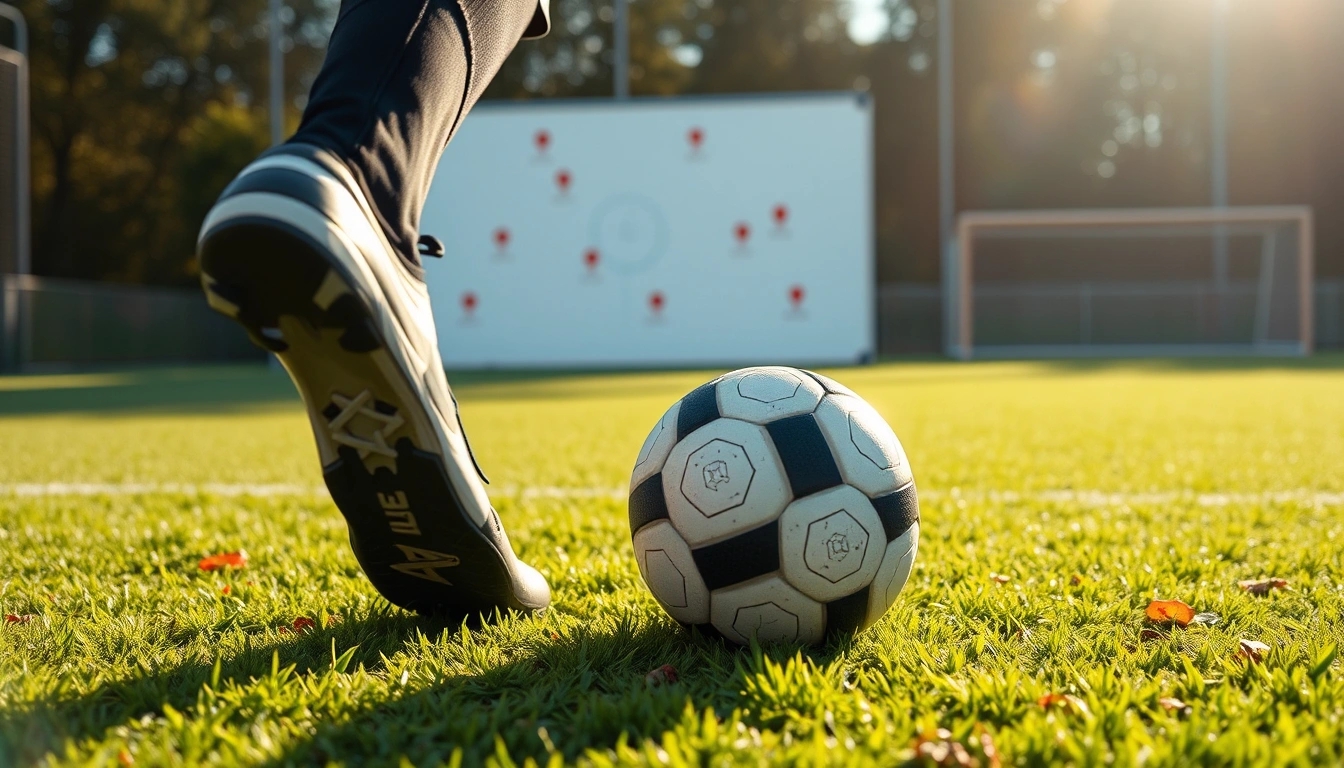
How to Train Like a Number 10
Alright, so you want to train like a Number 10, the creative wizard of the football pitch? Well, buckle up because it’s not just about fancy footwork or scoring screamer goals. It’s about developing an instinct, a vision, and a technical skill set that makes defenders sweat and teammates trust you with the ball every single time. Here’s the lowdown on practical tips and drills that aspiring Number 10s can dive into to sharpen their game.
First off, creativity isn’t something you can just switch on. It’s cultivated through constant experimentation and challenging your brain to see the pitch differently. Try this drill: set up cones in random spots and dribble through them using only your weaker foot. Sounds simple? It’s not. This forces you to think outside the box and adapt quickly under pressure — just like a real Number 10 would.
- Vision training: This is the bread and butter of any playmaker. One good exercise is to practice scanning the field before receiving the ball. Get a friend or coach to shout out numbers or colors representing teammates’ positions while you control and pass the ball without looking directly at them. It’s awkward at first, but it builds that peripheral awareness crucial for threading killer passes.
- Technical drills: Mastering tight ball control and quick touches can’t be overstated. A simple yet effective drill is the “wall pass” exercise — pass the ball against a wall with one touch, control the rebound with one touch, and repeat, increasing speed gradually. Add a twist by alternating feet or using the sole of your foot to control the ball.
| Drill | Focus Area | Why It Works |
|---|---|---|
| Random Cone Dribble | Creativity & Adaptability | Improves ball control and decision making under pressure |
| Peripheral Vision Passing | Vision & Awareness | Develops ability to spot teammates and make quick decisions |
| Wall Pass Exercise | Technical Skill & Touch | Enhances control and quick footwork |
Now, don’t forget the mental side of things. Confidence and instinct often separate a good Number 10 from a great one. Try to watch as many games as possible, focusing on how top playmakers move without the ball, how they create space, and when they choose to pass or shoot. Then, replicate those movements in your training sessions.
Also, some folks overlook the importance of physical fitness. Sure, you’re not a defensive midfielder smashing tackles every minute, but stamina and agility are still key. Include short sprints and agility ladder drills in your routine to stay sharp and explosive.
- Small-sided games: Nothing beats real-game situations for improving decision making. Play 5v5 or 7v7 matches focusing on quick passing, movement, and exploiting space.
- Freekick and shooting practice: Number 10s often take set pieces, so don’t neglect this skill. Practice bending the ball and shooting from outside the box.
At the end of the day, training like a Number 10 means embracing unpredictability. You won’t always get it right, but keep pushing your boundaries, mixing drills with game awareness, and soon enough, you’ll start pulling those magic moments that make Number 10s the heartbeat of the team.
Remember: it’s not just about fancy tricks, it’s about making your teammates better and changing the game with your vision. So get out there, mess up a bit, learn, and most importantly, enjoy the beautiful game.
Frequently Asked Questions (The title must be written in English.)
- What exactly does a Number 10 do on the football field?
The Number 10 is often the creative engine of the team, acting as the main playmaker. They link the midfield and attack, crafting goal-scoring opportunities with clever passes, dribbles, and vision. Think of them as the team’s artistic director, orchestrating the flow and rhythm of the game with flair and precision.
- Why is the Number 10 shirt so iconic in football?
The Number 10 jersey has become a symbol of creativity and genius in football history. Legendary players like Pelé, Maradona, and Messi wore this number, making it synonymous with flair, leadership, and game-changing moments. It’s not just a number; it’s a badge of honor for the team’s most imaginative player.
- How is the Number 10 different from other midfield positions?
Unlike defensive or box-to-box midfielders, the Number 10 focuses primarily on attacking creativity rather than defensive duties. They operate closer to the opponent’s goal, aiming to unlock defenses with smart passes and quick thinking. This role demands high technical skill and vision, setting it apart from other midfield roles.
- What skills are essential to become a top-class Number 10?
Creativity, vision, and technical ability are the holy trinity for any Number 10. They need excellent ball control, sharp decision-making, and the knack for threading precise passes under pressure. Add a sprinkle of agility and goal-scoring instinct, and you’ve got yourself a football magician.
- Has the role of the Number 10 changed in modern football?
Absolutely! Tactical evolutions have seen the traditional Number 10 role adapt or even dissolve in some formations. Modern Number 10s often have to contribute defensively and be more versatile, sometimes dropping deeper or drifting wide. Yet, the core essence of creativity remains intact, just wrapped in a new tactical package.
- What formations typically include a Number 10?
Formations like the classic 4-2-3-1 or 4-3-1-2 prominently feature a Number 10, positioned just behind the striker(s). These setups allow the Number 10 to operate in the “hole” between midfield and attack, maximizing their impact as playmakers and goal threats.
- What challenges do Number 10 players face today?
Modern football demands more from Number 10s than ever before. They face intense defensive pressure, require high stamina to cover ground, and must balance creativity with tactical discipline. Staying relevant means evolving constantly and thriving under the spotlight of expectations.
- Can anyone train to become a Number 10?
While natural talent helps, aspiring Number 10s can definitely develop their skills through focused training. Drills that enhance vision, passing accuracy, and ball control are key. Plus, watching games and understanding tactical nuances can unlock that creative spark needed to shine in this role.