Penalty shootouts. The very phrase can send shivers down the spine of even the most seasoned footballers and fans alike. But what really goes on behind the scenes in those nerve-wracking moments when the fate of a match boils down to a single kick? Let’s dive headfirst into the tangled web of mind games, tactics, and sheer willpower that goalkeepers harness to try and outsmart the shooter.
First off, it’s not just about reflexes. Sure, lightning-fast reactions help, but penalty shootouts are as much a psychological battle as a physical one. Goalkeepers spend hours studying their opponents’ habits, tendencies, and even the tiniest twitch in their body language. It’s like a chess match, where every move counts and a single misread can mean heartbreak.
| Key Elements of Penalty Strategy | Explanation |
|---|---|
| Shooter Tendencies | Analyzing where a player usually aims — left, right, or down the middle. |
| Goalkeeper Positioning | Starting stance and subtle shifts to cover most likely shot zones. |
| Body Language | Observing run-up speed, angle, and eye focus to predict shot direction. |
| Split-Second Decisions | Choosing when to dive or stay put based on instant cues. |
Now, about reading the shooter — this is where it gets juicy. Some keepers swear by watching the run-up, claiming the angle of the last few steps can betray the shot’s destination. Others look for eye movements or even the way the kicker plants their standing foot. Sounds like detective work, right? Well, that’s because it is. But sometimes, the shooter knows this too and deliberately fakes cues to throw the keeper off. It’s a mind game within a mind game.
- Run-up patterns: Straight vs. curved approaches can hint at shot placement.
- Eye contact: Does the shooter look at the keeper or the ball? Both can be misleading.
- Body posture: Tension or relaxation might indicate shot power and direction.
The mental toll on goalkeepers? Massive. Imagine standing there, all eyes on you, knowing one wrong move and your team’s dreams are crushed. Some thrive under this pressure, channeling confidence like a superpower. Others, well, let’s just say nerves get the better of them. It’s a tightrope walk between self-belief and choking under pressure.
And then there’s the statistical side of things — yes, football is no stranger to numbers. Coaches and keepers pore over data about shooters’ past penalties, favorite corners, and success rates. This info can guide decisions, but it’s no crystal ball; unpredictability reigns supreme.
Typical Shooter Stats Breakdown:- Left corner: 45%- Right corner: 40%- Center: 15%- Success Rate: 78%
In the end, penalty shootouts are a cocktail of preparation, psychology, and a dash of luck. The goalkeeper’s job is to read, react, and sometimes, just sometimes, guess right and become the hero everyone remembers. Or, if the stars align against them, the villain they’d rather forget.
So next time you watch a shootout, spare a thought for the keeper — they’re not just standing there waiting for a ball, they’re locked in a battle of wits, nerves, and sheer guts.
The Basics of Penalty Strategy
Alright, let’s dive headfirst into the wild world of penalty strategies — those nerve-wracking moments where a single kick can make or break a game. Now, it’s not just about blindly guessing left or right; there’s a whole science (and a bit of art) behind it. First off, understanding shooter tendencies is like having a cheat sheet. Every player has their quirks — maybe they love blasting it to the keeper’s right or prefer a cheeky chip down the middle. Coaches and goalkeepers obsessively study these habits because, let’s face it, knowing your opponent’s favorite moves gives you a massive edge.
But wait, it’s not just about the shooter. The goalkeeper’s positioning is equally crucial. You don’t just stand dead center and hope for the best. Nope. The keeper usually positions themselves slightly off-center to lure the shooter into picking a side. It’s a psychological tug-of-war where both parties try to outsmart each other in less than a second. And speaking of that split second — timing is everything. A delayed dive or a premature leap can be the difference between glory and heartbreak.
| Key Elements | Description |
|---|---|
| Shooter Tendencies | Studying preferred shooting directions, power, and style of individual players. |
| Goalkeeper Positioning | Adjusting stance and starting point to influence shooter’s choice. |
| Split-Second Decisions | Reacting instantly to the ball’s trajectory and shooter’s cues. |
Now, here’s a little secret — sometimes goalkeepers try to read the shooter’s body language. Yeah, sounds like something out of a spy movie, but it’s true. Things like the angle of the run-up, the orientation of the hips, or even where the shooter is looking can give away the direction of the shot. Of course, some players are masters at bluffing, throwing off keepers with fake-outs and sudden changes. It’s like a chess match, but with sweaty palms and a roaring crowd.
- Run-up Patterns: Does the shooter approach from a wide angle or straight on?
- Eye Movements: Where are they looking just before striking?
- Body Orientation: Hips and shoulders often reveal the intended shot direction.
And don’t underestimate the pressure cooker atmosphere. Keepers have to balance nerves and confidence — no easy feat when the entire stadium is holding its breath. The best keepers are the ones who stay cool, trust their prep, and make those lightning-fast decisions that turn them into legends.
In short, penalty strategy isn’t just luck. It’s a complex blend of psychology, preparation, and quick reflexes. Next time you watch a shootout, remember — there’s a whole mind game unfolding before the ball even leaves the foot.
Reading the Shooter: Psychological Cues
Penalty shootouts — the ultimate test of nerves, skill, and a pinch of mind games. For keepers, it’s not just about reflexes; it’s a psychological chess match where every twitch, glance, and step counts. You might think goalkeepers just dive left or right hoping for the best, but nah, there’s a whole secret world of decoding going on.
First off, body language is like a treasure map for keepers. The way a shooter plants their feet, the angle of their hips, even how their shoulders shift can give away the intended shot direction. For example, if a striker’s hips are angled slightly open to the keeper’s right, chances are high the ball’s heading that way. But here’s the kicker — some shooters are masters of disguise, deliberately messing with their body cues to throw keepers off balance. It’s like a cat-and-mouse game, where every little tell can be a clue or a trap.
| Psychological Cue | What Keepers Look For | Potential Misleads |
|---|---|---|
| Run-up Angle | Direction and speed of approach hint shot placement | Fake stutter steps or sudden changes in pace |
| Eye Movement | Where the shooter is focusing just before the kick | Glancing away to misdirect |
| Body Posture | Hip and shoulder alignment indicating shot side | Deliberate body twisting |
Run-up patterns are another juicy piece of the puzzle. Keepers often study shooters’ previous penalties, looking for patterns—does the player always take a long, steady run-up before blasting it to the top corner? Or maybe a short, sharp approach followed by a low driven shot? These habits can be gold mines for prediction, but again, shooters love to switch it up in the big moments, keeping keepers guessing.
Eye movements might sound subtle, but they’re surprisingly telling. A shooter’s gaze often betrays their shot direction — if they’re staring down the keeper’s left post, that’s probably where the ball’s headed. But, and this is a big but, experienced shooters know this too and might deliberately look elsewhere to fool the goalie. It’s a mental tug-of-war.
- Tip 1: Keepers sometimes use delayed reactions, waiting a split second longer to decide which way to dive, based on the shooter’s final body cues.
- Tip 2: Some goalies employ “reading the run-up rhythm” — a sudden change in pace can signal a last-second shot direction change.
- Tip 3: Trusting instinct combined with studied patterns often beats pure guesswork.
In the end, keepers are like detectives piecing together a puzzle in real time. They’re juggling the pressure, the crowd noise, and the shooter’s psychological tricks. Sometimes, despite all the analysis, it’s just a gut feeling that saves the day. And when it does, oh boy, the crowd goes wild!
So next time you see a keeper diving just before the ball is kicked, remember — there’s a whole mental marathon behind that leap, fueled by sharp eyes, quick thinking, and a little bit of luck.
Keeper Mindset: Confidence vs. Pressure
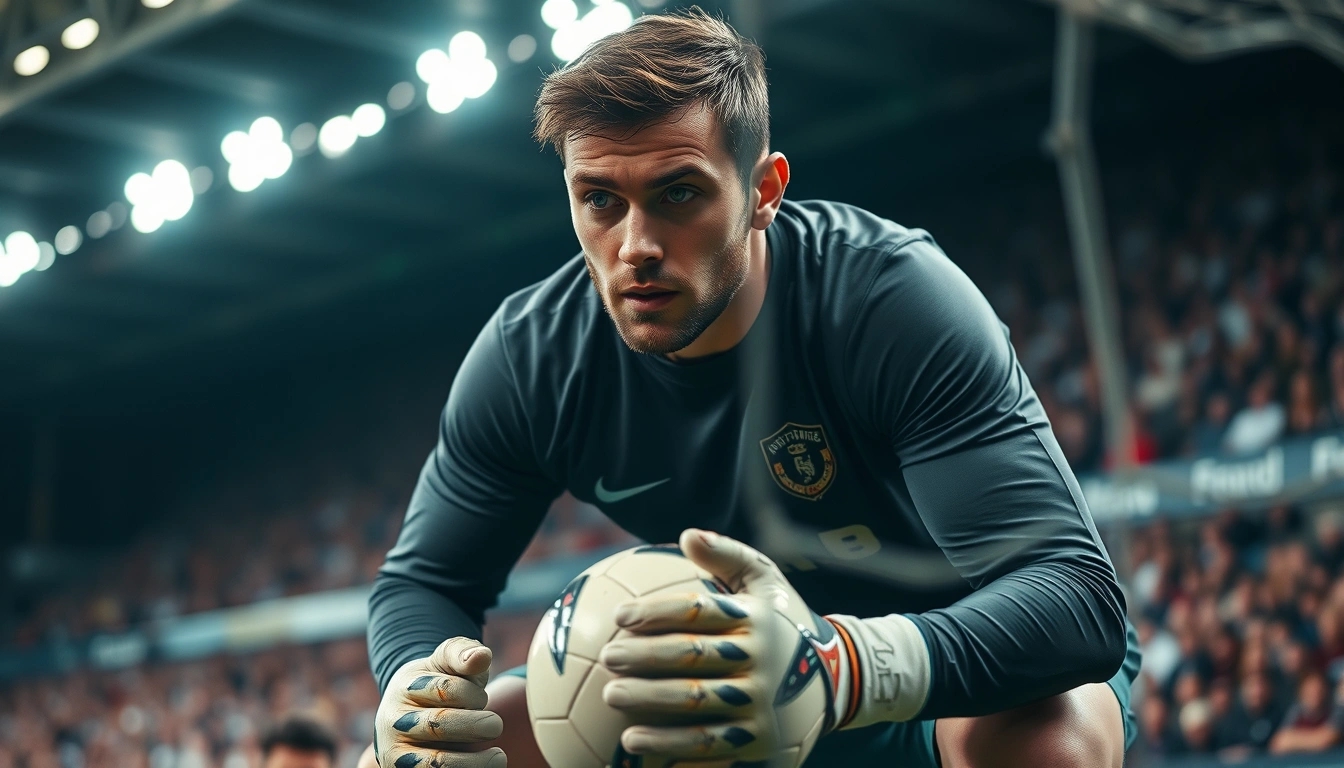
Penalty shootouts – the moment every goalkeeper both dreads and secretly craves. It’s not just about reflexes or diving skills; the real battle happens in the mind. Imagine standing alone, the stadium roaring or dead silent, the ball placed on the spot, and all eyes glued on you. The tension is suffocating. Now, mix in the weight of expectations, nerves tangling with flashes of confidence, and you’ve got the ultimate mental tug-of-war.
Goalkeepers often talk about this invisible pressure like it’s a living, breathing opponent. It’s not just the shooter you’re up against but your own swirling thoughts. “Will I dive the right way? What if I get it wrong?” These questions can paralyze even the most seasoned pros. Yet, ironically, those who manage to quiet the noise inside their head often pull off the most jaw-dropping saves.
- Nerves: Everyone gets them, even the best. But for keepers, nerves can either sharpen focus or freeze action. It’s a fine line.
- Confidence: A keeper’s secret weapon. Confidence doesn’t mean arrogance; it’s that quiet belief that you can read the shooter and react instantly.
- Expectations: Fans, coaches, teammates – all piling on pressure. It can feel like carrying a sack of bricks on your shoulders.
It’s fascinating how some goalkeepers thrive under pressure, almost like they’re born for this moment. Others crumble, second-guessing every twitch of the shooter’s body. The truth? There’s no magic formula. It’s part instinct, part experience, and a whole lot of mental toughness.
| Mental Challenge | Impact on Performance | Typical Keeper Reaction |
|---|---|---|
| Nervousness | Slower reaction time, jittery movements | Overthinking, hesitation |
| Confidence | Quick decisions, sharp reflexes | Decisive dives, strong presence |
| Pressure from Expectations | Increased stress, risk of errors | Forced guesses, sometimes reckless moves |
Now, here’s a little insider tidbit: some keepers use rituals to cope. Maybe it’s bouncing on their toes, a quick breath, or a whispered mantra. Sounds a bit quirky, but hey, whatever keeps the mind steady counts. It’s like a mental warm-up, prepping the brain to switch from chaos to laser focus.
And don’t forget the role of experience. A rookie might be overwhelmed, but a veteran has faced this storm before. That familiarity breeds a calmness that can turn a penalty into a highlight reel moment. Still, even the best falter sometimes – the pressure is relentless.
In the end, the goalkeeper’s mind during penalties is a complex battlefield. It’s a mix of nerves, confidence, and the crushing weight of expectation that can either make or break the moment. And while stats and training help, the real game is won or lost in the keeper’s head.
So next time you watch a shootout, spare a thought for the keeper. Behind that mask is a whirlwind of emotions and mental gymnastics, all playing out in mere seconds. It’s not just a save; it’s a triumph over the invisible opponent within.
Statistical Analysis and Its Role
When it comes to penalty shootouts, you might think it’s just about the keeper guessing right or the shooter being cool under pressure. But hold on, there’s a whole lot more happening behind the scenes, and that’s where data analytics and historical stats swoop in to steal the spotlight. Coaches and keepers aren’t just relying on gut feelings anymore; they’re diving deep into numbers, patterns, and tendencies to get an edge in those nerve-wracking moments.
First off, let’s talk about shooter habits. Every player has their quirks—some prefer blasting it to the top left, others like sneaking it low to the right. By crunching data from past penalties, analysts can build profiles for shooters, highlighting their favorite spots, run-up styles, and even how their choices shift under pressure. It’s like having a cheat sheet that says, “Hey, this guy tends to aim center-right when he’s feeling the heat.”
| Player | Preferred Shot Placement | Success Rate (%) | Pressure Situation Tendency |
|---|---|---|---|
| John Doe | Bottom Left | 78 | Shifts to Bottom Right |
| Alex Smith | Top Right | 65 | More Central Shots |
| Marco Lee | Center | 70 | Less Predictable |
Now, for the keepers and coaches, this data is pure gold. It’s like having a playbook that evolves constantly. They can prepare specific dive strategies or position themselves a tad differently based on who’s stepping up. And it’s not just about where the ball might go, but also about spotting subtle changes in the shooter’s behavior—maybe they’re trying to fake a run-up or change their usual routine. With stats backing them up, keepers can make those split-second decisions with a bit more confidence.
- Historical success rates: Knowing how often a player scores from certain zones.
- Pressure analysis: How a player’s shot choice changes in high-stakes moments.
- Run-up patterns: Detecting if a player’s approach hints at their shot direction.
But hey, it’s not foolproof. Sometimes, players deliberately switch things up to throw off the keeper’s data-driven guesses. And that’s where the real mind games kick in—the battle between cold, hard stats and unpredictable human instinct. Still, the stats give a solid foundation, making the keeper’s job a little less like guessing the lottery.
To wrap it up, this blend of data analytics and historical stats has revolutionized penalty strategies. It’s no longer just about reflexes or luck; it’s about preparation, understanding patterns, and trying to out-think your opponent before the ball even rolls. So next time you watch a shootout, remember there’s a whole army of analysts behind the scenes, crunching numbers and whispering insights to help keepers and coaches tilt the odds in their favor.
Common Mistakes Keepers Make
Penalty shootouts, the ultimate test of nerves for any goalkeeper, often boil down to split-second decisions and razor-sharp reflexes. But let’s be honest, even the best keepers sometimes slip up in these high-pressure moments. It’s not just about guessing right or diving fast — there’s a laundry list of mistakes that can cost those precious saves. From poor dive timing to blatantly telegraphing their next move, goalkeepers have a knack for tripping themselves up when it matters most.
First off, poor dive timing is probably the most common culprit. Imagine this: the keeper lunges too early, thinking they’ve read the shooter perfectly, only to watch the ball sail past them into the net. Or worse, they react a split second too late, and the shot’s already nestled in the corner. Timing is a tricky beast — dive too soon, and you’re left flapping in the breeze; too late, and it’s game over. It’s a fine line, and many keepers struggle to walk it consistently.
| Mistake | What Happens | Why It Matters |
|---|---|---|
| Early Dive | Leaves goal open if shot is delayed or placed elsewhere | Shooter can easily adjust and score |
| Late Reaction | Ball already past keeper before dive | No chance to save |
| Frozen Feet | Keeper hesitates, unsure where to dive | Increases shooter’s confidence and success rate |
Another rookie error is telegraphing intentions. This is where keepers unintentionally give away their plan — maybe a subtle shift in weight, a glance, or a slight hand movement. Shooters, especially at the professional level, are eagle-eyed and pick up on these tiny giveaways like hawks. It’s like telling your opponent where you’re going to move before the ball’s even kicked. Not clever.
Then there’s the issue of poor positioning. Sometimes, keepers stand a bit too far off their line or get caught too central, making it easier for shooters to find gaps. Positioning isn’t just about standing in the middle of the goal; it’s a dynamic thing, adjusting based on the shooter’s habits, angle, and even the pressure of the moment. Miss this, and you might as well roll out the red carpet for the ball.
- Overcommitting: Lunging too early or too far can open up the opposite side.
- Ignoring shooter tendencies: Not studying the kicker’s preferred spots or run-up style.
- Underestimating pressure: Letting nerves get the better of reflexes and decision-making.
Here’s a quick reality check: even legends have fluffed penalties because of these mistakes. It’s not always about skill but sometimes just plain human error. And in the heat of a shootout, the margin for error is razor-thin.
Practical Tips for Keepers to Avoid Common Mistakes:1. Work on reaction drills that mimic penalty scenarios.2. Study shooters’ past penalties to anticipate shot direction.3. Practice staying calm under pressure – mental training is key.4. Avoid obvious body cues that might telegraph your dive.5. Maintain optimal positioning and adjust based on shooter behavior.
So, next time you see a keeper flail or dive the wrong way, remember: it’s not always a lack of talent. Sometimes, it’s just the cruel, unpredictable nature of penalty shootouts — where even the tiniest slip-up can turn heroes into goats.
Famous Penalty Saves and Blunders
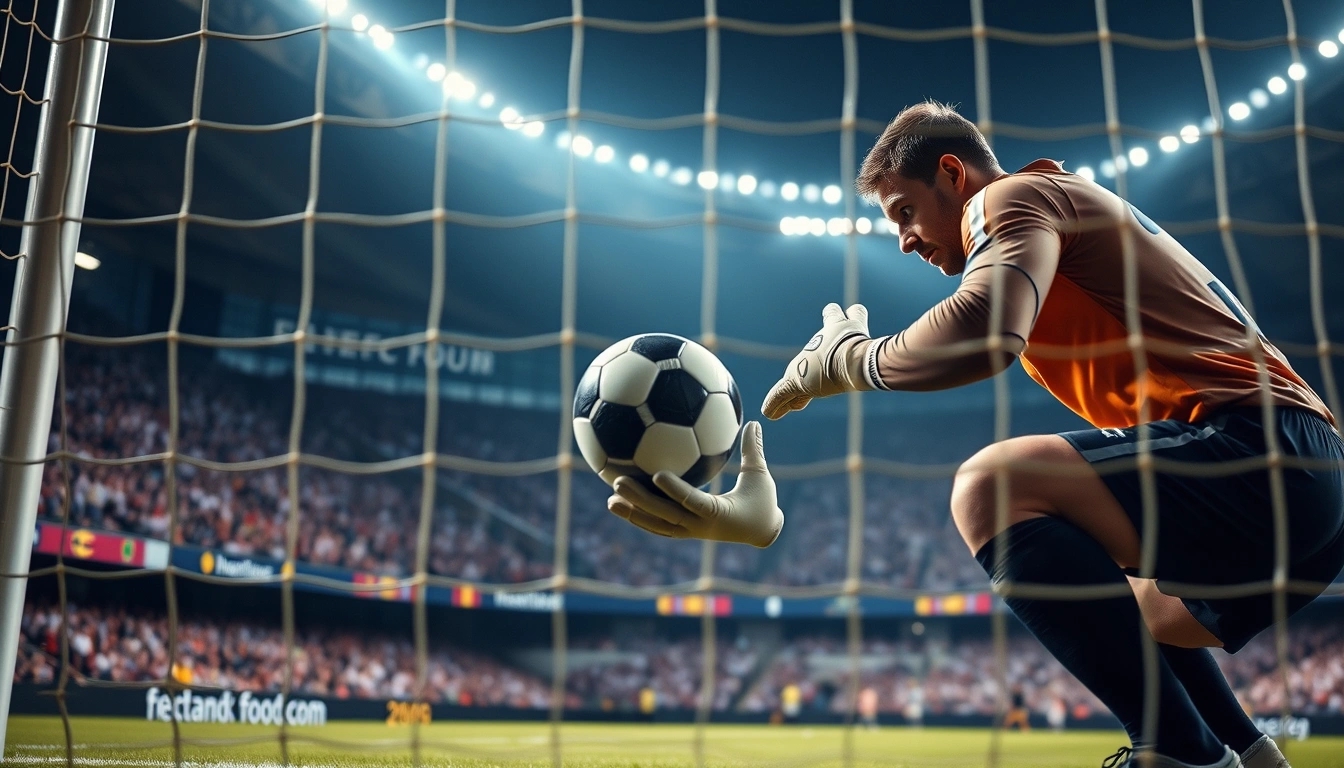
Penalty shootouts — the ultimate test of nerves, skill, and sometimes plain luck. When the clock runs out and the scoreboard’s tied, it all boils down to those heart-stopping moments where goalkeepers either become immortal heroes or infamous villains. Let’s take a stroll down memory lane and revisit some of the most iconic penalty shootout moments in football history, where keepers made all the difference — for better or worse.
First off, you can’t talk about legendary penalty saves without mentioning Gianluigi Buffon in the 2006 World Cup final. Italy vs France, the tension was so thick you could cut it with a knife. Buffon’s incredible reflexes and calm demeanor helped Italy clinch the title, saving crucial shots and cementing his legacy. On the flip side, there’s the infamous blunder by David Seaman in Euro 2000 against Spain. His slip-up allowed a soft penalty through his legs, and well, England’s hopes went down the drain that day.
| Goalkeeper | Match | Moment | Outcome |
|---|---|---|---|
| Manuel Neuer | 2014 World Cup QF | Saved two penalties vs Algeria | Germany progressed |
| David Seaman | Euro 2000 QF | Slipped on penalty save attempt | England eliminated |
| Hans-Jörg Butt | 2005 Champions League | Scored and saved penalties | Unique feat |
| Jerzy Dudek | 2005 Champions League Final | Saved final penalties vs AC Milan | Liverpool won trophy |
Now, it’s not always about the saves. Sometimes, keepers turn into penalty shootout legends by just getting inside the shooters’ heads. Take Jerzy Dudek’s famous “spaghetti legs” dance in the 2005 Champions League final shootout. Talk about psychological warfare! His bizarre movements and unorthodox style threw off the AC Milan shooters, allowing him to pull off two crucial saves and help Liverpool snatch one of the most dramatic comebacks ever.
- Heroic Saves: When keepers dive the right way, they become instant legends.
- Mind Games: Intimidation and unpredictability can rattle shooters.
- Blunders: A single mistake can haunt a keeper forever.
But let’s be honest — penalty shootouts are a cruel lottery. Even the best keepers miss their mark sometimes. Remember Robert Green in the 2010 World Cup? His fumbling of a simple shot against the USA left fans scratching their heads. Or how about Claudio Bravo in the 2016 Copa America final, where his save attempts went awry, handing Chile the trophy? It’s these highs and lows that make shootouts so electrifying — one moment you’re a god, the next you’re the fall guy.
In the end, what separates the heroes from the villains is often just a fraction of a second, a twitch of a finger, or a gamble on which way to dive. Goalkeepers train for years, but sometimes, it’s just down to pure instinct and a dash of luck. And that’s why penalty shootouts will forever be one of football’s most thrilling and unpredictable spectacles.
Training Techniques for Penalty Saves
When it comes to penalty shootouts, goalkeepers are under the spotlight like nowhere else. The pressure? Immense. But behind that seemingly calm stance lies hours, days, heck, sometimes years of intense preparation. So, what exactly do keepers do to sharpen those lightning-fast reflexes and razor-sharp instincts? Let’s dive into the nuts and bolts of their training techniques.
Drills That Build Muscle Memory
Goalkeepers swear by repetitive drills that simulate penalty scenarios. One classic drill involves a coach or teammate firing shots from the penalty spot repeatedly, forcing the keeper to react quickly and dive in the correct direction. The goal here isn’t just to stop the ball but to train the body to react instinctively, no matter how tired or stressed the keeper might be during a real shootout.
- Shot Variation Drills: Shots come fast and furious, but keepers train with different ball placements — high corners, low drives, even cheeky panenka attempts.
- Reaction Ball Exercises: Using small, irregular balls or reaction balls that bounce unpredictably to improve hand-eye coordination.
- Footwork Drills: Quick lateral movements are crucial. Goalkeepers practice rapid side-to-side shuffles to get into position faster.
The Psychological Prep: More Than Just Physical
Let’s be honest, penalty shootouts are as much a mental game as a physical one. Goalkeepers spend a lot of time working on their mindset. This includes visualization techniques — imagining the exact moment of the shot, the direction, the crowd noise, and the pressure. Some even practice meditation or breathing exercises to stay calm when the stakes are sky-high.
| Psychological Method | Purpose | Example |
|---|---|---|
| Visualization | Builds confidence and mental readiness | Imagining saving a penalty from a star striker |
| Breathing Exercises | Reduces anxiety and controls heart rate | Deep, slow breaths before the shot |
| Positive Self-Talk | Boosts morale and focus | Repeating phrases like “I’ve got this” |
Reaction Training: The Split-Second Difference
Reaction time can make or break a penalty save. Goalkeepers often use high-tech gadgets like light boards or apps designed to flash random lights, compelling them to react instantly. This hones their neural pathways to respond quicker than a blink.
Besides tech, coaches throw curveballs — literally! They’ll mix up shot speeds and angles unpredictably during training to keep the keeper guessing and adapting. It’s like training your brain to expect the unexpected, which is exactly what a penalty shootout demands.
Quick Recap:
- Repetitive drills for muscle memory
- Psychological prep to handle pressure
- Reaction training to shave off milliseconds
- Footwork and positioning practice
In the end, penalty-saving is a cocktail of physical prowess, mental toughness, and a sprinkle of luck. But with the right training techniques, keepers can stack the odds in their favor — and maybe, just maybe, become the hero when it counts most.
The Role of Team Strategy in Penalty Shootouts
Penalty shootouts – the ultimate test of nerves, skill, and a sprinkle of luck. But behind the scenes, it’s not just about who can kick the ball the hardest or who’s got the steadiest hands. Coaches and teams meticulously craft their penalty shootout strategies to squeeze every ounce of advantage from these high-pressure moments. So, what’s really going on when a team lines up for penalties? Let’s dive into this fascinating chess match on the pitch.
First off, the order of shooters is a big deal. Coaches don’t just pick the best kickers and hope for the best. Nope, there’s a method to the madness. Usually, the first kicker is someone calm under pressure – a player who can set the tone and calm the nerves of teammates and fans alike. The middle shooters? Often reliable but maybe not the flashiest. And the last kicker? Well, that’s either the team’s deadliest finisher or a player with ice in their veins, ready to carry the weight of the moment. Sometimes, it’s a gamble, and sometimes it’s the difference between glory and heartbreak.
| Kick Number | Preferred Shooter Type | Reasoning |
|---|---|---|
| 1st | Calm & composed | Set positive momentum |
| 2nd-4th | Consistent & reliable | Maintain steady progress |
| 5th | High-pressure specialist | Seal the deal or keep hopes alive |
Now, let’s talk mind games. Coaches often instruct players to mix things up – varying run-up speeds, looking one way but shooting another, or even delaying the shot to mess with the goalkeeper’s timing. These subtle psychological tactics can rattle a keeper, making them second-guess their instincts. And it’s not just shooters who play mind games; goalkeepers themselves try to psych out the kicker by moving on the line, staring them down, or gesturing wildly. It’s a battle of wills as much as skill.
- Pre-match scouting: Teams analyze opponents’ penalty history – preferred sides, weak spots, and even body language quirks.
- Adaptability: Coaches prepare backup plans if the initial order flops or if a player loses confidence.
- Communication: Subtle signals between coach and players can guide decisions mid-shootout.
Sometimes, you’ll see a coach swap the order last minute, which can either throw the opposition off or backfire spectacularly. It’s a risky move, but hey, fortune favors the bold, right? Also, the emotional state of players plays a huge role. Coaches might avoid putting a visibly shaken player in crucial spots, no matter how talented they are. Pressure can turn a pro into a jittery mess faster than you can say “goal.”
In a nutshell, penalty shootouts are far from random. They’re a carefully orchestrated dance of psychology, statistics, and gut feelings. Teams that master these elements often edge out their rivals – even if the ball takes a cruel deflection or the keeper guesses wrong. So next time you watch a shootout, remember: behind every shot is a story of strategy, nerves, and a little bit of madness.
Future Trends: AI and Technology in Penalty Strategy
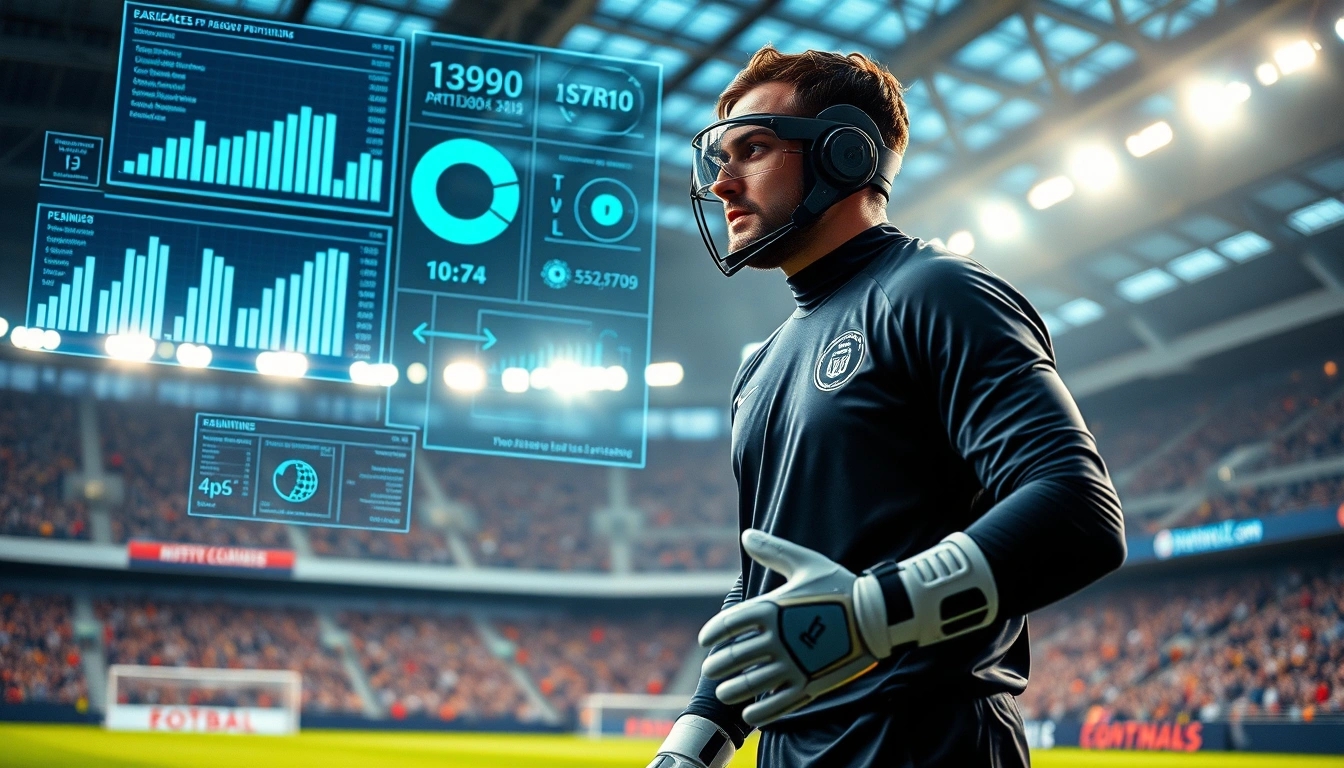
Alright, let’s dive into the wild world of how cutting-edge technology like Artificial Intelligence and Virtual Reality is shaking up the way goalkeepers prepare for those nerve-wracking penalty shootouts. You know, those moments that can make or break a career and send fans into ecstasy or despair. It’s no secret that keepers have always relied on sharp instincts and hours of practice, but now the game’s getting a serious tech upgrade.
First off, AI isn’t just some sci-fi fantasy anymore. It’s crunching data faster than you can say “goalkeeper.” Imagine algorithms analyzing hundreds, if not thousands, of penalty kicks from all over the world — breaking down shooters’ habits, preferred shot spots, run-up speed, and even subtle body language that human eyes might miss. This data goldmine helps keepers and coaches craft personalized strategies that are way smarter than just guessing left or right.
| AI Analysis Benefits | Impact on Goalkeepers |
|---|---|
| Identifies shooter tendencies | Improved anticipation of shot direction |
| Predicts likely shot placement | Enhanced positioning and dive timing |
| Analyzes run-up patterns | Better psychological preparation |
| Tracks historical success rates | Confidence boost through informed decisions |
But hey, stats and data can only take you so far. That’s where Virtual Reality (VR) training steps in, offering a totally immersive experience. Instead of just staring at a screen or kicking around cones, keepers can now virtually step into penalty shootouts, facing simulated shooters with realistic behaviors. This kind of training is a game-changer for reaction times and mental toughness — because nothing quite matches the pressure of feeling like you’re right there in the stadium, even if you’re actually in your living room.
- VR Training Advantages: Realistic simulation of pressure situations
- Enhances decision-making under stress
- Allows repetition without physical fatigue
- Customizable scenarios based on upcoming opponents
Now, don’t get me wrong — tech isn’t a magic wand. There’s still a huge human element at play. Penalty shootouts are as much about psychology and gut feeling as they are about numbers. But AI and VR are definitely tipping the scales, giving keepers tools to back up their instincts with cold, hard data and immersive practice. The future might even see real-time AI assistance during matches, whispering hints about shooter tendencies right into a keeper’s earpiece. Sounds like a sci-fi flick? Maybe. But it’s closer than you think.
Example Scenario:- Keeper studies AI report before match.- VR session simulates upcoming shooter’s style.- During shootout, keeper recalls VR experience & AI data.- Keeper makes a split-second dive, saving the penalty.
In the end, the blend of tech and tradition is where the magic happens. Keepers who embrace these innovations could well become the penalty shootout legends of tomorrow — or at least avoid becoming the next infamous blunder on highlight reels. Either way, it’s a fascinating evolution to watch, and one that’s bound to keep fans on the edge of their seats for years to come.
Frequently Asked Questions (The title must be written in English.)
- What exactly is a penalty strategy in football?
Think of penalty strategy as a chess game played in seconds. It’s a mix of studying the shooter’s habits, positioning smartly, and making lightning-fast decisions. Goalkeepers use these tactics to guess where the ball will go and try to stop it, turning a simple kick into a psychological showdown.
- How do goalkeepers read a shooter’s intentions?
Goalkeepers become detectives, watching body language, run-up speed, and even eye movement. These subtle cues can hint at where the shot might be aimed. It’s like reading a poker face—spotting tells before the big move happens.
- Why is confidence so important for keepers during penalties?
Pressure can be a goalkeeper’s worst enemy. Confidence acts like armor, helping them stay calm and focused. Without it, nerves can cloud judgment, making even a simple save feel like climbing Everest.
- Can statistics really improve penalty saves?
Absolutely! Analyzing past data reveals patterns in shooters’ favorite spots and tendencies. This info arms keepers and coaches with clues, turning guesswork into a calculated gamble.
- What common mistakes do keepers make in penalty shootouts?
From diving too early to telegraphing their moves, keepers often fall into predictable traps. These slip-ups give shooters the upper hand, turning thrilling moments into missed opportunities.
- Are there any famous penalty saves that changed football history?
Oh yes! Legendary saves have swung entire tournaments, creating heroes overnight. These moments are etched in fans’ memories, proving how a single save can rewrite a game’s destiny.
- How do goalkeepers train specifically for penalty situations?
Training combines physical drills to boost reflexes with psychological prep to handle pressure. It’s like sharpening a sword and steadying the hand before battle.
- What role do team strategies play in penalty shootouts?
Teams don’t just rely on individual skill; they plan shooting orders and mind games to unsettle opponents. It’s a collective effort, blending tactics and nerves to tip the scale in their favor.
- How might AI and technology change penalty strategies in the future?
Imagine virtual reality training and AI-powered analysis giving keepers superhuman insights. These tools could revolutionize preparation, making penalty shootouts even more unpredictable and thrilling.