
Dive headfirst into football’s sneakiest, most irritatingly effective goal hunters: the poacher striker. These lads (and sometimes lasses) aren’t your flashy, all-action forwards who dribble past half the team—they’re the ones lurking like sharks, waiting for that tiny slip-up from defenders or a half-cleared ball to pounce and bury it in the net. Sounds simple? Well, it kinda is, but don’t be fooled—there’s an art and a knack to poaching that drives defenders and goalkeepers nuts.
- Who exactly are these poachers? They’re the players who live for the goal line, the ones who sniff out danger and opportunity in the box like bloodhounds.
- How do they do it? It’s all about positioning, quick reactions, and a killer instinct that’s almost unfair.
- Why are defenders so frustrated? Because poachers make even the best defenses look sloppy by capitalizing on the tiniest mistakes.
Let’s break it down a bit. Unlike your typical striker who might run a marathon every game, poachers are more like cats lying in wait. They don’t chase the ball all over the park; instead, they hang around the danger zones—right where the ball is most likely to bounce off a defender or the keeper. Think of them as opportunists with a sixth sense for goals.
| Trait | Description |
|---|---|
| Positioning | Always in the right place at the right time, often lurking in the penalty area. |
| Quick Reactions | Lightning-fast reflexes to pounce on rebounds or loose balls. |
| Finishing | Clinical and composed, rarely wastes a chance. |
| Patience | Waits for the perfect moment rather than forcing the issue. |
Now, you might be wondering, “Isn’t poaching just luck?” Nah, mate. It’s hard work masked as simplicity. These players study defenders’ habits, timing their runs to perfection, and have an almost creepy ability to predict where the ball will land. It’s like they’ve got a cheat code for the game.
And let’s not forget—poachers have this knack for driving defenders up the wall. Imagine trying to mark someone who doesn’t sprint after the ball but suddenly appears out of nowhere to tap it home. Frustrating? Absolutely.
So, next time you watch a game and see a striker lurking near the six-yard box, waiting for a scrap, remember: that’s the poacher, the sneaky fox of football, turning scraps into gold.
Defining the Poacher Striker
Alright, let’s cut to the chase. When you hear the word “poacher” in football, your mind probably jumps straight to that one striker who’s always lurking around the six-yard box, ready to pounce on any loose ball. But what really makes a striker a poacher? It’s not just about standing in the right place and hoping for a rebound. Nope, there’s a bit more magic (and madness) behind it.
First off, a poacher is a goal-hungry predator—someone with an almost animalistic instinct for sniffing out chances where others see chaos. These players have this uncanny knack for knowing exactly where the ball might drop, even before it’s crossed or shot. It’s like they’ve got a sixth sense for goal-scoring opportunities, and boy, do they exploit it mercilessly.
- Positioning: Poachers are masters of positioning. They don’t waste energy running up and down the pitch like midfielders. Instead, they conserve their energy, lurking in the penalty area, ready to strike at a moment’s notice.
- Quick reactions: When a ball ricochets off a defender or the goalkeeper, poachers are lightning-fast to react. Their reflexes are razor-sharp, and they rarely miss the chance to tap in a goal.
- Composure: Despite the chaos around them, poachers keep their cool. One touch, one shot, and it’s usually game over for the defense.
| Trait | Description | Why It Matters |
|---|---|---|
| Instinct | Ability to anticipate where the ball will be | Allows quick positioning for scoring chances |
| Patience | Waiting for the perfect moment | Prevents rushing and missing opportunities |
| Finishing | Precision in shooting and tapping in goals | Converts chances into goals consistently |
Now, don’t get me wrong—being a poacher isn’t just about hanging around the goal like a vulture waiting for scraps. These players often have to outsmart defenders with clever movement and timing. Think of them as the silent assassins of the football world. They don’t always get the glory of flashy dribbles or long-range screamers, but their goals? Oh, they count just as much (sometimes more).
And here’s a fun fact: poachers often thrive on chaos. The messier the defense, the better their chances. A scramble in the box? Perfect hunting ground. Defenders panicking? Jackpot.
So, next time you see a striker lurking, waiting to pounce on a rebound or a sloppy clearance, remember—there’s a method to that madness. They’re not just lucky; they’re experts at exploiting every tiny mistake and turning it into a goal. That’s what makes a poacher striker a nightmare for defenders and a dream for fans hungry for goals.
Key Skills That Make a Poacher Deadly
When you talk about a poacher striker in football, you’re basically describing a player who lives for those scrappy moments right in front of goal. They’re not the flashy dribblers or the midfield maestros; nope, these guys are all about seizing the tiniest chances and turning them into goals. But what exactly makes a poacher so lethal? Let’s break down the essential skills that set them apart from the rest of the forwards on the pitch.
- Speed and Acceleration: While poachers might not be the fastest players on the field over long distances, they have an uncanny ability to explode into action in a split second. It’s that burst of speed that lets them latch onto through balls or pounce on rebounds before defenders even blink. Imagine a cat waiting for the right moment to pounce — that’s your typical poacher.
- Masterful Positioning: Positioning is where the magic happens. Poachers have this almost sixth sense for sniffing out where the ball will land next. They’re experts at reading the game and positioning themselves in the perfect spot to receive a pass or capitalize on a defensive mistake. It’s not just about standing near the goal; it’s about being exactly where the ball becomes dangerous.
- Clinical Finishing: Let’s be honest — a poacher’s defining trait is their ability to put the ball in the net with minimal fuss. Whether it’s a quick tap-in, a cheeky chip, or a powerful strike, their finishing is sharp, ruthless, and often leaves goalkeepers wondering what just happened.
| Skill | Description | Why It Matters |
|---|---|---|
| Speed & Acceleration | Quick bursts to get behind defenders or reach loose balls. | Creates scoring opportunities before defenders recover. |
| Positioning | Strategic placement to exploit defensive gaps. | Maximizes chances by being in the right place at the right time. |
| Finishing | Precise and calm goal-scoring ability. | Converts chances into goals, the ultimate job of a striker. |
Now, if you think poachers just stand around waiting for easy goals, you’re missing the bigger picture. Their anticipation and game intelligence are off the charts. They constantly study defenders’ movements, predict where the ball will bounce, and exploit tiny lapses in concentration. It’s like chess but with sweaty shirts and a ball flying around.
Also, don’t overlook their mental toughness. Being a poacher means you’re often in tight spaces, under pressure, and sometimes getting kicked more than the ball. Yet, they stay cool, focused, and ready to pounce on any chance that comes their way.
Practical drills for aspiring poachers:- Quick reaction drills with rebounders to improve anticipation.- Finishing under pressure: simulate defenders closing in.- Positioning exercises: watch game footage and practice movement patterns.
In short, a poacher striker isn’t just lucky or standing around hoping for a miracle. They combine speed, razor-sharp positioning, and deadly finishing to be the ultimate goal-scoring predators on the pitch. Without these skills, you’re just another forward — with them, you’re a nightmare for defenders everywhere.

Famous Poacher Strikers in Football History
Alright, let’s dive into the fascinating world of poacher strikers—those pesky, goal-hungry forwards who seem to have a sixth sense for sniffing out goals. They don’t usually dazzle with fancy footwork or flashy tricks but boy, do they know how to pounce on every little chance. From the dusty pitches of yesteryear to the shiny stadiums of today, poachers have been the bane of defenders everywhere. So, who are these legends and what made them stand out? Let’s break it down.
- Gerd Müller – The original “goal machine.” This German legend wasn’t the tallest or the fastest, but his positioning was surgical. He had this uncanny ability to be in the right place at the right time, often scoring tap-ins that left keepers scratching their heads. His nickname, Der Bomber, wasn’t just for show.
- Ruud van Nistelrooy – Talk about a predator in the box. Dutch striker Ruud was the embodiment of a poacher in the modern era. His lethal finishing and razor-sharp instincts meant defenders could barely breathe around him. Fun fact: he once scored a goal without even touching the ball—talk about being in the perfect spot!
- Filippo Inzaghi – Oh, Pippo. The Italian maestro of poaching, famous for his knack of ghosting past defenders and goalkeepers alike. Critics often joked he was just lucky, but those who played with and against him knew better. His timing and anticipation were pure art.
| Player | Era | Key Strength | Memorable Moment |
|---|---|---|---|
| Gerd Müller | 1960s-70s | Positioning & Finishing | 1974 World Cup Winner & 68 Bundesliga goals in a season |
| Ruud van Nistelrooy | 1990s-2000s | Predatory Instincts | Premier League Golden Boot 2002-03 |
| Filippo Inzaghi | 1990s-2010s | Anticipation & Movement | Two Champions League titles with AC Milan |
Now, you might be wondering, “Are poachers just lucky buggers hanging around the goal?” Well, yeah, sometimes luck plays a part, but don’t underestimate the hours of grinding behind the scenes. These players study defenders like hawks, reading their moves and exploiting the tiniest mistakes. Their game is all about anticipation, timing, and sheer cunning. It’s like a chess match with a football—outsmarting the defense to be in the perfect spot when the ball comes flying in.
- Michael Owen – The English speedster who combined blistering pace with poacher instincts. Owen wasn’t just fast; he had this knack for darting into goal-scoring positions before anyone else realized what was happening.
- Gary Lineker – Another English legend, Lineker was clinical and composed. His style was less about flair and more about ruthless efficiency—putting the ball in the net, no questions asked.
In conclusion, poacher strikers might not always grab the headlines with flashy skills or jaw-dropping dribbles, but their contribution is priceless. They’re the ultimate opportunists, the players who turn half-chances into full-blown celebrations. Whether it’s Müller’s impeccable positioning, Inzaghi’s ghost-like runs, or van Nistelrooy’s lethal finishing, these guys have made goal-poaching an art form. So next time you see a striker lurking dangerously near the six-yard box, just remember—they’re not there by accident. They’re there because they’re the best at what they do: scoring goals when it matters most.
How Poachers Exploit Defensive Weaknesses
Ever sat on the edge of your seat wondering how those pesky poacher strikers always seem to find that *one* tiny crack in the defense? It’s almost like they have a sixth sense for sniffing out vulnerabilities where defenders think they’re safe. Well, buckle up, because we’re diving into the sneaky art of how poachers exploit defensive weaknesses with surgical precision.
First off, poachers don’t just wander aimlessly waiting for a miracle pass. No, they’re masters of anticipation. They study defenders’ habits like hawks, noticing little tells—maybe a center-back’s tendency to step up too far or a full-back who’s slow to recover. These subtle patterns are their bread and butter. Timing is everything. A poacher’s run often comes just as a defender’s focus wavers, or when the defensive line is stretched thin after an intense attack.
- Patience and Poise: Poachers know when to hold their position and when to dart forward.
- Reading the Play: They predict passes before they happen, positioning themselves perfectly for rebounds or loose balls.
- Exploiting Space: By lurking in pockets of space between defenders, they turn those tiny gaps into goal-scoring gold mines.
Now, timing isn’t just about running at the right moment; it’s about exploiting defensive lapses. Imagine a defender caught ball-watching or a goalkeeper slightly off his line—poachers pounce on these moments with lightning-fast reactions. Sometimes, it’s less about raw speed and more about being in the right place at the right time—like a shark sensing blood in the water.
| Weakness | How Poachers Use It |
|---|---|
| High Defensive Line | Poachers time runs behind defenders to catch through balls and beat the offside trap. |
| Slow Recovery Speed | They exploit defenders’ sluggishness by making quick, sharp movements into open spaces. |
| Loss of Concentration | Poachers capitalize on mental lapses, intercepting sloppy passes or rebounds. |
| Poor Communication | They find gaps created by confusion or miscommunication between defenders and goalkeeper. |
But hey, it’s not all just clever positioning and timing. Poachers have this almost annoying knack for reading the goalkeeper’s body language. If the keeper tends to dive early or tends to stay too far off his line, poachers adjust their shot placement accordingly—sometimes a cheeky chip or a low-driven ball just out of reach. It’s a mental chess game, and poachers often come out on top.
In short, poachers are like those pesky mosquitoes: tiny, irritating, but incredibly effective at finding your soft spots. Defenders might think they’ve got their fortress locked down, but the poacher’s relentless hunting means no defense is ever truly safe. So next time you see a striker lurking around the box like a cat stalking a mouse, remember—it’s all about spotting and exploiting those tiny, often overlooked defensive weaknesses.
Quick Tips for Defenders to Keep Poachers at Bay:
- Stay alert and communicate constantly to avoid confusion.
- Maintain a balanced defensive line; don’t get caught too high or too deep.
- Watch your positioning and avoid ball-watching.
- Be unpredictable in your marking to disrupt poacher’s timing.
So yeah, poachers might look like they’re just hanging around waiting for luck, but behind that is a sharp mind, razor-sharp instincts, and a deep understanding of defensive flaws. It’s a game of cat and mouse, and poachers? They’re the sneaky cats that always seem to win.
Poacher vs. Target Man: What’s the Difference?
Not all strikers are cut from the same cloth, and boy, does football love to throw a whole buffet of forward types at us! Among these, the poacher and the target man stand out as two very distinct breeds, each with their own quirks, strengths, and headaches for defenders. Let’s unpack what really sets them apart, shall we? Spoiler alert: it’s not just about who scores more goals.
First off, the poacher. Think of these guys as the sneaky foxes lurking around the penalty box, always ready to pounce on a loose ball or a defensive blunder. They’re not the tallest or the most physically imposing, but what they lack in size, they make up for with razor-sharp instincts and quick feet. Poachers live for those moments when the ball ricochets off a defender or the keeper fumbles — they’re like sharks smelling blood in the water.
- Primary Traits of a Poacher:
- Exceptional positioning
- Lightning-fast reactions
- Clinical finishing inside the box
- Low-key movement to find space
On the flip side, the target man is the bulldozer of the attack line. Big, strong, and often towering over defenders, target men are the go-to players for aerial duels and holding up the ball. They’re the classic “big guy up front” who can chest down a long ball, shield it from defenders, and bring others into play. Their role is less about sneaking in behind defenses and more about dominating physically.
| Aspect | Poacher | Target Man |
|---|---|---|
| Physicality | Usually smaller, agile | Tall, strong, imposing |
| Playing Style | Quick, opportunistic, lurking around goal | Hold-up play, aerial battles, link-up |
| Primary Skill | Finishing, positioning | Strength, ball control under pressure |
| Role in Team | Goal poacher, capitalizes on chances | Target for crosses, creates space for others |
Now, let’s be honest — sometimes the lines blur. Some strikers can switch hats depending on the game plan or even the minute on the clock. But generally, if you’re watching a poacher, expect a lot of darting runs into the box, waiting for that perfect moment to strike. Meanwhile, the target man is more like a fortress, holding the frontline and often acting as a battering ram to break down stubborn defenses.
Here’s a quick rundown to keep it simple:
- Poacher: The sneaky goal hunter, thrives on chaos and quick reflexes.
- Target Man: The physical powerhouse, excels at controlling the ball and setting up teammates.
So next time you’re watching a match and someone says, “He’s just a poacher,” or “That’s classic target man play,” you’ll know exactly what they’re talking about. Both roles are essential, but they bring totally different flavors to the beautiful game. And honestly, football wouldn’t be nearly as fun without their contrasting styles duking it out on the pitch.
In the end, whether it’s the sly poacher slipping in for a cheeky tap-in or the towering target man winning headers and laying off passes, these two striker types keep the game unpredictable and thrilling. And isn’t that what football’s all about?
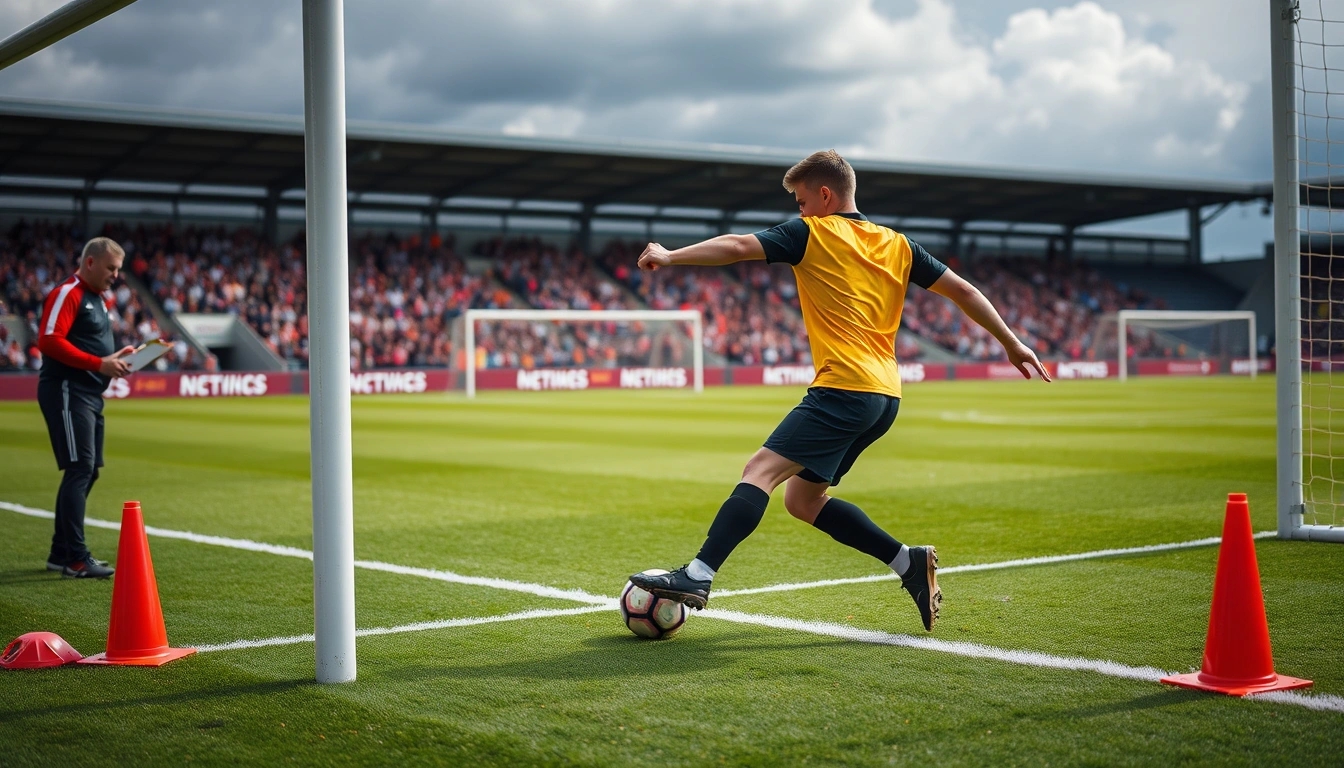
Training Tips for Aspiring Poacher Strikers
So, you’ve got dreams of scoring goals like a classic poacher, huh? Well, buckle up, because becoming that sneaky striker who’s always lurking in the right spot isn’t just about luck or being lucky enough to be in the right place at the right time. It’s about sharpening your instincts, mastering your finishing, and learning to read the game like a hawk. Here’s some practical advice and drills to get you started on your journey to goal-scoring glory.
1. Master the Art of Positioning
Poachers thrive on positioning — it’s their bread and butter. You gotta be that annoying shadow that defenders can’t shake off. Work on your spatial awareness by watching games and noting how top poachers move. Then, hit the training ground and simulate runs behind defenders. Practice timing your runs so you’re just onside but ready to pounce the moment the ball comes your way.
- Drill: Set up cones to mimic defenders and practice darting in and out of their “lines.” Try to time your run perfectly to receive a pass.
- Tip: Use video analysis apps to review your positioning during scrimmages.
2. Sharpen Your Finishing Skills
Being a poacher means you gotta be clinical. No fancy tricks needed — just pure, ruthless finishing. Work on one-touch finishes, volleys, and tap-ins inside the box. The more comfortable you are with different types of finishes, the more lethal you’ll be.
| Finishing Drill | Purpose | How to Execute |
|---|---|---|
| One-touch shooting | Speed and accuracy | Partner crosses the ball; finish with a single touch without breaking stride. |
| Volleys | Timing and power | Receive a lofted pass and strike the ball mid-air towards goal. |
| Tap-ins | Composure | Practice quick, simple finishes from close range after rebounds or loose balls. |
3. Develop Your Anticipation and Reaction
Poachers don’t wait around — they anticipate. Train your brain to read defenders’ body language and predict where the ball will land. Reaction drills, like catching tennis balls or rapid-fire shooting practice, can help improve your reflexes.
- Drill: Have a coach or teammate randomly pass balls into the box; your job is to react instantly and finish.
- Tip: Play small-sided games to force quick decision-making under pressure.
4. Improve Your Physicality and Agility
Don’t underestimate the importance of quick feet and strength. Poachers often battle defenders in tight spaces, so agility drills, ladder exercises, and strength training will keep you nimble and tough.
5. Study the Greats
Lastly, watch poacher legends like Gerd Müller or modern maestros like Jamie Vardy. Notice their movement, timing, and how they sniff out chances. Imitate, adapt, and then add your own flair.
Remember, becoming a poacher isn’t about waiting for the ball to fall in your lap — it’s about working hard, staying alert, and being ready to pounce the second an opportunity arises. So get out there, practice smart, and maybe one day you’ll be the nightmare defenders dread.
Common Misconceptions About Poacher Strikers
Alright, let’s get one thing straight right off the bat: poacher strikers are not just lazy players who camp out in front of the goal hoping for a miracle rebound or a lucky deflection. If you think that, well, you’re missing the entire point of what makes these players tick. The truth? Poachers are some of the hardest working, most cunning players on the pitch. But hey, don’t just take my word for it — let’s dig a little deeper and bust some myths that have been floating around.
- Myth 1: Poachers don’t run much. Nope. While they might not be sprinting the length of the field every minute, their movement is all about smart positioning. They’re constantly darting, reading defenders’ body language, and timing their runs to perfection. It’s like watching a chess player anticipating the opponent’s next move.
- Myth 2: Poachers just wait for luck. Luck helps, sure, but it’s never the main ingredient. Poachers train their instincts relentlessly, developing a sixth sense for where the ball will drop. Think of it as a predator stalking its prey — patience, timing, and precision.
- Myth 3: Poachers are one-dimensional. Far from it. While their specialty is finishing, many poachers have a surprising array of skills: quick feet, clever feints, and even the occasional assist. They might not be the team’s playmaker, but they’re far from simple goal-scorers.
Here’s a quick table to show the difference between what people think and the reality of poacher strikers:
| Common Misconception | Reality |
|---|---|
| Poachers just stand still near the goal. | They constantly move, slip between defenders, and time runs with surgical precision. |
| They rely solely on luck. | They hone instincts through hours of practice and game experience. |
| Poachers lack versatility. | They often contribute to build-up play and can adapt to different attacking roles. |
Now, you might wonder, “If poachers are so sneaky and clever, why do some fans still think they’re just lucky?” Well, it’s probably because their style looks deceptively simple. When you see a poacher calmly slot the ball home from a tight angle or pounce on a rebound, it might look like they just got lucky. But behind that calm finish is a brain working overtime — analyzing defenders, predicting goalkeeper moves, and calculating the perfect moment to strike.
Here’s a little secret: poaching is an art. It’s not about flashy dribbles or long-range screamers. It’s about being in the right place at the right time, every time. And that takes serious effort. Coaches often say that poachers have an almost unnatural “goal sense” — something you can’t teach easily, but can definitely sharpen with hard work.
- Practical Insight #1: Aspiring poachers should focus on anticipation drills — practicing reading the game and reacting quickly to loose balls or defensive mistakes.
- Practical Insight #2: Positioning is king. Spend time studying how defenders move and where space opens up during different phases of play.
In the end, the poacher striker’s reputation as a “goal-hanging” player is just a misunderstood badge. They’re more like predators in the box — patient, ruthless, and deadly. So next time you see one sneak in for a tap-in, remember: that goal is the result of grit, brains, and a heck of a lot of hustle.
Poacher Strikers in Modern Football Tactics
Alright, let’s talk about something that’s been buzzing in football circles lately — the role of poacher strikers in today’s lightning-fast, tactically intense games. You might think poachers are just old-school goal-hunters lurking around the box waiting for a lucky bounce, but nah, that’s so passé. Modern coaches have been shaking things up, and poachers are evolving right alongside the game’s pace and complexity.
First off, poachers aren’t just standing around, twiddling their thumbs anymore. These guys have become super sharp predators who know exactly when and where to pounce. Coaches now use them as tactical weapons, exploiting the tiniest defensive cracks. It’s like having a sniper on your team, patiently waiting for the perfect shot. But it’s not just about scoring — it’s about creating pressure, dragging defenders out of position, and opening up spaces for midfielders and wingers.
| Traditional Poacher Role | Modern Poacher Role |
|---|---|
| Waits near goal for rebounds or loose balls | Constantly moves, pressing defenders and anticipating passes |
| Relies heavily on finishing skills | Combines finishing with tactical awareness and quick decision-making |
| Limited defensive contribution | Participates in high pressing and counter-pressing |
Now, coaches like Klopp or Guardiola aren’t just throwing poachers into the box and crossing their fingers. They integrate them into high-press systems where these strikers are often the first line of defense. It might sound weird, but poachers today are expected to hustle back, harass defenders, and help regain possession quickly. It’s a far cry from the lazy stereotype of a poacher just waiting for a gift.
- Speed and anticipation: Modern poachers must read the game like a chess master, anticipating passes and defensive errors.
- Movement off the ball: They don’t just stand still; their runs pull defenders apart, creating havoc in the backline.
- Pressure application: High pressing forces defenders into mistakes, leading to scoring chances.
But here’s the kicker — not every poacher fits this mold. Some teams still cherish the classic number 9 who just lingers in the box, ready to pounce on scraps. It all depends on the coach’s philosophy, squad makeup, and the opposition. Sometimes, the old-school poacher is exactly what you need to break down a stubborn defense. Other times, a more dynamic, all-round forward is the answer.
Practical Insight for Coaches:- Use poachers in systems that emphasize quick transitions.- Train them in pressing drills to enhance defensive contribution.- Encourage intelligent off-the-ball movement to disrupt defenses.- Balance their role between finishing and tactical involvement.
In the end, poachers remain a fascinating piece of the football puzzle. Their role might be shifting, but their hunger for goals and knack for sniffing out chances never fades. Coaches who get this balance right often find themselves with a secret weapon — a striker who’s not just a scorer but a tactical nightmare for defenders.

Why Teams Still Need Poacher Strikers
Alright, let’s cut to the chase: in this era of tiki-taka, gegenpress, and all those fancy tactical buzzwords, you might wonder if the humble poacher striker is just a relic of football’s past. Spoiler alert: they’re not. Despite all the high-tech training, data analytics, and midfield maestros dictating play, poacher strikers remain absolutely vital to a team’s success. Why? Because some things just can’t be taught or replaced by systems — like that instinctive knack for sniffing out goals in the chaos of the penalty box.
Let’s be honest. Poachers don’t always get the glory for their off-the-ball runs or those cheeky tap-ins. They’re not usually the ones dribbling past five defenders or scoring from impossible angles. But ask any defender, and they’ll tell you that a good poacher is a nightmare — always lurking, always ready to pounce on the slightest mistake. Their unique skill set is a game-changer because it’s all about anticipation, positioning, and ruthless efficiency.
| Poacher Striker Traits | Why It Matters |
|---|---|
| Exceptional positioning | Finds pockets of space defenders miss, making them deadly in tight areas. |
| Lightning-fast reactions | Capitalizes on rebounds and goalkeeper errors before anyone else can. |
| Clinical finishing | Converts chances with minimal fuss — no flashy skills needed. |
Now, some critics might say poachers are just lucky or “goal-hanging” freeloaders. But that’s a bit unfair, isn’t it? Getting into the right spot at the right time is a skill honed over years. It’s like fishing — you need patience, timing, and a sixth sense for when the big catch is about to bite. Plus, poachers often have to battle defenders who are bigger, faster, and stronger. It’s not just luck; it’s grit and persistence.
- Adaptability: Poachers can adjust their runs based on how defenses shift, making them unpredictable.
- Pressure handling: They thrive under pressure, often scoring the crucial goals when it matters most.
- Team synergy: Poachers force defenders to stay alert, creating space and opportunities for teammates.
In modern football, where pressing is relentless and space is scarce, poachers have had to evolve. They’re no longer just waiting for scraps; many have developed better link-up play and mobility. But at their core, their role remains the same: to be the ultimate finisher. Coaches still crave that kind of player because, at the end of the day, goals win games. And who else is better at putting the ball in the net when the odds are stacked against them?
So yeah, while tactics and formations will keep changing, the poacher striker’s instinctive hunger for goals is something no team can afford to lose. They might not always dazzle with fancy footwork, but when the scoreboard needs ticking, these guys are worth their weight in gold.
Frequently Asked Questions (The title must be written in English.)
- What exactly is a poacher striker in football?
A poacher striker is a forward who thrives on scoring goals by capitalizing on quick opportunities inside the penalty box. Think of them as the sneaky hunters who wait patiently for the perfect moment to pounce on loose balls or defensive mistakes. Their main focus? Being in the right place at the right time to finish with precision.
- How do poacher strikers differ from other types of forwards?
Unlike target men who often hold up the ball and battle defenders physically, poachers rely heavily on sharp positioning, speed, and instinct. They don’t usually roam far from the goal area, instead they anticipate rebounds, slips, or passes to slip behind defenders and score quickly. It’s like comparing a sniper to a heavyweight boxer—both effective, but with very different styles.
- What key skills make a poacher striker so effective?
Speed, quick reflexes, and an eagle eye for goal are their secret weapons. Poachers excel in reading the game’s flow and predicting where the ball will land next. They also have clinical finishing skills that can turn half-chances into goals. Imagine a cat ready to leap the second it spots a mouse—that’s the poacher’s mindset on the pitch.
- Can anyone train to become a poacher striker?
Absolutely! While natural instincts help, poaching skills can be honed through targeted drills focusing on positioning, reaction time, and finishing under pressure. Practicing one-touch shots, anticipating crosses, and improving your agility can turn you into a goal-scoring machine. It’s all about sharpening those razor-sharp instincts.
- Why are poacher strikers still important in modern football tactics?
Despite evolving tactics and complex team play, poachers remain crucial because they provide that explosive edge in front of goal. When defenses tighten up, having a striker who can exploit tiny gaps and convert scrappy chances is a game-changer. They’re like the secret weapon coaches pull out when every second counts.
- Are poacher strikers just lucky goal scorers?
Not at all! The idea that poachers just “get lucky” is a common myth. Their success comes from intense focus, positioning, and relentless practice. They work tirelessly behind the scenes to read the game, stay alert, and react faster than defenders. Luck might help sometimes, but skill and preparation are the real heroes here.
- What are some famous examples of poacher strikers?
Legends like Gerd Müller and modern stars like Jamie Vardy showcase classic poacher traits. These players have a knack for being in the right place at the right time, turning half-chances into unforgettable goals. Their careers prove that poaching is both an art and a science.