Alright, let’s get this straight: pressing triggers in football aren’t just some fancy buzzwords coaches throw around to sound smart at halftime. They’re those tiny, often overlooked moments or cues on the pitch that tell a team, “Hey, now’s the time to pounce!” It’s like a secret handshake between defenders and midfielders that sparks an aggressive chase after the ball, aiming to suffocate the opponent’s rhythm before they even get comfortable. You know that feeling when a player messes up a pass or takes a clumsy touch? That’s often the cue. Teams spot it and go full throttle to disrupt play. Simple? Yes. But pulling it off consistently? That’s where the magic — and chaos — happens.
- Pressing triggers are essentially catalysts for coordinated defensive bursts.
- They help teams decide the right moment to press rather than chase aimlessly.
- They’re crucial for turning defense into attack swiftly, often catching opponents off guard.
Now, pressing itself is nothing new, but the idea of pressing triggers is a bit like having a radar for when to strike. Imagine a chess player noticing a tiny slip from their opponent and immediately capitalizing — that’s what pressing triggers do on the football field. Without these cues, pressing can look like a desperate scramble, but with them, it’s a calculated, almost surgical maneuver.
| Common Pressing Triggers | What It Means |
|---|---|
| Bad first touch by opponent | Immediate pressure to force error or regain possession |
| Backward pass to goalkeeper | Opportunity to trap and press high up the pitch |
| Opponent turns with ball facing own goal | Signal to close down space quickly |
| Loose or slow pass | Trigger to swarm and intercept |
But here’s the kicker — not every trigger is foolproof. Sometimes teams overcommit, leaving gaping holes and inviting counterattacks. Coaches spend hours drilling players on recognizing these triggers and reacting as a unit, because pressing is a team sport, not a solo sprint. The timing needs to be spot on, or else the whole defense looks like a bunch of headless chickens.
So next time you watch a team suddenly swarm an opponent, remember: it’s not random panic. It’s the result of sharp eyes catching a pressing trigger and a squad trained to pounce. Pressing triggers might sound technical, but at heart, they’re just football’s way of saying, “Gotcha!” in the most tactical way possible.
Understanding Pressing in Football
Pressing in football isn’t just some fancy buzzword tossed around by commentators to sound clever. It’s a fundamental tactic that can make or break a team’s defensive game. At its core, pressing means applying immediate pressure on the opponent who has the ball, aiming to disrupt their rhythm, force errors, or even snatch possession outright. But it’s not just about running around like headless chickens chasing the ball—it’s a carefully choreographed dance that requires timing, coordination, and a bit of footballing intuition.
Why is pressing so crucial? Well, in modern football, possession isn’t everything. You can have the ball all day but if you’re not threatening or if your defense is constantly under siege, you’re basically just playing keep-away. Pressing flips the script by turning defense into an attack opportunity. Teams that master pressing can suffocate their opponents, forcing turnovers high up the pitch and creating chances from chaos. Think of it as a high-stakes game of cat and mouse, where the pressing team tries to make the opposition panic and slip up.
| Key Reasons Why Pressing Matters |
|---|
|
Now, pressing isn’t just a random sprint after a player with the ball. It’s embedded deeply in modern tactical setups across leagues worldwide. Coaches design pressing systems based on their squad’s strengths and the opponent’s weaknesses. For example, Jurgen Klopp’s “Gegenpressing” is all about intense, immediate pressure after losing possession, aiming to regain the ball within seconds. On the other hand, some teams prefer a more measured approach, pressing selectively when certain “triggers” appear (like a bad touch or a backward pass).
- High Press: Pressing near the opponent’s goal to force errors close to scoring areas.
- Mid-Block Press: Sitting deeper but stepping up aggressively when the ball enters certain zones.
- Low Block Press: Defending deep and pressing only in critical moments to avoid being exposed.
It’s interesting how pressing styles vary so much depending on the league’s pace, player characteristics, and even weather conditions. In fast-paced leagues like the English Premier League, pressing is often relentless and physically demanding, while in leagues like Serie A, you might see more tactical patience with pressing triggers carefully chosen.
To sum it up: Pressing is more than just chasing the ball; it’s a strategic weapon that shapes how teams defend and attack. Its importance in modern football can’t be overstated, and understanding its nuances can change the way you watch the game. Next time you see a team swarm an opponent after losing the ball, you’ll know it’s not chaos — it’s pressing in action, a beautiful mess of strategy and sweat.
The Anatomy of a Pressing Trigger
Alright, let’s get down to brass tacks about pressing triggers in football. You hear the term thrown around a lot—especially when pundits start waxing lyrical about high-intensity pressing teams like Klopp’s Liverpool or Nagelsmann’s RB Leipzig. But what the heck is a pressing trigger exactly? In simple terms, it’s that moment, that tiny little cue on the pitch that sets off a chain reaction where players swarm the ball aggressively, trying to snatch it back or force a mistake. It’s like a green light for the team to press hard and fast.
So, what does this “trigger” look like in practice? Well, it’s not some mystical, coded signal. Instead, it’s usually something pretty obvious—like a sloppy first touch from an opponent, a backward pass that leaves a player isolated, or even a defender receiving the ball with their back turned. These moments act as visual or situational cues for the pressing team. Once spotted, players spring into action, closing down space, cutting passing lanes, and generally making life miserable for whoever has the ball.
| Trigger | Description | Typical Reaction |
|---|---|---|
| Bad First Touch | Opponent controls the ball poorly, losing balance or possession control. | Immediate pressure to force a turnover or hurried pass. |
| Backward Pass | Pass sent backward, often to a defender or goalkeeper. | Pressing line steps up to trap the ball carrier and cut passing options. |
| Isolated Player | Opponent is left alone with limited support. | Quick double-team or surround to force error. |
| Slow Decision-Making | Opponent hesitates or looks indecisive. | Press intensifies to exploit hesitation. |
Now, it’s not just about spotting these triggers but reacting with lightning speed. A pressing trigger loses all its magic if the team is slow to respond. That’s why coaches drill players relentlessly on recognizing these moments and moving as a unit. The beauty of pressing triggers is that they’re context-dependent—what counts as a trigger for one team might be ignored by another, depending on their style and tactical setup.
- High pressing teams often latch onto backward passes or poor touches near the opponent’s goal to launch a ferocious attack.
- Mid-block teams might wait for slower decision-making in midfield to initiate pressing.
- Low-block teams may use pressing triggers selectively, focusing on isolating opponents near their defensive third.
It’s worth mentioning that pressing triggers aren’t foolproof. Sometimes players misread the situation, leading to overcommitting and leaving gaps behind. It’s a bit like jumping the gun in a race—you think you’ve got the perfect moment, but the other guy’s already moved on, leaving you chasing shadows.
To sum up, pressing triggers are the sparks that ignite the fire of intense, coordinated defensive pressure. They’re the subtle signs players watch for like hawks, ready to pounce the moment the opposition slips up. Without these triggers, pressing would be a chaotic guessing game rather than a finely tuned tactical weapon.

Types of Pressing Triggers
Alright, let’s get down to the nitty-gritty of pressing triggers in football — those little moments that make a team snap into action and swarm the opponent like bees on honey. You see, pressing triggers aren’t just random; they’re like secret signals players watch for to know when to jump on the ball carrier and mess up their flow. And trust me, these triggers vary wildly depending on the team’s style, formation, and, well, how feisty the coach is feeling that day.
- Bad First Touch: Probably the most obvious one. When a player fumbles the ball right after receiving it — maybe it slips off their foot, or they misjudge the bounce — that’s a green light for the opposition to close in hard. It’s like a free invitation to pounce because the ball’s basically begging to be nicked away.
- Backward Pass: This one’s sneaky but effective. When a player passes the ball back to a defender or goalkeeper, it often slows the attack down. Teams see this as a chance to press high and force errors, especially if the receiver isn’t comfortable under pressure. Some coaches call this the “pressure cooker” moment.
- Slow Ball Movement: Not a trigger per se, but if the ball is moving sluggishly across the midfield, it signals the pressing team to ramp up intensity. The thinking is that slow play means hesitation or lack of confidence — prime time for a quick, aggressive press.
- Poor Body Positioning: When the ball carrier’s back is turned or their body is angled awkwardly, defenders smell blood. This triggers a press because the player is less likely to spot incoming pressure or make a clean pass.
| Trigger Type | Description | Typical Team Response |
|---|---|---|
| Bad First Touch | Player mishandles the ball immediately after receiving it. | Immediate swarm and attempt to regain possession. |
| Backward Pass | Ball played back to defenders or goalkeeper. | High pressing to trap and force errors. |
| Slow Ball Movement | Ball circulated slowly without urgency. | Increase pressing intensity and close down spaces. |
| Poor Body Positioning | Ball carrier’s body orientation is vulnerable. | Pressure to cut off passing lanes and force mistakes. |
Now, here’s where it gets interesting — pressing triggers aren’t one-size-fits-all. A team like Klopp’s Liverpool thrives on aggressive triggers like backward passes and bad touches, launching a full-scale hunt the moment the ball slips. Meanwhile, a side like Atletico Madrid might be pickier, relying on more calculated triggers, like a player’s poor body orientation combined with tactical positioning, to avoid overcommitting and getting caught out.
- Risk Level: Some triggers are low-risk (like bad touches), others can be traps leading to counterattacks if the press fails.
- Playing Style Influence: High pressing teams use triggers more aggressively; possession-based teams might wait for multiple triggers before pressing.
So, if you’re watching a match and spot a defender nervously receiving a backward pass, or a midfielder fumbling the ball, watch closely — that’s the moment the pressing cavalry might charge. And if it works? Boom, turnover and maybe even a goal-scoring chance. If it doesn’t? Well, that’s football for you — a game of inches, risks, and sometimes, glorious mistakes.
How Coaches Train Pressing Triggers
When it comes to sharpening a team’s reaction to pressing triggers, coaches don’t just throw players on the pitch and hope for the best. Nope, it’s a bit more scientific — and honestly, a lot more sweat and shouting involved. Training pressing triggers is like teaching a pack of wolves to howl at the exact right moment. Timing, coordination, and awareness all have to sync perfectly, or else you end up looking like a bunch of headless chickens chasing shadows.
First off, drills focused on reactive pressing are a staple. Coaches set up scenarios where players have to identify specific cues—like a sloppy first touch, a backward pass, or a slow decision from the opponent—and then spring into action immediately. These drills often involve small-sided games or rondos with added rules: if a player spots the trigger, the whole team presses aggressively. It’s chaotic, intense, and designed to simulate real match pressure. The goal? To make the reaction second nature, so players don’t have to think twice when the moment comes.
- Trigger Recognition Drills: Players watch video clips or live demonstrations, then replicate pressing moves based on identified triggers.
- Small-Sided Games: Emphasize quick transitions and pressing after certain cues, forcing players to communicate and move as a unit.
- Positional Awareness Exercises: Focus on maintaining shape even when pressing aggressively, avoiding the common pitfall of overcommitting.
Now, let’s be honest: it’s not just about spotting the trigger, but also about how the team coordinates their response. Coaches often organize players into zones or lines, so when one guy presses, the others cover passing lanes or mark potential outlets. This “team pressing” approach is drilled repeatedly, sometimes with whistles or visual signals to mimic the chaos of a real game. If you think it’s easy to get 11 players to move like one organism, you clearly haven’t been in a drill session where half the squad is daydreaming.
| Training Method | Purpose | Common Challenges |
|---|---|---|
| Video Analysis Sessions | Help players recognize pressing triggers visually | Players might overanalyze and hesitate in real-time |
| Simulated Match Scenarios | Practice reacting under pressure | Fatigue can reduce reaction sharpness |
| Communication Drills | Improve verbal and non-verbal cues within the team | Miscommunication leads to defensive gaps |
One sneaky tip coaches swear by is incorporating unexpected triggers during training — stuff that players might not expect, like a goalkeeper’s poor clearance or a sudden change in opponent formation. This keeps the team alert and adaptable, because let’s face it, football is messy and unpredictable. If your training is too rigid, you’ll get caught flat-footed when the real madness hits.
So, to wrap it up: training pressing triggers is a blend of mental sharpness and physical readiness. It’s about teaching players to read the game like an open book, trust their instincts, and act as a cohesive unit. Yeah, it’s tough and sometimes frustrating, but when it clicks? Man, it’s a beautiful thing to watch — a team pressing with precision and purpose, turning defensive moments into attacking opportunities.
Pressing Triggers vs. Pressing Traps
Pressing Triggers vs. Pressing Traps:
In the chaotic chess game that is modern football, understanding the difference between pressing triggers and pressing traps can be the secret sauce that separates a well-drilled team from a hot mess on the pitch. Now, don’t get me wrong, these terms might sound like jargon tossed around by tactical nerds, but trust me, they’re the bread and butter of how teams try to snatch the ball back and keep their opponents on the back foot. So, what’s the real deal here? Let’s break it down.
- Pressing Triggers: These are the subtle cues or moments that tell players, “Alright, now’s the time to pounce!” Think of a bad first touch, a sideways or backward pass, or a defender who’s caught looking the wrong way. These triggers are like a green light for the team to swarm the ball carrier aggressively. It’s reactive and immediate — the moment the trigger happens, players jump into action.
- Pressing Traps: Now, traps are a bit sneakier. Instead of just reacting, teams set these up intentionally. They lure the opponent into a specific area of the pitch where multiple defenders lie in wait, ready to close down and suffocate any passing options. It’s like a spider weaving a web, waiting for the fly to land.
| Feature | Pressing Trigger | Pressing Trap |
|---|---|---|
| Nature | Reactive to opponent mistakes or cues | Proactive, planned tactical setup |
| Timing | Immediate response to a moment | Waits for opponent to enter a danger zone |
| Player Movement | Quick, aggressive pressure | Coordinated, positional pressing |
| Risk Level | Can be risky if mistimed | Relies on discipline and patience |
Now, here’s where it gets interesting. Teams often blend these two concepts to keep opponents guessing. A pressing trigger might kick off the initial pressure, but then the team funnels the ball into a pressing trap area, doubling down on the opponent’s mistake. Coaches love this combo because it’s like setting a clever trapdoor — once the opposition steps in, bam! The ball’s gone.
But, oh boy, it’s not all sunshine and roses. Misreading a pressing trigger can leave a team exposed — players chasing shadows, gaps opening up, and suddenly the defending side looks like a sieve. And traps? If the opponent smells the setup, they’ll just chip the ball over or pass wide, leaving the pressing team stranded. So, timing, communication, and discipline are everything.
Practical Insight:
- Teams like Liverpool under Klopp have nailed the art of pressing triggers, reacting instantly to sloppy touches and backward passes.
- Meanwhile, RB Leipzig uses pressing traps with surgical precision, guiding opponents into tight corridors before pouncing.
In a nutshell, pressing triggers are the sparks that ignite the defensive fire, while pressing traps are the carefully laid snares that catch the prey. Both require razor-sharp awareness and teamwork, and when executed well, they can turn defense into a devastating weapon. So next time you watch a high-intensity match, keep an eye out for these moments — it’s football’s version of a tactical thriller unfolding live.
Famous Teams Known for Effective Pressing Triggers
When you talk about pressing triggers in football, two clubs often pop up in the conversation: Liverpool and RB Leipzig. These teams have practically turned pressing into an art form, and it’s not just luck or raw talent — it’s about mastering the subtle cues that ignite a collective sprint towards regaining possession. But what exactly makes their pressing so effective? Let’s dive in.
First off, Liverpool under Jürgen Klopp has become synonymous with the term “gegenpressing.” The moment the ball leaves their possession, players spring into action, hunting down the ball carrier with relentless intensity. This isn’t random hustle; it’s a finely tuned system where players are trained to spot pressing triggers like a backward pass, a poor first touch, or even a player’s body orientation. These triggers act like a green light for the team to swarm the opponent and suffocate their build-up play.
| Trigger | What It Means | Player Reaction |
|---|---|---|
| Backward pass | Opponent passes back to a defender or goalkeeper | Immediate press on receiver to prevent easy distribution |
| Poor first touch | Opponent fails to control the ball properly | Quick closing down to force error or turnover |
| Isolated player | Opponent left alone without nearby support | Double-team or aggressive press to force mistake |
Now, RB Leipzig’s approach is a bit different but just as fascinating. Known for their high-intensity, organized pressing, Leipzig’s system under coaches like Julian Nagelsmann and now others has revolved around smart triggers that focus on cutting off passing lanes and forcing opponents into uncomfortable positions. Their players are drilled to recognize situations where the opposition’s options are limited, triggering a coordinated press that often leads to quick turnovers.
- Positional awareness: Leipzig players constantly scan the field for pressing triggers, such as a cross-field pass or a switch of play, which signals them to shift and press aggressively.
- Communication: The team’s pressing is a symphony — players talk, point, and adjust on the fly to ensure no gaps appear when pressing is initiated.
- Fitness and stamina: The pressing style demands relentless energy, something Leipzig players are renowned for maintaining throughout the match.
What’s intriguing is how these pressing triggers have shaped the identity and success of both clubs. Liverpool’s relentless pressing has helped them reclaim the Premier League crown and lift the Champions League trophy, while Leipzig’s pressing has propelled them to become one of the Bundesliga’s most feared sides and a regular in European competitions.
Practical Insight:If you’re a coach or a player wanting to emulate this style, focus on:- Training players to recognize pressing triggers quickly.- Developing communication drills to ensure team cohesion.- Building stamina through high-intensity interval training.- Watching game footage to identify real-match pressing triggers.
In conclusion, pressing triggers aren’t just buzzwords; they’re the backbone of a tactical revolution that’s reshaping football. Liverpool and RB Leipzig have shown us that when a team masters these cues, they don’t just defend better — they control the game’s tempo and dictate how their opponents play. So next time you see a sudden burst of pressure on the pitch, remember: it’s all about spotting that trigger and hitting the gas pedal at just the right moment.
Common Mistakes When Using Pressing Triggers
Pressing triggers are like the secret handshake in football – once you spot them, your team can swarm the ball and disrupt the opponent’s rhythm. But, oh boy, it’s not always sunshine and rainbows. Teams often trip over their own feet when reacting to these cues, making errors that can cost dearly. Let’s unpack some of the usual blunders that crop up when teams try to press hard and fast.
First off, overcommitting is the classic rookie error. Imagine a player sees a backward pass or a sloppy first touch and immediately dashes in like a bull in a china shop. Sure, aggression is great, but when one or two players sprint forward recklessly, it leaves massive gaps behind them. The defense turns into Swiss cheese, and the opposing team just waltzes through. It’s like everyone forgot to hold their positions and suddenly the whole backline is on holiday.
| Common Mistake | Effect on Team | How to Fix |
|---|---|---|
| Overcommitting | Loss of defensive shape, leaving space behind | Better communication and disciplined pressing zones |
| Misreading Triggers | Pressing at wrong moments, wasting energy | Improved situational awareness and video analysis |
| Ignoring Team Shape | Creates gaps and confusion among teammates | Regular tactical drills emphasizing shape |
Another headache is misreading pressing triggers. Sometimes, players jump the gun or hesitate too long, pressing when they shouldn’t or missing the perfect moment. This not only wastes precious energy but also makes the press predictable. Opponents quickly catch on and exploit the half-hearted attempts, turning the pressing team’s enthusiasm into a liability.
And then there’s the all-too-common problem of losing defensive shape. Pressing isn’t just about running at the ball; it’s a coordinated dance. If one player presses but the others don’t adjust their positions accordingly, the whole team looks disorganized. It’s like a badly choreographed flash mob where everyone’s doing their own thing. This confusion often leads to easy passes for the opposition or even dangerous counterattacks.
- Communication breakdown: Without constant chatter, players don’t know who’s pressing or covering.
- Lack of patience: Press too early or too late, and the whole effort falls flat.
- Physical fatigue: Pressing requires stamina; tired players make sloppy decisions.
Coaches often harp on the importance of maintaining shape and timing, but it’s easier said than done. In the heat of the moment, adrenaline kicks in, and players forget the game plan. Plus, different teams have different pressing philosophies, so what works for Klopp’s Liverpool might not fly for a mid-table side trying to survive relegation.
So, what’s the takeaway here? Pressing triggers are powerful tools, but they’re double-edged swords. React too quickly or too aggressively, and you’re handing the opponent a golden chance. The key lies in balance, discipline, and crystal-clear communication. Teams that master these elements don’t just press – they suffocate their opponents without leaving themselves exposed.
In the end, pressing triggers aren’t magic bullets. They’re more like signals in a complex system that needs every cog to work smoothly. When one part falters, the whole machine stutters. So next time you see a team wildly chasing after pressing triggers and getting caught out, remember – it’s not just about hustle, it’s about brains and teamwork.
Measuring the Impact of Pressing Triggers
Alright, so you’ve got this brilliant pressing trigger your team swears by — maybe it’s that sloppy back pass or a player’s first touch going sideways — but how do you actually know if it’s working? That’s where the magic of data analysis steps in, and trust me, it’s not just about staring at numbers on a screen and nodding thoughtfully. Analysts and coaches dive deep into performance metrics to figure out if those triggers are causing the chaos you want on the pitch or if they’re just fancy ideas gathering dust.
First off, let’s talk about the kind of data they look at. It’s not just “did the team win or lose?” (although that’s important too, duh). They track things like pressing efficiency, which basically measures how often the pressing trigger leads to winning the ball back quickly. Other juicy stats include pass completion rates of the opposition after the trigger, turnover locations, and even player positioning heatmaps to see if the team maintains shape or ends up looking like a bunch of headless chickens.
| Metric | What It Tells You | Why It Matters |
|---|---|---|
| Pressing Efficiency | Percentage of successful ball recoveries after trigger | Measures direct impact of pressing on possession |
| Opponent Pass Completion | Rate of successful passes post-trigger | Shows disruption level caused by pressing |
| Turnover Zones | Where on the pitch ball is recovered | Indicates tactical effectiveness and risk areas |
| Player Heatmaps | Movement and positioning during pressing phases | Assesses team shape and coordination |
Now, you might be wondering how this data even gets collected without some poor soul manually writing down every single move. Enter the era of tracking technology — GPS vests, optical cameras, and AI-powered software that track every twitch, sprint, and shuffle. This tech spits out mountains of data, which analysts then slice and dice to spot patterns or, let’s be honest, weird anomalies like a defender suddenly sprinting off to nowhere.
- Video Analysis: Coaches review footage synced with data to see if players react quickly to triggers.
- Real-Time Feedback: Some teams use tablets on the sidelines to tweak pressing tactics mid-game.
- Post-Match Reports: Detailed breakdowns help plan training sessions focused on improving trigger recognition.
But here’s the kicker — data isn’t foolproof. Sometimes pressing triggers look great on paper but fall flat because players hesitate or get tired. Coaches have to blend this cold, hard data with gut feeling and experience. It’s like cooking: the recipe (data) guides you, but the chef’s intuition (coach’s insight) decides if the dish is a masterpiece or a disaster.
"Data tells you what happened, but only experience tells you why."
In the end, measuring the impact of pressing triggers is a balancing act. Too rigid an approach and the team might lose its flair; too loose and the pressing becomes ineffective. The best coaches and analysts keep tweaking, experimenting, and yes, sometimes scratching their heads, until that pressing trigger becomes a genuine game-changer.
The Future of Pressing Triggers in Football
Alright, let’s dive into the wild world of pressing triggers and where they might be headed. If you thought pressing was just about chasing the ball or yelling at your mate to close down, think again. With technology and analytics creeping into every nook and cranny of football, pressing triggers are evolving faster than a winger on a breakaway.
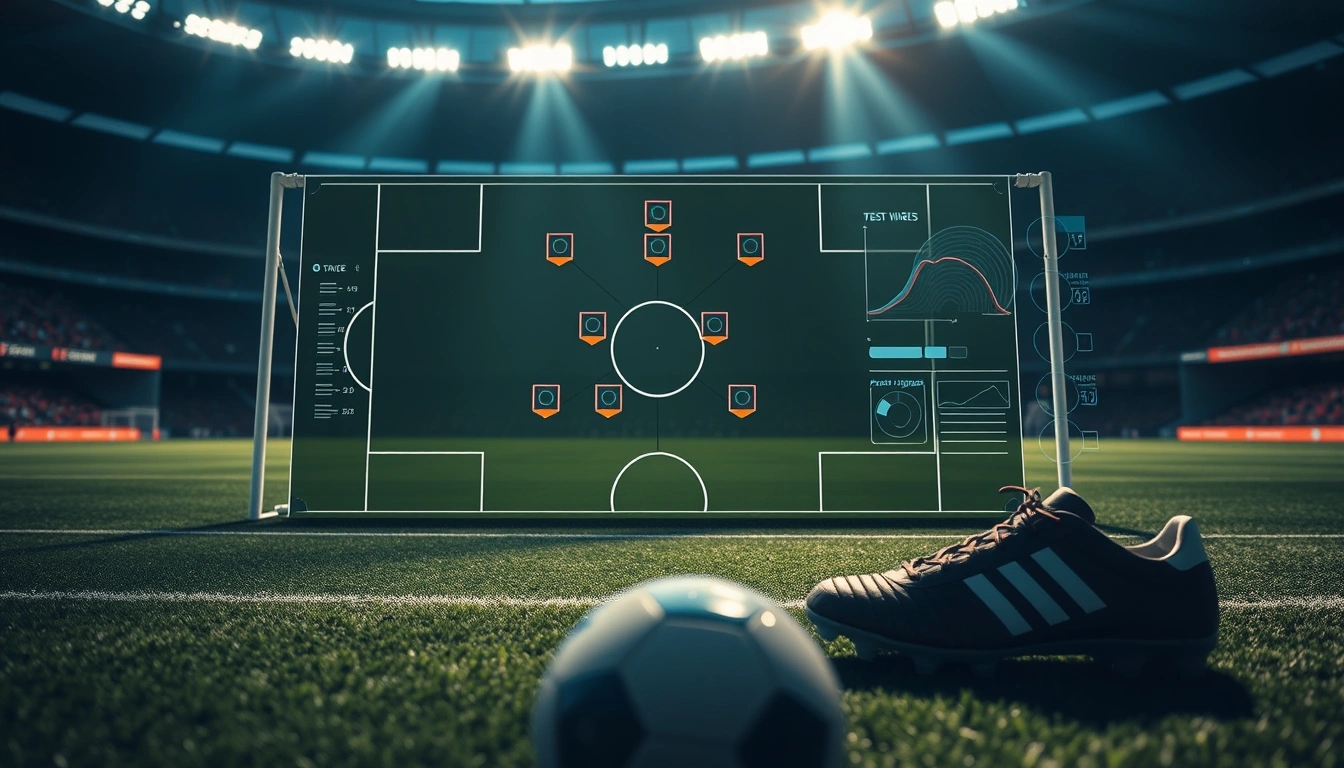
First off, the technology angle is a game-changer. Teams now have access to real-time data, wearable GPS trackers, and AI-powered video analysis. Imagine a coach getting instant feedback on when a player’s touch is sloppy or when a defender’s body position screams vulnerability. This means pressing triggers won’t just be based on gut feeling or experience anymore but on cold, hard data. Players might get subtle vibrations in their earpieces or visual cues during the game, signaling the perfect moment to press. Sounds sci-fi? Maybe, but it’s inching closer every season.
| Technology | Potential Use | Effect on Pressing Triggers |
|---|---|---|
| Wearable GPS & Sensors | Track player positioning & fatigue | Identify pressing windows when opponents tire |
| AI Video Analysis | Analyze opponent patterns in real-time | Predict likely error moments as pressing triggers |
| Augmented Reality (AR) | Provide tactical overlays during training | Train players to recognize triggers faster |
But it’s not just tech doing the heavy lifting. Football styles are shifting too. Think about how the game’s pace has ramped up, and teams are more versatile than ever. Pressing triggers will have to adapt to these changing rhythms. For example, the classic “bad first touch” might become less frequent as players get slicker on the ball. Instead, triggers could focus on subtle positional errors or even psychological tells — like a player hesitating before passing.
- Increased focus on anticipation: Players might learn to “read the mind” of opponents better, spotting signs before mistakes happen.
- Hybrid pressing styles: Combining aggressive triggers with patient positional pressing to confuse opponents.
- Data-driven personal triggers: Tailored cues based on individual opponent tendencies rather than generic team rules.
Now, here’s a curveball: will over-reliance on tech and data backfire? There’s a risk players become too robotic, pressing at the “wrong” moments because they’re fixated on signals rather than instincts. Football’s beauty lies in its unpredictability, after all. Coaches will need to strike a balance between data and human intuition.
In a nutshell, the future of pressing triggers looks like a blend of cutting-edge tech, smarter analytics, and evolving playing styles. It’s going to be fascinating to watch how teams harness these tools to outsmart opponents. One thing’s for sure — pressing will never be the same boring chase anymore.
Frequently Asked Questions
- What exactly is a pressing trigger in football?
A pressing trigger is like a green light for defenders and midfielders to jump into action. It’s a specific cue—such as a poor touch, a backward pass, or a loose ball—that signals players to start pressing aggressively and disrupt the opponent’s rhythm. Think of it as a secret code that unlocks coordinated team pressure.
- Why is pressing so important in modern football tactics?
Pressing is the heartbeat of many successful teams today. It helps regain possession quickly, suffocates the opponent’s build-up, and creates scoring opportunities. Without pressing, teams can get overwhelmed, so it’s like having a defensive alarm system that keeps the opposition on their toes.
- How do players recognize pressing triggers during a match?
Players develop a sixth sense through training and experience. Coaches drill them to spot key moments—like a miscontrolled ball or a risky pass—that serve as pressing triggers. It’s almost like reading the opponent’s mind, anticipating mistakes before they happen.
- Are pressing triggers the same as pressing traps?
Not quite! While pressing triggers are cues to start pressing, pressing traps are carefully designed setups to lure opponents into making errors. Think of triggers as the spark and traps as the net waiting to catch the opponent off guard.
- Which teams are famous for using pressing triggers effectively?
Clubs like Liverpool under Jurgen Klopp and RB Leipzig have turned pressing triggers into an art form. Their relentless, high-energy pressing disrupts opponents and often leads to quick turnovers and goals—making them thrilling to watch and tough to beat.
- What are common mistakes teams make when pressing?
Overcommitting and losing shape are the biggest pitfalls. If players press too aggressively without support, it leaves gaps for opponents to exploit. It’s like a game of chess—one wrong move and the whole defense can collapse.
- How do coaches train players to improve pressing triggers?
Through targeted drills that simulate match scenarios, coaches sharpen players’ reactions and decision-making. Video analysis and data also play a huge role, helping players understand when and how to press effectively as a unit.
- Can technology influence the future of pressing triggers?
Absolutely! With advanced analytics, wearable tech, and AI, teams can analyze pressing patterns in real-time and adapt faster than ever. The future might see pressing triggers becoming even more precise and personalized for each player.