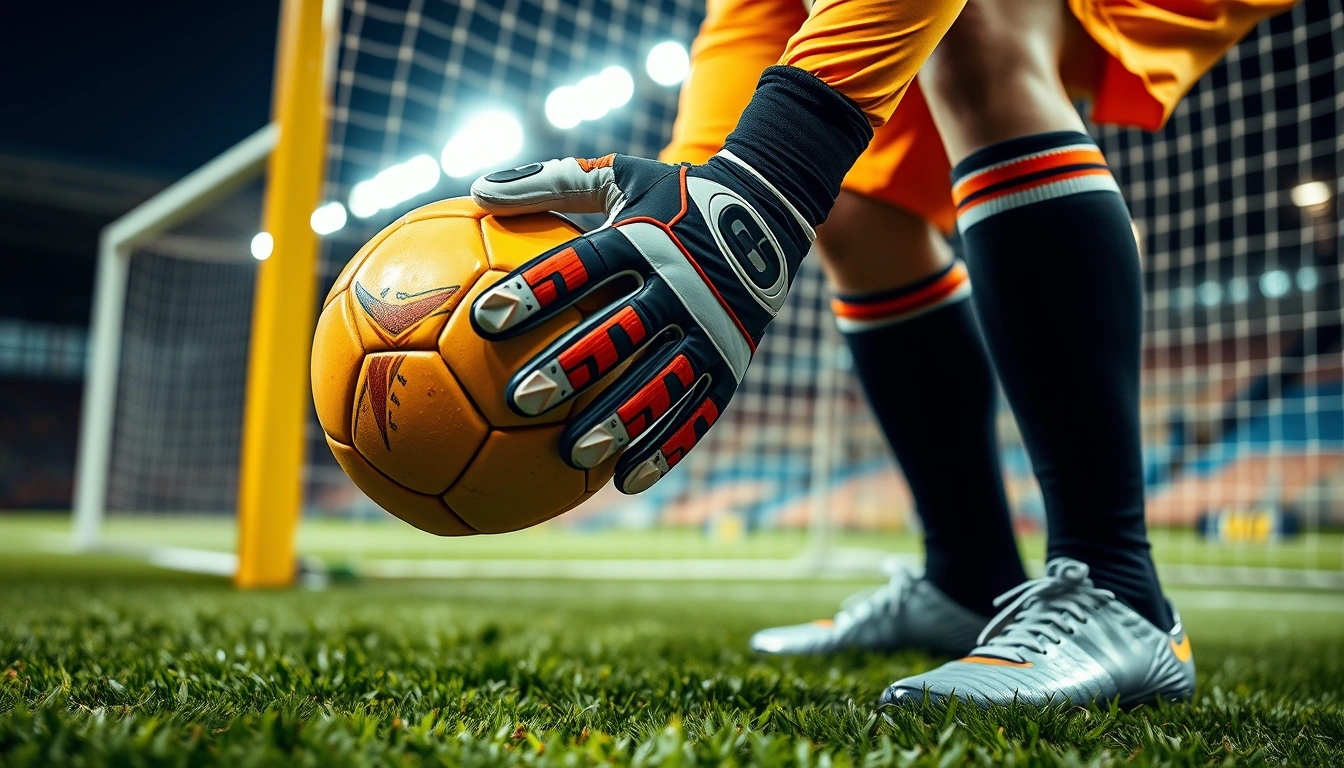
So, you’ve probably heard the term sweeper keeper tossed around during a match or in some football chat, right? But what on earth does it really mean? Well, buckle up, because the sweeper keeper is no ordinary goalie. This is a keeper who doesn’t just sit back and guard the net like a statue. Nope, they’re way more adventurous — playing far out from the goal line, almost like an extra defender who can also kick-start attacks. It’s like your goalkeeper decided to throw out the old rulebook and mix defense with offense in a way that’s shaking up modern soccer tactics big time.
| Traditional Goalkeeper | Sweeper Keeper |
|---|---|
| Primarily stays on the goal line | Roams far beyond the penalty area |
| Focuses on shot-stopping | Acts as an additional defender and playmaker |
| Minimal involvement in passing | Excellent footwork and ball distribution |
Now, the origin story of the sweeper keeper is pretty fascinating. Back in the day, goalkeepers were basically just shot-stoppers — their job was simple: don’t let the ball cross the line. But as football tactics evolved, especially with teams pushing for high pressing and possession-based play, keepers had to adapt. Enter the sweeper keeper, who literally “sweeps” behind the defense line, clearing balls, intercepting through passes, and even dribbling out to keep the play alive. Think of it as a goalie who’s not afraid to get their hands (and feet) dirty.
- Key Responsibilities: Acting as a last line of defense outside the box, launching counter-attacks with precise long balls, and reading the game like a pro chess player.
- Skills Needed: Lightning-fast reflexes, superb footwork (because you’re basically a field player too), and nerves of steel to stay calm when you’re way off your line.
It’s not all sunshine and rainbows though. Playing so far from the net is risky business. One wrong move, and boom — easy goal for the opposition. But when it works, it’s like magic. Famous sweeper keepers like Manuel Neuer have redefined the role, making it cool to be a goalie who’s also a playmaker.
Famous Sweeper Keepers:- Manuel Neuer (Germany)- Ederson Moraes (Manchester City)- Alisson Becker (Liverpool)
So, next time you watch a game and see the keeper sprint out of the box to snatch a ball or launch a counter, you’ll know they’re not just being reckless — they’re playing the sweeper keeper role, blending defense and attack in a way that’s changing football forever. Pretty wild, huh?
Origin of the Sweeper Keeper Role
Alright, let’s take a stroll down memory lane and unravel how the sweeper keeper came to be — because, honestly, this isn’t just some overnight trend or flashy buzzword tossed around by commentators. It’s a fascinating evolution that’s as much about changing football tactics as it is about the goalkeeper’s own mindset.
Back in the day, the goalkeeper was basically a goal-line guardian. Think of them as a human wall, glued to the goalposts, mainly focused on shot-stopping and catching crosses. Their job was pretty straightforward: don’t let the ball in. Simple, right? But as football tactics grew more sophisticated, especially from the mid-20th century onwards, teams started to demand more from their keepers. The idea of a goalie just waiting for the ball to come flying at them started to feel… well, a bit old-fashioned.
| Era | Goalkeeper Role | Key Tactical Shifts |
|---|---|---|
| Pre-1960s | Traditional shot-stopper, limited outside penalty area | Rigid formations, less pressing |
| 1970s-1980s | Start of playing with feet, more involvement in build-up | Introduction of pressing, zonal marking |
| 1990s-Present | Sweeper keeper role emerges, acting as ‘extra defender’ | High defensive line, possession football |
The term “sweeper keeper” itself is a nod to the sweeper — a defender who cleans up loose balls behind the defensive line. As teams pushed their defensive lines higher to squeeze the field and press opponents, they needed their goalkeepers to do more than just save shots. Suddenly, the keeper was expected to rush out and clear balls before strikers could pounce, essentially becoming a last line of defense outside the box.
- Early pioneers: Players like Gyula Grosics, the Hungarian goalkeeper in the 1950s, were among the first to play outside the box, challenging the traditional role.
- Modern revolution: Fast forward to the 21st century, and keepers like Manuel Neuer redefined the position, combining lightning reflexes with the ability to dribble and pass under pressure.
It’s wild to think about how this change wasn’t just tactical but psychological. Goalkeepers had to shed their “stay safe” instincts and embrace risk — stepping out, sometimes flirting with disaster, but often turning defense into attack. It’s like they had to become part-goalie, part-defender, part-playmaker. And not everyone was thrilled about this shift at first. Some coaches clung to the old-school mindset, wary of their keepers wandering too far from the goal.
Key Factors Behind Sweeper Keeper Evolution:- Tactical: High defensive line & pressing systems demand keeper’s involvement outside penalty area.- Technical: Improved foot skills and ball control in goalkeepers.- Psychological: Willingness to take risks and read the game proactively.
So, in a nutshell, the sweeper keeper role is a product of football’s tactical revolution — a beautiful mess of innovation, necessity, and a sprinkle of madness. From a guardian of the goal line to a sweeper behind the defense, this role has transformed how we think about goalkeeping forever. And honestly? It’s one of the coolest evolutions in the game. Who knew keepers could be so much more than just shot-stoppers?
Key Responsibilities of a Sweeper Keeper
When you hear the term sweeper keeper, it might conjure up images of a goalie with a mop, but in football, it’s way cooler—and way more complex. The sweeper keeper isn’t just guarding the net; they’re like the team’s secret weapon, acting as an extra defender, a playmaker, and sometimes even the tactician on the field. Let’s unpack what makes this role tick.
First off, the sweeper keeper’s primary job is still to stop goals. But unlike traditional goalies who mostly hang around their penalty area, sweeper keepers are daring souls who play higher up the pitch, almost like a last line of defense outside the box. Imagine a chess player anticipating moves several steps ahead—that’s how a sweeper keeper reads the game. They need to be lightning quick off their line to intercept through balls or clear dangers before the opposition’s strikers even get a sniff.
- Acting as an Extra Defender: This means sweeping up loose balls behind the defensive line, cutting out attacks early, and helping defenders by covering spaces. It’s risky business because a single misjudgment could leave the goal wide open.
- Initiating Attacks: Forget just throwing the ball aimlessly downfield. Sweeper keepers often start counter-attacks with precise, long-range passes or calm, strategic distribution. They’re like a quarterback launching a perfect pass downfield.
- Reading the Game: This is where the chess master analogy really fits. They must anticipate opponents’ moves, adjust positioning constantly, and communicate clearly with defenders to maintain a solid defensive shape.
| Responsibility | Description | Why It Matters |
|---|---|---|
| Extra Defensive Cover | Clearing balls behind the defense and acting as a ‘sweeper’ outside the box. | Prevents dangerous one-on-one situations and reduces pressure on defenders. |
| Attack Initiation | Starting plays with accurate passes or quick throws to teammates. | Transforms defense into offense quickly and keeps opponents guessing. |
| Game Reading | Anticipating opponent’s tactics and positioning accordingly. | Ensures the team stays organized and reduces chances of conceding. |
Now, it’s not all sunshine and rainbows for the sweeper keeper. This role demands nerves of steel because stepping out of your comfort zone means you’re exposed to all sorts of blunders. One slip-up, and boom—goal conceded. But when executed well, it’s like having a secret weapon that changes the entire dynamic of the team.
Also, communication is massive. The sweeper keeper needs to be vocal, constantly directing defenders, calling out threats, and orchestrating the backline like a conductor with an orchestra. Without this, chaos reigns.
In short, the sweeper keeper is a hybrid—a goalkeeper, a defender, and a playmaker rolled into one. They bring a new dimension to the game, blending defensive grit with offensive creativity. So next time you watch a keeper sprinting out of the box to snatch the ball or launching a pinpoint pass across the field, you’re witnessing the magic of a sweeper keeper in action.
Practical Insight: If you want to spot a sweeper keeper in a match, watch how often they leave their line to intercept passes or how involved they are in building attacks. It’s not just about saves anymore; it’s about being a team’s first attacker and last defender.
That’s the beauty and madness of the sweeper keeper role—always on the edge, always thinking two steps ahead, and redefining what it means to guard the goal.
Skills That Define a Sweeper Keeper
When you think of a sweeper keeper, the first thing that pops into your mind is probably not just a goalie standing tall in the net waiting for the ball to come flying at them. Nope, this role is a whole different beast. It demands a cocktail of skills that go far beyond the traditional shot-stopping duties. Let’s break down what really sets a sweeper keeper apart from your average goalkeeper.
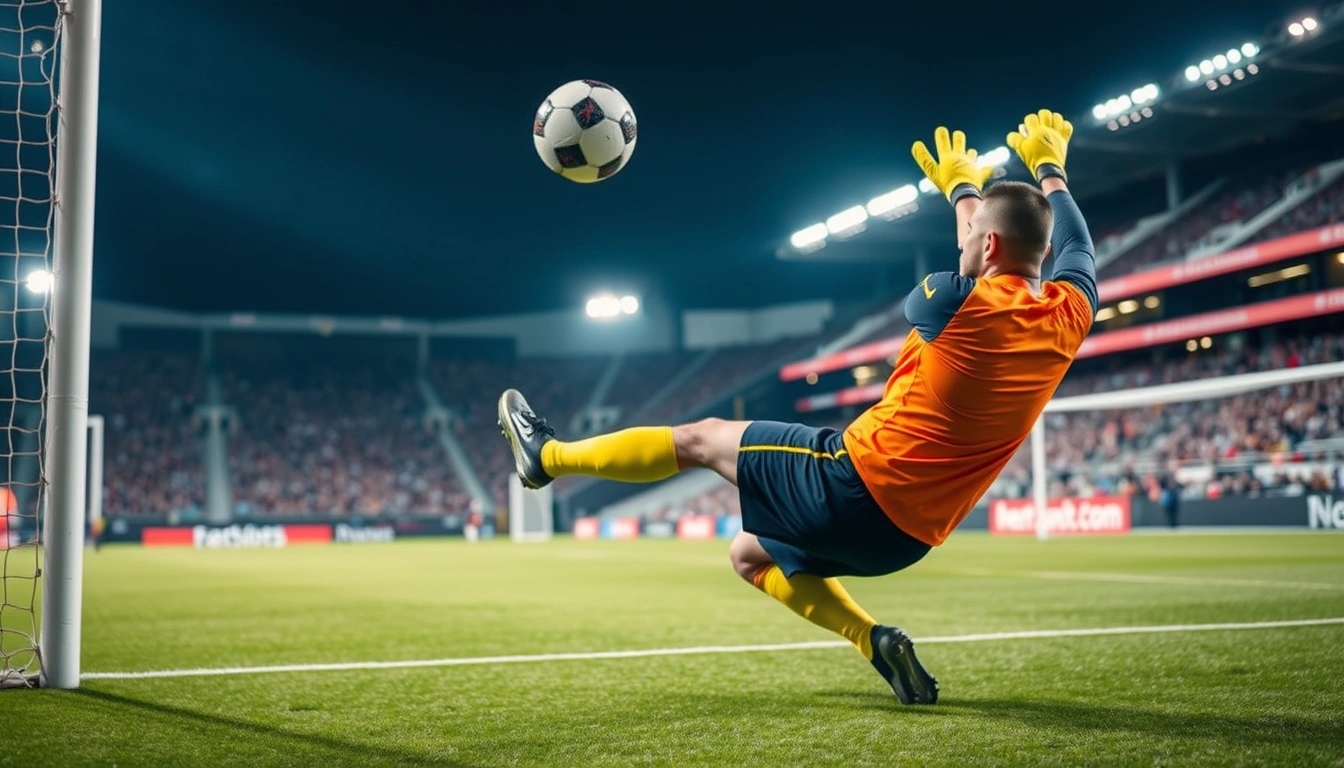
- Quick Reflexes: Of course, reflexes are a given for any goalkeeper, but the sweeper keeper’s reflexes need to be on steroids. They’re not just reacting to shots from 12 yards out; they’re also intercepting through balls, rushing out to snatch the ball away from attackers, and sometimes even making split-second decisions to clear danger outside the box.
- Excellent Footwork: This is where many traditional keepers might throw in the towel. A sweeper keeper must be comfortable with the ball at their feet, almost like an outfield player. Precise passing, dribbling under pressure, and quick distribution are key. They’re often the first attacker, launching counterattacks or maintaining possession when the defense is under siege.
- Nerves of Steel: Playing high up the pitch means there’s very little room for error. One bad touch or mistimed run can lead to a disastrous one-on-one situation with the opposing striker. The pressure is immense, and staying calm under fire is non-negotiable.
Now, you might be wondering, how does a sweeper keeper manage to stay composed when they’re practically an extra defender? Well, it’s a mix of experience, confidence, and a deep understanding of the game’s rhythm. They read the play like a chess master, anticipating moves before they happen. This anticipation allows them to step out and clear danger preemptively rather than reacting after the fact.
| Skill | Why It Matters | Example in Action |
|---|---|---|
| Quick Reflexes | Essential for last-ditch saves and intercepting fast attacks | Rushing out to block a through ball before the striker reaches it |
| Footwork | Allows keeper to participate in build-up play and maintain possession | Dribbling past a pressing forward to find a teammate |
| Nerves of Steel | Critical for maintaining composure when playing high off the line | Calmly distributing the ball under intense pressure |
But hey, it’s not all sunshine and rainbows. This role is a high-wire act. One slip-up, and you’re not just conceding a goal; you’re the reason your team is down a point. That’s why the mental toughness of a sweeper keeper is just as important as their physical skills. They need to shrug off mistakes quickly, keep their head in the game, and be ready to make the next crucial save or pass.
In short, the sweeper keeper is part goalkeeper, part defender, part playmaker. They’re the Swiss Army knife of the team’s backline. Without these unique skills, the whole system can collapse like a house of cards. So next time you see a keeper sprinting out of the box to clear a ball or calmly playing a perfect long pass, give them a little extra respect. That’s not just fancy footwork; that’s the art and science of being a sweeper keeper.
Famous Sweeper Keepers in Football History
Alright, let’s talk about the sweeper keeper — that fascinating hybrid between a goalkeeper and an outfield player who’s not just chilling on the goal line but actively patrolling the space behind the defense. This role has evolved so much over the years, and honestly, it wouldn’t be what it is without some iconic figures shaking things up. When you mention sweeper keepers, Manuel Neuer immediately pops into everyone’s mind. But hey, he’s not the only one who’s made this position cool and tactical; there’s a whole lineage to celebrate.
Neuer’s style? It’s like he’s got a sixth sense for reading the game. The guy doesn’t just wait for the ball to come to him — he’s out there intercepting passes, sweeping up behind defenders, and even launching attacks with pinpoint passes. It’s crazy how he’s redefined what it means to be a goalie. Before Neuer, keepers were mostly shot-stoppers, but he showed that you could be a playmaker from the back. This changed how coaches and teams think about the position — suddenly, goalkeepers had to be comfortable with the ball at their feet, almost like midfielders.
| Goalkeeper | Era | Contribution to Sweeper Keeper Role |
|---|---|---|
| Manuel Neuer | 2010s – Present | Modernized sweeper keeper role; aggressive off-the-line play; excellent ball distribution |
| Jens Lehmann | 2000s | Early adopter of playing outside the box; inspired Neuer’s style |
| René Higuita | 1990s | Known for risky plays and dribbling; brought flair and unpredictability |
| Claudio Bravo | 2010s | Focused on ball control and distribution; helped teams maintain possession |
But Neuer isn’t the only trailblazer. Jens Lehmann, for example, was a bit of a pioneer in the early 2000s. He wasn’t afraid to come way off his line, sometimes causing fans to hold their breath, but it paid off more often than not. Then there’s the flamboyant René Higuita, who was basically the wild card of sweeper keepers. The Colombian keeper’s “Scorpion Kick” save? Legendary. His style was less about tactical discipline and more about sheer audacity — risky, but boy, did it make watching goalkeepers exciting.
- Manuel Neuer: The textbook modern sweeper keeper, blending defense with attack seamlessly.
- Jens Lehmann: The fearless forerunner who paved the way for Neuer’s style.
- René Higuita: The eccentric showman who brought flair and unpredictability.
- Claudio Bravo: The patient, possession-focused sweeper keeper.
The influence of these keepers goes beyond just their clubs or national teams. They’ve shifted the footballing mindset. Coaches now expect their goalkeepers to be more than just shot-stoppers; they want them to act like an additional defender, a deep-lying playmaker, and sometimes, the first attacker. This shift has even affected youth training programs — kids are now encouraged to develop foot skills and game intelligence alongside traditional goalkeeping abilities.
To put it simply, the sweeper keeper role is a bit like jazz — it’s all about improvisation, timing, and daring to step outside of the conventional. Thanks to Neuer and his predecessors, goalkeeping has become an art form where bravery meets brains. And honestly, watching a sweeper keeper in action? It’s like watching a chess player thinking five moves ahead while running at full speed — thrilling, nerve-wracking, and absolutely brilliant.
How a Sweeper Keeper Changes Team Tactics
Alright, let’s talk about the magic a sweeper keeper brings to the pitch — and trust me, it’s not just about catching balls or making dramatic saves. This role is a total game-changer, especially when it comes to how teams set up and play. Imagine your goalkeeper suddenly stepping out of the box, almost like an extra defender, ready to snatch balls and start attacks. That’s the sweeper keeper for you, and it shakes up the whole tactical landscape.
First off, one of the biggest perks is tactical flexibility. Coaches love it because it lets the team push their defensive line way higher up the field. Why? Because the sweeper keeper acts as a safety net behind the defenders, sweeping up any through balls or sneaky chips that might catch the backline off guard. This means defenders can play more aggressively, compressing space and suffocating the opposition’s attack. It’s like having a secret weapon lurking behind your defense.
| Traditional Goalkeeper | Sweeper Keeper |
|---|---|
| Stays close to the goal line | Operates far outside the box |
| Focuses mainly on shot-stopping | Acts as an additional defender and playmaker |
| Limited involvement in build-up play | Initiates attacks with precise passing |
Now, about possession under pressure — this is where the sweeper keeper really shines (or flops spectacularly, if you’re unlucky). By being comfortable with the ball at their feet, they allow the team to keep calm and collected, even when the opponents are breathing down their necks. Instead of booting the ball away in panic, the keeper can calmly distribute short passes, helping maintain control and build from the back. It’s like having a field player in goal boots.
- Higher Defensive Line: Compresses space, making it harder for opponents to find gaps.
- Improved Ball Retention: Keeper’s foot skills help keep possession under intense pressure.
- Quick Counter-Attacks: Rapid distribution can catch opponents off guard.
But hey, it’s not all sunshine and rainbows. Playing so far out means the sweeper keeper is constantly walking a tightrope. One misjudged run or sloppy pass, and boom — it’s an open goal moment waiting to happen. So, teams using this tactic better have nerves of steel and goalies who can think fast on their feet.
Here’s a quick rundown to sum it up:
Benefits:- Allows high defensive line- Enhances possession under pressure- Supports quick transitions and counter attacksRisks:- Vulnerable to long balls and fast attackers- Mistakes can lead to easy goals- Requires exceptional decision-making and footwork
In the end, the sweeper keeper isn’t just a fancy title — it’s a tactical revolution. Teams willing to embrace this style can dominate possession, suffocate opponents, and launch lightning-fast attacks. But if the keeper’s not up to scratch? Well, let’s just say it’s a gamble that might not pay off. Still, when it clicks, it’s pure football poetry.
Risks and Rewards of Using a Sweeper Keeper
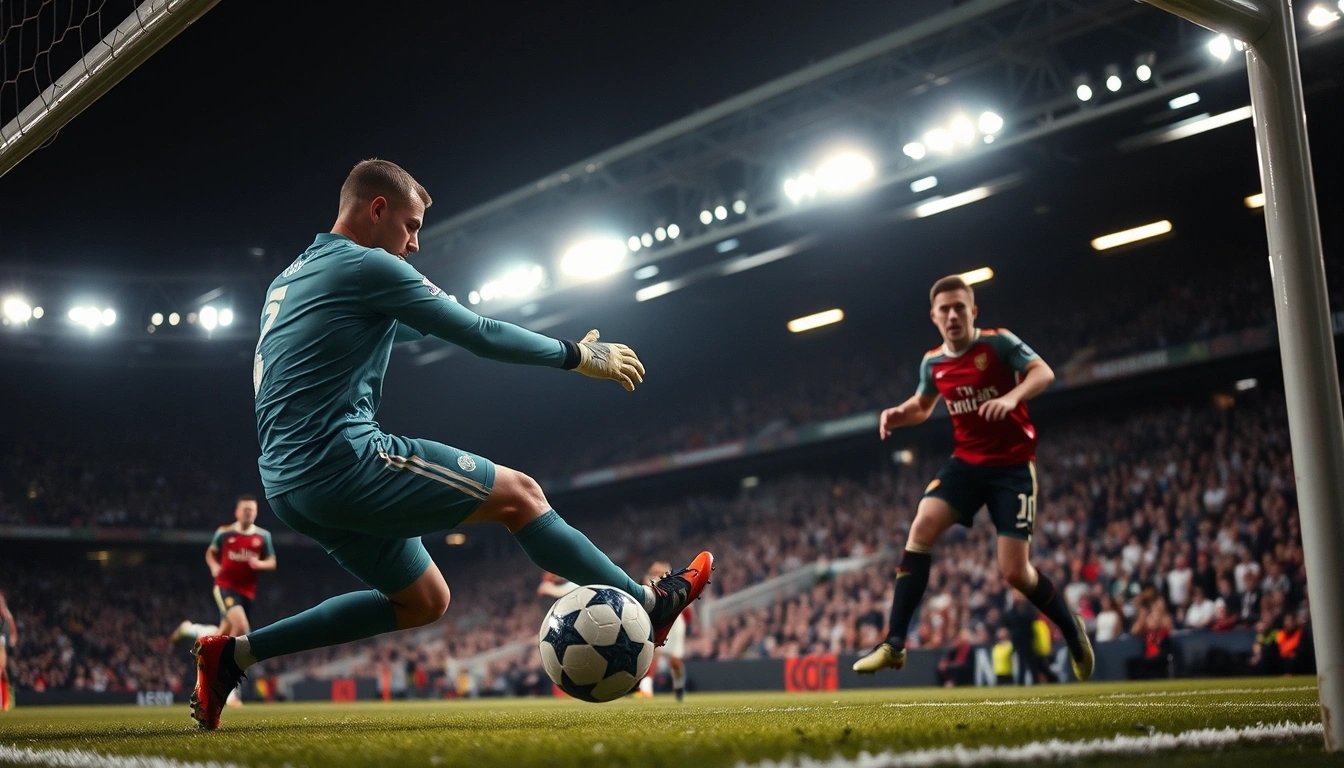
In the ever-evolving chess match of modern football, the sweeper keeper stands out as a fascinating piece—both a risk and a reward for any team daring enough to deploy one. This role isn’t your traditional shot-stopper; instead, it’s a hybrid, a goalkeeper who ventures far beyond the goal line, acting almost like an extra defender while also kickstarting attacks. Sounds brilliant, right? But, oh boy, it comes with its fair share of nail-biting moments.
Let’s get real: the upside is huge. A sweeper keeper can sweep up through balls that would otherwise spell disaster, snuff out counter-attacks before they even begin, and distribute the ball with precision that turns defense into offense in a blink. Think of it as having a secret weapon who reads the game like a grandmaster. Teams with a sweeper keeper often push their defensive line higher, squeezing opponents and controlling possession better. This tactical edge can be a game-changer, especially against sides that rely on quick breaks.
- Reward #1:Improved defensive coverage — the keeper acts as a last line of defense outside the box.
- Reward #2:Enhanced build-up play — accurate long balls or quick passes to midfielders ignite attacks.
- Reward #3:Psychological advantage — opponents hesitate, knowing the keeper might rush out.
But, hold your horses! The risks are just as glaring. When a sweeper keeper misjudges a ball or hesitates, it often leads to spectacular blunders. Unlike traditional keepers who mostly stay put, these keepers gamble with their positioning. A tiny slip-up could mean an empty net, and, trust me, that’s a nightmare for coaches and fans alike. The pressure is immense, and the margin for error is razor-thin.
| Risk | Potential Consequence | Example |
|---|---|---|
| High positioning errors | Opponents score on easy tap-ins | Goalkeeper caught too far out, leading to open goals |
| Poor decision-making under pressure | Lost possession in dangerous areas | Misplaced pass leads to counter-attack goal |
| Physical demands and stamina | Fatigue affects reaction time | Late-game mistakes due to exhaustion |
It’s a classic high risk, high reward scenario. Coaches must weigh whether their keeper has the mental toughness and technical skills to pull off this demanding role consistently. It’s no walk in the park, and not every goalkeeper is cut out for it. Some days, the sweeper keeper is a hero, sweeping up danger and launching attacks; other days, they’re the villain, with a costly error that haunts highlights reels.
So, what’s the takeaway? Teams that embrace the sweeper keeper role are betting on a bold, proactive style of play. It’s a gamble that can pay off beautifully but requires precision, confidence, and a bit of luck. For fans and analysts, it adds an electrifying layer of drama to every match—because when the sweeper keeper steps out, the stakes skyrocket.
In short: The sweeper keeper is football’s tightrope walker—thrilling to watch, but one slip can send the whole show crashing down. And honestly, isn’t that unpredictability what makes the beautiful game so darn captivating?
Training and Development for Aspiring Sweeper Keepers
Alright, so you wanna be a sweeper keeper, huh? Not just any goalie who stands guard and waits for the ball to come flying at them. Nope, this role demands a whole different ball game — literally. Training for a sweeper keeper isn’t about just making those jaw-dropping saves; it’s about mastering foot skills and sharpening your game intelligence to a razor’s edge. Let’s dive into what sets these keepers apart in their daily grind.
- Foot Skills: More Than Just Kicking
Forget the old stereotype of goalies being clumsy with their feet. Sweeper keepers train relentlessly on ball control, passing accuracy, and even dribbling. Think of it as blending the finesse of a midfielder with the instincts of a goalkeeper. They practice quick, sharp touches under pressure, often simulating scenarios where they have to beat an onrushing forward or find a teammate in tight spaces. This means hours spent juggling, passing drills, and even playing outfield during training sessions to get comfortable with the ball at their feet. - Game Intelligence: Reading the Chessboard
This is where the magic happens. Sweeper keepers train their brains just as much as their bodies. They watch endless footage, analyze opponents’ attacking patterns, and anticipate danger before it even materializes. It’s like playing 3D chess on the pitch. Coaches often use video analysis, virtual reality drills, and tactical discussions to boost their decision-making skills. The goal? To make split-second calls on when to leave the line, when to intercept, and when to launch a counter-attack.
| Training Focus | Typical Drills | Purpose |
|---|---|---|
| Footwork & Ball Control | Passing under pressure, juggling, 1v1 dribbling | Improve comfort and precision with the ball at feet |
| Positioning & Awareness | Small-sided games, situational positioning drills | Enhance spatial awareness and decision-making |
| Communication | Team drills emphasizing vocal commands | Coordinate defense and organize teammates effectively |
| Physical Conditioning | Agility ladders, plyometrics, reaction time exercises | Boost reflexes and explosive movement |
Now, let’s not kid ourselves — this training is tough. It’s not just about being a shot-stopper anymore. Sweeper keepers have to be fearless when rushing out of their box, often leaving their comfort zone to snuff out danger. This means drills often include simulated high-pressure situations where they have to sprint out, tackle, and get back in position, all without tripping over their own feet. It’s a fine line between hero and zero.
Also, mental resilience is a biggie. Sweeper keepers face criticism when they mess up — and they will. Their high-risk style means mistakes are sometimes costly. So, part of their development involves building confidence and learning to shake off errors quickly, staying focused on the game.
Practical Tips for Aspiring Sweeper Keepers:- Spend extra time on your weaker foot; balance is key.- Study game footage not only of keepers but also defenders and midfielders.- Practice quick decision drills with a coach or teammate acting as an attacker.- Work on vocal leadership; your voice can save goals before your hands do.
In the end, becoming a sweeper keeper is about embracing a new mindset — one that blends athleticism, technical skill, and tactical savvy. It’s a demanding path but oh-so-rewarding when you pull off that perfect interception or launch a counter-attack that leaves everyone gasping. So, lace up those boots, get your head in the game, and prepare to rewrite the rules of goalkeeping.
Comparing Sweeper Keepers to Traditional Goalkeepers
Alright, let’s get down to brass tacks and dissect the whole sweeper keeper vs traditional goalkeeper debate. It’s like comparing a Swiss Army knife to a classic hammer — both get the job done, but in wildly different ways. Traditional goalies have been the backbone of football defense for decades, standing tall between the sticks, commanding their penalty area, and making those gravity-defying saves. Sweeper keepers, on the other hand, are the new kids on the block, blending the art of goalkeeping with the finesse of an outfield player who’s not afraid to venture outside the box.
First off, the positioning is a world apart. Traditional goalkeepers tend to camp close to their goal line, ready to pounce on crosses or shots. Their main job? Stop the ball, organize the defense, and keep it simple. Sweeper keepers? They’re like the team’s secret weapon, often playing way up the pitch, almost like an extra defender. They’re expected to anticipate through balls, clear danger early, and kickstart attacks with pinpoint passes. It’s risky business, but when it works, it’s pure magic.
| Aspect | Traditional Goalkeeper | Sweeper Keeper |
|---|---|---|
| Positioning | Near goal line, focused on shot-stopping | High up the pitch, acts as last defender |
| Primary Role | Save shots, catch crosses, command box | Intercept passes, start attacks, maintain possession |
| Foot Skills | Basic ball control, primarily hands | Excellent ball control, confident passing |
| Risk Level | Generally low risk, focused on safety | High risk, prone to costly mistakes |
Now, don’t get me wrong, traditional keepers aren’t just old-school relics. They’re rock-solid and often the safest bet when you want to minimize errors. But the sweeper keeper approach? It’s like walking a tightrope without a safety net. If the timing’s off or the keeper misreads the play, it can lead to some pretty embarrassing blunders — think of those moments when the keeper is caught miles from goal and the opposition chips it in. Ouch.
However, the upside is huge. Sweeper keepers add a whole new dimension to a team’s tactics. They allow defenders to push higher up the pitch, compressing the field and suffocating opponents. Plus, their ability to play with their feet means they can dodge the usual long-ball clearance drama and instead keep the ball on the ground, controlling the tempo. It’s a style that suits teams who want to dominate possession and play out from the back, rather than just hoof it away.
- Pros of Traditional Goalkeepers: Reliable shot-stoppers, less risky, great aerial command.
- Cons of Traditional Goalkeepers: Limited involvement in build-up play, less adaptable to modern tactics.
- Pros of Sweeper Keepers: Tactical flexibility, better ball distribution, supports high defensive lines.
- Cons of Sweeper Keepers: High error potential, requires exceptional skill and game reading.
In the end, it boils down to what kind of football your team wants to play. Are you after a no-nonsense guardian of the net, or a daring, almost rebellious figure who challenges traditional norms? Both have their place, but the modern game seems to be tipping the scales in favor of the sweeper keeper — as long as the keeper has the guts and the skills to pull it off.
The Future of the Sweeper Keeper Role
Alright, let’s talk about the future of the sweeper keeper—this peculiar hybrid between a goalkeeper and an outfield player who’s been shaking up football tactics for years now. You might think goalkeepers just stand there, catch balls, and shout at defenders, but nah, the sweeper keeper is rewriting the script. So, how’s this role gonna morph as tactics evolve, tech advances, and football’s demands keep spinning like a carousel on steroids? Buckle up, because it’s not gonna be boring.
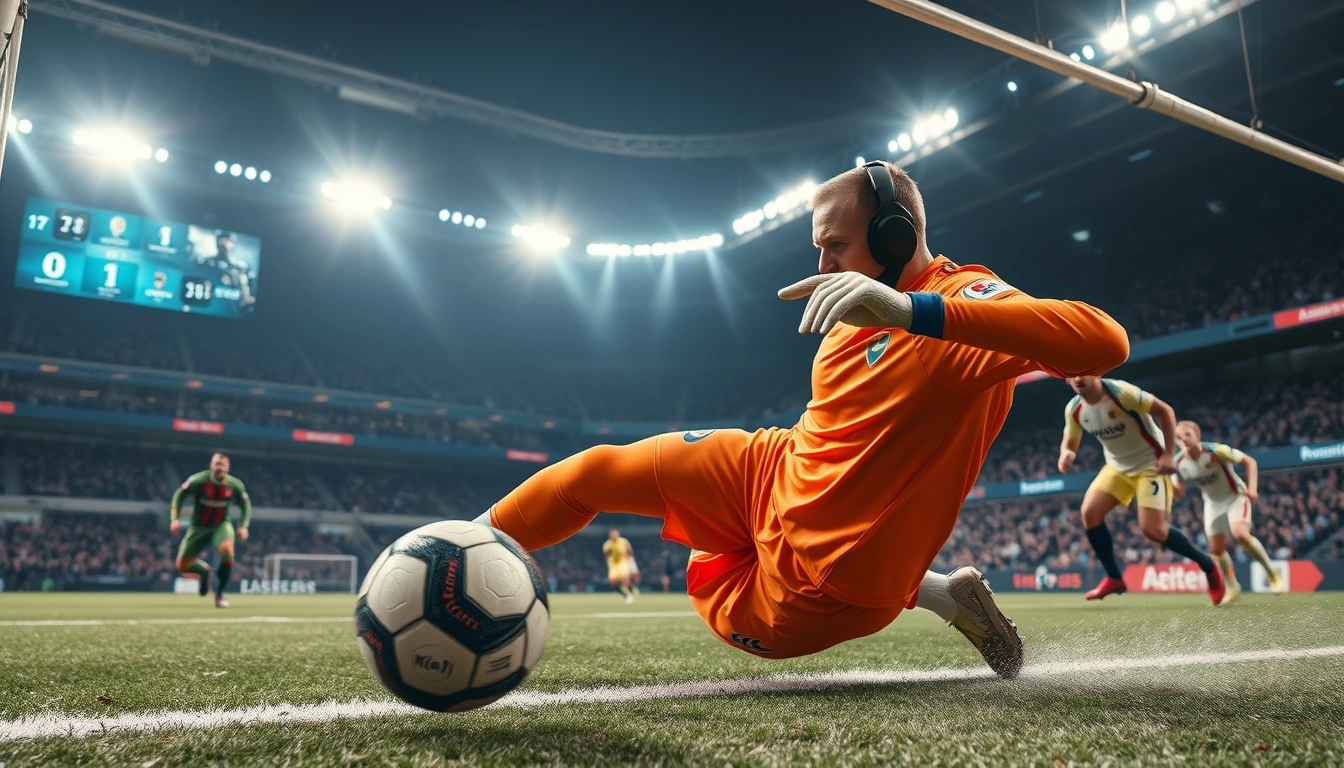
First off, technology is already creeping into every nook and cranny of football. From VAR to GPS tracking, data analytics, and even AI-assisted training, keepers are no exception. Imagine a sweeper keeper with real-time data fed into an earpiece or visor—telling them exactly when to rush out, or how to position themselves against a tricky striker. Sounds sci-fi? Maybe, but it’s closer than you think. This kind of tech could sharpen decision-making, reduce those cringe-worthy errors, and boost confidence to play even higher up the pitch.
- Enhanced Reaction Tools: Smart gloves that analyze grip and impact, helping keepers improve their catches.
- VR Training: Simulating high-pressure scenarios to develop instinctual responses without risking injury.
- AI-Driven Game Analysis: Offering personalized feedback on positioning and passing accuracy.
But hey, tech isn’t everything. Tactics are shifting too. Teams are getting more aggressive, pressing higher, and demanding keepers who can act as an extra defender and a launchpad for counter-attacks. The sweeper keeper will need to be a master of anticipation, reading the game like a chess grandmaster, and making split-second decisions. The line between keeper and midfielder might blur even more, with keepers stepping into midfield zones to intercept passes or start plays.
| Current Role | Future Evolution |
|---|---|
| Primarily shot-stopping and last line of defense | Active participant in build-up play and defensive line management |
| Occasional sweeping outside the box | Regularly acting as a deep-lying playmaker |
| Limited ball distribution skills | Excellent passer with long-range accuracy |
Still, it’s not all sunshine and rainbows. The risk factor remains high. Playing so far from the goal means one slip-up could lead to a fast break and an embarrassing own goal. The mental pressure is enormous—keepers will need nerves of steel and probably some meditation apps to keep calm. Plus, with football becoming faster, they’ll have to keep up physically—no more couch-potato keepers.
In the end, the sweeper keeper’s future is a wild mix of brains, brawn, and bits (technology, duh). It’s gonna be fascinating to watch how this role keeps pushing the boundaries of what a goalkeeper can be. Whether you love it or hate it, the sweeper keeper is here to stay—and evolve.
Quick Recap:
- Technology will enhance decision-making and training.
- Tactical demands will push keepers into more aggressive, playmaking roles.
- Risks remain high, requiring mental toughness and physical prowess.
- The line between keeper and outfield player will blur even further.
So, next time you see a keeper sprinting out like a madman, just remember—you’re witnessing the future of football unfold right before your eyes.
Frequently Asked Questions (The title must be written in English.)
- What exactly is a sweeper keeper?
A sweeper keeper is not your typical goalie who just guards the net. Think of them as a hybrid between a goalkeeper and a defender. They actively leave their goal line to intercept passes, clear danger, and even start attacks. It’s like having an extra outfield player who’s also your last line of defense—pretty cool, right?
- How did the sweeper keeper role come about?
This role evolved as soccer tactics became more dynamic. Traditional goalkeepers mainly stayed close to their goal, but as teams pushed higher up the pitch, goalies had to get involved in playmaking and defense beyond the box. The sweeper keeper emerged from this need, blending old-school shot-stopping with modern ball skills.
- What skills make a great sweeper keeper?
Speed, sharp reflexes, and excellent footwork are a must. Imagine a goalie who’s also a ninja with the ball at their feet—able to quickly read the game, rush out to clear threats, and confidently pass or dribble under pressure. Plus, nerves of steel to handle high-risk moments far from the net!
- Can you name some famous sweeper keepers?
Manuel Neuer is the poster child for this role, revolutionizing how goalkeepers contribute to the game. Others like Ederson and Alisson have also embraced these skills, turning goalkeeping into a more explosive and tactical art form.
- How does having a sweeper keeper affect team tactics?
Teams gain tactical flexibility—imagine pushing your defensive line higher up the pitch without worrying too much about balls slipping behind. The sweeper keeper acts as a safety net, allowing teams to maintain possession and press opponents aggressively, changing the entire rhythm of the game.
- What are the risks of playing a sweeper keeper?
While it’s thrilling to watch, the role is a double-edged sword. Mistakes can be costly—misjudged runs or poor passes can lead to easy goals for the opposition. It’s a high-stakes gamble that requires immense confidence and skill to pull off consistently.
- How do sweeper keepers train differently?
Besides traditional goalkeeping drills, they focus heavily on foot skills, game reading, and decision-making under pressure. Think of it as combining goalkeeper training with midfield awareness—constantly honing their ability to think and act like an extra defender.
- What’s the future of the sweeper keeper role?
As football tactics evolve and technology advances, the sweeper keeper is likely to become even more integral. Expect goalkeepers to be more involved in build-up play, with enhanced communication tools and data analytics helping them make smarter, faster decisions.