
Alright, let’s get into the advantage rule in football — that quirky little guideline that can either make you cheer or scratch your head in disbelief. At its core, the advantage rule is about letting the game flow smoothly, even when a foul happens. Instead of blowing the whistle every single time a player gets tripped or nudged, referees sometimes decide to let play continue if the fouled team is in a good spot to keep attacking. Sounds simple? Well, not exactly.
- Purpose: Keep the game exciting and fast-paced.
- Usage: Referees judge if stopping play would actually hurt the fouled team more than letting it go on.
- Fan reaction: It can be a total headache because sometimes it feels like the ref is ignoring obvious fouls.
Let’s break it down. The advantage rule is like the referee’s “trust me” moment. Imagine a player gets fouled, but their team still has the ball and a clear chance to score or push forward. Instead of halting everything, the ref waves play on. It’s a balancing act — stop the game too often, and it becomes a boring stop-start marathon. Let it go on too much, and you risk unfairness or injury.
| When is Advantage Applied? | What Happens? |
|---|---|
| During counterattacks | Play continues to reward quick transitions |
| Promising attacking situations | Ref lets the team keep momentum despite a foul |
| Minor fouls with no impact on play | Usually ignored to keep flow |
| Serious fouls or dangerous play | Ref stops play immediately |
But here’s the kicker — advantage can be maddening for players and fans. You’ll see players throwing their hands up, yelling at the ref, or even sarcastically applauding when they feel the advantage wasn’t given fairly. Fans? They’re either roaring with delight or booing like crazy because they think the ref is blind. It’s a love-hate relationship.
From a player’s perspective, it’s a gamble. Sometimes the advantage pays off with a goal or a killer pass. Other times, the play breaks down and they’re left wondering why the whistle didn’t blow. It’s drama, pure and simple.
- Pro: Keeps the game fluid and exciting.
- Con: Can cause confusion and frustration.
- Pro: Rewards teams for quick thinking.
- Con: Risk of referees making wrong calls.
So next time you watch a match and the ref seems to “ignore” a foul, remember — they’re trying to balance fairness with flow. It’s not always perfect, but that’s part of football’s charm. The advantage rule is one of those things that keeps you on the edge of your seat, wondering if the ref’s decision will lead to glory or disaster. Either way, it’s never boring.
Understanding the Advantage Rule Basics
Alright, let’s get into the nitty-gritty of the advantage rule in football — a concept that might seem straightforward but can really twist your brain if you’re new to the game. At its core, the advantage rule is all about keeping the game flowing smoothly and preventing those annoying unnecessary stoppages that kill the momentum. Imagine this: a player gets fouled, but instead of blowing the whistle and halting the play, the referee decides to let the action continue because the fouled team still has a golden chance to score or keep the ball. That’s the magic of the advantage rule. It’s like the ref saying, “Hold on, let’s see if this foul actually hurts your team or if you’re still good to go.”
Now, why is this such a big deal? Well, football is all about rhythm and pace. Stop-start games are about as exciting as watching paint dry. The advantage rule is a game-changer because it prioritizes the attacking team’s opportunity over the strict enforcement of fouls. It’s a clever way to reward teams for keeping possession and pushing forward, instead of punishing them every time an opponent gets a little rough. But here’s the kicker — it’s not always black and white. The referee has to make a split-second call, weighing whether the fouled team really benefits from continuing or if it’s better to stop and award a free kick.
- Key point #1: Advantage is all about timing and game context.
- Key point #2: It’s designed to keep the game exciting and fast-paced.
- Key point #3: Refs use their judgment — which means sometimes fans and players get frustrated when it feels like the advantage wasn’t given or was given too late.
Here’s a quick rundown of the advantage rule in action:
| Situation | What Happens | Why Advantage Applies |
|---|---|---|
| Foul during a counterattack | Ref lets play continue | The attacking team still has a clear chance to score |
| Foul near midfield with no immediate threat | Ref stops play | No real advantage to be gained by continuing |
| Player fouled but quickly recovers the ball | Play continues | Team maintains possession and momentum |
To sum it up, the advantage rule is the referee’s way of saying, “Let’s keep the game alive!” It’s a subtle but powerful tool that helps football stay dynamic, unpredictable, and downright thrilling. Sure, it can be maddening when you think the ref got it wrong, but that’s part of the charm and chaos of the beautiful game. So next time you see play continue after a foul, tip your hat to the advantage rule — the unsung hero behind football’s fast pace.
When Do Referees Apply the Advantage Rule?
Alright, so here’s the deal with the advantage rule — it’s like the referee’s secret weapon to keep the game flowing without constantly blowing the whistle for every little foul. But when exactly do refs decide, “Nah, let’s keep this going,” instead of halting play? It’s a tricky balance between fairness and game flow, and honestly, sometimes even the refs themselves seem a bit torn.
Imagine a player just got fouled, but their team still has a golden chance to score or make a killer pass. The ref’s gotta think fast: stopping the game might kill the momentum, but letting it slide could feel unfair to the fouled player. So, the advantage rule kicks in when the referee judges that the team fouled is in a better position if play continues. It’s not automatic though — it’s a split-second call, and yep, it can be controversial.
- Key Moment #1: The attacking team is on a breakaway or counterattack, and despite a foul, they have a clear chance to score.
- Key Moment #2: The fouled player’s team retains possession and is moving forward effectively.
- Key Moment #3: The referee believes stopping play would hurt the attacking team more than letting the advantage play out.
Now, here’s a little table to break down the referee’s thought process:
| Situation | Advantage Applied? | Why or Why Not? |
|---|---|---|
| Foul during a promising attack with a teammate in an open position | Yes | Play continues to preserve scoring opportunity |
| Foul in midfield with no clear attacking chance | No | Ref stops play to maintain fairness |
| Foul on defender with attacking team outnumbered | No | Stopping play prevents unfair disadvantage |
| Foul on attacker but ball is lost immediately | No | No advantage as possession is lost |
But hey, it’s not always black and white. Sometimes the advantage is fleeting — like a flash of hope that disappears in a blink. And refs have to decide in real-time whether to call it back or let it ride. That’s why you’ll see players sometimes throwing their hands up like, “What? You saw that foul, ref!” or fans groaning when a clear foul seems ignored.
Here’s a little practical insight for you: If you’re watching a match and the ref waves their arm forward but doesn’t blow the whistle after a foul, that’s the advantage rule in action. It’s their way of saying, “We saw that, but the game’s better off continuing for now.” And if the advantage doesn’t pan out within a couple of seconds, the ref can still stop play and give a free kick retroactively.
- Pro tip: Keep an eye on the referee’s gestures — a forward wave means advantage, a whistle means stop.
- Don’t be surprised if the ref consults with assistants or VAR after the fact — sometimes they get it wrong or want to double-check.
In the end, the advantage rule is all about trusting the flow of the game while trying to be fair. It’s not perfect, and yeah, it can be maddening, but it’s what keeps football exciting and unpredictable.

Common Situations Triggering the Advantage Rule
Alright, let’s get into the nitty-gritty of when referees actually decide to wave the advantage flag instead of blowing the whistle. It’s not always black and white, and honestly, sometimes it feels like the ref has a crystal ball or just a wild guess about what’s gonna happen next. But generally, there are some classic scenarios where the advantage rule kicks in, and understanding these can make watching a match way more interesting.
First up, the counterattack scenario. Imagine the defending team just committed a foul, but the attacking side quickly recovers the ball and is sprinting towards the goal with a few players in a promising position. The referee has a split second to decide: stop the game for the foul or let the play roll on because the attacking team is in a better spot now. Most of the time, refs give the advantage here because stopping play would kill the momentum and the chance for a goal. It’s a high-risk, high-reward call — if the attack fizzles out, the foul is still punished afterward.
| Situation | Why Advantage is Given | Potential Risk |
|---|---|---|
| Foul during counterattack | Maintains attacking momentum and scoring opportunity | Attack may lose possession, no immediate foul call |
| Promising attack with clear goal chance | Encourages attacking play and flow | Possibility of play breaking down |
Then, there’s the promising attack situation. This is when a player is fouled, but the attacking team retains control and is in a dangerous position — maybe a striker is running free or a cross is about to be delivered. Referees often let the game continue here to avoid killing the excitement. It’s a bit like giving the team a “free pass” to keep pushing forward, even if technically a foul happened. But hey, sometimes this frustrates defenders and fans alike, because it can look like the ref is letting a foul slide.
- Fouls near the penalty box: Advantage is usually applied to avoid interrupting a potentially game-changing moment.
- Minor fouls during fast breaks: Refs prefer flow over stopping dead in these cases.
- Incidental contact: When the foul is slight and doesn’t stop the attacking team’s progress.
Now, don’t get me wrong, not every foul gets the advantage treatment. If the foul is too nasty or the attacking team is clearly not benefiting, the ref will blow the whistle immediately. It’s all about balancing fairness with the rhythm of the game, which is easier said than done.
Here’s a quick cheat sheet for you:
When Advantage is Given:- Attacking team is in control and moving forward- Clear goal-scoring opportunity exists- Foul is minor and doesn’t disrupt play severelyWhen Advantage is NOT Given:- Foul stops a clear chance completely- Foul is violent or dangerous- Attacking team loses ball possession immediately
So next time you see a ref letting play continue after a foul, remember, it’s a calculated gamble to keep football exciting and unpredictable. It might annoy some fans or players in the moment, but that’s the beauty and madness of the advantage rule!
Advantages and Disadvantages of the Rule
The advantage rule in football—love it or hate it—is one of those quirks that can either make the game flow like poetry or turn into a referee’s nightmare. At its core, the rule is meant to keep the game moving, letting play continue after a foul if the offended team stands to gain more from ongoing action rather than stopping the game for a free kick. Sounds simple, right? Well, not quite. This little gem of a rule walks a tightrope between being a blessing and a headache for players, fans, and officials alike.
- The Blessings:
- Maintains Game Fluidity: Nothing kills momentum faster than a whistle blowing every two seconds. The advantage rule lets the ball keep rolling, which keeps fans on the edge of their seats and players in the zone.
- Rewards Attacking Play: Teams pushing forward don’t lose out because of a minor foul. Instead, they get to capitalize on their attacking chances, which often leads to more goals and exciting moments.
- Reduces Time-Wasting: Some players are crafty with fouls, trying to slow the game down. The advantage rule discourages this by allowing play to continue, frustrating those who want to kill time.
- The Headaches:
- Subjectivity Overload: What one ref sees as an advantage, another might call a foul. This inconsistency can cause confusion and frustration for everyone involved.
- Delayed Decisions: Sometimes the referee hesitates, waiting to see if the advantage materializes. This split-second delay can disrupt the game’s rhythm or lead to controversial calls.
- Player Frustration: Imagine thinking you’ve got a free kick, but the ref waves play on. Players often lose their minds, arguing or even exaggerating fouls to get the call.
| Pros | Cons |
|---|---|
| Keeps the game fast and exciting | Referee decisions can feel inconsistent |
| Encourages attacking football | Players can get frustrated or confused |
| Discourages time-wasting tactics | Sometimes advantage doesn’t actually benefit the fouled team |
So, is the advantage rule a savior or a thorn in the side? Well, that depends on who you ask. Fans love the uninterrupted action and the chance for quick counters, but they also groan when a blatant foul is ignored because the ref thought there was an advantage. Players? They can be caught in a tug-of-war between wanting the game to flow and needing protection from rough tackles.
In the end, the advantage rule is a tricky balancing act. It’s a powerful tool in the referee’s kit but requires sharp judgment, quick thinking, and sometimes a bit of luck. Without it, football would be a stop-start slog, but with it, you get moments of magic—and a fair share of headaches too. Just another reason why football keeps us guessing and glued to our seats.
How Players React to the Advantage Rule
The advantage rule in football — it’s one of those things that can make or break a player’s mood in seconds. You see, when a referee waves play on despite a foul, it’s meant to keep the game flowing smoothly, but for players, it often feels like a gamble. Sometimes, it’s a blessing; other times, it’s a downright frustration fest. Let’s dig into what really goes on when the advantage rule is applied and why players sometimes lose their cool on the pitch.
First off, the advantage rule requires a referee to make a split-second call: is the fouled team better off continuing the play instead of stopping for a free kick? Sounds simple, right? But in the heat of the moment, players don’t always see the bigger picture. They might expect the whistle, only to be told, “Play on!” This mismatch often sparks visible frustration—think clenched fists, loud protests, or even dramatic falls to the turf. It’s like being told to hold your horses when you’re already sprinting full speed.
| Player Reaction | Typical Cause | Example |
|---|---|---|
| Vocal Complaints | Disagreement with ref’s decision | Players shouting at the referee post-advantage call |
| Gestures of Frustration | Feeling ignored or unfairly treated | Throwing arms up or shaking head |
| Delayed Play | Protesting by slowing down the game | Walking instead of running after the advantage call |
One infamous example that still gets talked about happened during a high-stakes derby match. A star midfielder was blatantly fouled but the ref let play continue, expecting the team to capitalize on a counterattack. Instead, the fouled player exploded with rage, arguing fiercely with the official and even refusing to chase the ball immediately. It was clear the player felt the ref had missed the mark, and the crowd’s mixed reactions only added fuel to the fire.
- Why the frustration? Because footballers are wired to react instantly, and when the advantage doesn’t pan out, it can feel like a double whammy: you get fouled and then lose the ball or an opportunity.
- What about teammates? They sometimes get caught up in the drama, either backing their mate or pleading with the ref for fairness, which can escalate tensions.
Now, not every player flips out though. Some pros have mastered the art of patience, understanding that the advantage rule is designed to favor the team’s overall momentum. They know that sometimes, the best call is to keep the ball moving — even if it stings a bit. But let’s be honest, when the advantage doesn’t lead anywhere, it’s easy to see why tempers flare.
Tip for fans: Next time you watch a game, keep an eye on how players react right after an advantage call.Are they frustrated? Calm? That reaction often tells you if the advantage was a smart call or a controversial one.
In conclusion, the advantage rule is a double-edged sword for players. It’s meant to reward quick thinking and keep matches exciting, but it can also spark moments of raw emotion and unforgettable on-field drama. Players’ reactions add a human layer to the game, reminding us that football isn’t just about rules — it’s about passion, pride, and sometimes, a bit of chaos.

Controversies and Misunderstandings
Ah, the advantage rule — a lifesaver for keeping the game flowing but also a notorious source of confusion and heated debates. It’s like that friend who tries to help but sometimes just makes things messier. The rule’s intention is clear: allow play to continue if the fouled team benefits more from the ongoing action than from stopping the game for a free kick. Sounds simple, right? Well, not so much when you throw in split-second decisions, passionate players, and millions of screaming fans.
Let’s be honest, some of the most infamous moments in football history revolve around this rule. Referees waving their arms, players looking baffled or furious, and commentators trying to explain why the whistle stayed silent after a blatant foul. Take the 2010 World Cup quarterfinal between Ghana and Uruguay — Luis Suárez’s handball on the line was a perfect example of advantage confusion. Uruguay’s keeper got a red card, Ghana got a penalty, but the advantage rule was in full effect because the ball was still in play. The aftermath? A penalty miss, extra time heartbreak, and a controversy that still fuels debates in pubs worldwide.
| Match | Incident | Outcome | Controversy |
|---|---|---|---|
| 2010 World Cup: Ghana vs Uruguay | Handball on goal line | Penalty awarded, red card given | Advantage rule allowed play to continue briefly, confusing fans |
| Premier League: Chelsea vs Liverpool 2019 | Foul ignored during counterattack | Goal scored | Debate over whether advantage was correctly applied |
| Champions League: Real Madrid vs Bayern 2017 | Soft foul not called | Goal scored | Fans and players argued about referee’s discretion |
One of the biggest misunderstandings is timing — when exactly should a ref call advantage? Sometimes, refs hesitate, waiting to see if the fouled team can capitalize, but this can backfire if the advantage evaporates mid-play. Players get frustrated, thinking they deserved a free kick, while fans lose their minds on social media, accusing refs of bias or incompetence. Honestly, it’s a no-win situation for the officials.
- Misread situations: Referees occasionally misjudge whether the fouled team truly benefits.
- Player reactions: Players often exaggerate fouls, hoping to force a whistle and disrupt the opponent’s momentum.
- Fan expectations: Supporters want clear, consistent decisions, but football’s fluid nature resists that simplicity.
Here’s a practical tip if you’re watching a match and get puzzled by the advantage rule: watch the fouled player’s position and the ball’s trajectory. If the team keeps pushing forward with real threat, chances are the ref is letting advantage play out. If play stalls or the fouled team looks stuck, expect a whistle soon.
In the end, the advantage rule is a double-edged sword — it spices up the game but also fuels endless debates. Until technology and training catch up perfectly, expect those “What?! No foul?” moments to keep us entertained and scratching our heads.
Referee Training and Use of Technology
When it comes to the tricky business of applying the advantage rule in football, referees don’t just wing it on the pitch. Nope, there’s a whole lot of training and prep behind the scenes to make sure they get it right—or at least try to. The advantage rule is one of those moments where split-second decisions can either keep the game flowing beautifully or cause chaos and frustration. So how exactly are refs trained to handle this tightrope walk? And what’s VAR’s role in all this drama? Let’s dig in.
First off, referees undergo extensive classroom and on-field training focused on game management and decision-making under pressure. They watch countless video clips showing different foul scenarios—some obvious, some borderline—and learn when to blow the whistle and when to let play ride. The key lesson? The advantage should only be applied if the fouled team has a clear chance to benefit immediately. If the moment’s lost or the attack fizzles, the ref must stop play and award the foul. Sounds simple, right? But in the heat of the moment, it’s anything but.
- Simulated match situations: Trainees practice with real-time scenarios to sharpen their instincts on applying advantage.
- Psychological training: Handling pressure from players, coaches, and fans who often disagree with advantage calls.
- Communication skills: Learning to explain decisions clearly to players and assistants to keep the game calm.
Now, enter the VAR (Video Assistant Referee), the technological sidekick that can either save or ruin a ref’s day. VAR’s primary job isn’t to micromanage every call but to step in for “clear and obvious errors.” When it comes to advantage decisions, VAR can review whether the ref correctly judged if the advantage was genuine or if the play should’ve been stopped sooner. However, VAR can’t just overrule advantage decisions willy-nilly; it has to be a blatant mistake. This delicate balance often sparks debates among fans and pundits alike.
| Role | Referee | VAR |
|---|---|---|
| Apply advantage | Decides on the spot based on game flow and fouled team’s position | Reviews only if there’s a clear error or missed foul |
| Overrule advantage | Rarely does on own; usually sticks to initial call | Can advise ref to stop play if advantage was wrongly applied |
| Communication | Signals and explains decision on pitch | Communicates via headset to referee |
Of course, even with all this training and tech, refs still get it wrong sometimes. It’s part of the game’s human element—frustrating but also what makes football so unpredictable. The key takeaway? Referees are trained to weigh the immediate benefit to the fouled team against the broader flow of the match, and VAR is there to catch the big blunders, not to nitpick every advantage call. So next time you see a ref wave play on or VAR intervene, remember there’s a ton of thought and tech behind that split-second decision.
Practical tip for fans: If you want to impress your mates, watch how the ref positions themselves before applying advantage. Good positioning often means a better call. And keep an ear out for the VAR buzz—it’s not always a sign of doom but a second chance to get the call right.
In the end, referee training and VAR technology aim to keep football as fair and exciting as possible, even if it sometimes feels like a rollercoaster ride for everyone involved.
Advantage Rule Across Different Leagues and Levels
Alright, let’s talk about the advantage rule — that quirky little gem of football refereeing that can either make you cheer or scream at the ref. But here’s the kicker: it’s not applied uniformly everywhere. Nope, the way referees interpret and enforce the advantage rule varies quite a bit depending on where you’re watching the game — from your local Sunday league to the grand stage of the World Cup.
Local and Amateur Leagues:
In grassroots football, the advantage rule is often a bit of a wild card. Referees might be less confident or just plain inconsistent in applying it. Sometimes they blow the whistle immediately after a foul, missing a golden opportunity to let the game flow. Other times, they try to play advantage but it backfires, leaving players and fans scratching their heads. It’s partly because these refs might not have the same level of training or experience as their professional counterparts. Plus, the pace of the game can be slower, so the “advantage” might not be as clear-cut.
| Level | Advantage Application | Common Challenges |
|---|---|---|
| Local/Amateur | Inconsistent, cautious | Ref confidence, slower pace |
| Professional Leagues | More fluid, better judgment | Pressure, split-second calls |
| International Tournaments | Strict protocols, VAR support | High stakes, VAR delays |
Professional Leagues:
Jump up to the big leagues — say the English Premier League, La Liga, or Serie A — and things get a bit more polished. Here, referees are trained extensively on when and how to apply the advantage rule. The game is fast, and the stakes are sky-high, so refs often have to make split-second decisions that can change the course of a match. The advantage rule here is generally used to keep the game flowing, especially during counterattacks or when a team has a clear opportunity after a foul.
However, it’s not always smooth sailing. Fans and players often complain when the ref’s call on advantage doesn’t seem to match what they see on the pitch. Sometimes, the ref lets play continue, but the attacking team loses the ball moments later — making everyone wonder, “Was that really an advantage?” It’s a tough call that even the pros get wrong occasionally.
- Pro Tip: Watch how refs signal advantage — usually by stretching their arms forward. It’s their way of saying, “Hold on, I’m letting this ride.”
- Also, notice how players react. If they slow down or stop, chances are the advantage wasn’t given.
International and World Cup Level:
Now, at the World Cup or major international tournaments, the advantage rule gets a bit more… scientific? Thanks to VAR (Video Assistant Referee), refs have backup to double-check advantage decisions. The protocols here are stricter — refs have to weigh the potential benefit to the fouled team very carefully before letting play continue.
But don’t think VAR makes everything perfect. Sometimes, the delay in reviewing advantage calls can kill the momentum of a promising attack, frustrating players and viewers alike. Plus, the pressure is immense — one wrong call can haunt a referee for years. The advantage rule at this level is a delicate dance between fairness and entertainment, with technology playing a big supporting role.
Summary of Advantage Rule Enforcement:- Local Leagues: Hit or miss, depends on ref experience.- Professional Leagues: Faster decisions, more consistency but still controversial.- International Level: VAR-assisted, strict, but sometimes slows down the game.
So yeah, the advantage rule is like that friend who’s sometimes the life of the party and other times the reason you want to leave early. It’s all about context — the league, the level of play, the referee’s experience, and yes, sometimes just plain luck.
Next time you’re watching a match and the ref waves play on after a foul, remember: it’s not just about the rules, it’s about reading the game, the players, and the moment. And honestly, that’s what makes football so beautifully unpredictable.
Practical Tips for Beginners Watching Football
So, you’ve decided to jump into the wild world of football, huh? Welcome aboard! One of the trickiest things for newcomers is wrapping their heads around the advantage rule. It’s that magical moment when the referee decides to let play continue after a foul, hoping it benefits the team that got fouled. Sounds simple? Well, not always. But don’t worry—we’ve got some handy pointers to help you spot when advantage is in play and understand what it means for the game’s rhythm.
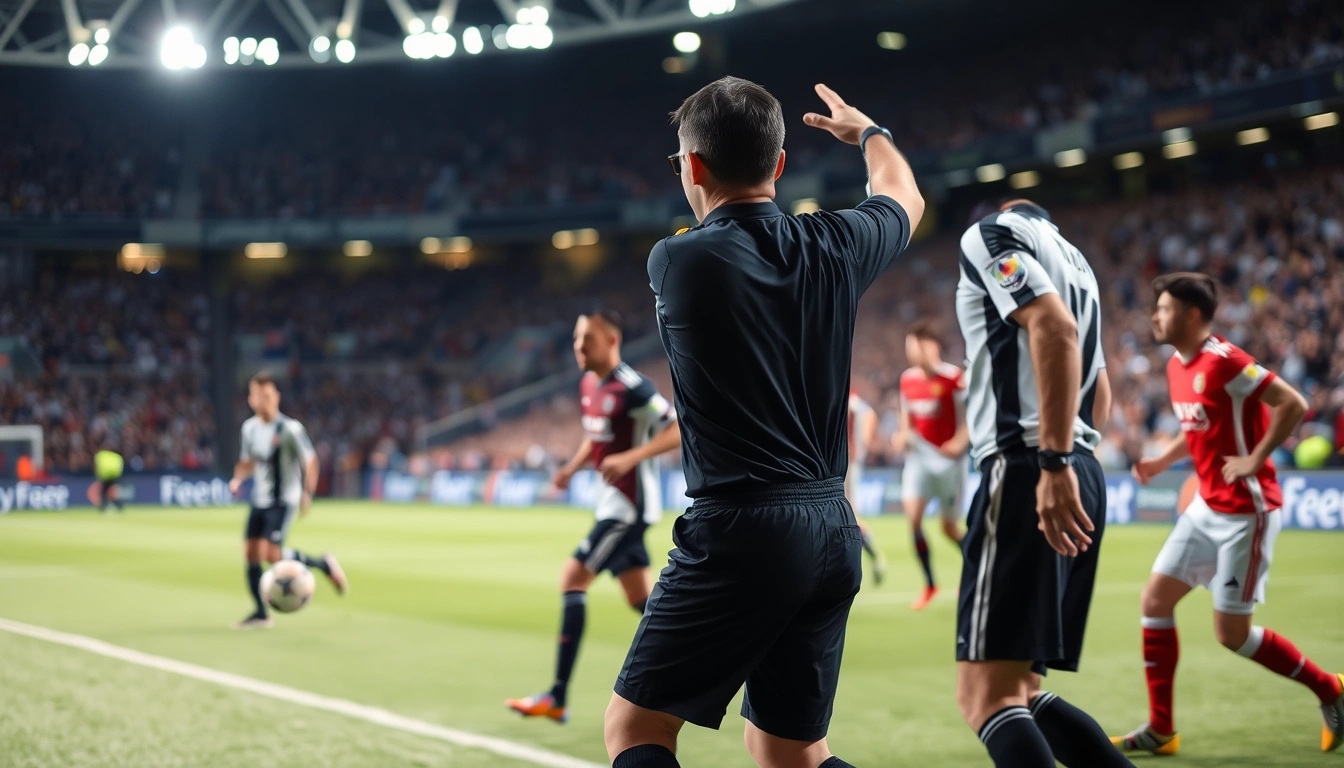
First up, keep your eyes peeled for the referee’s body language. When a foul happens, refs usually blow the whistle immediately. But if they think the fouled team is still in a good spot to attack, they’ll wave their arms forward or just hold up a hand, signaling “play on.” This is the referee saying, “Hey, I see the foul, but let’s keep the game flowing.” It’s like a subtle nod that the game’s about to get spicy.
- Tip #1: Watch the players’ reactions. If the fouled player keeps running or passes the ball quickly, chances are advantage is being played.
- Tip #2: Notice if the referee delays the whistle for a second or two after the foul—that’s the “advantage window.” If the attacking team gains something useful, the play continues.
Now, why does this matter? Well, football is all about momentum. If the ref stops the game every time there’s a foul, the match turns into a never-ending whistle fest—boring, right? The advantage rule keeps things exciting by letting good chances develop naturally.
| Situation | Advantage Applied? | Why? |
|---|---|---|
| Foul during a fast counterattack | Usually yes | Team keeps attacking with a chance to score |
| Foul in midfield with no immediate threat | Usually no | Stops play to reset and ensure fairness |
| Foul near the opponent’s goal | Often yes | Maintains attacking momentum |
But here’s the kicker: sometimes advantage doesn’t go the way players or fans expect. A ref might let play on, only for the attacking team to lose the ball seconds later. Cue the grumbling from the crowd and eye rolls from players. It’s a gamble, really. If the referee misjudges, they can always call back the foul and award a free kick—but only if the advantage clearly didn’t materialize.
Finally, a quick heads-up: don’t get frustrated if you don’t catch every advantage call right away. It takes time to read the game and understand the subtle signals. Next time you’re watching, try to focus on the ref’s gestures and the players’ reactions immediately after a foul. It’s like learning a secret language that makes football even more fun.
Summary Tips for Beginners:
- Look for the ref’s hand signals after a foul.
- Watch if the fouled player keeps going or passes quickly.
- Notice if the whistle is delayed—advantage might be in play.
- Remember, advantage is about keeping the game flowing, not stopping it.
Stick with these tips and soon you’ll be spotting advantage calls like a pro, making your football-watching experience way more thrilling. And hey, if you still get confused, just blame the ref—it’s kind of a tradition!
Frequently Asked Questions (The title must be written in English.)
- What exactly is the advantage rule in football?
The advantage rule allows referees to let play continue even after a foul if the team fouled against is in a better position to benefit. It’s like giving the game a green light to flow smoothly instead of stopping for every little hiccup.
- When do referees decide to apply the advantage rule?
Refs usually apply the advantage rule when stopping play would actually hurt the fouled team’s chance to score or keep momentum. Think of it as a split-second judgment call balancing fairness and excitement.
- Can you give examples of situations where advantage is commonly used?
Sure! Typical moments include quick counterattacks, promising attacking runs, or when the fouled team maintains clear control. It’s like catching a wave at just the right time to keep surfing instead of wiping out.
- Are there any downsides to the advantage rule?
While it keeps the game lively, sometimes players and fans get frustrated if they feel the foul deserved a whistle. It can feel like a double-edged sword—exciting but occasionally confusing or unfair.
- How do players usually react when the advantage rule is applied?
Reactions vary—some players sprint ahead, loving the chance to attack, while others get annoyed if they think the foul was serious enough to stop play. It’s a bit like a surprise twist in a story that not everyone agrees with.
- Has the advantage rule caused controversies?
Absolutely! There have been heated debates and even angry protests when fans or players believe the referee missed a foul or gave advantage at the wrong time. It’s one of football’s most talked-about gray areas.
- How do referees get trained to use the advantage rule?
Referees undergo extensive training to read the game quickly and decide when advantage is appropriate. Plus, technology like VAR can now help confirm or overturn these decisions, adding a safety net.
- Does the advantage rule work the same in all leagues?
Not exactly. While the core idea is universal, different leagues and levels might interpret or enforce it slightly differently based on their style of play and referee guidelines.
- How can beginners spot when advantage is being applied?
Keep an eye on the referee’s body language—they often signal by stretching their arms forward. Also, watch if the fouled team keeps pushing forward quickly without the whistle blowing.