
Alright, let’s crack open the curious case of the inverted fullback — a football tactic that’s been turning heads and leaving defenders scratching theirs. If you thought fullbacks just stuck to the sidelines, running up and down the flanks like clockwork robots, think again. The inverted fullback is here to mess with your footballing stereotypes and, honestly, it’s a bit of a game-changer.
First off, traditional fullbacks are those tireless warriors who patrol the wide areas, overlapping or underlapping wingers, whipping in crosses, and generally being the team’s wide outlet. But the inverted fullback? They do a little dance that’s less “stay wide” and more “come inside, mate.” Instead of hugging the touchline, they drift into midfield zones, almost like a midfielder in disguise. This sneaky move confuses opponents who expect a wide runner but get a central player instead.
- Why the switch? Coaches love this because it helps control the middle of the park, overload midfielders, and keep the opposition guessing.
- Defensive benefits? Yep, it also adds a layer of protection in front of the backline, making it harder for opponents to break through centrally.
| Traditional Fullback | Inverted Fullback |
|---|---|
| Stays wide on the flank | Migrates inside to midfield |
| Focuses on crosses and overlaps | Focuses on ball progression and midfield support |
| Defensive line coverage wide | Provides extra cover centrally |
Now, before you start thinking this is some newfangled fad, inverted fullbacks have been creeping into top-tier football for a while, thanks to tactical wizards like Pep Guardiola. His teams often use inverted fullbacks to build play from the back, creating numerical superiority in midfield. It’s like a chess move — you sacrifice the wide outlet in favor of controlling the center, which often decides games.
But, and it’s a big but, not every fullback can pull this off. It demands a player who’s not just fast and fit but also tactically sharp, comfortable on the ball, and with a nose for positioning. You want someone who can think two steps ahead and isn’t shy about mixing it up in the midfield battle.
- Key skills include: excellent ball control, sharp passing, tactical awareness, and stamina.
- Physical traits? Agility and speed still count, but brains over brawn is the real deal here.
To sum it up, the inverted fullback is a clever twist on a classic role, blending defense and midfield into one fluid position. It’s confusing for defenders, exciting for fans, and a headache for coaches trying to counter it. So next time you watch a game and see a fullback drifting inside, you’ll know exactly what’s cooking.
In short: The inverted fullback is football’s sneaky midfielder in fullback’s clothing, changing the way teams attack and defend with a bit of flair and a whole lot of tactical guile.
The Basics of the Fullback Role
Alright, before we get all fancy and start talking about inverted fullbacks and tactical wizardry, let’s just hit pause and get on the same page about what a fullback actually does on the pitch. Because, honestly, if you don’t know the basics, trying to understand why coaches are suddenly flipping the script is like trying to read Shakespeare in a foreign language.
Traditionally, a fullback is the defender who patrols the wide areas of the pitch. Think of them as the team’s wide guardian angels, tasked with stopping wingers from running riot and delivering crosses that can turn the game upside down. Their job? Simple in theory: defend, overlap, and support the attack from the flanks. But in practice? Well, it’s a bit of a juggling act.
- Defensive Duties: Marking opposition wingers, blocking crosses, and tackling like their life depends on it.
- Offensive Support: Sprinting up the sidelines to provide width, whipping in crosses, and sometimes even cutting inside to create chances.
- Stamina and Speed: Because running up and down the flank for 90 minutes isn’t for the faint-hearted.
But here’s the kicker: fullbacks aren’t just those old-school defenders who stick to the sidelines anymore. Football’s evolved, and so has their role. Coaches have realized that fullbacks can be more than just wide defenders; they can be midfield maestros in disguise. This is where things get interesting.
| Traditional Fullback | Modern Fullback |
|---|---|
| Stays wide, mainly defensive | Often moves inside, supports midfield |
| Focus on tackling and marking | Involved in build-up play and ball distribution |
| Runs up and down the flank | Creates overloads and controls space centrally |
So why the sudden change? Well, the game is all about controlling space and possession now. By pushing fullbacks inside—yes, you heard that right—coaches are trying to create numerical advantages in midfield, confuse the opposition, and open up new passing lanes. It’s like turning a defender into a sneaky midfielder, catching opponents off guard.
But before you start imagining fullbacks pirouetting like midfielders, remember this: it’s a delicate balance. The fullback still needs to cover the wide areas when the team loses the ball, and that’s where the risk comes in. If they get caught out of position, the whole defense can be exposed. It’s a high-risk, high-reward game.
- Why coaches flip the script: To gain midfield control, create unpredictability, and overload key areas.
- Challenges: Requires fullbacks to be tactically aware, versatile, and physically fit.
- Outcome: A more dynamic, fluid team shape that can adapt on the fly.
In a nutshell, understanding the traditional fullback role is like knowing the rules before you break them. The fullback’s job has always been tough, but now it’s getting a whole lot more interesting—and complicated. So buckle up, because the way fullbacks move and think on the pitch is changing fast, and it’s shaking up football as we know it.
Defining the Inverted Fullback
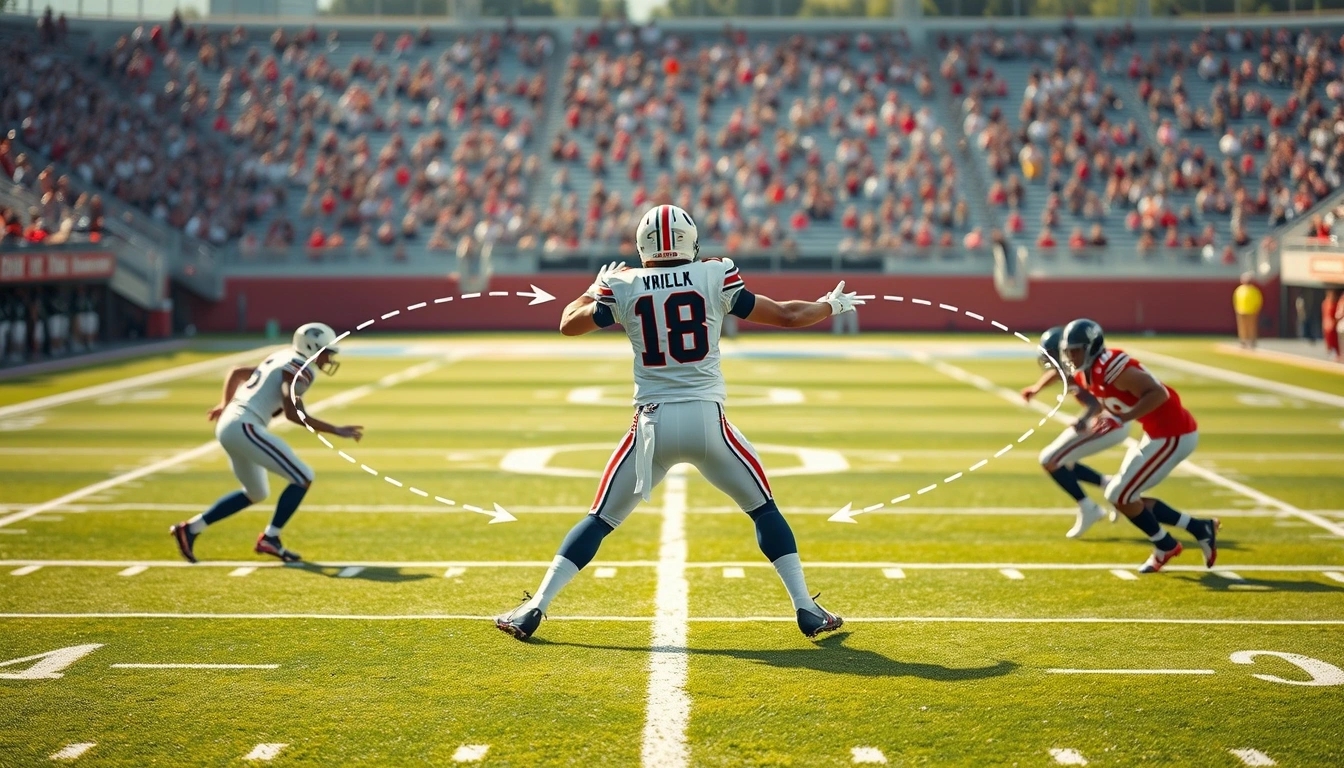
Alright, let’s get down to brass tacks: what on earth is an inverted fullback? You might be thinking, “Isn’t a fullback just a fullback?” Well, not quite. Traditionally, fullbacks are the wide defenders who stick to the flanks, hugging the touchline, overlapping wingers, and delivering crosses into the box. They’re the classic “run up and down the wing” types, right? But the inverted fullback flips that script — literally. Instead of sprinting wide, these players drift inside toward the midfield when their team’s on the attack. It’s like they’ve got a secret handshake with the midfielders, sliding into spaces to create overloads and confuse the opposition.
- Classic Fullback Role: Stay wide, defend the flank, support attacks by overlapping.
- Inverted Fullback Role: Cut inside, join midfield build-up, provide extra passing options centrally.
Why the switch? Well, the inverted fullback is all about control. Instead of just bombing forward on the wings, these players help their teams dominate the middle of the park. It’s a tactical move that’s been gaining traction, especially with teams wanting to keep possession and break down tight defenses. By tucking in, inverted fullbacks confuse opponents who expect them to stay wide, messing up marking schemes and creating pockets of space for teammates.
| Aspect | Traditional Fullback | Inverted Fullback |
|---|---|---|
| Positioning | Wide, near touchline | Inside, near central midfield |
| Primary Role | Defend flanks, overlap wingers | Support midfield, create overloads |
| Effect on Opponents | Stretch defense wide | Confuse marking, congest midfield |
Now, don’t get me wrong — this isn’t just a fancy name for a fullback who likes to dribble inside sometimes. The inverted fullback is a deliberate, strategic role. It demands a player who’s comfortable with the ball at their feet, has a good footballing brain, and can quickly switch between defense and midfield duties. Think of it as a hybrid role, blending the defensive grit of a fullback with the creative instincts of a midfielder.
So, next time you see a player who should be hugging the sideline but instead drifts into the heart of the pitch, you’re probably witnessing the magic of the inverted fullback. It’s a subtle but game-changing twist, turning the predictable into the unpredictable — and that’s exactly why coaches are loving it.
Why Coaches Love the Inverted Fullback
You know, football tactics have always been about finding that sneaky edge, that little wrinkle in the game that throws opponents off balance. Enter the inverted fullback, a role that’s become the darling of many coaches who crave control and unpredictability all rolled into one. But why exactly are managers so smitten with this tactical twist? Let’s unpack the magic behind this modern football weapon.
First off, the inverted fullback isn’t your grandma’s fullback. Traditionally, fullbacks hug the sidelines, bombing forward to deliver crosses or track back to defend wide areas. But inverted fullbacks? They cut inside, drifting into midfield zones rather than sticking to the flanks. This simple positional tweak can turn the entire midfield dynamic on its head.
- Midfield Dominance: By tucking in, inverted fullbacks help their team win the midfield battle. They create numerical superiority, or “overloads,” making it harder for opponents to press or pass freely.
- Fluid Passing Options: Their presence in midfield opens up new passing lanes, allowing the team to circulate the ball quicker and more unpredictably.
- Confusing Opponents: Defenders and midfielders alike get thrown off. Do you mark the fullback wide or follow them inside? This hesitation can be exploited for quick attacking moves.
| Strategic Benefit | Effect on the Game |
|---|---|
| Midfield Control | Creates overloads, helping maintain possession and dictate tempo |
| Defensive Solidity | Provides extra cover centrally, allowing midfielders to press higher |
| Attacking Creativity | Generates unpredictable passing angles and movement |
| Opponent Confusion | Disrupts marking schemes and defensive organization |
Now, it’s not just about fancy footwork or clever positioning. Coaches love inverted fullbacks because they offer tactical flexibility. Imagine being able to switch between a back four and a back three mid-game without substitutions. The inverted fullback essentially morphs the defensive shape, allowing teams to adapt on the fly. Plus, it encourages fullbacks to be more involved in build-up play, rather than just running up and down the wings like headless chickens.
But hey, it’s not all sunshine. Deploying inverted fullbacks demands players with a unique skill set—good vision, solid passing, and defensive awareness. Not every fullback can pull off this role without leaving gaps behind. So, coaches often have to gamble on players who can think on their feet and aren’t afraid to roam into unfamiliar territory.
- Practical insight: The role works best with midfielders who can cover wide spaces when fullbacks drift inside.
- Watch out: If the inverted fullback gets caught too far inside, the flank becomes vulnerable to speedy wingers.
In the end, coaches love inverted fullbacks because they’re a tactical Swiss army knife—offering control, creativity, and chaos all at once. It’s a modern twist that keeps football fresh and defenders scratching their heads. And honestly, isn’t that what makes the beautiful game so damn exciting?
Common Formations Featuring Inverted Fullbacks
When it comes to football tactics, inverted fullbacks have become quite the game-changer. Coaches and teams across the globe are experimenting with this innovative role, and it’s popping up in some of the most popular formations you’ll see on the pitch. But what exactly makes these setups tick with inverted fullbacks? Let’s break it down with some examples that might surprise you.
- The 3-5-2 Formation: This one’s a classic playground for inverted fullbacks. Traditionally, wingbacks in a 3-5-2 stay wide, bombing up and down the flanks. But when inverted fullbacks enter the scene, they tuck inside during possession, turning the back three into a compact five-man midfield. This not only strengthens central control but also confuses opposing midfielders who suddenly find themselves outnumbered.
Managers like Antonio Conte have famously used this setup at Chelsea and Inter Milan, exploiting the versatility of players like Marcos Alonso and Achraf Hakimi to great effect. - 4-3-3 Formation with a Twist: The 4-3-3 is often seen as a balanced, attacking formation. But add inverted fullbacks, and you get a whole new dimension. Instead of hugging the touchline, these fullbacks drift inside, supporting midfielders and creating overloads that can dismantle rigid defensive lines.
Pep Guardiola’s Manchester City is a prime example. Players like João Cancelo have redefined the fullback role by cutting inside, linking play, and even acting as auxiliary midfielders. It’s like having an extra playmaker without losing defensive solidity.
| Formation | Primary Role of Inverted Fullback | Key Benefits | Famous Managers |
|---|---|---|---|
| 3-5-2 | Drifts inside to bolster midfield, creating numerical superiority | Better midfield control, defensive cover, tactical flexibility | Antonio Conte, Thomas Tuchel |
| 4-3-3 | Supports midfield, facilitates quick transitions, overloads central areas | Fluid attacking play, unpredictability, enhanced ball progression | Pep Guardiola, Julian Nagelsmann |
Now, don’t get me wrong — inverted fullbacks aren’t just a fad for the fancy formations. They also pop up in some hybrid systems where managers want to keep opponents guessing. Think of it as a chess move: you don’t just want to play your pieces straightforwardly; sometimes, you sneak them into unexpected spots to mess with the opposition’s head.
- 4-2-3-1 Variations: Some teams tweak their 4-2-3-1 setups by asking fullbacks to invert, especially when they want to overload central midfield or protect a fragile defensive block. It’s a bit riskier here because the wide spaces can get exposed, but when done right, it adds a layer of unpredictability.
If you’re wondering whether this style suits every squad, the answer’s a big “not really.” It demands fullbacks who are comfortable on the ball, tactically astute, and physically capable of covering wide spaces when needed. Not every player can pull off the dual responsibility of defending wide and orchestrating midfield play.
Tips for Coaches Considering Inverted Fullbacks:- Assess your fullbacks’ technical skills and vision.- Train midfielders to cover wide spaces when fullbacks invert.- Use video analysis to spot moments when opponents get caught off guard.- Balance risk and reward: inverted fullbacks can leave gaps on the flanks.
In short, inverted fullbacks are stirring the tactical pot in football, and popular formations like 3-5-2 and 4-3-3 are the perfect playgrounds for this role. Whether it’s Conte’s gritty defensive solidity or Guardiola’s silky ball control, these setups show just how versatile and disruptive inverted fullbacks can be. So next time you watch a match, keep an eye out for those sneaky fullbacks drifting inside — they might just be the secret weapon your team needs.
3-5-2 Formation and the Inverted Fullback
Alright, let’s get into the nitty-gritty of how the 3-5-2 formation cleverly employs inverted fullbacks to mess with opponents and shore up the midfield like a boss. You see, the 3-5-2 isn’t just some relic from the tactical archives; it’s been given a fresh twist thanks to these sneaky inverted fullbacks who don’t stick to the sidelines like traditional fullbacks. Instead, they drift inside, making the midfield pack denser and harder to break down.
Picture this: instead of hugging the touchline, these fullbacks tuck into the middle of the park, almost playing as auxiliary midfielders. This movement strengthens midfield control by creating numerical superiority in central areas. Opponents suddenly find themselves outnumbered where it counts most, leading to frustration and forced errors. It’s like having an extra midfielder disguised as a defender — tricky, right?
| Role | Traditional Fullback | Inverted Fullback in 3-5-2 |
|---|---|---|
| Positioning | Wide, near the touchline | Moves inside, close to central midfielders |
| Primary Duty | Defend flanks and support wide attacks | Control midfield, link defense and midfield |
| Defensive Contribution | Mark wingers, block crosses | Provide cover for center-backs, intercept passes |
Now, don’t get me wrong — this isn’t some magic bullet that fixes everything. The inverted fullback’s inward drift leaves the wide channels a bit vulnerable, so the wingbacks or wingers have to step up their game to cover that space. But in a 3-5-2, those wingbacks typically have the license to bomb forward, creating width while the inverted fullbacks hold the fort inside.
This dynamic also gives the defense a solid shield. When the fullbacks tuck in, they create a five-man defensive line with the three center-backs. This makes it a nightmare for attackers to find gaps, especially in central areas where most danger originates. So, it’s not just about midfield control, but also about bolstering defensive cover without sacrificing offensive potential.
- Midfield Overload: Inverted fullbacks help dominate possession and dictate tempo.
- Defensive Solidity: Extra cover inside reduces risk of through balls and quick counterattacks.
- Positional Flexibility: Players can switch roles fluidly, confusing opponents.
Honestly, it’s a bit like having your cake and eating it too. You get that solid defensive block, plus more control in midfield, and the ability to launch attacks from a position of strength. But, of course, it demands fullbacks who are tactically savvy and comfortable on the ball — not every player can pull off this role without turning the whole thing into a mess.
In summary, the 3-5-2 formation’s use of inverted fullbacks is a tactical masterstroke that blends midfield dominance with defensive resilience. It’s a risky but rewarding gamble that, when executed well, can totally disrupt the opposition’s rhythm and control the game’s heartbeat.
4-3-3 with a Twist
4-3-3 with a Twist:
You know the 4-3-3 formation, right? Classic, solid, and pretty straightforward. But toss in inverted fullbacks and suddenly the whole thing gets a little wild — in a good way. This tweak is like adding a secret ingredient to grandma’s recipe; it changes the flavor, making the team’s playstyle more unpredictable and fluid. Coaches love it because it messes with the opposition’s heads, forcing defenders to guess what’s coming next. Spoiler alert: they usually get it wrong.
So what’s actually happening here? Instead of the fullbacks hugging the sidelines, they drift inside, almost like midfielders sneaking into enemy territory. This creates overloads in the middle of the pitch, allowing the team to control possession better and launch attacks through tighter spaces. Defensively, it’s a clever move too — these inverted fullbacks can quickly drop back to form a compact shape, making it harder for opponents to break through.
| Aspect | Traditional Fullback | Inverted Fullback in 4-3-3 |
|---|---|---|
| Positioning | Wide, near touchline | Moves inside, closer to midfielders |
| Role in Attack | Crossing from wide areas | Link-up play, creating overloads centrally |
| Role in Defense | Marking wingers, covering flanks | Supporting central defenders, blocking passing lanes |
But let’s not get carried away thinking this is some magic bullet. It requires fullbacks with exceptional tactical awareness and technical skills because they’re juggling multiple roles. They have to know when to tuck in, when to sprint wide, and how to read the game on the fly. Not everyone can pull this off without turning into a liability.
- Why it’s effective: Creates midfield superiority, disrupts opponent’s defensive shape, and offers more passing options.
- Potential drawbacks: Vulnerable to quick counter-attacks down the flanks if fullbacks are caught too far inside.
- Key players: Some modern fullbacks have nailed this role, showing how it’s more than just a theory.
In reality, inverted fullbacks in a 4-3-3 system add a layer of complexity that can either dazzle fans or cause headaches for the team itself. When it works, it looks like poetry — fluid, unpredictable, and downright exciting. When it doesn’t, well, you get exposed at the back and suddenly the “twist” feels more like a tangled mess. Still, it’s a fascinating evolution in football tactics, one that keeps the beautiful game anything but boring.
Quick Tip for Coaches: Train your fullbacks not just to defend or overlap but to think like midfielders. This mental shift is where the magic happens. And players? Embrace the chaos, because this role demands creativity as much as discipline.
Summary: - Inverted fullbacks move inside, adding midfield options.- Enhances ball control and attacking fluidity.- Requires highly skilled, tactically aware players.- Risks include exposure on wide defensive areas.- A tactical twist that can either confuse or backfire.
Skills Required to Play as an Inverted Fullback
Not every player can just slip into the inverted fullback role like it’s their Sunday stroll in the park. This position demands a unique cocktail of physical prowess and brainy tactical awareness — and frankly, it’s not for the faint-hearted or the slow-footed. If you’re thinking about mastering this role, buckle up because it’s a wild ride of responsibilities that can make or break your team’s fluidity.
- Exceptional Ball Control and Passing: Unlike traditional fullbacks who often hug the sideline, inverted fullbacks cut inside, mingling with midfielders. This means you need to be comfortable with tight ball control and sharp, incisive passing. Long balls? Sure, but also quick one-twos and threaded passes to unlock defenses.
- Stamina and Agility: Covering both defensive duties and midfield link-up means you’re running a lot, often switching between defense and attack in a blink. Stamina is king here, alongside agility to dodge pressing forwards and help out your midfield mates.
- Tactical Intelligence: This isn’t just about running around; it’s about reading the game. You’ve got to know when to tuck in, when to overlap, and when to drop back. Mistiming your runs can leave your flank exposed — and trust me, opponents love to exploit that.
Now, let’s throw in a quick table to break down some of the key physical and tactical skills you need:
| Skill | Why It Matters | Example in Play |
|---|---|---|
| Positional Awareness | To maintain team shape and avoid leaving gaps | Dropping into midfield to support build-up without losing defensive cover |
| Passing Range | To switch play and create attacking options | Switching ball from right flank to left winger in a flash |
| Defensive Tackling | To regain possession and stop counterattacks | Intercepting passes and making timely tackles inside the box |
| Endurance | To sustain high-intensity runs throughout the match | Repeatedly joining attacks and tracking back on defense |
Oh, and did I mention the mental grit? Inverted fullbacks often get caught in no-man’s land — too far forward to defend, too far inside to cover the wing. You’ve got to have the confidence to make split-second decisions and the resilience to handle criticism when things go sideways.
- Communication Skills: You’re basically the link between defense and midfield, so constant chatter with teammates is a must. Shout, gesture, do whatever it takes to keep everyone on the same page.
- Adaptability: Coaches love switching formations mid-game, and as an inverted fullback, you must be ready to shift roles instantly. One moment you’re a midfielder, the next, a defender. No pressure, right?
In short, if you’re a player who thrives on multitasking, loves being the tactical brain behind the scenes, and can run like your life depends on it, the inverted fullback role might just be your calling. But beware — slip up once, and the opposition will gladly exploit your spot faster than you can say “overlap.”
So, aspiring inverted fullbacks, start sharpening those passing drills, boost your cardio, and get your head in the game — because this role demands more than just fancy footwork. It’s a relentless test of skill, smarts, and stamina.

Famous Players Known for Inverted Fullback Roles
Alright, so who’s actually been killing it as an inverted fullback lately? This role isn’t just some tactical fad—it’s become a staple for coaches who want their teams to dominate the midfield and keep opponents guessing. But not every fullback can just flip inside and start orchestrating play like a midfielder. It takes a special breed of player, one with the vision, technique, and stamina to pull it off consistently. Let’s dive into some of the standout names who have made this position their own in recent years.
- Jordi Alba (Barcelona) – The OG of the inverted fullback movement. Alba’s pace and exquisite passing range let him drift inside seamlessly, linking up with midfielders and forwards alike. He’s not just hugging the touchline; instead, he often finds pockets of space between the lines, making defenders scratch their heads. Alba’s ability to combine defensive duties with creative playmaking is why he’s been a go-to example for this role.
- Joshua Kimmich (Bayern Munich) – Okay, Kimmich might be more of a converted midfielder, but that’s exactly why he’s so perfect here. Bayern’s tactical setups often ask him to tuck in from right-back, effectively turning him into a deep-lying playmaker. His intelligence and passing accuracy make him a nightmare for opponents trying to predict Bayern’s build-up. Plus, his defensive awareness means he’s no slouch when the team loses possession.
- João Cancelo (Manchester City) – Pep Guardiola’s love affair with inverted fullbacks is well-documented, and Cancelo fits the bill like a glove. His dribbling skills and flair let him cut inside and link up play with the midfield, while also providing width when needed. Cancelo’s versatility means he’s not just an inverted fullback; he’s a tactical Swiss Army knife.
| Player | Team | Strengths | Style |
|---|---|---|---|
| Jordi Alba | Barcelona | Speed, creativity, positioning | Attacking, linking midfield and attack |
| Joshua Kimmich | Bayern Munich | Passing, tactical intelligence, defensive sense | Playmaking, midfield control |
| João Cancelo | Manchester City | Dribbling, versatility, flair | Fluid attacking and defensive transitions |
Now, you might be wondering if these guys are just lucky or if the inverted fullback role suits their natural style. Well, it’s a bit of both. For instance, Alba’s blistering pace and instinctive attacking mindset make him a natural fit, while Kimmich’s cerebral approach is perfect for Bayern’s possession-heavy game. Cancelo? He’s got that unpredictable flair that Pep loves to exploit.
But hey, it’s not all smooth sailing. Playing inverted fullback means you’re often exposed on the flanks, and if your team’s wingers don’t track back, you’re in trouble. That’s why these players aren’t just talented—they’re also hardworking and tactically disciplined. They have to know when to tuck in and when to sprint back wide, which is easier said than done.
- Practical takeaway: If you’re coaching or playing this role, study these players’ positioning and decision-making. Notice how they don’t just blindly cut inside; they read the game, anticipate pressure, and create space for teammates.
- Watch out: The inverted fullback can sometimes leave gaps behind, so teamwork and communication are crucial to avoid getting caught on the counter.
In the end, these players prove that the inverted fullback isn’t just a gimmick—it’s a game-changer when executed properly. Whether it’s Alba darting inside to thread a killer pass, Kimmich orchestrating from deep, or Cancelo dazzling with his dribbling, they all bring something unique to the pitch. So next time you see a fullback drifting inside, you’ll know exactly who’s leading the charge in this tactical revolution.
Potential Downsides and Risks
Alright, let’s not kid ourselves—while the inverted fullback is all the rage right now, it’s not some magic bullet that fixes every tactical headache. In fact, this clever little twist can open up a can of worms if not handled properly. So, buckle up, because we’re diving into the murky waters of the possible pitfalls and defensive vulnerabilities that come with this strategy.
First off, the biggest gripe with the inverted fullback is the space it leaves behind on the flanks. When your fullback drifts inside to join the midfield, the wide areas can become a bit of a no-man’s land. Opponents who are sharp and quick can exploit this by launching speedy wingers or overlapping wing-backs down the outside. Suddenly, your defense has to scramble to cover a wider area, which can lead to some hairy moments.
| Risk | Description | Possible Consequence |
|---|---|---|
| Flank Vulnerability | Fullbacks move inside, leaving wide spaces open | Opponents exploit with quick wing play |
| Midfield Congestion | Too many players crowding central areas | Loss of width and predictability in attack |
| Defensive Overload | Midfielders forced to cover wide zones | Fatigue and positional confusion |
Another snag is the risk of midfield overcrowding. When your fullbacks tuck in, you might end up with a cluster of players in the middle, which sounds good on paper—more control, right? But in reality, this can sometimes stifle your own team’s creativity and width. Too many cooks spoil the broth, as they say. Defenders and midfielders might find themselves stepping on each other’s toes, leading to muddled passing lanes and lost opportunities.
And here’s a kicker: not every player is cut out for this role. The inverted fullback demands high tactical intelligence, quick decision-making, and the stamina to shuttle between defense and midfield constantly. If your player is a bit slow or not comfortable defending in tight spaces, you’re asking for trouble. It’s like giving a cat a bath—possible, but messy.
- Positional confusion: Players may hesitate about when to push forward or drop back.
- Increased physical demands: Covering more ground can tire players faster.
- Communication breakdowns: Misunderstandings between defenders and midfielders can lead to gaps.
And let’s not forget the psychological pressure. The inverted fullback is a relatively new concept for many teams, so players might feel unsure or hesitant. This hesitation can be the difference between a clean interception and a costly mistake. Coaches need to invest serious time in training and drills to iron out these wrinkles.
Practical Insight:- Drill focus: Positional awareness in transition phases.- Emphasize communication between inverted fullback and central defenders.- Conditioning routines to build endurance for increased workload.
In conclusion, while the inverted fullback can be a brilliant tactical weapon, it’s not without its trade-offs. Teams willing to embrace this style must be ready to plug the gaps it creates and ensure their players are both physically and mentally prepared. Otherwise, you might just find yourself chasing shadows on the wing while your opponents exploit the spaces you left behind.
How to Train as an Inverted Fullback
So, you’ve decided to take the plunge and become an inverted fullback, huh? Bold move! This role is not your typical run-up-and-down-the-flank gig. Nope, it demands a unique blend of tactical awareness, technical skill, and a bit of footballing wizardry. If you want to avoid looking like a lost tourist on the pitch, here are some practical tips and drills to get you sharp and savvy.
- Understand Your Positioning: Unlike traditional fullbacks who hug the sidelines, inverted fullbacks tuck inside to support midfield. This means you’ve got to develop a keen sense of spatial awareness. Try this drill: set up cones in a narrow channel around the center of the pitch and practice moving laterally while maintaining possession under pressure. It’s like threading a needle but with your feet.
- Passing and Ball Control: Since you often act as a midfield pivot, your passing needs to be sharp and quick. Work on one-touch passing drills with a partner or against a wall. Mix in some long diagonal balls, too, to simulate switching play. Remember, hesitation is your enemy here.
- Defensive Awareness: Don’t let the “inverted” part fool you—defending is still a big job. You’ll face tricky situations where you have to decide whether to press, hold, or drop back. Practice 1v1 defending drills focusing on positioning rather than just tackling. It’s about cutting off passing lanes and anticipating moves, not just throwing yourself in.
| Skill Area | Recommended Drills | Training Tips |
|---|---|---|
| Positional Awareness | Cones navigation, shadow play with teammates | Visualize midfield zones; communicate constantly |
| Passing & Ball Control | One-touch passing, wall drills, long diagonal balls | Focus on accuracy and speed; keep your head up |
| Defensive Skills | 1v1 defending, interception drills, pressing scenarios | Stay patient; read the opponent’s body language |
Now, let’s get real for a sec. Training as an inverted fullback isn’t all neat and tidy. You’ll mess up, get caught out of position, and wonder why your coach insists on this madness. But hey, that’s part of the fun! Here’s a few more nuggets:
- Fitness and Stamina: This role demands constant movement between defense and midfield. Interval running and agility drills are your best friends. Sprint, jog, repeat — but don’t forget to recover smartly.
- Game Intelligence: Watch matches featuring inverted fullbacks like João Cancelo or Benjamin Pavard. Notice how they time their runs, when they tuck in, and when they burst wide. Try to mimic their decision-making in training games.
- Communication: You’re basically the link between defense and midfield. Get chatty with your center-backs and midfielders. A quick “man on!” or “drop back!” can save your skin more than once.
Sample Weekly Training Plan for Aspiring Inverted FullbacksMonday: Technical drills (passing, ball control) + positional awareness exercisesTuesday: Defensive 1v1 drills + tactical video analysisWednesday: Rest and recoveryThursday: High-intensity interval training + agility workFriday: Small-sided games focusing on midfield support and transitionsSaturday: Match simulation with focus on inverted fullback roleSunday: Light recovery and stretching
To wrap it up, becoming an inverted fullback is like learning a new language on the pitch. It’s confusing at first, a bit frustrating, but once you get fluent, you become indispensable. So lace up, hit the training ground, and embrace the chaos. Your team—and maybe your coach—will thank you.
Remember: It’s not just about running and defending anymore. It’s about thinking, creating, and controlling. Welcome to the next level of fullback football!
Frequently Asked Questions (The title must be written in English.)
- What exactly is an inverted fullback?
Think of an inverted fullback as a fullback who doesn’t stick to the sidelines but instead drifts inside the pitch, often joining the midfield. It’s like flipping the traditional role upside down, creating new angles for passing and confusing the opposition. Instead of hugging the touchline, they sneak into central spaces, adding extra muscle to midfield control.
- Why are coaches adopting the inverted fullback tactic?
Coaches love inverted fullbacks because they offer tactical flexibility. By moving inside, these players help overload the midfield, making it easier to keep possession and dictate the game’s tempo. Plus, they add an element of surprise, disrupting the opponent’s defensive shape and opening up creative attacking options.
- Which formations work best with inverted fullbacks?
Popular setups like the 3-5-2 and 4-3-3 often feature inverted fullbacks. In a 3-5-2, they bolster midfield control and provide defensive cover, while in a 4-3-3, they add unpredictability by blending defensive duties with attacking support. These formations maximize the inverted fullback’s unique skill set.
- What skills does a player need to be a successful inverted fullback?
It’s not just about running up and down the wing. A great inverted fullback needs sharp tactical awareness, solid passing skills, and the stamina to cover lots of ground. They must be comfortable in tight spaces, able to read the game, and ready to switch between defense and midfield roles seamlessly.
- Are there any famous players known for playing as inverted fullbacks?
Absolutely! Some top-level players have popularized this role by blending defensive grit with midfield creativity. These stars have shown how the inverted fullback can be a game-changer, inspiring coaches and fans alike with their clever positioning and technical skills.
- What are the potential risks of using an inverted fullback?
While it’s exciting tactically, the inverted fullback role can leave gaps on the flanks, exposing the team to counter-attacks. If the player isn’t disciplined or quick enough to recover, the defense might get stretched thin. It’s a high-reward strategy but needs careful balance and coordination.
- How can aspiring players train to become inverted fullbacks?
Training involves more than just physical drills; it requires understanding positioning and tactical nuance. Players should focus on improving ball control, passing accuracy, and spatial awareness. Drills that simulate midfield movement and defensive recovery are key to mastering this demanding role.