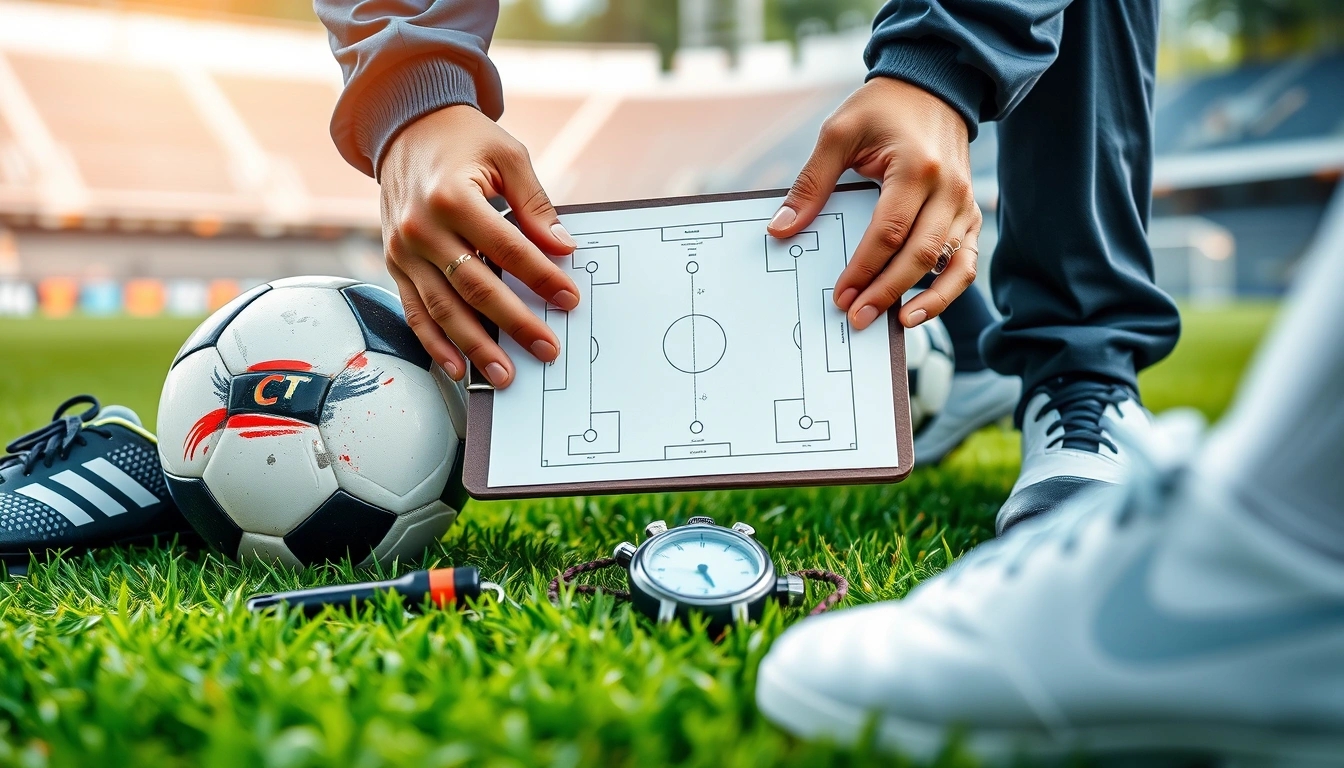
Alright, so you’ve probably heard the term gegenpressing tossed around in football chats and pundit debates, right? It sounds fancy, German, and a bit intimidating, but at its core, it’s just a super intense, high-energy tactic that’s been shaking up the soccer world lately. Imagine a team that, the moment they lose the ball, doesn’t just sulk or fall back but instead launches a full-on, all-hands-on-deck chase to snatch it right back. That’s gegenpressing in a nutshell. It’s like a pack of wolves hunting their prey — relentless, coordinated, and absolutely exhausting for the opposition.
Now, why is it so effective? Well, for starters, it messes with the other team’s rhythm big time. When a team loses possession, they usually want a moment to breathe, reorganize, and plan their next move. Gegenpressing smashes that idea to bits by applying immediate pressure, forcing errors, rushed passes, or even turnovers in dangerous spots. This tactic turns defense into attack faster than you can say “goal,” often catching opponents off guard and creating golden scoring chances.
- Immediate pressure: The moment the ball is lost, players swarm the ball carrier.
- Team coordination: It’s not just one or two players running around wildly; the whole squad acts like a well-oiled machine.
- Fitness and stamina: Oh boy, this one requires some serious lungs and legs because you’re basically sprinting non-stop.
Here’s a quick table to break down the key components of gegenpressing:
| Component | Description |
|---|---|
| Trigger | Loss of possession |
| Action | Immediate high-pressure to regain ball |
| Goal | Disrupt opponent’s build-up & create scoring chances |
| Physical Demand | High stamina, quick recovery |
So, if you’re wondering why coaches and players rave about gegenpressing, it’s because it flips the game on its head. Instead of waiting for the other team to come at you, you chase them down relentlessly. It’s a bit like saying, “Not on my watch, mate!” But beware, it’s not all sunshine and roses. This tactic can burn out players fast and leave gaps if the press is broken. Still, when executed well, gegenpressing looks like poetry in motion — chaotic yet beautiful.
In the end, gegenpressing is more than just a tactic; it’s a mindset. It demands commitment, teamwork, and guts. And if you ask me, that’s what makes football so thrilling to watch.
The Origins of Gegenpressing
If you’ve ever watched a German football match in the last couple of decades, you might have noticed something pretty relentless: the moment a team loses the ball, they swarm the opponent like bees on honey. That’s gegenpressing in action, a tactical beast born in the heart of German football culture. But where did this high-octane style actually come from? Let’s take a little trip back in time and unpack the story behind this game-changing strategy.
At its core, gegenpressing means “counter-pressing” in German, and the idea is simple—don’t just sit back when you lose possession, but immediately press to win the ball back. This philosophy didn’t just pop out of nowhere; it’s deeply rooted in German football’s rich tactical history, with early seeds planted by coaches who believed in aggressive, collective defense. The 1970s and 80s saw teams like Bayern Munich and Borussia Mönchengladbach implementing early versions of pressing, but it wasn’t until the 1990s and early 2000s that gegenpressing began to take shape as a distinct tactical approach.
- Early Influences: Coaches like Rinus Michels and Jürgen Klopp’s mentor, Ottmar Hitzfeld, emphasized pressing and quick transitions, laying the groundwork.
- Philosophical Shift: The focus moved from passive defending to proactive, aggressive ball recovery.
- Physical and Mental Demands: Teams started training players for endurance and sharp decision-making, essential for the relentless chase.
| Era | Key Developments | Notable Figures |
|---|---|---|
| 1970s-80s | Introduction of pressing concepts, collective defense | Rinus Michels, Borussia Mönchengladbach coaches |
| 1990s | Focus on aggressive counter-pressing, fitness emphasis | Ottmar Hitzfeld, early German Bundesliga teams |
| 2000s-Present | Refinement into gegenpressing, tactical system integration | Jürgen Klopp, Thomas Tuchel |
Fast forward to the modern era, and gegenpressing exploded onto the global stage thanks largely to Jürgen Klopp. His teams—first at Borussia Dortmund, then Liverpool—showcased how this tactic could disrupt even the best opponents, turning defense into attack in a heartbeat. Klopp didn’t invent gegenpressing, but he sure polished it into a shiny, brutal weapon. The beauty of gegenpressing lies in its blend of chaos and structure: players swarm the ball, suffocating the opposition’s options, but they do so with a clear plan and team coordination.
Now, you might wonder, why did German football become the breeding ground for such a physically demanding and mentally intense tactic? Partly, it’s cultural. German football has long valued discipline, teamwork, and efficiency—qualities that gegenpressing demands in spades. Plus, the Bundesliga’s emphasis on youth development and tactical education created a perfect storm for this style to flourish.
Key Takeaways:- Gegenpressing immediate, collective pressure after losing possession.- Roots trace back to 70s-80s pressing styles in Germany.- Modern gegenpressing refined by Klopp and others into a tactical powerhouse.- Physical fitness and mental sharpness are non-negotiable for success.
So, there you have it—a whirlwind tour of how gegenpressing evolved from a general pressing idea into the fierce, relentless tactic that’s reshaped football tactics worldwide. It’s not just about running hard; it’s about smart, coordinated chaos. And if you think it’s tough to pull off, well, you’re right. But that’s what makes it so darn exciting to watch.
Core Principles of Gegenpressing
Gegenpressing, often dubbed the “counter-press,” is not just some fancy buzzword tossed around by football pundits to sound clever. At its heart, it’s a gritty, no-nonsense approach demanding immediate pressure right after losing possession. Imagine your team just lost the ball—rather than sulking or retreating, every player scrambles to swarm the ball carrier, trying to snatch it back before the opposition can even breathe. This frantic, high-octane response is what sets gegenpressing apart from traditional pressing styles. It’s like a pack of wolves closing in, relentless and coordinated.
Now, this isn’t a one-man show. Gegenpressing hinges on relentless team coordination. Everyone has a role, and timing is everything. If one player presses too early or too late, the whole system can collapse like a house of cards. So, the squad must move as a unit—closing passing lanes, cutting off options, and forcing errors. It’s less about individual brilliance and more about synchronized chaos. Sounds a bit contradictory, right? But that’s the beauty of it.
- Immediate Pressure: The moment the ball is lost, the nearest players jump on it. No rest, no second chances.
- Compactness: The team stays tight, minimizing gaps and making it tough for opponents to find space.
- Trigger Points: Players recognize specific moments or cues to launch the press, like a loose touch or a backward pass.
| Principle | What It Means | Why It Matters |
|---|---|---|
| Immediate Pressure | Attack as soon as possession is lost | Disrupts opponent’s rhythm, forces mistakes |
| Team Coordination | Players move and press in sync | Prevents gaps, maximizes pressure efficiency |
| Compactness | Stay close together defensively | Limits opponent’s passing options |
But hey, don’t get me wrong—this isn’t just “run like crazy after the ball.” It’s a highly intelligent system requiring mental sharpness and physical stamina. Players must constantly read the game, anticipate passes, and decide when to press or hold back. It’s like a high-stakes chess match played at lightning speed.
Here’s a quick rundown of how it looks in action: Your team loses possession near the opponent’s box. Instantly, the closest players swarm the ball carrier, cutting off passing lanes. Meanwhile, others shift to block potential receivers. The goal? To win the ball back quickly or at least force a hurried clearance, which often leads to turnovers in dangerous areas.
In short, gegenpressing is a brutal, beautiful mess of pressure and precision. It’s exhausting, exhilarating, and when done right, downright devastating for the opposition. So, next time you see a team chasing down every lost ball like their life depends on it, you’re watching gegenpressing in full throttle.

Why Gegenpressing Works
If you’ve ever watched a match where a team suddenly flips the script right after losing the ball, you’ve witnessed gegenpressing in action. This tactic isn’t just about running around wildly; it’s a calculated chaos designed to disrupt the opponent’s rhythm and snatch back possession before they even get comfortable. But why exactly does it work so well? Let’s break it down.
First off, gegenpressing thrives on immediacy. The moment a team loses the ball, players swarm like bees to the spot, applying intense pressure. This sudden onslaught forces the opposing side into making rushed decisions—often sloppy passes or panicked clearances. That’s where the magic happens: mistakes create openings, and openings lead to scoring chances. It’s like catching someone with their pants down—awkward and advantageous.
- Disrupts opponent’s buildup: Teams usually plan their attacks carefully, but gegenpressing throws a wrench in their gears by not allowing any breathing room.
- Creates turnovers in dangerous areas: Instead of waiting to regain possession deep in their half, gegenpressing aims to win the ball back close to the opponent’s goal.
- Exploits disorganized defense: When the opposition is scrambling to escape pressure, their defensive shape often breaks down, leaving gaps.
Now, let’s get practical. Take Liverpool under Jurgen Klopp as a prime example. They’re notorious for their relentless pressing. When they lose the ball, their front three and midfielders swarm immediately, forcing errors high up the pitch. This tactic led to countless goals, including that memorable counterattack against Barcelona in 2019, where a quick steal turned into a devastating goal.
| Team | Key Gegenpressing Trait | Notable Example |
|---|---|---|
| Liverpool | Relentless high press after loss | 2019 Champions League comeback vs Barcelona |
| Bayern Munich | Coordinated team pressing waves | Dominant Bundesliga performances |
| RB Leipzig | Quick transitions and aggressive ball recovery | Impressive Bundesliga rise |
But it’s not all sunshine and roses. Gegenpressing demands extreme fitness and discipline. If players get tired or lose their shape, the whole system collapses, leaving the team vulnerable to counters. Still, when executed correctly, it’s like a well-oiled machine — overwhelming, suffocating, and deadly effective.
In summary, gegenpressing works because it shakes up the opponent’s plans, forces errors in dangerous zones, and creates scoring chances from chaos. It’s football’s version of “strike while the iron is hot,” and when done right, it’s a spectacle that’s both thrilling and tactically brilliant.
Key Players in Gegenpressing Systems
When it comes to gegenpressing, not just any player can pull off this relentless, high-octane style of play. This tactic demands a very specific breed of footballer—think of them as the “energy cells” of the team, constantly buzzing, snapping back into action the second possession is lost. So, who exactly fits the bill? Let’s break it down.
- The Agile Forward: Contrary to the traditional “poacher” striker, gegenpressing forwards are more like the first line of defense. They’re not just waiting for a chance to score; they’re hunting the ball aggressively, closing down defenders and goalkeepers alike. Speed, anticipation, and stamina are their best friends. They must be quick thinkers, ready to pounce on loose balls or force errors.
- The Tenacious Midfielder: This player is the engine room, tirelessly running up and down, pressing opponents, and linking defense with attack. Think of them as the “ball-winning maestro”. They need incredible work rate, tactical awareness, and the ability to read the game like a book. Their role is crucial in cutting passing lanes and triggering the counter-press.
- The Mobile Fullbacks: Fullbacks in gegenpressing are no longer just defenders. They have to be dynamic, supporting the press high up the pitch and quickly recovering their defensive shape. Endurance and speed are non-negotiable, as they shuttle between attack and defense constantly.
- The Intelligent Center-Backs: Sure, they’re the last line of defense, but in a gegenpressing system, center-backs also need to be comfortable stepping out to help press or quickly distributing the ball after a turnover. They must be calm under pressure and possess sharp decision-making skills.
| Player Type | Key Attributes | Role in Gegenpressing |
|---|---|---|
| Agile Forward | Speed, anticipation, stamina | First press initiator, forces errors |
| Tenacious Midfielder | Work rate, tactical awareness, ball-winning | Intercepts, cuts passing lanes, links play |
| Mobile Fullback | Endurance, speed, positioning | Supports press, recovers defense |
| Intelligent Center-Back | Calmness, decision-making, distribution | Last line of defense, aids pressing |
Now, here’s the kicker—these players can’t just be physically fit; they need a certain mindset. Gegenpressing is brutal. It’s like asking someone to sprint after a marathon. The mental toughness to keep pressing, even when you’re gasping for air, separates the good from the exceptional. And let’s not forget the team chemistry. It’s a synchronized dance where every player’s movement affects the others. One lazy press and the whole system can collapse like a house of cards.
Practical Insight:- Coaches often drill players in small-sided games to simulate quick turnovers.- Communication is key: players must shout, signal, and anticipate teammates' actions.- Recovery runs after pressing sprints are as important as the press itself.
In the end, gegenpressing is as much about brains as brawn. Players who thrive here are those who combine relentless energy with sharp football IQ. They’re the ones who’ll chase down that lost ball like it owes them money and then spring their team forward in a blink. It’s exhausting, exhilarating, and, if done right, absolutely devastating for the opposition.
So, next time you see a team swarm an opponent the moment they lose possession, remember—it’s not just chaos. It’s a carefully choreographed effort by some of the most hardworking and intelligent players on the pitch, each with a role that’s as vital as the next in making gegenpressing tick like a well-oiled machine.
Common Formations for Gegenpressing
aren’t just about slapping players on the pitch and hoping for the best. Nah, it’s a bit more nuanced than that. The whole idea behind gegenpressing — that frantic, “win the ball back NOW” style — demands a team shape that’s compact, aggressive, and flexible enough to swarm opponents immediately after losing possession. So, what formations do managers swear by when deploying this high-octane tactic? Let’s dive in.
First off, the 4-3-3 is probably the poster child for gegenpressing setups. Why? Because it balances attack and defense beautifully. You’ve got a front three who can press high, harassing defenders and goalkeepers, while the midfield trio acts like a safety net, closing down passing lanes and supporting the forwards. The full-backs in this system often push up to add width, but they’re quick to drop back when the ball’s lost, keeping the team shape intact.
| Position | Role in Gegenpressing |
|---|---|
| Forwards (Front 3) | Immediate pressure on ball carriers, blocking passing options |
| Midfield Trio | Closing down space, intercepting passes, quick transitions |
| Full-backs | Providing width, supporting attack, tracking back swiftly |
| Center-backs | Maintaining defensive solidity, covering spaces left by pressing midfielders |
But wait, the 3-4-3 formation also gets a shout here. It’s a bit riskier, sure, but it allows for even more aggressive pressing with three forwards and wing-backs who can bomb up and down the flanks. The midfield four act as a dynamic block, cutting off central passing lanes and supporting quick ball recoveries. The three center-backs have to be rock-solid because, yeah, you’re leaving more gaps behind when everyone’s chasing the ball.
- Wing-backs: Vital for stretching the pitch and recovering quickly.
- Midfielders: The engine room, constantly shifting and pressing.
- Strikers: First line of defense, relentless in closing down.
Now, don’t think formations are set in stone. Gegenpressing is all about adaptability. Teams tweak shapes mid-game, shifting from a 4-3-3 to a 4-2-3-1 or even a 4-4-2 diamond, depending on how the match flows. The key is compactness — keeping players close enough to support each other in pressing but spaced well enough to cover the field. If there’s too much distance, the press falls apart like a house of cards.
Oh, and here’s a little nugget: formations that facilitate gegenpressing often rely on high fitness levels and intense communication. The players need to know when to press, when to hold, and when to cover. Without that, even the slickest formation looks like a hot mess on the pitch.
Tips for adapting formations to gegenpress:- Keep your lines tight to reduce passing options.- Assign clear pressing triggers (like a bad touch or backward pass).- Use overlapping runs to overload opponents.- Rotate pressing responsibilities to conserve energy.
In short, gegenpressing formations are less about rigid structure and more about fluidity and teamwork. The best teams make their shape work for the pressing game, not the other way around. So, next time you see a team swarm the ball after losing it, remember — it all starts with the shape they set up to make that chaos happen.

Challenges and Downsides of Gegenpressing
Alright, let’s get real about gegenpressing. It’s flashy, it’s intense, and it’s all the rage in modern football tactics. But, boy, it ain’t all sunshine and rainbows. Coaches who decide to roll with this high-octane style quickly learn it’s a double-edged sword. The physical demands alone can break even the fittest squads if they’re not careful. Imagine asking your players to sprint, tackle, and chase the ball relentlessly right after losing possession — it’s like asking them to run a marathon, then immediately jump into a sprint. Not exactly a walk in the park.
| Physical Demands | Risks | Potential Pitfalls |
|---|---|---|
| High stamina & endurance required | Increased injury risk due to fatigue | Team can become vulnerable if energy fades |
| Explosive bursts of speed and quick recovery | Overtraining leading to burnout | Miscommunication under pressure |
| Constant mental alertness and focus | Player fatigue reduces decision-making quality | Opponents exploiting spaces left behind |
Now, let’s talk about the risks. Pushing players to their limits every match is a recipe for injuries. Hamstrings, groins, ankles — all on the chopping block. And it’s not just the muscles; mental exhaustion creeps in too. When brains tire, mistakes happen, and in gegenpressing, a single error can open the floodgates for the opposition. Plus, if your squad isn’t deep enough, rotating tired players becomes a nightmare, leading to a vicious cycle of fatigue and poor performance.
- Fatigue: The relentless pressing means players have barely a breather. This can cause lapses in concentration.
- Injuries: Overuse injuries spike with constant high-intensity runs.
- Team Cohesion: When energy dips, the tight coordination required for gegenpressing falls apart.
Here’s the kicker — if the team’s fitness dips or the tactical discipline slips, gegenpressing turns from a weapon into a liability. Opponents can exploit the spaces left behind when players commit too hard to pressing. Suddenly, the defense is exposed, and the counterattack becomes a nightmare scenario. Coaches must balance the desire to suffocate opponents with the reality that players aren’t machines.
Practical Insight:- Monitor player load carefully using GPS trackers.- Rotate squad members to keep energy levels high.- Train players on quick recovery techniques.- Emphasize communication to prevent defensive gaps.
In the end, gegenpressing demands a fine balance between physical conditioning, tactical discipline, and mental toughness. It’s a high-risk, high-reward gamble that can either take a team to new heights or leave them gasping for air. Coaches who underestimate the toll it takes do so at their peril. So yeah, it’s brilliant when it works, but it’s not for the faint-hearted — or the lazy.
How Top Coaches Use Gegenpressing
When it comes to gegenpressing, a lot of folks think it’s just about running around like headless chickens the moment you lose the ball. But nah, it’s way more nuanced than that. The managers who swear by this tactic? They’re not just throwing players into a frenzy; they’re orchestrating a symphony of chaos on the pitch. Let’s dive into some of the most famous coaches who have made gegenpressing their bread and butter, each adding their own spicy twist to the formula.
First up, Jürgen Klopp—the man who basically brought gegenpressing into the global spotlight. Klopp’s style is all about relentless energy and swift transitions. His teams don’t just press; they smother opponents like a blanket on a cold night. But here’s the kicker: Klopp’s tweak is the emotional charge. His squads play with a ferocity and passion that’s contagious. It’s not just tactics; it’s a mindset. Klopp’s Liverpool, for example, is famous for that explosive counter-press right after losing possession, turning defense into attack in seconds.
- Key Klopp Gegenpressing Traits:
- High-intensity pressing in the opponent’s half
- Quick vertical passes to exploit spaces
- Emotional engagement fueling stamina and focus
Then there’s Thomas Tuchel, who’s got a slightly different flavor. Tuchel’s gegenpressing is more calculated, almost surgical. While Klopp’s teams rely on raw energy, Tuchel’s squads press with precise timing and positioning, often switching formations mid-game to confuse the opposition. His Chelsea side showed how gegenpressing can be adapted to a more pragmatic style, blending it with solid defensive discipline. It’s like he’s saying, “Yeah, we’ll press hard, but let’s not get ourselves caught out.”
| Aspect | Klopp | Tuchel |
|---|---|---|
| Pressing Intensity | Relentless, high-energy | Controlled, tactical |
| Formation Flexibility | Stable, usually 4-3-3 | Highly adaptable |
| Risk Level | High risk, high reward | Balanced risk |
| Emotional Approach | Passionate, fire-driven | Calm and calculated |
And we can’t forget Ralph Hasenhüttl, who’s taken gegenpressing to the Premier League with Southampton and now Leeds. His teams are often praised for their work rate but sometimes criticized for leaving gaps at the back. Hasenhüttl’s version is raw and relentless, sometimes bordering on reckless, but it’s effective when the players buy into the system fully. It’s a bit like a wild stallion—beautiful but occasionally hard to control.
So what’s the takeaway here? Gegenpressing isn’t a one-size-fits-all tactic. It’s a flexible, evolving strategy that depends heavily on the manager’s philosophy and the players’ characteristics. Whether it’s Klopp’s fiery passion, Tuchel’s chess-like precision, or Hasenhüttl’s raw energy, each coach molds gegenpressing to fit their vision. And that’s what keeps it exciting.
- Practical Insight: If you’re a coach wanting to implement gegenpressing, don’t just copy the big names. Figure out your team’s strengths and tweak the intensity, formation, and pressing triggers accordingly.
- Fun Fact: Some managers even incorporate video analysis and GPS tracking to perfect the timing and positioning of their press. It’s not just sweat and grit anymore—it’s science!
In the end, gegenpressing is as much about mindset and adaptability as it is about physical effort. The best coaches know this, and that’s why their tweaks make all the difference on the pitch.
Training Methods to Master Gegenpressing
When it comes to gegenpressing, it’s not just about running around like headless chickens chasing the ball. No, sir. Teams need to be razor-sharp in fitness, timing, and teamwork to pull off this relentless style. So, what kind of drills and exercises do coaches swear by to get their squads up to speed? Let’s dive in and break it down.
First up, high-intensity interval training (HIIT) is a staple. Gegenpressing demands bursts of explosive energy followed by quick recoveries. Players can’t just jog after losing the ball; they need to sprint, press, and close down opponents immediately. Coaches often use shuttle runs, sprints with short rests, and circuit training to build that stamina and quick-twitch muscle power.
- Shuttle Runs: Sprint 20 meters, jog back, repeat multiple times to simulate pressing bursts.
- Tabata Circuits: 20 seconds all-out effort, 10 seconds rest, repeated for 4 minutes, targeting explosive endurance.
- Agility Ladder Drills: Improve footwork and quick changes of direction essential for closing down space fast.
But fitness alone won’t cut it. Gegenpressing is a team game — everyone moves as a unit. That’s why positional drills are crucial. Coaches set up small-sided games where players practice pressing triggers, like when a teammate loses the ball, and coordinate their movements to cut off passing lanes or force turnovers.
| Drill | Focus Area | Purpose |
|---|---|---|
| 5v5 Pressing Game | Team coordination | Practice synchronized pressing and quick ball recovery |
| Rondo with Pressing | Ball control under pressure | Enhance quick decision-making and immediate pressure after losing possession |
| Transition Sprints | Fitness & reaction | Train explosive reactions to regain the ball swiftly |
Now, here’s a nugget that often gets overlooked: communication drills. Imagine a team pressing like mad but shouting at the wrong times or not calling out who’s marking whom. Chaos! Coaches run exercises where players must shout instructions or signals while executing pressing moves, building that on-pitch telepathy.
Lastly, don’t forget the mental game. Gegenpressing is physically demanding but also mentally taxing. Players need to stay alert, anticipate passes, and maintain aggression without losing discipline. Coaches incorporate video analysis sessions and scenario-based training to sharpen players’ tactical understanding.
In short, mastering gegenpressing isn’t a walk in the park. It’s a cocktail of fitness drills, team coordination exercises, and mental training. The teams that get this mix right? They’re the ones who can suffocate opponents, snatch possession in seconds, and turn defense into attack at lightning speed.
So next time you see a team swarm like bees after losing the ball, remember: behind that chaos lies hours of sweat, strategy, and drills designed to make gegenpressing not just a tactic, but a relentless art form.

The Future of Gegenpressing in Football
Alright, let’s talk about where gegenpressing is headed because, honestly, this tactic isn’t just a flash in the pan—it’s reshaping football’s DNA. Think of it as that relentless mate who never quits chasing you down; now imagine entire teams embodying that spirit. But what’s next for this high-octane style? Will it keep dominating, or will football’s evolution throw it a curveball?
First off, the physical demands of gegenpressing are no joke. Players need to be insanely fit, sharp, and mentally switched on every second. As sports science advances, expect training to get even more tailored—think GPS tracking, AI-driven fitness plans, and recovery protocols that borderline on science fiction. It’s not just about running hard anymore; it’s about running smart.
- Smarter Pressing: Teams will likely adopt more situational pressing—knowing when to press aggressively and when to chill out. Overdoing it can burn players out, so tactical intelligence will become as crucial as raw energy.
- Data-Driven Decisions: Coaches will lean heavily on analytics to identify pressing triggers, opponent weaknesses, and ideal moments to spring the trap.
Now, here’s a cheeky thought: could gegenpressing become so common that it loses its edge? When everyone presses high, space opens up elsewhere—maybe we’ll see a counter-counter-pressing era. Tactical chess matches will get even more mind-boggling, with teams inventing new ways to bypass or exploit the press.
| Potential Evolution | Impact on the Game |
|---|---|
| Integration of AI & Machine Learning | Real-time tactical adjustments during matches; personalized player roles in pressing schemes |
| Hybrid Pressing Styles | Mixing gegenpressing with traditional defensive setups to confuse opponents |
| Youth Development Focus | Training young players early to master pressing instincts and teamwork |
Let’s not forget the human factor. Football is still a game of passion, mistakes, and moments of genius. While gegenpressing demands discipline, it also requires creativity—players who can read the game, anticipate passes, and make split-second decisions. The future might see a blend of high-tech tools and old-school footballing brains.
In practical terms, expect coaches to experiment more with rotations during games to keep pressing intensity high without draining players. Substitutions might become tactical weapons to maintain that relentless energy.
- Practical tip for teams: Build squads with versatile athletes who can switch roles seamlessly during pressing phases.
- For fans: Brace yourselves for matches that feel like a sprint marathon—nonstop action, nerve-wracking turnovers, and probably a few heart attacks.
So yeah, gegenpressing isn’t just surviving; it’s evolving. It’s like a living beast adapting to new environments, smarter and tougher. Whether it becomes the blueprint for all teams or morphs into something unrecognizable, one thing’s clear: the beautiful game just got a lot more intense.
Bottom line? Keep your eyes peeled because the future of gegenpressing promises thrilling chaos, tactical wizardry, and maybe even a few surprises that’ll make us all rethink how football’s played.
Frequently Asked Questions
- What exactly is gegenpressing in football?
Gegenpressing is a high-energy tactic where a team immediately pressures the opponent right after losing the ball. Think of it like a pack of wolves closing in fast to snatch the ball back before the other team can breathe. This relentless chase disrupts opponents and creates quick scoring opportunities.
- Where did gegenpressing originate from?
It all started in German football, where coaches developed this aggressive pressing style to overwhelm opponents. Over time, it evolved into the explosive, coordinated approach we see today, popularized by top teams and managers who swear by its effectiveness.
- Why is gegenpressing so effective?
The magic lies in its surprise and intensity. By pressuring immediately, teams catch opponents off guard, forcing mistakes and turnovers. It’s like a sudden storm on the pitch, leaving the opposition scrambling and opening up chances to score.
- What kind of players are best for gegenpressing?
Players in a gegenpressing system need to be fit, fast, and mentally sharp. They should have the stamina of marathon runners and the instincts of predators, ready to pounce the moment the ball is lost. Teamwork and communication are just as crucial as individual speed.
- Are there specific formations that suit gegenpressing?
Yes! Formations like 4-3-3 or 4-2-3-1 often support gegenpressing well. These shapes allow teams to maintain compactness and quickly swarm the ball, making it easier to launch that explosive counter-press.
- What are the challenges of using gegenpressing?
It’s physically demanding and requires top-notch fitness. If players tire, gaps appear, and the tactic can backfire, leaving defenses vulnerable. Coaches must balance intensity with stamina to keep the system sustainable throughout the match.
- Which famous coaches use gegenpressing?
Managers like Jürgen Klopp and Ralf Rangnick have popularized gegenpressing, each adding their own flair. They focus on intense training and tactical tweaks that maximize pressure without sacrificing team shape.
- How do teams train to master gegenpressing?
Training involves drills that boost fitness, speed, and quick decision-making. Teams practice coordinated pressing as a unit, almost like a well-oiled machine ready to spring into action the instant possession is lost.
- What does the future hold for gegenpressing?
As football evolves, gegenpressing might get even faster and more tactical, blending with new technologies and data analysis. It’s like a living organism, adapting to keep surprising opponents and thrilling fans worldwide.