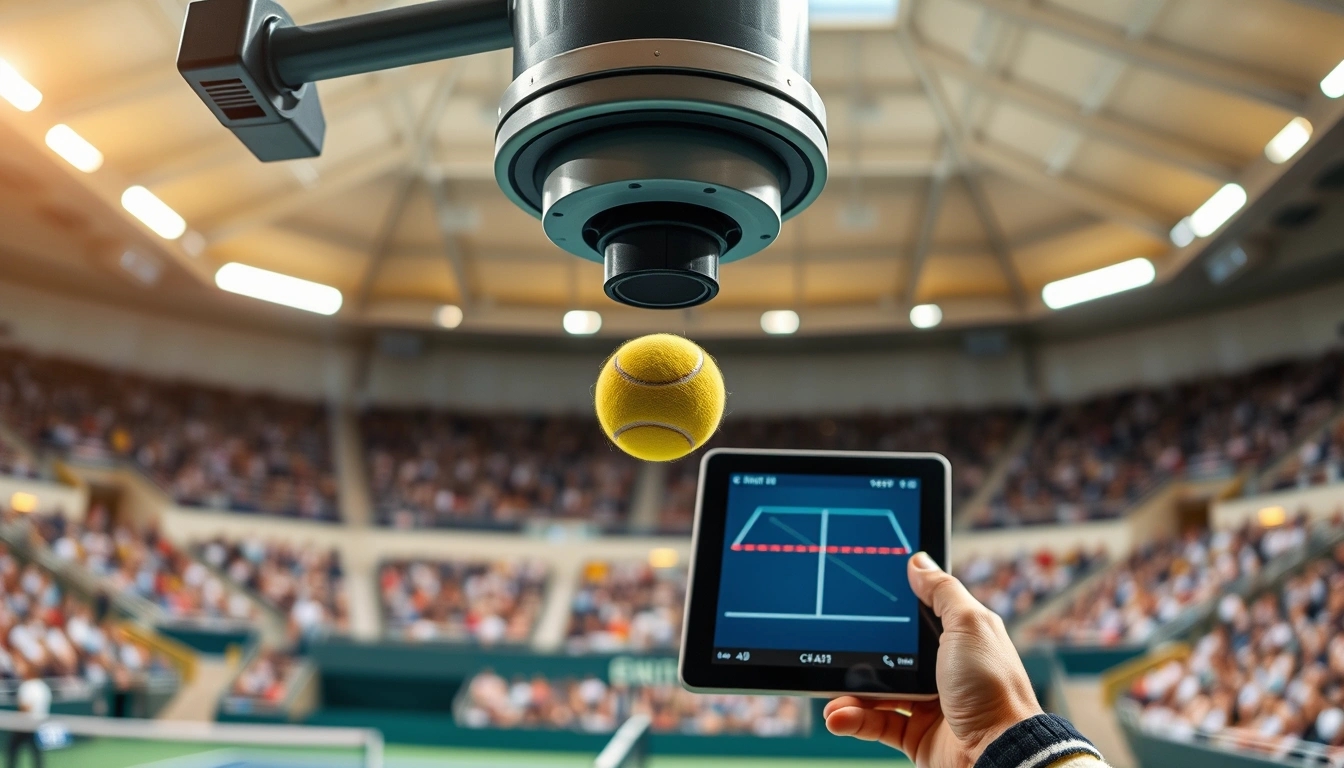
Alright, let’s talk about Hawkeye — that nifty piece of tech that’s become the unsung hero on the sports field, especially when referees are sweating over those split-second, heart-stopping calls. You know the ones: did the ball cross the line? Was that offside? Without Hawkeye, we’d probably still be arguing in pubs about whether that goal counted or not. But what exactly is this tech wizardry, and why are referees so reliant on it these days? Buckle up, because it’s more than just some fancy cameras snapping pics.
First off, Hawkeye isn’t some newfangled invention cooked up last week. It actually started its journey in the world of cricket, tracking balls with laser-like precision to decide LBWs (leg before wicket) and other tricky calls. From those dusty pitches, it’s spread its wings — now a staple across multiple sports including tennis, football, and even volleyball. The tech’s main charm? It takes human error out of the equation and delivers data that’s hard to argue with. Imagine having a referee with superhuman eyesight and a memory that never forgets a millisecond of action. That’s Hawkeye in a nutshell.
| Sport | Primary Use of Hawkeye | Impact |
|---|---|---|
| Cricket | Ball tracking for LBW decisions | Reduced umpire errors, faster decisions |
| Tennis | Line calls for in/out balls | More accurate calls, less player frustration |
| Football (Soccer) | Goal-line decisions | Cleared controversies, fairer outcomes |
Now, how does this magic actually work? You might think it’s just cameras filming the action, but it’s way more complex. Multiple high-speed cameras are positioned around the stadium, capturing the ball and players from different angles. Then, sophisticated software algorithms crunch all that data in real-time, tracking the ball’s trajectory with uncanny precision. It’s like having a team of detectives piecing together every tiny detail, only faster and without the coffee breaks. This tech can pinpoint the exact moment the ball crosses a line or even measure if a player’s toe was offside by a few millimeters — talk about nitpicking!
- Cameras: Usually 6-8 high-speed units around the field.
- Software: Processes images to reconstruct 3D ball paths.
- Algorithms: Analyze data to decide outcomes instantly.
In football, Hawkeye’s role is pretty straightforward but absolutely crucial. Think about those nail-biting moments when the ball is inches from the goal line. Before Hawkeye, referees had to rely on their eyes, assistants, or sheer luck — leading to loads of “should’ve been a goal” controversies. Now? The system buzzes the ref’s watch or headset within seconds if the ball fully crosses the line. No more debates, no more angry fans storming the pitch (well, fewer anyway). It’s a game-changer, literally.
Of course, not everyone’s head over heels for Hawkeye. Some referees admit it takes a bit of the thrill out of their job — like, where’s the glory in getting every call right with a machine’s help? Others feel it eases the pressure, giving them a safety net when the crowd’s roaring and the stakes are sky-high. It’s a love-hate relationship, but one thing’s clear: Hawkeye is here to stay.
So next time you’re watching a game and see the ref consult a screen or get a buzz on their wrist, remember the tech behind the scenes making those split-second decisions a little less stressful — and a lot more accurate. Hawkeye might not be perfect, but it sure has changed the game for the better.
The Origins of Hawkeye Technology
When you think about game-changing tech in sports, Hawkeye is right up there, isn’t it? But have you ever stopped to wonder where this marvel actually began? Believe it or not, the journey of Hawkeye technology started on the humble cricket pitch, long before it became the global superstar it is today. Back in the late 1990s, cricket was grappling with umpiring challenges — those nail-biting LBW (leg before wicket) calls that could swing the game either way. Enter Hawkeye, a brainchild of engineers and computer vision experts who wanted to bring some much-needed clarity to the sport.
Initially, it was all about tracking the ball’s trajectory with pinpoint accuracy. Multiple high-speed cameras were set up around the stadium, capturing every millisecond of the ball’s flight. Then, some clever software algorithms stitched those images together, creating a 3D simulation of the ball’s path. This wasn’t just a fancy replay; it was science, baby! Suddenly, umpires had a powerful tool to back up their calls, cutting down on disputes and giving players a fair shake.
| Year | Milestone | Sport |
|---|---|---|
| Late 1990s | Hawkeye developed for cricket LBW decisions | Cricket |
| 2001 | First official use in international cricket | Cricket |
| Early 2000s | Adopted by tennis for line calls | Tennis |
| 2010s | Expanded to football for goal-line technology | Football |
But cricket was just the beginning. Once the tech proved its worth, other sports started to sit up and take notice. Tennis was one of the first to jump on board, using Hawkeye to settle those “in or out” line calls that can make players lose their cool. And then football (or soccer, for some) came knocking, desperate to solve the age-old “did the ball cross the line or not?” dilemma. By the 2010s, Hawkeye had become a staple in multiple sports worldwide, reshaping how referees make decisions and, honestly, how fans watch the game.
- Cricket: Revolutionized LBW decisions and ball tracking.
- Tennis: Enhanced line-calling accuracy, reducing player disputes.
- Football: Introduced goal-line technology, ending debates over goals.
- Other sports: Gradually adopted for various officiating needs.
What’s fascinating is how this technology, born out of necessity, has evolved into something that’s now expected at the highest levels of sport. It’s no longer just a fancy gadget; it’s a referee’s best mate, a silent guardian ensuring fairness and transparency. Sure, it’s not perfect — there’ve been hiccups and controversies — but Hawkeye’s journey from cricket pitches to stadiums around the world is nothing short of remarkable.
So next time you see that animated ball trajectory on your screen or hear the referee’s confirmation thanks to Hawkeye, remember: it all started with a simple idea — to help umpires get it right, no matter how tricky the call.
Quick Recap:
- Late 1990s: Hawkeye developed for cricket- Early 2000s: Tennis adopts tech for line calls- 2010s: Football integrates Hawkeye for goal-line decisions- Today: Used across multiple sports, changing the game forever
How Hawkeye Works: The Tech Behind the Magic
Alright, let’s cut through the jargon and get down to the nuts and bolts of Hawkeye — that seemingly magical system that’s got referees breathing a sigh of relief and fans gripping their seats. At its core, Hawkeye is a high-tech ballet of cameras, software, and algorithms working in unison to track every twitch of the ball and every shuffle of the players with jaw-dropping precision. But don’t be fooled — it’s not just some fancy camera setup; it’s a carefully choreographed system that’s as complex as it is clever.
- Multiple Cameras, Multiple Angles: First up, you’ve got a network of usually 6 to 14 high-speed cameras strategically placed around the stadium. These aren’t your average game-day cams; they shoot at hundreds of frames per second, capturing the ball and players from all conceivable angles.
- Real-Time Data Crunching: The feeds from these cameras are fed into powerful computers that run sophisticated software. This software doesn’t just watch — it analyzes the position of the ball and players in three-dimensional space, frame by frame.
Now, here’s where things get really interesting — the software uses a technique called triangulation. By calculating the ball’s position based on the different camera angles, it can pinpoint exactly where the ball is down to millimeters. Think of it like a super-nerdy geometry problem played out live in a stadium packed with roaring fans.
| Component | Role | Fun Fact |
|---|---|---|
| Cameras | Capture high-speed images from multiple angles | Some cameras shoot at 500+ frames per second! |
| Processing Unit | Runs software algorithms to analyze data | Can process thousands of data points in less than a second |
| Software Algorithms | Calculate ball/player positions using triangulation | Uses machine learning to improve accuracy over time |
| Display Interface | Shows referees instant replays and decision data | Updates decisions in real-time during matches |
But hold your horses — it’s not just about finding where the ball is. Hawkeye also tracks player movements, giving referees a clear picture of offsides, fouls, and other tricky calls. It’s like having a superhuman assistant who never blinks or gets tired.
Here’s a quick rundown of the process:
- Cameras capture the live action from multiple angles.
- The software stitches these images together, creating a 3D model of the play.
- Algorithms calculate ball and player positions with pinpoint accuracy.
- Decision data is sent instantly to referees’ devices for review.
Now, no tech is perfect, and Hawkeye isn’t immune to glitches or controversies — but it’s still leagues ahead of human eyes alone. And the best part? It does all this in real-time, so the game keeps flowing without those agonizing delays.
So next time you see that “Goal” or “No Goal” light flash up, remember the army of cameras and lines of code working behind the scenes, making sure the beautiful game stays fair and square.

Hawkeye in Football: Goal or No Goal?
When it comes to those heart-stopping moments in football, where the ball teeters on the line and fans hold their breath, Hawkeye has stepped up as the ultimate game-changer. No more wild debates, no more fans losing their minds over whether it was a goal or not. But how exactly does this wizardry work, and why has it become such a beloved yet sometimes grudgingly accepted part of the beautiful game?
First off, let’s be real: goal-line controversies were the bane of football’s existence for decades. Remember those infamous moments where the ball clearly crossed the line, but the ref’s whistle stayed silent? Or worse, the opposite? Yeah, those moments sparked outrage, rants, and enough conspiracy theories to fill a stadium. Enter Hawkeye — a tech system that uses multiple high-speed cameras positioned around the goal to track the ball’s exact position down to millimeters.
| Feature | Details |
|---|---|
| Number of Cameras | Usually 7-14 per goal |
| Tracking Speed | Up to 1000 frames per second |
| Decision Time | Less than 1 second |
| Communication | Instant signal to referee’s watch |
The beauty of Hawkeye is how it cuts through the noise. The moment the ball crosses the line, the referee’s watch buzzes with a clear “Goal!” or “No Goal!” message. This instant clarity has slashed the number of heated arguments on the pitch and in the stands. Fans, players, and officials alike can finally breathe a little easier knowing the decision is based on cold, hard data — not just human eyeballs, which can be notoriously unreliable.
- Reduced Errors: No more “I swear it crossed!” moments.
- Increased Fairness: Players get what they deserve on the scoreboard.
- Less Pressure on Referees: They get a tech backup, making split-second calls less stressful.
But hold on, it’s not all sunshine and rainbows. Some critics argue that relying on technology takes away from the human element of the game. There’s also the occasional glitch or delay, which, while rare, can cause moments of confusion. Plus, it doesn’t cover all tricky situations — just goal-line decisions. So, the debate about tech in football isn’t going anywhere.
Practical Insight:Teams and coaches now use Hawkeye data not just to confirm goals but to analyze attacking patterns near the box.This means strategies can be fine-tuned based on where the ball tends to cross or get stopped, turning tech into tactical gold.
In the grand scheme, Hawkeye has been a massive step forward. It’s like having a super-accurate assistant referee who never blinks or gets distracted. While it won’t solve every controversy on the pitch, it sure has made those nail-biting goal-line moments a lot less painful — for everyone involved.
So next time you see that buzz on the ref’s watch, just remember: behind that simple signal lies a whole army of cameras and algorithms working tirelessly to keep the game fair and fun. And honestly, isn’t that what we all want?
Impact on Referees: Friend or Foe?
When it comes to Hawkeye, the tech marvel that’s been changing the game on and off the pitch, referees are caught in a bit of a love-hate relationship. On one hand, it’s like having a trusty sidekick who never blinks, always ready to back you up when the pressure’s sky-high. On the other, it sometimes feels like an overbearing coach whispering doubts into your ear right when you thought you had it all figured out.
Let’s be honest, refereeing is no walk in the park. The spotlight’s on you, every decision scrutinized by millions, and mistakes can haunt careers. Enter Hawkeye, with its pinpoint accuracy and split-second replays, promising to take some of that burden off the officials’ shoulders. Many refs admit that knowing there’s a technological safety net eases the pressure, allowing them to focus more on the flow of the game rather than obsessing over whether the ball fully crossed the line or if a handball was just a bit too obvious.
| Referee Sentiment | Positive Impact | Challenges |
|---|---|---|
| Confidence Boost | Reassures decisions, reduces fear of errors | Sometimes second-guesses instincts due to tech input |
| Pressure Reduction | Less stress over controversial calls | Delays disrupt game rhythm and referee focus |
| Authority | Supports referees’ authority on field | Players and fans may blame refs despite tech |
But here’s where it gets a bit tricky. For some referees, Hawkeye’s interventions can lead to a bit of decision paralysis. You know the feeling — you’ve made a call based on what you saw, but then the system chimes in, and suddenly you’re wondering if you missed a trick. It’s like second-guessing yourself in an exam when you’re already running out of time. This can shake a referee’s confidence, especially in high-stakes matches where every call is magnified.
And let’s not forget the fans and players. Even with Hawkeye’s verdict, the pressure doesn’t vanish. Sometimes, it just shifts. Now, referees are expected to be flawless, with technology backing them up. If something goes wrong, the blame can be even harsher. It’s a double-edged sword — tech helps, but it also raises the stakes for human error.
- Pros of Hawkeye for referees: Accurate decisions, reduced pressure, enhanced credibility.
- Cons: Potential over-reliance, interruptions in game flow, increased scrutiny.
Interestingly, some referees have found a middle ground by embracing Hawkeye as a tool, not a crutch. They use it to confirm their gut feelings rather than replace them. This mindset seems to keep their confidence intact while still benefiting from the technology’s precision.
"At the end of the day," one referee shared, "Hawkeye is like having a backup singer. You’re still the star, but it’s nice knowing someone’s got your back if you hit a wrong note."
In conclusion, Hawkeye is neither a perfect friend nor a ruthless foe to referees. It’s more like that unpredictable teammate who sometimes saves your bacon and other times makes you sweat. As the technology evolves, so will the relationship between refs and their digital assistant. But for now, it’s clear that Hawkeye has changed the game — not just for players and fans, but for the referees who have to live with every call.
Controversies and Limitations of Hawkeye
Let’s be honest—Hawkeye isn’t some flawless oracle perched above the pitch, handing out decisions with divine certainty. Sure, it’s a game-changer, but every now and then, it trips over its own wires and leaves fans, players, and referees scratching their heads. You’d think with all that fancy tech, mistakes wouldn’t happen. Well, welcome to reality! Even Hawkeye has its off days.
First off, the technology relies heavily on multiple high-speed cameras and complex algorithms to track the ball and players. Sounds impressive, right? But when the ball spins crazily or moves at lightning speed, sometimes the system struggles to pinpoint the exact moment it crossed the line. Remember that infamous handball that was ruled out because Hawkeye “didn’t detect the ball crossing the line”? Yeah, that one sparked a whole debate on whether we should blindly trust the tech or stick to human judgment.
| Common Controversies | Details |
|---|---|
| Timing Disputes | When the exact millisecond a ball crosses the line is contested, leading to confusion. |
| Calibration Errors | Improper setup of cameras can cause inaccurate readings. |
| Software Glitches | Rare bugs causing incorrect ball tracking or misinterpretation. |
| Human Override | Referees sometimes override Hawkeye decisions, causing controversy. |
Let’s not forget, Hawkeye’s precision depends on perfect calibration before matches. If the cameras aren’t set up just right, the whole system can go haywire. And in the heat of the moment? Well, there’s no time for second chances. Plus, the software algorithms, while sophisticated, aren’t immune to glitches. A rare bug or a sudden technical hiccup can throw off the entire decision-making process. Imagine the chaos when a goal is wrongly ruled out because of a software blip—talk about a nightmare for fans and players alike!
- One major gripe: Hawkeye’s inability to handle certain edge cases, like deflections off players’ bodies at weird angles, sometimes leads to controversial calls.
- Another issue: The system doesn’t always factor in the ball’s deformation upon impact, which can skew tracking accuracy.
And while we’re on the topic, let’s talk about the human factor. Referees sometimes override Hawkeye calls, either due to mistrust or pressure from the crowd. This back-and-forth just fuels more debate rather than settling it. Fans get divided: some swear by the tech, others say it ruins the “human element” of the game.
Practical Insight:Despite its flaws, Hawkeye remains a vital tool but should be viewed as a support system rather than an infallible judge.Teams and officials are encouraged to combine tech data with human experience for the best outcomes.
In conclusion, while Hawkeye has undoubtedly elevated sports officiating, it’s not the superhero we sometimes wish it to be. It’s a brilliant assistant, but with its own quirks and blind spots. Until the tech evolves further, expect the occasional eyebrow-raising calls and heated post-match debates to keep the beautiful game as unpredictable as ever.
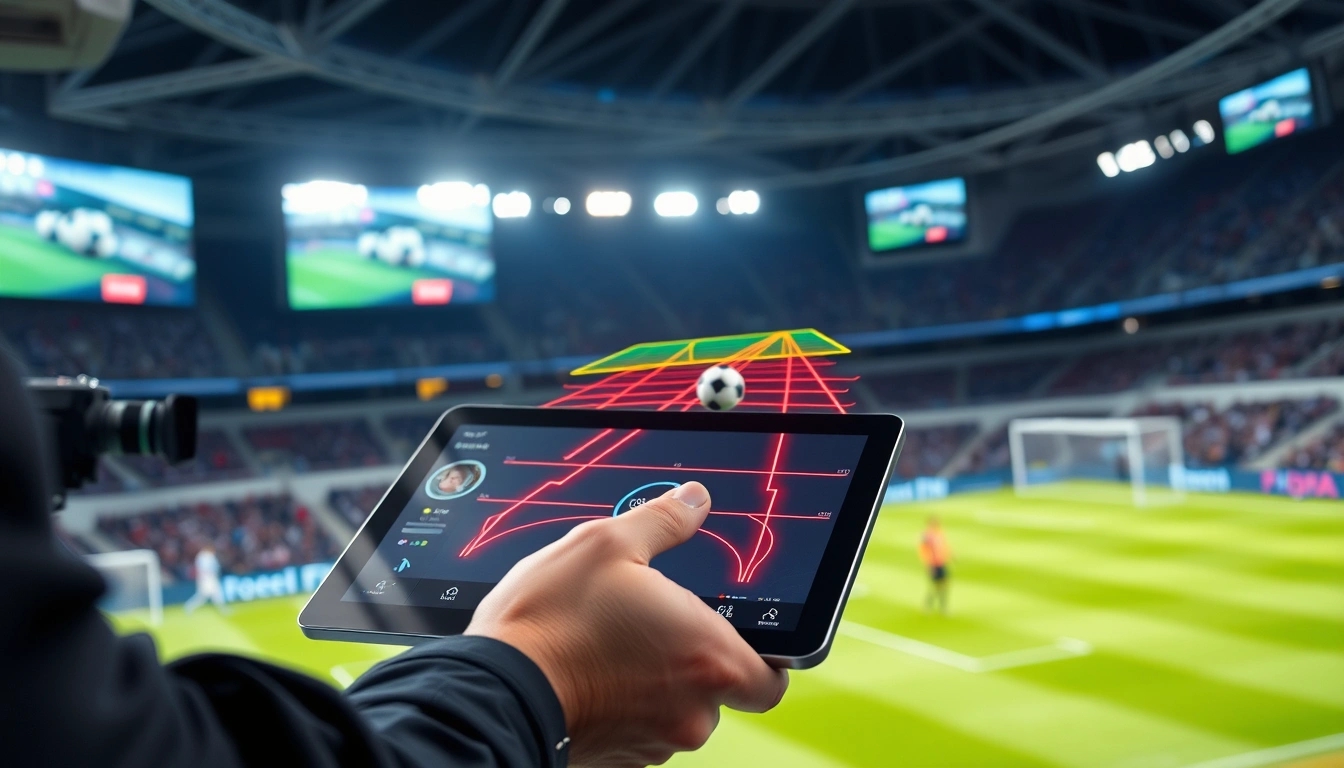
Comparing Hawkeye with Other VAR Technologies
Alright, let’s dive into the buzzing world of video assistant referee (VAR) tech, where Hawkeye is often hailed as the superstar, but is it really the king of the castle? When you stack Hawkeye against other VAR systems, you get a fascinating glimpse of how technology is reshaping sports officiating — sometimes smoothly, sometimes with a bit of a hiccup.
First off, Hawkeye is renowned for its laser-focused precision, especially in sports like tennis and football. Its multi-camera setup tracks the ball and players with jaw-dropping accuracy, making those split-second goal-line calls almost foolproof. But here’s the kicker: other VAR systems like GoalControl and VideoRef have been making waves too, each with their own tech quirks and strengths.
| Technology | Core Feature | Sports Used | Strengths | Weaknesses |
|---|---|---|---|---|
| Hawkeye | Multi-camera ball tracking | Tennis, Football, Cricket | High precision, fast decisions | Expensive, complex setup |
| GoalControl | 14 cameras around goal | Football | Reliable goal-line calls, FIFA approved | Limited to goal-line, less adaptable |
| VideoRef | Video replay with AI assistance | Football, Rugby | Affordable, versatile | Less precise ball tracking |
So, what really sets Hawkeye apart? Well, it’s the blend of hardware and software wizardry. The system employs a network of high-speed cameras combined with complex algorithms that predict ball trajectory and player positions. This tech cocktail means referees get near-instant feedback, which is crucial in high-stakes moments.
- Speed: Hawkeye’s rapid processing often beats rivals, reducing game interruptions.
- Accuracy: Its pinpoint tracking minimizes human error.
- Versatility: Used across multiple sports, proving its adaptability.
But hey, it’s not all sunshine and rainbows. The cost of installing Hawkeye can be a dealbreaker for smaller leagues or venues. Plus, the complexity of the system means technical glitches aren’t unheard of — and when they happen, the drama unfolds on the pitch and in the stands.
Meanwhile, other VAR systems try to fill in the gaps. For example, GoalControl is laser-focused on the goal-line, boasting FIFA’s seal of approval, but it doesn’t offer the broader tracking capabilities Hawkeye does. Then there’s VideoRef, which leans on AI to assist referees by analyzing video feeds — a cheaper, more flexible option, but sometimes lacking the razor-sharp precision hardcore fans crave.
Practical Insight:- Teams using Hawkeye data often gain a tactical edge by analyzing player positioning and ball movement.- VAR tech is evolving rapidly; some leagues are experimenting with hybrid systems combining Hawkeye’s precision with AI-driven replay analysis.
In the end, who really “calls the shots” in the tech race? It depends on what you value most: precision, cost, versatility, or speed. Hawkeye shines brightly in precision and speed but demands a heavy investment. Other VAR technologies offer budget-friendly alternatives with decent accuracy but may fall short in split-second decision-making.
So, while Hawkeye might be the darling of top-tier sports, the VAR landscape is far from a one-horse race. As tech advances and costs hopefully drop, expect this rivalry to get even more interesting — and maybe a little messier — in the seasons to come.
Practical Insights: How Teams Use Hawkeye Data
Alright, let’s get real about Hawkeye—sure, it’s the referee’s trusty sidekick when it comes to those “goal or no goal” nail-biters, but the story doesn’t end there. Teams have been quietly turning this tech marvel into their own secret weapon, mining the data to tweak strategies and outsmart opponents. It’s like having a crystal ball, but instead of magic, it’s all cold, hard pixels and algorithms.
First off, the sheer volume of data collected by Hawkeye is mind-boggling. We’re talking about tracking the ball’s exact trajectory, speed, spin, and even player movements with millimeter precision. Coaches and analysts don’t just watch the highlights; they dive deep into this ocean of info to spot patterns that the naked eye might miss. For example, a team might notice that their forwards tend to lose possession more often when making runs from the left flank. Armed with this insight, they can adjust training drills or tweak formations accordingly.
| Data Type | Usage | Impact |
|---|---|---|
| Ball Trajectory & Speed | Analyzing shot accuracy and goalkeeper positioning | Improves shooting drills and defensive setups |
| Player Positioning | Studying offside traps and attacking runs | Refines timing and coordination among attackers |
| Pass Completion Zones | Identifying weak passing links and risky areas | Enhances passing strategies and ball retention |
But don’t think it’s all just numbers and charts. The real magic happens when coaches combine these insights with gut feeling and experience. Some teams have even started using Hawkeye data during halftime to make lightning-fast tactical shifts. Imagine the pressure on the analysts to deliver spot-on advice in mere minutes! The stakes are high, and sometimes the data throws up surprises that leave everyone scratching their heads.
- Pre-match prep: Studying opponents’ tendencies to exploit their weak spots.
- In-game adjustments: Using live data feeds to tweak pressing intensity or defensive lines.
- Post-match reviews: Breaking down mistakes and successes with pinpoint accuracy.
Of course, there’s a flip side. Over-reliance on data can sometimes stifle creativity on the pitch. Players might get boxed into rigid roles dictated by numbers rather than instincts. Plus, the tech isn’t flawless—occasional glitches or misreads can mislead teams if they’re not careful. So, it’s a balancing act: harnessing the power of Hawkeye without letting it turn football into a robotic chess game.
In the end, what’s fascinating is how Hawkeye has evolved from a mere referee aid to a comprehensive tactical tool. Teams that master this tech edge out rivals not just by skill, but by smarts—turning every pixel of data into tactical gold. And as the technology keeps advancing, who knows? Maybe soon we’ll see teams calling plays based on AI predictions fueled by Hawkeye’s ever-watchful eyes.
Future of Hawkeye: Innovations on the Horizon
Alright, let’s talk about the future of Hawkeye—because if you think this tech has reached its peak, think again. Hawkeye has already shaken up sports by making those hair-splitting calls a bit less nerve-wracking, but what’s coming next? Spoiler alert: it’s not just about better cameras or faster replays anymore. The tech wizards behind Hawkeye are cooking up some seriously cool upgrades that could turn this system into an absolute game-changer, literally.
First off, expect a big leap in real-time analytics. Right now, Hawkeye is mostly about helping referees decide if a ball crossed the line or if a player was offside. But soon, it might offer coaches and players instant feedback on positioning, speed, and even fatigue levels. Imagine a coach getting a heads-up mid-game that a key player is slowing down or that the defense is leaving a dangerous gap—talk about a tactical edge!
- Enhanced AI integration: Smarter algorithms that don’t just track the ball, but predict player movements.
- Multi-angle 3D visualization: Instead of flat replays, expect immersive 3D views that can be rotated and zoomed in real time.
- Wearable tech synergy: Hawkeye might soon sync with player wearables to combine external tracking with biometric data.
Now, don’t get me wrong, this isn’t just sci-fi mumbo jumbo. Some of these upgrades are already in testing phases. The goal? To make decisions even more accurate and to help teams strategize on the fly. But—and here’s the kicker—there’s always the risk of tech overload. Too much data might overwhelm referees or coaches, turning the beautiful chaos of sports into a cold, calculated chess match. And where’s the fun in that?
| Feature | Current State | Future Upgrade |
|---|---|---|
| Ball Tracking | High precision using multiple cameras | AI prediction of ball trajectory and player interaction |
| Decision Speed | Seconds to confirm goal/no goal | Instantaneous decisions with predictive alerts |
| Data Usage | Primarily for referee decisions | Real-time tactical insights for teams and broadcasters |
| Visualization | 2D video replays | 3D immersive and interactive views |
Another fascinating frontier is fan engagement. Hawkeye might soon be feeding fans with live stats and predictive insights right on their phones or stadium screens, turning every game into an interactive experience. You could be sitting in the stands and see exactly why the ref made that call or how your favorite striker is performing compared to last season. It’s like having a mini analyst in your pocket, but without the annoying jargon.
Of course, with all these upgrades, there’s bound to be some hiccups. Privacy concerns around biometric data, the potential for tech glitches at critical moments, and the ever-present debate about whether too much tech kills the human spirit of sports. But hey, if Hawkeye keeps evolving, it might just become indispensable—not just for refs, but for everyone who lives and breathes the game.
So, buckle up. The next chapter of Hawkeye is shaping up to be a wild ride—full of innovation, controversy, and maybe a few jaw-dropping moments that’ll have us all talking long after the final whistle.
Hawkeye’s Influence on Fan Experience
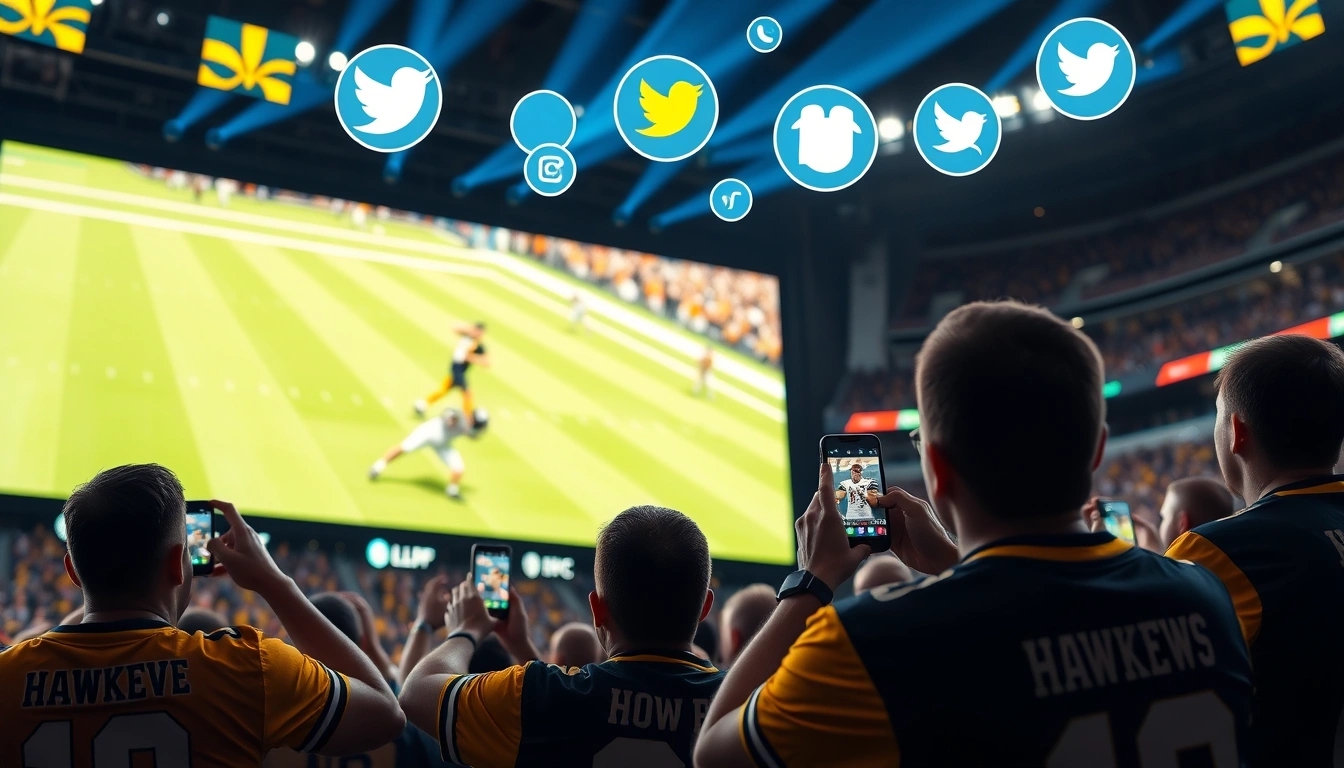
When it comes to watching sports, fans aren’t just passive spectators anymore—they’re active participants, and Hawkeye technology has played a massive role in that shift. Remember the days when you’d squint at the referee, hoping they made the right call? Now, with those giant stadium screens flashing the Hawkeye replay in crystal-clear detail, fans get to see the decision unfold right in front of them. It’s like having a front-row seat to the tech behind the scenes, making the experience more immersive and, frankly, a lot more entertaining.
- Stadium Screens: The instant replays powered by Hawkeye give fans real-time insight into contentious moments. Whether it’s a goal-line decision in football or a tricky catch in tennis, the crowd’s reaction is amplified by these visuals. You can almost feel the collective gasp or cheer echo through the stands.
- Social Media Frenzy: Beyond the stadium, fans take to Twitter, Instagram, and Reddit to dissect every pixel of the Hawkeye footage. It’s become a hotbed for debates, memes, and sometimes downright heated arguments over whether the ball was in or out. The technology has turned casual viewers into armchair analysts overnight.
But here’s the kicker—while Hawkeye adds clarity, it also fuels controversy. Fans trust the tech, but they also love to challenge it. Sometimes, the slow-motion replays reveal borderline calls that make you wonder if even the algorithms have a sense of humor. And let’s be honest, nothing spices up a game like a bit of debate over a millimeter difference. It’s all part of the modern fan experience.
| Fan Interaction | Impact |
|---|---|
| Live Stadium Displays | Enhances engagement and transparency during critical moments |
| Social Media Discussions | Creates community debates, memes, and viral content |
| Mobile Apps & Notifications | Keeps fans updated instantly, even when away from the venue |
It’s not just about watching the game anymore; it’s about feeling like you’re part of the decision-making process. Some clubs and broadcasters have even integrated Hawkeye data into their apps, allowing fans to access stats, angles, and even predictive analytics. Imagine sitting at home, refreshing your phone every few seconds, waiting for that “goal confirmed” notification. It’s addictive.
- Fan Empowerment: Hawkeye has given fans a voice, enabling them to challenge or confirm referee calls with hard data, which wasn’t possible before.
- Changing Atmosphere: The tension and excitement in stadiums have evolved—fans are not only reacting to the play but also to the technology’s verdict.
So, while Hawkeye was originally designed to help referees avoid costly mistakes, it’s morphed into a fan experience game-changer. Whether you love it or hate it, there’s no denying that this tech has transformed how we watch, debate, and live sports. And honestly, it’s hard to imagine going back to the days without it—though some fans might secretly miss the chaos of pure human error.
In the end, Hawkeye isn’t just a tool; it’s a conversation starter, a drama creator, and a new kind of spectator sport all on its own. And if you ask me, that’s pretty darn cool.
Frequently Asked Questions (The title must be written in English.)
- What exactly is Hawkeye technology?
Hawkeye is a cutting-edge system that uses multiple high-speed cameras and sophisticated software to track the trajectory of balls and players in sports. Think of it as the ultimate digital referee assistant, designed to help officials make ultra-precise decisions that are often too close for the human eye.
- How did Hawkeye start and become popular?
Originally developed for cricket to decide tricky LBW (leg before wicket) calls, Hawkeye quickly proved its worth and expanded into other sports like tennis and football. Its ability to reduce human error and add transparency made it a game-changer, turning it into a global staple in sports officiating.
- How does Hawkeye help referees during matches?
By providing real-time, accurate data on ball placement and movement, Hawkeye takes the pressure off referees, allowing them to confirm or overturn decisions with confidence. It’s like having a super-powered assistant who never blinks, ensuring fairness and reducing controversies.
- Is Hawkeye technology flawless?
While incredibly precise, Hawkeye isn’t completely perfect. Sometimes, slight camera angles or technical glitches can spark debates. However, ongoing upgrades aim to minimize these limitations and improve accuracy even further.
- How does Hawkeye compare to other VAR systems?
Hawkeye stands out for its pinpoint accuracy and speed, especially in goal-line decisions. Unlike some VAR systems that rely heavily on video replay, Hawkeye’s combination of cameras and algorithms offers a more automated and reliable verdict, often reducing human error.
- Can teams use Hawkeye data beyond refereeing?
Absolutely! Teams analyze Hawkeye data to refine strategies, study player movements, and gain tactical advantages. It’s like having a secret weapon, turning raw data into winning plays.
- What’s next for Hawkeye technology?
Future innovations include enhanced 3D tracking, AI-powered predictions, and even faster decision-making capabilities. The goal? Making sports fairer and more exciting, all while keeping fans on the edge of their seats.
- How does Hawkeye impact the fan experience?
Fans get a front-row seat to technology-driven decisions via stadium screens and social media updates. This transparency fuels lively debates and adds a new layer of excitement, making every close call a shared moment of suspense and thrill.