
Man-to-man marking — sounds straightforward, right? You stick to your opponent like glue, shadow their every move, and don’t let them breathe. Well, not exactly. It’s one of those defensive tactics in sports that looks simple on paper but, boy, can it get messy on the field or court. For anyone dipping their toes into the world of sports strategy, understanding this concept is a must. So, what’s the deal with man-to-man marking, and why does it still hold its ground in a world that’s increasingly obsessed with zonal defenses and fancy formations?
At its core, man-to-man marking means each defender is assigned a specific opponent to track and neutralize. Unlike zonal marking, where players cover areas of the pitch or court, here you’re locked on a person. This means your success depends heavily on your ability to read your opponent’s moves, anticipate their next step, and stay physically and mentally sharp. It’s like a game of chess but with a lot more sweat and less sitting down.
| Man-to-Man Marking | Zonal Marking |
|---|---|
| Defender follows a specific player | Defender covers a specific area |
| Requires intense focus and stamina | Relies on team coordination |
| Can neutralize key threats directly | Better for covering space and intercepting passes |
But let’s be honest, sticking to one player throughout a match is exhausting. It demands a mix of physical endurance, quick reflexes, and a mental game that can rival a psychologist’s. Plus, if your opponent is a slippery devil with fancy footwork or lightning speed, you’re in for a tough ride. That’s why coaches often debate between man-to-man and zonal marking, weighing the pros and cons like a chef deciding between salt and pepper.
- Pros: Direct control over dangerous players, easier to assign responsibility.
- Cons: Can be physically draining, risks being pulled out of position.
Despite its challenges, man-to-man marking hasn’t just survived the tactical evolutions in sports—it thrives. It’s still favored in situations where shutting down a star player is crucial or when a team wants to apply relentless pressure. Think of it as the defensive equivalent of a sniper: precise, focused, and unforgiving.
So, why does it matter today? Because no matter how much strategies evolve, the basics of one-on-one battles remain the heartbeat of sports defense. It’s raw, it’s personal, and when done right, it can turn the tide of a game faster than you can say “offside.” Whether you’re watching a heated basketball game or a gritty football match, spotting effective man-to-man marking is like witnessing a silent duel — intense, tactical, and absolutely captivating.
Understanding the Basics of Man-to-Man Marking
Alright, let’s cut to the chase: man-to-man marking is one of those defensive tactics in sports that sounds simple but can turn into a nightmare if not executed properly. At its core, it’s about sticking to a specific opponent like glue, shadowing their every move, and making sure they don’t get comfortable. Think of it as the defensive equivalent of having a personal bodyguard who’s got your number 24/7. Sounds straightforward, right? Well, not quite.
Unlike zonal marking, where defenders cover areas of the field or court and deal with whoever enters their zone, man-to-man demands a laser focus on one individual. This means if your guy darts across the pitch or court, you follow him — no excuses. It’s like a game of cat and mouse, but you’re the cat, and your opponent is the mouse who’s always trying to outsmart you.
| Man-to-Man Marking | Zonal Marking |
|---|---|
| Each defender marks one specific opponent. | Defenders cover specific zones or areas. |
| Requires high individual concentration and stamina. | Focuses on team coordination and spatial awareness. |
| More physically demanding due to constant tracking. | Less physically taxing but demands tactical discipline. |
| Allows tight control over dangerous players. | Better for managing space and multiple threats. |
Why do coaches swear by man-to-man despite its headaches? Well, it’s the ultimate test of defensive grit and mental toughness. When done right, it can completely neutralize the opposition’s key playmaker, forcing the other team to rethink their whole game plan. Plus, it sends a psychological message: “We see you, we’re on you, and you’re not getting away.” It’s brutal, exhausting, and requires defenders who are not just physically fit but mentally sharp.
- Challenges: Fatigue sets in quickly. One slip-up, and you’re toast.
- Communication: Unlike zonal marking, it’s less about talking and more about individual responsibility.
- Adaptability: You’ve got to be ready to switch gears instantly if your man changes tactics.
Let’s be honest, man-to-man isn’t for the faint-hearted or the lazy. It’s a commitment. Coaches love it because it forces players to develop discipline, resilience, and an almost obsessive awareness of their opponent’s movements. But here’s the kicker — if your guy is a slippery devil or a creative genius, you might find yourself chasing shadows, which can leave your team vulnerable elsewhere.
In the end, man-to-man marking is a double-edged sword. It’s precise and personal, but also risky and draining. Yet, this very tension is what makes it a favorite among coaches who believe defense wins championships. They know that if you can master this art, you’re not just a player — you’re a nightmare for anyone trying to break through.
Quick Tips for Beginners:
- Always keep your eyes on your opponent’s hips, not the ball.- Stay on the balls of your feet; be ready to pivot or sprint.- Anticipate moves rather than just reacting.- Communicate subtle cues with teammates for support.
So yeah, man-to-man marking might seem like a hassle, but it’s also where defensive legends are born. Don’t underestimate the power of sticking to your man like glue — it’s a game-changer.
Historical Evolution of Man-to-Man Marking
Man-to-man marking – sounds straightforward, right? You just stick to your opponent like glue and don’t let them breathe. Well, not quite. This defensive tactic has a rich backstory and has morphed a lot over the decades. It’s like the old-school bouncer at a club who knows every trick to keep troublemakers in check. Let’s take a stroll down memory lane and see how this defensive art came to be, who nailed it, and why it’s still a big deal.
Back in the early days of organized sports, especially football (soccer), marking was mostly man-to-man by default. There weren’t fancy systems or zonal defenses; players simply shadowed their assigned opponents. It was a raw, physical game, and defenders relied heavily on sheer toughness and stamina. Think of it as a gladiator match where the defender’s job was to neutralize a specific threat. But as tactics evolved, coaches started noticing the limitations of this approach—too exhausting, too risky if one player slipped up.
| Decade | Key Development | Legendary Defenders |
|---|---|---|
| 1950s-60s | Strict man-to-man marking, physical duels emphasized | Franz Beckenbauer, Bobby Moore |
| 1970s-80s | Introduction of zonal marking concepts, hybrid systems | Gaetano Scirea, Franz Beckenbauer (transition phase) |
| 1990s-2000s | More tactical flexibility, pressing systems integrated | Paolo Maldini, Fabio Cannavaro |
| 2010s-Present | Hybrid and situational man-marking, data-driven strategies | Virgil van Dijk, Sergio Ramos |
Now, you might wonder, who were the trailblazers? Oh, plenty. Take Bobby Moore in the 60s, a defender who wasn’t just muscle but brains. His ability to read the game made man-marking less about brute force and more about anticipation. Fast forward to the 90s and early 2000s, and you have legends like Paolo Maldini and Fabio Cannavaro who combined speed, intelligence, and impeccable timing to shut down attackers. They made man-marking look like an art form, not just a chore.
- Physicality: Early defenders relied heavily on strength and endurance.
- Intelligence: Later generations emphasized reading the opponent’s moves.
- Adaptability: Modern defenders switch between man and zonal marking fluidly.
Here’s a quirky tidbit: sometimes, man-to-man marking was so intense it sparked personal rivalries that lasted careers. Remember the legendary clashes between Sergio Ramos and Lionel Messi? That wasn’t just strategy; it was psychological warfare. Ramos’s aggressive style mixed with Messi’s genius made for some nail-biting moments where marking went beyond tactics into personal vendettas.
But let’s not kid ourselves — man-to-man marking isn’t perfect. It demands insane concentration and stamina. One slip-up, and your guy’s through on goal or a breakaway. That’s why, over time, coaches started blending it with zonal marking to cover weaknesses. Still, when executed well, man-marking can completely suffocate an opponent’s best player, turning the tide of a match.
Key takeaway:- Man-to-man marking began as a brute force tactic.- Evolved into a nuanced strategy combining physical and mental skills.- Legendary defenders shaped its development.- Modern football uses it selectively, often mixed with zonal marking.
So, next time you watch a game and see a defender shadowing a forward like a shadow, remember: it’s not just sticking close. It’s decades of tactical evolution, mental battles, and legendary showdowns packed into every step. Man-to-man marking isn’t old news; it’s a timeless chess game on grass, ice, or hardwood.

Key Skills Required for Effective Man-to-Man Marking
Man-to-man marking isn’t just about sticking to an opponent like glue—it’s a whole cocktail of physical grit and mental sharpness. You can’t just jog beside someone and hope for the best; it demands a unique blend of skills that separate the average defender from the elite. Let’s break down what it really takes to excel in this demanding defensive art.
Anticipation: This is the secret weapon. If you’re always reacting, you’re already a step behind. Great markers have this almost psychic ability to read the game—predicting where their man will move next, when they’ll cut inside or sprint down the wing. It’s like playing chess at 100 miles per hour. This skill comes from experience, watching patterns, and a bit of natural instinct.
Stamina: Man-to-man marking is exhausting. Imagine chasing a shadow for 90 minutes straight, constantly sprinting, turning, and adjusting your position. If your lungs aren’t up to the job, you’ll gas out halfway through the match, leaving your team exposed. Endurance training isn’t optional here; it’s a must-have. Players who can maintain high energy levels throughout the game often outlast their opponents.
| Skill | Importance | How to Improve |
|---|---|---|
| Anticipation | High | Watch game footage, study opponents, practice situational drills |
| Stamina | Very High | Interval running, endurance training, consistent cardio workouts |
| Concentration | Critical | Mindfulness exercises, focus drills, minimizing distractions |
Concentration: This one’s a killer. Staying laser-focused on one player for the entire match is tougher than it sounds. Your mind wanders, your attention dips, and suddenly your man’s slipped through. It’s like trying to keep your eyes glued to a single dot in a fireworks show. Mental fatigue is real, and the best markers develop strategies to stay alert—whether it’s through breathing techniques or mental cues.
- Physical Toughness: Because let’s face it—man-to-man marking can get rough. You’re battling for position, pushing and shoving, trying to outmuscle your opponent without crossing the line. Strength training and resilience are key.
- Agility: Quick feet and nimble movements help you mirror your opponent’s every twist and turn. Without agility, you’re just a slow-moving obstacle.
- Communication: Often overlooked, but crucial. Markers need to talk to teammates, signal for help, or alert when their man makes a dangerous move.
Here’s a quick rundown of practical tips to polish these skills:
1. Anticipation drills: Watch video clips, pause before key moments, and guess the next move.2. Stamina workouts: Mix sprints with jogging to mimic the stop-start nature of the game.3. Focus training: Practice meditation or use apps designed to improve attention span.4. Strength sessions: Incorporate bodyweight exercises like push-ups and squats.5. Agility ladders: Use ladder drills to boost foot speed and coordination.
In the end, man-to-man marking is a tough gig. It’s not just about physical ability but a mental chess match that can wear you down if you’re not prepared. Players who master these skills don’t just mark—they dominate their opponents, making life miserable for attackers and giving their team a real edge. So, if you want to be the defender who never lets go, start working on these attributes yesterday.
Common Mistakes and How to Avoid Them
Man-to-man marking sounds straightforward, right? Just stick to your opponent like glue and don’t let them breathe. But, oh boy, it’s way trickier than that. Players often trip up on some classic errors that can turn a solid defensive plan into a complete mess. Let’s break down the usual suspects and how you can dodge these pitfalls during the heat of a match.
| Common Mistakes | What Happens | How to Fix It |
|---|---|---|
| Overcommitting Too Early | Chasing the opponent aggressively can leave you out of position and vulnerable to quick passes. | Stay patient and keep a balanced stance. Read the opponent’s body language before lunging. |
| Watching the Ball Instead of the Player | Players lose track of their man, allowing them to slip away and create space. | Focus on the hips or torso of your opponent—they rarely lie about the next move. |
| Getting Distracted by Other Players | Leaving your man unattended because you’re drawn to the ball or other threats. | Trust your teammates to cover other dangers and keep your eyes locked on your assigned player. |
| Poor Communication | Confusion leads to double marking or, worse, nobody marking the dangerous player. | Constantly talk with teammates; call switches and alert others of your position. |
Now, let’s get real: mistakes happen, especially when adrenaline is pumping and the crowd’s roaring. But here’s a little secret—most errors come from rushing or losing focus. When you’re marking man-to-man, it’s a mental chess game, not a sprint. You gotta be calm, calculated, and a bit sneaky.
- Tip 1: Keep your body between your opponent and the goal or basket. This way, you’re always cutting off their best route.
- Tip 2: Use your peripheral vision. Don’t stare down your man like a hawk; be aware of the bigger picture.
- Tip 3: Anticipate their moves by studying tendencies. Does your opponent favor the left? Do they like to cut inside? Adjust accordingly.
Sometimes, players forget that man-to-man marking isn’t just about physicality—it’s about mental toughness. If you panic or get frustrated, you’ll lose your mark faster than you can say “offside.” Take a deep breath, stay composed, and remember: your job is to be a shadow, not a bulldozer.
Practical Drill Example:-----------------------1. Pair up with a teammate.2. One player tries to shake off the other using feints and quick changes of direction.3. The marker practices staying close without lunging or losing balance.4. Switch roles and repeat.
In short, man-to-man marking is a test of patience, focus, and discipline. Avoid the temptation to overreact, keep your eyes on the right target, and communicate like your life depends on it. Do this, and you’ll be the nightmare every attacker dreads.
Remember: Nobody’s perfect. Even the best defenders slip up now and then. But learning from these typical mistakes? That’s how you get better, game after game.
Man-to-Man Marking in Different Sports
When it comes to man-to-man marking, the idea is pretty straightforward: one player sticks to another like glue, shadowing their every move to snuff out chances and frustrate the opponent. But don’t be fooled — the way this tactic plays out in football, basketball, hockey, and other sports is anything but uniform. Each sport adds its own spicy twist to this classic defensive strategy, adapting it to fit the rhythm, rules, and chaos of the game.
Let’s kick off with football (soccer). Here, man-to-man marking is often a test of patience and stamina. Defenders latch onto their assigned attacker, tracking runs, blocking passes, and trying to anticipate every dribble. The challenge? The pitch is huge, and attackers are slippery, often darting in and out of zones, forcing defenders to keep up without losing their shape. Coaches love man-marking in tight matches or when facing a particularly dangerous forward. But it’s a double-edged sword — a slight lapse in concentration, and the whole defense can be ripped apart.
| Sport | Man-to-Man Marking Style | Unique Challenges |
|---|---|---|
| Football (Soccer) | Close shadowing, anticipating runs, physical tussles | Large field, attackers’ unpredictable movement |
| Basketball | Constant body contact, switching, denying passes | Fast pace, quick direction changes, frequent screens |
| Hockey | Stick checking, tight positioning, physical battles | High speed, limited space, puck control |
Moving over to basketball, man-to-man marking turns into a relentless dance of speed and agility. Unlike football, the court is smaller, and the play is lightning-fast. Defenders must not only stick to their man but also navigate screens (those sneaky picks), anticipate passes, and contest shots. It’s less about pure physicality and more about quick feet, sharp instincts, and sometimes a little bit of trash talk to get inside the opponent’s head. Switching defenders mid-play is common here — if your man sets a screen, you might switch to the screener to keep the defense airtight.
Then there’s ice hockey, where man-to-man marking gets downright brutal. The ice rink is tight, the pace blistering, and the physicality off the charts. Defenders shadow opponents with their sticks, body check when possible, and try to intercept passes in a blink. Unlike basketball or football, the constant skating and rapid direction changes mean players can’t afford to lose focus for a second. Plus, the puck is a slippery little devil — controlling it while keeping tabs on a man is a skill in itself.
- Key Adaptations Across Sports:
- Football: Emphasis on endurance and spatial awareness
- Basketball: Quick switching and denial tactics
- Hockey: Physical contact and stick skills
To sum it up, man-to-man marking isn’t just about sticking close; it’s a mental and physical chess game that shifts with every sport’s unique demands. Whether it’s the sprawling football pitch, the frenetic basketball court, or the icy hockey rink, the principle remains — shut down your man, and you’re halfway to winning the battle. But oh boy, executing it perfectly? That’s a whole different ball game.

When to Use Man-to-Man Marking Strategically
Man-to-man marking has this old-school charm that still manages to catch coaches’ eyes, even in an era where zonal and hybrid systems are all the rage. But let’s be honest, it’s not some magic bullet that works everywhere and every time. Knowing when to stick with it and when to switch gears is where the real tactical savvy kicks in.
First off, man-to-man marking shines brightest against teams that rely heavily on individual brilliance. Think about those pesky forwards or wingers who love to dance past defenders or create moments of magic out of thin air. Assigning a dedicated marker to shadow these players can really mess with their rhythm and confidence. It’s like putting a leash on a wild dog—sometimes, it’s the only way to keep them in check.
- Scenario 1: Neutralizing Key Playmakers
When facing a team with one or two standout players who dictate the game, man-to-man marking can disrupt their influence. The marker’s job is to be a constant shadow, making sure the star doesn’t get any breathing space. - Scenario 2: High-Press Situations
Man-to-man marking fits well in aggressive pressing tactics where players need to close down opponents quickly and deny them time on the ball. It’s about pressure, pressure, pressure.
But—and here’s the kicker—man-to-man marking can become a nightmare if the opposition is fluid, quick, and likes to swap positions. Suddenly, your defenders are chasing ghosts all over the pitch, and chaos ensues. That’s when switching to a zonal or hybrid system makes more sense. These systems allow for better spatial control and reduce the risk of players being pulled out of position.
| Marking System | Best Use Case | Potential Drawbacks |
|---|---|---|
| Man-to-Man | Neutralizing star players, high-press defense | Can tire defenders, vulnerable to quick switches and overlaps |
| Zonal | Defending crosses, structured defensive shape | May allow skilled players space if zones are poorly managed |
| Hybrid | Combines strengths of both, adaptable to game flow | Requires high communication and understanding |
Also, let’s not forget the stamina factor. Man-to-man marking demands relentless energy and concentration. If your squad is gassed or lacks depth, sticking with it for a full 90 minutes is asking for trouble. That’s why some coaches opt for hybrid systems, where players mark man-to-man in critical zones but switch to zonal coverage when the game opens up.
- Practical Insight: If your opponent’s forwards are constantly switching positions and dragging defenders out of shape, try a hybrid system. Let your defenders guard zones but assign man-to-man duties for the most dangerous threats.
- Another Tip: Use man-to-man marking in short bursts, like during set pieces or in the final minutes when you need to shut down a key player.
In the end, the decision boils down to your team’s strengths, the opponent’s style, and the match context. Man-to-man marking is like a double-edged sword—when it cuts deep, it can win games, but if mishandled, it leaves you exposed. Coaches who master the timing and balance between marking systems often hold the tactical upper hand.
So yeah, man-to-man marking isn’t dead, but it’s definitely not the one-size-fits-all solution. Play smart, adapt, and don’t be afraid to mix it up. Because in the end, football’s a messy, unpredictable game—and your marking system should be just as flexible as the chaos on the pitch.
Psychological Warfare in Man-to-Man Marking
When you think about man-to-man marking, the first things that pop into your head might be speed, stamina, or sheer physicality. But let’s not kid ourselves — the real battle often unfolds in the mind. The mental chess game between the marker and the marked is just as brutal, if not more so. It’s a tug-of-war where trash talk, intimidation, and psychological tactics can tilt the balance before a single sprint even begins.
Trash talk is the classic tool in this mental arsenal. It’s not just about rattling your opponent with random insults — it’s an art form. The right words at the right time can make a player second-guess their moves, lose focus, or even get rattled enough to make mistakes. Sometimes, it’s subtle; a sarcastic comment here, a smirk there. Other times, it’s outright verbal warfare. But be warned: it’s a double-edged sword. If you get caught up in the back-and-forth, you might lose your own cool, which is exactly what your opponent wants.
| Psychological Tactic | Purpose | Example |
|---|---|---|
| Trash Talk | Disrupt focus and confidence | Mocking a player’s previous mistakes |
| Intimidation | Establish dominance and fear | Physical presence and aggressive body language |
| Feigning Weakness | Lure opponent into overconfidence | Playing passive to bait a risky move |
| Silent Treatment | Unnerve opponent with cold detachment | Ignoring provocations and maintaining stoicism |
Intimidation goes beyond words. It’s the silent stare-downs, the in-your-face stance, the way a player positions their body to scream “I’m the boss here.” This psychological edge can make even the most talented attacker hesitate or alter their game plan. It’s not always about being the biggest or strongest; sometimes, it’s about convincing your rival that you’re just too much trouble to deal with. And trust me, that’s a powerful weapon.
- Body Language: Leaning in, standing tall, and maintaining eye contact are subtle cues that say “I’ve got you covered.”
- Controlled Aggression: Timing physical challenges not just to win the ball, but to send a message.
- Mind Games: Faking fatigue or injury to bait the opponent into a false sense of security.
Now, here’s where things get tricky. Not everyone’s built for this psychological warfare. Some players crumble under pressure, while others thrive. The best markers are those who combine physical skills with mental toughness — they can dish out the mind games and shrug off whatever their opponent throws back. It’s like a mental marathon, and only the toughest survive.
In short, man-to-man marking isn’t just a physical duel; it’s a psychological battlefield. The marker’s ability to get inside the head of the marked player often decides who comes out on top. Next time you watch a game, pay close attention to those intense moments of silence, the quick jabs of words, and the subtle shifts in posture — that’s where the real fight happens.
Training Drills to Improve Man-to-Man Marking
When it comes to sharpening man-to-man marking skills, coaches don’t just throw players on the pitch and hope for the best. Nope, it’s a meticulous grind, a blend of science, sweat, and a pinch of madness. The drills and exercises designed to boost these skills focus heavily on three main pillars: positioning, reaction time, and endurance. Without these, even the best intentions can crumble faster than a rookie’s confidence in a high-stakes game.
Let’s start with positioning. This is the bread and butter of man-to-man marking. Players need to be glued to their opponents, anticipating every move before it even happens. One popular drill coaches swear by is the shadow drill. Here, the defender follows the attacker around a confined space, mimicking their every step without losing contact. It sounds simple, but staying that close without fouling or losing balance? That’s a whole different beast.
- Shadow Drill: Defender mirrors attacker’s movements within a marked grid.
- Close-quarters marking: Defender stays within arm’s length, practicing quick footwork and body positioning.
- Angle cutting: Training players to position themselves to cut off passing or shooting angles effectively.
Reaction time is another beast altogether. The game moves fast, and if you blink, you’re toast. A classic drill to enhance reflexes is the reaction ball drill, where players respond to unpredictable bounces of a small ball, forcing quick decision-making and explosive movements. It’s chaotic, frustrating, and absolutely brilliant for sharpening those reflexes.
| Drill | Focus Area | Key Benefit |
|---|---|---|
| Shadow Drill | Positioning | Improves close marking and spatial awareness |
| Reaction Ball Drill | Reaction Time | Enhances quick reflexes and decision-making |
| Endurance Runs | Stamina | Builds sustained energy for full-match intensity |
Endurance is often the unsung hero in man-to-man marking. You can be the sharpest tack in the box, but if you’re gasping for air by the 60th minute, good luck keeping up with a spry forward. Coaches implement interval training and fartlek runs to simulate the stop-start nature of marking opponents. These workouts push players to maintain high intensity, recover quickly, and then explode again — rinse and repeat.
To wrap it up, here’s a quick checklist coaches keep in mind when designing drills:
- Realism: Drills should mimic actual game situations as closely as possible.
- Progression: Start simple, then add complexity and pressure.
- Feedback: Immediate correction is crucial to avoid ingraining bad habits.
- Variety: Mix drills to keep players engaged and cover all skill areas.
So, next time you see a defender stick like glue to their man, remember the hours of sweat and frustration behind that seemingly effortless skill. Man-to-man marking isn’t just about muscle; it’s about brains, heart, and a relentless refusal to give an inch. Coaches might grumble about the effort it takes, but deep down, they know these drills forge the backbone of any solid defensive unit.
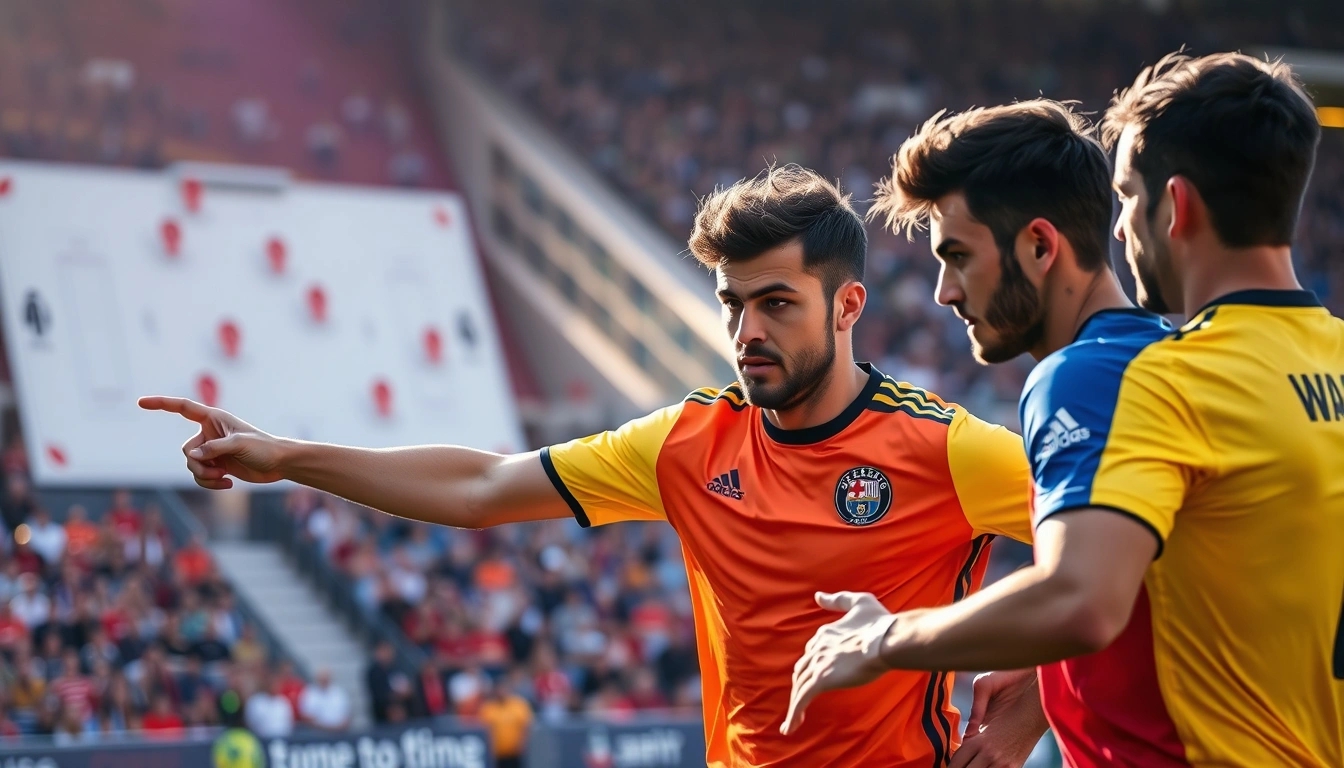
Famous Matches Where Man-to-Man Marking Made the Difference
Man-to-man marking, the age-old defensive strategy, has been the silent hero or the villain in countless iconic sports moments. It’s that gritty, relentless shadowing of an opponent that can either shut down a star player or blow up spectacularly, leaving your team exposed and fans biting their nails. Let’s stroll down memory lane and dissect some unforgettable matches where this tactic swung the pendulum wildly – sometimes in favor, other times against the defenders.
First off, remember the 2010 FIFA World Cup quarter-final clash between Spain and Paraguay? Spain’s defenders were practically glued to Paraguay’s key men, especially Roque Santa Cruz. The Spanish backline’s man-to-man discipline was so tight it felt like they had some magnetic force field. This relentless marking smothered Paraguay’s attacking rhythm, forcing errors and turnovers. The result? Spain’s eventual victory and a march toward their first-ever World Cup title. It wasn’t just about physical closeness but also about reading the game, anticipating runs, and cutting off supply lines. The lesson here: man-to-man marking, when executed with intelligence and stamina, can suffocate even the most crafty opponents.
| Match | Key Player Marked | Outcome | What Went Right | What Went Wrong |
|---|---|---|---|---|
| 2010 World Cup: Spain vs Paraguay | Roque Santa Cruz | Spain won 1-0 | Close marking, anticipation, stamina | None significant |
| NBA Finals 2016: Cavaliers vs Warriors | Stephen Curry | Cavaliers won 4-3 | Switching man-to-man to contain Curry | Occasional mismatches exploited |
| UEFA Euro 2004: Greece vs Portugal | Cristiano Ronaldo | Greece won 1-0 | Discipline and physical marking | Over-commitment led to counter risks |
Switching gears to basketball, the 2016 NBA Finals between the Cleveland Cavaliers and Golden State Warriors stands out. The Cavs’ defensive scheme was a hybrid, but man-to-man marking was crucial in trying to keep Steph Curry under wraps. They didn’t just stick to him like glue; they mixed it up with switches and help defense. It was a chess match of sorts. Sometimes it worked brilliantly, sometimes it didn’t. Curry’s quickness and off-ball movement made pure man-to-man marking a nightmare. Yet, the Cavs managed to disrupt his rhythm enough to snatch the championship. This highlights a key point: man-to-man marking isn’t foolproof, especially against players who thrive on movement and screens, but when combined with smart team defense, it can be a game-changer.
- What went right: Adaptability and communication among defenders
- What went wrong: Occasional mismatches and fatigue
Then there’s the surprising upset in UEFA Euro 2004 where Greece, the underdogs, used man-to-man marking to neutralize Portugal’s flashy stars, including a young Cristiano Ronaldo. Greece’s defenders stuck to their man like barnacles, showing immense discipline and physicality. The downside? Sometimes their intense focus on individual marking left gaps for Portuguese counters. Yet, their overall defensive resilience was enough to clinch the title. It’s a classic example of how man-to-man marking can be a double-edged sword.
Key Takeaways:- Man-to-man marking demands high stamina and mental focus.- It works best when combined with team awareness and communication.- Over-committing to one player can leave dangerous spaces.- Flexibility and tactical switches often enhance man-to-man effectiveness.
In the end, man-to-man marking is like a high-wire act – thrilling when it succeeds, disastrous when it fails. Coaches and players need to balance aggression with intelligence, endurance with patience. The beautiful chaos of sport ensures no two matches are the same, but those moments where a defender’s shadowing turns the tide? Pure magic.
Frequently Asked Questions (The title must be written in English.)
- What exactly is man-to-man marking?
Man-to-man marking is a defensive strategy where each player is assigned to closely guard a specific opponent. Think of it like a shadow—you stick to your target no matter where they go on the field or court. This method demands intense focus, quick reactions, and physical stamina to keep your opponent in check throughout the game.
- How does man-to-man marking differ from zonal marking?
While man-to-man marking focuses on individual players, zonal marking is more about guarding an area or “zone.” Imagine man-to-man as a personal bodyguard, whereas zonal marking is like a security camera watching a specific room. Each has its perks, but man-to-man offers a more aggressive, personalized defense which can disrupt the opponent’s rhythm.
- What skills are essential for effective man-to-man marking?
To excel at man-to-man marking, players need a mix of physical and mental traits. Sharp anticipation helps predict the opponent’s moves, stamina keeps you running the entire game, and laser-like concentration ensures you don’t lose track of your mark. It’s like being a detective and athlete rolled into one.
- What are common mistakes players make in man-to-man marking?
One big error is losing focus or getting too aggressive, which can lead to fouls. Another is poor positioning—if you’re not between your opponent and the goal, you’re basically giving them a free pass. Staying disciplined and patient is key to avoiding these pitfalls.
- Is man-to-man marking used in sports other than football?
Absolutely! Basketball, hockey, and even rugby use man-to-man marking, though the rules and pace vary. Each sport tweaks the approach to fit its unique flow, but the core idea—stick close to your opponent—remains the same.
- When should a coach choose man-to-man over zonal marking?
Man-to-man shines when you want to neutralize a star player or apply intense pressure. However, if your team lacks stamina or discipline, zonal marking might be safer. It’s like choosing between a sniper and a security fence—both protect, but in very different ways.
- How does psychological warfare play into man-to-man marking?
Man-to-man marking isn’t just physical—it’s a mental chess match. Trash talk, intimidation, and mind games can rattle your opponent, giving you a crucial edge. Staying cool and confident can turn this psychological battle in your favor.
- What drills help improve man-to-man marking skills?
Coaches often use shadow drills, reaction time exercises, and endurance runs to sharpen marking skills. These drills train players to stay close, react swiftly, and maintain focus—kind of like a high-stakes game of tag with serious consequences.
- Can you give an example of a famous match where man-to-man marking was decisive?
One iconic example is the 2010 FIFA World Cup final, where Spain’s defenders executed near-perfect man-to-man marking to stifle the Netherlands’ attack. Their disciplined defense was a game-changer, proving how powerful this tactic can be on the biggest stage.