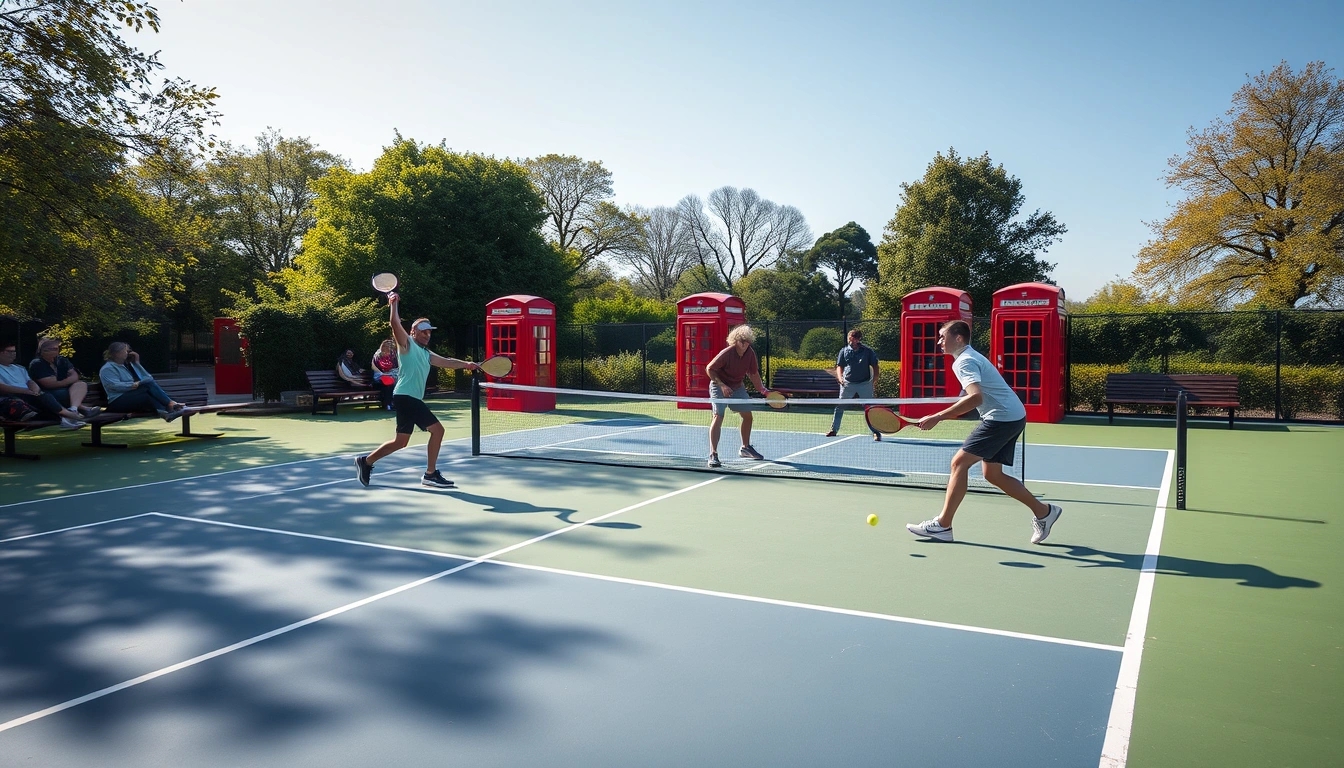
Pickleball, if you haven’t stumbled upon it yet, is like the lovechild of tennis, badminton, and ping pong—yes, really! Imagine a sport that takes the best bits of all three and wraps it up into one fast-paced, fun, and surprisingly addictive game. Now, why is this quirky game suddenly the talk of the town across the UK? Well, pull up a chair, and let’s unpack this pickleball craze.
First off, pickleball isn’t just some random fad; it’s got roots stretching back to the 1960s in the US. Legend has it, a bunch of folks wanted to play badminton but couldn’t find the shuttlecock, so they improvised with a wiffle ball and paddles. That little spark birthed a sport that’s as accessible as your local pub quiz—easy to pick up, but with enough challenge to keep you hooked.
| Sport | Pickleball Influence |
|---|---|
| Tennis | Net play and court dimensions inspired pickleball’s setup |
| Badminton | Serves and volleying techniques borrowed |
| Ping Pong | Use of paddles and quick reflexes required |
The rules? Oh, they’re delightfully straightforward. You serve underhand, keep the ball bouncing, and race to 11 points (win by 2). No need to memorize a novel-length rulebook here. This simplicity is a big reason why people from kids to grandparents are latching onto it. Plus, the court is smaller than tennis, so you’re not running yourself into the ground—perfect for urban UK spaces where real estate is tight.
- Equipment essentials: You’ll need a paddle (think bigger than ping pong but smaller than tennis), a plastic ball with holes, and a net.
- Courts: Usually 20×44 feet, which means you can set one up indoors or outdoors without needing a stadium.
- Gameplay: Fast rallies, strategic shots, and plenty of laughs.
Why is it catching fire now? Blame the social vibe. It’s low-impact, so it doesn’t beat you up like tennis can, but it still gets your heart pumping. Plus, it’s a brilliant way to meet new mates or bond with family. You don’t have to be a pro athlete to enjoy it, which is refreshing in a world obsessed with elite sports.
Here’s a quick peek at why pickleball is making waves:
| Reason | Details |
|---|---|
| Accessibility | Easy to learn, suitable for all ages and skill levels |
| Community | Clubs and local groups popping up everywhere |
| Health | Great cardio workout without harsh impact |
| Facilities | Smaller courts fit into existing sports centers |
In short, pickleball is the sport equivalent of that unexpected hit song you didn’t see coming but now can’t stop humming. It’s got heart, it’s got fun, and it’s got a community that’s growing faster than you can say “serve and volley.” So, if you’re looking to try something fresh without the usual sports drama, pickleball might just be your new best friend.
Ready to give it a go? Grab a paddle, find a local court, and jump into the action—your next favourite sport might just be a few volleys away!
The origins of pickleball</h2
The origins of pickleball
If you think pickleball just popped up out of nowhere, think again. This quirky sport actually traces its roots back to the 1960s in the United States, and honestly, its story is as odd and charming as the game itself. Picture this: a couple of dads on Bainbridge Island, Washington, trying to entertain their bored kids during summer. Instead of letting them veg out in front of the TV, they cobbled together a game using bits and bobs from tennis, badminton, and ping pong. The result? A sport that’s equal parts fun, fast-paced, and downright addictive.
Now, the name “pickleball” has its own weird backstory. Some say it’s named after a dog called Pickles who kept chasing after the ball and running off with it—adorable, right? Others claim it’s about the “pickle boat” in rowing, which is the last boat to return, symbolizing the mix-and-match nature of the game. Either way, the name stuck, and so did the sport.
| Key Figures in Pickleball’s Origin | Contribution |
|---|---|
| Joel Pritchard | Co-inventor; US Congressman who helped create the game |
| Bill Bell | Co-inventor; friend who helped design the first rules and court |
| Barney McCallum | Helped refine rules and popularize the sport |
What makes pickleball so interesting is how it combines elements of different sports but also keeps things simple. The court is smaller than tennis, the paddles are solid and easy to handle, and the ball is a plastic wiffle ball with holes, which slows the game down just enough to make rallies last longer. This mix-and-match approach wasn’t just some random experiment—it was designed to be accessible for anyone, regardless of age or skill. And boy, did it work.
- Accessibility: The smaller court means less running, making it easier for older players or those new to sports.
- Social vibe: Pickleball quickly became a community thing—neighbors, families, and friends playing together.
- Adaptability: You can play indoors or outdoors, on concrete or gym floors, which helped it spread fast.
Honestly, the 1960s were a time of experimentation in sports and culture, and pickleball fit right in. It wasn’t about competition at first; it was about fun, inventiveness, and spending time together. That spirit remains today, even as pickleball explodes in popularity worldwide.
"Pickleball started as a backyard pastime and has grown into a global phenomenon. It’s a game that doesn’t take itself too seriously but still delivers a serious dose of fun and fitness."
So next time you see folks swinging paddles on a small court, remember: you’re watching a sport born out of a clever mix of necessity, creativity, and a bit of dog-inspired chaos. It’s no wonder pickleball has become the darling of multi-generational players everywhere, especially as it makes its way into the UK’s sporting scene.
Basic rules and gameplay</h2
Basic rules and gameplay
Pickleball might look like a mashup of tennis, badminton, and ping pong, but don’t be fooled—its rules are delightfully straightforward, which is probably why it hooks players so fast. If you’ve ever watched a game and thought, “Wait, what’s going on here?” then buckle up, because once you get the hang of it, the simplicity is what makes the rallies so addictive.
First off, pickleball is played either as singles or doubles on a court roughly the size of a badminton court. The serve always starts underhand, and it must be hit diagonally into the opponent’s service box. No overhand serves here—so if you’re used to tennis, you might feel a bit restrained at first. But honestly, that’s part of the charm! It levels the playing field and keeps the pace fun and approachable.
- The Double Bounce Rule: After the serve, each side has to let the ball bounce once before volleying. This means no smashing the ball mid-air right after the serve, which slows things down just enough to keep rallies exciting without letting it get too wild.
- Non-Volley Zone: Also known as the “kitchen,” this 7-foot zone right next to the net is a no-volley area. Players can’t step into this zone to hit a volley, which adds a tactical layer to the game. It’s like a buffer zone that keeps players from camping right at the net and smashing every ball.
| Rule | Description |
|---|---|
| Serve | Underhand, diagonally across the court, landing in the opposite service box. |
| Scoring | Only the serving side can score points; games usually played to 11, win by 2. |
| Double Bounce | Both teams must let the ball bounce once before volleying. |
| Non-Volley Zone (Kitchen) | No volleys allowed within 7 feet of the net. |
Now, about scoring—pickleball keeps it simple but with a twist. Only the serving side can score points, which means if you’re receiving, you’re basically playing defense until you win the serve back. Matches are usually played to 11 points, but you gotta win by two, so nail-biting finishes aren’t uncommon. It’s a bit like ping pong meets tennis but with a dash of suspense thrown in.
One thing that surprises newcomers is how fast the pace can get despite the smaller court. The smaller size means less running around but more quick reflexes and smart positioning. Plus, the paddles and plastic balls with holes slow down the ball compared to tennis, making rallies longer and more strategic rather than just power hits.
Tips for beginners:- Don’t rush the serve; aim for consistency.- Master the dink shot (soft, controlled shots into the kitchen) to outsmart your opponent.- Stay out of the kitchen unless the ball bounces there first.- Communicate with your partner in doubles—teamwork is key!
So yeah, learning pickleball’s rules is like learning a new dance—once you get the steps, you can’t help but want to keep moving. It’s simple enough for kids and grandparents to pick up quickly, but the tactical depth means even seasoned athletes find themselves challenged and entertained. No wonder it’s gaining such a loyal following in the UK and beyond. Give it a go—you might just get hooked before you know it!
Equipment essentials</h2Equipment essentials
When it comes to pickleball, the gear might seem pretty straightforward at first glance — just paddles and balls, right? But don’t be fooled by the simplicity. Every piece of equipment is crafted with a fine balance in mind: speed versus control, power versus finesse. It’s like the Goldilocks zone of sports gear — not too fast, not too slow, just right for the quirky, fast-paced game that’s capturing the UK’s imagination.
- The Paddle: This is the star of the show. Unlike tennis racquets or badminton bats, pickleball paddles are solid, usually made from composite materials like graphite, fiberglass, or wood. The surface texture and weight vary, and these subtle differences can totally change your game. A lighter paddle offers quicker reactions and less arm strain, but might sacrifice a bit of power. Heavier paddles pack more punch but can tire you out faster — so it’s about finding your sweet spot.
- The Ball:</b looks like a wiffle ball but with a twist. The perforations are designed to affect aerodynamics, slowing the ball down just enough to keep rallies going without turning the game into a snail race. Indoor balls have larger holes and are lighter, making them floatier, while outdoor balls are sturdier with smaller holes to handle wind and rougher surfaces.
Here’s a quick glance at the key specs that differentiate pickleball gear from other racket sports:
| Equipment | Material | Weight Range | Function |
|---|---|---|---|
| Paddle | Graphite/Fiberglass/Wood | 6-14 oz | Balance speed and control |
| Ball (Indoor) | Plastic with large holes | ~22g | Slower, floaty, less bounce |
| Ball (Outdoor) | Plastic with small holes | ~25g | Faster, more durable, wind resistant |
Now, if you’re wondering why the paddles don’t have strings like tennis rackets, that’s because pickleball uses a solid hitting surface to give players more control over the ball’s direction and spin. Plus, the smaller court size means you don’t need the long swings of tennis — quick wrist action and precise placement rule the day here.
Let’s not forget the grip! It’s a small detail but oh-so-important. Grips come in various sizes and materials, from cushy foam to tacky synthetic wraps. A bad grip can turn a thrilling rally into a frustrating slip-fest, so picking the right one is crucial, especially if you’re prone to sweaty palms or battling blisters.
- Tip #1: Try holding different paddle weights before buying. What feels perfect for your friend might feel like a brick in your hand.
- Tip #2: Don’t overlook the ball type. Indoor balls won’t cut it outside and vice versa — trust me, I’ve learned the hard way.
- Tip #3: Replace your grip regularly. It’s cheap insurance against losing control mid-game.
In short, pickleball equipment is deceptively simple but thoughtfully engineered to keep the game fast, fun, and accessible. Whether you’re smashing serves or dinking at the net, your gear plays a starring role in your pickleball journey — so choose wisely and get ready to hit the court with confidence.
Pickleball courts: size and setup</h2
Pickleball courts: size and setup
If you’ve ever peeked at a pickleball court, you’d notice it’s a bit of a neat little package compared to the sprawling tennis courts we’re used to. And honestly, that’s one of the big reasons why pickleball is making waves in the UK, especially in cities where space is as rare as a sunny day in November. The court measures just 20 feet wide by 44 feet long — yep, that’s less than half the size of a standard tennis court! This compactness means pickleball courts fit snugly into urban environments and indoor sports halls that might otherwise be too cramped for tennis or badminton.
- Dimensions: 20 ft x 44 ft (6.1 m x 13.4 m)
- Net height: 36 inches at the sidelines, 34 inches in the middle
- Non-volley zone (“kitchen”): 7 feet from the net on each side
This smaller footprint is a game-changer. Imagine a community centre or a school gym that can squeeze in multiple pickleball courts side by side, turning what used to be a single tennis court into a vibrant hub of activity with several games happening simultaneously. It’s like turning one big room into a jam-packed party — more players, more fun, less waiting around.
| Sport | Court Size (ft) | Indoor Friendly? | Typical Venue |
|---|---|---|---|
| Pickleball | 20 x 44 | Yes | Community centres, gyms, urban parks |
| Tennis | 36 x 78 | Rarely (mostly outdoor) | Dedicated tennis clubs, outdoor courts |
| Badminton | 17 x 44 | Yes | Indoor courts, sports halls |
Now, setting up a pickleball court isn’t rocket science, but it’s not just about slapping down lines on the floor either. The markings are crucial — especially the “kitchen” or non-volley zone, which keeps players from smashing the ball too close to the net, making rallies more strategic and less about brute force. This zone is a 7-foot strip on either side of the net, and players have to be mindful not to step into it while volleying. Sounds simple, but it’s a rule that spices up the game and keeps players on their toes.
Indoor venues love pickleball because it doesn’t require a ton of ceiling height or massive spaces. Plus, the noise level is way more manageable than tennis balls thwacking around a huge court. You can find pickleball courts popping up in leisure centres, school gyms, and even converted warehouses. And if you’re a DIY enthusiast, setting up a temporary court with portable nets and tape lines is totally doable for casual games or tournaments.
Tips for setting up a pickleball court:- Use contrasting tape or paint for clear boundary lines.- Ensure the floor surface is non-slip and smooth.- Portable nets should be adjustable to the official 36-inch height at the sidelines.- Leave enough room around the court edges for safe movement (at least 10 feet recommended).
So, the small size and adaptable setup make pickleball courts a perfect fit for the UK’s tight urban spaces and unpredictable weather. Whether indoors or out, the courts invite players of all ages and skill levels to jump in without the hassle or expense of large facilities. No wonder it’s becoming the go-to racket sport in towns and cities across Britain — it’s just the right size for a big dose of fun.
Why pickleball appeals to all ages</h2Why pickleball appeals to all ages
Alright, let’s talk about pickleball — the sport that’s sneaking into parks, gyms, and community centers across the UK like that unexpected guest who turns out to be the life of the party. What’s the secret sauce? Well, it’s a mix of being ridiculously low-impact and incredibly social, which makes it a winner for everyone from tiny tots to sprightly retirees. Seriously, it’s like the sport version of a cozy pub quiz night — everyone’s invited, nobody gets left out.
First off, pickleball doesn’t demand you to be Usain Bolt or Serena Williams. The smaller court size and slower ball speed mean you’re not sprinting around like a headless chicken trying to keep up. That’s why grandparents, parents, and kids can all share the same court without anyone feeling like they’re about to keel over. The low-impact aspect is a godsend for those with dodgy knees or just the usual aches and pains that come with age (or a weekend of over-enthusiastic DIY).
| Age Group | Why They Love It |
|---|---|
| Kids | Fast-paced fun, easy to learn, social play with friends |
| Teens & Adults | Great workout without high injury risk, competitive yet casual |
| Retirees | Low strain on joints, social gatherings, keeps mind and body active |
But wait, it’s not just the physical side that hooks people. There’s a social vibe that’s hard to beat. Pickleball courts often feel like mini community hubs where folks chat, laugh, and maybe even sneak in a cheeky cuppa after a game. It’s not just about smashing the ball over the net; it’s about the banter, the new friendships, and the shared groans when someone’s shot goes spectacularly wide.
- Inclusive Atmosphere: No matter your skill level, you’re welcomed.
- Quick to Learn: Basic rules mean you’re playing within minutes.
- Flexible Play: Singles or doubles, indoor or outdoor — your call.
Honestly, pickleball is like that surprise hit song you didn’t expect to love but now can’t stop humming. Its ability to break down the age barrier is a big deal in a world where sports often feel like exclusive clubs for the young or ultra-fit. Here, a 10-year-old can rally with a 70-year-old — and both are having a blast. That’s pretty special.
So, if you’re wondering why your local park is suddenly dotted with these quirky little courts and why your nan’s talking about her “pickleball pals,” now you know. It’s the perfect storm of fun, fitness, and friendship that’s hard to resist. And honestly, isn’t that what sports should be about?
Pickleball’s rise in UK sports culture</h2
Pickleball’s rise in UK sports culture
If you’ve been anywhere near a community center or local park in the UK lately, you might have noticed something a bit different going on — a bunch of folks wielding paddles, chasing a whiffle ball, and having an absolute blast. Welcome to the pickleball revolution, a sport that’s sneaking its way into the UK’s sporting heartlands faster than you can say “serve and volley.” But how exactly is pickleball embedding itself into the fabric of UK sports culture? Let’s unpack this curious phenomenon.
First off, pickleball’s charm lies in its accessibility. It’s not just for the tennis pros or badminton champions anymore. The sport’s low-impact, easy-to-learn nature means it’s attracting a diverse crowd — from kids just learning their hand-eye coordination to retirees looking for a sociable way to keep active. This broad appeal is a massive factor behind its rapid spread. You’ll find pickleball courts popping up in places you wouldn’t expect: community centers, leisure clubs, even converted squash courts. It’s like the sport has this sneaky way of slipping into existing spaces without demanding a full makeover.
- Community clubs: Local clubs are embracing pickleball as a fresh offering to members, often running beginner sessions that quickly fill up.
- Schools and youth groups: Some schools have started including pickleball in their PE curriculum, recognising its potential to engage students who might not be into traditional sports.
- Corporate leagues: Believe it or not, some workplaces have caught on and organise pickleball matches to boost employee wellbeing and team spirit.
| Year | Number of Registered Clubs | Estimated Players | New Courts Built |
|---|---|---|---|
| 2019 | 15 | 1,200 | 5 |
| 2020 | 30 | 3,000 | 12 |
| 2021 | 55 | 6,500 | 20 |
| 2022 | 90 | 12,000 | 35 |
| 2023 | 140 | 20,000+ | 50+ |
Now, you might wonder what’s driving this surge beyond just the sport itself. Well, the social aspect can’t be overstated. Pickleball isn’t just about smashing balls over a net; it’s about making friends, having a laugh, and feeling part of something. For many, it’s the community vibe that keeps them coming back. The sport’s informal, friendly atmosphere is a breath of fresh air compared to the sometimes intense competitive nature of other racket sports.
However, it’s not all smooth sailing. The rapid growth brings challenges, like finding enough courts and qualified coaches. Some traditional sports venues are a bit slow on the uptake, still unsure whether to allocate space to this “newfangled” game. There’s also the matter of awareness — many Brits still have no clue what pickleball actually is! But that’s changing fast, thanks to grassroots campaigns, social media buzz, and a handful of passionate influencers pushing the sport into the limelight.
Tips for Getting Involved in UK Pickleball:- Check out local community centers or leisure clubs for beginner sessions.- Join online UK pickleball groups to connect with players near you.- Look for “open play” events where you can drop in and try without commitment.- Invest in a basic paddle and ball set — it’s not gonna break the bank.- Don’t be shy! The pickleball community is known for being welcoming and inclusive.
In short, pickleball is no longer just an American curiosity; it’s becoming a bona fide part of British sporting culture. Whether you’re a casual player or someone hunting your next competitive fix, the sport’s inclusive, energetic spirit is hard to resist. So, next time you spot a pickleball game, why not grab a paddle and join in? You might just find yourself hooked.
Health benefits of playing pickleball</h2
Health benefits of playing pickleball
Pickleball isn’t just about having a laugh and smashing that little ball over the net; it’s actually a sneaky workout wrapped in fun. You might think it’s just a chill pastime, but don’t be fooled — this sport packs a punch when it comes to fitness perks. Whether you’re a newbie or a seasoned player, the benefits go way beyond just burning a few calories.
- Agility Boost: The quick movements, sudden direction changes, and fast reflexes required in pickleball get your body moving in ways that improve your overall agility. It’s like your muscles are getting a constant “wake-up call” — no snoozing allowed here!
- Better Balance: Ever tried reaching for a tricky shot without toppling over? Pickleball forces you to engage your core and stabilize your stance, which means your balance gets sharper with every game. Perfect for all ages, especially those wanting to avoid those pesky slips and falls.
- Cardiovascular Health: Don’t underestimate the cardio blast you get from a good pickleball session. The short bursts of running, jumping, and swinging keep your heart rate up, which is fantastic for endurance and overall heart health. Plus, it’s way more fun than running on a treadmill staring at the wall.
Now, here’s a quick table to sum up the major physical benefits you get from playing pickleball regularly:
| Fitness Aspect | How Pickleball Helps | Why It Matters |
|---|---|---|
| Agility | Quick lateral movements and rapid direction changes | Improves coordination and reaction time |
| Balance | Core engagement and stability during play | Reduces risk of falls, especially in older adults |
| Cardiovascular Health | Intervals of moderate to high intensity movement | Boosts heart health and stamina |
| Muscle Strength | Swinging the paddle and moving around the court | Builds upper body and leg muscles |
But wait, there’s more! Pickleball’s low-impact nature means it’s gentle on your joints — no pounding like you get with running or high-impact sports. This makes it a great option for folks recovering from injuries or those who just don’t fancy feeling like they’ve been hit by a truck the next day. And hey, it’s social too, so the mental health perks can’t be ignored. You get to meet new people, share a few laughs, and forget about the daily grind for a while.
Here’s a little practical tip: if you’re just starting out, don’t go all-in trying to be the next pickleball champ. Take it slow, focus on getting your footwork right, and enjoy the process. Your body will thank you later. And remember, consistency is key — even short, regular sessions can lead to noticeable improvements in fitness.
Quick Pickleball Fitness Tips:- Warm up with dynamic stretches to avoid injuries.- Focus on footwork drills to improve agility.- Use proper paddle grip to protect your wrists.- Stay hydrated — it’s easy to forget when you’re having a blast!
So, if you’re hunting for a sport that’s fun, social, and secretly a workout, pickleball might just be your new best friend. It’s no wonder the UK’s falling head over heels for it — a game that’s accessible, exciting, and good for your health? Sign me up!
Pickleball versus tennis: key differences</h2
Pickleball versus tennis: key differences
Alright, let’s get real for a moment. Pickleball and tennis might be like cousins at a family reunion, but they’re definitely not twins. Sure, both involve paddles and a net, but the way these two games play out on the court couldn’t be more different. If you’re a newbie trying to decide which game to pick up, understanding these differences can save you from a world of confusion (and maybe a few bruises).
First up, pace and court size. Tennis courts are huge, stretching 78 feet long and 27 feet wide for singles, which means you’re running a lot more. Pickleball courts are just 44 feet long and 20 feet wide — less than half the size! That means less sprinting and more quick, sharp moves. If you’re not exactly a marathon runner, pickleball might be your new best friend.
| Aspect | Pickleball | Tennis |
|---|---|---|
| Court Length | 44 feet | 78 feet |
| Court Width (Singles) | 20 feet | 27 feet |
| Court Width (Doubles) | 20 feet | 36 feet |
Now, about equipment — tennis uses those long, strung rackets, while pickleball sticks to solid paddles that look like oversized table tennis bats. The ball? Pickleball uses a lightweight, perforated plastic ball (think wiffle ball vibes), which makes the game slower and more controlled. Tennis balls bounce higher and move faster, demanding sharper reflexes and more muscle.
- Pickleball paddle: Solid, smaller, easier to handle.
- Tennis racket: Larger, strung, requires more wrist strength.
- Pickleball ball: Lightweight plastic with holes.
- Tennis ball: Pressurized rubber with felt covering.
When it comes to gameplay and strategy, pickleball is more about placement and quick volleys at the net. The “kitchen” zone (a 7-foot no-volley area close to the net) adds a quirky twist, forcing players to be clever rather than just powerful. Tennis, on the other hand, is a full-court battle where power serves and baseline rallies dominate. It’s a lot more physically demanding and often lasts longer.
Here’s a quick rundown of how the two games stack up in terms of accessibility and social vibe:
- Pickleball: Super beginner-friendly, low impact, and social. Great for all ages, including grandparents who want to keep moving without wrecking their knees.
- Tennis: More intense and competitive, but also more intimidating for beginners. Requires decent fitness and technique to enjoy fully.
So, if you’re looking for a fast, fun, and less intimidating sport that’s easy to pick up and play with friends or family, pickleball’s your go-to. But if you’re craving a serious workout and don’t mind the steep learning curve, tennis still rules the roost.
Summary Table: Pickleball vs Tennis-------------------------------------------------| Aspect | Pickleball | Tennis |-------------------------------------------------| Court Size | Smaller, 44x20 ft | Larger, 78x27 ft (singles) || Equipment | Solid paddle, plastic ball | Strung racket, felt ball || Pace | Slower, strategic | Fast, power-driven || Physical Demand| Lower, low impact | Higher, intense || Accessibility | High, all ages | Moderate, fitness needed || Social Aspect | Very social | Competitive focus |-------------------------------------------------
In the end, it’s not about which sport is better but which suits your style and lifestyle. Both have their charm, but knowing these key differences means you won’t show up on the pickleball court expecting tennis serves — or vice versa. And hey, maybe the best move is to try both and see which racket (or paddle) feels right in your hand.
Famous UK pickleball players and influencers</h2Famous UK pickleball players and influencers
Alright, let’s get real for a moment — pickleball in the UK might still be the new kid on the block, but it’s already got some serious movers and shakers pushing it into the limelight. These aren’t just your average weekend warriors; we’re talking about players and influencers who are making noise, inspiring newbies, and basically turning pickleball into the next big thing across Britain.
First up, there’s Emily Carter. You might have seen her on social media smashing those rallies with a grin that screams, “I’m having way too much fun.” Emily’s not just about the game; she’s all about community. She runs one of the fastest-growing pickleball groups in London, organizing meet-ups that mix competitive play with a good ol’ natter and a cuppa afterwards. She’s proof that pickleball isn’t just a sport, it’s a social revolution.
Then, we have James “Jazzy” Patel, a former tennis player who swapped his racket for a pickleball paddle and hasn’t looked back. Jazzy’s got that cheeky charisma and a style that’s both flashy and effective. He’s been featured in several UK sports podcasts, talking about how pickleball’s accessibility won him over after years on the tennis circuit. Jazzy’s also a bit of a tech geek, using slow-mo video breakdowns to teach beginners how to nail their serves and returns. If you want to learn pickleball with a twist of fun, Jazzy’s your guy.
| Influencer | Contribution | Platform |
|---|---|---|
| Emily Carter | Community organizer & social play advocate | Instagram, Local clubs |
| James “Jazzy” Patel | Technical coach & content creator | YouTube, Podcasts |
| Sarah Mitchell | Competitive player & tournament promoter | Twitter, UK Pickleball Association |
Speaking of tournaments, Sarah Mitchell deserves a shoutout. She’s one of the UK’s top competitive pickleball players and has been instrumental in setting up official tournaments that bring together players from all over the country. Sarah’s passion is contagious, and her drive to raise the sport’s profile has seen her lobbying local councils for more pickleball-friendly facilities. Not exactly the quiet type, Sarah’s Twitter feed is a rollercoaster of match highlights, upcoming events, and a bit of cheeky banter with fellow players.
- Why these influencers matter: They’re building the community, making the sport accessible, and showing that pickleball isn’t just a passing fad.
- What they bring to the table: From grassroots organizing to competitive play and social media savvy, they cover all bases.
- How you can join in: Follow their channels, join local clubs they promote, or just head down to your nearest court and say hi!
Now, don’t get me wrong — pickleball’s still got a long way to go in the UK. But with players and influencers like Emily, Jazzy, and Sarah leading the charge, it’s clear that the sport’s future is looking pretty bright. They’re not just playing the game; they’re shaping the culture around it, making pickleball something that’s fun, inclusive, and downright addictive.
So, whether you’re a curious newbie or a seasoned racket-swinger looking for a fresh challenge, keep an eye on these faces. They’re the ones turning pickleball from a quirky pastime into a proper British sporting sensation.
How to get started with pickleball in the UK</h2
Getting started with pickleball in the UK might seem a bit like trying to find a needle in a haystack, especially if you’re new to the sport or just dipping your toes in. But don’t sweat it—there are plenty of ways to jump right in without emptying your wallet or wandering around clueless. Here’s a down-to-earth guide to help you find courts, join clubs, and snag your very first paddle without breaking the bank.
Finding courts is the first hurdle, but it’s not as scary as it sounds. Unlike tennis courts, pickleball courts are still popping up here and there, so a bit of legwork (or Google-fu) is needed. A good starting point is checking out local community centres, leisure centres, and even some school gyms that have begun converting spaces for pickleball. Websites like the Pickleball England directory or apps dedicated to court locations can be lifesavers. Don’t forget to ask around at local sports shops or Facebook groups—sometimes the best spots aren’t listed online.
| Location | Facility Type | Access |
|---|---|---|
| Community Leisure Centres | Indoor/Outdoor Courts | Public/Booking Required |
| Local Schools & Universities | Indoor Gyms | Membership or Permission |
| Private Sports Clubs | Dedicated Courts | Membership |
Joining clubs is where the fun really begins. Clubs offer a social scene, regular games, and coaching sessions, which is perfect if you want to improve without feeling like you’re flailing around solo. Most clubs are pretty welcoming to beginners—no snobby vibes here, just folks who love the game. Joining a club usually means a small fee, but it’s worth it for access to courts, events, and a community of fellow pickleball fans. Look out for trial sessions or open days, which let you test the waters before committing.
- Tip #1: Don’t be shy to ask club members for advice or gear recommendations.
- Tip #2: Some clubs offer paddle rental or demo days—perfect for newbies.
- Tip #3: Keep an eye on social media for pop-up games or tournaments.
Now, let’s talk about getting your first paddle. It’s tempting to splurge on the fanciest paddle out there, but hold your horses! For beginners, a basic paddle in the £20-£40 range will do just fine. These paddles are surprisingly durable and give you a feel for the game without the sticker shock. Check out online marketplaces, local sports stores, or even secondhand options. Sometimes, clubs have paddles for sale or loan, so don’t hesitate to ask.
Budget Paddle Buying Guide:- £20-£40: Great for beginners; lightweight and durable.- £40-£70: Mid-range; better control and comfort.- £70+: Advanced paddles with enhanced materials and tech.
Pro tip: Before buying, try to test different paddles if possible. Grip size, weight, and balance can make a huge difference in your comfort and performance.
To wrap it up, starting pickleball in the UK is all about being resourceful and social. Find your local courts, join a club, and pick a paddle that suits your budget and style. The pickleball community is growing fast, and there’s no better time to jump in and have a blast. Just remember, it’s not about being perfect—it’s about having fun, making friends, and maybe, just maybe, becoming the next big pickleball champ in your neighbourhood.
Challenges facing pickleball’s growth in the UK</h2
Challenges facing pickleball’s growth in the UK
Pickleball is buzzing like a fresh cup of coffee in the UK sports scene, but let’s not kid ourselves—it’s not all smooth sailing. Despite the rapid rise in popularity, there are some pretty stubborn hurdles slowing down its full-throttle momentum. For starters, limited facilities are a massive pain in the paddle. Unlike tennis or football, where courts and pitches seem to pop up on every corner, pickleball courts are still a rare sight. Local councils and sports centres often don’t have the space or budget to add new courts, and converting existing tennis courts isn’t always straightforward due to different markings and net heights. This scarcity means players often have to travel far or wait ages for court time, which can kill the enthusiasm faster than a missed smash.
- Facility shortages: Few dedicated courts, competition for space with other sports.
- High conversion costs: Changing tennis courts to pickleball-friendly ones isn’t cheap or simple.
- Indoor venue limitations: Weather in the UK means indoor courts are crucial, but they’re pricey and rare.
Then there’s the issue of awareness and understanding. Sure, pickleball is growing, but it’s still flying under the radar for many Brits. Unlike football or rugby, which have generations of fans and players, pickleball is a newbie that’s trying to shout louder than the noise of established sports. Many people don’t even know what pickleball is or assume it’s some quirky backyard game for retirees (which, okay, partly true but also totally unfair). This lack of knowledge makes it harder to attract new players, sponsors, and media coverage—three things that are absolutely vital if the sport wants to stick around and thrive.
| Barrier | Impact | Possible Solutions |
|---|---|---|
| Limited Facilities | Restricted access, slow growth | Investment in multi-use courts, partnerships with schools |
| Low Public Awareness | Fewer new players, limited sponsorship | Community events, social media campaigns |
| Equipment Cost | Entry barrier for casual players | Rental schemes, beginner packages |
Another snag? The cost of equipment. While pickleball gear isn’t exactly breaking the bank compared to some sports, it’s not exactly pocket change for everyone either. Paddles, balls, nets—these all add up, especially if you’re just dipping your toes in the water and not 100% sure you want to commit. Some clubs do offer rental gear, but it’s not widespread, and that initial outlay can be a real put-off for casual or younger players.
At the end of the day, pickleball’s growth in the UK is a bit like a game of doubles: it needs teamwork. Facilities, funding, and awareness have to come together to keep the momentum going. Without tackling these challenges head-on, the sport risks becoming a niche pastime rather than the next big thing. But hey, if the past few years have taught us anything, it’s that pickleball has some serious staying power. It just needs a bit more love and a lot more courts.
The future of pickleball in the UK</h2
The future of pickleball in the UK
Alright, let’s talk about where pickleball is headed in the UK — and honestly, it’s looking pretty exciting, if a bit unpredictable. This sport, which started as a backyard pastime, is now bursting out of its shell and creeping into the mainstream. You might have seen it popping up in local community centres, school gyms, or even parks. But what’s next? Will it stay a fun weekend hobby, or could it actually turn into something way bigger? Let’s speculate.
First off, grassroots growth is the real engine driving pickleball’s rise. The charm lies in its simplicity and inclusiveness — anyone can pick up a paddle and start playing. Clubs are sprouting up all over, and the community vibe is strong. It’s not just about the game; it’s about meeting people, having a laugh, and staying active without feeling like you’re training for Wimbledon. Local councils and sports organisations are beginning to notice the buzz, which means more funding and better facilities could be on the horizon. Imagine dedicated pickleball courts in every town — that’s the dream.
| Current Trends | Potential Future Developments |
|---|---|
| Increasing club memberships | Formation of regional leagues |
| More community tournaments | National championships with media coverage |
| Growing social media presence | Professional players gaining sponsorships |
Now, about those pro leagues — it’s still early days, but the idea is definitely floating around. The US has already seen some professional pickleball circuits emerge, with players travelling and competing for decent prize money. The UK could follow suit, though it’ll take time to build the fanbase and secure sponsors. Plus, media coverage is a big piece of the puzzle. Without TV deals or streaming platforms broadcasting matches, it’s tough to attract a wider audience. But hey, with the rise of digital content and influencer culture, maybe pickleball will find its niche online first.
- Grassroots Expansion: More schools and youth programs introducing pickleball.
- Competitive Scene: Amateur leagues evolving into semi-pro and pro levels.
- Media Attention: Increased coverage on social media, podcasts, and local sports channels.
- Equipment Innovation: New gear designed for better performance and accessibility.
One thing’s for sure — pickleball’s low barrier to entry and social appeal make it perfect for the UK’s diverse sports scene. But challenges remain, like limited indoor courts during winter and competing with well-established sports for attention and funding. Still, the momentum is undeniable.
So, will pickleball become the next big thing? Maybe not overnight. But with its steady grassroots growth, budding competitive spirit, and slowly expanding media presence, it’s definitely a sport to watch. Keep your eyes peeled — the pickleball wave might just be starting to roll.
Practical Tips for Aspiring Players:
1. Find your local club or community centre offering pickleball sessions.2. Don’t stress about fancy gear—basic paddles and balls work fine.3. Join social media groups to stay updated on tournaments and meetups.4. Try both singles and doubles to see what suits your style.5. Keep an eye on emerging leagues if you’re feeling competitive.
There you have it — the future of pickleball in the UK is a bit like a pickleball rally itself: fast-paced, full of surprises, and definitely worth sticking around for.
Frequently Asked Questions (The title must be written in English.)
- What exactly is pickleball and how is it played?
Pickleball is a fast-growing sport that combines elements of tennis, badminton, and ping pong. Played with a paddle and a perforated plastic ball, it’s easy to learn and super fun. The game is played on a smaller court, which means less running but plenty of action-packed rallies. Whether you’re a newbie or a seasoned player, the simple rules make it a breeze to jump in and start smashing!
- Why is pickleball becoming so popular in the UK?
It’s all about accessibility and community! Pickleball’s low-impact nature means it’s perfect for all ages and fitness levels. Plus, the smaller court size fits perfectly into urban spaces and indoor venues, making it easier to find a place to play. The social vibe and friendly competition are like magnets, pulling people from kids to retirees into the game.
- What equipment do I need to start playing pickleball?
All you really need is a paddle, a pickleball, and a court. Paddles are lightweight and designed for control, while the ball’s holes help keep the speed manageable. Many community centers and clubs offer equipment rentals, so you can try before you buy. Investing in your own gear is a great next step once you’re hooked!
- How does pickleball differ from tennis?
Think of pickleball as tennis’s fun-sized cousin. The court is smaller, the paddles are solid, and the ball moves slower, making rallies longer and more strategic. It’s less about power and more about precision and placement, which levels the playing field and keeps everyone engaged.
- Where can I find pickleball courts and clubs in the UK?
Pickleball is popping up everywhere—from local community centers to sports clubs across the UK. Many places offer beginner sessions and social games, so it’s easy to get involved. Online directories and social media groups are also great tools to locate courts and meet fellow players near you.
- Are there any health benefits to playing pickleball?
Absolutely! Beyond being a blast, pickleball boosts cardiovascular health, improves balance, and sharpens agility. It’s a full-body workout disguised as fun, making it an excellent way to stay active without feeling like a chore.
- What challenges does pickleball face in the UK?
Despite its rapid growth, pickleball still struggles with limited dedicated facilities and general awareness. Many players share courts with other sports, which can make scheduling tricky. However, as more people discover the game’s charm, investment and infrastructure are steadily improving.
- How can I get started with pickleball if I’m a complete beginner?
Start by finding a local club or community center that offers beginner sessions. Don’t worry about fancy gear at first—rent or borrow paddles and balls. Watch some videos, ask questions, and most importantly, just have fun! Pickleball’s welcoming community makes it easy to learn and keep playing.