Alright, let’s get this straight: the half-space in football isn’t some mystical land or a secret club you need a password for. It’s that sneaky patch on the pitch that sits between the wing and the center — not quite out wide, not smack dab in the middle. Coaches drool over it like kids in a candy store because it’s a tactical goldmine. Players either exploit it like pros or get tangled up in it, sometimes with hilarious or painful consequences. So, what’s the big deal with this elusive zone? Let’s dive in.
First off, the half-space is more than just a position. Think of it like that awkward middle seat in a car — it’s not the door, not the aisle, but somehow the best spot to stir things up. It’s where chaos brews and opportunities pop up. When a player occupies this zone, they can either cut inside to unleash a shot, thread a killer pass, or drag defenders out of position. It’s a space that creates confusion for the opposition because it blurs the lines between traditional roles.
| Position | Location on Pitch | Role in Half-Space |
|---|---|---|
| Winger | Wide on the flank | Stretches defense, provides width |
| Central Midfielder | Middle of the pitch | Controls tempo, distributes passes |
| Half-Space | Between flank and center | Creates unpredictability, links play |
Now, why do coaches obsess over half-spaces? Because controlling these zones often means controlling the entire game’s flow. It’s like owning the key to a secret door that leads directly to goal-scoring chances. Casual fans might miss it — they’re busy watching the flashy winger or the striker — but the tactical nerds in the stands or dugout are laser-focused on this area. Dominating half-spaces means you can break lines, overload defenders, and open up pockets of space elsewhere.
- Exploit the half-space: Players who understand this zone can slice defenses like a hot knife through butter.
- Defend the half-space: Teams that fail here often get torn apart in transitions.
- Mess it up: Overcommitting or poor timing can lead to turnovers and counterattacks.
Players like tricky wingers or crafty midfielders who master the half-space become game-changers. They don’t just stick to their lanes; they roam, combine, and confuse. Think of them as the chess players on the pitch, always thinking two moves ahead.
In a nutshell, the half-space is football’s tactical sweet spot. It’s where magic happens, mistakes get punished, and games get won or lost. Coaches dream about it, players hustle for it, and fans — well, they probably just enjoy the goals it helps create.
Defining the Half-Space: More Than Just a Position
Alright, let’s unpack this whole half-space thing in football, because it’s not just some fancy jargon coaches throw around to sound smart. The half-space is this tricky little patch on the pitch that sits snugly between the central zone and the wide flanks. Imagine it as the “in-between” land — not quite out wide where the wingers hang out, but not dead center either. It’s like that awkward middle seat on a plane nobody wants, but in football, it’s pure gold.
Why does this spot matter so much? Well, defenders often get caught scratching their heads here. They’re unsure whether to track the player drifting into this zone or hold their line. This hesitation can create tiny cracks in the defensive armor, and those cracks? They’re exactly where the magic happens.
- Positioning: Players in the half-space aren’t static. They drift, they dart, they confuse.
- Space creation: By occupying this zone, players stretch defenses horizontally and vertically.
- Passing lanes: It opens up angles that are harder for defenders to close down quickly.
To put it simply, the half-space is like a playground for crafty players who love to cause havoc. It’s not just a spot on the field; it’s a mindset, a tactical weapon. Coaches drool over it because controlling these zones often means controlling the rhythm of the game.
| Area | Typical Players | Key Advantages |
|---|---|---|
| Flank (Wide) | Wingers, Fullbacks | Speed, Crossing, Stretching play wide |
| Center | Strikers, Central Midfielders | Direct attacks, Hold-up play, Central creativity |
| Half-Space | Attacking Midfielders, Inside Forwards | Unpredictability, Passing lanes, Defensive confusion |
Now, don’t get me wrong — the half-space isn’t some mystical force that guarantees goals every time. It’s more like a pressure point on the defense. When used well, it can unlock stubborn teams. When ignored, it’s just wasted real estate. So next time you watch a match, keep an eye on those players sneaking into the half-space — they’re the ones quietly pulling the strings.
In short, the half-space is more than just a position. It’s a dynamic zone that demands smart movement, quick thinking, and a bit of cheekiness. It’s where chaos meets opportunity, and that’s why football nerds and casual fans alike should pay attention. Because in the beautiful game, sometimes the best moves happen in the spaces you don’t expect.
Why Coaches Obsess Over Half-Spaces
You know, if you’re not knee-deep in football tactics, the term “half-space” might sound like some sci-fi mumbo jumbo. But trust me, for coaches and analysts, it’s the secret sauce that can turn a meh game into a tactical masterclass. The obsession with half-spaces isn’t just a fad; it’s about controlling those sneaky pockets on the pitch where magic happens—quietly, but oh so effectively.
So, what’s the big deal? Well, half-spaces lie between the traditional central lanes and the wings. They’re like the hidden alleyways in a bustling city, often overlooked by defenders but perfect for the crafty attacker to exploit. Coaches love these zones because dominating them means you’re basically holding the keys to the game’s rhythm and flow. It’s not just about running fast or shooting hard; it’s about positioning, timing, and reading the game like a chess grandmaster.
| Why Half-Spaces Matter | Impact on the Game |
|---|---|
| Creates Passing Lanes | Half-spaces open up new, less congested routes for passes, breaking defensive lines. |
| Confuses Defenders | Defenders struggle to decide whether to close down the center or cover the flanks. |
| Enhances Scoring Opportunities | Players can cut inside for shots or deliver precise crosses from these zones. |
| Improves Ball Retention | Teams keep possession better by exploiting these less-guarded areas. |
But here’s the kicker: controlling half-spaces isn’t a walk in the park. It demands players with sharp tactical brains, quick feet, and the vision of a hawk. Coaches obsess over it because when you dominate these zones, you’re not just moving the ball—you’re dictating the entire match tempo. It’s like being the DJ of a party, deciding when to drop the beat and when to slow things down.
- Game Control: Half-spaces allow teams to switch between attack and defense fluidly.
- Unpredictability: Exploiting these zones makes your play less predictable for opponents.
- Space Creation: Opens gaps for teammates to exploit, leading to dangerous situations.
Honestly, the average fan might not notice these nuances because half-space play is subtle, like a whisper rather than a shout. But for the tactical nerds glued to their screens, it’s pure football poetry. Coaches pore over match footage, analyzing how their team uses these zones, tweaking positioning and movement to maximize advantage.
Coach’s Thought Process on Half-Spaces:- Identify players with spatial awareness- Train midfielders and wingers to exploit these zones- Use half-spaces to overload defense- Adjust formations dynamically to control these areas
At the end of the day, half-spaces are like the chessboard’s middle squares—control them, and you control the game. Coaches obsess because it’s where strategy meets execution, and that’s the sweet spot for winning matches. So next time you watch a game, keep an eye on those half-spaces; you might just spot the invisible hand guiding the play.

How Players Exploit the Half-Space
You know, football’s half-space is like this sneaky little alley where magic happens, and players who figure out how to use it? They’re basically slicing defenses like a hot knife through butter. It’s not just about running down the wing or sticking to the center; it’s that clever zone tucked between the two, and when players drift into it, chaos often follows. But how exactly do they pull it off? Let’s unpack this a bit.
First off, tricky wingers are the usual suspects who love the half-space. These guys aren’t just hugging the touchline waiting for a cross — nah, they cut inside, dribble past defenders, and create those “oh snap” moments. Think of them as the nightmare defenders didn’t see coming. By drifting into the half-space, they open up passing lanes and force defenders to make split-second decisions, often messing up the defensive shape.
| Player Type | Half-Space Role | Key Advantage |
|---|---|---|
| Tricky Wingers | Cut inside to create shooting or passing lanes | Disrupts full-backs and central defenders |
| Crafty Midfielders | Occupy pockets to link play and launch attacks | Controls tempo and exploits gaps |
| Forwards | Drop slightly wide or deep to confuse marking | Creates space for teammates |
Now, crafty midfielders? They’re the quiet masterminds lurking in that half-space. Their game isn’t about flashy runs but about reading the defense like an open book. They find those tiny gaps, thread through passes, and switch play with such finesse it’s maddening for the opposition. When midfielders settle in the half-space, they become the team’s heartbeat, dictating rhythm and turning defense into attack in a blink.
- Movement: Players constantly shift in and out of the half-space, making it hard for defenders to track them.
- Passing Angles: Occupying half-spaces opens up unique passing lanes that central defenders usually can’t cover.
- Creating Overloads: Teams use half-space positioning to outnumber defenders, forcing mistakes.
But hey, it’s not all sunshine and rainbows. Exploiting the half-space demands insane spatial awareness and timing. If a player lingers too long or moves predictably, the defense snaps back like a rubber band. Plus, not every team has the tactical discipline to exploit these zones consistently — sometimes it’s just a mess of players bumping into each other.
Example Scenario:- Winger cuts inside into half-space- Midfielder drops slightly deeper to receive ball- Forward drifts wide to pull defender out- Quick one-two passes create shooting opportunity
In the end, those who master the half-space turn a game on its head. It’s like having a secret weapon that’s invisible to most fans but lethal to defenders. So next time you watch a player weaving through defenders with ease, chances are they’re exploiting that golden half-space — and making football look a whole lot prettier.
Half-Space vs. Traditional Positions: What’s the Difference?
Alright, let’s get into the nitty-gritty of how half-space roles shake things up compared to the classic lineup you’ve seen a million times on your screen. Traditional football positions? They’re like the old-school blueprint — defenders on the backline, midfielders holding the fort, wingers hugging the sidelines, and strikers lurking up front. But the half-space? It’s the rebel zone, that sneaky patch of turf between the wing and the center that doesn’t quite fit into the neat boxes coaches once loved.
Think of it like this: traditional positions are the chess pieces, each with a clear job and move set. Half-spaces? They’re more like wildcards, blurring lines and forcing opponents to guess where the next threat will come from. This blending makes formations way more fluid and unpredictable — which, let’s be honest, is what every coach dreams of when they’re scribbling tactics on their clipboard.
| Traditional Position | Half-Space Role | Effect on Formation |
|---|---|---|
| Winger | Inverted winger or half-space attacker | Shifts attack from wide areas to more central zones, creating overloads |
| Central Midfielder | Advanced half-space midfielder | Links midfield and attack, exploiting gaps between lines |
| Full-back | Overlapping run into half-space | Provides width and unpredictability, confusing defenders |
So why does this matter? Because when players start occupying these half-spaces, they’re not just filling a spot — they’re creating numerical advantages, confusing markers, and opening up passing lanes that traditional setups just can’t handle. It’s like suddenly adding a secret weapon to your squad’s arsenal.
- Clash: Traditional roles are rigid; half-space roles demand freedom and creativity.
- Blend: Half-space players often start in traditional positions but drift dynamically, making formations elastic.
- Result: Opponents struggle to track players, leading to defensive disorganization.
Now, let’s be honest, this isn’t always smooth sailing. Players who try to boss the half-spaces without enough tactical discipline can leave gaps open at the back or confuse teammates expecting rigid positioning. It’s a double-edged sword — use it right, and you’re a tactical genius; mess it up, and you’ll be chasing shadows all game.
Typical scenario:- Winger drifts inside (half-space)- Full-back overlaps outside- Central midfielder pushes forward into half-spaceResult: Defense stretched, confusion reigns, scoring chances multiply
In short, the half-space is where the old-school meets the new wave. It forces coaches and players to rethink what “position” even means. Instead of sticking to their lanes, players become fluid, unpredictable, and downright dangerous. It’s no wonder modern football is all about exploiting these zones — because if you can dominate the half-space, you’re halfway to dominating the match.
Examples of Iconic Half-Space Masters
Alright, let’s talk about those football wizards who’ve turned the half-space into their personal playground. You know, the players who don’t just occupy that tricky zone between the flank and the center — they own it, dictate the tempo, and mess up defenses like it’s nobody’s business. These legends and current stars have a knack for clever positioning and vision that leaves opponents scratching their heads.
First off, Francesco Totti was the OG half-space maestro. Back in his Roma days, he wasn’t just a number 10; he was the architect operating in that half-space, threading passes and scoring with surgical precision. His ability to find pockets of space and exploit them was something defenders dreaded. Totti’s style was all about patience and intelligence, making the half-space his tactical goldmine.
Then there’s Thomas Müller, the German’s “Raumdeuter” role is basically the textbook definition of half-space mastery. He’s not your typical winger or striker; Müller floats in those in-between zones, sniffing out space and popping up where you least expect him. His movement is sneaky, almost like a chess player thinking five steps ahead, and that’s why he’s such a nightmare to mark. Seriously, defenders must hate playing against him.
| Player | Era | Key Traits | Impact in Half-Space |
|---|---|---|---|
| Francesco Totti | 1990s-2010s | Vision, Passing, Positioning | Master of creating opportunities from pockets of space |
| Thomas Müller | 2010s-Present | Movement, Spatial Awareness, Finishing | Expert in exploiting half-space for goals and assists |
| Kevin De Bruyne | 2010s-Present | Creativity, Passing Range, Vision | Dominates half-space to dictate play and unlock defenses |
| Mesut Özil | 2000s-2020s | Vision, Technique, Movement | Crafty half-space operator with killer assists |
Now, you can’t mention half-space without bringing up Kevin De Bruyne. The Manchester City playmaker is basically the textbook definition of a half-space genius in modern football. His passes slice through defenses like a hot knife through butter. De Bruyne’s ability to drift into those spaces and pick out teammates with inch-perfect crosses or through balls makes him one of the most dangerous players on the planet. If you’ve watched City play, you’ll notice how often the ball finds De Bruyne in that sweet spot — it’s no accident, it’s tactical brilliance.
And then there’s Mesut Özil, who might not get the love he deserves sometimes, but in the half-space, he was pure magic. His subtle movements and silky touch allowed him to operate between lines, pulling defenders out of position and threading passes that others wouldn’t even dream of attempting. Özil’s style was less about speed and more about timing and intelligence — the kind of player who makes the game look easy, but really, it’s just mad football IQ.
- Why does half-space mastery matter? Because these players transform chaos into opportunity, turning tight spaces into goal-scoring chances.
- What’s the secret sauce? It’s all about spatial awareness, timing, and a bit of footballing cunning.
- Can anyone do it? Sure, but it takes a rare blend of vision, technique, and guts to truly dominate the half-space.
So next time you watch a game, keep an eye on those players who drift into the half-space — they’re the ones pulling the strings, the unsung heroes making magic happen behind the scenes. Legends like Totti paved the way, and stars like De Bruyne and Müller continue to redefine what it means to be a half-space master. It’s not just a position; it’s a mindset, a way of reading the game that separates the good from the truly great.
In the end, half-space masters are the players who don’t just play football — they think football, and that’s what makes all the difference.
Half-Space in Different Tactical Systems
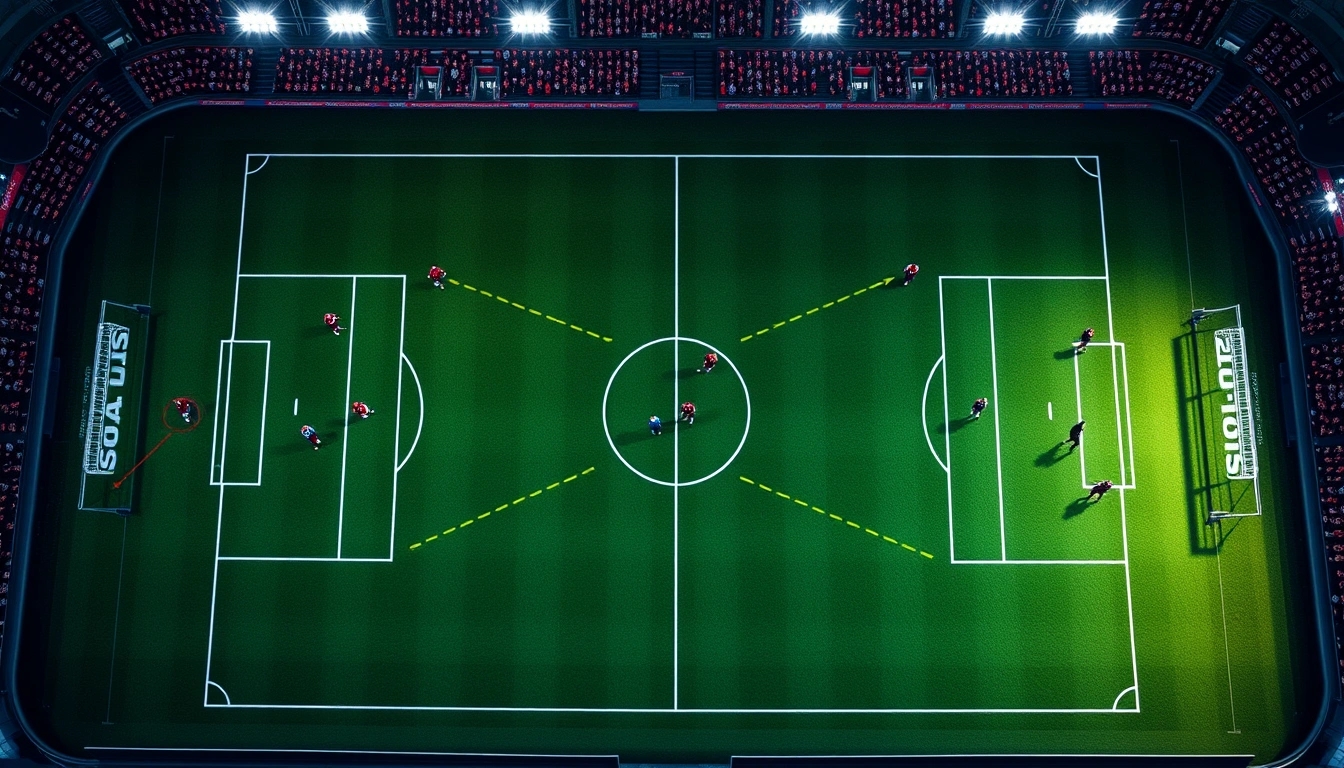
Alright, let’s get into the nitty-gritty of how the half-space plays out across various tactical setups — because, honestly, it’s not a one-size-fits-all kinda deal. Coaches don’t just chuck players in the half-space and hope for magic; how they use this sneaky zone depends heavily on their formation and game plan. Whether it’s the classic 4-3-3, the somewhat funky 3-5-2, or even more exotic shapes, half-spaces shape the way teams both attack and defend. Let’s break it down.
- 4-3-3: This formation is often about width and pace on the wings, but the half-space is where the real mischief happens. Wingers tuck in slightly, midfielders push forward, and suddenly you’ve got a triangle overload that can slice through defenses. The half-space here is a playground for creative players who love to drift inside and unleash shots or threading killer passes.
- 3-5-2: Now, this one’s interesting because with three at the back, wing-backs become crucial. The half-space often becomes a corridor where these wing-backs overlap or underlap, creating confusion for the opposition. Midfielders might drop deeper, or push up, turning the half-space into a dynamic zone for both defense and attack.
- Other Systems: Think 4-2-3-1 or 4-4-2 diamond — the half-space’s role shifts again. Sometimes it’s a no-man’s land, other times it’s the prime real estate for playmakers to operate. It’s a tactical chameleon, adapting to whatever shape the team wears on the day.
| Formation | Half-Space Role | Key Player Types | Impact on Attack |
|---|---|---|---|
| 4-3-3 | Wingers cut inside, midfielders push up | Inverted wingers, attacking midfielders | Creates overloads, shooting opportunities |
| 3-5-2 | Wing-backs exploit half-spaces | Wing-backs, box-to-box midfielders | Stretch defense, link defense and attack |
| 4-2-3-1 | Playmakers operate in half-spaces | No.10s, creative midfielders | Facilitates quick combinations and through balls |
Here’s the kicker though — the half-space isn’t just about attacking flair. Defensively, teams have to be smart about it too. In formations like 3-5-2, the half-space can become a defensive headache because if wing-backs get caught too high, those channels open up like a buffet for opponents. So, coaches often instruct midfielders to tuck in or shift laterally to cover these zones. It’s a constant chess match.
And let’s not forget that the effectiveness of half-space usage also hinges on the players’ understanding and chemistry. You can have the best system in the world, but if your winger and midfielder don’t sync up when exploiting these zones, it’s just a fancy mess.
- Practical Insight: Teams that master half-space play often have players with high spatial awareness and quick decision-making. They’re not just running around aimlessly; they know when to tuck inside, when to burst forward, and when to drop back.
- Fun Fact: Pep Guardiola’s teams are notorious for exploiting half-spaces to the max. It’s like they treat these zones as VIP lounges where the real action happens.
So, next time you’re watching a match and see a winger drifting inwards or a wing-back bombing down that channel, remember — it’s all part of the half-space game. The formation might look rigid on paper, but in these pockets of space, football gets messy, unpredictable, and downright thrilling.
In short: half-spaces are tactical gold, but how they’re used depends on the formation’s personality. Whether it’s a 4-3-3’s attacking triangles or a 3-5-2’s wing-back corridors, these zones are where games are won and lost — sometimes without the casual fan even noticing.
Statistical Insights: Measuring Half-Space Impact
Alright, let’s cut to the chase—numbers don’t lie, but sometimes they sure do confuse the heck out of us. When it comes to the half-space in football, stats have become the secret sauce that’s making coaches and analysts drool like kids in a candy store. You see, the half-space isn’t just some fancy jargon tossed around by tactical geeks; it’s a goldmine of data that’s reshaping how teams attack and defend. But how exactly do we measure something so… elusive? Buckle up, because the stats behind half-space usage are as intriguing as a last-minute screamer.
First off, let’s talk about possession value. Teams that control the half-spaces tend to rack up higher expected goals (xG) from these zones compared to traditional wide or central areas. Why? Because the half-space offers a sweet spot for creating dangerous chances—close enough to the goal but wide enough to stretch defenses. According to recent analytics, players operating in these zones have a 20-30% higher chance of assisting or scoring than those stuck on the flanks or deep center. Crazy, right?
| Zone | Average xG per 90 mins | Assist Rate (%) |
|---|---|---|
| Half-Space | 0.45 | 18% |
| Wide Flank | 0.30 | 12% |
| Central Midfield | 0.25 | 10% |
Now, don’t go thinking it’s all sunshine and rainbows. Half-space data also reveals some quirks. For example, teams that overcommit to these areas sometimes leave their flanks exposed, leading to counter-attacks that are just begging to happen. It’s a bit like trying to hog all the snacks at a party—you might get the good stuff, but you’ll piss off others who’ll retaliate.
- Key Metrics to Watch:
- Progressive Passes through half-spaces – crucial for breaking lines.
- Successful Dribbles in half-spaces – players slicing through defenders.
- Pressure Regains in these zones – defensive impact matters too.
Take a look at some top-tier midfield maestros and wingers—the ones who’re constantly lurking in these zones. Their heatmaps light up the half-spaces like a Christmas tree, and their stats back up their influence. The likes of Kevin De Bruyne or Bernardo Silva don’t just wander there for fun; their touches, passes, and shots from half-spaces often decide matches.
Player | Half-Space Touches per Game | Key Passes from Half-Space | Goals/Assists from Half-Space---------------------------------------------------------------------------------------------Kevin De Bruyne | 35 | 5.2 | 0.8Bernardo Silva | 30 | 4.5 | 0.7Bruno Fernandes | 28 | 4.8 | 0.6
So yeah, if you’re still sleeping on half-space stats, you’re missing out on a whole new level of football understanding. It’s like having the cheat codes to the game—except it’s not cheating, it’s just smart analytics. Next time you watch a match, keep an eye on those sneaky zones; the numbers might just blow your mind.
In short: half-space analytics are no longer just a fad; they’re a staple in modern football strategy. Teams that crack the code on these zones gain a massive edge, and the stats are screaming it loud and clear. Whether you’re a coach, player, or fan, ignoring half-space data is like ignoring the scoreboard—just plain silly.
Common Mistakes When Using the Half-Space
Trying to control the half-space in football sounds like a no-brainer for any coach aiming to dominate possession and create chances. But, oh boy, it’s not as simple as drawing lines on a tactics board. The half-space is this slippery, elusive zone — that patch between the wing and the center — where magic can happen, or where your entire game plan can fall apart spectacularly. Let’s be honest: many teams trip up here, and the fallout is often brutal.
First off, one of the biggest blunders is overcommitting players into the half-space. Coaches get obsessed with flooding this area, thinking more bodies equal more control. But football isn’t checkers, and stacking the half-space often leads to congestion. Instead of opening passing lanes, players end up bumping into each other, losing rhythm and making it easier for defenders to snuff out attacks. Imagine a crowded elevator — no one moves, no one scores.
- Overcrowding: Too many players in the half-space kills creativity.
- Predictability: Opponents quickly spot the pattern and adjust defensively.
- Loss of width= Neglecting the wings means less stretching of defenses.
Another classic mistake is ignoring defensive responsibilities when pushing into half-spaces. Players get so caught up in exploiting the zone offensively that they forget about tracking back. It’s like leaving your house unlocked because you’re busy throwing a party inside — eventually, someone’s gonna sneak in and cause havoc. Teams often get punished on quick counterattacks because the half-space attackers are too far forward, leaving gaping holes behind.
| Mistake | Why It Happens | Consequences |
|---|---|---|
| Overcrowding | Misjudging space, trying to dominate too much | Reduced passing options, slowed attack, easy to defend |
| Neglecting Defensive Duties | Focus on attack, lack of discipline | Vulnerable to counters, defensive gaps |
| Predictability | Using half-space the same way repeatedly | Opponents anticipate and nullify attacks |
Then, there’s the issue of predictability. Some teams get stuck in a rut, always trying to attack through the half-space with the same player or the same pattern. Defenses catch on quickly, and suddenly the “goldmine” turns into a barren wasteland. The half-space should be a zone of unpredictability — a place where defenders can’t guess what’s coming next. When it’s not, the tactical advantage evaporates.
And hey, let’s not forget the lack of coordination between players. The half-space demands teamwork, timing, and quick decision-making. If the winger, midfielder, and striker aren’t on the same page, the whole move falls flat. Miscommunication leads to missed runs, poor passes, and wasted opportunities. It’s like a badly rehearsed dance — awkward and painful to watch.
Tips to Avoid Common Half-Space Mistakes:- Balance numbers: Don’t cram too many players in one zone.- Mix it up: Vary attacks to keep defenders guessing.- Track back: Half-space players must help defensively.- Communicate: Clear signals and runs are essential.- Use width= Stretch defense by combining half-space and wing play.
In short, controlling the half-space is a delicate art. When done right, it can be a game-changer. When done poorly, it’s a recipe for frustration and failure. Coaches and players need to embrace the complexity, avoid these pitfalls, and remember: sometimes, less is more.
So next time you see a team floundering despite flooding the half-space, you’ll know exactly why.
Future Trends: Is the Half-Space Here to Stay?
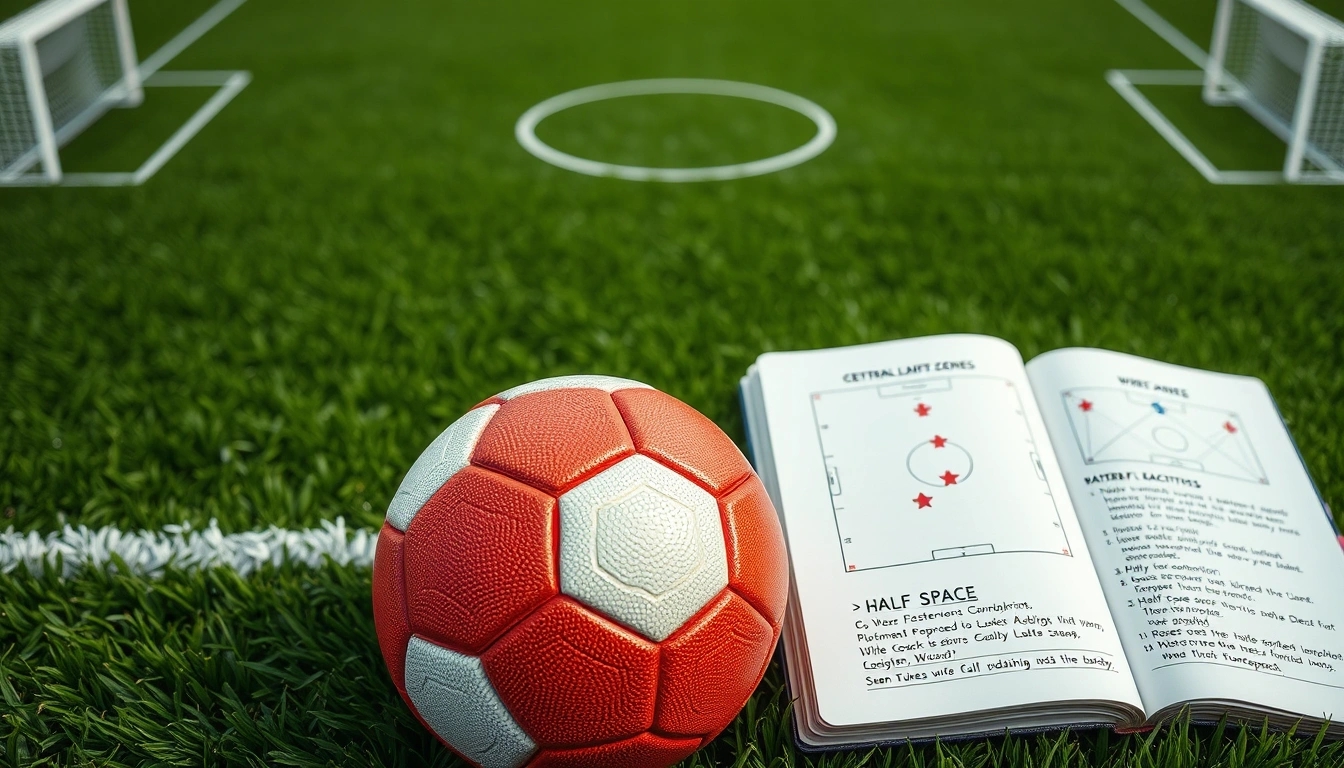
So, here we are, standing at the crossroads of football’s tactical evolution, wondering if the half-space is going to keep its throne or get kicked aside by some flashy new idea. The half-space — that sneaky patch of pitch between the flank and the center — has been the darling of coaches and analysts for years now. But football, as we all know, loves to surprise us. One minute everyone’s obsessed with a formation, the next, it’s all about a fresh pressing style or some zany positional play that flips the script.
Let’s be honest, the half-space isn’t just a fad. It’s a clever exploitation of space that forces defenses into uncomfortable decisions. When teams control these zones well, they can slice through opponents like a hot knife through butter. But here’s the kicker: as opponents get smarter, they’re learning to clog these spaces or lure attackers out of them. So will the half-space lose its magic? Maybe, but probably not entirely.
| Trend | Potential Impact | Examples |
|---|---|---|
| Increased use of inverted full-backs | Creates new half-space dynamics, confusing traditional marking schemes | Manchester City, Bayern Munich |
| Rise of fluid formations | Blurs half-space roles, making them harder to pin down | Barcelona’s tiki-taka, Liverpool’s gegenpressing |
| Advanced data analytics | Allows teams to pinpoint half-space weaknesses and exploit them better | Top European clubs |
But let’s not kid ourselves — football’s a game of constant reinvention. Coaches are always cooking up new ways to mess with defensive structures. Some are experimenting with ultra-narrow midfield blocks or overloads on the wings that sideline the half-space altogether. Others are pushing their forwards to drop deeper or drift wider, making the half-space less relevant in their system.
- Will the half-space become too predictable? Defenders are getting wise, and teams are designing traps.
- Could new positional trends overshadow it? Possibly, but the half-space’s versatility makes it hard to ditch.
- Is it just a buzzword that’ll fade? Nah, it’s rooted in football’s spatial reality, so it’s sticking around in some form.
Here’s a little practical insight: if you’re coaching or analyzing teams, keep an eye on how players use these zones not just to attack but also to defend. The half-space is evolving — it’s not static. It’s becoming more about timing, movement, and anticipation than just occupying a particular patch of turf.
Key takeaway:- Half-space remains a tactical gem but is no longer the only game in town.- Adaptability is critical; teams that evolve their half-space use will thrive.- Expect hybrid roles and formations to keep the half-space relevant but less obvious.
In conclusion, the half-space is far from extinct, but it’s definitely not the untouchable holy grail it once seemed. It’s part of a bigger chess game where every square on the board matters. So, will it become even more central? Possibly, but it’ll do so by morphing and blending with new ideas — because in football, standing still means falling behind.
Stay tuned, because the half-space story is far from over.
Frequently Asked Questions
- What exactly is the half-space in football?
The half-space is the tactical zone between the central and wide areas on the pitch. Think of it as the sweet spot where creativity meets chaos—players occupying this space can disrupt defensive lines and open up scoring opportunities. It’s not just a position; it’s a strategic playground that teams exploit to gain an edge.
- Why do coaches focus so much on controlling the half-space?
Coaches obsess over the half-space because it’s where the magic happens. Dominating this area means controlling the game’s rhythm and creating chances that defenders often miss. It’s like having the keys to a secret door in football strategy, unlocking pathways to goal-scoring opportunities.
- How do players use the half-space to their advantage?
Players who master the half-space blend the unpredictability of wingers with the vision of midfielders. By positioning themselves cleverly, they slice through defenses like a hot knife through butter, making quick passes, dribbles, or shots that leave opponents guessing.
- Is the half-space different from traditional football positions?
Absolutely! Unlike fixed roles like winger or central midfielder, the half-space blurs boundaries. It creates fluidity in formations, allowing players to drift and exploit gaps. This flexibility keeps defenses on their toes and makes tactical setups less predictable.
- Can you name some famous players known for excelling in the half-space?
Legends like Lionel Messi and Kevin De Bruyne have turned the half-space into their personal stage. Their clever positioning and vision allow them to influence the game profoundly, often turning tight matches in their team’s favor.
- Does the use of half-space change with different tactical systems?
Yes, it does! Whether it’s a 4-3-3, 3-5-2, or other formations, the half-space’s role adapts. Some systems use it to overload flanks; others rely on it for central creativity, showing just how versatile and vital this zone is in modern tactics.
- Are there any common pitfalls when teams try to control the half-space?
Definitely. Overcommitting to the half-space can leave other areas exposed, and poor timing or positioning can lead to turnovers. It’s like walking a tightrope—balance is key, or the strategy can spectacularly backfire.
- Is the half-space a passing trend or a lasting tactical element?
The half-space is more than a fad; it’s evolving with football itself. As teams get smarter and analytics deepen, expect the half-space to become even more central in shaping how the beautiful game is played in the future.