
Step right up and strap in, because we’re about to plunge headfirst into the wild, swirling vortex that is Total Football — a style of play so revolutionary it didn’t just tweak the rules, it flipped the whole darn game on its head. Forget your grandma’s kick-and-run; Total Football is the beautiful chaos where every player is a maestro, every position is a dance partner, and the pitch is a chessboard filled with moving pieces that can swap places on a whim.
| Aspect | Why It Matters |
|---|---|
| Origins | Born in the gritty streets and tactical war rooms of mid-20th century Netherlands, Total Football was a fresh breeze against the stale air of rigid formations. |
| Key Figures | Thanks to Rinus Michels, the mastermind coach, and Johan Cruyff, the wizard on the ball, theory turned into breathtaking reality. |
| Tactics | Player fluidity, positional interchange, and relentless pressing make the style unpredictable and mesmerizing. |
| Legacy | Modern giants like FC Barcelona and the Dutch national team owe their DNA to this tactical marvel. |
Now, you might wonder, what’s the big deal? Well, Total Football isn’t just about “passing around the park.” It’s a philosophy that demands every player to be a jack-of-all-trades. Imagine your striker suddenly becoming a defender mid-play, or your full-back sprinting forward to score. It’s pure tactical anarchy — but with a purpose. This positional flexibility means the team can suffocate opponents, control space like a pack of wolves hunting their prey, and keep the opposition guessing.
- Positional Interchange: No player is confined. Everyone swaps roles fluidly.
- High Pressing: The team presses as one, chasing down every ball like it’s their last meal.
- Spatial Awareness: Exploiting gaps and controlling the pitch’s geometry is key.
But hey, it wasn’t all sunshine and trophies. While the Dutch dazzled the world, especially during the 1974 World Cup, they fell agonizingly short of lifting the trophy. Critics point out that Total Football demands near-perfect fitness, brainpower, and teamwork — a triple threat not every squad can handle. Plus, when the system breaks down, chaos ensues, and you get exposed faster than you can say “offside.”
Key Challenges of Total Football:- Physical Demands: Players must be fit and versatile.- Tactical Discipline: One slip and the whole structure collapses.- Not Universal: Doesn’t fit every team or player style.
In the grand scheme, Total Football reshaped soccer’s DNA. Clubs like Barcelona and even modern national teams nod to its influence, blending its principles with contemporary tactics. So next time you see a midfielder slot into defense or a forward press relentlessly, tip your hat to the Dutch pioneers who dared to dream differently.
In short? Total Football is chaos with a method, madness with a plan. And that’s what makes it one of the most fascinating chapters in the history of the beautiful game.
The Birth of a Revolution
You might think Total Football just popped up overnight, like some shiny new gadget everyone suddenly wanted. Nah, it was more like a slow-burning wildfire, sparked in the gritty, unpredictable streets of post-war Netherlands. Picture this: kids kicking tattered balls around cramped alleyways, learning to adapt on the fly because the streets were anything but orderly. It’s from this chaos that Total Football started brewing—not in some pristine stadium, but in the raw, unpolished playgrounds where creativity was the only rule.
| Era | Key Events | Impact |
|---|---|---|
| 1940s-50s | Street football culture grows; early tactical experiments | Players develop adaptability and instinctual play |
| 1960s | Rinus Michels begins coaching with innovative ideas | Foundation for Total Football laid with emphasis on fluidity |
| 1970s | Johan Cruyff emerges as the embodiment of the style | International recognition and tactical revolution |
But don’t get it twisted—this wasn’t just kids having fun. It was also the brainchild of some seriously tactical minds who looked at the game and said, “Why stick to rigid positions when the pitch is a living, breathing thing?” Rinus Michels, often dubbed the father of Total Football, wasn’t satisfied with the old-school “each man to his post” mentality. Instead, he pushed for a system where players could swap roles seamlessly, confusing opponents and opening up the game like never before.
- Fluidity: Defenders could become attackers in a blink.
- Teamwork: Everyone had to be technically skilled and mentally sharp.
- Pressing: Suffocate the opposition relentlessly.
This wasn’t just tactical mumbo jumbo; it was a cultural shift. The Dutch, a small nation with big ambitions, used Total Football as their way to punch above their weight on the global stage. It was a style born from necessity, creativity, and a bit of rebellion against the status quo.
Practical Insight: If you ever try to explain Total Football to someone, emphasize this: it’s less about who plays where and more about how everyone plays everywhere. Imagine a fluid dance where every player must be ready to lead or follow, attack or defend, all at once. That’s the essence that exploded from those chaotic streets.
So yeah, Total Football wasn’t handed down from some dusty old coaching manual. It was crafted in the messiness of life itself—where rules bend, and survival depends on flexibility. And that’s exactly why it still fascinates football nerds and casual fans alike, decades later.
Quick Fact: The Dutch team’s nickname, “Clockwork Orange,” perfectly captures the precision and rhythm of Total Football, even though it all started in the unpredictable chaos of street play.
In short, the birth of Total Football was less a tidy invention and more a wild, evolving revolution. It challenged the old guard, inspired generations, and forever changed how we watch and think about the beautiful game.
Key Figures Who Shaped Total Football
When you talk about Total Football, you can’t just toss around the term without tipping your hat to the legends who made it more than just a tactical doodle on a chalkboard. The real magic happened thanks to some seriously visionary minds who dared to dream big and then made those dreams dance on the pitch. Two names stand head and shoulders above the rest: Rinus Michels and Johan Cruyff. These guys weren’t just coaches or players; they were the architects of a footballing revolution that still echoes through stadiums today.
Rinus Michels, often hailed as the “father of Total Football,” wasn’t your run-of-the-mill coach. He had this almost obsessive belief in fluidity and adaptability, pushing players beyond their comfort zones. Imagine a chess player who doesn’t just move pawns but expects every piece to think like a queen — that’s Michels’ philosophy in a nutshell. Under his guidance, Ajax and later the Dutch national team embraced a style where positions were more like suggestions than rules. Players swapped roles seamlessly, creating confusion for opponents and sheer beauty for fans. Michels’ 1974 Dutch squad, despite falling short in the World Cup final, mesmerized the world and stamped his ideas into football history.
| Figure | Role | Contribution |
|---|---|---|
| Rinus Michels | Coach | Developed Total Football tactics; emphasized positional interchange and team fluidity. |
| Johan Cruyff | Player & Coach | Embodied and popularized Total Football; introduced it to FC Barcelona as a coach. |
Then there’s Johan Cruyff — the player who practically embodied the spirit of Total Football. If Michels was the brain, Cruyff was the heart and soul, the guy who made it look effortless while running circles around defenders. Cruyff wasn’t just a master dribbler or a clinical finisher; he was a football philosopher on the pitch, reading the game like a novel and rewriting it in real-time. His intelligence, creativity, and relentless work ethic made him the embodiment of Total Football’s principles.
What’s fascinating is how Cruyff didn’t just stop at dazzling as a player. When he moved into coaching, especially with Barcelona, he planted the seeds of Total Football in Spanish soil, giving birth to a style that would eventually be known as “tiki-taka.” His influence shaped generations of players and coaches, proving that Total Football wasn’t just a Dutch fad but a global footballing language.
- Rinus Michels: The tactical innovator who made Total Football a system, not just a concept.
- Johan Cruyff: The genius player-coach who turned theory into mesmerizing reality.
- Legacy: Their combined work transformed Ajax, the Dutch national team, and Barcelona forever.
It’s worth noting that while Michels laid the foundation with his strict discipline and tactical rigor, Cruyff brought flair, improvisation, and that “je ne sais quoi” that made Total Football a spectacle rather than just a strategy. Together, they proved that football could be both art and science — a chaotic dance with a methodical heartbeat.
So next time you watch a team effortlessly switch positions or press the opposition like a pack of hungry wolves, remember the masterminds behind the curtain. Michels and Cruyff didn’t just change how football is played; they changed how it’s loved.
Core Principles and Tactics
Core Principles and Tactics of Total Football
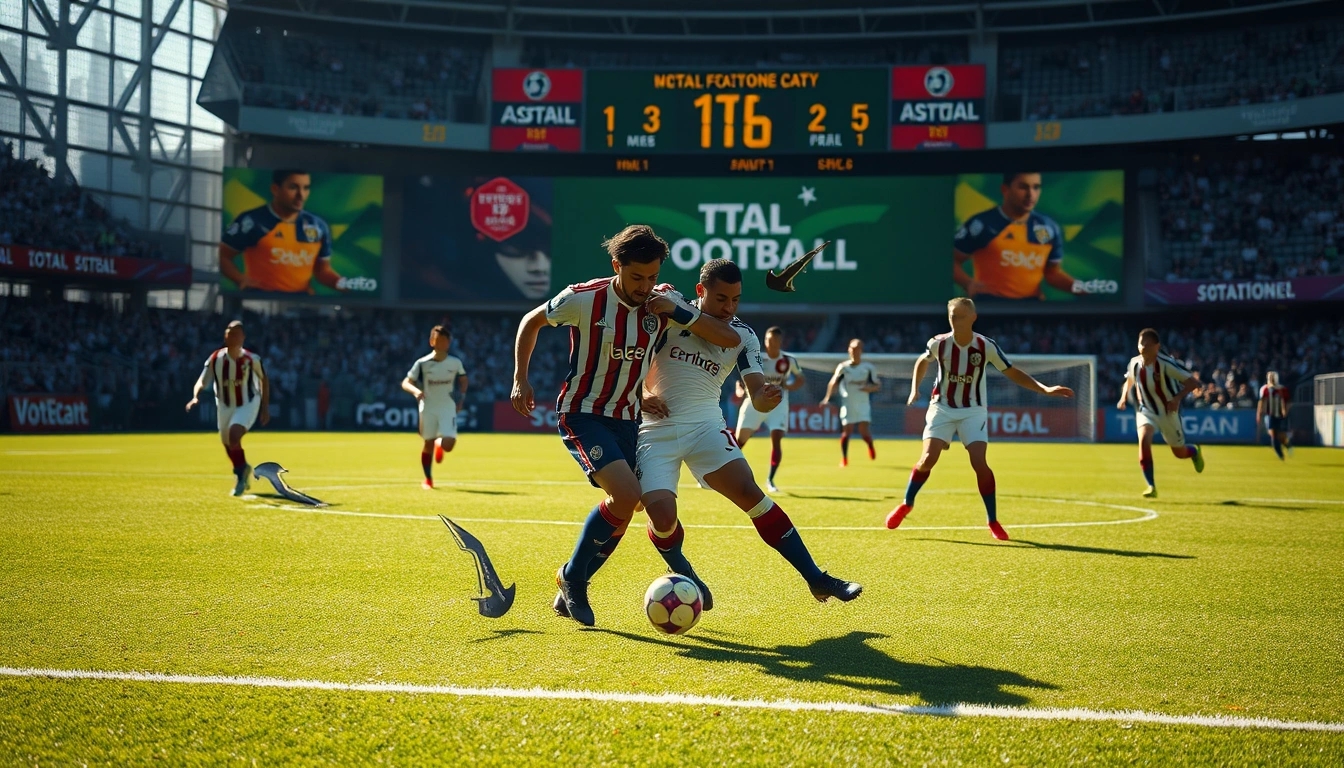
Alright, let’s get down to brass tacks and unravel what really makes Total Football tick. This isn’t your average, run-of-the-mill soccer strategy; it’s more like a beautifully choreographed chaos where every player is a shape-shifter, ready to swap roles on a dime. Imagine a team where defenders suddenly become attackers, midfielders morph into fullbacks, and forwards drop back to defend—all without missing a beat. Sounds like madness? Maybe. But it’s the very essence of what makes Total Football so mesmerizing and effective.
First off, the magic word here is player fluidity. Unlike traditional setups where players stick to their zones like glue, Total Football demands everyone to be comfortable in multiple positions. This means a winger might sprint back to defend one moment and then dart forward to score the next. It’s like watching a jazz band improvise; there’s a structure, sure, but also a lot of freedom to express and adapt.
| Element | Description | Impact on Game |
|---|---|---|
| Player Fluidity | Players interchange positions seamlessly. | Creates unpredictability, confuses opponents. |
| Positional Interchange | Continuous swapping of roles during play. | Maintains team balance and pressure. |
| High Pressing | Aggressive pursuit of the ball in opponent’s half. | Forces turnovers and controls tempo. |
Now, positional interchange is where things get tricky but fascinating. It’s not just about changing spots; it’s about doing it intelligently. Players must read the game like chess grandmasters, anticipating moves and covering for teammates instantly. This constant rotation keeps opponents guessing and often leads to defensive breakdowns. But don’t think it’s a free-for-all—there’s a method to this madness, a strict discipline behind the scenes ensuring the team doesn’t collapse into a pile of confusion.
- Why it works: Opponents can’t mark a player who’s always moving and switching roles.
- Teamwork is key: Requires incredible communication and understanding.
- Physical demands: Players need stamina and versatility.
And then we have the relentless high pressing—the pack mentality. Think of it as a wolf pack hunting down prey. The moment the opposing team gets the ball, Total Football teams swarm, cutting off passing lanes and forcing mistakes. This aggressive style isn’t just about defense; it’s a way to control the game’s rhythm and keep the pressure on from start to finish.
High Pressing Breakdown:- Immediate pressure after losing possession- Compact team shape to limit space- Quick transitions from defense to attack
In the end, Total Football is a dazzling blend of chaos and control. It’s like watching a perfectly messy painting come alive on the pitch—players dancing in and out of roles, pressing hard, and never letting up. It’s not for the faint-hearted or the tactically lazy, but when executed well, it’s nothing short of football poetry.
Positional Flexibility Explained
Positional flexibility in Total Football isn’t just a tactic; it’s a way of life on the pitch. Imagine a game where every player is expected to be a jack-of-all-trades, able to slide into any role faster than you can shout “offside.” Sounds chaotic? Well, that’s the whole point. This fluidity is what turns a team from a rigid formation into a dynamic, living organism that breathes, adapts, and attacks with unpredictable fury.
At its core, Total Football demands players who are not only skilled in their own position but also comfortable stepping into another’s shoes at a moment’s notice. It’s like a high-stakes game of musical chairs, but instead of music, it’s the flow of the ball and the shifting pressure from opponents. This means defenders can suddenly become strikers, midfielders drop back to defend, and wingers cut inside to orchestrate play. The beauty here? Opponents never quite know who’s going to be where, making it incredibly difficult to mark or predict.
| Role | Traditional Skillset | Total Football Expectation |
|---|---|---|
| Defender | Marking, tackling, clearances | Also capable of dribbling forward and creating attacks |
| Midfielder | Passing, vision, ball control | Ready to defend aggressively and cover wide areas |
| Forward | Finishing, positioning, dribbling | Drop deep to link play and press defenders |
Now, don’t get me wrong, this isn’t just about being a “do-it-all” player without a plan. There’s a method to the madness. The team operates on a shared understanding, almost telepathic, where each player reads the game and senses when to swap roles. It’s like jazz music — improvisation within a structure. This requires insane levels of fitness, tactical intelligence, and trust.
- Fitness: Constant movement and role-switching demand top-notch stamina.
- Game Intelligence: Players must anticipate opponents’ moves and teammates’ intentions.
- Communication: Silent signals, eye contact, and quick decisions keep the system humming.
One might wonder, “Isn’t this just asking for chaos?” Well, yes and no. The chaos is controlled, choreographed, and rehearsed. The Dutch teams of the 1970s, led by legends like Johan Cruyff, mastered this art. They weren’t just playing soccer; they were painting a masterpiece where every brushstroke was a player’s movement.
However, adopting this style today is easier said than done. Modern football’s physical demands and tactical rigidity often clash with Total Football’s free-flowing essence. Yet, it’s impossible not to admire the sheer audacity of a system where a left-back can become a striker in a blink, leaving defenders dizzy and fans roaring.
In summary, positional flexibility in Total Football is the heartbeat of its genius. It turns every player into a versatile warrior, ready to adapt, attack, and defend wherever the game demands. This fluidity is what makes Total Football not just a style, but a revolutionary way to experience soccer.
Pressing and Space Control
Imagine a team on the pitch that moves not as individuals, but as a single, ferocious unit — a pack of wolves on the hunt. That’s the essence of pressing and space control in Total Football. It’s not just about chasing the ball; it’s about suffocating the opponent’s options until they’re gasping for air, desperate to find a way out. You see, this isn’t your grandma’s casual kickabout. It’s a tactical ballet where every player is hyper-aware, closing down spaces, cutting passing lanes, and forcing mistakes like a relentless predator.
Now, let’s not kid ourselves — pulling off this level of intense pressing is exhausting. It requires players with not only top-notch fitness but also razor-sharp minds. They have to anticipate moves like chess grandmasters, anticipating the opponent’s next step before it even happens. When executed well, the team practically owns the field, squeezing the ball carrier and herding them into traps.
| Key Elements of Pressing and Space Control | Impact on the Game |
|---|---|
| High Press: Forcing errors by aggressively closing down opponents near their goal. | Leads to quick turnovers and scoring chances in dangerous areas. |
| Positional Awareness: Players constantly adjust to cover spaces and support teammates. | Maintains team shape and prevents gaps for opponents to exploit. |
| Collective Responsibility: Everyone presses, no free rides. | Creates a suffocating environment that wears down the opposition physically and mentally. |
But here’s the kicker: this style isn’t just about brute force. It’s a delicate balance of aggression and intelligence. You don’t want to overcommit and leave gaping holes behind — that’s like leaving your front door wide open while you’re out hunting. The beauty of Total Football’s pressing lies in its flexibility. Players switch roles fluidly, covering for each other, making sure the team stays compact and dangerous.
- Pressing Triggers: Moments when the team collectively decides to press — a bad touch, a backward pass, or a player receiving the ball with their back to goal.
- Zone Control: Instead of man-marking rigidly, players cover zones, making it harder for opponents to find free space.
- Counter-Pressing (Gegenpressing): The immediate press after losing possession to snatch the ball back before the other team can organize.
It’s a relentless game of cat and mouse, where the pressing team tries to herd the opponents into “no-go” zones. And when it works, oh boy, it’s poetry in motion — a symphony of coordinated effort that leaves fans breathless and opponents bewildered.
Of course, it’s not foolproof. Teams with less stamina or tactical discipline can implode under the pressure, leaving gaps that savvy opponents exploit mercilessly. But when done right, pressing and space control epitomize the spirit of Total Football — a wild, beautiful chaos where every inch of the pitch matters, and every player is a hunter.
Pressing and Space Control Checklist:- Stay compact, no gaps.- Press as a unit, not as individuals.- Anticipate opponent’s moves.- Switch roles seamlessly.- Exploit every inch of space.- Be relentless but smart.
In the end, it’s this fierce, suffocating style that turned Total Football into a legend — a game plan that’s as much about brains as it is about brawn, and a thrilling spectacle for anyone lucky enough to witness it live.
Iconic Matches That Defined the Style
Ah, the magic of Total Football! It’s not just a tactic; it’s a spectacle that left fans on the edge of their seats and opponents utterly baffled. Let’s rewind and dive into some of those unforgettable clashes where Total Football wasn’t just played — it was celebrated like a rock concert.
Total Football’s hallmark is its fluidity and unpredictability, and these matches perfectly captured that essence. Imagine players swapping positions seamlessly, attacking as a unit, and pressing relentlessly. Opponents often found themselves chasing ghosts, unsure who to mark or where the next threat would sprout from. It was pure chaos, but the kind that’s beautifully orchestrated.
| Match | Date | Significance | Key Highlights |
|---|---|---|---|
| Netherlands vs. Argentina | 1974 World Cup Quarterfinal | Showcased Total Football’s tactical brilliance | Relentless pressing, positional swaps, Johan Cruyff’s genius on display |
| Ajax vs. Bayern Munich | 1973 European Cup Final | Ajax’s Total Football dominance at club level | Fluid attack, tight defense, Michels’ tactical masterclass |
| Barcelona vs. Real Madrid | Various 1970s El Clásicos | Popularized Total Football’s influence in Spain | High pressing, fast transitions, positional interchange |
One can’t talk about these legendary games without mentioning the 1974 World Cup quarterfinal where the Dutch team, led by the ever-charismatic Johan Cruyff, danced rings around Argentina. The Argentinians looked like they were playing a completely different game — chasing shadows as the Dutch players switched roles faster than you could blink. It was as if the Dutch had cracked some secret code to soccer, leaving everyone else struggling to keep up.
- Pressing: The Dutch team pressed so aggressively it was like a pack of wolves hunting down prey.
- Positional Fluidity: Defenders became attackers and vice versa without missing a beat.
- Team Cohesion: Every player seemed to anticipate each other’s moves perfectly.
But hey, not everything was sunshine and roses. Opponents quickly realized that if you could disrupt the rhythm — say, by fouling or slowing down the tempo — you could throw a wrench in Total Football’s gears. Still, those matches remain a testament to the style’s brilliance and its ability to captivate audiences worldwide.
In essence, these iconic games didn’t just define a style; they rewrote the rulebook on how football could be played. They left us wondering: could we ever see such artistry again? Maybe, but for now, these moments remain etched in football folklore, a dazzling reminder of what happens when passion meets innovation on the pitch.
1974 World Cup: The Dutch Masterclass
Ah, the 1974 World Cup — a tournament that didn’t just deliver football matches but served up a spectacle that left fans and critics alike scratching their heads in awe. The Dutch team, led by the legendary Johan Cruyff, didn’t just play soccer; they performed a masterclass in Total Football that still echoes through the halls of football history. Now, sure, they didn’t walk away with the trophy, but boy, did they leave a mark that no one could forget.
Imagine a team where every player was a chameleon on the pitch, swapping positions so seamlessly it looked like a well-choreographed dance. That was the essence of Total Football. The Dutch squad embodied this philosophy perfectly, turning the 1974 World Cup into their personal stage. Opponents were left chasing shadows, trying to predict who’d pop up where next. It was confusing, exciting, and downright mesmerizing.
| Stage | Opponent | Result | Significance |
|---|---|---|---|
| Group Stage | Uruguay | 2-0 Win | Strong start, showcasing fluid attacking play |
| Group Stage | Bulgaria | 4-1 Win | Dominance through pressing and positional interchange |
| Final | West Germany | 1-2 Loss | Heartbreaking near miss, tactical battle lost |
But let’s not sugarcoat it — the final against West Germany was a tough pill to swallow. Despite their dazzling style, the Dutch were undone by a combination of German grit, tactical adjustments, and maybe a little bit of bad luck. The Germans were no pushovers; they matched the Dutch intensity and exploited moments when the fluid system left gaps at the back. It was a classic case of beauty versus brawn, with brawn just edging out. Still, the Dutch performance was so compelling it changed how teams approached the game from then on.
- Positional fluidity: Every player could be a defender, midfielder, or attacker at a moment’s notice.
- High pressing: Smothering opponents immediately after losing possession.
- Team cohesion: The whole unit operated like a single organism, reacting and adapting instantly.
One can’t talk about the ’74 Dutch without giving a nod to Johan Cruyff, the man who practically embodied Total Football. His intelligence, vision, and skill were off the charts — he was the puppet master pulling the strings, yet also the magician making defenders look silly. Cruyff’s influence went beyond just scoring or assisting; he was the heartbeat of the team’s rhythm.
In retrospect, the 1974 World Cup was more than just a tournament for the Dutch — it was a declaration that football could be beautiful, dynamic, and strategic all at once. The legacy of that team still inspires coaches and players worldwide who dream of blending art with sport. Sure, they didn’t get the trophy, but they won something arguably greater — the admiration of the footballing world and a permanent place in the game’s evolution.
Legacy and Influence on Modern Football
You know, Total Football isn’t just some dusty old tactic from the ’70s that fans reminisce about while sipping lukewarm coffee. Nope, it’s alive and kicking—literally—in today’s game. The DNA of Total Football has seeped into the very fabric of modern soccer, shaping how teams think, train, and play across the globe. It’s like that rebellious kid who once shook the classroom and now runs the school. Clubs and national teams alike are still borrowing bits and pieces of this revolutionary style, even if they don’t always admit it out loud.
First off, let’s talk positional fluidity. Back in the day, players were pretty much glued to their roles—defenders defended, strikers attacked, midfielders… well, midfielded. But Total Football flipped that on its head. Today’s squads, from Barcelona to Manchester City, emphasize players who can switch roles on the fly. Remember how Pep Guardiola, a disciple of Johan Cruyff’s philosophy, built teams that breathe and move as one organism? That’s Total Football’s ghost whispering in the ears of modern tacticians.
| Modern Teams Influenced by Total Football | Key Elements Adopted |
|---|---|
| FC Barcelona | Positional interchange, high pressing, possession-based play |
| Manchester City | Fluid formations, pressing intensity, tactical versatility |
| Ajax Amsterdam | Youth development focus, technical skills, team cohesion |
| Netherlands National Team | Attacking mindset, positional flexibility, pressing |
And don’t get me started on the pressing game. Total Football introduced this idea of suffocating opponents relentlessly, forcing errors, and capitalizing on chaos. Today’s teams are obsessed with this—see Liverpool’s “gegenpressing” or Klopp’s high-octane style. It’s like a pack of wolves chasing prey, a concept that Total Football helped pioneer decades ago.
- Pressing as a defensive tactic: Not just waiting behind the ball but actively hunting it down.
- Space exploitation: Using every inch of the pitch smartly to create overloads.
- Collective responsibility: Everyone defends, everyone attacks—no freeloaders allowed.
But hey, it’s not all sunshine and rainbows. Some critics argue that Total Football’s demands on player versatility can backfire—if your squad isn’t technically gifted or tactically disciplined, it’s chaos, not beauty. Plus, the physical toll is brutal. Not every team can keep up with the relentless running and mental sharpness required.
Still, the legacy is undeniable. Total Football’s influence has morphed, adapted, and thrived. It’s like a living organism evolving with the times, inspiring coaches and players to push boundaries. So next time you watch a slick one-touch pass, a sudden role swap, or a ferocious press, tip your hat to Total Football—it’s the original game-changer.
Summary of Total Football’s Modern Impact:- Positional fluidity is now a must-have skill.- High pressing has become a universal defensive weapon.- Tactical versatility defines elite squads.- Youth academies emphasize technical and mental adaptability.- It challenges traditional roles and rigid formations.
In a nutshell? Total Football isn’t a relic; it’s the beating heart of modern soccer’s evolution. And honestly, without it, the beautiful game might just be a bit less beautiful.

Criticisms and Limitations
Alright, let’s get real for a moment. Total Football isn’t some magical potion that turns every team into unstoppable juggernauts. Nope, it has its fair share of flaws and challenges, and it’s definitely not a one-size-fits-all solution. While it dazzles on paper and in highlight reels, putting it into practice is a whole different beast.
First off, the system demands insane versatility. Every player needs to be a jack-of-all-trades, capable of switching positions seamlessly without losing the team’s shape. Easier said than done, right? Most squads just don’t have the luxury of players with that kind of football IQ and technical skill. You can’t just throw anyone into the deep end and expect them to swim with the sharks. This is why Total Football tends to thrive only in teams with highly skilled, well-drilled pros.
- Physical demands: The style requires relentless running, constant pressing, and sharp mental focus. Players burn out faster than you’d expect, and injuries can pile up.
- Risk of chaos: If one player slips up or loses concentration, the whole structure can collapse. It’s a high-wire act without a safety net.
- Not suited for every league or culture: Some leagues favor physicality or direct play, which clashes with Total Football’s finesse and fluidity.
Here’s a quick table outlining some major challenges:
| Challenge | Explanation |
|---|---|
| Player Versatility | Requires multi-skilled players who can adapt instantly. |
| Physical Intensity | High stamina and fitness levels needed; risk of fatigue. |
| Team Cohesion | One weak link can disrupt entire system. |
| Adaptability | Not effective against ultra-defensive or physical teams. |
| Coaching Complexity | Demands exceptional tactical understanding from coaches. |
And don’t even get me started on the mental pressure. Constantly switching roles and tracking opponents can fry brains. Some players just aren’t cut out for that kind of tactical gymnastics. Plus, the coach has to be a mastermind, orchestrating this symphony of movement without missing a beat. If the instructions aren’t crystal clear or the players don’t buy in 100%, the whole thing falls apart like a house of cards.
Also, Total Football can be a bit of a double-edged sword. When it works, it’s poetry in motion. But when it doesn’t, it looks like a mess of players running around like headless chickens. Opponents who are disciplined, physically strong, or just plain stubborn can frustrate Total Football teams by disrupting their rhythm and exploiting gaps during transitions.
So, while Total Football revolutionized the game and inspired generations, it’s far from perfect. It’s a brilliant concept that demands the perfect mix of talent, fitness, intelligence, and coaching. Without that, it’s just a fancy experiment doomed to fail. In short, Total Football is a dazzling dream, but one that needs very particular conditions to truly shine.
Frequently Asked Questions
- What exactly is Total Football?
Total Football is a dynamic and revolutionary soccer strategy where players constantly switch positions, creating a fluid and unpredictable game. Imagine a team where everyone is a multitasker, ready to jump into any role at a moment’s notice—that’s the essence of Total Football.
- Who invented Total Football?
The roots of Total Football trace back to the Netherlands, with legendary figures like Rinus Michels and Johan Cruyff pioneering and popularizing the style. These visionaries transformed it from a tactical concept into an electrifying spectacle that changed the sport forever.
- Why is positional flexibility so important in Total Football?
Positional flexibility is the heart of Total Football. Players must be versatile enough to swap roles seamlessly, confusing opponents and maintaining team balance. Think of it as a well-choreographed dance where every dancer can lead or follow, keeping the rhythm unpredictable.
- How does Total Football control space on the field?
Teams practicing Total Football press aggressively, squeezing opponents and exploiting every inch of space. It’s like a pack of wolves hunting—relentless, coordinated, and always ready to pounce on any mistake.
- Did Total Football guarantee winning trophies?
While Total Football dazzled fans and revolutionized tactics, it wasn’t a magic formula for trophies. For example, the Dutch team’s 1974 World Cup run was mesmerizing but ended without lifting the trophy, showing even the best ideas have limits.
- Is Total Football still relevant in modern soccer?
Absolutely! Total Football’s DNA lives on in today’s game, influencing top clubs and national teams who embrace fluidity, high pressing, and tactical intelligence. It’s like a classic recipe that keeps evolving but never goes out of style.
- What are some criticisms of Total Football?
Despite its brilliance, Total Football isn’t perfect. It demands incredibly skilled and adaptable players, making it tough for every team to pull off. Plus, its high-energy pressing can leave teams vulnerable if not executed flawlessly—kind of like walking a tightrope without a safety net.