Getting ready for your very first amateur tennis match? Oh boy, the butterflies in your stomach are probably doing cartwheels right now. It’s totally normal to feel a mix of excitement and nerves. But here’s the deal: being prepared can seriously calm those jitters and might even give you a leg up on the competition. So, before you step foot on that court, let’s break down what you absolutely need to bring — and what’s just fluff that’ll weigh you down.
Essential Tennis Gear
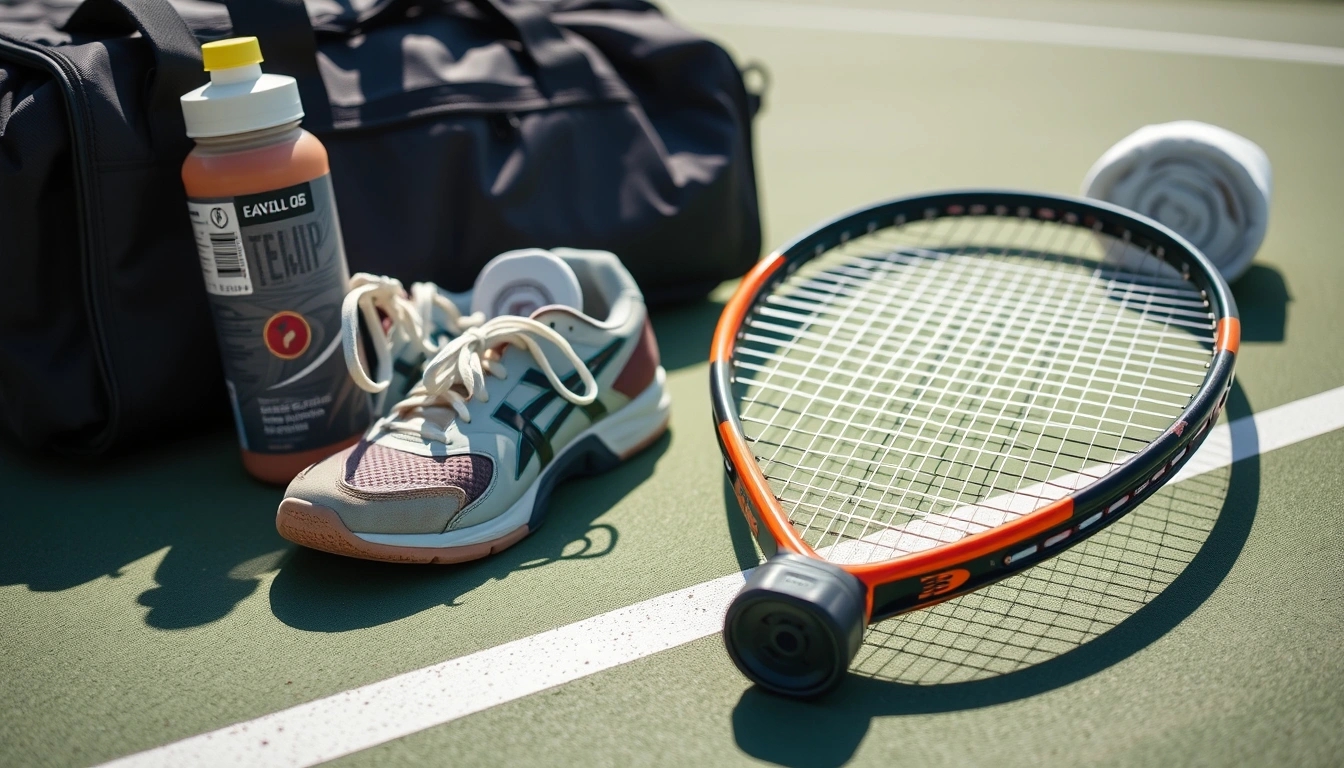
First off, let’s get real — your racket is your best buddy out there. Don’t just pick the shiniest one in the store; it needs to feel right in your hands. Alongside that, tennis balls are a no-brainer. You don’t want to be scrambling mid-match because you ran out. And those court shoes? Crucial. Regular sneakers might seem fine, but trust me, they’ll have you slipping and sliding like a cartoon character. You want grip, support, and some ankle love.
| Item | Why Bring It? | Pro Tip |
|---|---|---|
| Racket | Your primary tool; must suit your skill and comfort | Test a few before match day; don’t just trust brand names |
| Tennis Balls | Essential for play; matches usually need extras | Bring at least 3-4; some might get lost or go rogue |
| Tennis Shoes | Prevents injury and improves movement | Get court-specific shoes, not your daily runners |
Clothing and Comfort
Look, you’re gonna sweat. Like, a lot. So pick breathable, flexible sportswear that lets you move freely without feeling like you’re wrapped in plastic. And sunscreen? Don’t even think about skipping it — sunburns are no fun and can ruin your focus faster than a double fault. Also, a hat or visor is a smart call if you’re playing outdoors.
- Breathable fabrics: Cotton blends or technical sportswear that wick moisture
- Comfortable fit: Avoid anything too tight or loose that might distract
- Extras: Sunglasses, sweatbands, and a lightweight jacket if it’s chilly
Hydration and Snacks
Water is your BFF. Seriously, don’t underestimate how fast you’ll dehydrate. Bring a decent-sized water bottle and sip regularly. For snacks, think light and energizing — bananas, nuts, or a granola bar work wonders. Avoid heavy meals right before playing; nobody wants to feel like they swallowed a brick.
Warm-Up and Mental Prep
Don’t just jump into the match like a bull in a china shop. Warm up those muscles with some dynamic stretches and light jogging. A towel is handy for wiping off sweat, and if you’re feeling fancy, a foam roller can help loosen tight spots. Mentally, bring whatever helps you zone in — music, deep breaths, or even a quick visualization of your best shots.
In short, packing smart means fewer distractions and more focus on smashing those serves. So, don’t be that rookie lugging a bag full of junk or forgetting the basics. Your first match is about learning, but with the right prep? You might just surprise yourself.
Essential Tennis Gear</h2
Essential Tennis Gear
Alright, let’s cut to the chase: if you’re stepping onto the court for your first amateur tennis match without the right gear, you’re basically signing up for a comedy show starring you. Your racket, balls, and shoes are the holy trinity of tennis essentials — no exceptions, no excuses. Forget these, and you might as well be trying to play ping pong with your bare hands. Seriously, it’s that important.
First off, the racket. This isn’t just some stick you swing around willy-nilly. It’s your weapon, your extension, your partner in crime. Choosing the right racket isn’t about grabbing the flashiest one on the shelf or the one your buddy swears by. Nope. You want something that feels natural in your hand, suits your style, and won’t leave you with a sore arm after the first set. Beginners often make the mistake of going too heavy or too light — both can mess with your game more than you think.
- Weight: Medium weight rackets usually strike a good balance for newbies.
- Grip size: Too small or too big and your hand will be screaming for mercy.
- String tension: Looser strings offer more power, tighter strings give control. Pick your poison.
Now onto the balls. You’d think balls are just balls, right? Nope. The quality and type of tennis balls can make or break your match. Cheap balls lose their bounce faster than you can say “fault.” If you want to play like a pro — or at least not embarrass yourself — bring a fresh can of pressurized balls. And pack extras because, let’s be honest, you’re gonna lose a few to the net or the bushes.
| Ball Type | Best For | Notes |
|---|---|---|
| Pressurized | Competitive matches | Great bounce, but lose pressure quickly |
| Pressureless | Practice and durability | Long-lasting but feel different |
Lastly, and don’t you dare skip this — your shoes. Look, tennis is not a casual stroll in the park. It’s quick pivots, sudden stops, and sprints, and if you’re rocking your old gym sneakers or worse, flip-flops (please don’t), you’re asking for trouble. Tennis shoes are designed to grip the court surface and protect your ankles from the kind of twisting that’ll have you limping off before you even get warmed up.
- Court-specific shoes: Clay, grass, or hard court? Each surface has its own shoe style.
- Support and cushioning: Your feet will thank you later.
- Durability: Tennis shoes take a beating, so invest wisely.
So yeah, your racket, balls, and shoes are the absolute must-haves. Think of them as your survival kit for the battlefield that is the tennis court. Without these, you’re not just underprepared — you’re practically invisible. And nobody wants to be that guy, trust me.
Quick Gear Checklist
| Racket | Check grip size & weight |
| Tennis Balls | Fresh can + extras |
| Tennis Shoes | Court-appropriate & supportive |
Remember, gear isn’t just stuff you lug around — it’s your ticket to playing better, feeling confident, and maybe even winning a point or two. So pack smart, and don’t be that rookie who shows up with everything but the essentials. Your future self on the court will thank you.
Choosing the Right Racket</h2
Choosing the right racket for your tennis game isn’t just about picking the flashiest or most expensive one on the shelf. Believe me, walking into a store and grabbing the racket with the shiniest paint job or the biggest brand logo can backfire spectacularly when you’re out there trying to serve or rally.
First off, your skill level matters a ton. If you’re a beginner, you want something lightweight and forgiving — a racket that won’t punish every slightly off-center hit. Those heavy, super-stiff rackets might look like they’ll make you hit bombs, but if you can’t control them, you’re just handing points to your opponent. On the flip side, if you’re more advanced, you might want a racket that offers better control and precision, even if it means sacrificing a little power or comfort.
| Skill Level | Recommended Racket Features | Why It Matters |
|---|---|---|
| Beginner | Lightweight, larger head size, more flexible frame | Easier to handle, more forgiveness on off-center hits |
| Intermediate | Balanced weight, moderate head size, medium stiffness | Better control and power balance |
| Advanced | Heavier, smaller head size, stiff frame | Maximum precision and power for aggressive play |
Comfort can’t be overstated either. Ever tried to play with a racket that feels like a medieval torture device in your hand? Yeah, not fun. Grip size is a sneaky detail that newbies often overlook. Too small, and your hand cramps up; too big, and you lose wrist mobility. Most shops have grip size charts or testers, so don’t be shy—try before you buy.
- Grip Size Tip: Measure your hand or try different rackets to find your sweet spot.
- Weight Check: Swing a few rackets around to see which feels natural, not like you’re lifting weights.
- Balance Point: Head-heavy rackets add power but can tire your arm faster; head-light rackets offer better maneuverability.
Also, don’t forget the strings! The type and tension can change your game dramatically. Tight strings give you more control but less power, while looser strings add power but can be less precise. If you’re clueless, ask the store folks or your coach. Sometimes, the fanciest racket with the wrong string setup is just a fancy paperweight.
So, next time you’re tempted to just grab the “cool” racket, slow down. Think about your style, your level, and what feels right. Your racket is your partner on the court, not just a piece of gear. Treat it well, and it might just save your match instead of ruining it.
Footwear Fundamentals</h2
Footwear Fundamentals
Alright, let’s cut to the chase: good tennis shoes aren’t just about looking sharp on the court—they’re your ankles’ best friends and your pride’s bodyguards. Seriously, showing up in your everyday sneakers might seem like a harmless shortcut, but trust me, that’s a fast track to slipping, sliding, and embarrassing yourself in front of everyone, including that one guy who thinks he’s the next Federer.
Unlike regular sneakers, court-specific tennis shoes are engineered with one goal in mind: grip and support. The court isn’t forgiving, and neither is gravity when you’re darting side to side, lunging for that impossible shot. These shoes have specialized soles designed to prevent you from doing an unplanned split or a face-plant on the clay, hard, or grass courts. Plus, the lateral support they provide is crucial because tennis isn’t just about running forward—it’s about quick, sharp moves in every direction.
| Type of Court | Shoe Sole Type | Why It Matters |
|---|---|---|
| Hard Court | Durable rubber with herringbone pattern | Provides traction and withstands tough surfaces |
| Clay Court | Full herringbone tread | Prevents clay build-up and allows sliding |
| Grass Court | Nubs or pimples | Offers grip on slippery, uneven grass |
But hey, don’t just pick the flashiest or most expensive shoe on the shelf. Comfort is king here. You want a pair that fits snug but doesn’t pinch, offers enough cushioning to soften those relentless impacts, and has a breathable upper because sweaty feet? No thanks.
- Support: Look for shoes with reinforced sides to keep your foot stable during sudden lateral moves.
- Cushioning: Shock absorption is vital to prevent knee and ankle pain after a long match.
- Durability: Tennis shoes take a beating. Quality materials mean you won’t be shopping for new ones every month.
Now, here’s a little secret from the trenches: breaking in your tennis shoes before match day is non-negotiable. Wearing brand new shoes straight into a game? Rookie mistake. You’ll either get blisters or feel like you’re playing with bricks strapped to your feet.
Pro Tip:- Buy shoes at the end of the day when your feet are swollen to their max.- Try them on with the socks you plan to wear during matches.- Walk, jog, and mimic tennis movements in the store if possible.
In the end, the right tennis shoes do more than protect your ankles—they boost your confidence. You’ll feel more grounded, more agile, and less worried about tripping over your own feet. And that, my friend, can make all the difference between a decent game and a memorable one.
So, next time you’re packing for your first amateur match, remember: your shoes aren’t just an accessory. They’re a lifeline. Don’t skimp on them, or you might just pay the price—in pain and embarrassment.
Summary:
| Key Point | Why It Matters |
|---|---|
| Choose court-specific shoes | Maximize grip and reduce injury risk |
| Prioritize comfort and fit | Prevent blisters and discomfort |
| Break in shoes before match day | Avoid painful surprises |
| Look for good lateral support | Protect ankles during quick moves |
Clothing and Comfort</h2
Clothing and Comfort
Alright, let’s talk about the elephant in the room — or better yet, the sweat stains on your shirt. When you’re gearing up for your first amateur tennis match, the last thing you want is to be stuck in some stiff, non-breathable outfit that feels like a sauna suit. Nobody looks good drenched in sweat, but hey, it’s gonna happen. The key? Dress smart enough to handle the heat and movement without turning into a soggy mess.
- Breathability is king: Pick fabrics that actually let your skin breathe. Think lightweight polyester blends or moisture-wicking materials designed to pull sweat away from your body. Cotton? Nah, it just soaks up the sweat and sticks to you like glue.
- Flexibility matters: You’ll be lunging, stretching, sprinting — your clothes better move with you, not against you. Avoid anything too tight or restrictive; you want freedom, not a fashion straightjacket.
- Layer up smartly: Weather can be a sneaky opponent. Early morning matches might be chilly, but by the second set, you’ll be roasting. A light jacket or a zip-up hoodie that you can peel off easily is a smart move.
Now, let’s break down some common tennis attire options and what works best for comfort and performance:
| Clothing Type | Pros | Cons |
|---|---|---|
| Performance T-Shirts | Lightweight, moisture-wicking, breathable | Can be a bit clingy if too tight |
| Tennis Skirts/Shorts | Allows free movement, often with built-in shorts | May ride up if poorly fitted |
| Cotton T-Shirts | Soft and comfy initially | Absorbs sweat, heavy and uncomfortable |
| Compression Wear | Supports muscles, reduces fatigue | Can be hot and restrictive for some |
And here’s a quick pro tip: Don’t underestimate the power of good socks. Tennis involves a lot of lateral movement, and your feet will thank you for cushioned, moisture-wicking socks that prevent blisters. Seriously, your feet are the unsung heroes here.
Now, what about style? Sure, looking sharp on the court is a confidence booster, but please don’t sacrifice comfort for the sake of fashion. That neon shirt might be trendy, but if it’s making you sweat buckets and distracting you, lose it. Stick to neutral or classic colors that don’t show sweat stains as much — white, navy, or pastel tones tend to be your friends here.
- Hat or visor: Not just for style points — these bad boys keep the sun out of your eyes and prevent sweat from dripping down your face. Bonus: they add a bit of swagger to your look.
- Sunglasses: If you’re playing outdoors, a good pair of sports sunglasses can save you from squinting and improve focus.
- Don’t forget sunscreen: Even if it’s cloudy, UV rays sneak in. A sweat-proof, non-greasy sunscreen is your skin’s best friend.
In short, your clothing should work as hard as you do on that court. It’s a balancing act between comfort, function, and a little bit of flair. Remember, tennis is a game of quick moves and endurance — your gear should never hold you back or make you feel like you’re wearing a straitjacket. So, gear up, breathe easy, and get ready to sweat it out — but at least look good doing it.
Hydration and Nutrition</h2
Hydration and Nutrition
Alright, let’s get real about this one: water is absolutely your MVP when you’re out on the tennis court. No ifs, ands, or buts. You might think, “Eh, I can just guzzle some soda after the match,” but trust me, that’s a rookie move. Tennis is a sweat fest, and your body needs constant hydration to keep the wheels turning smoothly. Dehydration sneaks up on you like a sneaky backhand—before you know it, you’re dizzy, sluggish, and your shots are off. So, pack a good-sized water bottle and sip like it’s your job.
Now, onto snacks—because let’s be honest, you’re not a robot. You need fuel, and not just any fuel, but stuff that won’t weigh you down or make you crash halfway through the game. Forget the greasy chips or candy bars that sound tempting but will leave you feeling like a slug. Instead, think light and smart. Bananas are the classic go-to, loaded with potassium to keep those muscles happy and cramps at bay. Plus, they’re easy to carry and eat between sets without turning into a sticky mess.
| Snack | Why It Works | Bonus Tip |
|---|---|---|
| Bananas | Potassium-rich, quick energy, easy to digest | Peel and eat quickly during breaks |
| Nuts (Almonds, Walnuts) | Good fats and protein for sustained energy | Bring a small portion; don’t overdo it |
| Granola Bars | Compact, balanced carbs and protein | Choose low sugar options to avoid crashes |
Speaking of nuts, they’re a sneaky little powerhouse. A handful can keep your energy steady without making you feel like you just ate a brick. But beware—too many and you might end up feeling bloated or sluggish. Moderation is key here, folks. Granola bars? Great for when you want something that feels a bit more substantial but still won’t weigh you down. Just check the label because some are basically candy bars in disguise.
- Tip #1: Always test your snacks during practice sessions, not on match day. You don’t want to discover that your stomach hates granola bars right when you’re about to serve your first ace.
- Tip #2: Keep your snacks in a small cooler or insulated bag if the weather’s hot. Nobody wants a melted mess halfway through the game.
One last thing—don’t forget electrolytes! Water alone is great, but if you’re sweating buckets, replenishing salts and minerals can make a huge difference. Sports drinks or electrolyte tablets can be lifesavers, just don’t go overboard with sugary drinks that undo all your good work.
So, in a nutshell (pun intended), hydrate smart, snack smart, and you’ll be dodging cramps and energy slumps like a pro. Your body will thank you, and hey, you might even surprise yourself with how much better you play when you’re fueled right.
Warm-Up and Cool-Down Essentials</h2
Warm-Up and Cool-Down Essentials
Alright, listen up! If you think you can just stroll onto the court, swing your racket a couple of times, and magically avoid cramps or pulling a muscle, well… think again. Skipping your warm-up and cool-down is basically asking for trouble. Seriously, it’s like trying to drive a car without checking the oil first — a disaster waiting to happen.
First things first, stretching is your best friend. Don’t just do a lazy reach for your toes; you gotta hit all the major muscle groups — calves, hamstrings, quads, shoulders, and wrists. Tennis is a full-body workout, and those muscles need to be ready to move fast and hard. Here’s a quick rundown of stretches you shouldn’t skip:
- Dynamic leg swings to loosen up your hips and legs.
- Arm circles for shoulder mobility.
- Wrist rotations because your racket’s only as good as your grip.
- Torso twists to prep your core for those powerful swings.
Now, about that towel — don’t just think it’s for wiping sweat off your face (although, yes, it totally is). Having a towel at the ready is a lifesaver during breaks to keep your hands dry and your grip firm. Nothing worse than a slippery racket when you’re trying to ace that serve.
And if you’re feeling fancy or aiming to impress the club veterans, bring along a foam roller. This little gadget is a miracle worker for muscle knots and tight spots you didn’t even know you had. Roll it out before and after your match to keep those muscles loose and reduce soreness. Trust me, your future self will thank you.
| Warm-Up Item | Purpose | Pro Tip |
|---|---|---|
| Dynamic Stretches | Increase blood flow and flexibility | Keep movements controlled, don’t bounce |
| Towel | Keep hands dry for better grip | Use a microfiber towel for quick absorption |
| Foam Roller | Relieve muscle tightness and knots | Focus on sore spots, but don’t overdo it |
Look, warming up isn’t just a box to tick off your checklist — it’s the difference between playing your best and hobbling off the court after the second set. And don’t forget the cool-down! Stretch those muscles again, but this time, take it easy. It helps flush out lactic acid and reduces the chance of feeling like you got hit by a truck the next day.
One last thing: hydration ties into this whole routine. You might be tempted to guzzle water only when you’re parched, but sipping consistently during warm-up and cool-down keeps your muscles happy and cramps at bay. It’s a simple thing, but it makes a huge difference.
So yeah, bring your towel, foam roller if you’ve got one, and don’t be lazy with those stretches. Your body will reward you with fewer injuries and better performance. And hey, if you ever see someone skipping warm-ups, maybe give ’em a nudge — or just watch and enjoy the inevitable cramp drama.
Mental Preparation Tools</h2
Mental Preparation Tools
When it comes to tennis, don’t fool yourself into thinking it’s just about muscles and speed—nope, it’s a massive mind game. You can have the flashiest backhand or the fastest serve, but if your head’s not in the game, you’re basically just flailing around like a fish out of water. So, what’s a newbie to do? Well, bring along whatever helps you lock in mentally—because trust me, that mental edge can turn a shaky match into a solid win.
Some players swear by music. Yeah, those beats can do wonders for your focus. Whether it’s pumping rock or some chill lo-fi, having your playlist ready can drown out the distracting chatter of the crowd or your own nerves. Just don’t get caught bobbing your head too hard during a serve—that might cost you a point or two!
| Common Mental Prep Tools | Why They Work | Possible Downsides |
|---|---|---|
| Music | Blocks distractions, boosts energy, sets rhythm | Can be distracting if volume’s too high or not your style |
| Visualization | Prepares your mind for scenarios, builds confidence | Requires practice, can feel awkward at first |
| Breathing Exercises | Calms nerves, improves focus | Needs discipline, easy to forget in heated moments |
| Mantras or Self-Talk | Boosts confidence, resets mindset after mistakes | Can feel cheesy, but hey, whatever works! |
Visualization is another popular trick. Picture yourself smashing that ball perfectly or calmly returning a tricky serve. It sounds a bit woo-woo, but athletes swear by this mental rehearsal. It’s like a dress rehearsal for your brain, so when the real thing hits, you’re not caught off guard. Just don’t get stuck daydreaming about trophies instead of focusing on the next point!
- Tip #1: Try a quick breathing exercise before stepping on court. Deep breaths in, slow breaths out—simple but surprisingly effective.
- Tip #2: Use a short, positive mantra like “I got this” or “Stay sharp” to shake off a bad play.
- Tip #3: Experiment with music during warm-ups to find what tunes get your head in the zone.
Here’s the deal: mental preparation isn’t one-size-fits-all. Some folks need silence, others need noise. Some get pumped by imagining victory, while others calm down by zoning out. The key is to experiment during practice sessions, not on match day when the pressure’s on. Bring your mental toolkit—maybe a playlist, some breathing techniques, or a trusty mantra—and see what sticks.
Remember, tennis is a rollercoaster of emotions. One minute you’re on fire, the next you’re questioning your life choices. Having mental preparation tools in your arsenal gives you a fighting chance to keep your cool and play your best game. So pack those headphones, practice your visualization, and get ready to outthink your opponent as much as outplay them.
Extras That Might Save Your Match</h2
Extras That Might Save Your Match
Alright, let’s get real for a moment — tennis isn’t just about swinging your racket and hoping for the best. There’s a whole backstage crew of little things that can make or break your day on the court. When you’re gearing up for your first amateur match, don’t just think about the obvious stuff like your racket or shoes. Think beyond. Sunscreen, a trusty hat, and maybe even a portable chair might sound like overkill, but trust me, you’ll thank yourself later.
First off, sunscreen. You might think, “Eh, it’s just a quick match, how bad can it be?” Well, unless you want to come home looking like a lobster with a tennis racket-shaped sunburn, slap that sunscreen on like it’s your new best friend. The sun can be brutal, especially if you’re playing outdoors for hours. And no, one quick spray won’t cut it. Reapply whenever you get a chance — breaks, changeovers, whatever. Your skin will appreciate it.
Now, about the hat — not just a fashion statement here. A good cap or visor can shield your eyes from the glaring sun, helping you keep your focus when the ball’s flying at you like a missile. Plus, it keeps sweat out of your eyes, which is a godsend when things start heating up (literally and figuratively).
| Essential Extras | Why You Need Them |
|---|---|
| Sunscreen | Protects skin from harmful UV rays and prevents painful sunburn. |
| Hat or Visor | Blocks sun glare and keeps sweat away from eyes. |
| Portable Chair | Offers comfort during breaks and keeps energy levels up. |
And then there’s the portable chair. Now, you might be thinking, “Seriously? A chair?” But hear me out — standing around between sets or waiting for your turn can be surprisingly draining. Having a lightweight, foldable chair to plop down on can keep your legs from turning into jelly and your mood from tanking. It’s like giving your body a mini-vacation between the chaos.
- Comfort is king: Being comfortable off the court helps you stay mentally sharp.
- Energy management: Sitting down and relaxing can prevent fatigue setting in too soon.
- Social benefits: A chair lets you chill with your teammates or opponents without looking like you’re about to collapse.
Look, the extras might not seem super important when you’re packing your bag, but these little comforts can seriously save your match. It’s the difference between feeling like a champ and dragging yourself off the court wondering why you didn’t bring that hat or chair.
So next time you’re prepping your gear, remember: think sunscreen, a hat, and maybe even a portable chair. Your future self will thank you. And hey, if you forget? Well, you’ll learn the hard way — sunburn, sweat in your eyes, and aching legs included.
Quick Tip: Pack these extras in a separate small bag or compartment so you can easily access them during breaks without fumbling through your main gear.
Stay cool, stay comfortable, and smash that match!
What Not to Bring</h2What Not to Bring
Alright, listen up! When it comes to your first amateur tennis match, there’s a lot you should bring, but just as important is knowing what not to lug around. Seriously, your match isn’t a moving day for your entire gym locker. You’re there to play tennis, not to haul a small warehouse on your back. So, ditch the heavy bags and unnecessary distractions — your future self will thank you.
First off, leave the giant duffel bags at home. You don’t need your entire wardrobe, three different towels, and a snack bar that could feed a small army. Trust me, carrying all that stuff just makes you look like you’re prepping for a week-long expedition, not a quick game on the court. Plus, the more you carry, the slower you move — and tennis is all about quick feet and sharp reflexes, not lugging around dead weight.
- Skip the kitchen sink: No need for every water bottle, energy drink, and protein shake you own. One water bottle, maybe a small snack, and you’re good.
- Forget the tech overload: Yes, your phone is a must, but leave the portable speakers, extra chargers, and who-knows-what behind. You’re not hosting a rave on the sidelines.
- Don’t bring the entire first aid kit: A small bandaid or two is fine, but no need for a full hospital emergency pack. If you’re that fragile, maybe tennis isn’t your sport?
Now, distractions. They come in sneaky forms, like that heavy bag full of stuff you don’t even remember packing or the random book you thought you’d read between sets. Newsflash: matches don’t have that much downtime, and your focus should be on the game, not Instagram notifications or flipping pages.
| Item | Why It’s a Problem | Better Alternative |
|---|---|---|
| Multiple Pairs of Shoes | Too bulky and unnecessary weight | One pair of proper tennis shoes |
| Extra Clothing | Clogs up space, adds weight | One set of breathable sportswear |
| Excessive Snacks | Can be messy and heavy | Light snacks like a banana or granola bar |
| Unneeded Accessories (Hats, Sunglasses, etc.) | Too many items to keep track of | One or two essentials only |
Look, the goal is to be light and nimble. Tennis is a sport where every ounce counts. Carrying a heavy bag not only slows you down but also distracts you mentally. You want to be thinking about your serve, your footwork, and maybe how to stop that pesky opponent from smashing winners past you — not about how your shoulder is screaming under the weight of your gear.
One last thing: avoid bringing anything that stresses you out. If you know you’ll be fumbling with a new gadget or worrying about your phone battery dying, just leave it in the car or at home. Your focus is your weapon, and cluttering your mind with “what ifs” is a sure way to lose before you even step on the court.
So, pack smart, pack light, and leave the heavy baggage — both physical and mental — behind. Your tennis match is about the game, not the gear. And hey, if you forget something minor, it’s not the end of the world. Just don’t forget your racket, shoes, and your game face.
Checklist for Match Day</h2
Checklist for Match Day
Alright, so you’ve got your first amateur tennis match lined up, and you’re staring at your bag wondering if you’ve packed the kitchen sink or just your lucky socks. Fear not! Here’s a no-nonsense checklist to make sure you don’t leave anything crucial behind — because trust me, showing up without your racket or shoes? Not the flex you want.
- Tennis Racket: This one’s obvious, but you’d be surprised how many folks forget it in the rush. Make sure it’s strung properly — a loose string can turn your game into a sad comedy act.
- Extra Tennis Balls: Balls get lost, scuffed, or mysteriously vanish mid-game. Pack at least three extras. You don’t want to be that player begging to borrow balls when the match is heating up.
- Court Shoes: Not just any sneakers will do. Court-specific shoes offer the grip and ankle support you desperately need to avoid embarrassing slips or worse, injuries.
- Comfortable Clothing: Breathable, sweat-wicking gear is the way to go. You’ll be moving like a ninja, so nothing too tight or restrictive. And please, avoid cotton — it’s basically a sweat sponge.
- Water Bottle: Hydrate like your life depends on it because, well, it kinda does. Dehydration is the sneaky enemy that can turn your solid game into a sloppy mess.
- Snacks: Energy bars, bananas, nuts — pack something light but effective. Nothing too heavy or sugary, or you’ll be crashing halfway through.
Now, let’s get a little fancy with a handy table that breaks down what you absolutely need and what’s just nice to have:
| Item | Must-Have? | Why? |
|---|---|---|
| Racket | Yes | Without it, you’re just waving your arms around. |
| Tennis Balls | Yes | Essential for play, plus extras for emergencies. |
| Court Shoes | Yes | Grip and support to keep you on your feet. |
| Comfortable Clothing | Yes | Helps you move freely and stay cool. |
| Water Bottle | Yes | Hydration performance. |
| Snacks | Recommended | Keep your energy up during breaks. |
| Towel | Recommended | Wipe off sweat, look less like a drowned rat. |
| Sunscreen | Recommended | Protect your skin, unless you want to look like a lobster. |
| Foam Roller | Optional | For those who like to pamper their muscles post-match. |
Okay, so you’re probably thinking, “Alright, I’m set.” But hold your horses — here’s a quick pro tip: pack your bag the night before. Nothing screams amateur like scrambling at the last minute and forgetting your shoes or worse, your lucky headband. Also, double-check the weather. If it’s blazing out there, sunscreen and a hat aren’t just extras, they’re survival gear.
And hey, don’t overpack. Bringing your entire gym locker isn’t just a pain; it’s a distraction. Stick to the essentials plus a couple of extras, and keep it light. Your back (and your sanity) will thank you.
In the end, the checklist isn’t just about stuff; it’s about setting yourself up to focus on the game, not what you forgot. So, grab your racket, lace up those shoes, hydrate, and hit the court like you own it — or at least, like you know what you’re doing. Good luck out there!
Common Rookie Mistakes</h2
Common Rookie Mistakes
Jumping into your first amateur tennis match without a hitch sounds great, but trust me, it’s a minefield of little traps that can trip even the most eager newbie. You’d think forgetting your shoes is a rookie blunder nobody would make, right? Well, it happens more than you’d imagine. Picture this: you show up pumped, only to realize you left your tennis shoes at home. Cue the awkward shuffle in your regular sneakers, praying they don’t betray you with a nasty slip or a twisted ankle. Lesson? Double-check your gear the night before. Seriously, shoes are non-negotiable.
Hydration is another sneaky villain. “I’m fine, I don’t need that much water,” said every rookie ever, right before they hit a wall mid-match. Tennis is a sweat-fest, and underestimating your water intake is like signing up for a marathon with no training. You’ll be dragging yourself around the court, gasping for air, and wondering why you didn’t bring that trusty water bottle. Pro tip: bring more water than you think you’ll need. Better safe than parched.
Now, overpacking might sound like a harmless quirk, but lugging around a bag heavier than your racket can be a real pain. Some newbies pack everything but the kitchen sink, turning their match day into a gym session just by carrying their gear. Not only does it slow you down, but it also distracts you from the game. Keep it light, keep it simple. Here’s a quick checklist for what’s actually necessary:
| Must-Haves | Nice-to-Haves | Leave at Home |
|---|---|---|
| Tennis shoes | Sunscreen | Heavy books or electronics |
| Racket | Hat or visor | Extra clothes (beyond one change) |
| Water bottle | Snacks (bananas, nuts) | Bulky gym bags |
| Tennis balls | Towel | Anything fragile or expensive |
Another classic slip-up is ignoring warm-ups or stretching. “I’ll just jump right in,” they say, only to hobble off the court later nursing cramps or worse. Tennis demands quick feet and nimble muscles, so skipping the warm-up is like trying to sprint in flip-flops. Don’t be that person. Bring a towel, stretch those legs, and if you’re feeling fancy, a foam roller can be a lifesaver.
Mental prep? Oh boy, that’s a whole other beast. Some rookies show up thinking tennis is just about hitting a ball back and forth. Nope. It’s a mental chess game with a side of sweaty palms. If music or visualization helps you zone in, pack your earbuds or run through your mental game plan. Otherwise, expect your mind to wander off mid-rally, and that’s a recipe for disaster.
Lastly, don’t forget the little things that make a big difference. Sunscreen, a hat, maybe even a portable chair if you’re stuck waiting for your turn. Comfort off the court keeps your spirits up, and trust me, you’ll want every advantage you can get.
- Forget your shoes? Game over before it starts.
- Underestimate water? Prepare for a meltdown.
- Overpack? You’ll be dragging your own personal gym.
- Skip warm-ups? Hello, cramps and injuries.
- Ignore mental prep? Expect to lose focus fast.
So, learn from these rookie mistakes and save yourself the headache. Your first match should be about playing tennis, not scrambling because you forgot the basics. Keep it simple, stay hydrated, and most importantly, have fun—even if you mess up. Because, hey, that’s how you get better.
Post-Match Recovery Tips</h2
Post-Match Recovery Tips
Alright, so you’ve just slammed through your first amateur tennis match — congrats, by the way! But hold up, the game isn’t over when you toss your racket in the bag. Your body’s screaming for some serious TLC, and if you ignore that, you’re basically signing up for a week of hobbling around like a grandma. Nobody wants that. Recovery isn’t just about feeling better; it’s about prepping yourself to actually show up for the next match without turning into a walking disaster.
First off, ice packs are your new best friends. I know, I know — they’re cold and uncomfortable, but trust me, that chilly numbness is magic for reducing swelling and calming down those angry muscles. Ideally, slap some ice on your knees, ankles, or wherever you feel the aftershock of your epic battles on the court. Don’t just wing it either; try 15-20 minutes on, 15 minutes off. It’s like a mini spa treatment, but cheaper and less fancy.
- Stretching: This isn’t just for yoga fanatics. Stretching post-match helps your muscles chill out and keeps them from tightening up overnight. Focus on your calves, hamstrings, quads, and don’t forget those shoulders that probably got a workout from all those serves.
- Foam Rolling: If you’re feeling extra bougie, bring a foam roller. It’s like a deep-tissue massage without the awkward small talk. Roll out those knots and tight spots to boost circulation and speed up recovery.
Now, let’s talk about food — because you can’t just shove a protein bar in your mouth and call it a day. Your body’s been burning fuel like a race car, so it needs some quality refueling. Aim for a combo of carbs and protein within an hour after the match. Think bananas, yogurt, nuts, or even a sandwich if you’re feeling fancy. Hydration is a no-brainer too — water is king, but a sports drink with electrolytes won’t hurt if you’ve been sweating buckets.
| Recovery Element | Why It Matters | Quick Tips |
|---|---|---|
| Ice Packs | Reduces inflammation and numbs soreness | Apply 15-20 mins, repeat every hour |
| Stretching | Prevents muscle stiffness and cramps | Focus on legs and shoulders |
| Nutrition | Replenishes energy and aids muscle repair | Eat carbs + protein within 60 mins |
| Hydration | Replaces fluids lost through sweat | Drink water or electrolyte drinks |
One thing people often overlook is the mental side of recovery. Tennis is a mind game as much as a physical one, so take a few minutes to reflect on what went well and what was a total disaster. Maybe you flubbed that serve, or your footwork was all over the place — no shame, happens to the best of us. Jot down notes, watch a replay if you can, or just sit quietly and breathe. It’s weirdly helpful.
Lastly, don’t be a hero and push through pain that screams “stop!” If something feels seriously off, get it checked out. Ice and stretching won’t fix a torn muscle or a sprained ankle, no matter how much you wish they would.
- Pro Tip: Keep a small recovery kit in your tennis bag — ice packs, a resistance band for stretching, some protein snacks, and maybe a mini first aid kit. You’ll thank yourself later.
- Also, sleep like your life depends on it. Because honestly, it kind of does.
So yeah, post-match recovery isn’t glamorous, but it’s what separates the “one-and-done” players from those who keep coming back for more. Treat your body right, and you’ll be smashing serves and chasing down balls like a pro in no time.
Frequently Asked Questions
- What are the absolute essentials I must bring to my first tennis match?
Great question! At the very least, you need your tennis racket, a couple of balls, and proper tennis shoes. Think of these as your “holy trinity” on the court—without them, you’re just shadow swinging or worse, slipping around like a newborn deer. Don’t forget comfortable, breathable clothing to keep you cool and agile!
- How do I choose the right racket for my skill level?
Choosing a racket isn’t about grabbing the flashiest one on the shelf. It’s about comfort and control. Beginners should look for lighter rackets with a larger head size for a bigger sweet spot. It’s like picking a good fishing rod—you want something that feels natural in your hands, not a beast you wrestle with.
- Why are tennis-specific shoes so important?
Tennis shoes aren’t just for style points—they provide the grip and lateral support your feet desperately need. Regular sneakers might have you sliding and risking injury. Imagine trying to dance on ice with sneakers—that’s your feet without proper tennis shoes!
- What snacks should I pack for match day?
Energy is king! Pack light, easy-to-digest snacks like bananas, nuts, or granola bars. These little powerhouses keep your energy steady without weighing you down. Avoid heavy or greasy foods that might slow you down or upset your stomach mid-game.
- How important is mental preparation before a match?
It’s huge! Tennis is as much a mental battle as a physical one. Whether you use music, visualization, or deep breathing, find your focus tool. It’s like charging your brain’s battery so you can stay sharp and confident when the pressure hits.
- What should I avoid bringing to keep things simple?
Less is more. Avoid lugging around heavy bags stuffed with unnecessary gear. Your match day bag should be lean—only the essentials. Think of it as packing a suitcase for a weekend trip, not a month-long expedition!
- Any tips for post-match recovery?
Absolutely! After the sweat and hustle, treat your body like a champion. Stretch, use ice packs if needed, and refuel with nutritious food. This helps you bounce back faster and keeps you ready for your next showdown.