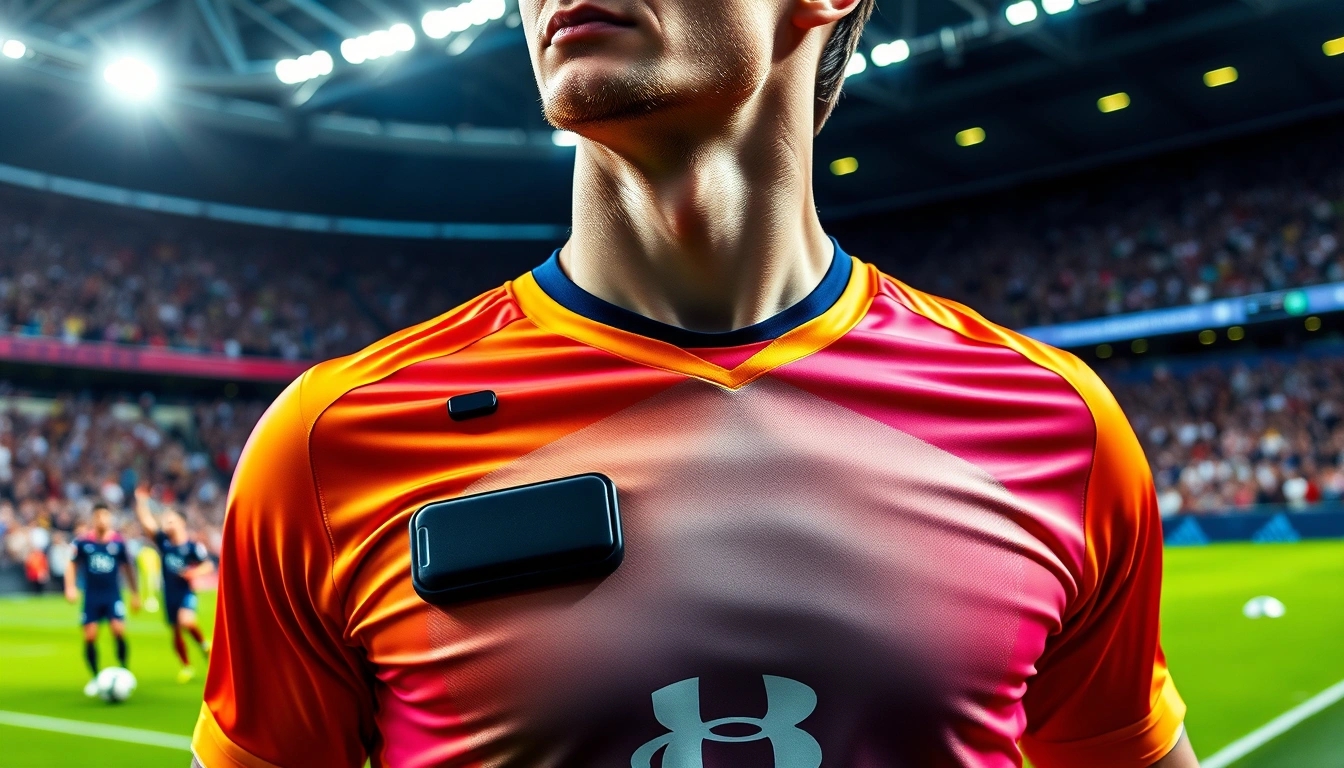
Alright, so you’ve probably noticed those sleek little vests footballers wear under their jerseys during matches, right? No, it’s not some new fashion statement or a secret superhero suit—these are GPS vests, and they’re shaking up the game in ways most fans don’t even realize. Let’s dive into why players strap on these gadgets and how they’re quietly changing football both on and off the pitch.
First off, the main reason footballers wear GPS vests is to track their performance. Coaches and analysts are obsessed with numbers—distance covered, sprint speed, heart rate, acceleration, deceleration—you name it. These vests pack tiny sensors that collect all this data in real-time. Imagine having a coach whispering in your ear, “Hey, you’ve run 10 kilometers already, slow down a bit,” but, you know, through cold, hard data. It’s like having a fitness tracker on steroids.
| Data Type | Why It Matters |
|---|---|
| Distance Covered | Shows work rate and stamina during the game |
| Top Speed | Helps assess explosive power and fitness |
| Heart Rate | Monitors physical stress and recovery needs |
| Acceleration/Deceleration | Indicates agility and potential fatigue spots |
But hey, it’s not just about bragging rights or stats on a screen. These vests play a huge role in injury prevention. Football is brutal on the body, and overexertion or unnoticed fatigue can lead to nasty injuries. The GPS tech helps medical teams spot when a player’s body is begging for a break before things get ugly. Load management has become a buzzword for a reason—too much, too fast, and boom, you’re sidelined.
- Early Warning Signs: Detects abnormal movement patterns indicating fatigue.
- Recovery Tracking: Helps tailor rest days and rehab programs.
- Workload Balancing: Ensures players don’t overdo training or matches.
Now, here’s where it gets even juicier: managers and coaches use this data live during matches. Real-time GPS info means they can make tactical adjustments on the fly. If a winger’s legs are done for the day, they can sub him out before disaster strikes. Or if a midfielder’s stats show he’s still fresh, the coach might push for a late-game surge. It’s like having a crystal ball, but with numbers.
Of course, not everyone’s thrilled. Some players grumble about being tracked like lab rats—privacy concerns and all that jazz. Who wants every sprint, every heartbeat logged and analyzed? Plus, there’s the ethical debate about how much data clubs should control. But, love it or hate it, GPS vests are here to stay.
Quick Summary Table: GPS Vest Benefits vs. Concerns
| Benefits | Concerns |
|---|---|
| Improved performance analysis | Privacy and data security |
| Injury prevention and load management | Pressure on players knowing they’re constantly monitored |
| Enhanced tactical decisions | Potential misuse of sensitive data |
In short, GPS vests have gone from clunky, awkward gadgets to essential tools in modern football. They’re not just about numbers; they’re about keeping players fit, smart, and ready to thrill fans week in, week out. So next time you see that little vest peeking out from under a jersey, remember—it’s not just tech, it’s football’s secret weapon.
The Evolution of GPS Technology in Football
Football and GPS technology might have seemed like an odd couple a couple of decades ago. Back then, the idea of strapping bulky, clunky gadgets onto players was more sci-fi than reality. Fast forward to today, and GPS vests have become as much a part of the game as shin pads and boots, yet they’re barely noticeable beneath the jersey. How did we get here? Let’s take a stroll down the pitch’s memory lane.
- Early Days: The Clunky Beginnings
In the late 1990s and early 2000s, teams experimented with GPS units that were, frankly, pretty awkward. Imagine players running around with devices that looked like they belonged in a NASA lab rather than on a football field. They were heavy, uncomfortable, and often interfered with movement. Coaches loved the data but players? Not so much. - The Shift to Wearable Tech
As technology advanced, GPS trackers shrank in size and weight. By the 2010s, the bulky units had evolved into slim, flexible vests embedded with sensors. These vests fit snugly and didn’t restrict players’ agility—finally, a win-win. Teams could gather real-time data without making players feel like cyborgs. Suddenly, it was cool to wear your stats.
| Era | GPS Tech | Player Comfort | Data Quality |
|---|---|---|---|
| Late 1990s – Early 2000s | Bulky, standalone devices | Poor; heavy and intrusive | Basic tracking, limited accuracy |
| 2010s | Wearable vests with embedded sensors | Improved; lightweight and flexible | Enhanced accuracy, multi-metric data |
| 2020s – Present | Ultra-light vests with AI integration | High comfort; barely noticeable | Real-time, comprehensive analytics |
Now, it’s not just about size. The tech inside these vests has grown exponentially smarter. Modern GPS systems don’t just track how fast a player runs or how far they cover—they monitor heart rate variability, acceleration bursts, and even fatigue levels. Coaches geek out over this data, tweaking training and tactics based on what the numbers whisper.
But here’s a little secret: players didn’t instantly embrace the vests. Some grumbled about feeling like lab rats or worried the data would be used against them in contract talks. Others simply found the tech distracting. Over time, though, as vests became lighter and the benefits clearer, resistance faded. Now? You’d be hard-pressed to find a top-flight player without one.
Quick fact: Some clubs have gone beyond GPS, integrating heart monitors and even sweat analyzers into the same vest, turning it into a wearable data hub. Fancy, right?
Tips for Coaches & Trainers:- Introduce GPS tech gradually to players to ease concerns.- Use data to personalize training loads, not just for performance bragging rights.- Keep communication open about how data is used to maintain trust.
So, the evolution of GPS in football is a classic tale of tech meeting tradition, awkwardness giving way to innovation, and skepticism transforming into acceptance. What started as a bulky inconvenience has become a sleek, essential tool that’s quietly changing how the beautiful game is played, coached, and understood. And honestly? It’s only getting started.
Stay tuned — the next-gen GPS vests might just read players’ minds (well, almost).
How GPS Vests Track Player Performance
Alright, let’s get down to the nuts and bolts of these fancy GPS vests footballers wear. You might have seen them under the jersey, snug against the skin, looking like some high-tech armor. But what’s really going on there? Well, these vests aren’t just for show—they’re like little data ninjas, collecting a treasure trove of info every second a player is on the pitch.
First off, speed is a biggie. The GPS tech inside these vests tracks how fast a player is running, sprinting, or jogging. It’s not just about who’s the fastest flash on the team; coaches use this to figure out if a player is fading or maintaining their pace. Ever wondered why some players seem to explode into a sprint at the right moment? These numbers help spot those bursts.
Then, there’s distance covered. Sounds simple, right? But it’s a crucial stat. Imagine a midfielder who’s clocking 12 kilometers in a match versus one who’s barely moving. The data helps coaches understand who’s covering the most ground and who’s maybe slacking off or conserving energy. It also highlights positional discipline—whether a player is sticking to their zone or wandering off.
| Data Type | What It Measures | Why Coaches Care |
|---|---|---|
| Speed | Player’s running pace, sprints, acceleration | To gauge fitness, fatigue, and explosive power |
| Distance | Total ground covered during match/training | Assesses work rate and positional discipline |
| Heart Rate | Beats per minute during activity | Monitors exertion levels and recovery needs |
Heart rate monitoring is another jewel in the crown. The vest measures how hard a player’s heart is working, which tells a lot about their physical exertion. If a player’s ticker is racing too much for too long, coaches might start waving red flags—maybe that guy’s pushing too hard or on the brink of burnout. Conversely, a steady heart rate during intense moments can indicate top-notch conditioning.
Now, here’s where it gets a bit geeky but fascinating: these vests often come with accelerometers and gyroscopes. These little sensors track movement patterns, jumps, tackles, and even changes in direction. So basically, it’s not just about how far or fast you run, but how you move. This data helps spot inefficiencies or risky movements that might lead to injury.
- Acceleration & Deceleration: How quickly a player speeds up or slows down.
- Player Load: A composite metric combining all movements to quantify physical strain.
- Positional Heatmaps: Visual representations of where players spend most of their time.
Why do coaches obsess over these numbers? Well, it’s like having a crystal ball. They can tailor training loads, decide when a player needs rest, or adjust tactics based on who’s still got gas in the tank. It’s also a way to argue with players who claim they “gave it their all”—because now, you’ve got the cold, hard data.
In short, GPS vests turn invisible effort into visible stats. They’re not perfect—sometimes the tech glitches, or the data feels overwhelming—but in the modern game, ignoring this info is like trying to win a race blindfolded. Coaches and analysts swear by it, and players, well, they’re learning to love being tracked if it means staying fit and competitive.
Quick Tips for Coaches and Players:
- Don’t get lost in the numbers—focus on trends over time, not every tiny data point.
- Use heart rate and player load to prevent overtraining and injuries.
- Combine GPS data with video analysis for a fuller picture of performance.
So next time you see a player sprinting with that vest on, remember: it’s not just a piece of gear, but a high-tech storyteller revealing the untold saga of every step, every heartbeat, and every drop of sweat on the pitch.
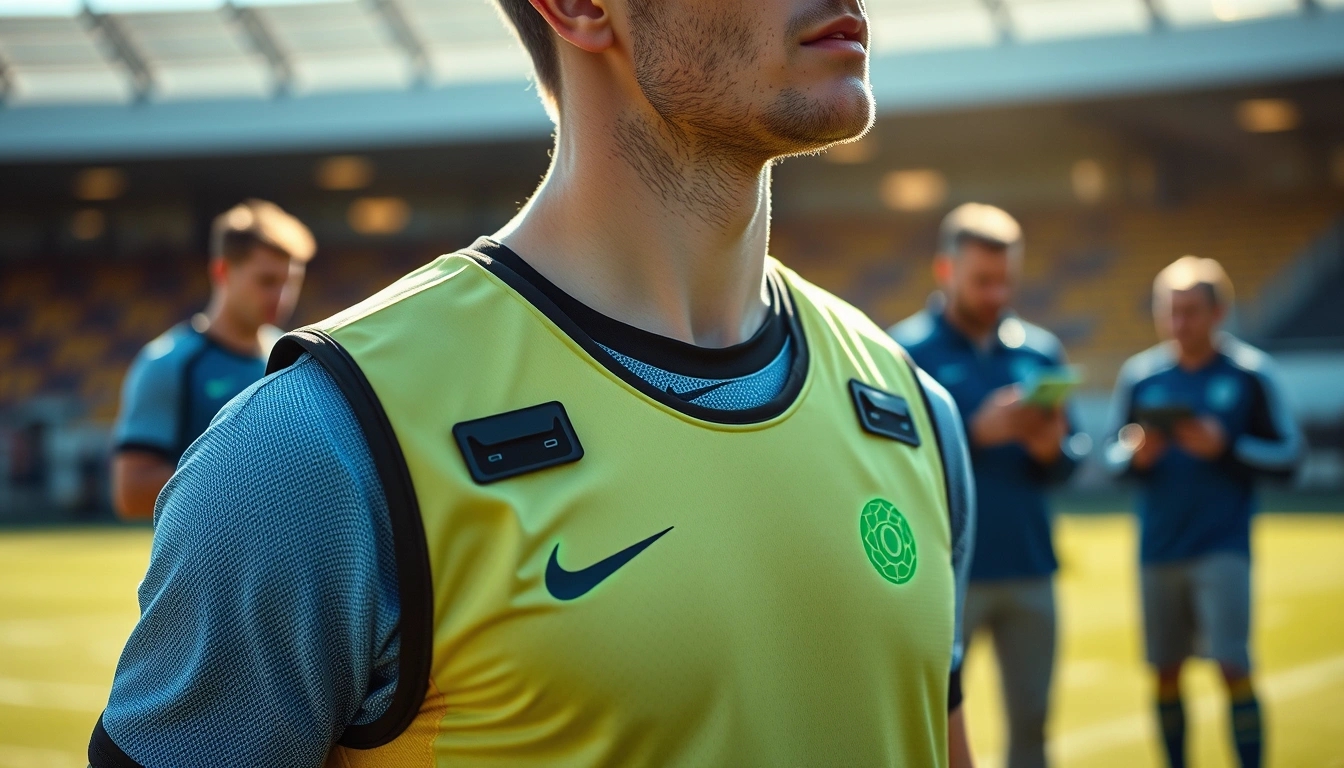
Injury Prevention and Load Management
Injury Prevention and Load Management: Why GPS Vests Are More Than Just Fancy Stat Trackers
Alright, let’s cut to the chase. You might think those sleek GPS vests footballers wear are just some high-tech bling, designed to spit out flashy stats like “top speed” or “distance covered.” But here’s the kicker — these vests are actually lifesavers in disguise. Not literally, but close enough when you consider how they help spot a player’s body waving the white flag before injuries crash the party.
Think about it: football is brutal on the body. One moment a player’s sprinting like a cheetah, the next, they’re limping off the pitch with a hamstring tweak. Coaches and medical teams have long struggled to figure out when a player’s pushing too hard, but GPS vests give them a crystal ball of sorts. These vests constantly monitor physical load, tracking everything from acceleration bursts to heart rate variability. When numbers start to dip or spike weirdly, it’s a red flag that the player’s body might be screaming “enough!”
- Fatigue detection: A sudden drop in sprint speeds or irregular heart rates can hint at fatigue before it becomes an injury.
- Overload warnings: Too much high-intensity work without proper rest? The vest’s data will show it.
- Recovery tracking: Helps medical staff decide if a player is ready to hit the pitch again or needs more downtime.
Now, here’s a little table to break down some of the key metrics these vests deliver and why they matter:
| Metric | What It Tracks | Why It’s Crucial |
|---|---|---|
| Distance Covered | Total meters run during a match/training | Shows workload intensity and endurance levels |
| High-Speed Runs | Number and duration of sprints | Indicates explosive efforts, linked to injury risk |
| Heart Rate Variability | Fluctuations in heart rate between beats | Reflects recovery status and stress levels |
| Acceleration/Deceleration | Changes in speed per second | Highlights physical demands and muscle strain |
But hey, it’s not all about crunching numbers. The real magic happens when coaches and medical teams interpret this data with a pinch of common sense and a dash of experience. Sometimes, a player might look fine on paper but feel off in reality — the GPS vest can’t catch everything, no matter how smart it is.
Still, it’s a game-changer in managing player health. By spotting those subtle signs of fatigue or overload early, teams can tweak training loads, rest schedules, or even substitute players mid-game before disaster strikes. It’s like having a backstage pass to a player’s physical wellbeing, making sure they’re not running on empty until something snaps.
In short, GPS vests have become crucial tools in the ongoing battle against injuries in football. They’re not just about bragging rights or fantasy league stats; they’re about keeping players on the pitch longer, healthier, and performing at their best. And in a sport where one injury can change the entire season’s story, that’s worth its weight in gold.
Real-Time Data and Tactical Adjustments
Imagine you’re sitting in the manager’s dugout, heart pounding, the scoreline hanging by a thread. The crowd’s roaring, players sweating buckets on the pitch, and suddenly your tablet buzzes with live GPS data that could flip the game on its head. Sounds like sci-fi? Nah, this is football in 2024, where real-time GPS tracking has become the secret weapon in a manager’s arsenal.
Managers don’t just shout instructions anymore; they’re practically data scientists mid-game, analyzing streams of info on player speed, positioning, stamina, and even heart rates. This treasure trove of data helps them tweak tactics on the fly, sometimes pulling a rabbit out of the hat to save a sinking ship or pushing the team to snatch victory from the jaws of defeat.
- Spotting fatigue before it shows: GPS data reveals when a player’s legs are turning to jelly before they start missing passes or losing duels.
- Optimizing substitutions: Instead of guessing who’s tired, managers know exactly who needs a breather and who’s ready to charge.
- Adjusting formations: Real-time heat maps and positioning data allow tweaks like shifting a winger to a central role or dropping a midfielder deeper to plug gaps.
But let’s be honest, it’s not all smooth sailing. Sometimes the data can be a bit of a headache. Ever had a player who’s clearly knackered but the numbers say otherwise? Yeah, that happens. GPS data is a tool, not a crystal ball. Managers still need to trust their gut and the eyeball test.
| Metric | What It Shows | How It Helps |
|---|---|---|
| Distance Covered | Total ground a player runs during the match | Identifies work rate and stamina levels |
| Top Speed | Maximum sprint speed reached | Assesses explosive power and readiness |
| Heart Rate | Player’s cardiovascular effort | Monitors fatigue and stress levels |
| Position Heat Map | Zones where the player spends most time | Helps in tactical positioning and role adjustments |
One of the most fascinating bits? Managers can identify when the opposition is tiring too. By comparing GPS data across both teams, they can exploit weaknesses, ramp up pressure, or slow the game down to kill momentum.
Plus, there’s a growing trend of integrating GPS insights with video analysis. Instead of rewinding hours of footage, coaches get pinpoint moments flagged by data anomalies — like a sudden drop in pace or a player wandering off position — making tactical reviews way more efficient.
Still, it’s not a magic wand. Sometimes, the human element throws a spanner in the works. A player might be running less because they’re conserving energy for a killer final sprint or because the team’s shape demands it. GPS data is a puzzle piece, not the whole picture.
- Practical tip for managers: Use GPS data as a guide, not gospel. Combine it with player feedback and intuition.
- For players: Embrace the data but don’t obsess. It’s there to help you, not stress you out.
In the end, live GPS data has turned football management into a high-stakes game of chess, where every move is informed by numbers and nuance. It’s not just about who runs the fastest or furthest anymore; it’s about who reads the game quickest — both on the pitch and on the screen.
Controversies and Privacy Concerns
Let’s be honest, GPS vests on footballers aren’t just shiny tech gadgets making the game flashier—they’re also stirring up quite a hornet’s nest when it comes to privacy and ethics. Some players and experts are raising eyebrows, wondering if all this data tracking is starting to feel a little too Big Brother-ish. Sure, tracking speed, heart rate, and distance sounds innocent enough, but once you dive deeper, the waters get murky fast.
- Data Misuse Fears: Who exactly owns this mountain of personal data? Players? Clubs? Third-party companies? The lines blur, and that’s where the trouble begins. Imagine your every sprint, fatigue level, and even stress markers being sold or leaked—yikes!
- Privacy Boundaries: It’s one thing for coaches to peek at performance stats, but what about the more sensitive stuff? Some worry that GPS vests could morph into surveillance tools, monitoring players beyond the pitch, invading personal space under the guise of “performance optimization.”
- Ethical Dilemmas: Pushing athletes to their limits is one thing, but when does tracking cross the line into exploitation? There’s a genuine debate about whether constant monitoring turns players into mere data points, stripping away their autonomy.
| Concern | Description | Potential Impact |
|---|---|---|
| Data Ownership | Unclear who controls and profits from player data | Players lose control over personal info, risk of data leaks |
| Surveillance Overreach | Tracking extending beyond performance metrics | Invasion of privacy, increased player stress |
| Consent Issues | Players pressured to wear vests without full agreement | Ethical concerns, potential legal challenges |
Now, don’t get me wrong—there are plenty of benefits to this tech. Coaches swear by it for tactical tweaks and injury prevention. But the flip side? Some players feel like they’re under a microscope 24/7, with every heartbeat and sprint logged and analyzed. It’s like living in a fishbowl, and not everyone’s thrilled about it. Plus, when clubs start sharing or selling data to sponsors or betting companies, things get even stickier.
In fact, a few players have voiced outright resistance, refusing to wear the vests or demanding clearer rules. And experts argue that sports organizations need to step up, creating transparent policies that protect players’ rights while still embracing innovation. Because let’s face it, without trust, all the fancy GPS tech in the world won’t mean squat.
- Practical Insight: Clubs should implement strict data governance policies, ensuring players know exactly who accesses their data and for what purposes.
- Player Empowerment: Giving athletes a say in data collection can ease tensions and build trust.
- Regulatory Frameworks: Sports bodies must establish clear guidelines balancing tech benefits with ethical safeguards.
So yeah, while GPS vests are changing football in mind-blowing ways, they’re also sparking a much-needed conversation about privacy and ethics. Because at the end of the day, no one wants to be tracked like a robot on the pitch—or off it.
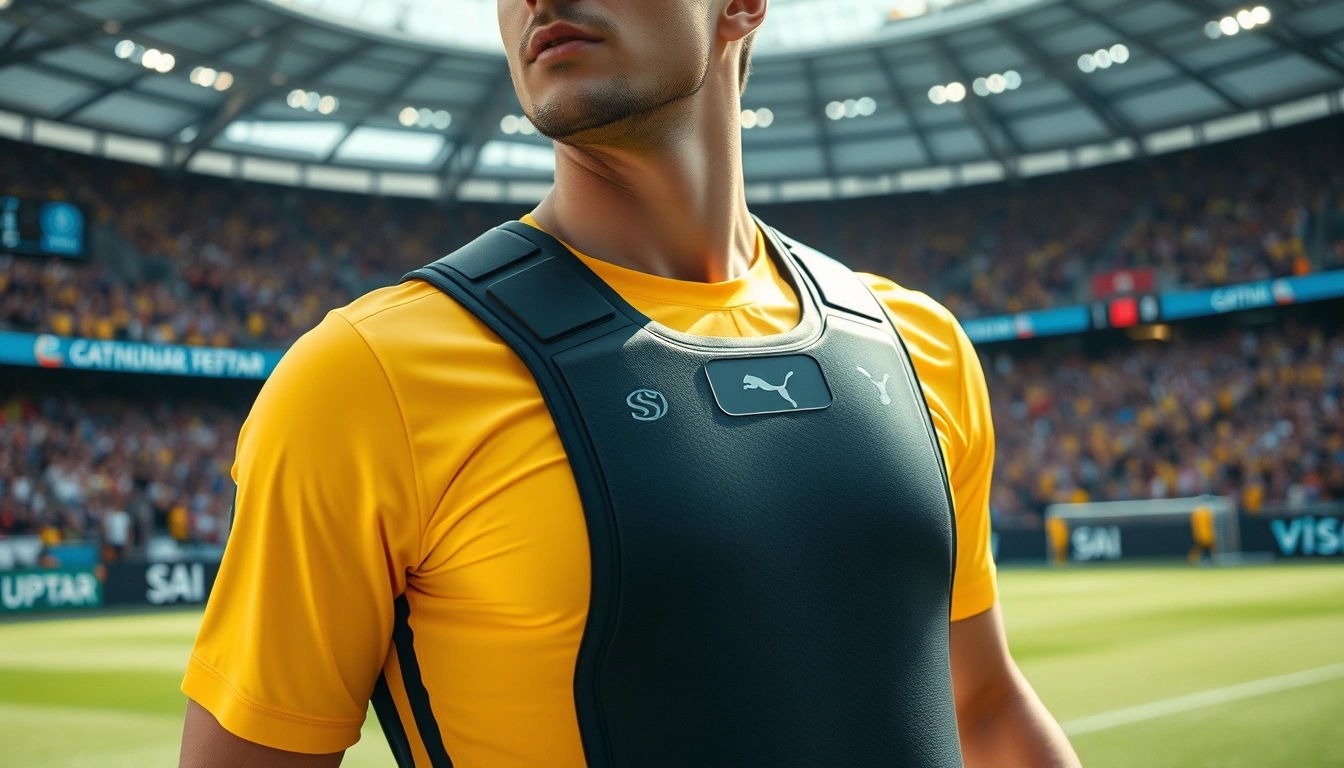
Comparing GPS Vests Across Leagues
Alright, let’s dive into the curious world of GPS vests in football—yes, those snug little gadgets players wear that track more than just their sweat. Different leagues, different vibes, different tech standards, and trust me, it’s not as uniform as you might think. From the Premier League’s cutting-edge setups to some smaller leagues still figuring out if this whole thing is worth the fuss, the landscape is pretty wild.
First off, the Premier League is basically the tech playground for GPS vests. Clubs here invest heavily in the latest gear, often using vests that weigh less than a bag of chips and pack a punch with ultra-precise sensors. The data collected is insanely detailed—think real-time speed bursts, acceleration, heart rate variability, and even how often a player’s lungs are gasping for air. Coaches and analysts have dashboards that look like spaceship control panels, constantly adjusting training loads and tactics based on this flood of info.
| League | Tech Standard | Usage Frequency | Impact on Player Performance | Fan Experience Integration |
|---|---|---|---|---|
| Premier League | High-end, real-time tracking | Every match & training | Optimized load management, injury reduction | Enhanced stats on broadcasts, apps |
| La Liga | Advanced but less uniform | Most matches | Strong tactical insights | Moderate integration in fan platforms |
| MLS | Growing tech adoption | Selective use | Focus on player fitness tracking | Limited fan data access |
| Serie A | Varied standards | Inconsistent | Some clubs advanced, others lag | Minimal fan engagement |
Meanwhile, La Liga is a bit of a mixed bag. Some clubs are all-in, flaunting tech that rivals the Premier League, while others are more old school, relying on traditional scouting and gut feeling. This inconsistency means player performance tracking is solid but not always cutting-edge. Fans might get some cool stats during matches, but it’s nowhere near as immersive as in England.
Over in MLS, the tech adoption is on the rise, but it’s still a work in progress. The league’s unique blend of American sports culture means GPS vests are more about fitness and health monitoring than tactical wizardry. Coaches want to keep players fresh over a long season, so the data mostly helps with load management. Fans? Well, they’re still waiting for those juicy real-time stats to spice up broadcasts.
- Tech Standards: Premier League leads with the most sophisticated, real-time GPS systems.
- Usage Frequency: Varies widely; some leagues use vests every game, others only in training.
- Fan Experience: Direct integration of GPS data into broadcasts and apps is still a novelty, mostly seen in the top leagues.
Now, here’s where things get a bit murky. Not every league or club has the budget or the appetite to invest heavily in GPS tech. Some see it as a flashy gimmick rather than a necessity. Plus, the data’s only as good as the people interpreting it. You can have the fanciest vest on the planet, but if your coaching staff can’t make sense of the numbers, it’s just expensive bling. And let’s be honest, some clubs are still stuck in the “old school” mindset where a good chat on the sidelines trumps any tech.
To wrap it up, GPS vest usage is a fascinating reflection of how football is evolving differently across the globe. The best leagues are turning these gadgets into performance goldmines, while others are cautiously dipping their toes in the water. For fans, this means a future where watching a match could be as much about data analytics as about the goals and tackles—if the leagues play their cards right.
The Impact on Player Psychology
You ever wonder what goes on inside a footballer’s head when they strap on one of those sleek GPS vests? It’s not just about crunching numbers or tracking distance—there’s a whole mental circus behind knowing every sprint, every shuffle, every heartbeat is being logged in real-time. Some players swear it’s a confidence booster, like having a personal cheerleader whispering, “You got this!” while others feel like Big Brother is watching their every move, turning the beautiful game into a pressure cooker.
Let’s be honest—having your performance monitored to the millisecond can feel a bit like being under a microscope. Imagine knowing your every step, every burst of speed, is being analyzed by coaches, analysts, and sometimes even fans. For some, this knowledge sparks a fierce motivation to push harder, outdo themselves, and prove they’re worth every penny on the payroll. That extra edge? Yeah, it can be a game changer. But flip the coin, and suddenly the mental load feels like carrying a sack of bricks. Anxiety creeps in, mistakes get magnified in the player’s mind, and instead of freedom on the pitch, you get a sense of being trapped in a constant performance review.
| Psychological Effect | Positive Impact | Negative Impact |
|---|---|---|
| Confidence | Boosts self-belief through measurable progress | Pressure to meet high expectations can cause doubt |
| Motivation | Encourages players to push limits | Fear of failure may lead to hesitation |
| Focus | Sharpens concentration on performance goals | Overthinking data can distract from natural play |
And here’s a kicker: not every player reacts the same way. Younger athletes might lean heavily on the data to shape their training and mindset, while seasoned pros might roll their eyes, preferring to trust their gut over gadgets. Coaches often walk a tightrope trying to balance the benefits of GPS insights with the risk of overloading players mentally. It’s a bit like handing someone a map with every possible route and expecting them not to get lost in the details.
- Tip for Coaches: Use GPS data as a guide, not a gospel. Encourage players to see the numbers as a tool, not a verdict.
- Tip for Players: Focus on personal growth, not just stats. Remember, the game’s about passion, not just performance metrics.
At the end of the day, the psychological impact of wearing GPS vests is a mixed bag. It’s a powerful ally for some, a nagging shadow for others. What’s clear is that technology doesn’t just change how players perform physically—it messes with their heads in ways we’re only starting to understand. So next time you see a footballer darting across the pitch with that vest snug on, remember: there’s a mental game happening underneath that jersey, and it’s just as fierce as the one on the scoreboard.
In summary:
- GPS vests provide real-time data that can boost confidence or increase pressure.- Players’ psychological responses vary widely based on personality and experience.- Coaches must strike a balance between data reliance and preserving player intuition.- Practical approach: treat data as a helpful tool, not a stress-inducing judge.
And hey, if the vest makes you sprint faster or dodge injury, maybe it’s worth a little mental juggling. Or maybe not. Either way, the game just got a whole lot more interesting.
Future Innovations in Wearable Tech
Alright, let’s talk about what’s coming next in the wild world of wearable tech for footballers. If you thought GPS vests were cool, wait till you hear about the next-gen gadgets that are lurking just around the corner. These new devices aren’t just about tracking where a player runs or how fast they sprint anymore — we’re diving headfirst into a world where artificial intelligence and biometric sensors team up to deliver insights that would make even the most seasoned coach’s head spin.
Imagine a vest that doesn’t just tell you “hey, this player ran 10 kilometers,” but instead whispers in your ear, “this player’s muscle oxygen levels are dropping, fatigue is setting in, and injury risk just hit the red zone.” Yeah, that’s the kind of stuff AI-powered biometrics are promising. These vests will analyze heart rate variability, sweat composition, and even brainwave patterns in real-time. Sounds like sci-fi? Maybe. But it’s closer than you think.
| Current GPS Vest Features | Future Tech Upgrades |
|---|---|
| Distance covered, speed, acceleration | Muscle oxygenation, hydration levels, brain activity |
| Heart rate monitoring | Real-time fatigue prediction using AI algorithms |
| Positional tracking | Emotional and cognitive stress indicators |
Now, before you start imagining players turning into cyborgs, let’s pump the brakes a little. There are still some serious hurdles to clear — privacy concerns, data overload, and the sheer cost of these devices. Plus, not every coach or player is ready to trust a computer telling them when to rest or push harder. But hey, the tech is evolving fast, and the potential benefits for injury prevention and performance optimization are massive.
- AI Integration: Algorithms will crunch huge data sets to spot patterns invisible to the naked eye.
- Biometric Sensors: More than just heart rate—think sweat analysis for electrolyte balance and muscle fatigue markers.
- Non-Invasive Brain Monitoring: Tracking mental fatigue and stress to help manage player focus and recovery.
One of the most exciting prospects? Wearables that communicate with each other and with coaching staff in real-time. Picture a system where a player’s vest alerts the bench that their energy reserves are tanking, prompting a substitution before a costly injury occurs. It’s like having a sixth sense on the pitch, powered by data and smarts.
Practical Insight for Coaches:- Don’t just collect data—learn to interpret it. AI can highlight trends, but human intuition still rules.- Start small: trial new tech in training before trusting it in high-stakes games.- Keep communication open with players about what data is collected and why. Transparency builds trust.
In short, the future of wearable tech in football is less about gadgets and more about smart, predictive systems that blend biology, technology, and a dash of AI wizardry. It’s a brave new world where the beautiful game gets a high-tech makeover — and honestly, it’s about time. Whether you’re a coach, player, or just a fan, buckle up because the next decade is going to be one heck of a ride.
Stay tuned, the game’s about to get a whole lot smarter.
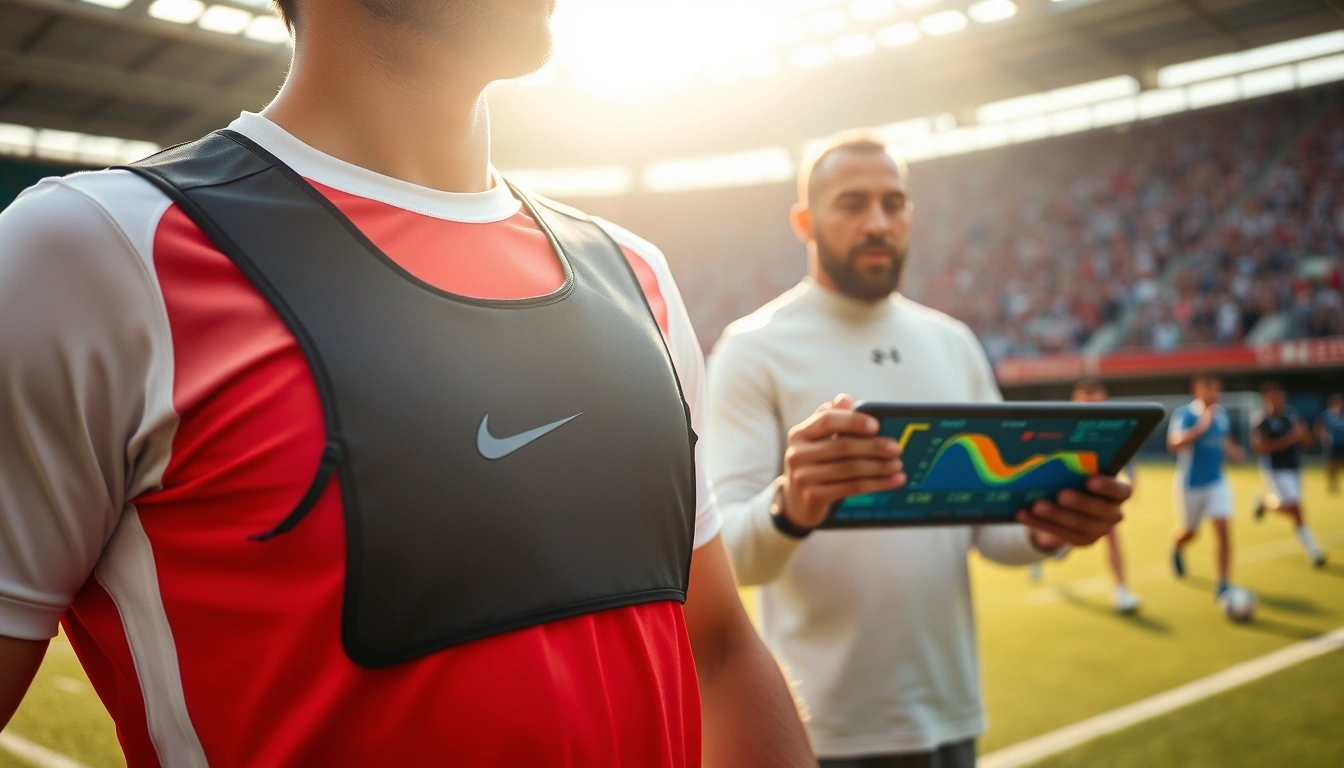
Practical Tips for Coaches and Players Using GPS Data
Alright, let’s be real here — GPS data can feel like a tangled mess of numbers and charts that make your head spin faster than a striker chasing a loose ball. But, if you’re a coach or player looking to squeeze every drop of value from this tech, here’s the no-nonsense, hands-on advice to keep you sane and effective.
First off, don’t drown in data. It’s tempting to track every single metric — speed, distance, acceleration, heart rate, recovery times, you name it. But focusing on too many stats at once? That’s a recipe for analysis paralysis. Instead, pick the key indicators that matter most for your team’s style and goals. For example, if you’re a high-pressing team, explosive sprints and recovery speed might be your bread and butter. If you’re more possession-based, total distance covered and work rate could be more useful.
| Metric | What It Tells You | Best For |
|---|---|---|
| Top Speed | How fast a player can burst | Wingers, forwards |
| Total Distance | Overall workload during match | Midfielders, box-to-box players |
| High-Intensity Runs | Number of sprints & fast breaks | Pressing teams, defenders |
| Heart Rate | Physical exertion and fatigue | All players |
Next, context is king. Numbers alone don’t tell the whole story. A player might cover less ground in one game, but if they’re making smarter runs or positioning themselves better, that’s a win. Always pair GPS data with video analysis and, crucially, player feedback. Trust me, if the tech says one thing but the player feels off, listen to the player. Tech is a tool, not a crystal ball.
- Set realistic baselines: Use GPS data from training and matches to establish what’s “normal” for each player.
- Monitor trends: Sudden drops in performance or spikes in workload can be red flags for injury risk.
- Customize recovery: Tailor rest days and rehab based on individual data, not just the team’s schedule.
And here’s a nugget that often gets overlooked — communication. Make sure everyone, from the star striker to the newest squad member, understands why this data matters and how it’s used. If players feel like Big Brother is watching every step, morale tanks faster than a missed penalty. Be transparent, respectful, and keep it about performance and health, not surveillance.
Finally, don’t forget that GPS tech isn’t foolproof. Signal glitches, device misplacements, and even weather can mess with data accuracy. So, always cross-check and never rely solely on one source. Blend GPS insights with good old-fashioned coaching instincts — that gut feeling still counts for a lot.
Summary Tips:- Focus on key metrics relevant to your team's playstyle.- Combine GPS data with video and player input.- Track changes over time, not just single games.- Use data to personalize recovery and training loads.- Keep communication open and positive.- Always question the data; don’t take it as gospel.
In the end, GPS data is like a new player on your squad — it’s got potential, but only if you know how to coach it right. Don’t get lost in the numbers jungle, keep it simple, stay curious, and you’ll get your team running smarter, not just harder.
Frequently Asked Questions
- Why do footballers wear GPS vests during matches?
Footballers wear GPS vests to track their physical performance in real-time. These vests collect vital data like speed, distance covered, and heart rate, helping coaches and medical teams monitor player fitness and prevent injuries. Think of it as a personal fitness tracker but supercharged for professional athletes on the pitch.
- How has GPS technology evolved in football?
GPS technology in football has come a long way—from bulky, uncomfortable devices to sleek, lightweight vests that players barely notice. This evolution means data collection is more accurate and less intrusive, allowing players to focus on the game while still benefiting from cutting-edge performance insights.
- What kind of data do GPS vests collect?
These vests gather a treasure trove of information including total distance run, sprint speeds, acceleration, deceleration, and even heart rate. Coaches use this data to tailor training, manage player workload, and make tactical decisions during matches.
- Can GPS vests help prevent injuries?
Absolutely! By monitoring players’ physical load and fatigue levels, GPS vests can flag when a player is at risk of overexertion. It’s like having a health radar that warns before the body waves the white flag, helping to reduce injury rates significantly.
- Do coaches use GPS data during games?
Yes, real-time GPS data allows coaches to make tactical tweaks on the fly. Whether it’s substituting a tired player or adjusting team formation, this immediate insight can be the difference between victory and defeat.
- Are there any privacy concerns with GPS vests?
Some players and experts worry about how the collected data is used and who has access to it. It raises important questions about consent, data security, and whether constant monitoring crosses ethical boundaries.
- Do all football leagues use GPS vests the same way?
Nope! Usage varies widely across leagues depending on technology standards and resources. Top leagues often have more advanced systems, which can impact player performance analysis and fan engagement differently.
- How does wearing a GPS vest affect a player’s mindset?
For some, knowing every move is tracked can boost confidence and motivation; for others, it might add pressure or anxiety. The psychological impact varies, making it a fascinating aspect of modern sports science.
- What’s next for wearable tech in football?
The future looks explosive with AI integration and biometric sensors promising to deliver even deeper insights. Imagine vests that predict injuries before symptoms appear or provide instant tactical feedback—wearable tech is just getting started!
- Any tips for coaches and players using GPS data?
Keep it simple and focus on actionable insights. Don’t drown in numbers; instead, use GPS data to optimize training loads, prevent injuries, and make smarter in-game decisions. Remember, technology is a tool—not a magic wand.