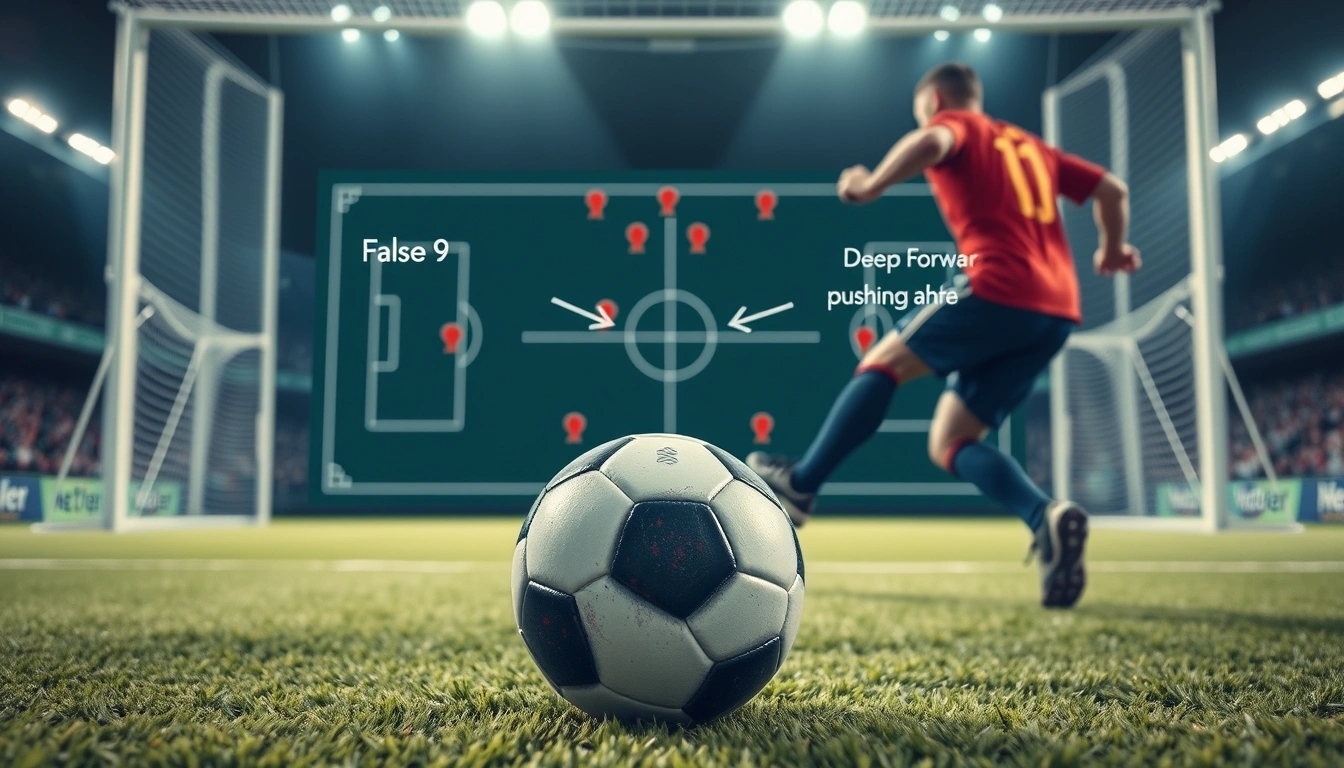
Football tactics, oh boy, they’ve come a long way from the days when a striker was just a big bloke waiting in the box to head the ball home. Nowadays, the game’s all about fluidity and deception, and that’s where the whole “striker dropping deep” thing kicks in. But wait, not all deep-dropping strikers are cut from the same cloth. Enter the false 9 and the deep forward – two roles that might sound similar but are actually quite different beasts. And trust me, understanding these nuances can totally change how you see a game.
- The False 9: This guy is a bit of a trickster. Instead of hanging out up front, he drops into midfield, pulling defenders out of position and creating space for wingers or midfield runners to exploit. Think of Lionel Messi under Pep Guardiola – he wasn’t your traditional striker, but boy, did he cause chaos.
- The Deep Forward: Slightly more traditional but still clever. This player stays closer to the box but drops just enough to link play, acting almost like a hybrid between a striker and an attacking midfielder. They’re the glue, helping to connect the dots and keep the attack ticking.
| Aspect | False 9 | Deep Forward |
|---|---|---|
| Positioning | Drops deep into midfield | Stays near the box, drops slightly |
| Main Role | Create space, confuse defenders | Link play, assist teammates |
| Movement | Fluid, unpredictable | More structured, focused on support |
So why do strikers even bother dropping deep? Well, it’s all about tactical advantage. By pulling defenders out of their comfort zones, they open gaps elsewhere on the pitch. This can lead to overloads in midfield or wide areas, giving their team more options and making it harder for the opposition to mark players effectively. It’s like a chess game, but with 22 players running around.
The impact on team shape is pretty wild, too. When a striker drops deep, midfielders might push forward, wingers cut inside, and fullbacks bomb on – suddenly, your team looks less like a rigid formation and more like a swirling mass of attacking intent. It’s unpredictable, dynamic, and honestly, a nightmare for defenders.
If you want some practical tips for coaches or players trying to nail these roles, here’s a quick rundown:
- For a false 9: Encourage constant movement and awareness of space; the player must be comfortable dropping into midfield and distributing the ball.
- For a deep forward: Focus on timing runs into the box and linking with midfielders; positioning is key to avoid being isolated.
- Teams should practice fluid positional rotations to maximize the confusion caused to defenders.
In the end, these roles aren’t just fancy labels – they’re game-changers. Whether it’s a false 9 pulling strings or a deep forward holding the attack together, strikers dropping deep bring a new dimension to football that keeps fans and analysts buzzing.
So next time you watch a striker wandering away from the goal, don’t just think “he’s lost.” Nah, he’s probably masterminding the next big play.
The Evolution of the Striker Role
The traditional number 9—a classic goal poacher, always lurking in the box, ready to pounce on crosses or rebounds—has undergone a pretty wild transformation over the decades. Back in the day, the striker’s job was straightforward: score goals, and lots of them. But football, as we all know, is never static. Tactical shifts, player versatility, and the ever-increasing complexity of the game have reshaped what it means to be a striker in modern football.
Think about it: the archetypal number 9 was a physical presence, often a towering figure who bullied defenders, held up the ball, and finished clinically. But as teams started emphasizing possession, pressing, and fluid attacking patterns, the striker’s role expanded beyond just being a finisher. Suddenly, dropping deep, linking play, or even drifting wide became part of the striker’s toolkit. It’s like the striker had to learn a whole new language.
- From Poacher to Playmaker: The striker isn’t just waiting for the perfect cross anymore. Players like Dennis Bergkamp and later Lionel Messi redefined the role by dropping into midfield, creating chances, and pulling defenders out of position.
- Versatility is Key: Modern strikers are expected to be multi-dimensional. They press aggressively, contribute defensively, and sometimes even act as the first line of attack in counterpressing strategies.
| Era | Primary Role | Key Characteristics | Notable Examples |
|---|---|---|---|
| 1950s-70s | Traditional Number 9 | Physical, goal poacher, target man | Gerd Müller, Jimmy Greaves |
| 80s-90s | Deep-lying Forward | Link-up play, dropping into midfield | Dennis Bergkamp, Roberto Baggio |
| 2000s-Present | False 9 / Versatile Forward | Fluid positioning, pressing, playmaking | Lionel Messi, Roberto Firmino |
Now, let’s be honest, not every striker can pull off these complex roles. It takes a rare blend of intelligence, technical skill, and tactical awareness. And sometimes, fans get frustrated when their number 9 isn’t banging in goals like the old days. “Where’s the striker?!” they shout. But that’s missing the point—the striker’s job has become a lot more nuanced.
Here’s a quick rundown of why this evolution matters:
- Confuses Defenses: When a striker drops deep or drifts wide, defenders have to decide whether to follow or hold their position. This hesitation creates gaps and opportunities.
- Creates Space for Teammates: By vacating the traditional striker’s spot, the forward can pull defenders out, opening lanes for wingers or attacking midfielders to exploit.
- Improves Team Fluidity: The modern striker often acts as a pivot in attack, linking midfield and forward lines seamlessly.
Practical Insight for Coaches:- Encourage strikers to develop vision and passing skills.- Train forwards to read the game and know when to drop deep.- Design drills that promote fluid movement and positional interchange.
In essence, the number 9 today is less a fixed point and more a moving target. Some purists may grumble, but hey, football’s always evolving. And if you want to stay ahead of the curve, understanding this evolution isn’t just useful—it’s essential.
What Exactly is a False 9?
Alright, so you’ve heard the term false 9 thrown around like it’s some mystical football jargon, right? But what on earth does it actually mean? Let’s break it down without the fancy buzzwords first. Traditionally, a “number 9” is your classic striker—the guy who sticks up front, waits for crosses, and bangs in goals. Simple. But the false 9? Well, he’s a bit of a trickster.
Instead of leading the line like a typical striker, the false 9 drops deep into midfield. Sounds counterintuitive, doesn’t it? Why would your main goal threat voluntarily leave the front line? That’s exactly the genius of it. When this player retreats, defenders get all confused. Do they follow him into midfield, leaving gaps behind? Or do they hold their position, giving him space to operate? This hesitation can open up whole new attacking avenues for the team.
- Origins: The concept isn’t brand new. It actually dates back to the 1920s with the famous “Metodo” system but gained massive popularity in the modern era thanks to coaches like Pep Guardiola and players such as Lionel Messi.
- How it Works: By vacating the traditional striker spot, the false 9 drags center-backs out of position, creating pockets of space for wingers or attacking midfielders to exploit.
| Traditional Number 9 | False 9 |
|---|---|
| Stays high up the pitch | Drops into midfield |
| Focuses on finishing chances | Creates play and link-up |
| Occupies defenders directly | Pulls defenders out of position |
Now, here’s where it gets tricky for defenders. Imagine you’re a center-back and suddenly your main striker isn’t where he’s supposed to be. You either follow him into unfamiliar territory—risking leaving your defensive line exposed—or you stay back and let him roam freely between the lines. Neither choice is ideal, and that confusion is what the false 9 role exploits.
But don’t get it twisted; playing as a false 9 isn’t just about being sneaky. It demands a player with exceptional technical skills, vision, and stamina. They need to be comfortable dropping into midfield, linking up play, and then bursting forward when the chance arises. It’s a role that blends the creativity of a midfielder with the instinct of a striker.
Practical Insight: Coaches looking to deploy a false 9 need to ensure their wingers or attacking midfielders are ready to exploit the space created. Without teammates making intelligent runs, the whole system falls flat.
So, in a nutshell, the false 9 is football’s version of a curveball—a striker who doesn’t behave like one but instead rewrites the rules of engagement on the pitch. It’s a role that keeps defenders guessing and fans on the edge of their seats.
Summary:- False 9 drops deep to confuse defenders- Originated from early tactical experiments, popularized recently- Creates space for teammates by pulling defenders out- Requires skillful, intelligent players- Needs coordinated team movement to succeed
And there you have it! The false 9 isn’t just a position; it’s a tactical mind game that’s reshaping how we think about strikers in modern football. Who knew dropping back could be so forward-thinking?

Defining the Deep Forward
Alright, let’s dive into this intriguing role in football that often flies under the radar but plays a massive part in modern attacking schemes — the deep forward. Unlike your classic striker who’s glued to the opponent’s penalty box, the deep forward operates in a more nuanced space. This player stays relatively close to the box but isn’t afraid to drop just a tad deeper into midfield zones. The idea? To link play between the midfield and attack, acting almost like a bridge that helps the team flow smoothly from defense to offense.
Now, you might wonder, “Why not just have a midfielder do that?” Well, the deep forward brings a unique blend of goal threat and creative spark. They’re not just sitting back waiting to receive the ball; they’re actively pulling defenders out of position, creating space for teammates to exploit. Think of it like this: by stepping away from the tightest defensive lines, the deep forward drags central defenders out of their comfort zones, often creating gaps for wingers or attacking midfielders to dart into.
| Aspect | Deep Forward Role |
|---|---|
| Positioning | Close to the box but drops slightly deeper |
| Main Task | Link play and create space |
| Movement | Fluid, often drifting wide or into pockets of space |
| Goal Threat | High, but balanced with creative duties |
Here’s a little secret: the deep forward’s movement is all about unpredictability. They don’t just wait for the ball; they actively seek it out, sometimes dropping so deep they almost look like an attacking midfielder. But don’t be fooled — their primary focus remains on finishing chances when they come. This dual responsibility makes them a nightmare for defenders who must decide whether to follow them away from the box or hold their line and risk giving space inside.
- Creates overloads: By dropping deeper, the deep forward helps outnumber opponents in midfield, making it easier to keep possession and build attacks.
- Space creator: Their movement drags defenders, opening lanes for runners from midfield or wide areas.
- Link-up play: Acts as a pivot connecting midfield creativity with attacking intent.
But, and here’s the kicker, the deep forward role demands a player with a very specific skill set — vision, technical ability, and a knack for timing runs. Not every striker can pull this off. It’s a bit like juggling while riding a bike; you need balance, control, and the occasional dash of audacity.
In a nutshell, the deep forward is a tactical chameleon. While they stay close enough to the box to be a constant goal threat, their willingness to drop deeper and link play transforms the attacking dynamic. This role is a game-changer, especially in teams that prioritize fluidity and positional interchange.
So next time you see a striker wandering off the last defender’s shoulder into midfield, don’t just shrug it off. Chances are, you’re witnessing the subtle genius of the deep forward at work — quietly orchestrating chaos and opening doors for their teammates.
False 9 vs Deep Forward: Key Differences
When diving into the world of modern football tactics, the terms False 9 and Deep Forward often get tossed around like interchangeable jargon. But let’s be honest, they’re not the same beast, even if at a glance they look like close cousins. The subtle distinctions between these roles can be crucial for how a team functions and how defenders get utterly frustrated trying to mark them. So, buckle up, because this isn’t your average “they just drop deep” explanation.
First off, positioning is where the two start to part ways. The False 9 is a striker who deliberately vacates the traditional number 9 spot — that is, right up front leading the line — and drifts into midfield zones. This movement isn’t random; it’s a tactical masterstroke to pull center-backs out of their comfort zones and create pockets of space for wingers or attacking midfielders to exploit. Think of it like a chess piece that doesn’t just attack but also controls the board.
On the flip side, the Deep Forward tends to stay closer to the penalty area but drops just enough to link up play between midfield and attack. Unlike the False 9, who almost plays like a midfielder at times, the Deep Forward remains a threat in and around the box, ready to pounce on chances or lay off killer passes. They’re the bridge, the connector, and the finisher rolled into one.
- Positioning: False 9 drops deep into midfield; Deep Forward stays nearer the box but drops slightly.
- Primary Role: False 9 disrupts defensive lines and creates space; Deep Forward links play and finishes chances.
- Movement: False 9 is more fluid, often roaming wide or deep; Deep Forward’s movement is more vertical and direct.
Now, responsibilities on the pitch also diverge quite a bit. The False 9’s job is to confuse defenders — making them question whether to follow him out of position or hold their line. This hesitation can be maddening for defenders, and that split-second doubt can be the difference between a clean sheet and conceding a goal. Meanwhile, the Deep Forward is more of a traditional striker with a twist: they’re not just waiting for the ball but actively participating in buildup play, almost like a second midfielder with a goal-scoring instinct.
| Aspect | False 9 | Deep Forward |
|---|---|---|
| Position on Pitch | Midfield zones, dropping deep | Just outside/inside penalty area |
| Role in Attack | Space creator, playmaker | Link-up play, goal scorer |
| Effect on Defenders | Pulls defenders out, creates confusion | Draws defenders in, opens channels |
| Movement Style | Fluid, roaming | Vertical, direct |
Here’s a little kicker — sometimes, teams blur these roles, mixing elements of both depending on the player’s skillset and the tactical demands. A player like Lionel Messi in his prime was a textbook False 9, but he also had the finishing prowess of a Deep Forward. So, the lines aren’t always razor-sharp.
In practice, coaches need to understand these nuances because deploying a False 9 without creative midfielders or wingers who can exploit the space might leave the attack toothless. On the other hand, a Deep Forward without midfield support might get isolated and starve for service.
Practical Insight:
- Use a False 9 if you want to dominate midfield and confuse man-marking defenders.
- Opt for a Deep Forward when you need a striker to both link play and finish clinically.
- Train your midfielders and wingers to recognize and exploit the spaces created by either role.
So, next time someone casually drops “False 9” or “Deep Forward” into the conversation, you can nod knowingly and maybe even drop a few tactical bombs of your own. Because while both roles involve dropping deep, their why and how are what make them game-changers in football’s ever-evolving landscape.
Why Do Strikers Drop Deep?
Alright, let’s dive into this whole dropping deep business that’s been buzzing around football tactics lately. You see, when a striker decides to pull back from their usual poacher’s spot, it’s not just a random whim or a sign they’re lost on the pitch. Nope, there’s a method to this madness. The main idea? Messing with defenders’ heads, creating numerical advantages, and making the whole attack flow smoother than a well-oiled machine.
First off, drawing defenders out is a classic move. When a striker drops into midfield, defenders face a dilemma: do they follow and leave their defensive line exposed or hold their position and risk giving the striker space to operate? This hesitation can be gold for the attacking team. Imagine a defender chasing a ghost—leaving gaps behind that wingers or midfield runners can exploit. That’s the kind of chaos coaches dream about.
| Benefit | Explanation |
|---|---|
| Drawing Defenders Out | Pulls defenders away from their line, creating space behind them. |
| Creating Overloads | Allows the team to outnumber opponents in midfield, facilitating quick passing combinations. |
| Facilitating Fluid Attacking Play | Enables seamless link-up between midfield and attack, improving ball circulation. |
Speaking of overloads, this is where the magic really happens. When the striker drops deep, they effectively become an extra midfielder, allowing the team to outnumber the opposition in certain zones. This overload can break down stubborn defenses that are packed tight. Suddenly, you’ve got more players in tight spaces, which means quicker passes, sharper movements, and more chances to punch through the defensive block. It’s like adding an ace up your sleeve every time you need to unlock a door.
- Overload Zones: Midfield pockets where the striker joins forces with central midfielders.
- Quick Combinations: One-twos and wall passes become easier with the extra man.
- Disrupting Marking Schemes: Confuses defenders who have to decide who tracks the dropping striker.
Now, let’s not forget the fluid attacking play part. Football nowadays isn’t about rigid positions; it’s more like a dance where everyone moves in sync. A striker dropping deep helps link the midfield and attack, acting almost like a playmaker at times. This fluidity means the ball moves faster, players interchange positions, and the defense struggles to keep up. It’s a headache for defenders because the striker isn’t just waiting for a cross; they’re involved in building the attack.
Typical sequence when a striker drops deep:1. Striker drops into midfield.2. Midfielders push forward, creating space.3. Wingers cut inside exploiting the vacated wide areas.4. Quick passing exchanges to destabilize defense.5. Final ball or shot unleashed from a better position.
Of course, this strategy isn’t foolproof. It requires a striker with great vision, passing skills, and tactical intelligence—not just a goal poacher. Plus, the rest of the team must be ready to exploit the spaces created. When it works, it’s poetry in motion; when it doesn’t, well, it can look like a mess with players stepping on each other’s toes.
In short, strikers dropping deep is a clever chess move on the pitch. It’s about creating problems for the opposition and unlocking defenses in ways that traditional number 9s just can’t. It’s risky, it’s bold, and when pulled off right, it can change the entire complexion of a game.
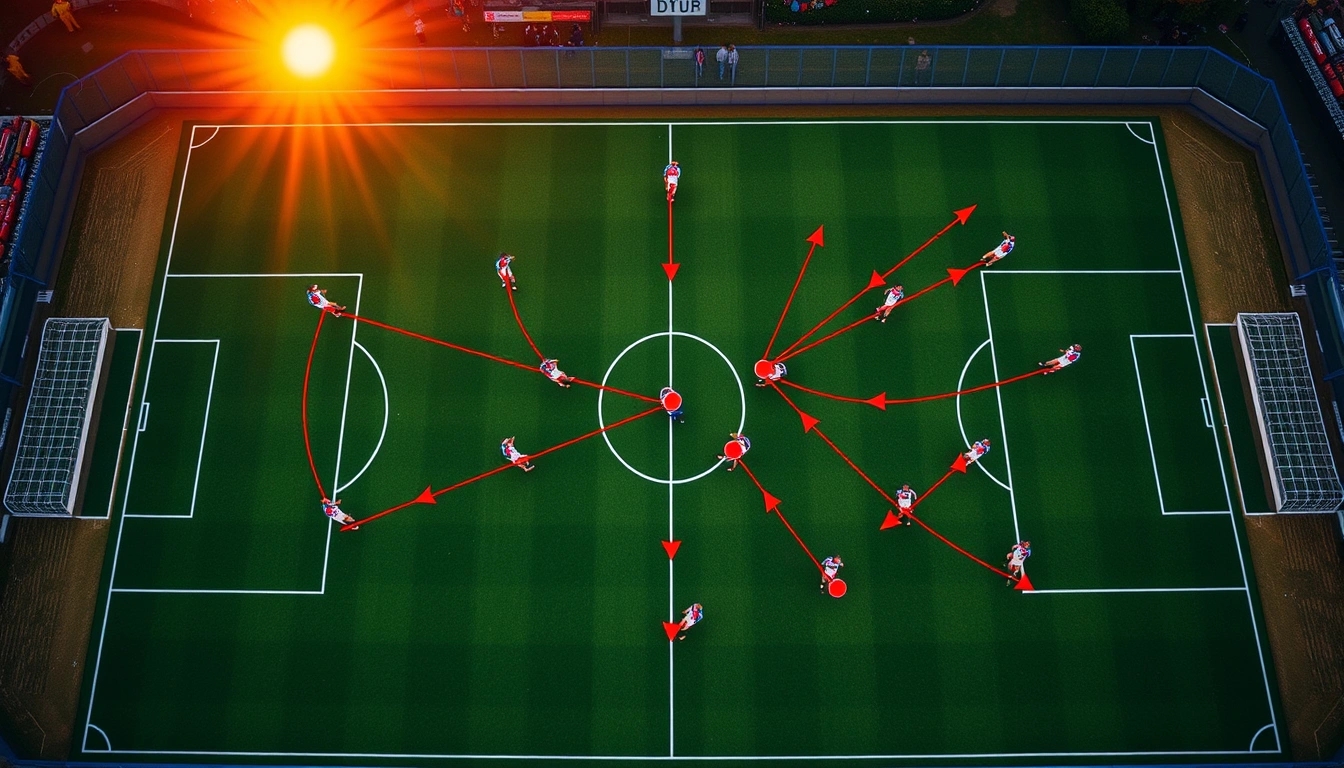
Impact on Team Shape and Dynamics
When a striker decides to drop deep, it’s not just a fancy footwork move or a quirky personal preference — it shakes the entire team’s formation like a snow globe. Suddenly, midfielders, wingers, and fullbacks have to rethink their positioning, timing, and even their roles on the pitch. It’s like a ripple effect that can either create beautiful tactical harmony or cause utter chaos if misunderstood.
First off, the midfielders get an unexpected visitor in their zone. When the striker drops into midfield, it often pulls a defensive midfielder or central midfielder out of their comfort zone. This can open up pockets of space for other midfielders to exploit or force the opposition to shuffle their defensive setup. But here’s the catch: midfielders must be alert and agile enough to adjust quickly, or else the whole midfield block can collapse like a house of cards.
| Position | Effect of Striker Dropping Deep | Potential Tactical Benefit |
|---|---|---|
| Midfielders | Face congestion but gain passing options | Create overloads, quicken ball circulation |
| Wingers | Often move wider or cut inside | Stretch defense, exploit space behind fullbacks |
| Fullbacks | Push higher up or stay cautious | Provide width, deliver crosses, support midfield |
Wingers, meanwhile, have their own dilemma. With the striker vacating the traditional forward line, wingers might need to either hug the touchline more tightly or drift inside to fill the void. This duality depends heavily on the team’s tactical instructions and the opponent’s defensive shape. Sometimes, wingers become the surprise attackers, exploiting the space the striker has left behind. Other times, they become auxiliary midfielders, helping to link play and maintain possession.
And let’s not forget the fullbacks — those tireless warriors who often get overlooked. When the striker drops deep, fullbacks might have to push higher up the pitch to provide width and crossing options. But pushing too far can leave gaps behind, inviting counterattacks. It’s a delicate balancing act between supporting the attack and maintaining defensive solidity.
- Overloads in midfield: Dropping deep can create numerical advantages, confusing defenders.
- Space creation: Pulling defenders out of position opens lanes for wingers and midfield runners.
- Fluidity: The team’s shape becomes less rigid, encouraging improvisation and quicker transitions.
Of course, this interplay isn’t foolproof. If the team isn’t well-drilled or the players lack understanding, dropping deep can lead to a disjointed attack, with players bunching up and losing width. The midfield can become overcrowded, and the striker might find themselves isolated without service. It’s a high-risk, high-reward tactic that demands intelligence, communication, and a bit of flair.
In a nutshell, when a striker drops deep, it’s like shaking up a well-set chessboard. The pawns (midfielders) have to scramble, the knights (wingers) adjust their angles, and the rooks (fullbacks) decide whether to advance or hold position. It’s a dynamic dance that, when executed well, can dismantle even the most stubborn defenses. But if the timing or understanding is off? Well, it’s just a mess waiting to happen.
Famous False 9s and Deep Forwards in History
When you talk about strikers who dropped deep and rewrote the rules of engagement on the pitch, a few names inevitably pop up, and boy, did they shake things up! The roles of the false 9 and deep forward aren’t just tactical jargon; they’re game-changers that have made defenders scratch their heads and fans jump out of their seats. Let’s dive into some legendary figures who mastered these roles and forever altered the striker blueprint.
- Francesco Totti – The Eternal Captain of AS Roma was one of the earliest modern maestros of the false 9 role. Not your typical goal poacher, Totti would drop into midfield, pulling defenders out of position, threading passes, and scoring with cheeky finesse. His vision and technique blurred the lines between midfielder and striker, making him a nightmare for any defense.
- Lionel Messi – The poster boy for the false 9 in the 21st century. Under Pep Guardiola at Barcelona, Messi redefined the role by combining dribbling wizardry with an uncanny ability to find pockets of space. He wasn’t just a goal scorer; he was a playmaker, a decoy, and sometimes even a midfield general.
- Wayne Rooney – Rooney’s versatility allowed him to morph into a deep forward at times, dropping just behind the main striker to link play and create chances. His physicality and football IQ meant he could do the dirty work and still pop up with crucial goals.
| Player | Role | Era | Key Trait |
|---|---|---|---|
| Francesco Totti | False 9 | 2000s | Vision & creativity |
| Lionel Messi | False 9 | 2010s | Dribbling & spatial awareness |
| Wayne Rooney | Deep Forward | 2010s | Physicality & link-up play |
| Roberto Firmino | False 9 | 2010s-2020s | Pressing & teamwork |
| Sergio Agüero | Deep Forward | 2010s | Goal-scoring instincts |
Now, don’t get me wrong, these roles aren’t just about dropping back and chilling in midfield. The false 9, for example, is a tactical mind game, a way to confuse defenders who expect a striker to lurk on the last line of defense. Instead, this guy disappears into midfield, pulling defenders along and creating space for others to exploit. It’s like a magic trick, except it happens every weekend on some of the biggest stages in football.
On the flip side, the deep forward usually sticks closer to the penalty box but isn’t afraid to drop a little deeper to receive the ball and set up teammates. Think of it as the Swiss Army knife of striker roles: flexible, clever, and often underestimated. Players like Sergio Agüero were masters of this, always lurking just behind the last defender, ready to pounce or assist.
- Practical Insight for Coaches: If you want to try these roles, remember it’s not just about the striker’s skill but how the whole team adjusts. Midfielders must be ready to push forward, wingers need to cut inside, and defenders should be comfortable with a higher line. It’s a dance, not a solo act.
- For Players: Embrace unpredictability. The false 9 role demands excellent ball control, vision, and the guts to roam away from the penalty area. Deep forwards should sharpen their timing and link-up play – it’s all about being in the right place at the right time.
In short, these iconic players didn’t just play striker; they reinvented it. Their creativity, intelligence, and sheer audacity have made the false 9 and deep forward roles essential parts of modern football’s tactical arsenal. So next time you see a striker dropping deep, you’ll know it’s not a mistake — it’s a calculated move that could change the game in a heartbeat.
Common Misconceptions and Criticisms
Alright, let’s get real about this whole dropping deep business. It’s one of those football tactics that can either make you look like a tactical genius or just plain confusing, depending on who you ask. Some fans and even coaches scratch their heads, wondering, “Why on earth is our striker wandering into midfield? Isn’t he supposed to be banging in goals up front?” Well, that skepticism isn’t totally unfounded, but it’s a bit shortsighted too.
First off, many people assume that when a striker drops deep, they’re just giving up on scoring or worse, hiding from defenders. Nope, that’s not the case. The false 9 or the deep forward isn’t playing hooky; they’re masterminding space and disrupting defensive lines. But here’s the kicker: this subtlety is often lost on those who prefer their forwards to be classic goal poachers, lurking in the box like sharks. If you’re the type who thinks a striker’s job is to just “score goals and nothing else,” then dropping deep might seem like a waste of time.
- Misconception 1: Dropping deep means the striker is out of position.
- Misconception 2: It reduces the striker’s goal-scoring threat.
- Misconception 3: It confuses teammates and disrupts team shape.
Let’s debunk those myths one by one. Dropping deep is actually a strategic repositioning, not a positional error. It’s designed to pull defenders out of their comfort zones, creating pockets of space for wingers or midfield runners to exploit. Think of it like a chess move — sometimes you sacrifice a piece temporarily to win the game later.
| Criticism | Reality |
|---|---|
| Striker loses goal-scoring opportunities | Dropping deep opens up new channels for shots and assists, often increasing overall attacking threat. |
| Confuses the team’s attacking rhythm | When executed well, it enhances fluidity and unpredictability, making the attack harder to defend. |
| Only works with world-class players | While elite skill helps, understanding and training can make this tactic effective at various levels. |
Now, here’s a little secret: not every coach or fan will ever be convinced. Some are just old-school, sticking to the “big man in the box” mentality. And honestly, that’s fine. Football is as much about personal taste as it is about tactics. But it’s worth noting that many of the most successful teams in recent history have used dropping deep to great effect — Barcelona with Messi, Liverpool with Firmino, and even some clever Italian sides.
So, if you’re a coach or a player reading this, don’t let the naysayers get to you. Instead, focus on training the team to understand the why and how behind dropping deep. When everyone’s on the same page, this tactic can transform a predictable attack into a dynamic, multi-dimensional threat.
- Practical tip: Work on communication between striker and midfielders to ensure smooth transitions.
- Practical tip: Use video analysis to show players how dropping deep creates space and opportunities.
- Practical tip: Encourage creativity — dropping deep is as much about improvisation as it is about structure.
In the end, dropping deep isn’t some magic bullet or a guaranteed game-changer on its own. It’s a nuanced tool in the tactical toolbox, and like any tool, it’s all about how you use it. So, next time you see your striker drifting away from the goal, don’t panic — maybe, just maybe, they’re setting you up for something special.

Practical Insights for Coaches and Players
Implementing the roles of the false 9 and deep forward isn’t just about telling your striker to “drop a bit” and hoping for the best. It’s a delicate dance, a chess match where every move counts, especially when you’re juggling different team setups and facing a variety of opponents. So, let’s get into some gritty, real-world advice that coaches and players can actually use on the pitch.
- Know Your Squad’s Strengths and Weaknesses
Before you even think about deploying a false 9 or deep forward, assess your players. Got a striker who’s technically gifted, great on the ball, and smart enough to create chances? Perfect candidate for a false 9. But if your forward is more of a traditional poacher who thrives in the box, a deep forward role might suit better — dropping just enough to link play but still threatening the goal. - Adjust Based on Opponent’s Defensive Setup
Facing a team that presses high and aggressively? The false 9’s dropping deep can help pull defenders out, creating pockets of space behind. But beware, if the opponent sits deep and defends with a tight block, the deep forward’s ability to exploit half-spaces and combine with midfielders becomes invaluable.
| Team Setup | Best Role | Key Tactical Focus |
|---|---|---|
| 4-3-3 with high pressing | False 9 | Drop deep to create overloads in midfield |
| 4-2-3-1 vs low block defense | Deep Forward | Link play and exploit half-spaces |
| Counter-attacking team | Deep Forward | Stay closer to goal, ready for quick transitions |
| Possession-based team | False 9 | Fluid movement to confuse defenders |
Now, here’s where the fun begins: communication and flexibility. You can’t just stick a player in a role and expect magic. The false 9, for instance, needs constant support from midfielders who can push forward or drop back, depending on how the striker moves. Likewise, the deep forward relies heavily on wingers and attacking midfielders to fill the spaces they vacate.
- Train Role-Specific Movement Patterns
Spend time drilling the striker’s movements, but also how teammates adjust. For example, when the false 9 drops, one of the wingers or an attacking midfielder should be ready to exploit the vacated space. It’s a team effort, not a solo act. - Practice Against Different Defensive Styles
Run scenarios where the opposition presses aggressively, sits back, or tries to man-mark tightly. This helps players understand when to hold position, when to drop deeper, or when to surge forward. The more they experience it in practice, the less likely they’ll panic during the game.
Tips Summary:- Match roles to player skill sets- Analyze opponent defensive tactics before the match- Encourage fluid team movement and communication- Drill specific movement patterns in training- Simulate multiple defensive scenarios
At the end of the day, the false 9 and deep forward roles are tactical tools—not magic wands. They demand patience, understanding, and a bit of trial and error. Don’t be surprised if it takes a few games for your team to click. But once they do? You’ve got a dynamic attacking weapon that can dismantle even the most stubborn defenses.
So, coaches and players, embrace the chaos, experiment boldly, and remember: football’s a game of inches and improvisation. Sometimes, dropping deep isn’t just about space—it’s about creating moments of brilliance that leave opponents scratching their heads.
Frequently Asked Questions
- What is the main difference between a False 9 and a Deep Forward?
Great question! Think of the False 9 as a crafty magician who drops into midfield to confuse defenders and pull them out of position, creating chaos and space. Meanwhile, the Deep Forward is more like a clever connector, staying closer to the box but dropping just enough to link up play and open lanes for teammates. Both roles shake up traditional striker duties but with different tactical flavors.
- Why do strikers drop deep instead of staying up front?
Imagine a striker as a chess piece. Dropping deep is like moving your queen off the backline to control the board better. By retreating, strikers drag defenders out, create overloads in midfield, and help their team dominate possession. It’s all about unlocking defenses and making the attack more unpredictable and fluid.
- Does dropping deep mean the striker scores fewer goals?
Not necessarily! While dropping deep might reduce the striker’s time in the penalty area, it often leads to better team chances and more assists. Plus, the space created can result in more scoring opportunities for both the striker and teammates. It’s a trade-off that can explode your team’s attacking potential if done right.
- Are False 9 and Deep Forward roles suitable for every team?
Not always. These roles require players with excellent vision, technical skills, and tactical intelligence. Teams that rely heavily on traditional target men might struggle. But if your squad thrives on fluidity and quick interplay, experimenting with these roles can be a game-changer.
- Which famous players have excelled as False 9s or Deep Forwards?
Icons like Lionel Messi popularized the False 9 role with jaw-dropping creativity and movement. On the other hand, players like Roberto Firmino have mastered the Deep Forward role, blending goal threat with playmaking. These legends show how dropping deep can redefine striker impact.
- Is dropping deep a new tactic in football?
Far from it! While the terminology might sound fresh, the concept has evolved over decades. Strikers have been dropping deep since the early days of football, but modern tactics and player versatility have refined and popularized these roles recently.
- How does dropping deep affect team shape and dynamics?
When a striker drops deep, it’s like a ripple in a pond—midfielders push up, wingers cut inside, and fullbacks overlap, creating a dynamic, fluid formation. This movement confuses opponents and opens up multiple attacking avenues, making the team less predictable and more explosive.
- What are common misconceptions about the False 9 and Deep Forward roles?
Some fans think dropping deep means the striker is lazy or not scoring enough. Others worry it leaves the front line exposed. In reality, these roles demand high work rate and intelligence, often leading to more balanced and effective attacks when executed well.
- Can coaches implement these roles easily?
Implementation takes time and practice. Coaches need to tailor tactics to their players’ strengths and opponents’ weaknesses. Communication and understanding are key—when players get it right, the team’s attacking play can reach explosive new heights.