The 3-5-2 formation — oh boy, it’s one of those tactical beasts that can either make a coach look like a genius or a madman. You see, this setup isn’t just about lining up three defenders and hoping for the best. It’s a delicate dance of balance, risk, and a bit of football wizardry. Coaches who swear by 3-5-2 often do so because it offers flexibility, but it’s far from a “set it and forget it” deal. Let’s break down why this formation gets the thumbs up and where it might just trip over its own feet.
First off, the three-at-the-back defense can be a solid fortress, especially if you’ve got quick, intelligent center-backs who can cover wide spaces. But here’s the catch — if those wingbacks don’t track back properly, you’re basically asking for trouble on the flanks. It’s a formation that demands wingbacks to be part-time marathon runners, sprinting up and down the pitch like their lives depend on it. Miss a step, and boom — the opposition’s wingers are licking their lips.
- Wingbacks: These guys are the unsung heroes. They’re the engine of the 3-5-2, balancing defense and attack. Without them, the whole system collapses.
- Midfield: With five in the middle, you can dominate possession, but sometimes it feels like a traffic jam. Too many cooks spoil the broth, right?
- Strikers: Two forwards upfront can be a nightmare for defenders, provided they gel well. If not, it’s like watching a bad dance duo stepping on each other’s toes.
| Strengths | Weaknesses |
|---|---|
| Midfield dominance and control | Vulnerable to quick counter-attacks down the wings |
| Flexible wingback roles creating width | Requires extremely fit and disciplined wingbacks |
| Two strikers offer diverse attacking options | Can get overcrowded in midfield, causing confusion |
| Compact central defense | Exposed flanks if wingbacks caught high up |
Now, when does this formation actually shine? It’s a gem against teams that like to play narrow or rely heavily on central midfielders. The 3-5-2 can suffocate those teams by clogging the middle and then exploiting space on the wings. But, throw it against a side with lightning-fast wingers and you might be asking for a headache. It’s not a silver bullet, more like a double-edged sword.
Coaches who pick 3-5-2 often have to tweak it mid-game — maybe pull a wingback back to a fullback role or push a midfielder forward. It’s like juggling, honestly. And if the players aren’t bought in or lack the stamina, the whole thing falls apart faster than you can say “offside trap.”
Practical tips for coaches:
- Choose wingbacks who can both defend and attack with equal zeal.
- Ensure your midfielders understand spacing — too close, and you lose effectiveness.
- Pair strikers who complement each other’s style — one target man, one quick runner, for example.
- Be ready to switch formations quickly if the opponent exploits the flanks.
In the end, 3-5-2 is a bit like a high-wire act without a safety net. It can dazzle when done right but leave your team exposed if even one cog slips. That’s the tactical allure and the pitfall all rolled into one neat package. Coaches who dare to use it are either brave or just plain crazy — or maybe both. But hey, football’s a game of risks, and the 3-5-2 is one heck of a gamble.
The Origins and Evolution of 3-5-2
The 3-5-2 formation — a name that rings a bell for many football purists — didn’t just pop out of nowhere. It’s got roots digging deep into football’s tactical history, evolving through decades like a chameleon adapting to its environment. Back in the day, when formations were rigid and predictable, the 3-5-2 was considered somewhat radical. Coaches were obsessed with the classic 4-4-2 or 4-3-3 setups, so deploying three at the back and five in midfield felt like a tactical gamble. But hey, football’s always been about innovation and shaking things up, right?
In the 1960s and 70s, some South American and European teams toyed with variations of this shape — though it wasn’t called 3-5-2 back then. The idea was to gain midfield dominance without sacrificing defensive cover. The three defenders had to be rock-solid, while wingbacks morphed into the new workhorses, tasked with bombing up and down the flanks. This was a big shift from the traditional fullbacks who mostly stayed back. Suddenly, the wings became crucial battlegrounds.
- Early adopters: Clubs in Italy, like Internazionale under Helenio Herrera, experimented with similar setups, blending defensive rigidity with quick counterattacks.
- South American flair: Argentina and Brazil occasionally flirted with three defenders, focusing on midfield creativity and wingback dynamism.
Fast-forward to the 1990s and 2000s, and the 3-5-2 had become a favorite of some of the most tactical minds in the game. Coaches like Giovanni Trapattoni and Marcelo Bielsa took the formation and twisted it to their liking — sometimes emphasizing defensive solidity, other times letting the wingbacks run riot. It was during this period that the 3-5-2 truly became a tactical weapon, not just a quirky experiment.
| Era | Characteristic | Notable Coaches/Teams |
|---|---|---|
| 1960s-70s | Initial experimentation, focus on midfield control | Helenio Herrera (Inter Milan) |
| 1980s-90s | Wingbacks become crucial; more fluid midfield | Marcelo Bielsa, some South American teams |
| 2000s-Present | Hybrid roles; adapting to pressing and counter-pressing | Antonio Conte (Juventus, Chelsea), Diego Simeone (Atlético Madrid) |
But hold on — it’s not all sunshine and roses. The 3-5-2 evolved because football itself evolved. The rise of pressing, the importance of quick transitions, and the demand for versatile players meant the formation had to be flexible. Modern coaches tweak it constantly. Sometimes the wingbacks tuck in, turning it almost into a 5-3-2 when defending. Other times, midfielders drop back or push forward, depending on the match flow.
In fact, you’d be hard-pressed to find two teams playing the exact same 3-5-2. It’s more of a framework than a strict blueprint. And that’s its beauty — it can be defensive fortress or attacking powerhouse, depending on who’s running the show.
Quick practical insight: If you’re a coach thinking about 3-5-2, remember it’s a formation that demands intelligent wingbacks, disciplined center-backs comfortable in one-on-one duels, and midfielders who can transition quickly between attack and defense. Without those, you’re just asking for headaches.
So, the 3-5-2’s journey is a story of adaptation, risk-taking, and tactical evolution. From its humble experimental beginnings to its modern-day status as a flexible, dynamic system, it’s proof that in football, sometimes the old-school ideas just need a fresh coat of paint.
Defensive Solidity or Risky Gambit?
When you hear about the 3-5-2 formation, the first thing that often comes to mind is a solid, rock-like defense. After all, three center-backs should mean more coverage at the back, right? Well, yes and no. The truth is, the three-at-the-back setup is a double-edged sword — it can either make a team incredibly tough to break down or leave some gaping holes if not executed properly.
Let’s break it down. The beauty of having three central defenders is that it allows flexibility in marking and covering spaces. If the players know their roles well, one can step up to challenge the ball, another can cover the space behind, and the third can sweep across to clear danger. This triad can create a fortress in front of the goalkeeper, especially when paired with disciplined wingbacks who tuck in to support the defense when needed.
- Player Roles Matter: Not all defenders are cut from the same cloth. Some are aggressive ball-winners who love to step out and tackle, while others prefer staying back and reading the game. If the three center-backs don’t gel well in their roles, the entire defensive structure can collapse like a house of cards.
- Opponent Strategies: The formation’s success hugely depends on who you’re up against. Teams that play with quick, wide wingers can exploit the spaces left by wingbacks pushing forward, stretching the three defenders thin.
| Defensive Strengths | Potential Weaknesses |
|---|---|
|
|
Now, here’s where things get tricky: wingbacks. These guys are the unsung heroes or sometimes the Achilles’ heel. When they bomb forward to join the attack, the three center-backs must adjust quickly to cover wider areas. If they don’t, the team risks leaving huge gaps on the flanks, which speedy opponents love to exploit.
Also, the midfield’s role can’t be ignored. A compact midfield can shield the defense, but if the midfielders push too far forward or fail to track back, the three defenders can find themselves isolated. Suddenly, that “solid” backline looks more like Swiss cheese.
In short, the 3-5-2 is a gamble. When the players are on the same wavelength, it’s like watching a well-oiled machine — tight, disciplined, and tough to break. But if even one cog slips, the whole system can unravel spectacularly. Coaches who choose this formation must be ready to tweak tactics on the fly and trust their players to understand their roles inside out.
Quick Tips for Coaches:
- Pick center-backs with complementary skills — one aggressive, one calm, one versatile.
- Train wingbacks relentlessly on when to push and when to hold back.
- Ensure midfielders understand their defensive duties to avoid leaving defenders exposed.
- Watch opponent tendencies closely — adjust formation fluidly if the flanks get overrun.
So, is 3-5-2 a fortress or a house of cards? Well, it depends on the players, the coach’s tactical nous, and a bit of luck. But one thing’s for sure — it never makes for boring football.
Wingbacks: The Unsung Heroes
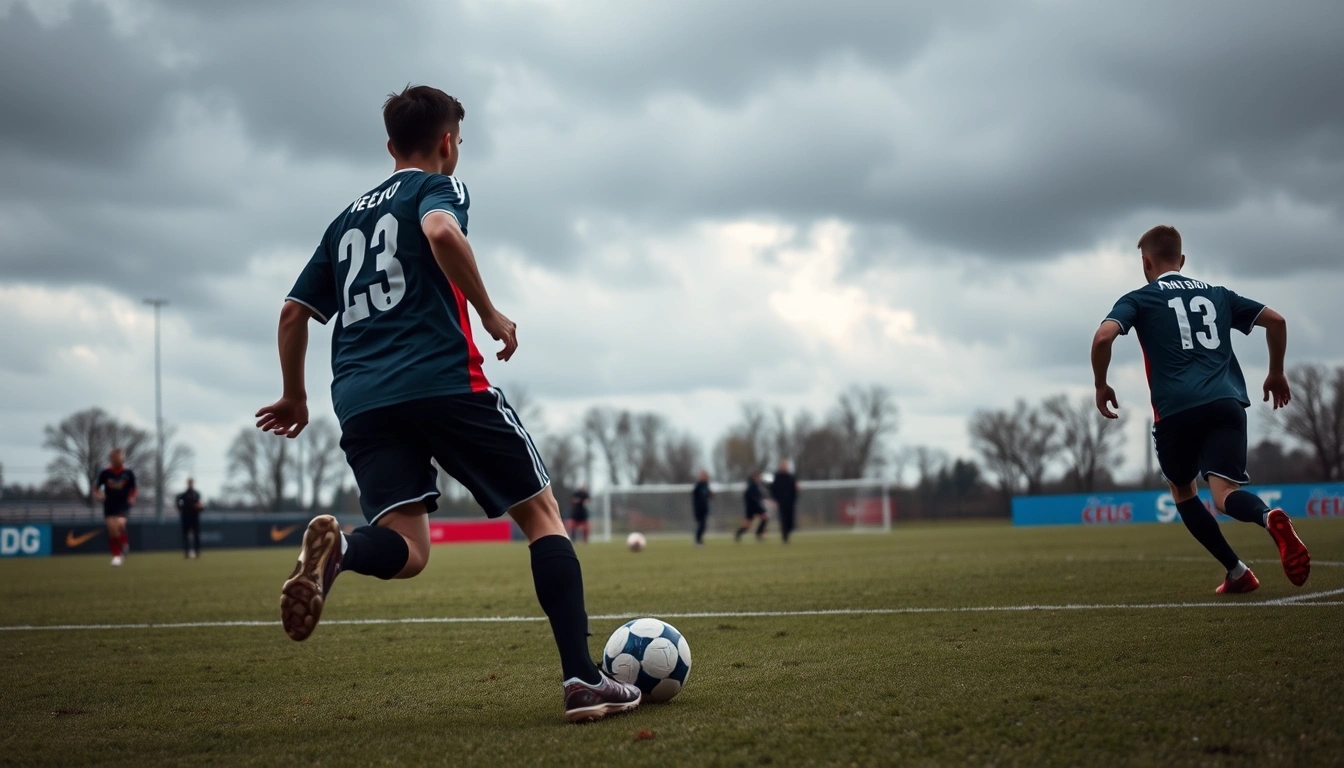
In the complex chessboard of the 3-5-2 formation, wingbacks are the real workhorses, often flying under the radar but absolutely vital to the system’s success. These players aren’t your garden-variety fullbacks or wingers; they’re hybrids, tasked with running up and down the flanks like their legs are on fire. Their role demands a blend of relentless energy, tactical discipline, and a dash of creativity — all rolled into one. Without them, the 3-5-2 quickly loses its balance and effectiveness.
What makes wingbacks so special? Well, they’re the bridge between defense and attack. When the team’s in possession, wingbacks push high, stretching the opponent’s defense, whipping in crosses, and supporting midfielders with clever overlaps. But the moment the ball’s lost, they have to sprint back, plugging gaps in the backline and helping out the three central defenders. It’s a brutal job, no doubt. Imagine running a marathon, then being told to sprint the last 100 meters — repeatedly. That’s the wingback’s life.
- Offensively: Wingbacks provide width, crucial for breaking down tight defenses.
- Defensively: They track back to form a five-man defense when necessary, adding solidity.
- Transition play: Wingbacks are key in quick counterattacks, linking defense to attack seamlessly.
| Wingback Role | Key Responsibilities | Challenges |
|---|---|---|
| Attack | Deliver crosses, create overloads, support midfield | Maintaining stamina, timing runs to avoid offsides |
| Defense | Track back, mark opposition wingers, cover spaces | Positioning, communication with center-backs |
| Transition | Quickly switch roles, initiate counters | Decision-making under pressure |
Now, here’s the catch — not every player can pull off the wingback role. It demands exceptional fitness, a sharp tactical mind, and the ability to read the game both offensively and defensively. You can’t just throw a regular fullback or winger into this role and expect magic. Coaches often spend ages finding that perfect mix of speed, endurance, and football IQ.
And let’s be honest, wingbacks don’t always get the glory. Strikers bag the goals, midfielders get the assists, but wingbacks? They often get the grunt work, the “thankless” tasks. Yet, when the formation clicks, those wingbacks are the engine driving the team forward and back, making the 3-5-2 formation tick like a well-oiled machine.
In short, wingbacks are the unsung heroes, the tactical Swiss army knives of modern football formations. Without their tireless runs and smart positioning, the 3-5-2 would be a lopsided mess, vulnerable on the wings and lacking attacking thrust. So next time you watch a team line up in 3-5-2, keep an eye on those wingbacks — they’re the ones doing the legwork nobody else wants.
Midfield Control and Creativity
When you look at the 3-5-2 formation, one of its most talked-about features is the five-man midfield. Now, this beast of a midfield can be a blessing or a curse, depending on how it’s managed on the pitch. On paper, having five players packed in the middle sounds like a dream for possession dominance, right? Well, sometimes it is, and sometimes… it’s a complete muddle.
First off, let’s talk about the possession dominance side of things. With five midfielders, a team can easily outnumber the opponent’s central players, making it easier to keep the ball and dictate the pace of the game. This setup allows for quick, short passes, recycling possession, and wearing down the opposing midfielders. Think of it as a chess game — controlling the center means controlling the board. The midfielders can rotate positions, create passing triangles, and open up spaces for the wingbacks to exploit. It’s a tactical playground for coaches who love possession football.
- Advantages of five midfielders:
- Superior ball retention
- Multiple passing options
- Ability to press aggressively
- Flexibility in attack and defense
But here’s the kicker — sometimes packing the center with five players can backfire spectacularly. Instead of creating space, it can overcrowd the midfield, leading to confusion and a lack of clear passing lanes. Imagine five players all trying to do the same thing in a tight area — it’s like a traffic jam during rush hour. Players might trip over each other metaphorically, and the ball can get stuck with no clear outlet. This congestion can slow down attacks, reduce creativity, and make the team predictable.
| Midfield Scenario | Outcome | Key Factors |
|---|---|---|
| Effective spacing and rotation | Dominant possession and fluid attack | Player awareness, communication, movement |
| Overcrowding and poor positioning | Confusion and stalled attacks | Lack of coordination, hesitation, cramped space |
Another point worth mentioning is creativity. The five-man midfield isn’t just about sitting deep and recycling possession — it’s also about creating chances. Midfielders can combine to thread killer passes, make late runs into the box, or pull defenders out of position to free up strikers. The key is balance: some midfielders need to be the engine room, others the creative spark. If everyone tries to do the same thing, the team ends up with a lot of players but no real ideas.
- Practical tips for coaches:
- Assign clear roles to midfielders (defensive, box-to-box, creative)
- Encourage constant communication to avoid overcrowding
- Train midfielders to recognize when to spread out or press tightly
In the end, the five-man midfield is like a double-edged sword. When it works, it’s a masterpiece of control and creativity. When it doesn’t, it’s a confusing mess that leaves the team vulnerable and predictable. So, coaches and players, keep your heads up and your spacing smart — because this midfield magic can make or break your 3-5-2 dreams.
Strikers’ Partnership: Dynamic Duo or Clash of Styles?
When it comes to the 3-5-2 formation, the spotlight often falls on the two forwards up front. They’re the ones expected to finish chances, create space, and basically torment defenders all game long. But here’s the kicker: their chemistry can either spark fireworks or fizzle out like damp fireworks on a soggy night. It’s not just about having two good players; it’s about how well they click on the pitch. Sometimes, it’s pure magic. Other times, it’s like watching two people trying to dance to different tunes — awkward and frustrating.
- Complementary Styles: Ideally, the strikers have contrasting but complementary skills. One might be a classic target man, strong in the air and holding up the ball, while the other is a nimble poacher, darting in behind defenses. This yin and yang can cause all sorts of headaches for defenders.
- Communication is Key: Without constant chatter and understanding, even the best forwards can end up stepping on each other’s toes. Timing runs, knowing when to drop deep or push forward — these are subtle but crucial elements.
Now, it’s not always sunshine and rainbows. Sometimes, coaches throw two big egos or similar playing styles together, hoping sparks fly. Spoiler alert: they don’t. Instead, you get confusion, duplicated runs, and missed chances. Defenders love that — it’s like free candy handed over on a silver platter.
| Factor | Positive Impact | Negative Impact |
|---|---|---|
| Playing Style Compatibility | Creates balance and unpredictability | Leads to overlap and redundancy |
| Communication & Understanding | Enhances timing and positioning | Causes misreads and poor coordination |
| Physical & Tactical Roles | Allows role specialization | May cause isolation or over-dependence |
One practical insight for coaches is to invest time in training drills that simulate real-game scenarios of interplay — quick one-twos, blind passes, and synchronized pressing. It’s not just about scoring goals but about creating space and opportunities for the whole team. Also, rotating roles occasionally can keep defenders guessing and prevent the strikers from falling into predictable patterns.
- Watch the body language: If forwards seem frustrated or disconnected, it’s a red flag.
- Analyze heat maps: Overlapping zones might signal a clash rather than cooperation.
- Encourage off-the-ball movement: Sometimes, the best assists come from runs that draw defenders away.
In short, the two-striker system in a 3-5-2 isn’t just about stacking firepower. It’s a delicate dance of personalities, skills, and tactical awareness. When it clicks, you get a duo that can slice through defenses like a hot knife through butter. When it doesn’t? Well, you’re left wondering why your forwards seem to be playing two different games.
So, next time you watch a 3-5-2 lineup, keep an eye on that striker partnership. It might just be the difference between a thrilling win or a frustrating stalemate.
When Does 3-5-2 Work Best?
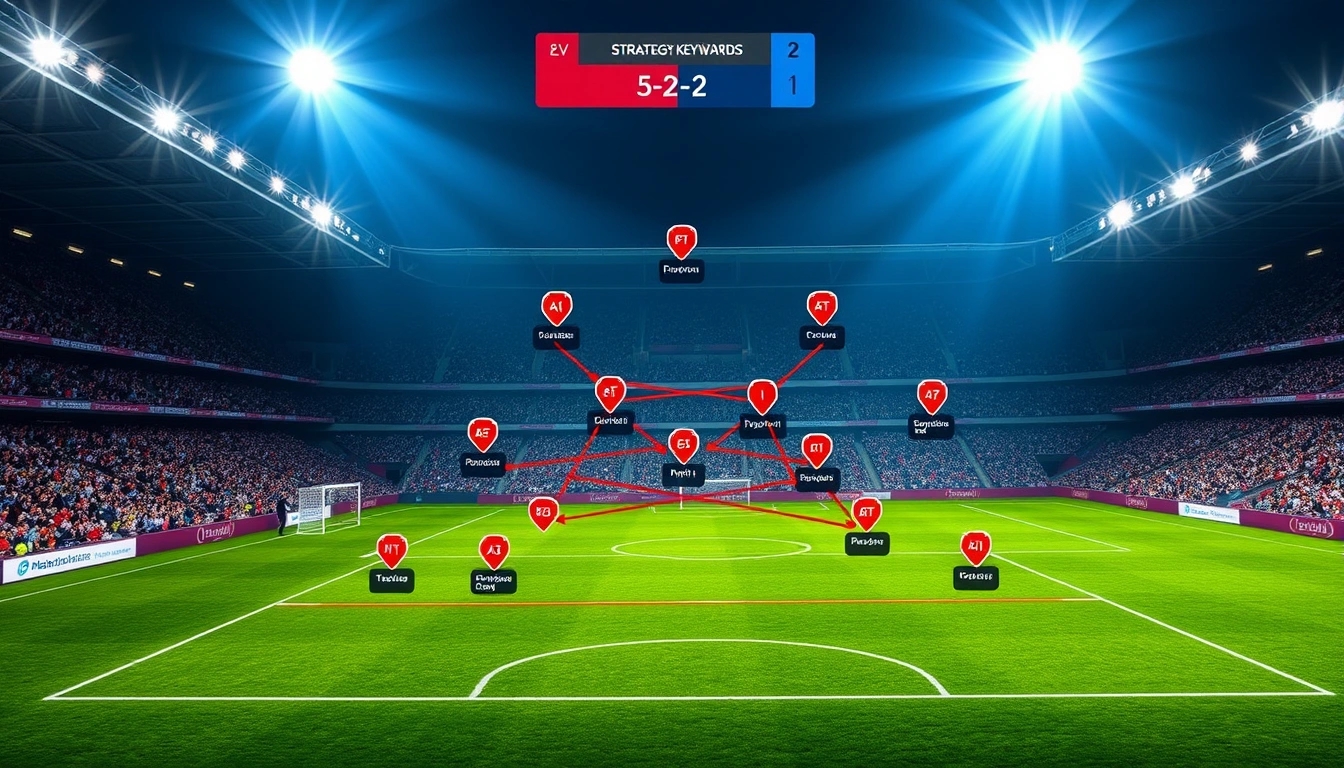
Alright, let’s cut to the chase. The 3-5-2 formation is like that wild card in football tactics — sometimes it’s a stroke of genius, other times it’s a recipe for chaos. Coaches love it when the stars align, but it can backfire spectacularly if misused. So, when exactly does rolling out a 3-5-2 feel like a masterstroke, and when is it just tempting fate? Let’s break it down.
Scenarios Where 3-5-2 Shines Bright
- Against Teams With Narrow Midfields: When your opponent packs the middle with midfielders, the 3-5-2’s wingbacks become your secret weapons. They stretch the pitch wide, pulling defenders out of position and creating space for your midfield maestros to operate.
- When You Have Energetic Wingbacks: If your wingbacks are tireless runners who can bomb forward and track back without missing a beat, this formation turns into a nightmare for opponents. It’s like having two extra wingers and two extra defenders simultaneously.
- Facing Opponents Who Lack Width: Teams that play with narrow fullbacks or no natural wide players give you room to exploit the flanks. The 3-5-2’s five midfielders can dominate possession and overload wide areas, forcing the opposition to scramble.
- When You Need Midfield Control: The five-man midfield can suffocate opponents, forcing mistakes and creating chances through quick, intricate passing. It’s perfect for teams that want to dictate tempo and keep the ball.
| Situation | Why 3-5-2 Works |
|---|---|
| Opponents play with two strikers and narrow midfield | Wingbacks can exploit wide spaces, midfield dominates central areas |
| Your squad has dynamic wingbacks and versatile midfielders | Allows fluid transitions between defense and attack |
| Need to control possession and tempo | Five midfielders create overloads, suffocating opponents |
When 3-5-2 Might Be Asking for Trouble
- Against Teams With Speedy Wingers: If the opposition has lightning-fast wide players, your wingbacks can get exposed. The three-at-the-back defense might struggle to cover the gaps, leading to dangerous one-on-one situations.
- When Your Wingbacks Lack Stamina: This formation demands relentless energy from wingbacks. If they tire easily or lack defensive discipline, you’re basically inviting your opponents to exploit the flanks all day long.
- Facing Teams That Press High and Aggressively: The 3-5-2 can sometimes be vulnerable to intense high pressing, especially if your midfielders aren’t comfortable under pressure. Losing the ball in midfield can quickly turn into a nightmare.
- When Strikers Don’t Click: The two forwards need good chemistry and complementary styles. If they’re stepping on each other’s toes, your attack becomes disjointed and predictable.
Common Pitfalls of 3-5-2:- Wingbacks caught out of position leading to overloads- Midfield overcrowding causing confusion rather than control- Lack of width if wingbacks don’t push forward- Defensive gaps between center-backs exploited by quick attackers
So, is 3-5-2 a tactical gem or a risky gamble? Well, it boils down to your players and the opponent’s style. If your squad boasts hardworking wingbacks, midfield maestros, and strikers who gel, it’s a formation that can dominate games. But throw it against speedy wingers or relentless pressers without the right personnel, and you might just be handing your opponents an open invitation to score.
In the end, 3-5-2 is a bit like a Swiss Army knife — incredibly versatile but only if you know when and how to use each tool. Coaches who master this balance often walk away with the glory; those who don’t? Well, they learn the hard way.
Common Weaknesses and How Teams Try to Fix Them
The 3-5-2 formation, while praised for its balance and flexibility, isn’t exactly bulletproof. Coaches who swear by it know full well that beneath its polished surface lie some glaring vulnerabilities that can be ruthlessly exploited if left unchecked. Let’s get into the nitty-gritty of those typical weaknesses and the clever tactical tweaks teams use to plug those holes.
- Wide Areas – The Achilles’ Heel: With just three central defenders, the flanks can become a minefield. Opponents often target the spaces behind wingbacks, especially when they bomb forward aggressively. If wingbacks are caught too high up, the three defenders can get stretched out wide, creating 1v1 or even 2v1 situations that are tough to handle.
- Transition Vulnerability: When possession is lost, the 3-5-2 can be slow to reorganize defensively. The midfield five might be caught out of position, and the wingbacks, having pushed up, leave gaping holes. This makes the team susceptible to quick counterattacks, especially from speedy wingers or forwards.
- Midfield Congestion and Confusion: Sometimes, having five midfielders means players get in each other’s way instead of controlling the game. Overcrowding can lead to miscommunication, leaving gaps for opponents to exploit or causing a loss of offensive momentum.
| Weakness | Typical Cause | Tactical Fix |
|---|---|---|
| Wide Defensive Gaps | Wingbacks pushing too far forward | Instruct wingbacks to balance attack and defense; use one wingback more conservatively |
| Slow Defensive Transitions | Midfielders caught high up | Assign a midfield anchor to drop back quickly; train quick pressing |
| Midfield Overcrowding | Poor spacing and unclear roles | Define clear roles and zones; encourage diagonal runs to stretch opposition |
Now, coaches don’t just sit on their hands when these issues pop up. Some smart tweaks include deploying a more defensive-minded wingback on one side to provide cover, while the other can be more adventurous. This asymmetry can confuse opponents and provide balance. Another popular fix is having one of the midfielders act as a “sweeper” dropping just in front of the back three to shield them during transitions.
- Flexible Midfield Roles: Instead of a rigid midfield block, coaches encourage fluidity—midfielders interchange positions, dragging opponents out of shape and creating pockets of space.
- Pressing Triggers: Teams using 3-5-2 often set pressing triggers to force turnovers high up the pitch, reducing the risk of dangerous counters.
In the end, the 3-5-2 is a bit like a double-edged sword. It can dominate the midfield and create overloads, but if the wingbacks are caught out or the team isn’t disciplined in transition, it can be exposed brutally. Coaches who master the subtle art of tweaking roles, adjusting pressing intensity, and managing player fitness usually get the best out of this formation.
Practical Tips for Coaches to Fix 3-5-2 Weaknesses:- Train wingbacks to read the game better; know when to surge forward and when to tuck in.- Drill quick transition defense repeatedly; it’s all about reaction speed.- Use video analysis to spot midfield congestion patterns and adjust player positioning accordingly.- Rotate players in midfield roles to find the best chemistry and spatial balance.
So yeah, 3-5-2 isn’t a magic wand. It’s a tactical puzzle with pieces that need constant adjusting. But when the puzzle clicks? Oh boy, it can be downright beautiful to watch.
Famous Teams and Coaches Who Swear by 3-5-2
The 3-5-2 formation has always been a bit of a tactical wild card in football. Some managers treat it like a secret weapon, others like a risky experiment. But no matter what, it’s left a mark wherever it’s been deployed. Let’s take a quick stroll through some of the most iconic sides and managers who have made 3-5-2 their go-to, sometimes with dazzling success, other times with head-scratching results.
First up, Antonio Conte — the man who probably brought 3-5-2 back into the limelight in recent years. At Juventus, Conte’s implementation of the system was nothing short of revolutionary. His teams were rock-solid defensively and brutally efficient on the counter. The wingbacks, often overlooked in other formations, became the heartbeat of his side, running up and down the flanks with relentless energy. Juventus won multiple Serie A titles under his guidance, proving that 3-5-2 could be a winning formula in modern football.
| Manager | Team(s) | Result | Signature Style |
|---|---|---|---|
| Antonio Conte | Juventus, Chelsea, Inter Milan | Multiple league titles, Champions League final | High-intensity wingbacks, solid defense |
| Marcello Lippi | Juventus, Italy National Team | World Cup winner, Serie A titles | Balanced midfield, tactical flexibility |
| Carlo Ancelotti | AC Milan, Chelsea | Champions League winner | Fluid attack, adaptable midfield |
| Diego Simeone | Atletico Madrid | La Liga titles, Champions League finalist | Defensive grit, counter-attacking |
But Conte isn’t the only one. Marcello Lippi, the mastermind behind Italy’s 2006 World Cup triumph, also dabbled with 3-5-2 at Juventus and the national team. His approach was a little less aggressive on the wings but incredibly effective in controlling the midfield. Lippi’s teams were known for their tactical discipline and ability to switch gears mid-game, making 3-5-2 look like a Swiss Army knife of formations.
Then there’s Carlo Ancelotti, who is more of a tactical chameleon but occasionally turns to 3-5-2 when the situation demands it. His Milan side in the mid-2000s used it to great effect, blending a fluid attack with a sturdy midfield core. Though not his signature, it’s a formation he’s trusted when the squad’s strengths align with the demands of 3-5-2.
- Diego Simeone is another big name who’s flirted with 3-5-2. Atletico Madrid’s defensive resilience and lethal counter-attack often owe something to this setup, especially in tight matches where midfield control and defensive solidity are paramount.
- Other notable mentions include managers like Giovanni Trapattoni and Fabio Capello, who have experimented with the system at various points, sometimes to great acclaim, other times with mixed reviews.
Of course, not every story is a fairy tale. Some managers have tried to force 3-5-2 on squads ill-suited for it, resulting in chaos rather than cohesion. The formation demands specialized wingbacks, disciplined midfielders, and strikers who complement each other perfectly — not always easy to find.
Key takeaways for 3-5-2 success:- Wingbacks must have stamina and tactical awareness- Midfielders need to balance creativity and defensive duties- Strikers should have complementary skill sets- Defensive line must communicate well to cover wide spaces
In summary, 3-5-2 is like that eccentric friend who can be brilliant or baffling depending on the company. When the right manager with the right players adopts it, magic can happen. When mismatched, it’s a headache waiting to unfold. But one thing’s for sure — it’s never boring.

Practical Tips for Coaches Considering 3-5-2
So, you’re thinking about rolling out the 3-5-2 formation, huh? Well, buckle up, because it’s not just slapping three defenders and five midfielders on the pitch and calling it a day. This setup demands a bit of chess-level thinking and some serious player awareness. Here’s a no-nonsense guide to help you get started and avoid the rookie mistakes.
First things first: Player selection is everything. You want defenders who aren’t just good at marking but also comfortable stepping out wide and covering ground. The wingbacks? They’re your workhorses. If you’ve got a guy who tires after 60 minutes, forget it. These players need stamina, pace, and the brains to know when to bomb forward and when to tuck back. Midfielders in the middle? Versatility is key. You want creators who can defend and destroy, box-to-box types who won’t just stand around waiting for the ball.
- Defenders: Agile, strong, and tactically aware.
- Wingbacks: Tireless, fast, and disciplined.
- Central midfielders: Creative with defensive grit.
- Strikers: Complementary styles – one poacher, one creator works wonders.
Now, the mindset shift is just as crucial. Coaches often get stuck thinking of 3-5-2 as a purely defensive system. Nope. It’s a formation that thrives on balance and fluidity. You want your team to be adaptable, switching between defense and attack seamlessly. That means drilling your players on situational awareness and communication. If your wingbacks get caught upfield too often, you’re begging for trouble. Conversely, if they’re too cautious, your attack stalls.
| Situation | Recommended Adjustment |
|---|---|
| Opponents pressing high | Push wingbacks wider, midfielders drop deeper to create passing lanes |
| Defending a lead | Shift to a more compact 5-3-2, wingbacks drop into defensive line |
| Need to chase a goal | Push wingbacks higher, midfielders take more risks, strikers press aggressively |
Don’t forget: in-game adjustments can make or break your 3-5-2 experiment. If your wingbacks are getting overrun or your midfield looks clogged, don’t be afraid to tweak. Sometimes swapping a midfielder for an extra forward or shifting to a 4-4-2 mid-game can save your bacon.
Here’s a quick checklist to keep handy when you’re setting up your squad:
- Are your wingbacks conditioned for constant up-and-down runs?
- Do your midfielders understand their dual role in attack and defense?
- Is your defensive trio comfortable covering wide spaces?
- Do your strikers complement each other’s style?
- Have you rehearsed your team’s shape transitions during different phases of play?
Remember, 3-5-2 isn’t a magic bullet. It’s a tactical tool that, when used right, can dominate midfield and create scoring opportunities. But if mismanaged, it leaves gaping holes and confused players. So, be patient, experiment in training, and keep your eyes peeled for those subtle shifts in momentum.
Final nugget: Communication is king. Make sure your players talk, point, and support each other constantly. Without that, even the best-laid 3-5-2 plans fall apart quicker than you can say “offside trap.”
Good luck, coach. May your wingbacks never tire and your midfield always find the perfect pass.
Frequently Asked Questions
- What is the main advantage of playing with a 3-5-2 formation?
The 3-5-2 formation offers a solid defensive base with three central defenders, while the five midfielders provide control and creativity in the middle of the park. This setup allows teams to dominate possession, overload midfield battles, and create multiple attacking options. It’s like having a fortress in defense combined with a bustling marketplace in midfield, making it tricky for opponents to find space or rhythm.
- How do wingbacks function in the 3-5-2 system?
Wingbacks are the workhorses of the 3-5-2 formation. They have to sprint up and down the flanks relentlessly, balancing defensive duties with attacking support. Think of them as hybrid players, part defender, part winger, who provide width, stretch the opposition’s defense, and deliver crosses while also tracking back to plug gaps. Their stamina and tactical awareness are absolutely crucial for this formation to succeed.
- Is the 3-5-2 formation defensively secure?
It depends. While three at the back can create a strong defensive spine, it can also leave vulnerabilities, especially against fast wingers or teams that exploit wide spaces. If wingbacks push too high without cover, it can expose the flanks. So, the defensive solidity of 3-5-2 often hinges on players’ discipline and the coach’s tactical tweaks to close those gaps.
- When is 3-5-2 the best tactical choice?
This formation shines when facing teams that rely heavily on wide play or when you want to control the midfield battle. It’s also effective if you have strong, versatile wingbacks and two forwards who complement each other well. However, it might backfire against teams that press aggressively or exploit spaces behind wingbacks, so timing and opponent analysis are key.
- What are common weaknesses of the 3-5-2, and how can teams fix them?
The biggest pitfalls are vulnerability on the flanks and potential overcrowding in midfield. To fix this, coaches often adjust wingback positioning, instruct midfielders to drop deeper, or switch to a more flexible shape during transitions. It’s like patching a leaky boat—constant adjustments keep the formation afloat and effective.
- Can the striker partnership in 3-5-2 make or break the attack?
Absolutely! The two forwards need great chemistry and complementary styles—one might be a target man, the other a quick, agile poacher. If they clash or fail to link up well, the offensive threat diminishes. When in sync, they become a dynamic duo capable of unlocking defenses with clever interplay and movement.
- Which famous coaches have successfully used the 3-5-2 formation?
Coaches like Antonio Conte and Marcelo Bielsa have famously employed 3-5-2 with notable success. Their teams often showcase disciplined defense combined with fluid midfield control. These managers adapt the formation creatively, proving it can be a tactical masterstroke when executed well.
- Is 3-5-2 suitable for all teams and leagues?
Not necessarily. It demands specific player qualities—especially versatile wingbacks and disciplined midfielders. Some leagues with fast, wide attackers might expose its weaknesses more readily. It’s like choosing the right tool for the job; 3-5-2 is powerful but requires the right ingredients and context to flourish.