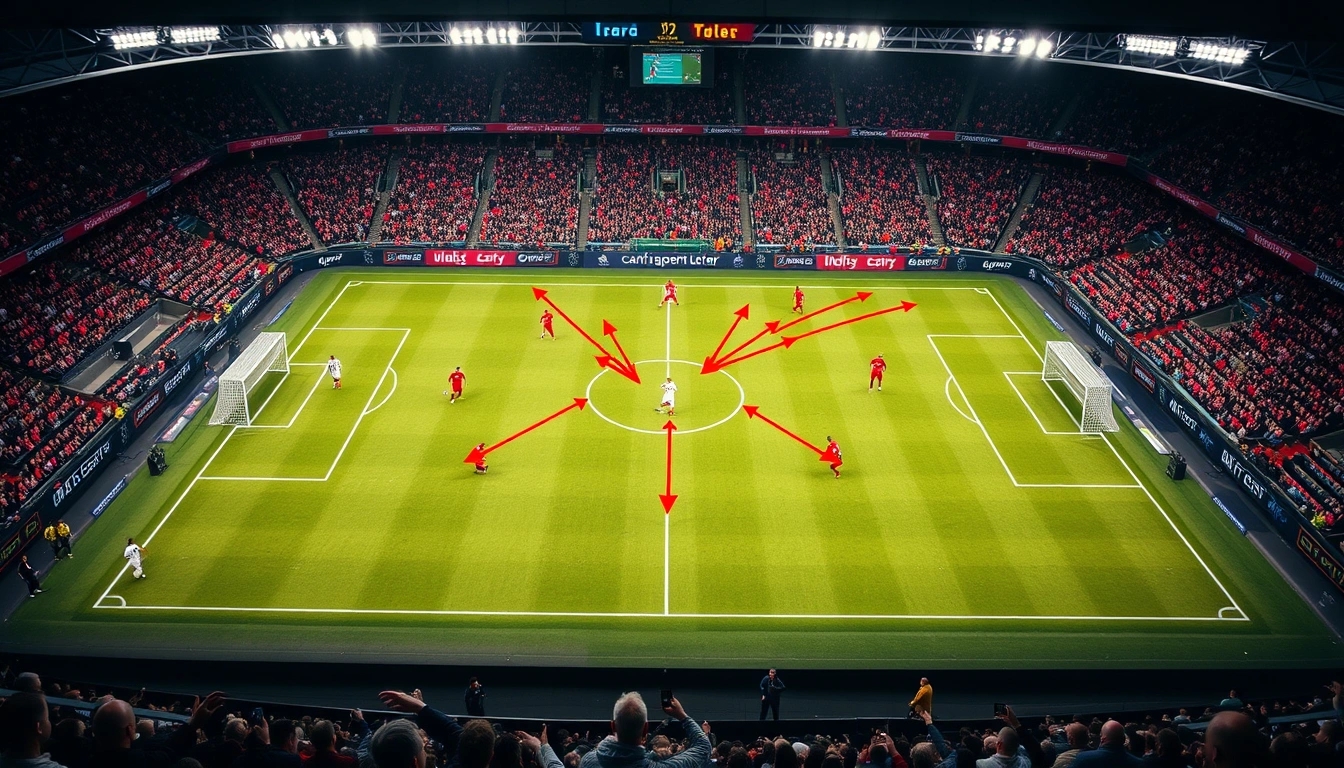
Alright, let’s talk about the 4-3-3 formation — the bread and butter of modern football tactics. You see it everywhere, from the Champions League giants to your local Sunday league heroes trying to imitate the pros. But why do so many teams swear by this setup? Well, it’s not just because it looks cool on paper or because it’s trendy. There’s a method to the madness, and it’s all about balance, flexibility, and a little bit of chaos.
First off, the 4-3-3 is like a Swiss army knife for coaches. It’s got the right mix of defense and attack, allowing teams to switch gears mid-game without totally losing their shape. You’ve got four defenders holding the fort, three midfielders working their magic in the middle, and three forwards ready to tear apart defenses. It’s a formation that’s as much about controlling space as it is about scoring goals.
- Defensive Solidity: The back four aren’t just statues waiting for the ball; they actively support the midfield and keep things tight at the back.
- Midfield Control: The trio in the middle often decides the rhythm. One might sit deep, breaking up play, while the others push forward to create chances.
- Attacking Width: The wide forwards stretch the opposition, opening pockets of space for the central striker and midfield runners.
| Position | Role | Key Responsibility |
|---|---|---|
| Defenders (4) | Fullbacks & Centre backs | Stop attacks, support midfield |
| Midfielders (3) | Defensive, Central, Attacking | Control tempo, create chances, defend |
| Forwards (3) | Wingers & Striker | Score goals, stretch defense |
But don’t get it twisted — the 4-3-3 isn’t some magic potion. It has its quirks and headaches. For one, those wide forwards can sometimes leave the defense exposed, especially if the fullbacks are caught high up the pitch. Counterattacks? Oh yeah, they can be brutal if your team isn’t disciplined. Coaches often have to remind their players, “Don’t get too greedy pushing forward, lads!”
And midfield? It’s a jungle. If the three in the middle don’t gel perfectly, you might find yourself outnumbered or outpaced. The formation demands a lot from midfielders — stamina, vision, and a fair bit of grit.
- Pros: Versatility, attacking options, midfield dominance.
- Cons: Vulnerable to counters, requires disciplined wide players.
Some of the most iconic teams, from Pep Guardiola’s Barcelona to Klopp’s Liverpool, have made the 4-3-3 their signature style. They tweak it, twist it, and make it their own — using pressing, inverted wingers, or midfield pivots — to keep opponents guessing. It’s a formation that’s constantly evolving, much like football itself.
So next time you see a team lining up in 4-3-3, remember: it’s not just numbers on a sheet. It’s a carefully crafted plan with its own charms and pitfalls — a tactical dance that can either dazzle or flop spectacularly. And that’s what makes it so fascinating to watch!
Origins of the 4-3-3 Formation
Tracing the roots of the 4-3-3 formation is like peeling back layers of football history, revealing a system that’s as much about adaptability as it is about strategy. This formation didn’t just pop up overnight; it evolved through decades of tactical experimentation, responding to the shifting demands of the beautiful game. Back in the day, football was more rigid, with formations like 2-3-5 dominating the scene. But as the sport grew faster and more complex, coaches started craving a setup that could balance defense and attack without leaving the team exposed. Enter the 4-3-3.
At its core, the 4-3-3 brought a fresh perspective: four defenders to hold the line, three midfielders to control the center, and three forwards to stretch the opposition defense. But what made it really stand out was its flexibility. It wasn’t just a static shape; it was a dynamic blueprint that could morph depending on the flow of the game. You’d see midfielders dropping back to help out defensively or wingers cutting inside to create scoring chances. This fluidity was a game-changer, influencing how teams approached both offense and defense for years to come.
| Era | Key Tactical Shift | Impact on 4-3-3 |
|---|---|---|
| 1950s-60s | From 2-3-5 to WM (3-2-2-3) | Set foundation for midfield balance |
| 1970s | Rise of Total Football | Emphasized player versatility, boosting 4-3-3’s adaptability |
| 1990s | Focus on pressing and counterattack | 4-3-3 used for high pressing and quick transitions |
What’s fascinating is how the 4-3-3 became a canvas for some of football’s most creative minds. Coaches like Rinus Michels and Johan Cruyff didn’t just use it—they revolutionized it. Michels’ “Total Football” philosophy thrived on players swapping positions and relentless pressing, which the 4-3-3 formation perfectly accommodated. This wasn’t just about formation; it was about mindset.
- Defensive solidity: Four defenders provided a reliable backline.
- Midfield control: The trio in midfield ensured the team wasn’t overwhelmed in the center.
- Attacking width= Three forwards stretched defenses horizontally, creating space.
Of course, like any system, the 4-3-3 didn’t come without its critics. Early adopters had to wrestle with the challenge of midfield gaps and the risk of fullbacks being caught out wide. But these flaws only pushed tactical minds to innovate further, tweaking player roles and pressing styles.
In short, the 4-3-3 isn’t just a formation; it’s a story of evolution, experimentation, and endless adaptation. It reflects how football itself has changed—becoming faster, more tactical, and, frankly, a lot more exciting to watch. So next time you see a team line up in 4-3-3, remember you’re witnessing a system with deep roots and a knack for reinventing itself.
Key Takeaways:- 4-3-3 evolved from older, more rigid formations.- Flexibility and player versatility are its hallmarks.- Influenced by tactical revolutions like Total Football.- Balances defense and attack dynamically.
Basic Structure and Player Roles
Alright, let’s break down the 4-3-3 formation — a setup that’s as classic as your granddad’s old boots but still packs a punch in today’s fast-paced football. At its core, it’s about four defenders, three midfielders, and three forwards. Seems simple, right? But oh boy, each role has its own quirks and responsibilities that can make or break a team’s performance.
First off, the four defenders. Think of them as the fortress wall. You’ve got two center-backs who are usually the big, tough guys — their job is to snuff out attacks, win headers, and organize the backline like a strict headmaster. Flanking them are the full-backs, who aren’t just sitting back twiddling their thumbs. These guys often push up the field, offering width and overlapping runs to support the attack. But beware, if they get caught too far up, it leaves the defense exposed — a gamble coaches love to debate endlessly.
- Center-backs: Defensive anchors, aerial dominance, and tactical communication.
- Full-backs: Defensive duties plus offensive support, stretching the play wide.
Now, the midfield trio — here’s where the magic (or chaos) usually happens. The midfielders have to juggle creativity, stamina, and tactical smarts all at once. Usually, you’ll see one holding midfielder, the “anchor,” who breaks up opposition plays and shields the defense. The other two are often a mix of creators and box-to-box runners, tasked with linking defense to attack and controlling the tempo. It’s a balancing act; too defensive, and the team lacks spark; too offensive, and they risk getting steamrolled in midfield.
| Midfield Role | Primary Responsibilities | Key Attributes |
|---|---|---|
| Holding Midfielder | Shield defense, intercept passes, maintain position | Positioning, tackling, stamina |
| Central Midfielders | Distribute ball, create chances, support attack and defense | Vision, passing, work rate |
Finally, the front three — the shining stars who often grab the headlines. The center forward is usually the main goal threat, the one who finishes chances and holds up the ball. Flanking him are the wingers or wide forwards, who stretch the defense, cut inside to shoot, or whip in crosses. Their pace and creativity can tear apart even the most stubborn defenses but, and here’s the kicker, if they don’t track back, the team may suffer defensively.
- Center Forward: Goal poacher, hold-up play, focal point of attack.
- Wingers: Width providers, dribblers, and secondary scorers.
So yeah, the 4-3-3 isn’t just about numbers; it’s about how these roles mesh together. When done right, it’s a beautiful dance of defense and attack, balance and flair. But leave one player out of sync, and suddenly the whole thing can look like a clumsy toddler trying to run a marathon. That’s football for you — unpredictable, thrilling, and always a bit messy.
Defensive Line Responsibilities
When we talk about the back four in a 4-3-3 formation, it’s not just about parking the bus and hoping for the best. These four defenders have to work like a well-oiled machine, moving as one to keep the opposition’s attackers at bay. The magic lies in their cohesion—if one guy slips up or drifts out of position, the whole defensive structure can unravel faster than you can say “offside.”
First off, the two center-backs are the backbone. They’re the no-nonsense types who clear danger, win aerial duels, and keep an eye on the strikers lurking around. But it’s not just about brute strength or height; these days, center-backs need to be comfortable with the ball at their feet, often stepping into midfield to help build attacks. They act as the last line of defense but also the first line of attack sometimes. Meanwhile, the fullbacks have a dual role: defend their flanks and support the midfield and forwards by pushing up the pitch when the team is on the attack. This can be risky, sure, because if they get caught too far forward, counterattacks can expose the gaps behind them.
- Communication: Constant chatter between the back four is vital. They need to shout warnings, call for cover, and organize the line to maintain a tight offside trap.
- Positioning: Staying compact horizontally and vertically reduces space for the opponent’s forwards to exploit.
- Cover and Support: If a fullback steps out to challenge a winger, a center-back or the other fullback must slide over to cover the space left behind.
| Position | Primary Role | Secondary Role |
|---|---|---|
| Center-Backs | Mark strikers, clear crosses, block shots | Distribute ball to midfield, cover fullbacks |
| Fullbacks | Defend flanks, tackle wingers | Support attacks, overlap midfielders |
Now, it’s not all smooth sailing. The back four has to constantly adjust to the rhythm of the game. If the midfield drops too deep or loses the ball, those defenders suddenly find themselves under siege. This is where their reading of the game becomes crucial. Anticipating passes, pressing at the right moment, and knowing when to hold the line or step up can make the difference between a clean sheet and a nightmare.
In a nutshell, the back four in a 4-3-3 isn’t just a defensive block; it’s a dynamic unit that balances defense and support. They prevent breakthroughs by staying tight, communicating relentlessly, and covering for each other’s mistakes. At the same time, they help the midfield by providing outlets and initiating attacks. So next time you see a slick counter or a solid defensive stand, remember it’s this cohesive defensive line doing the grunt work behind the scenes, often without the spotlight.
Tips for Aspiring Defenders in a 4-3-3:- Stay alert and keep your head on a swivel.- Trust your teammates but always be ready to cover.- Don’t be shy to step into midfield when needed.- Communicate loudly and clearly, silence is the enemy.- Remember, defense is a team sport, not a solo gig.
Midfield Dynamics
In the 4-3-3 formation, the midfield trio are nothing short of the heartbeat of the team. They’re the ones who keep the engine running, juggling creativity, ball control, and defensive duties all at once — and trust me, that’s no easy feat. It’s like trying to be a chef, a bodyguard, and a DJ simultaneously, all while the crowd is watching. These midfielders don’t just run around aimlessly; they often dictate the game’s tempo, deciding when to slow things down or crank up the pace.
Think of the midfield as a finely tuned orchestra. One player usually takes on a deeper, more defensive role — often called the holding midfielder — who shields the backline, breaks up opposition attacks, and recycles possession. Meanwhile, the other two midfielders tend to have more freedom to push forward, craft chances, and link up with the front three. But don’t get it twisted, all three need to be disciplined enough to track back when the team loses the ball, because leaving gaps in midfield is like giving your opponents a free pass.
| Midfield Role | Primary Responsibilities | Key Attributes |
|---|---|---|
| Defensive Midfielder (Holding) | Protect defense, intercept passes, recover possession | Positioning, tackling, stamina |
| Central Midfielder | Link defense and attack, distribute passes, control tempo | Vision, passing accuracy, ball control |
| Attacking Midfielder | Create scoring opportunities, support forwards, make late runs | Creativity, dribbling, shooting |
Now, here’s where things get a bit tricky. The midfield trio must have an almost telepathic understanding of each other’s movements. If one guy decides to push forward without cover, the whole midfield can get exposed, and suddenly the defense is scrambling. On the flip side, when they sync up perfectly, it looks like magic — quick one-twos, slick through balls, and an almost hypnotic control of the ball that frustrates opponents.
- Creativity: The midfielders are often the team’s main creative outlet, responsible for unlocking tight defenses with clever passes or dribbles.
- Ball Control: Keeping possession is crucial, especially against high-pressing teams. The trio must be comfortable on the ball under pressure.
- Defensive Cover: Even the most attack-minded midfielder has to roll up their sleeves and help out defensively.
It’s also worth mentioning that the roles within the trio aren’t always rigid. Some managers like to mix things up, deploying a “box-to-box” midfielder who covers every blade of grass, or using an “inverted” midfielder who drifts wide to overload certain areas. This flexibility is part of what makes the 4-3-3 so popular — it adapts to the players’ strengths and the opposition’s weaknesses.
In the end, if the midfield fails to control the game, the whole formation can collapse like a house of cards. But when it clicks? Oh boy, the midfield trio becomes the puppeteers pulling all the strings, making the team look like a well-oiled machine that’s hard to stop.
Summary of Midfield Dynamics in 4-3-3:- Balance between attack and defense- Players must have excellent communication- Flexibility in player roles and positioning- The midfield trio controls the tempo and rhythm- Defensive midfielder anchors the team- Creative midfielders unlock defenses
So yeah, the midfield in a 4-3-3 isn’t just about running around; it’s a complex dance of intelligence, skill, and sheer grit. Without it, the formation is just numbers on a pitch. With it? Pure football poetry.
Advantages of Playing 4-3-3
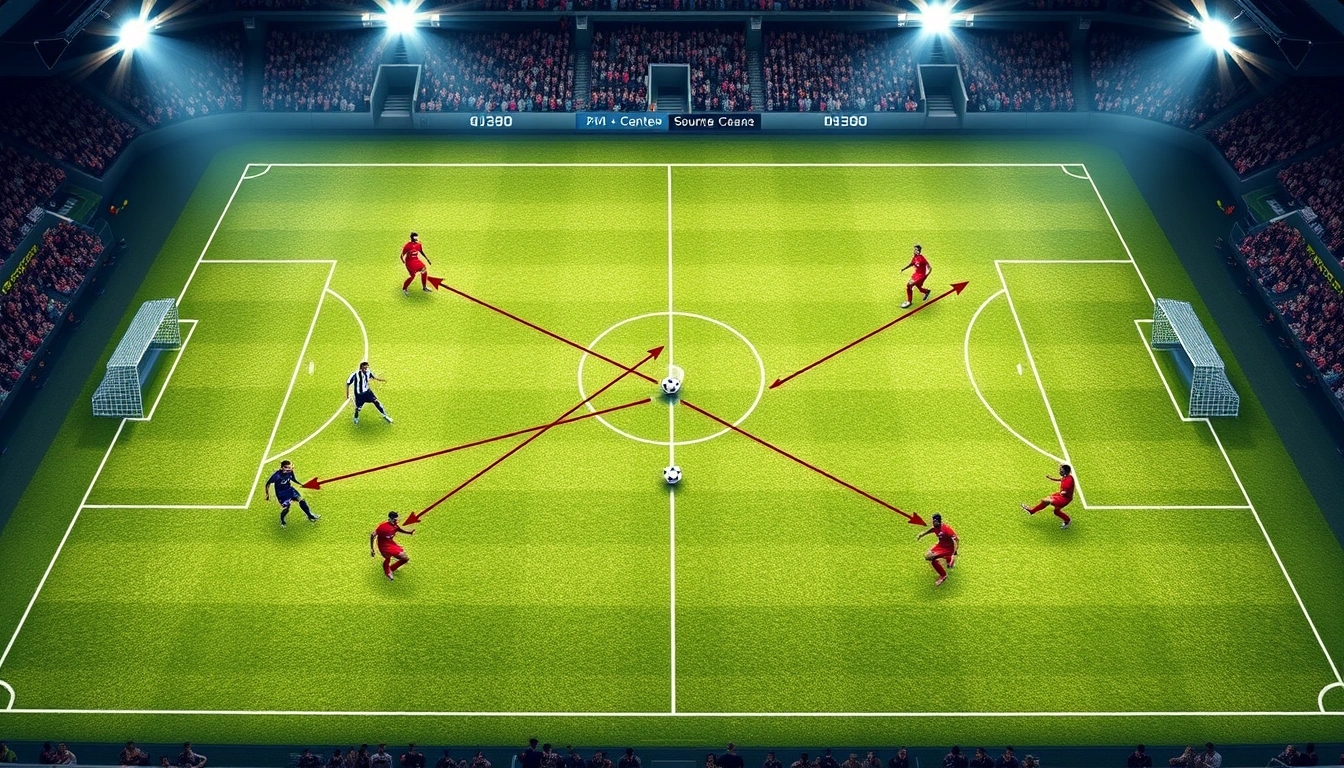
The 4-3-3 formation has become a darling among coaches, and it’s not just because it sounds cool or looks flashy on a tactical board. This setup offers a brilliant blend of width, attacking options, and midfield control, which is why so many teams swear by it. Let’s be honest, football’s a chaotic game, and having a formation that’s both flexible and effective is like finding a needle in a haystack. The 4-3-3 nails that balance.
First off, the width the formation provides is a game-changer. With three forwards spread out across the frontline, teams can stretch the opposition’s defense horizontally. This isn’t just for show—creating space on the wings means more room for crosses, cutbacks, and those cheeky one-twos that defenders hate. Plus, wide forwards often double as wingers, helping to pin back fullbacks and open lanes for midfield runners.
- Wide Attackers: These guys hug the touchline, pulling defenders out wide.
- Central Forward: The focal point, often a striker who can finish chances or drop deep to link play.
- Midfield Trio: They control the engine room, dictating tempo and recycling possession.
Now, about those attacking options. The 4-3-3 isn’t a one-trick pony. It allows teams to be unpredictable. That central striker can be a classic number 9, a false 9 dropping into midfield, or even a target man holding up the ball. Meanwhile, the midfielders can push forward or stay back, depending on the game flow. This fluidity gives coaches a tactical playground to experiment with pressing, quick counters, or patient buildup.
| Aspect | Benefit |
|---|---|
| Width | Stretches opponent’s defense, creates crossing and dribbling lanes |
| Midfield Control | Dominates possession and dictates pace |
| Attacking Variety | Multiple ways to break down defenses |
| Defensive Balance | Four defenders provide solid backline support |
Midfield dominance is another reason coaches adore the 4-3-3. The three midfielders can be arranged in various ways—holding one sitting deep, two pushing forward, or even a box midfield setup. This flexibility means the team can adapt mid-game without a full formation overhaul. Plus, controlling the middle of the park often means controlling the match, which every coach dreams of.
That said, it’s not all sunshine and rainbows. The 4-3-3 demands high work rates from wide forwards and midfielders alike. If those guys slack off, the formation’s width can turn into a liability, leaving gaps for opponents to exploit. But when executed well? It’s a beautiful chaos that can overwhelm the opposition.
In short, the 4-3-3 is like a Swiss Army knife for coaches: versatile, reliable, and ready to adapt. Whether you want to dominate possession, hit quick counters, or overload the wings, this formation has got your back. No wonder it’s a favorite in modern football.
Common Challenges and Weaknesses
Common Challenges and Weaknesses of the 4-3-3 Formation
Alright, let’s be real here — no formation is a silver bullet, and the 4-3-3 is no exception. While it’s beloved for its attacking flair and midfield control, it’s got its quirks and vulnerabilities that can catch teams off guard. The biggest gripe? It can leave some pretty uncomfortable gaps in midfield and put the fullbacks in a tight spot, especially when facing teams that are lightning-fast on the counterattack.
First off, the midfield trio, often praised for creativity and ball control, can sometimes be stretched too thin. When the opposing team presses hard or switches play quickly, those three midfielders might find themselves chasing shadows. This leaves spaces in front of the defense that crafty opponents love to exploit. It’s like trying to cover too much ground with just three players — you’re bound to miss a spot or two.
| Challenge | Why It Happens | Impact on Team |
|---|---|---|
| Midfield Gaps | Limited number of midfielders covering a large area | Opponents find space to create chances or launch counters |
| Exposed Fullbacks | Wide forwards push high, leaving fullbacks isolated | Fullbacks struggle to track speedy wingers during counterattacks |
Now, about those fullbacks — they’re basically the unsung heroes who get a lot of flak when things go south. Since the 4-3-3 relies heavily on wide forwards to stretch the defense and create chances, fullbacks often have to cover a ton of ground both offensively and defensively. When the team loses possession, these fullbacks can be left high and dry, forced to sprint back against rapid breaks. And if the wingers don’t track back properly (which happens more often than coaches would like to admit), you’ve got a recipe for disaster.
- Wide Forward Positioning: Their advanced positions can leave the defense stretched.
- Transition Defense: Quick turnovers expose fullbacks who are caught upfield.
- Midfield Support: Midfielders sometimes fail to drop back quickly enough to shield the defense.
Here’s the kicker — teams with strong counterattacking setups absolutely love to face a 4-3-3. Why? Because they can exploit those very weaknesses. Quick, direct balls to speedy wingers or strikers can leave the backline chasing shadows, while the midfield scramble to regain shape. It’s almost like the formation invites chaos if the players aren’t disciplined or tactically aware.
Common Scenario During Counterattack:1. Team loses ball possession high up the pitch.2. Wide forwards are caught out of position.3. Fullbacks are pushed up, leaving space behind.4. Opponent launches quick attack exploiting space.5. Midfielders fail to cover gaps in time.6. Defense is overwhelmed, leading to scoring chances.
In short, the 4-3-3 is a bit of a double-edged sword. It offers plenty of attacking promise but demands serious work rate and awareness from midfielders and fullbacks to avoid getting exposed. Coaches often have to tweak the system or instruct players to be extra vigilant on transitions to keep things tight. Otherwise, you’re handing your opponents a golden chance to catch you napping.
So yeah, while the 4-3-3 is sexy on paper and exciting to watch, it’s far from foolproof. Like any tactic, it’s got its Achilles’ heel — and against the right opponent, those weak spots can be brutally punished.
Vulnerabilities to Counterattacks
Vulnerabilities to Counterattacks: The wide forwards in a 4-3-3 formation often play a crucial role in stretching the opposition’s defense and creating attacking opportunities. However, their advanced positioning can sometimes backfire, especially during fast breaks, leaving their own defense exposed and stretched thin. Let’s unpack why this happens and what it means for teams relying on this popular system.
When the wide forwards push high and wide, they naturally pull the opposing fullbacks and sometimes even center-backs out of position. This is great for opening up space in the attacking third, but it can be a double-edged sword. If possession is lost suddenly, those forwards are often too far up the pitch to track back quickly. The defense is then left vulnerable, with fewer players behind the ball to cover the counterattack. This creates a dangerous situation where the opposition can exploit the gaps between defenders, especially down the flanks.
| Position | Typical Risk | Impact on Team |
|---|---|---|
| Wide Forwards | High positioning leaves space behind | Defense stretched, slow recovery |
| Fullbacks | Often overlap or push forward | Exposed flanks during counters |
| Central Midfielders | May be caught out of position | Reduced defensive cover |
Now, you might wonder, isn’t it the job of midfielders to drop back and cover? Sure, but in the heat of a fast break, the midfield trio can sometimes be too stretched themselves, especially if they’re busy pressing or creating chances further upfield. So the defense ends up playing catch-up, which is never fun when the opposition has a head start.
- Speed of Opponents: Fast attackers can exploit the space left behind by the wide forwards.
- Transition Time: The shorter the time to reorganize, the more dangerous the counter.
- Communication Gaps: Defensive coordination is critical but often gets disrupted.
In practical terms, coaches often try to mitigate this by asking wide forwards to track back more diligently or by deploying a defensive midfielder as a shield. But let’s be honest, it’s easier said than done. Players get tired, lose concentration, or simply aren’t disciplined enough. Plus, the temptation to stay forward and chase glory is strong—who wouldn’t want to score that killer goal instead of jogging back?
So, while the 4-3-3 offers exciting attacking potential, the vulnerability during counterattacks remains a thorn in its side. Teams that master the balance between aggressive forward play and disciplined defensive recovery tend to get the best out of this formation. Otherwise, they risk being caught out and paying the price. The wide forwards’ positioning is a gamble—sometimes it pays off spectacularly, other times it leaves the defense gasping for air.
In the end, it’s a classic case of risk versus reward, and every coach has to decide how much risk they’re willing to take on the pitch.
Famous Teams and Coaches Using 4-3-3
When it comes to the 4-3-3 formation, some names just pop right out — managers and clubs that have stamped their identity so deeply into this setup that it’s almost impossible to talk tactics without mentioning them. This formation isn’t just a lineup on paper; it’s a philosophy, a way of life on the pitch, and these iconic figures have shaped it into a global football phenomenon.
First off, you can’t discuss 4-3-3 without tipping your hat to Johan Cruyff. The Dutch maestro didn’t just play the 4-3-3; he revolutionized it. At Ajax and later Barcelona, Cruyff’s teams embodied the fluidity and attacking verve that this formation could unleash. His approach emphasized possession, quick interchanges, and positional play — all hallmarks of the 4-3-3. It’s no wonder that modern tiki-taka, which dominated world football for years, owes a huge debt to his vision.
- Johan Cruyff’s Ajax and Barcelona: Pioneers of total football and positional play.
- Pep Guardiola’s Barcelona: Took the 4-3-3 to another level with his intricate pressing and ball retention.
- Frank Rijkaard’s Barcelona: Laid the groundwork for Guardiola’s era, blending defensive solidity with attacking flair.
Speaking of Barcelona, Pep Guardiola deserves a shoutout. His 4-3-3 wasn’t just about numbers; it was almost like a chess game. With midfield maestros like Xavi and Iniesta, and the unstoppable Messi upfront, Guardiola’s teams dominated possession and tore apart defenses with surgical precision. The width provided by the wingers and the midfield’s control made the 4-3-3 a nightmare for opponents. His success basically made this formation the blueprint for teams chasing dominance through ball control.
| Manager | Club(s) | Key Contributions to 4-3-3 |
|---|---|---|
| Johan Cruyff | Ajax, Barcelona | Introduced fluid positional play and attacking flexibility |
| Pep Guardiola | Barcelona, Manchester City | Mastered pressing, ball retention, and midfield control |
| Rinus Michels | Netherlands, Ajax | Popularized total football, emphasizing 4-3-3’s attacking potential |
| Jürgen Klopp | Borussia Dortmund, Liverpool | Adapted 4-3-3 for gegenpressing and high-intensity attacks |
But hey, it’s not just the Spanish schools that have mastered this system. Jürgen Klopp brought a different flavor to the 4-3-3. His version is all about relentless energy, pressing high, and quick transitions. Whether at Dortmund or Liverpool, Klopp’s teams use the 4-3-3 to overload flanks and suffocate opponents, turning defense into attack in a blink. It’s less about silky passes and more about raw intensity — which, frankly, can be just as effective.
Then there’s the legendary Rinus Michels, often called the father of “Total Football.” His Netherlands side in the 1970s showcased how the 4-3-3 could be a dynamic, all-encompassing system where players swapped positions seamlessly, confusing defenders and creating space. Michels’ approach laid the foundation for all the tactical evolutions that followed.
- Ajax’s Youth Development also embraced the 4-3-3 as a way to nurture versatile players, ensuring the system’s longevity.
- Liverpool under Klopp uses it to combine physicality with tactical discipline.
- Manchester City under Guardiola tweaks the midfield roles within the 4-3-3 to maximize creativity.
In short, the 4-3-3 isn’t just a formation; it’s a canvas. From the artistic strokes of Cruyff to the high-octane pressure of Klopp, it adapts and thrives. It’s no coincidence that some of the most exciting football in history has been painted with the 4-3-3 brush. And while critics might argue it leaves gaps or can be exposed on counters, these legendary coaches have shown that with the right players and mindset, the 4-3-3 remains a timeless tactical masterpiece.
Adapting the 4-3-3 for Modern Football
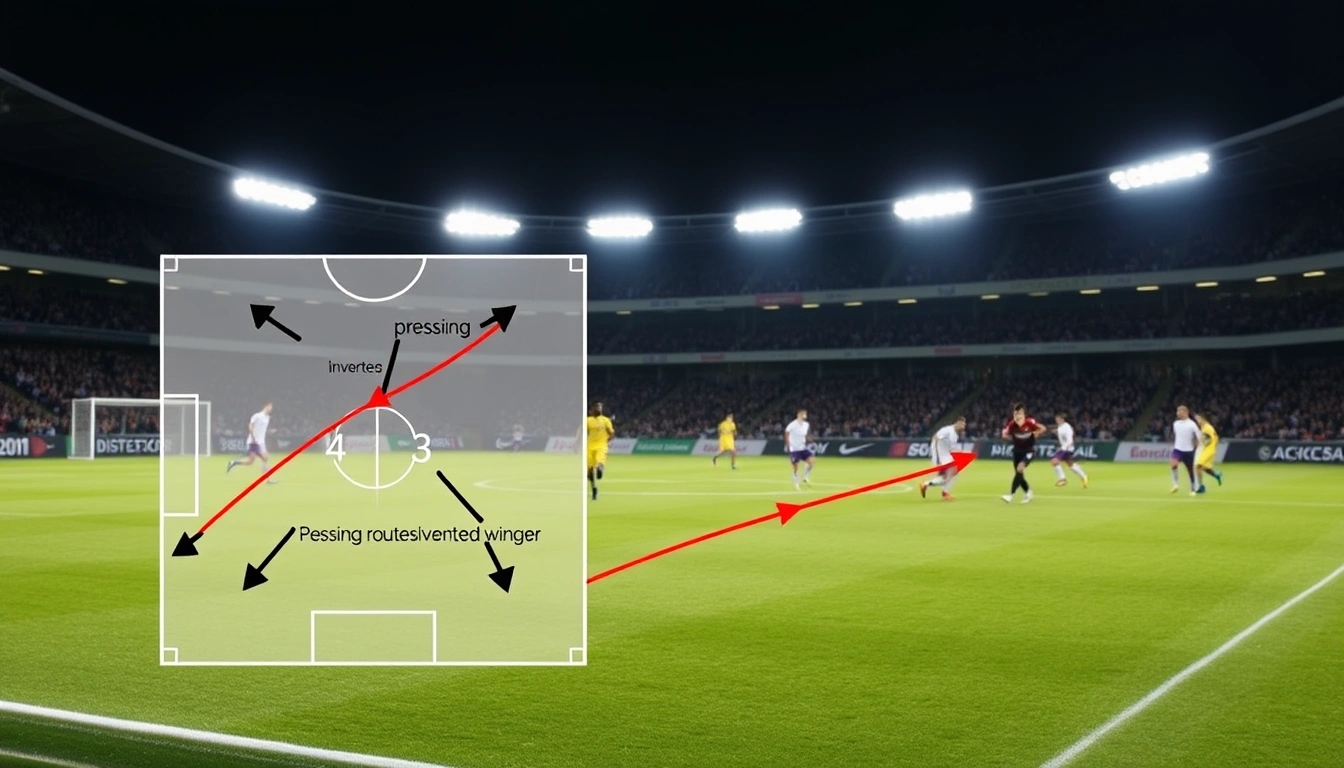
The 4-3-3 formation has been a darling of coaches and fans alike for decades, but let’s be real — it’s not some rigid blueprint set in stone. Football’s a living, breathing beast, and teams nowadays are constantly tweaking this classic setup to keep opponents guessing and grab that extra edge. Pressing styles, inverted wingers, midfield pivots — these aren’t just buzzwords thrown around by analysts; they’re the secret sauce that transforms a standard 4-3-3 into a tactical nightmare for the opposition.
- Pressing Styles: High press, mid-block, or low block — the way teams press can completely change how the 4-3-3 functions. Some coaches love their forwards and midfielders to swarm the opposition high up the pitch, forcing errors and quick turnovers. Others prefer a more patient, compact press that waits for the right moment to pounce.
- Inverted Wingers: Instead of hugging the touchline, inverted wingers cut inside onto their stronger foot, creating shooting opportunities and opening lanes for overlapping fullbacks. This tweak adds unpredictability and overloads central areas, making defenses sweat buckets trying to keep up.
- Midfield Pivots: The pivot — often the deepest midfielder — acts as the team’s metronome and shield. In modern football, pivots aren’t just sitting ducks recycling possession; they’re dynamic operators who break lines with incisive passes or step into midfield to overload numbers.
| Adaptation | Purpose | Effect on 4-3-3 |
|---|---|---|
| High Press | Force turnovers early | Forwards and midfielders push up, increasing defensive pressure but risking space behind |
| Inverted Wingers | Create central attacking threats | Wingers cut inside, fullbacks overlap, increasing midfield overloads |
| Midfield Pivot | Control tempo and shield defense | Pivots dictate play, break lines, and provide defensive cover |
Now, don’t get me wrong — these tweaks aren’t foolproof. Sometimes, the high press leaves gaps that savvy counterattacking teams exploit faster than you can say “goal.” Inverted wingers can also leave the flanks exposed if fullbacks don’t track back like their lives depend on it. And if that midfield pivot gets caught out of position, the whole structure can collapse faster than a house of cards in a windstorm.
But that’s the beauty of the modern 4-3-3. It’s like a Swiss Army knife — versatile, adaptable, and ready to be customized depending on the opponent, the players available, or even the mood of the coach on a given day. Coaches are no longer just sticking to textbook roles; they’re mixing and matching pressing intensity, winger movement, and midfield positioning to create a formation that’s as much about style as it is about substance.
- Practical Insight: If you’re a coach trying to implement these tweaks, remember this — communication and player understanding are key. The moment your inverted winger forgets to track back or your pivot misreads the press, you’re in trouble.
- Fan Takeaway: Next time you watch a 4-3-3 team, keep an eye on how the wingers behave and how the midfield pivots orchestrate play. There’s a lot more going on beneath the surface than just numbers on a sheet.
In the end, adapting the 4-3-3 isn’t just about changing positions; it’s about evolving with the game’s ever-shifting demands. And if history’s taught us anything, it’s that those willing to innovate — even if it means the occasional stumble — are the ones who rewrite the rules and stay ahead in this beautiful game.
Frequently Asked Questions
- What makes the 4-3-3 formation so popular among football teams?
Great question! The 4-3-3 is like a Swiss Army knife for coaches—it offers incredible flexibility. With four defenders, three midfielders, and three forwards, it balances defense and attack perfectly. This shape allows teams to stretch the field wide, dominate the midfield, and launch quick, dynamic attacks. It’s no wonder many top teams swear by it!
- How do the three midfielders function in a 4-3-3 setup?
Think of the midfield trio as the engine room of the team. One midfielder often acts as a creative playmaker, another controls the pace with ball retention, and the third provides defensive cover. This balance lets the team control possession, dictate tempo, and quickly transition between defense and attack.
- Are there any weaknesses in the 4-3-3 formation?
Absolutely, no formation is perfect! The 4-3-3 can sometimes leave gaps, especially on the flanks, when fullbacks push forward aggressively. This can expose the defense to fast counterattacks. Also, if the midfield trio isn’t disciplined, the team might struggle to maintain control, leaving space for opponents to exploit.
- Which famous teams or coaches have successfully used the 4-3-3?
Legends like Pep Guardiola and teams such as FC Barcelona and Liverpool have famously mastered the 4-3-3. Their innovative tweaks—like inverted wingers and high pressing—have made the formation a tactical powerhouse in modern football.
- How do teams adapt the 4-3-3 for modern football?
Modern teams often tweak the 4-3-3 by using pressing styles to win the ball high up the pitch or deploying inverted wingers who cut inside to create shooting opportunities. Midfield pivots are also crucial, acting as the team’s anchor to recycle possession and break opposition lines. These adaptations keep the formation fresh and explosive.
- Is the 4-3-3 suitable for all levels of football?
While it’s a versatile formation, the 4-3-3 demands high fitness, tactical discipline, and skilled players, especially in midfield and attack. For grassroots or beginner teams, simpler formations might work better initially, but as players develop, the 4-3-3 can become an exciting, high-impact choice.