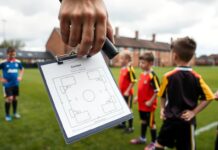
Diving headfirst into football tactics can feel like trying to learn a new language—confusing, exhilarating, and sometimes downright maddening. One tactic that’s been buzzing around like a persistent mosquito is playing out from the back. At its core, it’s about defenders and goalkeepers getting their hands dirty with the ball, instead of just booting it upfield like it’s a hot potato. But why do teams insist on this style, despite the obvious risks? Let’s unpack the whole shebang.
First off, playing out from the back means the team tries to build their attack starting with the goalkeeper and defenders, rather than just chucking the ball forward and hoping for the best. It’s like baking a cake from scratch instead of grabbing a pre-made one. The aim? Controlled possession, better ball distribution, and setting the tempo of the game. It’s not just about looking pretty; it’s about owning the pitch and forcing the opponents to chase shadows.
| Key Elements of Playing Out from the Back | Why It Matters |
|---|---|
| Goalkeeper’s precise passing | Starts the attack, avoids risky clearances |
| Defenders spreading wide | Creates space, opens passing lanes |
| Midfielders dropping deep | Offers safe outlets and keeps possession |
Now, don’t get me wrong — this isn’t some foolproof magic trick. Playing out from the back is a double-edged sword. Teams risk getting caught out by aggressive pressing opponents who smell blood and want to snatch the ball in dangerous areas. One wrong pass near your own goal? Boom! Instant heart attack for fans and coaches alike.
- Pressure from Opponents: High pressing teams like Liverpool under Klopp or Pep’s Manchester City thrive on forcing defenders into mistakes.
- Goalkeeper’s Role: The keeper isn’t just a shot-stopper here; they’re a playmaker. But a slip-up or poor decision can be catastrophic.
Despite the risks, many managers swear by this tactic. It’s a statement of confidence, a way to control the narrative of the match. Coaches like Pep Guardiola and Jürgen Klopp have turned it into an art form, blending it with their philosophies to keep their teams ticking like clockwork.
If you’re a coach or player looking to adopt this style, here’s a quick cheat sheet:
- Train defenders and keepers on ball control and passing under pressure.- Encourage midfielders to drop deep and create passing options.- Develop mental toughness; mistakes will happen, stay calm.- Study pressing patterns of opponents to find safe routes out.
Looking ahead, with tech and data analysis becoming more sophisticated, playing out from the back might evolve into something even more precise and dynamic. Maybe one day, AI will whisper the perfect pass in a defender’s ear. Until then, it remains a thrilling gamble—one that can either break your heart or win you the game.
So next time you see a team calmly passing around their own box, remember: it’s not just passing, it’s a calculated risk, a chess game played at 100 miles per hour, and a beautiful mess of football strategy.
The Basics of Playing Out from the Back
Alright, let’s cut to the chase. Playing out from the back isn’t just some fancy buzzword coaches throw around to sound smart—it’s a whole mindset, a deliberate strategy where defenders don’t just boot the ball upfield and hope for the best. Instead, they become the architects of the attack, starting the play calmly and thoughtfully from their own penalty area. This approach is all about controlled possession and patient build-up, allowing teams to keep the ball, draw opponents out, and create openings higher up the pitch. Sounds neat, right? But trust me, it’s far from easy.
Imagine your defenders as the first line of playmakers. Instead of the old-school “kick it long and pray” method, they use short, precise passes to teammates nearby—often involving the goalkeeper, fullbacks, and defensive midfielders. This method forces the opposition to chase and press aggressively, which can open gaps elsewhere. But here’s the kicker: it requires nerves of steel. One misplaced pass near your own goal can lead to a nightmare situation. Still, the payoff? Total control over the game’s tempo and rhythm.
- Why bother? Because controlling possession means controlling the game. When you have the ball, the other team can’t score.
- Who’s involved? Goalkeepers often act as the first “playmakers,” defenders must be comfortable on the ball, and midfielders have to be ready to receive and progress the play.
- What’s the risk? High pressing opponents can trap you, forcing errors. One slip-up can be costly.
| Element | Role in Playing Out from the Back | Challenges |
|---|---|---|
| Goalkeeper | Initiates play with short passes, stays calm under pressure. | Risk of miscontrol or poor decision-making under pressure. |
| Center Backs | Distribute passes, maintain composure, and support midfield. | Can be caught out by aggressive pressing or poor positioning. |
| Fullbacks | Provide width, options for passing, and sometimes push forward. | Vulnerable to counters if caught too high upfield. |
Now, don’t get me wrong, this isn’t just about being “possession-obsessed” or playing keep-away like a bunch of kids in the park. It’s a calculated gamble, a chess match against the opposing team’s pressing tactics. If executed well, it can demoralize opponents and create clear-cut chances. But if your players panic or underestimate the pressure, you’re basically handing your opponents a golden ticket.
So, in a nutshell, playing out from the back is about building from the ground up, trusting your defenders and goalkeeper to think like midfielders, and daring to keep the ball even when the heat is on. It’s a beautiful, nerve-wracking dance of patience, skill, and guts. And when it clicks? Oh boy, it’s a joy to watch. But until then, expect some nail-biting moments.
Historical Evolution of the Tactic
Football tactics, much like fashion trends, never really stand still. The idea of playing out from the back—where defenders and goalkeepers start the attack rather than just booting the ball upfield—has been simmering and evolving over decades. It’s not some overnight sensation but a slow-cooked recipe influenced by visionary coaches, shifting philosophies, and the ever-changing demands of the game.
Back in the day, say the 1950s and 60s, teams were all about direct football. Long balls, physical battles, and quick counters ruled the pitch. Defenders were basically seen as the “clear it and forget it” brigade. But then, a few tactical pioneers began tinkering. Take the legendary Hungarian team of the 1950s, for example. Their fluid style and emphasis on ball control hinted at a future where defenders would become more than just stoppers.
| Era | Key Developments | Influential Figures |
|---|---|---|
| 1950s-60s | Direct play dominant, early signs of possession football | Hungarian National Team, Nándor Hidegkuti |
| 1970s-80s | Total Football emerges, defenders start participating in buildup | Rinus Michels, Johan Cruyff |
| 1990s-2000s | Goalkeepers and defenders trained for ball skills, tactical pressing | Arrigo Sacchi, Pep Guardiola (early career) |
| 2010s-Present | Systematic playing out from the back, high pressing counters | Pep Guardiola, Jürgen Klopp, Mauricio Pochettino |
The 1970s and 80s brought the seismic shift known as Total Football. Dutch maestros like Rinus Michels and Johan Cruyff revolutionized the game by insisting every player be comfortable on the ball. Defenders were no longer just defenders; they became initiators of attack. Suddenly, the backline was a launching pad, not a last line of defense.
Fast forward to the 1990s and early 2000s, and the game grew even more complex. Coaches like Arrigo Sacchi introduced pressing systems that forced teams to be clever in how they built from the back. Goalkeepers were no longer just shot-stoppers but had to be adept with their feet. This was the era when the sweeper-keeper concept began to take root, setting the stage for the modern game.
- Early 2000s: Goalkeepers like Jens Lehmann and later Manuel Neuer redefined their role.
- Mid 2010s: Pep Guardiola’s Barcelona and later Manchester City made playing out from the back an art form.
- Present day: Teams like Liverpool under Klopp mix high pressing with calm buildup from the back.
It’s worth noting, though, that playing out from the back isn’t just about passing skills. It’s a mindset—confidence under pressure, patience, and a willingness to take risks. Coaches have had to nurture this mentality, often spending hours drilling players to resist the temptation of the long punt.
"Back in my day, we just hoofed it upfield! Now these kids are passing to their keeper like it’s a Sunday stroll." - Imaginary Old-Timer Coach
In short, the tactic evolved because football itself demanded more sophistication. From the rugged, long-ball days to the sleek, possession-based chess matches of today, playing out from the back reflects how football has matured. It’s a beautiful, sometimes nerve-wracking gamble that’s been shaped by legends, failures, and endless innovation.
Practical Insight: Teams looking to adopt this style should study the past but also be ready to adapt. The game’s never static, and neither is the art of building from the back.
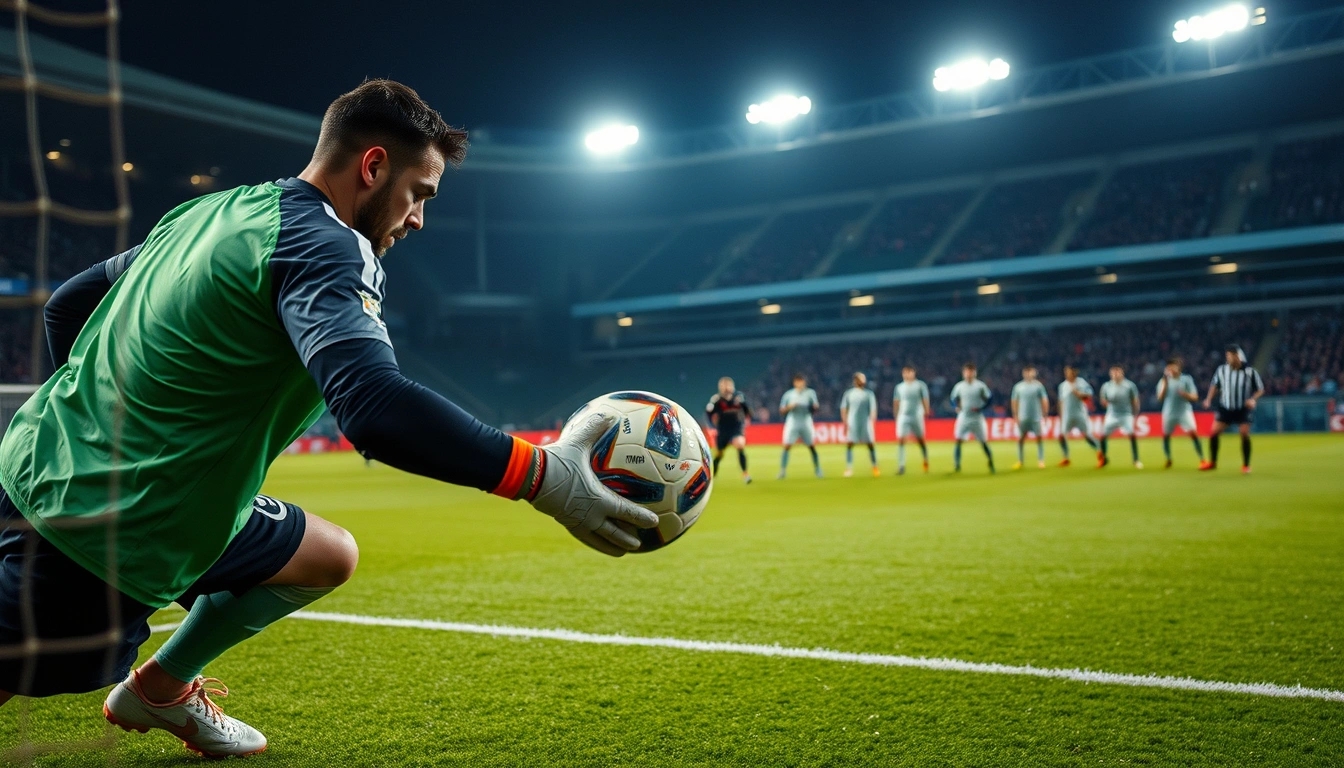
Key Benefits of Playing Out from the Back
So, why do so many teams stubbornly insist on playing out from the back, even when it looks like a risky dance with disaster? Well, there’s more to this approach than just fancy footwork or showing off. At its core, playing out from the back is about control — the kind of control that can make or break a game.
First off, maintaining possession is the bread and butter here. Instead of booting the ball upfield and hoping for the best, teams carefully build from their own goal area. This means defenders, midfielders, and even the goalkeeper get involved in passing sequences, stringing together moves that wear down opponents. It’s like slow-cooking a meal rather than microwaving it — patience is key. Teams that master this tend to dominate the ball, forcing the opposition to chase shadows.
- Dictating the tempo: By starting attacks from the back, teams set the rhythm of the game. They can speed things up or slow it down depending on the situation. This flexibility frustrates opponents who want to press high and fast.
- Reducing turnovers in dangerous areas: This might sound counterintuitive since playing out from the back can sometimes lead to mistakes, but with practiced players, it actually lowers the chance of losing the ball near the opponent’s goal compared to lumping it forward blindly.
Now, don’t get me wrong — this approach isn’t a walk in the park. It requires nerves of steel and players comfortable with the ball at their feet under pressure. But when it clicks, it’s a joy to watch. The team is basically saying, “We control the game, and you’ll have to pry the ball from our feet.”
| Benefit | Explanation | Impact on Game |
|---|---|---|
| Possession Control | Allows team to keep the ball and avoid risky long balls. | Higher chance to create quality chances and tire opponents. |
| Tempo Management | Dictates pace; can slow down or speed up play. | Disrupts opponent’s pressing and game plan. |
| Lower Turnovers in Final Third | Careful build-up reduces mistakes near opponent’s goal. | More sustained attacks and scoring opportunities. |
Another subtle perk? It builds confidence within the squad. When defenders and goalkeepers are trusted with the ball, they feel more involved and responsible. It’s like giving the whole team a sense of ownership over the match. Plus, it forces opponents to rethink their pressing strategy — if they commit too many players forward, they risk being exposed at the back.
- Psychological edge: Teams playing out from the back often appear calm and composed, even under intense pressure. This can rattle opponents who expect frantic clearances or panic passes.
- Development of technical skills: Younger players especially benefit from this style, improving their ball control, passing accuracy, and decision-making.
In short, playing out from the back is a gamble that, when played right, rewards teams with superior ball control, smarter game management, and a psychological upper hand. Sure, it’s not for the faint-hearted — but hey, in football, fortune favors the bold.
Common Risks and Pitfalls
Alright, let’s not sugarcoat things here—playing out from the back isn’t all rainbows and butterflies. While it’s a slick way to control the game and show off some neat footwork, it comes with a fair share of vulnerabilities that can leave teams biting their nails. The biggest headache? The ever-looming threat of high pressing traps that can force defenders and goalkeepers into making rushed, costly blunders.
- High Pressing Traps: Opponents who love to press aggressively can really mess with the rhythm. Imagine defenders trying to calmly pass it around, only to be swarmed by relentless attackers. It’s like trying to thread a needle in a hurricane. When the press is coordinated well, it can cause turnovers deep in your own half, leading to dangerous counter-attacks.
- Errors Near the Goal: Mistakes in this zone? Oh boy, they’re not just little oopsies—they can be game-changers. A misplaced pass or a misjudged touch can hand the opposition a golden chance. And since you’re so close to your own net, the margin for error is razor-thin.
| Risk | Description | Potential Consequences |
|---|---|---|
| High Pressing | Opponents press aggressively to force errors | Loss of possession, immediate counter-attack |
| Goalkeeper Mistakes | Errors in passing or decision-making under pressure | Conceding goals, shaken team confidence |
| Defensive Miscommunication | Confusion between defenders during build-up | Unforced errors, opportunities for opposition |
Let’s talk about the pressure cooker environment these players find themselves in. When a team commits to playing out from the back, every pass, every touch is scrutinized. The defenders and goalkeeper must possess nerves of steel and excellent ball control. But let’s be honest—no one’s perfect. Even the best make mistakes, and when they do, it’s often magnified because the opposition is lurking just a few yards away, ready to pounce.
- Goalkeeper’s Role: The goalie isn’t just a shot-stopper here; they’re practically a playmaker. Their decision-making can make or break the tactic. A bad pass, a hesitation, or a poor clearance can spell disaster. Plus, they’re under pressure to be comfortable with the ball at their feet—something not every keeper can pull off.
- Communication Breakdown: Misunderstandings between defenders can lead to those dreaded giveaways. When the team’s shape breaks down under pressure, chaos ensues.
So yeah, playing out from the back is a bit like walking a tightrope. It’s thrilling when it works but terrifying when it doesn’t. Coaches and players have to weigh the risks against the benefits constantly, and sometimes, the gamble just doesn’t pay off. But hey, that’s football—glorious, unpredictable, and full of drama.
Practical Insight: Teams wanting to master this style should focus heavily on drills that simulate high-pressure scenarios. Training goalkeepers and defenders to stay calm and communicate under duress is critical. Also, having quick, intelligent midfielders ready to receive and relieve pressure can be a lifesaver.
In the end, while the risks are real, the rewards of successfully playing out from the back can be game-changing. But let’s not kid ourselves—one slip, one misread, and you’re in hot water quicker than you can say “back pass.”
Pressure from Opponents
In football, nothing quite rattles a team like relentless pressure from the opposition. When a side opts to play out from the back, they’re essentially inviting their opponents to swarm high up the pitch, sniffing for mistakes. It’s like walking a tightrope without a safety net—one slip, and boom, a turnover in a dangerous area. The opposition’s aggressive pressing isn’t just a tactic; it’s a psychological game, designed to force defenders and goalkeepers into rushed decisions, which often results in costly errors.
Imagine defenders trying to calmly pass the ball amongst themselves while a pack of hungry forwards and midfielders close in like sharks. The pressure ratchets up the tension, and suddenly, a simple back pass or a misplaced touch can lead to a turnover. This nerve-wracking scenario is why playing out from the back can sometimes feel like a gamble, especially against teams that specialize in high pressing. The defense must have nerves of steel and impeccable decision-making skills, or else the whole plan collapses.
| Type of Pressure | Effect on Playing Out from the Back | Common Outcomes |
|---|---|---|
| High Press | Forces defenders to play quickly, often under duress. | Increased risk of misplaced passes, turnovers near goal. |
| Man-Marking | Limits passing options, isolates key players. | Reduced build-up fluidity, potential for forced long balls. |
| Counter-Pressing | Immediate pressure after losing the ball. | Quick turnovers and fast opposition attacks. |
- Patience is key: Teams must resist panic and avoid rushed clearances.
- Quick decision-making: Players need to read the press and adapt swiftly.
- Support and movement: Constant off-the-ball runs create passing lanes.
But here’s the kicker: not all pressure is created equal. Some teams press aggressively but leave gaps behind, inviting risk-taking defenders to exploit space. Others suffocate opponents so effectively that playing out from the back becomes borderline suicidal. It’s a cat-and-mouse game, with each side trying to outthink the other.
And let’s not forget the mental toll. Defenders under pressure can start doubting themselves, second-guessing every pass. That hesitation? It’s a gift to the pressing team. The goalkeeper, too, feels the heat—one poor touch or miscommunication can turn a promising build-up into a nightmare.
So yeah, while playing out from the back looks slick when done right, the opposition’s aggressive pressing can turn it into a heart-stopping gamble. Coaches and players need to train not just technical skills but also mental resilience to handle this pressure cooker environment.
In the end, the question remains: is the reward worth the risk? For teams confident in their composure and passing ability, absolutely. For others, it might be better to play it safe. But hey, football’s all about taking chances, right?
Goalkeeper’s Role and Mistakes
When it comes to playing out from the back, the goalkeeper isn’t just some passive bystander waiting to catch a ball or make a dramatic save. Nope, they’re the unsung maestro, often the very first line of attack. Their role? To act as a reliable outlet under pressure, calmly distributing the ball to defenders and midfielders, setting the tempo, and making sure the team doesn’t just lump it upfield like a panic-stricken chicken. Sounds simple, right? Well, not quite.
The keeper’s feet need to be as sharp as their hands. They must be comfortable receiving the ball under intense pressure, often with opponents breathing down their necks, ready to pounce on any slip-up. A poor touch or a rushed pass can trigger a chain reaction of errors, turning a promising build-up into a catastrophic turnover. And trust me, when the ball ends up in the opponent’s possession so close to your own goal, it’s like handing them a golden ticket.
- Distribution: The keeper must pick the right moment and the right player to pass to, often balancing risk and safety.
- Communication: They need to constantly talk to defenders, organizing the backline and alerting teammates about pressing opponents.
- Decision-making: Sometimes it’s better to play it safe, but other times, a risky long ball might be the only option.
| Common Goalkeeper Errors | Potential Consequences |
|---|---|
| Misplaced pass under pressure | Opponent intercepts, leading to immediate scoring chance |
| Poor ball control on back pass | Loss of possession in dangerous areas |
| Delayed decision-making | Forces defenders into hurried clearances or mistakes |
| Overconfidence in dribbling or playing out | Risk of being dispossessed and conceding goals |
Now, let’s be honest — even the best keepers mess up. It’s part of the game. But with playing out from the back, errors tend to be magnified. The pressure cooker environment means a single blunder can quickly snowball. Remember that infamous moment when a goalkeeper’s slip led to an embarrassing own goal or a swift counter-attack? Yeah, those nightmares haunt teams and fans alike.
So, what’s the fix? It boils down to training and mindset. Goalkeepers need to practice ball control and distribution relentlessly. They must develop an almost sixth sense for reading the game, anticipating pressure, and knowing when to bail out with a long clearance. Plus, mental toughness is key — shaking off a mistake quickly and staying composed under fire.
In short, the goalkeeper’s role in playing out from the back is like walking a tightrope. One wrong step, and it’s game over. But when done right? It can be a beautiful, fluid way to launch attacks, frustrate opponents, and keep possession ticking over. So next time you see a keeper calmly threading passes out from the back, tip your hat — they’re doing a heck of a lot more than just guarding the net.
Teams and Coaches Who Master It
Teams and Coaches Who Master the Art of Playing Out from the Back
When it comes to football tactics, playing out from the back isn’t just a fancy phrase coaches throw around to sound clever. It’s a whole philosophy that some teams and managers have practically turned into an art form. This approach demands patience, precision, and nerves of steel — because one slip-up near your own goal can turn a dream build-up into a nightmare real quick. Let’s dive into some of the most iconic clubs and their masterminds who’ve nailed this style, shaping the game in their own unique ways.
- FC Barcelona under Pep Guardiola: If you want to talk about playing out from the back, you can’t skip Pep’s Barcelona era. The tiki-taka style wasn’t just about quick passes; it started right from the goalkeeper and defenders, building attacks patiently. Guardiola’s insistence on ball control and positional play made Barca’s backline look like a well-oiled machine, forcing opponents to chase shadows.
- Manchester City with Pep Guardiola: Yep, Pep again — because why fix what ain’t broken? At City, he refined this tactic even further. The City defenders and Ederson in goal are practically midfielders in disguise, often stepping out to create overloads and keep possession ticking. It’s risky, sure, but when it works, it’s poetry in motion.
- Jürgen Klopp’s Liverpool: Now, Klopp’s style might seem more about high pressing and quick transitions, but don’t be fooled. Liverpool’s build-up from the back, especially with Alisson and the back four, is crucial. It’s less about slow possession and more about launching rapid, calculated attacks. Their unique blend of aggression and control sets them apart.
| Team | Manager | Style Highlights |
|---|---|---|
| FC Barcelona | Pep Guardiola | Patient build-up, tiki-taka, positional play |
| Manchester City | Pep Guardiola | Goalkeeper involvement, overloads, possession dominance |
| Liverpool | Jürgen Klopp | High pressing, rapid transitions, controlled build-up |
| Bayern Munich | Julian Nagelsmann | Flexible backline, quick passing, adaptive tactics |
Speaking of Bayern Munich, Julian Nagelsmann is another coach who’s taken the concept and twisted it just enough to keep opponents guessing. His teams are flexible, often switching between a high defensive line and a more reserved setup, but the core idea remains: start from the back with confidence and control. The defenders aren’t just there to clear balls—they’re creators, constantly scanning for the best passing options.
And let’s not forget the unsung heroes — the goalkeepers. These guys are no longer just shot-stoppers; they’re playmakers. Take Ederson at City or Alisson at Liverpool. Their ability to distribute the ball accurately under pressure is vital. It’s almost like having an extra midfielder, which changes the dynamic completely.
- Practical Insight: Teams looking to master this tactic need more than just technical skills. It’s about mental toughness. Players must stay calm under pressure, communicate constantly, and be willing to take risks. Training drills that simulate intense pressing can prepare squads for the real deal.
- Fun Fact: Some managers even involve sports psychologists to help defenders and goalkeepers handle the stress of being the first line of attack. Because, let’s face it, messing up here means instant heartbreak.
So, while playing out from the back might look like a neat trick on highlight reels, it’s a complex, demanding approach that only a handful of teams have truly mastered. It’s a blend of philosophy, skill, and a dash of madness — but when it clicks, it’s a joy to watch and a nightmare for opponents.
In the end, these clubs and their managers prove that football is as much about brains as it is about brawn. And if you’re gonna play out from the back, you better be ready to own it.
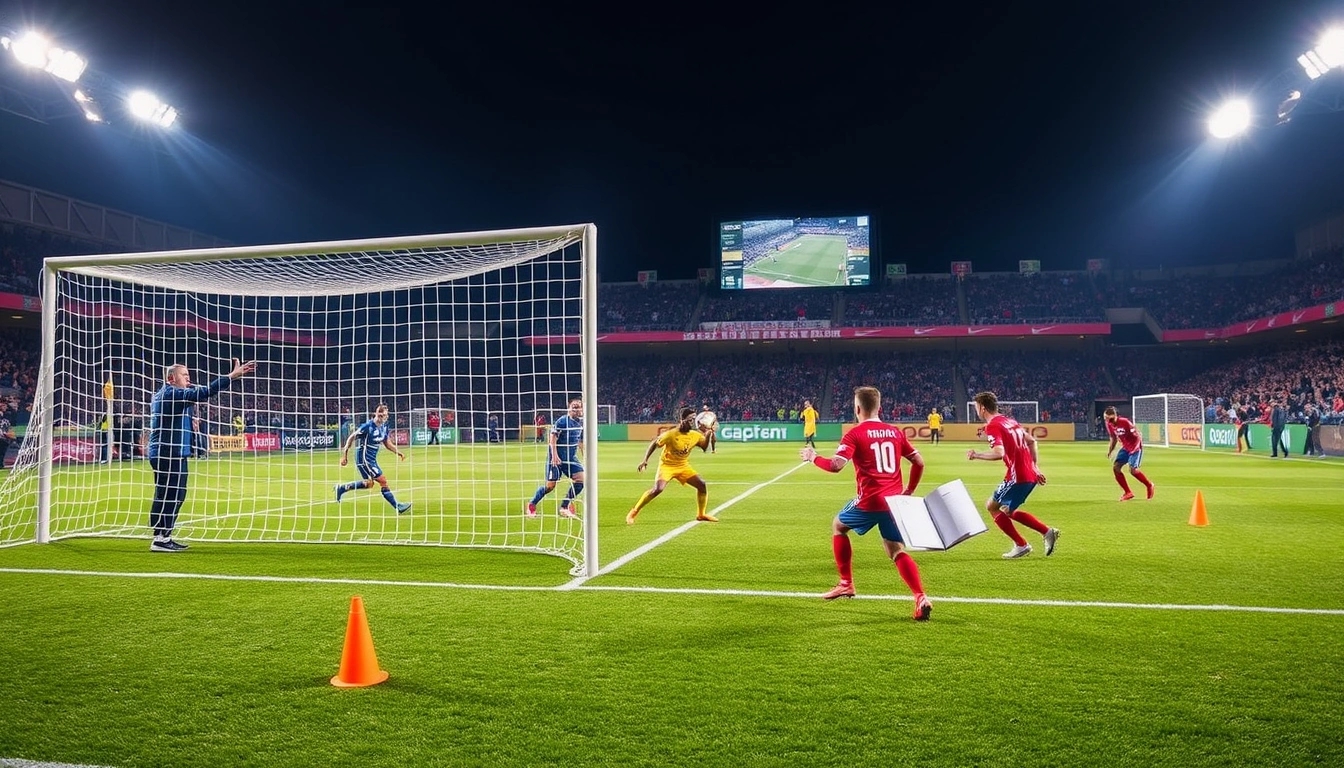
Practical Tips for Teams Trying It Out
So, you’ve decided to jump on the playing out from the back bandwagon? Brave move! It’s not just about telling your defenders to calm down and pass the ball around like it’s a hot potato. This tactic demands a whole lot more—training, mindset, roles, and yes, nerves of steel. Let’s break down some actionable advice for teams eager to adopt this style without turning into a comedy of errors.
- Training Focus: Precision and Composure
First things first, training sessions should emphasize ball control under pressure. Defenders and goalkeepers need to be comfortable receiving the ball with opponents breathing down their necks. Drills like rondos, tight-space passing, and pressure simulations are your best friends here. Don’t just practice passing—practice passing when you feel like panicking. - Player Roles: Clear Responsibilities
Not every defender is cut out to be a playmaker. Identify who’s got the vision and calmness to distribute accurately. Usually, the center-backs and the goalkeeper take charge, but midfielders dropping deep to offer passing options are crucial too. Assign roles like “sweeper-keeper” or “deep-lying playmaker” and make sure everyone knows their part in the orchestra.
Here’s a quick table to visualize typical roles and their key tasks:
| Position | Primary Task | Key Skill Needed |
|---|---|---|
| Goalkeeper | Initiate play with short, accurate passes | Composure & ball control |
| Center-Backs | Distribute to midfielders or fullbacks, avoid risky long balls | Vision & passing accuracy |
| Fullbacks | Provide width and passing options | Stamina & crossing ability |
| Midfielders | Drop deep to receive and transition play | Positioning & quick decision-making |
Now, let’s talk about the mental game. Playing out from the back is like walking a tightrope over a pit of hungry lions—one slip and boom, disaster. So, mental preparation is key. Players need to stay calm under pressure and resist the urge to hoof the ball away at the first sign of trouble. Coaches should work on stress management techniques during training, like breathing exercises and visualization, to build confidence.
- Handling Pressure: Expect the Press
Opponents will smell blood and press aggressively. Teams must practice quick, short passes and off-the-ball movement to create passing lanes. Encourage players to keep their heads up and look for multiple options rather than forcing risky passes. - Communication is King
Constant chatter between goalkeeper, defenders, and midfielders can save you from chaos. Calling for the ball, alerting teammates to pressing opponents, or suggesting safe outlets can turn potential turnovers into successful build-ups.
Tip Summary:- Train under pressure, not just in perfect conditions.- Assign clear roles; not everyone is a ball-playing defender.- Use stress management to build mental toughness.- Practice constant communication on the pitch.- Encourage patience; don’t rush the play.
In short, adopting this tactic isn’t a walk in the park. It requires patience, practice, and a pinch of bravery. But nail it, and you’ll unlock a style of play that controls the game, frustrates opponents, and looks downright classy. Just remember: mistakes will happen. The trick is learning fast, staying cool, and keeping the ball moving.
The Future of Playing Out from the Back
Alright, let’s dive into the crystal ball and see where playing out from the back might be heading. It’s no secret that football tactics are constantly evolving, and this particular style is no exception. With tech and data analysis becoming as common as halftime oranges, teams are getting smarter, faster, and, well, sometimes a bit too clever for their own good.
First off, technology is already shaking things up. Think about those high-speed cameras and tracking systems that monitor every player’s movement on the pitch. Coaches can now dissect each pass, each touch, and each risky back pass with the precision of a surgeon. This means defenders and goalkeepers will get tailored feedback, helping them improve their decision-making under pressure. No more “oops, I panicked” moments—or at least fewer of them.
- Wearables and sensors: Imagine defenders wearing devices that analyze their stress levels in real-time. Coaches could then sub them out or tweak tactics mid-game before a mistake happens.
- Virtual Reality (VR) training: Players might practice playing out from the back in simulated high-pressure scenarios, sharpening their nerves without the real-world consequences.
But it’s not just tech—data analytics is turning into the new secret weapon. Teams are already using heat maps and pass completion stats to identify weaknesses, but soon, predictive models might forecast the likelihood of a turnover from a particular defender or goalkeeper during build-up play. Think of it as having a crystal ball that says, “Hey boss, maybe don’t risk that risky pass here.”
| Data-Driven Insights | Potential Impact |
|---|---|
| Pass success probability | Better risk assessment in real-time |
| Opponent pressing patterns | Smarter positioning and movement |
| Player fatigue levels | Timely substitutions to maintain composure |
Now, let’s talk about changing player skill sets. The modern defender isn’t just a brick wall anymore—they’re expected to be comfortable on the ball, almost like midfielders in disguise. This trend will only grow. Young talents are being groomed with an emphasis on technical ability, composure, and vision. Expect defenders who can thread a killer pass under pressure or goalkeepers who act as the first playmakers.
Of course, this raises some interesting questions. Will this emphasis on skill over traditional defensive grit make teams more vulnerable to high pressing? Or will it lead to a new breed of defenders who are both tough and technically gifted? Only time will tell.
- Training evolution: Coaches might focus more on mental resilience and quick decision-making drills.
- Recruitment focus: Scouts may prioritize players with a blend of calmness and creativity.
In short, playing out from the back in the future is likely to be a fascinating mix of human skill and cold, hard data. It’s a gamble, sure, but one that could pay off big if teams get it right. So, buckle up—this tactic’s journey is far from over, and the next few years might just redefine what it means to build from the back.
Frequently Asked Questions (The title must be written in English.)
- What does “playing out from the back” mean in football?
Playing out from the back is a tactical approach where defenders and the goalkeeper start building attacks by passing the ball short instead of kicking it long. It’s like carefully assembling a puzzle piece by piece rather than throwing pieces randomly—this helps teams maintain control and dictate the tempo of the game.
- Why do teams take the risk of playing out from the back?
Sure, it’s risky because a single mistake near your own goal can be costly. But the reward? Keeping possession, controlling the game’s rhythm, and creating smarter attacking chances. Think of it as walking a tightrope—challenging but thrilling when done right.
- How has the tactic evolved over time?
From the early days of just clearing the ball, coaches like Johan Cruyff and Pep Guardiola revolutionized football by encouraging teams to build attacks patiently from defense. It’s like upgrading from a flip phone to a smartphone—more complex but way more effective.
- What are the main dangers of playing out from the back?
Opponents often press aggressively, turning your defense into a pressure cooker. A bad pass or a goalkeeper’s slip can lead to quick goals against you. It’s a high-stakes game of chess where one wrong move can cost dearly.
- How important is the goalkeeper in this tactic?
The goalkeeper is the unsung hero here. Their composure and passing skills can make or break the play. Imagine them as the orchestra conductor—if they falter, the whole symphony falls apart.
- Which teams and coaches are known for mastering this style?
Teams like FC Barcelona under Guardiola and Manchester City with Pep Guardiola have made playing out from the back an art form. Their style blends patience, precision, and creativity—like watching a master painter at work.
- Can amateur teams successfully adopt this tactic?
Absolutely! But it requires focused training on passing, positioning, and mental toughness to handle pressure. Think of it like learning to ride a bike—you need practice, balance, and confidence before you can cruise smoothly.
- What does the future hold for playing out from the back?
With advances in data analytics and player development, this tactic will likely become even more refined and adaptable. Imagine AI-powered insights guiding defenders—football is on the brink of a tactical revolution!