
You know, football’s not just about who can kick the ball the hardest or run the fastest. There’s a whole sneaky side to it, especially when it comes to set pieces. One of the cleverest tricks teams pull off is the decoy run. Sounds fancy, right? But really, it’s just a sly move designed to bamboozle defenders and open up golden scoring chances. Think of it as a little tactical chess game played on the pitch, where the pawns aren’t just pawns—they’re distractions, misdirections, and sometimes, the real game changers.
The Basics of Decoy Runs
At its core, a decoy run is a player sprinting or moving in a way that draws defenders’ attention away from the actual threat. Imagine a corner kick: while everyone’s eyes are glued to the player charging near the post, another teammate sneaks in at the far post, completely unmarked. The defenders? Left scratching their heads, trying to decide who to follow. This simple distraction can create that split-second opening needed to slot the ball home.
- Near-post dummies: Runs aimed at pulling defenders close to the ball’s delivery point.
- Far-post distractions: Players darting away from crowded zones to create space.
- Multi-run maneuvers: Coordinated movements involving several players to confuse marking assignments.
Psychology Behind the Move
Defenders are human, after all. They react to movement, noise, and pressure. Decoy runs exploit this perfectly. When a player bolts towards the ball, defenders instinctively follow, fearing they’ll be caught flat-footed. It’s a classic case of “follow the leader,” but here, the leader’s leading you right into a trap. Coaches love this because it forces defenders into split-second decisions, and as anyone who’s played football knows, those moments often decide matches.
| Aspect | Effect |
|---|---|
| Sudden movement | Distracts defenders, causing hesitation |
| Multiple runs | Creates confusion in marking assignments |
| Timing | Ensures defenders commit before the real threat arrives |
Common Types of Decoy Runs
Not all decoy runs are created equal. Some are as simple as a single player sprinting toward the near post, while others involve a choreographed dance of multiple players zigzagging to pull defenders out of position. It’s like watching a well-rehearsed play in theatre, except the stakes are a few points on the scoreboard.
Here’s a quick rundown:
- Single near-post run: The classic that never gets old.
- Overlapping runs: Players crossing paths to cause defensive mix-ups.
- Dummy runs: Pretending to attack but actually retreating to confuse.
So next time you see a corner or free kick, keep your eyes peeled for those sneaky runs. They might just be the reason the ball ends up in the back of the net, even if the player making the run never touches it. Football’s sneaky little secret, right there.
The Basics of Decoy Runs
Alright, so you’ve probably heard the term decoy runs tossed around in football commentary, but what the heck are they really? Simply put, a decoy run is a sneaky little move where a player darts off in a certain direction during a set piece—like a corner kick or free kick—not necessarily to get the ball but to mess with defenders’ heads. The goal? To create some breathing room for teammates to sneak in and actually make something happen, usually a goal. It’s like the classic “hey, look over here!” trick, but on a football pitch.
Now, don’t get it twisted—decoy runs aren’t just random sprints. They’re carefully choreographed movements designed to pull defenders out of position, cause confusion, or even force a defender to follow the wrong player. When done right, it’s pure magic. Imagine a defender glued to a player who’s sprinting near the near post, only to realize too late that the real danger is lurking on the far post. That’s the beauty of a decoy run: it’s a tactical distraction.
| Key Elements of Decoy Runs | Purpose |
|---|---|
| Timing | Must be perfectly synced with the set piece delivery to maximize confusion |
| Direction | Usually towards an area that pulls defenders away from the intended target zone |
| Intensity | High energy and commitment to sell the run as a real threat |
You might wonder, “Why don’t defenders just ignore these runs?” Well, it’s easier said than done. Defenders have to make split-second decisions, and human nature makes it tough not to follow a player who’s charging straight at you. Plus, the chaos of a set piece means everyone’s jostling for position, so a well-timed decoy run can easily tip the balance.
- Example 1: A winger makes a darting run to the near post, dragging a defender along, while the striker sneaks behind for a header.
- Example 2: Multiple players run in different directions, creating a maze that leaves defenders guessing and often out of sync.
It’s not just about the run itself, but the teamwork and communication behind it. Players need to know exactly when to start their decoy runs and how far to push defenders away without leaving gaps in their own defense. Coaches drill this stuff relentlessly because a botched decoy run can leave your team vulnerable or waste precious scoring opportunities.
So next time you see a player sprinting seemingly aimlessly during a corner, don’t be fooled. That’s not just fancy footwork; it’s a calculated chess move designed to open up space and give their team a better shot at glory. And honestly, when it works, it’s one of the slickest little tricks in the beautiful game.
Psychology Behind the Move
When you watch a football match, especially during set pieces like corners or free kicks, you might notice defenders getting pulled all over the place. It’s almost like they’re chasing ghosts. Well, that’s the sneaky magic of decoy runs at work. But why do defenders so often fall for these tricks? It’s not just luck or poor marking; it’s deeply rooted in human psychology and the lightning-fast decisions players have to make on the pitch.
First off, defenders are wired to react immediately to movement. It’s a primal instinct—spot the threat, close it down, don’t let the attacker get a free header or shot. But here’s the catch: decoy runners exploit this split-second decision-making by creating distractions. When a player darts toward the near post or makes a sudden run away from the ball, defenders’ brains scream “danger!” and they instinctively follow. This is where the attackers get their advantage—by manipulating natural human reflexes.
- Attention overload: During a set piece, defenders must track multiple attackers, the ball, and anticipate the trajectory. This sensory overload makes it easier to be fooled by a convincing decoy run.
- Group behavior: Defenders often rely on cues from teammates. If one player breaks away, others tend to follow rather than risk isolation. This herd mentality can be exploited.
| Human Tendency | How Decoy Runs Exploit It |
|---|---|
| Instant Reaction to Movement | Decoy runs create sudden motion that draws immediate attention, pulling defenders out of position. |
| Focus on Immediate Threat | Players fixate on the runner who looks most dangerous, ignoring others who quietly exploit the space. |
| Reliance on Team Cues | Defenders follow teammates’ movements, making coordinated decoy runs more effective. |
Now, don’t get me wrong, it’s not just about tricking defenders into running the wrong way. Timing is everything. If a decoy run is too early or too late, it’s useless. Players practice this endlessly because the margin between genius and disaster is razor-thin. And defenders? They’re trying to read the play, anticipate the fake, and not get caught out. It’s a mental battle as much as a physical one.
But here’s the kicker: even the best defenders fall victim sometimes. Why? Because the human brain can only process so much in a split second. Plus, emotions run high in those tense moments—pressure, fatigue, and adrenaline all cloud judgment. So when a decoy run is well-executed, it’s like watching a magician pull a rabbit out of a hat. You know it’s a trick, but you still can’t quite stop yourself from being fooled.
In the end, decoy runs aren’t just fancy footwork; they’re a psychological chess game. They prey on instinct, misdirect attention, and force defenders into making imperfect choices. And that’s why, even in the highest levels of football, these crafty little moves continue to be a staple in the tactical playbook.

Common Types of Decoy Runs
When it comes to set pieces in football, decoy runs are like the sneaky little tricks up a team’s sleeve. They’re not just random sprints; they’re carefully choreographed moves designed to mess with the defenders’ heads and create openings for the real threat. Let’s break down some of the most popular decoy run patterns teams love to pull off, from the straightforward to the downright complex.
1. The Near-Post Dummy
This one’s a classic and pretty straightforward. A player darts towards the near post, acting like they’re the target for the ball, drawing defenders close. Meanwhile, the actual target sneaks in behind or drifts to the far post, often catching the defense flat-footed. It’s simple but effective—like a magician’s misdirection.
2. The Far-Post Fade
Opposite to the near-post dummy, this involves a player making a run towards the far post, pulling defenders away from the crowded near-post area. The kicker then aims for a teammate lurking in the middle or near post. It’s a subtle but smart move, especially when defenders are keyed in on the near post.
| Decoy Run Type | Purpose | Typical Outcome |
|---|---|---|
| Near-Post Dummy | Distract defenders to near post | Space created at far post or central area |
| Far-Post Fade | Pull defenders toward far post | Opening near post or central zones |
| Multi-Run Maneuver | Confuse defenders with multiple simultaneous runs | Defensive mistakes and free headers or shots |
3. The Multi-Run Maneuver
Now, this is where things get spicy. Instead of a single decoy, teams send multiple players on different runs simultaneously—some sprinting near post, others fading back post, and a few lurking in the box. It’s like a well-rehearsed dance meant to scramble the defense’s marking assignments. If defenders hesitate or miscommunicate, boom—goal scoring chance unlocked.
- Example: One player charges to the near post, dragging a couple of defenders along.
- Another player makes a sudden stop or change of direction at the edge of the box.
- A third sneaks in behind, ready to pounce on a cross or a loose ball.
The beauty of these runs isn’t just in confusing the defense but also in timing. If the decoy runs are too early or too late, the whole thing falls apart. Coaches spend hours drilling these until the timing feels instinctive, but in the heat of the game? Well, that’s where chaos either creates magic or disaster.
4. The Blindside Sneak
This one’s a bit cheeky. A player makes a run behind the defenders’ blind spots—literally where they’re not looking. It’s risky, because if the ball isn’t delivered perfectly, the run is wasted. But when it works, it’s like a dagger through the heart of the defense.
To sum it up, decoy runs are all about psychological warfare on the pitch. They exploit human nature—defenders tend to follow what they see first, react to movement, and sometimes panic. By orchestrating these runs, teams try to bend defenders’ instincts to their advantage.
So next time you watch a corner kick or free kick, keep an eye on those players darting around like headless chickens. They might just be the unsung heroes setting up the real goal scorers.
Famous Matches Where Decoy Runs Made the Difference
Alright, let’s talk about those unforgettable moments in football when decoy runs weren’t just fancy footwork but the game-changers. You know, those sneaky little moves that make defenders look like they’re chasing ghosts while the real magic happens somewhere else. It’s like watching a magician’s trick unfold on the pitch, and suddenly, the scoreboard tells a story you didn’t see coming.
One classic example that always gets analysts buzzing is the 2010 World Cup quarter-final between Spain and Paraguay. Spain’s set-piece routines were slick, but what really caught the eye was how players like Xavi and Iniesta used decoy runs to pull Paraguay’s defenders out of position. While the defenders were busy tracking those phantom runners, David Villa found himself with a sliver of space to score. It wasn’t just luck; it was a well-rehearsed strategy that paid off big time.
| Match | Teams | Decoy Run Highlight | Outcome |
|---|---|---|---|
| 2010 World Cup QF | Spain vs Paraguay | Multi-player decoy runs creating space for Villa | Spain won 1-0, advanced to semis |
| 2012 Champions League Final | Chelsea vs Bayern Munich | Near-post dummy runs pulling defenders away | Chelsea clinched the title on penalties |
| Euro 2008 Semi-final | Germany vs Turkey | Complex decoy patterns freeing up Klose | Germany won 3-2 in extra time |
Then there’s the 2012 Champions League final — Chelsea versus Bayern Munich. The tension was sky-high, and every move counted. Chelsea’s set-piece execution was a textbook example of how decoy runs can confuse even the most disciplined defenses. Players darted toward the near post, dragging defenders along, while Didier Drogba lurked at the far post. When the ball came in, Drogba rose like a phoenix, scoring the equalizer that eventually led Chelsea to lift the trophy. Pure brilliance masked as simple running.
- Why do decoy runs work? Because defenders hate being fooled. They want to mark someone tightly but can’t always tell who’s the real threat.
- What’s the risk? If the timing’s off, the decoy just wastes energy and might even clog the space for teammates.
- What’s the reward? A perfectly executed decoy run can be the difference between a goal and a missed chance.
Oh, and don’t forget the Euro 2008 semi-final between Germany and Turkey. Miroslav Klose’s goal was no coincidence — it was the result of a carefully choreographed series of decoy runs that pulled Turkey’s defense apart. Players zigzagged, darted, and feinted their way into the defenders’ heads, making them second-guess every move. When Klose finally got the ball, the goal was almost inevitable.
So, yeah, decoy runs might look like simple runs without the ball, but they’re the secret sauce behind some of football’s most iconic moments. Coaches preach it, players sweat it in training, and fans sometimes don’t even realize what just happened until the net ripples. Next time you watch a set piece, keep an eye on those runners who don’t get the ball — they might just be the unsung heroes of the play.
How Coaches Train Decoy Runs
When it comes to training decoy runs, coaches don’t just toss players on the pitch and hope for the best. Nope, it’s a mix of science, art, and a bit of good old-fashioned trial and error. The goal? Nail the timing and coordination so that these sneaky moves look effortless during the chaos of a real match. And trust me, pulling off a perfect decoy run isn’t as simple as it sounds — it’s like choreographing a ballet, but with sweat, shouts, and a lot more mud.
First off, coaches emphasize repetition. Sounds obvious, right? But it’s not just about running the same pattern again and again. They break down the run into tiny parts. For example, players practice the initial burst, the angle of the run, and the exact moment to peel away or cut inside. This is often done using cone drills or marker lines to simulate defenders and space. The idea is to build muscle memory — so when the whistle blows, players don’t have to think twice.
- Timing drills: Players work with the kicker to sync the run perfectly with the ball delivery.
- Communication exercises: Since decoy runs rely on confusing the defense, players learn subtle signals — a nod, a glance — to coordinate without shouting.
- Reaction training: Defenders aren’t dumb, so attackers practice adapting their runs on the fly depending on how defenders react.
Now, here’s where it gets interesting — coaches often use video analysis to dissect every little move. Players watch clips of their runs, spotting tiny errors like starting a split second too early or running too wide. Then, the team breaks into groups and runs through scenarios that mimic real game pressure. For instance, defenders might be told to mark aggressively, forcing the decoy runner to adjust — it’s like a live puzzle.
| Drill Type | Purpose | Key Focus |
|---|---|---|
| Static Run Drills | Perfecting the run shape and route | Precision in movement, foot placement |
| Dynamic Coordination Drills | Synchronizing with kicker and teammates | Timing, communication, spatial awareness |
| Pressure Simulation | Adapting under defensive pressure | Decision making, reaction speed |
Another nugget of wisdom from the coaching box: mental rehearsal. Players are encouraged to visualize their runs, imagining defenders’ reactions and how they’ll respond. Weird? Maybe. Effective? Absolutely. It’s all about building confidence and reducing hesitation.
Finally, let’s not forget the role of feedback loops. Coaches give instant feedback during drills, sometimes even using whistles or hand signals to correct timing mid-run. It’s a back-and-forth dance — players try, mess up, get coached, then try again. Frustrating? Sure. But that’s the grind that makes decoy runs deadly in the final third.
So, next time you see a player darting off seemingly aimlessly during a corner or free kick, remember — that’s not random chaos. It’s hundreds of hours of drill work, coaching tweaks, and mental prep all coming together in a split second to outfox defenders and create that golden scoring chance.
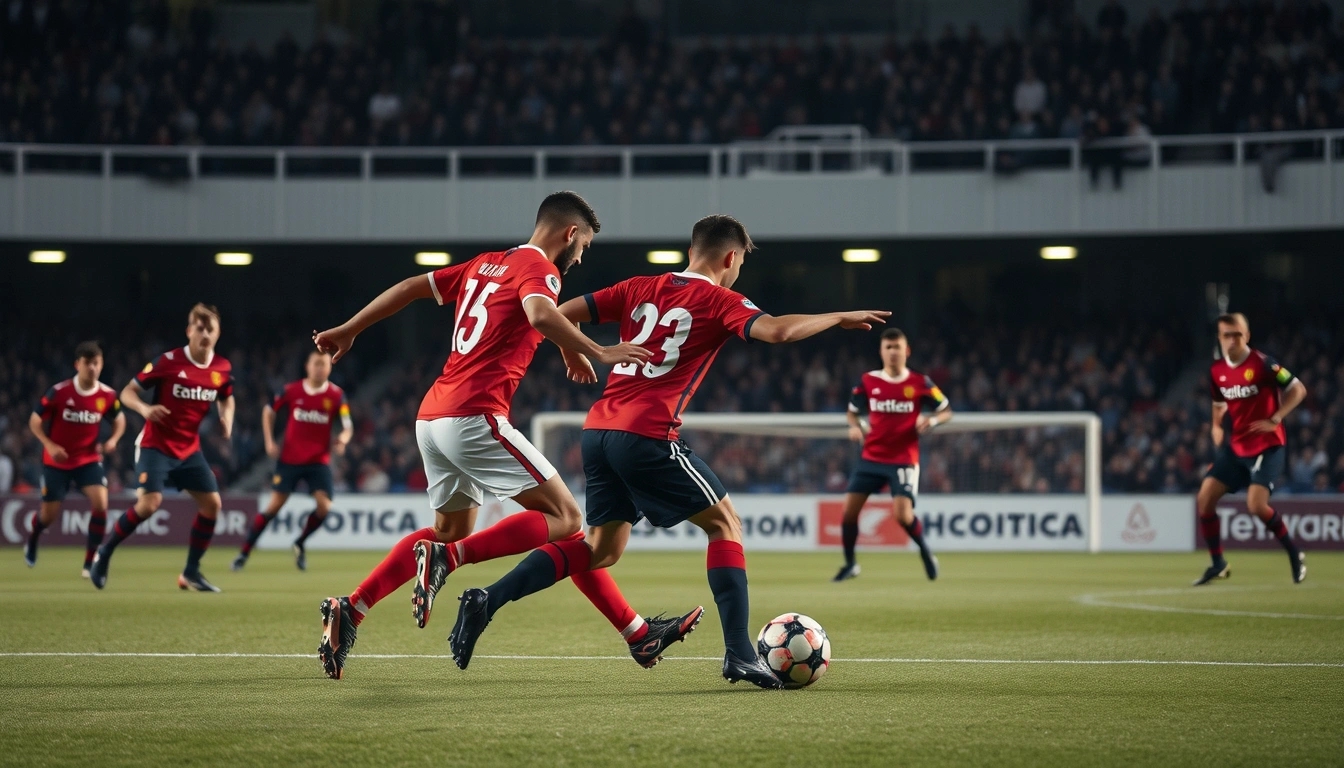
Risks and Downsides of Using Decoy Runs
Ah, decoy runs — the clever little tricksters of football set pieces. While they often get the glory for opening up space and confusing defenders, let’s not pretend they’re foolproof magic. In fact, decoy runs can sometimes be a double-edged sword, leading to wasted effort, lost focus, or even giving the opposition a free pass to counterattack. So, before you go celebrating every flick and feint, it’s worth unpacking the risks lurking behind these crafty moves.
First off, one of the biggest problems with decoy runs is that they require perfect timing and coordination. If a player makes the run too early or too late, the entire plan can fall apart. Imagine a scenario where a teammate is sprinting towards the near post, but the ball is delivered to the far post instead. That’s not just a missed opportunity — it’s potentially a morale killer. Players might get frustrated, and the whole set piece rhythm can be thrown off balance. It’s like a dance where one partner is out of step — awkward and ineffective.
| Common Risks of Decoy Runs | Potential Consequences |
|---|---|
| Mis-timed runs | Wasted energy, missed chances |
| Defenders not fooled | No space created, plan exposed |
| Lost focus on primary target | Reduced scoring threat |
| Overcomplication of set piece | Confusion among teammates |
Another sticky wicket is that sometimes defenders just don’t fall for the bait. Modern defenders have become pretty savvy at reading these moves, especially with video analysis and better communication on the pitch. When the decoy run is spotted early, it’s like waving a red flag in front of a bull — the defense tightens up, and the attacking team ends up with less space than before. Worse, if the decoy run is too obvious or overused, it loses its surprise factor entirely.
- Energy Drain: Players expend a lot of effort running around without touching the ball, which can tire them out for the rest of the game.
- Distraction: When a decoy run goes wrong, it can distract the attacking team from the main target, leading to sloppy deliveries or poor positioning.
- Counterattack Risk: If the defense clears the ball quickly, the attacking team might be caught out of position, vulnerable to fast breaks.
Let’s be honest, not every team nails the art of the decoy run. Some coaches try to cram in too many runs, turning a simple corner kick into a chaotic mess. It’s like inviting everyone to a party but forgetting who’s supposed to bring the snacks — confusion reigns. Plus, younger or less experienced players might struggle to read the game’s flow, making their decoy runs look more like random sprints than tactical moves.
In the end, while decoy runs can be a brilliant weapon in a team’s arsenal, they’re far from risk-free. Coaches and players have to weigh the potential payoff against the possibility of wasted effort or tactical blunders. It’s a high-stakes gamble — sometimes it pays off big, other times it just ends up as a fancy footwork fail.
Quick Tips for Managing Decoy Run Risks:
- Keep runs simple and well-rehearsed- Vary patterns to maintain unpredictability- Ensure clear communication among players- Avoid overusing the same decoy moves- Train players to maintain focus on primary targets
So next time you see a player darting off like they’re chasing a ghost, remember: it might look flashy, but there’s a fine line between genius and folly in the world of decoy runs.
Decoy Runs vs. Defensive Adaptations
In the ever-evolving game of football, the battle between attackers and defenders is like a never-ending chess match. Decoy runs, once a clever little trick to throw defenders off balance, have now become a full-blown tactical art form. But as with all good things in sport, defenses have adapted, and the tug-of-war continues.
So, what’s changed? Well, defenders today aren’t just blindly following their man or ball anymore. Modern defensive units are drilled to read the game smarter, to anticipate these sneaky decoy runs. Instead of reacting, they try to predict. They watch body language, positioning, and even subtle cues from attackers to figure out if a run is genuine or just smoke and mirrors.
- Zone Marking Evolution: Many teams have shifted from strict man-marking to a hybrid or zonal system during set pieces. This means defenders cover areas rather than players, making it harder for decoy runs to create clear gaps.
- Communication is Key: Defenders shout, point, and constantly adjust, trying to avoid getting sucked into chasing phantom runners. This constant chatter is their weapon against confusion.
- Video Analysis and Data: Coaches now break down opponents’ set-piece habits with painstaking detail. They know who tends to run decoys, when, and how. This pre-match intel is pure gold for defenders.
| Defensive Strategy | How It Counters Decoy Runs | Limitations |
|---|---|---|
| Zone Marking | Defenders cover spaces, reducing the chance of being pulled out of position by fake runs. | Requires excellent coordination; miscommunication can still lead to chaos. |
| Mixed Marking | Combines man and zone marking to adapt on the fly. | Complex to execute; players must be highly aware and disciplined. |
| Pre-Set Video Briefings | Anticipates attacker patterns and prepares defenders for specific decoy moves. | Relies on accurate data; unexpected variations can still catch teams out. |
But wait, attackers aren’t just sitting ducks either. They’ve upped their game, too. When defenses get smarter, attackers get craftier. It’s a tactical arms race.
- Layered Decoy Runs: Instead of a single dummy sprint, attackers now use multiple overlapping runs to overload defenders’ decision-making.
- Timing Tweaks: They mix up when runs start — sometimes delayed, sometimes early — to mess with defenders’ rhythm.
- Deception with Body Language: Players exaggerate movements or glance in fake directions, making defenders guess wrong.
The truth is, this cat-and-mouse game adds a thrilling unpredictability to set pieces. You never quite know if that sprint near the post is a genuine threat or just a clever ploy. And honestly, that’s what keeps fans on the edge of their seats.
"Defenses have gotten smarter, but attackers have become wilder in their creativity."- Tactical Analyst, Football Weekly
In the end, it’s less about who’s winning this battle and more about the constant evolution. Decoy runs and defensive adaptations push each other forward, making set pieces a mini-battlefield of wits and willpower. And for us watching? It’s pure football magic.
Statistical Impact of Decoy Runs on Goal Scoring
Alright, let’s get down to the nitty-gritty of whether decoy runs actually make a difference or if they’re just fancy footwork that looks good on highlight reels but doesn’t do much on the scoreboard. You see, on the surface, decoy runs seem like a clever trick — a player dashes off pretending to be the target, pulling defenders out of position, and suddenly, a teammate sneaks in for the real shot. Sounds brilliant, right? But does the data back it up? Well, the answer’s a bit more tangled than you might expect.
- First off, what stats are we even talking about? It’s not just about goals scored but also about expected goals (xG), shot quality, and how often these runs open up space for shots on target.
- Studies from recent seasons in top leagues like the Premier League and La Liga show that set pieces involving decoy runs increase the chance of a shot on goal by roughly 15-20% compared to those without.
- But here’s the kicker: the actual goal conversion rate from these plays doesn’t always skyrocket. Sometimes, it’s just a marginal bump, like 5-7% improvement, which makes you wonder if it’s worth all the running around.
| Metric | With Decoy Runs | Without Decoy Runs | Difference |
|---|---|---|---|
| Shots on Target per Set Piece | 0.45 | 0.37 | +21.6% |
| Goals per Set Piece | 0.12 | 0.11 | +9.1% |
| Expected Goals (xG) | 0.18 | 0.15 | +20% |
So, the numbers hint that decoy runs do create more opportunities, but scoring is still a tough nut to crack. Why? Well, defenders are getting smarter, tracking those runners more closely, and goalkeepers are better prepared for the chaos.
Now, let’s not forget the intangible stuff — the psychological edge. A well-timed decoy run can mess with defenders’ heads, causing hesitation or miscommunication. That split-second doubt can be the difference between a clean clearance and a goal. But measuring this mental game? That’s where stats hit a wall.
Practical takeaway for coaches and analysts:- Use decoy runs to increase shot opportunities, especially against tightly packed defenses.- Don’t expect a magic bullet; combine decoy runs with precise delivery and clinical finishing.- Track individual player effectiveness in these runs to optimize who should be the decoy.
In the end, decoy runs are a bit like seasoning in cooking — they don’t make the dish by themselves, but they sure add flavor. Teams that master the timing and coordination tend to see better returns, but if everyone’s just running around for show, the stats won’t lie — it’s probably just smoke and mirrors.
So next time you see a player dart off, remember: it might just be a well-calculated move backed by data, or maybe it’s a flashy stunt hoping to trick the defense. Either way, it’s football’s little mind game, and the numbers say it’s mostly worth the gamble.

The Future of Decoy Runs in Football Tactics
Alright, let’s talk about the future — not the flying cars kind, but the sneaky, crafty world of decoy runs in football. You know, those cheeky little moves where a player pretends to be the main threat but is really just there to mess with defenders’ heads? Yeah, those. With football evolving faster than a teenager’s playlist, it’s fair to wonder: how will decoy runs hold up in the years ahead? Will they still be the secret sauce or just old-school tricks fading into the background?
First off, tactics are getting smarter, no doubt. Coaches and analysts are diving deep into data, video, and even AI to outwit opponents. So, decoy runs can’t just be random sprints anymore; they need to be surgical, timed perfectly, and combined with other moves to keep defenses guessing. Imagine a world where decoy runs are synced with biometric data — players knowing exactly when to dart based on heart rates or opponent positioning. Sounds sci-fi? Maybe. But with wearable tech becoming mainstream, it’s not far-fetched.
| Current Trends | Future Possibilities |
|---|---|
| Simple near-post decoys | Multi-layered runs with AI-driven timing |
| Manual coaching on runs | VR training for perfect split-second decisions |
| Basic video analysis | Real-time opponent behavior prediction |
But hold on, technology isn’t the only player here. Player intelligence — that gut feeling and quick thinking on the pitch — will play a massive role too. As players become more tactically aware, they might start anticipating decoy runs better, making it a constant cat-and-mouse game. It’s like chess, but with sweat and mud. So, attackers will need to innovate, maybe mixing decoy runs with feints, quick passes, or unexpected pauses to keep defenders on their toes.
- Evolution of Player Intelligence: Enhanced game reading skills could reduce the effectiveness of traditional decoy runs.
- Hybrid Moves: Combining decoy runs with other deceptive tactics will become common.
- Training Innovations: VR and AI tools will help players rehearse these complex moves in simulated high-pressure scenarios.
Now, don’t get me wrong, decoy runs aren’t foolproof. As defenses adapt, their effectiveness might dip unless attackers constantly refresh their playbook. Plus, with faster, more athletic defenders, timing is everything. A split-second too early or late, and the whole move could flop spectacularly. But that’s the beauty of it — the risk keeps the game exciting.
So, here’s the kicker: the future of decoy runs isn’t about them disappearing. It’s about them evolving — becoming smarter, tech-assisted, and more integrated into a team’s overall strategy. The days of just sprinting near the post and hoping for the best are numbered. Instead, expect a blend of brains, brawn, and bytes shaping how these crafty moves unfold.
In summary:- Decoy runs will get tech upgrades (think AI and VR training)- Player smarts will push attackers to innovate constantly- Defenders won’t be easy marks anymore, raising the stakes- The dance between offense and defense will keep decoy runs alive, just more sophisticated
In the end, football remains a game of wits and will. Decoy runs? They’re just one piece of that grand puzzle — and like any good puzzle, they’ll keep changing shape as the game marches on. So, buckle up, because the next-gen decoy runs might just blow your mind (or at least your defense’s).
Frequently Asked Questions (The title must be written in English.)
- What exactly is a decoy run in football set pieces?
A decoy run is like a tactical smoke screen in football. It’s when a player makes a deliberate movement, usually during a corner or free kick, to distract defenders and pull them away from the real target. Think of it as a cunning chess move designed to create space and confuse the opposition, giving teammates a better chance to score.
- Why do teams rely so much on decoy runs?
Teams love decoy runs because they exploit human nature—defenders instinctively track runners, and a well-timed decoy run can throw off their focus. It’s like sending a decoy missile to divert attention while the real strike happens elsewhere. This distraction often opens up crucial gaps for attackers to exploit.
- Are there different types of decoy runs?
Absolutely! From simple near-post dummies that lure defenders forward to complex multi-run patterns that resemble a tactical dance, teams use a variety of decoy runs. Each type aims to confuse defenders in a unique way, keeping the defense guessing and off-balance.
- Can decoy runs sometimes backfire?
Yes, not every decoy run hits the mark. Sometimes they waste energy or cause confusion among teammates, leading to missed opportunities. Like any strategic move, timing and coordination are key—without them, decoy runs can become more of a liability than an asset.
- How do coaches train players to perfect decoy runs?
Coaches drill players relentlessly on timing and spatial awareness. They run scenarios over and over, focusing on split-second decisions and synchronization. It’s like rehearsing a play in theater—every move must be precise to fool the defenders and maximize scoring chances.
- Do decoy runs really increase the chances of scoring?
Statistically, yes! While they might look flashy, decoy runs have been shown to improve goal-scoring opportunities by creating space and disrupting defensive setups. They’re not just for show—they have a tangible impact on the game’s outcome.
- How are modern defenses adapting to counter decoy runs?
Defenses are getting smarter, using video analysis and communication to anticipate and neutralize decoy runs. They assign specific markers and stay disciplined to avoid being fooled. But attackers respond by evolving their tactics, turning this into a thrilling tactical tug-of-war.
- What does the future hold for decoy runs in football?
With advances in technology, player intelligence, and data analytics, decoy runs will likely become even more sophisticated. Imagine AI-powered training helping players perfect timing or real-time tactical adjustments during matches. The chess game of set pieces is only getting more exciting!