
In the ever-evolving chess game that is modern football, mid-block defending has become a go-to strategy for many teams looking to strike a balance between aggression and caution. Now, you might be wondering, why don’t teams just sit deep and park the bus or press high up the pitch? Well, that’s where the mid-block comes into play — it’s like the Goldilocks zone of defending: not too high, not too low, just right.
At its core, mid-block defending means setting up a defensive line roughly around the middle third of the pitch. This positioning forces the opposition to play through a congested area, making it tougher for them to build momentum. Coaches love it because it helps their team control space without burning too much energy chasing every ball up front. Plus, it’s a clever way to invite the opponent forward just enough to create chances for counter-attacks.
| Benefit | Explanation |
|---|---|
| Space Control | Compresses the playing field, forcing opponents into tight spaces where mistakes are more likely. |
| Energy Conservation | Players avoid constant high pressing, allowing them to conserve stamina for key moments. |
| Counter-Attack Opportunities | By inviting pressure, teams can exploit gaps left by opponents pushing forward. |
But, let’s not kid ourselves — mid-block defending isn’t some magic bullet. Teams often slip up by either dropping too deep, losing that crucial midfield presence, or pushing too high and getting caught out by quick balls over the top. It’s a fine line to tread, and when it goes wrong, you’re basically handing your opponent a golden chance to run riot.
- Common Mistake #1: Poor communication leading to gaps between the lines.
- Common Mistake #2: Failing to press at the right moments, allowing opponents easy build-up play.
- Common Mistake #3: Lack of player discipline, especially from midfielders who drift out of position.
Player roles shift dramatically in a mid-block system. Defenders must be alert to step out and intercept, midfielders need to be the engine room — breaking up play and recycling possession — while forwards often have to drop back to help in defense. It’s a collective effort, and if one cog slips, the whole machine falters.
| Position | Key Role |
|---|---|
| Center Backs | Maintain line integrity, intercept passes, and cover for advancing teammates. |
| Midfielders | Shield defense, press selectively, and launch counters. |
| Forwards | Drop to block passing lanes and initiate quick breaks. |
When you stack mid-block defending against the low-block, the differences become clear. The mid-block is more proactive — it looks to disrupt play earlier and doesn’t concede as much territory. Meanwhile, the low-block is reactive, sitting deep and hoping to absorb pressure before springing counters. Both have their place, but mid-block defending tends to suit teams confident in their tactical discipline and physical conditioning.
In the end, mid-block defending shapes the rhythm of a match. It’s like setting a trap — luring opponents in, forcing them into mistakes, and then pouncing. It demands mental toughness and physical readiness, but when executed right, it’s a beautiful blend of strategy and grit that keeps fans on the edge of their seats.
Understanding Mid-Block Defending Basics
Alright, let’s cut to the chase — mid-block defending isn’t just some fancy jargon coaches throw around to sound smart. It’s a tactical setup that’s been quietly sneaking into football matches all over the globe, and honestly, it’s shaking things up more than you might realize. So, what exactly is this mid-block defending everyone’s buzzing about? In simple terms, it’s a defensive strategy where a team positions itself not too close to their own goal, but not too far out either — smack dab in the middle of the pitch’s defensive third. Think of it as the Goldilocks zone of defending: not too deep, not too high, just right.
Now, why has this become a darling among coaches worldwide? Well, for starters, it’s all about balance. Teams using a mid-block aren’t just sitting back hoping for the best — they’re actively controlling space, cutting off passing lanes, and forcing the opposition to play in areas that aren’t comfortable. It’s like setting a trap, but one that requires patience and discipline. And let’s be honest, it’s way more proactive than the old-school “park the bus” low-block style that sometimes makes fans want to fall asleep.
| Key Features of Mid-Block Defending | Why It Matters |
|---|---|
| Positioning between the defensive and midfield thirds | Controls central areas and limits opponent’s forward options |
| Compact team shape with narrow spacing | Prevents easy penetration through the middle |
| Quick transition to pressing when ball enters zone | Disrupts opponent’s rhythm and forces errors |
But hey, it’s not all sunshine and rainbows. Mid-block defending demands a lot from players — stamina, focus, and communication are non-negotiable. If one player slips up or drifts out of position, the whole structure can collapse faster than you can say “offside trap.” Coaches love it because it offers flexibility; they can tweak pressing intensity or adjust lines depending on the opponent or game situation. It’s a bit like having a Swiss army knife in your tactical arsenal — versatile and reliable.
- Space management: Mid-block teams don’t give opponents the luxury of easy passes or runs.
- Energy conservation: Players avoid the exhausting constant pressing high up but stay alert enough to pounce when needed.
- Psychological edge: Opponents often get frustrated trying to break down a mid-block, leading to mistakes.
So, next time you watch a team set up in that “in-between” zone, remember — it’s not a passive move. It’s a calculated gamble that, when executed right, can turn the tide of a match. Coaches swear by it, players respect it, and fans? Well, they might just enjoy a more dynamic, unpredictable game. Mid-block defending might not grab headlines like flashy attacking plays, but it’s quietly becoming the backbone of modern football defense.
In short: Mid-block defending is the art of defending with the perfect balance — not too deep to invite pressure, not too high to get exposed. It’s clever, it’s strategic, and it’s here to stay.
Advantages of the Mid-Block Strategy
Alright, let’s dive into why so many teams swear by the mid-block defense. It’s not just some fancy jargon coaches throw around to sound smart—there’s real method behind the madness. At its core, the mid-block is about controlling space intelligently. Instead of parking the bus right in front of the goal (looking at you, low-block fans), teams set up their defensive line somewhere between the halfway line and their own penalty area. This positioning does wonders for managing the pitch and, surprisingly, conserving energy.
- Space Control: By holding the line further up, teams shrink the field for the opposition’s attackers. It’s like corralling cattle—forcing them into tighter zones where mistakes become more likely. Opponents can’t just stroll forward with ease; they have to navigate through a well-organized maze.
- Energy Efficiency: Contrary to what you might think, mid-block defending isn’t about running your legs off. It’s about smart positioning. Players aren’t chasing shadows all over the pitch but maintaining compactness, which means less frantic sprints and more measured movements.
- Transition Opportunities: When the ball is won, the mid-block sets teams up perfectly for quick counter-attacks. Being further upfield means less ground to cover to catch the opposition off guard.
Now, don’t get me wrong, it’s not all sunshine and rainbows. Executing a mid-block requires serious discipline and understanding among players. The team needs to move as a unit—like synchronized swimmers, but with less glitter and more sweat. If someone slips up, gaps open, and boom, you’re inviting trouble.
| Benefit | Why It Matters | Real-World Example |
|---|---|---|
| Compactness | Limits attacker’s options, forcing errors | Atletico Madrid under Simeone |
| Energy Conservation | Players avoid unnecessary chasing, preserving stamina | Leicester City’s 2015-16 title run |
| Counter-Attack Readiness | Quick transitions catch opponents off guard | RB Leipzig’s high pressing style |
One more thing to chew on: mid-block defending can mess with the opposition’s heads. When attackers find themselves squeezed into tight spaces, frustration builds. They start forcing passes, losing composure, and bingo—you get turnovers in dangerous areas. It’s a psychological game as much as a physical one.
To sum it up, the mid-block is a clever blend of positional savvy, energy management, and tactical patience. It’s not for every team or every match, but when done right, it can be a nightmare for attackers and a lifeline for defenders. So next time you see a team sitting in that sweet spot between midfield and defense, remember—they’re not just standing there, they’re playing chess, not checkers.
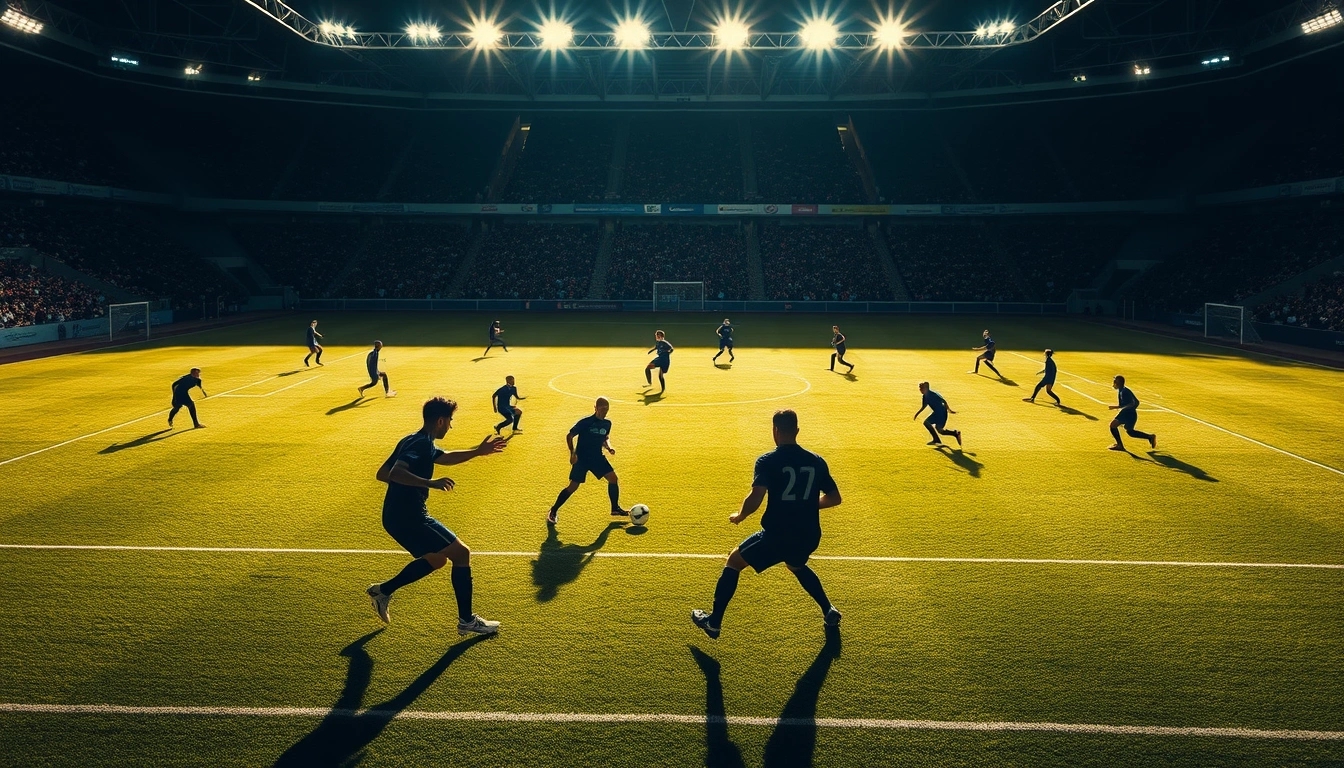
Common Mistakes Teams Make with Mid-Block
Common Mistakes Teams Make with Mid-Block Defending
Alright, so mid-block defending — it sounds all neat and tidy on paper, right? Teams line up in that sweet spot between their own half and midfield, trying to suffocate the opponent’s build-up without parking the bus too deep. But, oh boy, when teams get this wrong, it’s like watching a slow-motion car crash. Let’s break down some of the most frequent blunders that teams commit when setting up a mid-block and how these mistakes can blow up spectacularly.
- Misjudging the Distance Between Lines
One of the classic screw-ups is setting the defensive and midfield lines too far apart. When the gap is too wide, it’s like giving the opposition a VIP corridor to sneak through. Players get caught in no man’s land, and suddenly, you’re begging your defenders to cover double the space. It’s not just tiring—it’s downright dangerous. - Failing to Coordinate Press Triggers
The mid-block only works if everyone’s on the same page about when to press and when to hold. If one player jumps the gun and presses too early, it opens up gaps for the attackers to exploit. On the flip side, if no one presses at all, the opponent strolls through midfield like it’s a Sunday walk. Timing, people, timing!
Now, here’s a little table to sum up some of these mistakes and their consequences:
| Mistake | What Goes Wrong? | Result on the Game |
|---|---|---|
| Lines Too Far Apart | Creates exploitable spaces | Opponents penetrate easily, leading to dangerous chances |
| Poor Press Coordination | Inconsistent pressure on ball carrier | Opponents maintain possession and control tempo |
| Overcommitting Players | Leaves defensive gaps behind | Vulnerable to quick counter-attacks |
Speaking of overcommitting, this is another pitfall that trips up many teams. You see it all the time: a midfielder decides to chase a lost cause, leaving a yawning hole behind. Suddenly, the opposing wingers or strikers have acres of space to run into. It’s like giving away free candy to a kid—tempting, but a bad idea.
And let’s not forget about communication—or the lack thereof. In the chaos of a mid-block, players need to shout, signal, and basically be each other’s walking radios. When communication breaks down, marking assignments get fuzzy, and players end up chasing ghosts instead of opponents.
- Ignoring Transition Moments
Mid-block defending isn’t just about standing still and waiting for the ball to come. Teams often mess up by not reacting quickly enough when possession changes hands. If the team is slow to shift from defense to attack or vice versa, the mid-block becomes a sieve, allowing opponents to exploit transitional chaos.
So, what’s the takeaway here? Mid-block defending looks slick when executed well, but it’s a tactical tightrope walk. One slip, one miscommunication, and suddenly your “solid” defense looks more like Swiss cheese. Coaches and players need to drill the basics, focus on compactness, and never underestimate the importance of timing and teamwork.
At the end of the day, the mid-block isn’t just a formation—it’s a mindset. Nail that, and you can frustrate even the most talented attackers. Screw it up, and well… you’re handing them a gift-wrapped scoring opportunity on a silver platter.
Player Roles and Responsibilities in Mid-Block
Alright, let’s talk about the nitty-gritty of how players shuffle their roles when a team sets up a mid-block defense. It’s not just about standing still and hoping the opponent trips over their shoelaces. Nope, mid-block defending demands a delicate balance of positioning, anticipation, and sheer grit from every player on the pitch. Each player’s job morphs a bit to keep that defensive wall intact, and if even one cog in this machine slips, the whole system can come crashing down like a house of cards.
First up, the central defenders. These guys are the backbone, no surprises there. But in a mid-block, they’re not just parking themselves in front of the goal like statues. They need to maintain a compact shape, often pushing a bit higher than usual to shrink the space between the lines. This means they’re constantly communicating, ready to step up and snatch the ball or drop back if the attackers try to sneak through. Their positioning is crucial because leaving gaps here is like handing the opponent a golden ticket.
- Central Defenders: Maintain compactness, coordinate line pushing, cover for midfielders stepping up.
- Fullbacks: These players have a tricky role. They must be vigilant to prevent wide attacks but also ready to support the midfield. In a mid-block, fullbacks often tuck in slightly, reducing space for wingers and ensuring no easy crosses. They’re the unsung heroes, juggling defense and occasional forward runs.
- Midfielders: The midfield trio or duo (depending on formation) have to be the team’s engine room. They’re tasked with cutting passing lanes, pressing selectively, and quickly transitioning from defense to attack. Their spatial awareness has to be top-notch; too aggressive pressing and they risk being bypassed, too passive and the block loses its bite.
- Forwards: Even the strikers have defensive duties here. They’re often the first line of defense, tasked with disrupting the opponent’s build-up play and forcing errors high up the pitch. It’s not glamorous, but it’s vital.
| Player Position | Key Responsibilities in Mid-Block | Common Challenges |
|---|---|---|
| Central Defenders | Maintain compactness, coordinate defensive line, cover space between defense and midfield | Risk of being pulled out of position, vulnerability to quick through balls |
| Fullbacks | Limit wide attacks, support midfield, prevent crosses | Balancing defensive duties with forward runs, vulnerability to overloads |
| Midfielders | Cut passing lanes, selective pressing, transition quickly | Risk of overcommitting, leaving gaps behind |
| Forwards | Initiate pressing, disrupt build-up, force turnovers | Fatigue from constant pressing, less involvement in attack |
Now, here’s a little secret: the mid-block isn’t a rigid formation. It’s more like jazz — players improvise within a structure. For instance, if a fullback steps up to press, a midfielder might fall back to cover, or a central defender might shift laterally to close a gap. This fluidity is what keeps opponents guessing and frustrated.
But, oh boy, the mental demands! Players need to be alert all the time. One lapse in concentration and boom — the block crumbles. It’s like a game of chess, but with sweaty legs and a ball flying around. Plus, stamina plays a massive role. Constantly adjusting positions, pressing, and tracking runs can drain even the fittest athletes.
To wrap this up, mid-block defending is a collective effort where every player’s role adapts dynamically. It’s a dance of discipline and daring, requiring smart positioning, quick thinking, and relentless work rate. If executed well, it can frustrate opponents and control the game’s rhythm, but slip-ups? Well, those get punished mercilessly. So, next time you watch a team pulling off a solid mid-block, tip your hat to the invisible choreography happening on the pitch.
Mid-Block vs Low-Block: What’s the Difference?
Alright, let’s dive into the ever-entertaining world of football defending strategies — specifically, the mid-block and the low-block. These two defensive setups often get tossed around like interchangeable buzzwords, but trust me, they’re quite different beasts. Both have their moments to shine, but which one works better? Well, that depends on a bunch of tactical nuances and the situation on the pitch.
First off, the mid-block is all about positioning your team roughly halfway between your own goal and the halfway line. It’s like saying, “We’re not gonna sit back and invite pressure, but we’re not gonna press you right up your throat either.” This approach lets teams control the central areas of the field, cutting off passing lanes and forcing opponents to play wide. It’s a delicate balance — you’re compact enough to be solid but still close enough to the opposition’s half to launch quick counters.
On the flip side, the low-block is the classic “park the bus” style. Here, the defending team retreats deep into their own half, crowding the penalty box and making it a nightmare for attackers to find space or shoot. It’s like building a fortress around your goal, daring the opposition to break through. The low-block is especially handy when you’re up against a superior team or trying to protect a slim lead late in the game.
| Aspect | Mid-Block | Low-Block |
|---|---|---|
| Position on Pitch | Between own half and midfield | Deep inside own half, near penalty area |
| Defensive Shape | Compact but proactive | Highly compact and reactive |
| Pressure Style | Selective pressing in midfield | Minimal pressing, focus on blocking shots |
| Counterattack Potential | High, quick transitions | Lower, relies on long balls or set pieces |
| Energy Demand | Moderate to high | Lower but intense concentration needed |
Now, here’s where it gets interesting. The mid-block demands more from players physically and mentally. You’re constantly shifting, pressing pockets of space, and ready to pounce. It’s like a game of chess where you’re one move ahead, trying to predict and intercept passes. But mess it up, and you’re leaving gaps in midfield that a clever opponent will exploit faster than you can say “offside.”
The low-block, while seemingly less intense physically, requires a different kind of discipline. Players must maintain tight lines, resist the urge to chase every ball, and stay mentally alert to clear dangers from crosses or rebounds. It’s a bit like waiting for a storm to pass while making sure your umbrella doesn’t flip inside out.
- When to use Mid-Block? When you want to control the tempo, frustrate opponents early, and have the legs to chase down counters.
- When to use Low-Block? When you’re defending a lead, dealing with a superior attack, or trying to grind out a result.
One last nugget: teams often blend these approaches mid-game. They might start with a mid-block to unsettle the opponent, then drop into a low-block when tired or protecting a lead. Coaches love this flexibility because football isn’t static — it’s messy, unpredictable, and sometimes downright chaotic.
So, next time you watch a match and hear commentators ramble on about “blocks,” remember: it’s not just about sitting back or pressing high. It’s a finely tuned tactical dance, with each block type offering its own perks and pitfalls. And honestly? That’s what makes football such a fascinating game.

Impact on Opponent’s Attacking Play
When teams set up a mid-block defense, it’s like they’re putting a big, invisible wall smack dab in the middle of the pitch, and this wall isn’t just there to look pretty. It’s a strategic move designed to disrupt the rhythm of attacking teams, forcing them to rethink their game plan on the fly. You might think, “Okay, so they’re just sitting back a bit?” Nah, it’s way more than that. The mid-block isn’t about parking the bus; it’s about controlling space and forcing attackers into making mistakes—and lots of them.
- Cutting down passing lanes: Mid-block teams position themselves to clog the most dangerous channels, making it a nightmare for attackers to find easy passes.
- Forcing wide play: By squeezing the central areas, they push opponents towards the flanks, where crosses can be less threatening and easier to defend.
- Limiting forward runs: The block’s compact shape disrupts timing, so attackers struggle to break through with those slick, well-timed runs.
Now, here’s where it gets interesting. Attacking teams often get rattled because the mid-block doesn’t let them settle. Imagine you’re a striker or an attacking midfielder, and suddenly all your usual passing options are gone or heavily contested. You start rushing decisions, trying risky dribbles, or forcing passes that just aren’t there. That’s exactly what the mid-block wants.
| Effect on Attacking Teams | Result |
|---|---|
| Reduced space in midfield | Slower build-up, increased turnovers |
| Pressure on ball carriers | Hasty passes, loss of possession |
| Forcing play wide | Less dangerous crosses, easier defense |
| Disrupted timing of runs | Offside traps, failed penetrations |
But hey, it’s not foolproof. Some teams get frustrated and try to blast their way through, which often leads to sloppy play and even counterattacks for the defending side. Others might try clever one-twos or quick switches to bypass the block, but that requires precision and patience, and not every team has that in their locker.
So, the mid-block is like a psychological game too. It wears down attackers mentally, making them second-guess their choices, which can be even more valuable than just winning the ball back. In the end, it’s a subtle but effective way of turning the tide in a match without necessarily being the most aggressive or flashy tactic out there.
In a nutshell, mid-block defending is a crafty way to mess with an opponent’s head and feet, making them trip over their own feet while trying to find a way through. And when that happens? Well, that’s when the defending team can pounce and take control.
Physical and Mental Demands of Mid-Block Defending
Mid-block defending might look like a neat tactical setup on paper, but let me tell you, it’s a beast when it comes to what it demands from players. It’s not just about standing firm in the middle of the pitch and hoping the opponent trips over themselves. Nope, it’s a relentless test of stamina, concentration, and sheer willpower.
First off, stamina is king here. Players have to maintain high energy levels for the entire 90 minutes—or longer if it’s extra time—because the mid-block isn’t a lazy, sit-back-and-watch style. You’re constantly shifting, adjusting your position, closing down spaces, and sprinting short distances repeatedly. It’s like interval training on steroids. Imagine having to keep your legs fresh enough to chase down attackers, but also stay alert enough to read the game and anticipate the next move. No easy task.
- Continuous Movement: Mid-block players must cover the space between their defensive line and midfield, which means a lot of ground to cover.
- Quick Transitions: Switching from defense to attack requires explosive bursts of speed and energy.
- Endurance: Maintaining intensity throughout the match without dropping off.
But stamina alone doesn’t cut it. The mental side of mid-block defending is just as brutal. Concentration has to be razor-sharp because one slip-up or a moment’s lapse can open up the entire defense like a buffet for the opposition. Players need to constantly scan their surroundings, communicate with teammates, and make split-second decisions—sometimes under immense pressure.
| Aspect | Challenge | Impact if Neglected |
|---|---|---|
| Concentration | Maintaining focus amid fatigue and pressure | Missed marking, late reactions, defensive gaps |
| Communication | Coordinating with teammates to maintain shape | Confusion, overlaps, vulnerability to through balls |
| Decision Making | Choosing when to press, hold line, or drop back | Disorganized defense, increased risk of conceding goals |
Now, let’s not forget the psychological grind. Players often face frustration when the opposition keeps probing and poking, trying to break the block down. Staying mentally tough, keeping the team morale high, and not letting the pressure crack you is a whole different ball game. It’s like being in a pressure cooker where every mistake is magnified.
To sum it up, mid-block defending is a beautiful mess of physical endurance and mental fortitude. Coaches often emphasize fitness drills that mimic the stop-start nature of this defensive style, mixed with tactical sessions that sharpen players’ awareness and decision-making. And honestly, if a player can pull off a mid-block defending role without crumbling, they deserve some serious respect.
In short:
- Stamina keeps the legs moving and the defense tight.
- Concentration stops the defense from turning into Swiss cheese.
- Mental toughness ensures players don’t lose their heads when things get hairy.
So next time you watch a team pull off a perfect mid-block, remember the invisible battle going on inside those players’ minds and bodies. It’s not just tactics, it’s endurance, nerve, and a whole lot of grit.
Real-World Examples: Teams That Master Mid-Block
Alright, let’s get down to brass tacks. When it comes to mid-block defending, some clubs and national teams have really nailed this art over the past few seasons. It’s not just about parking the bus or going full throttle pressing; mid-block sits somewhere in the middle, and the teams that pull it off well? They look like they’ve got a sixth sense for space and timing.
Take Atletico Madrid, for instance. Under Diego Simeone, they’ve been the poster child for disciplined mid-block defending. They don’t just sit back and hope for the best; they carefully position themselves around the halfway line, cutting passing lanes and daring opponents to try their luck. It’s like a well-oiled machine, with players snapping into tackles and intercepting passes with surgical precision. Their compact shape frustrates even the most creative attackers.
Then, there’s Leicester City in the Premier League, especially during their fairy-tale title-winning season and beyond. Brendan Rodgers’ side uses the mid-block to strike a balance between defensive solidity and quick counter-attacks. They don’t waste energy chasing shadows up front but stay organized around midfield, forcing opponents into mistakes. It’s not the flashiest style, but it sure gets results.
| Team | Key Characteristics | Notable Coach |
|---|---|---|
| Atletico Madrid | Compact shape, aggressive interceptions, structured midfield | Diego Simeone |
| Leicester City | Balanced energy use, quick transitions, midfield blocking | Brendan Rodgers |
| Germany National Team | Positional discipline, tactical flexibility, pressing triggers | Joachim Löw / Hansi Flick |
On the international front, the Germany national team has been a textbook example of mid-block defending. Their approach often involves patiently sitting in a mid-block, waiting for the right moment to spring a press or cut off passing lanes. It’s a system that demands high tactical intelligence, and Germany’s players have consistently shown that. Sure, they’ve had their ups and downs, but when it clicks, it’s a joy to watch.
But hey, it’s not just the tactical nerds who appreciate mid-block defending. Fans often get a bit restless watching teams that don’t constantly attack, but the mid-block can be a beautiful chess game. It’s about patience, discipline, and timing. Teams like Napoli and RB Leipzig have also flirted with this style, blending it with their own attacking philosophies.
- Napoli: Uses mid-block to control the midfield and lure opponents into risky passes.
- RB Leipzig: Known for their aggressive mid-block that quickly turns into counter-pressing.
Of course, mid-block defending isn’t a magic wand. It requires players to be laser-focused and physically ready to react instantly. But when done right, it can frustrate the opposition and conserve energy for those lethal counters.
So next time you watch a game where the defending team isn’t just sitting back but isn’t pressing high either, take a moment. They might just be executing a mid-block masterclass, blending patience with precision in ways that keep football endlessly fascinating.

Future Trends: Is Mid-Block Defending Here to Stay?
Ah, the mid-block defending strategy—it’s been the talk of the town for a while now, hasn’t it? Coaches, pundits, and fans alike have been scratching their heads, wondering if this tactical setup is just a fad or genuinely the future of football defending. Well, buckle up, because the mid-block isn’t going anywhere soon, but its evolution will definitely be interesting to watch.
First off, let’s get this straight: mid-block defending is that sweet spot between the high press and the low block. It’s like Goldilocks—*not too aggressive, not too passive*, just right. Teams using this approach aim to control the middle third of the pitch, forcing opponents into uncomfortable zones, and then pounce when the moment’s right. But here’s the kicker—football never stands still. So, what’s next for the mid-block?
- Integration with Data Analytics: Coaches are increasingly leaning on data to fine-tune their mid-block setups. Expect more real-time tracking of players’ positioning and opponents’ tendencies, allowing for dynamic shifts in the block during matches.
- Hybrid Defensive Systems: The days of rigid formations might be fading. Mid-block defending could morph into hybrid systems that blend pressing and blocking, adapting fluidly within the game’s ebb and flow.
Now, don’t get me wrong—there are pitfalls. Teams often struggle with timing their presses or maintaining compactness, which can lead to gaps and, well, embarrassing goals conceded. But as players get fitter and more tactically savvy, those mistakes might become rarer.
| Aspect | Current State | Future Outlook |
|---|---|---|
| Player Stamina | High demand; players tire quickly | Improved conditioning and rotation strategies |
| Positional Discipline | Varies widely; prone to lapses | Enhanced training with AI feedback |
| Opponent Adaptation | Opponents sometimes bypass mid-block easily | More unpredictable mid-block variations |
What’s really fascinating is how the mid-block could influence youth development. Coaches might start teaching young players the nuances of mid-block defending earlier, making it a fundamental part of their tactical education. It’s like planting seeds for a future generation of defenders who can read the game like chess grandmasters.
And let’s not forget technology’s role. With VR training, AI tactical analysis, and even biometric monitoring becoming mainstream, mid-block defending will evolve beyond just man-marking and zone coverage. It could become a high-tech chess game where every move is calculated, measured, and executed with precision.
To sum it up, mid-block defending isn’t just a passing trend—it’s a tactical philosophy that’s adapting and growing. Sure, it’ll face challenges, and some teams might ditch it for flashier tactics, but its core principles of balance, control, and patience make it a resilient choice. So, if you’re a football fan, keep your eyes peeled—mid-block defending is here to stay, but it’s going to look a whole lot different in the next decade.
In the end, football’s always evolving, and the mid-block is just one chapter in that ongoing story.
Frequently Asked Questions
- What exactly is mid-block defending in football?
Mid-block defending is a tactical setup where a team positions its defensive line and midfield roughly in the middle third of the pitch. Instead of sitting deep near their own goal, teams using a mid-block aim to control space more proactively, disrupt the opponent’s rhythm, and force them into making mistakes before they get too close to the penalty area. Think of it like setting up a strategic checkpoint halfway through a battlefield.
- Why do so many teams prefer mid-block defending over other defensive styles?
It’s all about balance. Mid-block defending offers teams a sweet spot between aggressive pressing and cautious retreating. It helps conserve energy by avoiding constant high pressing, yet still keeps the opposition under pressure. Plus, it controls key areas of the pitch, making it harder for opponents to build momentum. Imagine it as a well-timed dance move—neither too close nor too far, just perfectly poised.
- What are common mistakes teams make when using a mid-block?
One big blunder is losing compactness. If players spread out too much, gaps appear, and opponents can exploit those spaces with quick passes or runs. Another is poor communication—without clear signals, the defensive line might get pulled out of shape, leading to dangerous situations. It’s like a chain; if one link weakens, the whole defense risks breaking down.
- How does mid-block differ from a low-block defense?
While mid-block sits in the middle third, a low-block drops deeper, often near the penalty box, inviting pressure to defend tight spaces. Mid-block is more proactive, aiming to intercept and counterattack, whereas low-block is reactive and focuses on absorbing pressure. Think of mid-block as a middle guard, while low-block is the last fortress.
- Which players have key roles in executing a mid-block effectively?
Midfielders and defenders must work in harmony. Midfielders often act as the first line of defense, disrupting passes and closing down spaces, while defenders maintain a solid line and cover passing lanes. Communication and awareness are crucial, almost like a well-rehearsed orchestra where every player knows their cue.
- Does mid-block defending require special physical or mental qualities?
Absolutely! Players need high stamina to maintain positioning and quick bursts of speed to close down threats. Mentally, concentration is vital to avoid lapses that opponents can exploit. It’s like running a mental marathon with sprint intervals—demanding but rewarding.
- Can mid-block defending actually disrupt an opponent’s attacking strategy?
Yes, it forces attackers to rethink their approach. By controlling the middle third, mid-block defending limits easy passing options and funnels attackers into less dangerous wide areas. This pressure can cause rushed decisions and turnovers, turning defense into a launching pad for counterattacks.
- Is mid-block defending just a passing trend, or will it stick around?
Given its tactical flexibility and success in modern football, mid-block defending is likely here to stay. As teams evolve, they’ll keep refining this approach to balance defense and attack seamlessly. Think of it as a classic recipe with room for creative twists.