
Alright, let’s get down to brass tacks about this wide overload thing. You’ve probably heard coaches and commentators throw around terms like “stretch the defense” or “create chaos,” but what’s really going on here? Wide overloads are like that sneaky trick you pull out when you want to mess with the other team’s heads and open up some juicy scoring chances. It’s not magic, but it sure feels like it when it works.
What’s the deal with wide overloads? Imagine piling up most of your players on one side of the field or court. Suddenly, the defense has to decide: do they stick tight and risk leaving a huge gap somewhere else, or do they spread out and risk getting outnumbered on that overloaded side? This tactic forces defenders to stretch their coverage, which is exactly what the offense wants.
| Offense Setup | Defense Challenge |
|---|---|
| Players bunched wide on one side | Defenders pulled out of natural positions |
| Creates open space elsewhere | Leads to gaps and mismatches |
| Confuses defensive communication | Increases chances of blown coverages |
Now, don’t get me wrong, this isn’t some foolproof plan. Wide overloads come with their own headaches. If the defense is quick on the uptake and adjusts smartly, the whole thing can collapse faster than you can say “timeout.” And if the offense fumbles spacing or timing? Well, that overload just turns into a traffic jam.
- Advantage #1: Stretching the defense creates lanes for quick passes or runs.
- Advantage #2: Forces defenders to communicate under pressure, often leading to mistakes.
- Advantage #3: Opens up unexpected scoring opportunities from less guarded areas.
But hey, let’s be real — sometimes wide overloads look like a hot mess. Players might bunch up too much, clogging the space instead of opening it. Or the ball carrier hesitates because the defense isn’t biting, killing the momentum. Coaches swear by drills that hammer spacing and timing because, without that, you’re just throwing bodies at a wall and hoping it cracks.
Practical Tip:- Practice quick ball movement to keep defenders on their toes.- Work on player positioning to maintain optimal spacing.- Drill communication cues to avoid confusion during overloads.
In the end, wide overloads are a bit like jazz — you gotta feel the rhythm, improvise when needed, and trust your teammates to hit the right notes. When done right, it’s a beautiful chaos that leaves defenses scrambling and fans cheering. When it fails? Well, it’s a lesson learned, and sometimes that’s just part of the game.
What Exactly Is a Wide Overload?
Alright, so you’ve probably heard commentators throw around the term “wide overload” during a game, but what on earth does it actually mean? Let’s break it down without getting all fancy and complicated. Imagine a team decides to cram more players than usual on one side of the field. Instead of spreading out evenly, they stack up, say, three or four players wide on the right flank, leaving the other side a bit lonely. This isn’t just random chaos — it’s a calculated move designed to mess with the defense’s head.
Why? Because defenders are usually set up to handle a balanced offense. When you suddenly shove extra attackers wide on one side, defenders have to scramble and decide who covers who. Some defenders get pulled out of their comfy zones, others get stretched thin, and suddenly, the defensive line looks like a rubber band about to snap. This spreading out creates space — and space is like gold in any sport. It opens up passing lanes, running paths, and just generally makes life miserable for the defense.
- Players on the overloaded side: They act like magnets, drawing defenders out.
- Players on the opposite side: They get more room to maneuver and can exploit gaps.
- Midfielders or backs: Often get better angles for passes or runs because defenders are distracted.
Think of it like this: if you’re defending a house and suddenly the burglars all show up at the front door, you might leave the back door wide open. That’s the essence of a wide overload — forcing defenders to commit to one side and leaving juicy opportunities elsewhere.
| Aspect | Effect on Defense | Benefit to Offense |
|---|---|---|
| Extra attackers on one flank | Defenders get pulled out of position | Creates gaps and mismatches |
| Spacing between players | Forces defenders to cover more ground | More room for quick passes and runs |
| Overloaded side pressure | Confuses defensive assignments | Increases chance of defensive errors |
Now, don’t get me wrong — it’s not just about throwing a bunch of players to one side and hoping for the best. Timing, communication, and understanding each player’s role are crucial. The team has to move like a well-oiled machine, with players shifting and adjusting as the defense reacts. If done right, a wide overload can turn a tight, locked-down game into an open playground for attack.
So next time you see a team piling up on one side, remember: it’s a sly little trick to stretch the defense thin, create confusion, and open up a world of attacking chances. It’s like chess, but with sweat, speed, and a bit of chaos thrown in.
How Wide Overloads Stretch Defenses
Alright, let’s get real about wide overloads and what they actually do to a defense. When a team decides to cram more players on one side of the field, it’s not just about being flashy or confusing the other squad—it’s a deliberate move to pull defenders out of their comfort zones. Imagine defenders as chess pieces, usually snug and tight, covering specific zones or players. Now toss in an overload on one flank, and suddenly those pieces have to stretch, scramble, and cover way more ground than they signed up for. That’s where the magic (and chaos) begins.
Here’s the nitty-gritty: defenders get yanked away from their usual spots. Why? Because the offense is flooding one side, forcing the defense to decide—do they stick close to their man, or do they shift to cover the overload? Neither option is perfect. If they don’t shift enough, the offense finds open lanes like a hot knife through butter. If they shift too much, they leave gaps elsewhere. It’s a lose-lose for defenders, and the offense? They’re licking their chops.
| Defensive Reaction | Result |
|---|---|
| Stick to original positions | Offense exploits open spaces created by overload |
| Shift to cover overload | Creates mismatches and gaps on opposite side |
| Man-mark tightly | Leads to fatigue and confusion as defenders cover more ground |
It’s not just about moving around; it’s about mental overload too. Defenders have to communicate rapidly, adjust on the fly, and keep track of multiple threats. And let’s be honest, in the heat of the game, that’s easier said than done. Sometimes, defenders just freeze up or misread the play, giving the offense a golden ticket.
- Wide spacing stretches the defense horizontally, making it tougher to protect the middle.
- Defenders get pulled into uncomfortable one-on-one or two-on-one situations, which favors the offense.
- More ground to cover means defenders tire out faster, especially late in the game.
Think of it like a rubber band being stretched too far—it’s bound to snap or at least lose some of its snap-back tension. Offenses love exploiting those moments when defenders are just a step slow or a bit out of position. That’s where quick passes, sharp cuts, or sneaky runs come in, turning tiny gaps into scoring chances.
Offense's Plan:- Overload one side with extra players- Force defenders to shift and cover more ground- Exploit the gaps and mismatches created- Score or gain significant yardageDefense's Dilemma:- Stay put and risk leaving space open- Shift and risk mismatches elsewhere- Communicate constantly to avoid confusion- Hope for quick recovery and support from teammates
In the end, wide overloads are a brilliant headache for defenders. They’re forced to make split-second decisions under pressure, and often, that pressure leads to mistakes. Whether it’s a missed tackle, a blown coverage, or just getting outpaced, the offense is banking on those errors. So yeah, wide overloads don’t just stretch defenses physically—they stretch their patience, their coordination, and sometimes their sanity.
So next time you see a team flooding one side of the field, remember: it’s a tactical ploy designed to pull defenders out of their comfort zone, stretch them thin, and carve open juicy opportunities. And if you’re a defender? Well, good luck keeping your cool when the overload hits.

Key Advantages of Using Wide Overloads
Alright, let’s get real about wide overloads — they’re not just some fancy tactic coaches throw around to sound smart. When done right, these wide overloads can totally flip the script on the defense, making them scramble like it’s the last five minutes of a nail-biter. The main idea? Stretching out the defense so thin, they start tripping over their own feet trying to cover every inch. But hey, it’s not just about making defenders sweat; there’s a whole buffet of perks that come with this play style.
First off, creating space is the big kahuna here. When you flood one side of the field with players, defenders have to decide: do they stick tight and risk leaving a gaping hole on the other side, or do they shift over and leave the overload side vulnerable? Either way, the offense gets a juicy advantage. Imagine a rubber band stretched too far — eventually, it snaps, and that’s when the offense can dart through those cracks like a fox in a henhouse.
| Advantage | What It Means | Why It Matters |
|---|---|---|
| Stretching the Defense | Forces defenders to cover more ground | Creates gaps and mismatches for attackers |
| Confusing Defenders | Overloads cause hesitation and miscommunication | Leads to blown assignments and open lanes |
| Opening Passing Lanes | Wide positioning opens up clean passing options | Improves ball movement and scoring chances |
| Exploiting Mismatches | Targets weaker or slower defenders | Increases likelihood of successful plays |
Now, let’s talk about confusing the defenders. It’s like when you’re trying to follow a complicated recipe but the instructions keep changing — frustrating, right? Wide overloads create this kind of chaos on the field. Defenders get pulled out of their comfort zones, forced to communicate on the fly, and sometimes just plain guess wrong. That hesitation? That’s golden for the offense. It’s a split-second window where the offense can strike, whether it’s a quick pass, a sneaky run, or a surprise cut.
- Defensive miscommunication: When defenders aren’t on the same page, they leave openings.
- Forced rotations: Defenders have to shuffle around, often leaving their original marks free.
- Increased fatigue: Covering more ground wears defenders down faster.
And don’t underestimate the psychological edge. When a team consistently pulls off wide overloads, defenders start second-guessing themselves. They get twitchy, nervous about leaving someone open, and that’s when mistakes pile up. It’s like playing mind games without even trying.
But here’s the kicker: wide overloads don’t just work in theory. When executed with timing and precision, they turn into a scoring machine. The offense can exploit the extra space, find the open player, and rack up points while the defense is still trying to figure out what just hit them.
So yeah, wide overloads might seem simple on paper, but their advantages are pretty darn powerful. They stretch defenses thin, create confusion, and ultimately open up more scoring opportunities. Just remember, it’s not a magic bullet — it takes practice, patience, and a little bit of that unpredictable flair to really make it sing.
Risks and Downsides Teams Face
Alright, let’s get real for a moment—wide overloads aren’t some magical silver bullet that guarantees touchdowns or slam dunks every time. Sure, spreading players wide can look flashy and open up the field, but if the defense catches on or the offense fumbles the execution, things can go south faster than you can say “turnover.” Let’s break down why this tactic isn’t always sunshine and rainbows.
- Defensive Adjustments Can Kill the Play
If the opposing defense is sharp and quick to adapt, they’ll start shifting their coverage to counter the overload. Suddenly, what was supposed to be a wide-open space becomes a crowded mess. Defenders might slide over, double-team, or even blitz the ball carrier, turning your neat little plan into chaos. This means your offense has to be just as quick on their feet, or else risk getting stuffed. - Offensive Mistakes Get Amplified
When you stretch the field, timing and precision become everything. A bad snap, a missed block, or a mistimed run can blow the whole thing up. Wide overloads demand near-perfect coordination—if someone’s out of sync, the defense pounces. It’s like walking a tightrope with a blindfold; one wrong step and you’re flat on your face.
| Common Wide Overload Pitfalls | Potential Consequences |
|---|---|
| Slow or poor communication | Missed assignments, blown coverage |
| Over-reliance on speed | Easy to trap or contain by disciplined defenders |
| Predictability in play-calling | Defense anticipates and counters effectively |
| Fatigue from constant wide positioning | Players lose sharpness late in the game |
Now, you might think, “Well, just fix those mistakes!” Easier said than done. Wide overloads put a premium on stamina and mental focus. Players are running routes or blocks farther and wider than usual, which can tire them out quicker. When fatigue sets in, even the best-laid plans unravel. And let’s not forget the psychological aspect—if the offense gets rattled by a failed overload attempt, confidence can take a nosedive.
- Mismatch Risks
Sometimes, in trying to overload one side, you leave the other side exposed. If the defense exploits this, you might find yourself defending against a quick counterattack or a sneaky switch. The overload can backfire spectacularly if the defense uses your aggression against you. - Complexity Can Confuse Your Own Team
Wide overloads aren’t just about running wide; they’re about timing, spacing, and roles. If players don’t fully understand their responsibilities, you end up with a mess on the field. Instead of confusing the defense, you confuse yourselves—and that’s a recipe for disaster.
So, while wide overloads are a powerful tool in the playbook, they come with a fair share of risks. Teams that want to use this tactic successfully need to be ready for the mental and physical demands, plus have contingency plans when the defense inevitably adjusts. Otherwise, what started as a clever move quickly turns into a costly headache.
Key Takeaway: Wide overloads can be a double-edged sword—awesome when they work, brutal when they don’t. Mastering them means balancing creativity with discipline and always staying one step ahead of your opponent.
Famous Teams and Matches Where Wide Overloads Shined
Alright, let’s get real about those jaw-dropping moments when the wide overload strategy didn’t just work — it flat-out dominated. You know the type: defenses left scratching their heads, players sprinting into open space like it’s a cheat code, and crowds going wild. This tactic, when pulled off just right, can flip a game on its head faster than you can say “touchdown” or “slam dunk.” But hey, it ain’t magic — it’s all about execution, timing, and a sprinkle of chaos.
- Take the 2018 Super Bowl — the Philadelphia Eagles pulled a classic wide overload against the New England Patriots. They lined up almost all receivers on one side, stretching the Pats’ defense so thin it looked like a rubber band about to snap. The result? Carson Wentz found his favorite target wide open, leading to a crucial touchdown that kept the Eagles in the game. It wasn’t just luck; it was a well-rehearsed plan that made the defense dance to their tune.
- NBA’s Golden State Warriors have also been notorious for using wide overloads, especially during their peak years. Spreading shooters like Steph Curry and Klay Thompson across the court forced opponents into a defensive nightmare — either guard the shooters tightly or help out in the paint, leaving someone open. This tactic created space for those silky three-pointers and nasty drives to the basket.
| Team | Sport | Year/Event | Outcome |
|---|---|---|---|
| Philadelphia Eagles | Football | 2018 Super Bowl | Wide overload led to game-changing touchdown |
| Golden State Warriors | Basketball | 2015-2019 NBA Seasons | Created spacing for record-breaking offense |
| New Zealand All Blacks | Rugby | 2015 Rugby World Cup | Used wide overloads to exploit defensive gaps |
Now, before you get carried away thinking wide overloads are some sort of foolproof magic trick, here’s the catch: not every team nails it. Sometimes defenses adjust so fast it’s like the offense didn’t even show up. But when it clicks, oh boy, it’s a spectacle. The New Zealand All Blacks, for example, are masters at this in rugby. Their 2015 Rugby World Cup campaign had moments where they spread their backs wide, stretching the opposition’s line so thin it was like pulling taffy. The gaps they created led to some of the most breathtaking tries in recent memory.
- Why does it work so well? Because it forces defenders to make tough choices — stay close and risk getting beaten by a quick pass or run, or pull away and leave a man unmarked.
- And that’s where the offense pounces — exploiting mismatches and open lanes like a cat with a laser pointer.
But hey, let’s not sugarcoat it — pulling off a wide overload takes practice. The timing has to be spot on, players need to read each other’s moves like a book, and the quarterback or ball-handler must have eyes like a hawk. Miss any of those, and you’re just handing the ball back to the other team.
So next time you’re watching a game and see a team line up all their weapons on one side, remember — it’s not just a fancy formation. It’s a calculated, high-risk, high-reward play that, when executed well, can turn the tide and leave fans talking for years. Wide overloads aren’t just a tactic; they’re a statement.

Player Roles and Responsibilities in Wide Overloads
Alright, let’s get down to brass tacks about what each player is up to when a team rolls out a wide overload. This tactic isn’t just about plopping a bunch of players on one side and hoping for the best. Nah, it’s a carefully choreographed dance where every single player has a role that can make or break the play.
First off, the ball carrier. This guy or gal is the star of the show, but not in the usual “run like crazy” way. Nope, during a wide overload, the ball carrier’s job is more about reading the defense and deciding whether to take off, pass, or even hold the ball just a split second longer to let the overload work its magic. They’re basically the quarterback of the moment, and trust me, the pressure’s on.
- Ball Carrier: Reads defense, decides pass/run, times decisions.
- Primary Blockers: These players are the unsung heroes. They’re the ones setting up the walls, moving defenders out of the way, and creating those precious gaps. Their job is brutal—if they mess up, the whole overload collapses.
- Secondary Blockers and Decoys: Not always obvious but hugely important. They keep defenders guessing by faking blocks or running routes that pull defenders away from the real action.
- Receivers or Support Players: These guys lurk on the edges or sneak behind the defense, waiting for the perfect moment to catch a pass or exploit a gap. Timing and positioning here are everything.
| Role | Primary Responsibility | Key Skill |
|---|---|---|
| Ball Carrier | Decision-making, passing or running | Vision, timing |
| Primary Blockers | Create space, protect ball carrier | Strength, positioning |
| Secondary Blockers/Decoys | Distract defense, fake movements | Agility, deception |
| Receivers/Support | Exploit gaps, receive passes | Speed, awareness |
Now, here’s the kicker: the beauty of a wide overload is that it’s fluid. Players don’t just stick to rigid roles. The blockers might suddenly become receivers, and the ball carrier might throw a surprise pass to a decoy who’s suddenly wide open. It’s like jazz music—improvisation within a framework.
And don’t get me started on communication. If these players aren’t chatting, signaling, or at least giving each other the stink eye when something’s off, the whole thing can blow up faster than you can say “interception.” Timing is everything, and the slightest hesitation can turn a brilliant overload into a dumpster fire.
Quick Tips for Players in Wide Overloads:- Ball carrier: Keep your head on a swivel.- Blockers: Stay aggressive but don't overcommit.- Decoys: Sell your fake like your paycheck depends on it.- Receivers: Always be ready to sprint or cut.
So yeah, wide overloads look slick on paper, but they demand a whole lot from every player on the field. When done right? Pure magic. When botched? Well, let’s just say the crowd’s gonna have a field day.
In short: Wide overloads are a team effort where every role matters. From the ball carrier’s split-second decisions to the blockers’ gritty work and the sneaky support players waiting for their moment, it’s a high-wire act that can either dazzle or disappoint.
Adjusting Wide Overloads for Different Sports
Alright, so here’s the deal with wide overloads: the concept is pretty straightforward but watching it play out across different sports? That’s where things get spicy. The core idea stays the same—stretch the defense, create space, and exploit those gaps—but the way you pull it off? Oh boy, it’s a whole different ball game depending on whether you’re talking football, rugby, basketball, or even something like lacrosse.
First up, let’s break it down in a quick table to see how the tactic morphs across these sports:
| Sport | Wide Overload Purpose | Key Adjustments | Typical Player Roles |
|---|---|---|---|
| Football (American) | Stretch secondary defense to create passing lanes or running gaps | Use multiple receivers on one side; mix short and deep routes | Quarterback reads, receivers run routes, blockers set up protection |
| Rugby | Pull defenders wide to open up midfield or create overlaps | Quick passes, offloads, and support runners to maintain momentum | Fly-half directs play, wingers exploit space, forwards secure rucks |
| Basketball | Space the floor to open driving lanes and isolate defenders | Position shooters wide, use pick-and-rolls, quick ball movement | Point guard orchestrates, wings shoot or drive, bigs set screens |
| Lacrosse | Create mismatches and open shooting lanes by spreading defenders | Fast ball movement, dodges, and off-ball cuts | Attackers handle ball, midfielders support, defenders rotate |
See? Same idea, different flavors. In football, the overload is often about forcing the defense to cover multiple receivers on one side, which can open up a sweet spot for a quick slant or a deep bomb. But in rugby, it’s less about set routes and more about fluid movement and support play—players have to be ready to offload the ball in a heartbeat or exploit a tired defender who’s been dragged out wide.
Now, basketball’s take on wide overloads is a bit sneaky. Spacing is king here. You’re trying to pull the defense away from the paint, so your star player can either drive to the basket or kick out to an open shooter. The pick-and-roll becomes a killer weapon when combined with wide spacing. It’s like chess but with a lot more sweat and noise.
- Key takeaway: Timing and communication are everything in basketball overloads.
- Fun fact: The NBA’s Golden State Warriors basically rewrote the playbook by using wide spacing and quick passes.
But hey, not everything is sunshine and rainbows. Each sport demands a unique set of skills and mindset to pull off a wide overload successfully. For example, rugby players need insane endurance and spatial awareness, while basketball players rely on lightning-quick decision-making and precision passing.
Common Challenges When Adapting Wide Overloads Across Sports:- Miscommunication leading to blown coverages- Overloading too early, giving defenders time to adjust- Players out of position causing gaps to close fast- Fatigue affecting execution, especially in rugby and basketball
So yeah, while the wide overload is a universal weapon in the coach’s arsenal, it’s definitely not a one-size-fits-all. The magic happens when teams tweak and tailor it to their sport’s rhythm and demands. And honestly, when you see it done right? It’s a beautiful chaos that defenders dread.
In the end, whether you’re watching a quarterback scan a crowded sideline, a rugby fly-half darting a pass to a winger, or a point guard weaving through defenders, wide overloads keep defenses guessing and fans on the edge of their seats. That’s why coaches keep coming back to this tactic—it’s simple, effective, and endlessly adaptable.
So, next time you catch a game, keep an eye on those wide overloads. You might just spot the secret sauce behind some jaw-dropping plays.
Simple Drills to Practice Wide Overloads
Alright, let’s cut the fluff and get down to brass tacks. Wide overloads aren’t just some fancy tactic you throw out there hoping for the best. They demand sharp spacing, perfect timing, and communication so tight it could rival a spy’s code. But how do teams actually nail this in practice? Here’s the lowdown on some straightforward drills that can turn a scatterbrained squad into a well-oiled overload machine.
1. Spacing Drill: The “Stretch the Defense” Game
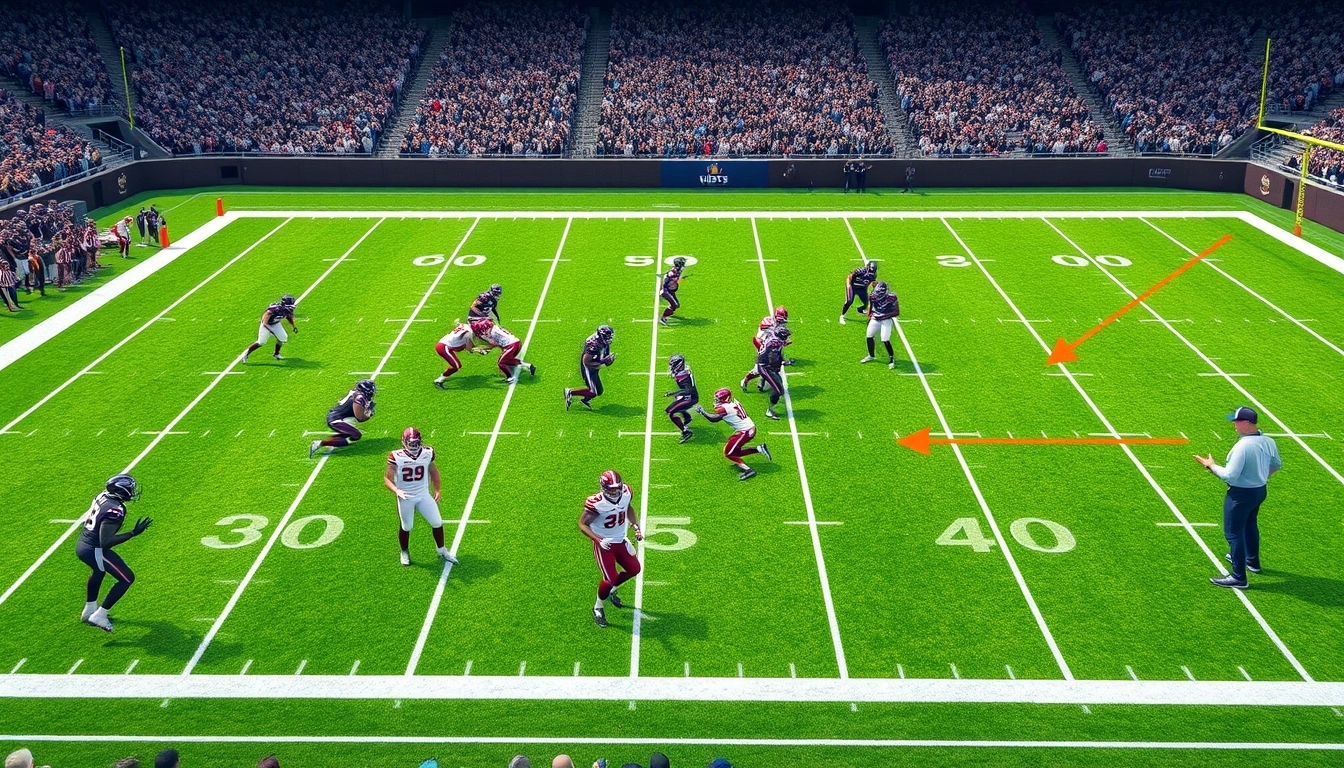
- Setup: Line up your players on one side of the field, spaced out evenly but wide enough to force defenders to stretch.
- Goal: Teach players to maintain their lanes and keep the defense guessing.
- How it works: The coach calls out random ball carriers who must quickly decide to pass or run based on the defenders’ positioning.
This drill is a great way to build muscle memory for spacing. Players quickly learn that crowding each other kills the overload’s purpose.
2. Timing Drill: The “Snap and Go” Exercise
- Setup: Players line up as if in a real game, with a designated quarterback or ball handler.
- Goal: Perfect the timing of passes and runs so the overload flows naturally.
- How it works: The ball handler snaps the ball and immediately looks for a quick pass; receivers practice cutting and moving in sync, avoiding those dreaded split-second hesitations.
Timing is everything here. A split-second delay can turn a golden opportunity into a turnover. This drill forces players to sync their moves like a dance troupe—awkward at first, but smooth with practice.
| Drill Name | Focus Area | Key Benefit |
|---|---|---|
| Stretch the Defense | Spacing | Improves player positioning to maximize field width |
| Snap and Go | Timing | Enhances quick decision-making and coordinated movement |
| Talk It Out | Communication | Builds verbal and non-verbal cues for seamless teamwork |
3. Communication Drill: The “Talk It Out” Challenge
- Setup: Players grouped in pairs or small units, practicing wide overload scenarios.
- Goal: Encourage constant chatter—calls, signals, hand gestures—to keep everyone on the same page.
- How it works: Players run through simulated plays where they must call out defensive shifts and confirm passes without hesitation.
You’d be surprised how often teams forget to talk until it’s too late. This drill forces players to vocalize their intentions, which is absolutely critical when the defense is scrambling.
Pro Tip: Don’t just run these drills once or twice. Consistency is king. Mix them up, add pressure, and throw in some curveballs like fake outs or sudden changes in play direction. The more unpredictable you make practice, the better your team will handle the chaos on game day.
So yeah, no magic wand here—just solid, practical drills that hammer home the essentials of wide overloads. Nail these, and your team won’t just be playing the game; they’ll be controlling it.
Common Mistakes and How to Fix Them
Every coach’s nightmare? Players screwing up the wide overload. It’s supposed to be a slick move to stretch defenses and open lanes, but somehow, things go sideways. You know the drill: players bunch up, timing goes haywire, and suddenly the defense smells blood. Let’s cut through the noise and get real about what typically trips teams up and how to patch those leaks fast.
- Poor Spacing: The cardinal sin of wide overloads. Instead of spreading out, players crowd together, killing the whole point of the tactic. When spacing is off, defenders don’t have to chase as much, and the overload fizzles. Fix it: Drill spacing relentlessly. Use cones or markers during practice to engrain the habit of keeping proper distance. Remind players: spread or be trapped.
- Timing Mishaps: If the ball carrier and supporting players aren’t synced, the overload becomes a mess. Passes get rushed or delayed, and defenders pounce. Fix it: Simple drills focusing on timing—like quick give-and-go exercises—can sharpen coordination. Communication is king here; a loud voice on the field saves a lot of headaches.
- Lack of Communication: Silence kills overloads. Players need to talk constantly—calling for the ball, signaling runs, and alerting teammates about defenders. Without chatter, confusion reigns. Fix it: Encourage vocal leadership. Assign a “commander” on the field who keeps everyone in the loop.
| Error | Why It Happens | Quick Fix |
|---|---|---|
| Poor Spacing | Players bunch up, losing field width | Use spacing drills with markers; constant reminders |
| Timing Issues | Players out of sync on passes and runs | Practice timing drills; emphasize communication |
| Weak Communication | Players don’t call or signal enough | Appoint vocal leaders; practice on-field calls |
| Predictable Patterns | Overloads become too obvious to defenders | Mix up plays; keep defenders guessing |
Now, let’s not pretend it’s all black and white. Sometimes, the defense just reads your play like an open book. That’s when the overload looks more like a traffic jam than a strategic weapon. The key? Be unpredictable. Don’t run the same overload every single time. Mix it up with quick switches, fake overloads, or even sudden shifts to the other side. Keep the defense guessing, or they’ll feast on your mistakes.
Also, a quick word on player roles during overloads. Everyone’s gotta know their job. The ball carrier needs to be decisive, the blockers have to seal off defenders tight, and the “lurkers” (those waiting for the perfect moment) must stay alert and ready to explode into space. When one player drifts off or hesitates, the whole overload crumbles. Coaches, drill this relentlessly.
Practical Drill Example:1. Set up cones to mark wide positions.2. Run a 3-on-3 overload scenario.3. Emphasize quick passes and constant communication.4. Pause frequently to correct spacing and timing.5. Repeat until players instinctively find space and sync.
In the end, wide overloads are beautiful when they work but brutal when they don’t. The secret sauce? Practice, communication, and a willingness to adapt on the fly. If your team’s messing up the overload, don’t throw in the towel—fix those spacing issues, tighten timing, and get those voices loud. The next time you run it, watch the defense scramble instead of stroll. Now that’s football magic.
Frequently Asked Questions
- What is a wide overload in simple terms?
Think of a wide overload as a clever way to spread your players out on one side of the field, creating a crowd that forces the defense to stretch thin. This opens up juicy gaps for your team to attack, making it harder for opponents to keep up.
- Why do teams rely so much on wide overloads?
Because it’s like pulling the strings in a puppet show—when defenders get stretched, they lose their balance and leave spaces wide open. This tactic creates chaos, confuses defenders, and gives your offense a serious edge to score more points.
- Are there risks involved with using wide overloads?
Absolutely! If the defense adapts quickly or your players mess up the timing, the whole plan can backfire. It’s like building a house of cards—one shaky move, and the defense swoops in to shut you down.
- Can wide overloads be used in sports other than football?
Yes! While the details change, the core idea of stretching the defense applies across sports like rugby and basketball. It’s all about creating space and forcing defenders to cover more ground.
- What roles do players have during a wide overload?
Each player is a piece of the puzzle—from the ball carrier who drives forward, to blockers who clear the path, and receivers who wait for the perfect pass. Everyone’s job is to maintain spacing and timing to keep the defense off-balance.
- How can teams practice wide overloads effectively?
Simple drills focusing on spacing, communication, and timing are key. Think of it like rehearsing a dance routine—everyone needs to know their moves perfectly to pull off the overload smoothly.
- What are common mistakes teams make with wide overloads?
Players often crowd too close, mistime their runs, or fail to communicate. These slip-ups let defenses close gaps quickly. Fixing these means going back to basics—spacing out, syncing up, and staying sharp.