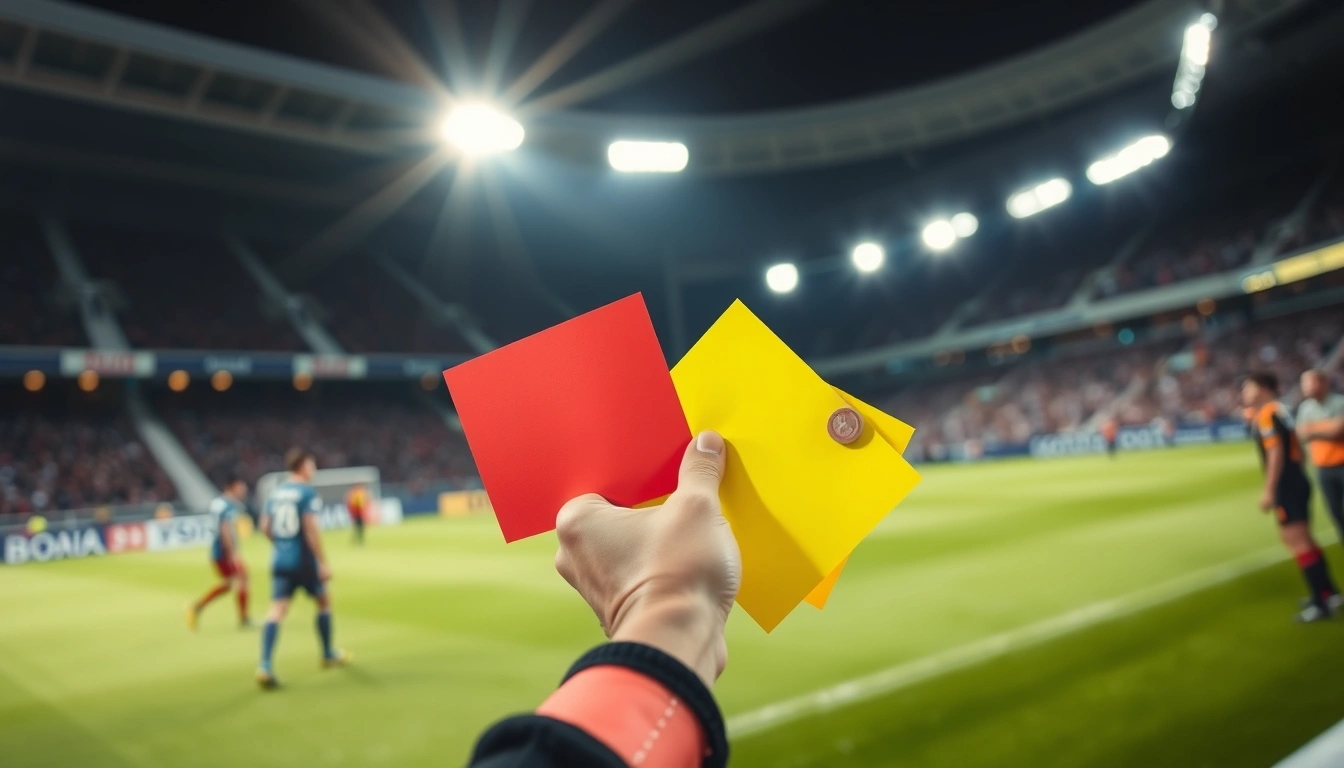
Alright, let’s be honest — those flashy yellow and red cards referees whip out during a football match sometimes feel like a mystery wrapped in an enigma. You’re sitting there, munching your snacks, when BAM! A player gets booked or sent off, and you’re left wondering, “Wait, what did he do now?” Well, buckle up, because this guide is here to clear the fog and give you the lowdown on why those cards come into play. Plus, we’ll toss in some fun tidbits and practical tips for anyone who’s ever dreamed of being on the pitch without getting a yellow slapped on their name.
The Basics of Yellow and Red Cards
First things first — what do these cards actually mean? The yellow card is basically a warning. It’s the referee’s way of saying, “Hey, be careful, or you’re outta here!” A red card? That’s the big no-no, the “you’re off the pitch” signal. When a player gets a red card, they have to leave immediately, and their team plays with one less player. This can seriously change the game’s dynamics, making it harder for the team to hold their ground.
| Card Color | Meaning | Effect on Player | Effect on Team |
|---|---|---|---|
| Yellow | Warning/Caution | Player stays on field but is cautioned | Team continues with full squad |
| Red | Sending off | Player must leave the field immediately | Team plays with one fewer player |
Common Reasons for Getting a Yellow Card
So, what lands a player in hot water? Yellow cards pop up for a bunch of reasons: reckless tackles, arguing with the ref (dissent), time-wasting, or even diving to fool the officials. It’s like the ref’s way of saying, “Cut it out, or next time you’re gone.” Sometimes, players get booked for less obvious stuff, like delaying the restart of play or unsporting behavior — basically, anything that messes with the flow or spirit of the game.
- Fouls: Sliding in late, tripping, or shoving
- Dissent: Talking back or showing disrespect to the referee
- Time-wasting: Taking forever to take a free kick or throw-in
- Unsporting behavior: Faking injury or diving
When Does a Red Card Come Out?
Red cards are the serious business. They’re for moments when a player crosses the line — violent conduct, deliberately stopping a clear goal-scoring chance with their hands (hello, handball!), or making a dangerous tackle that could injure someone. Sometimes, it’s just two yellows in one game that equal a red, which we’ll get to in a sec.
Examples of Red Card Offenses:- Violent conduct (punching, kicking)- Denying a goal-scoring opportunity by foul- Serious foul play- Spitting at an opponent
Double Yellow Means Red: How That Works
Here’s a little twist that trips up many: two yellow cards in the same match automatically become a red card. So if a player gets booked once, they’ve got a warning. But get caught again, and it’s game over — off you go. This rule keeps players on their toes and discourages repeated bad behavior.
The Referee’s Perspective: Why Cards Are Necessary
Ever wondered why referees are so quick to flash those cards? It’s not just to ruin someone’s day. Cards keep the game fair and safe, making sure players don’t get too wild. Without them, matches could descend into chaos, with fouls flying left and right. Sure, fans sometimes howl at the decisions, but refs have a tough job balancing the action with discipline.
So next time you see those cards pop up, you’ll know there’s a method behind the madness — a way to keep football thrilling yet orderly. And hey, if you’re a player, maybe keep your cool and play smart to avoid becoming that unlucky guy with the dreaded card.
The Basics of Yellow and Red Cards
Alright, let’s cut to the chase — those yellow and red cards you see flying around in football matches? They’re not just flashy accessories referees pull out to look important. Nope, these little cards pack a punch in terms of meaning and consequences. Think of them as the game’s way of saying, “Hey, chill out!” or “You’ve crossed the line, buddy.”
So, what’s the deal with the yellow card? It’s basically a formal warning. When a player does something that’s against the rules but not quite criminal, the ref pulls out the yellow card. It’s like a tap on the shoulder saying, “Watch it, or you’re in trouble.” Common reasons? Fouls that are a bit too rough, arguing with the ref (which is never a good idea), or even delaying the game on purpose. It’s a way to keep the game flowing and fair.
On the other hand, the red card is serious business. When a player gets a red card, it means they’re outta here — sent off the pitch immediately. No ifs, no buts. This usually happens for violent conduct, denying an obvious goal-scoring chance with a foul, or receiving a second yellow card in the same match. The red card is like the referee’s nuclear option to keep the game clean and safe.
| Card Color | Meaning | Common Reasons | Immediate Consequence |
|---|---|---|---|
| Yellow | Warning | Fouls, dissent, time-wasting | Player stays on the field but is cautioned |
| Red | Sending off | Violent conduct, denying goal, second yellow | Player leaves field, team plays with one less |
Now, why do these cards matter so much? Well, picture this: a player gets a yellow card early in the game. Suddenly, they’re walking on eggshells, afraid to make another risky tackle or protest too much, or else they’ll get the dreaded second yellow — which means a red, and then boom! They’re off the pitch. This changes the dynamic big time.
- Yellow card a caution, but also a psychological weight.
- Red card a game-changer, often forcing teams to adjust tactics on the fly.
It’s fascinating how these cards add drama and tension, making football not just a game of skill but also nerves and discipline. So next time you see that yellow or red flash, remember: it’s not just a color, it’s a story of control, consequences, and sometimes, chaos.
In a nutshell: Yellow cards warn, red cards punish. Both keep the beautiful game in check, making sure it stays fair, fun, and fiercely competitive.
Common Reasons for Getting a Yellow Card
Alright, let’s get down to the nitty-gritty of why players often find themselves staring down the barrel of a yellow card. It’s not always just about blatant fouls or rough tackles—there’s a whole cocktail of behaviors that can earn a player that caution. Some are obvious, some are sneaky, and some might even make you raise an eyebrow wondering, “Really? That’s a booking?”
First off, fouls are the classic culprit. Whether it’s a reckless tackle, tripping an opponent, or just plain bad timing, referees are quick to pull out the yellow if the foul is deemed careless or unsporting. But it’s not just about physical contact; even a blatant attempt to stop a promising attack by breaking the rules can get a player booked. And yes, sometimes it’s the “professional foul” – that cynical trip to stop a fast break – that earns a nod from the ref and a yellow card in the back pocket.
- Dissent: Arguing with the referee, complaining loudly, or showing dissent through gestures is a sure-fire way to get cautioned. Players can’t just throw a tantrum every time they disagree, no matter how much they think the ref’s lost the plot.
- Time-wasting: This one’s a bit sneaky. When a team’s ahead and the clock’s ticking down, players might take forever to restart play—slow throw-ins, exaggerated injury treatments, or just dawdling around. Referees are wise to these tricks and often dish out yellows to keep things moving.
- Unsporting behavior: This is a bit of a catch-all category. Diving (or simulation), deliberately handling the ball to interfere with play, or even provocative celebrations can land a player in trouble.
| Reason | Example | Why It Gets a Yellow |
|---|---|---|
| Foul Play | Late tackle from behind | Endangers opponent’s safety, disrupts flow |
| Dissent | Shouting at the referee after a decision | Undermines respect for officials |
| Time-wasting | Slowly taking throw-ins near the end of the match | Delays game unfairly |
| Simulation | Exaggerated fall to win a free kick | Deceives referee, unsportsmanlike |
Now, don’t get me wrong, sometimes refs are a bit too eager with the yellow cards. You’ll see players booked for the tiniest nudge or a “disrespectful” look. But the general idea is to keep the game fair and safe, and to discourage those cheeky tactics that try to bend the rules without breaking them outright.
Here’s a quick list of other less obvious reasons that can get you that yellow:
- Persistent infringement – repeatedly breaking the rules after warnings
- Failing to respect the required distance at free kicks or corners
- Entering or leaving the field without permission
- Delaying the restart of play intentionally
Honestly, it’s a bit of a cat-and-mouse game between players and referees. Players push the boundaries, testing what they can get away with, while referees try to maintain order without spoiling the flow of the game. Sometimes, it’s a judgment call, and sometimes, it’s just plain luck whether you get a yellow or a slap on the wrist.
So next time you see a player getting booked, remember it’s not always just about rough tackles or angry protests—it’s a mix of tactics, tempers, and sometimes just plain old bad timing.
When Does a Red Card Come Out?
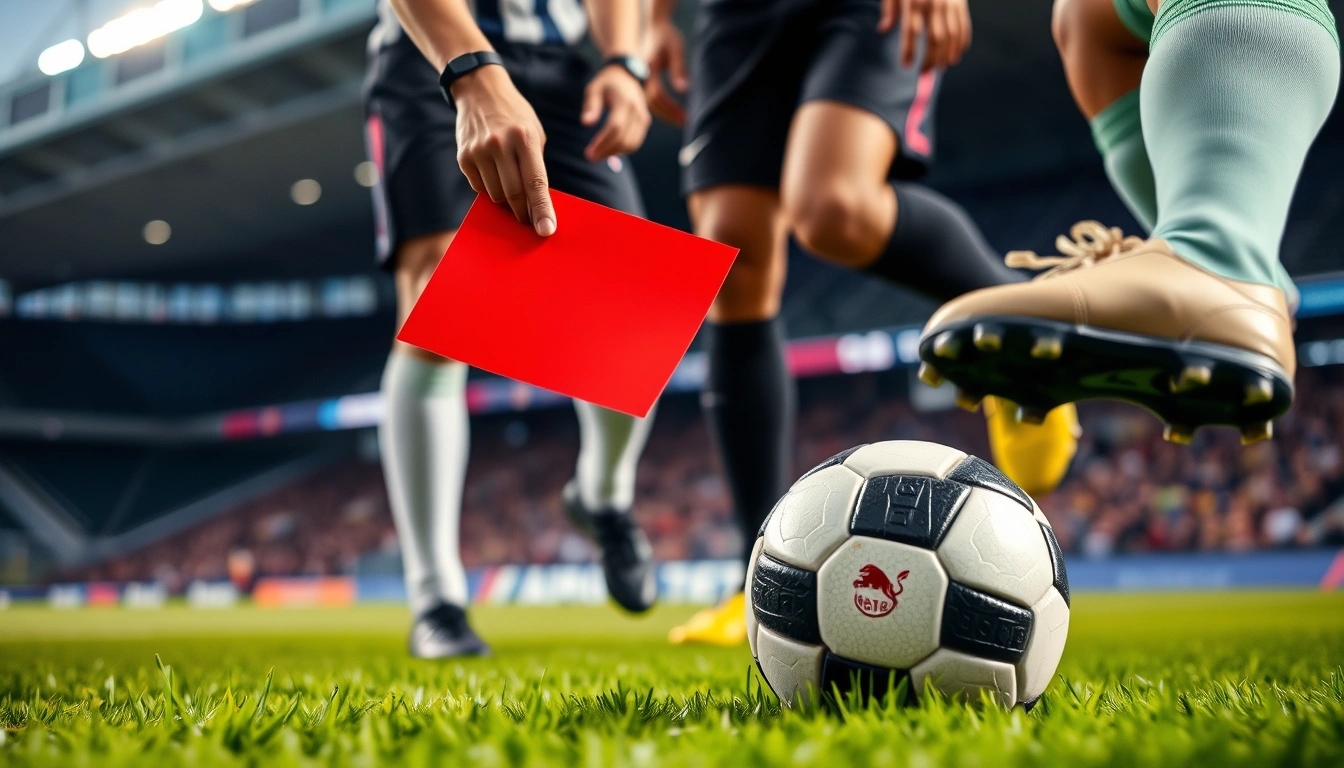
Alright, let’s get down to the nitty-gritty — the moment every player dreads: the red card. It’s not just some flashy piece of paper waved around for fun; it’s the referee’s ultimate “game over” signal for a player’s antics. But what exactly pushes a ref to reach into that pocket and flash the dreaded red? Spoiler alert: it’s usually not for just a cheeky foul or a little disagreement.
First off, violent conduct is a big no-no. We’re talking about punches, kicks, or any form of aggression that’s way over the line. Sure, football’s a contact sport, but there’s a limit. If a player loses their cool and decides to throw a haymaker or a reckless elbow, the ref isn’t gonna hesitate to pull out the red card. And honestly, who can blame them? The pitch isn’t a boxing ring.
Then there’s the classic denying an obvious goal-scoring opportunity (often abbreviated as DOGSO). Imagine a defender blatantly hauling down an attacker who’s one-on-one with the keeper — yep, red card time. It’s like saying, “No goals on my watch,” but with a heavy penalty. The rule’s there to keep things fair and ensure players don’t just cheat their way out of conceding goals.
| Reason | Description |
|---|---|
| Violent Conduct | Physical aggression like punching, kicking, or headbutting an opponent or anyone else. |
| Denying a Goal-Scoring Opportunity | Fouling an opponent to stop a clear chance of scoring. |
| Serious Foul Play | Dangerous tackles or challenges that risk injury. |
| Using Offensive or Abusive Language | Verbal misconduct directed at anyone on the field. |
| Second Yellow Card | Two cautions in one game automatically lead to a red card. |
But wait, there’s more! Serious foul play is another biggie. This isn’t just your run-of-the-mill tackle; it’s the kind that makes you wince and clutch your leg. Think studs-up lunges or tackles that could break bones. Referees are pretty strict here because player safety is paramount — no one wants a game marred by injuries that could’ve been avoided.
And don’t forget, red cards aren’t just for physical stuff. If a player drops a string of offensive or abusive language towards the ref, opponents, or even fans, they can get the boot. It’s like a zero-tolerance policy for bad behavior off the ball or off the pitch.
- Quick tip for players: Keep your cool! Losing your temper or playing dirty won’t just hurt your team but might get you sent off, leaving your teammates in the lurch.
- For fans: Remember, the red card is there to protect the spirit of the game and the players’ wellbeing, even if it sometimes feels harsh.
In short, a red card is the referee’s way of saying, “Enough is enough.” It’s reserved for the big offenses — those moments when a player crosses the line, whether physically, verbally, or strategically. And sure, sometimes it sparks controversy and heated debates, but at its core, it’s about keeping football fair, safe, and fun.
Double Yellow Means Red: How That Works
Alright, so you’re watching a heated football match and suddenly, a player gets two yellow cards in the same game. What happens next? Yep, you guessed it—a red card! But why does that happen? And what does it actually mean for the player and the team? Let’s break it down without the usual jargon.
First things first, a yellow card is like a warning from the referee. It says, “Hey, you’ve crossed the line a bit, be careful!” This could be for a bad tackle, time-wasting, or even a cheeky bit of dissent. But if the same player commits another offense worthy of a yellow card later in the match, the referee pulls out that second yellow—and bam!—it instantly becomes a red card.
- What does a red card mean? Immediate ejection from the match.
- Player’s team plays with one less player for the rest of the game.
- Possible suspension for upcoming games, depending on the league rules.
Sounds harsh? Well, it’s designed to keep the game fair and safe. Imagine if players got away with constant fouls or bad behavior—chaos on the pitch! The double-yellow rule acts as a strict but fair referee’s tool to keep things in check.
| Situation | Result | Impact on Team |
|---|---|---|
| First yellow card | Warning | Player stays on field |
| Second yellow card | Red card (send-off) | Team down to 10 players |
Now, here’s where things get interesting. Losing a player mid-game can totally change the dynamics. Teams often have to switch tactics, maybe play more defensively, or rely on some serious stamina to cover the extra ground. It’s a real headache for coaches and teammates alike. Plus, the player who got sent off? Well, they’re probably kicking themselves—literally and figuratively.
And let’s not forget the psychological effect. The team might feel a bit rattled, while the opponents smell blood and push harder. Sometimes, a double yellow can flip the entire momentum of a match.
- Player consequences: Suspension in next matches, damaged reputation.
- Team consequences: Tactical reshuffle, possible loss of points.
- Fan reactions: Mixed bag—some boo, some sympathize.
So next time you see a player walking off after two yellows, remember it’s not just a random punishment. It’s a carefully crafted rule to keep the game clean and exciting. And honestly, it spices things up—because who doesn’t love a bit of drama on the pitch?
The Referee’s Perspective: Why Cards Are Necessary
Ever wondered what’s going on inside a referee’s head when that yellow or red card suddenly appears out of nowhere? It’s not just about being the bad guy or spoiling the fun—there’s a whole lot more to it. Those little cards are the referee’s way of keeping the game fair, safe, and, believe it or not, somewhat under control. Sure, fans often lose their minds when a card is shown, shouting “Are you kidding me?!” but the ref is thinking several steps ahead, juggling rules, player behavior, and the flow of the match.
First off, referees are human, not robots. They’re making split-second decisions amid roaring crowds, flashing lights, and sweaty players diving all over the pitch. The cards are their tools, like a teacher’s red pen, to send clear messages: “Hey, that’s not okay,” or “Slow down, or you’re out!” Without cards, the game could easily spiral into chaos with fouls, fights, and constant interruptions.
- Yellow cards are warnings—think of them as a referee’s polite “please behave” note.
- Red cards mean “game over” for the player, a serious consequence for serious offenses.
Now, why do these cards sometimes feel like they’re handed out unfairly? Well, referees have to balance strict rule enforcement with reading the game’s rhythm. Sometimes, a hard tackle is just a tough tackle; other times, it’s reckless and dangerous. The ref’s job is to judge intent, impact, and context, which is no easy feat. It’s like trying to referee a heated argument while riding a roller coaster—tricky, to say the least.
| Factor | Description | Impact on Decision |
|---|---|---|
| Severity of Foul | How dangerous or intentional the foul was | Higher severity often means red card |
| Game Situation | Scoreline, time remaining, player behavior | May influence leniency or strictness |
| Player History | Previous fouls or warnings in the match | Repeat offenders get harsher punishments |
From the ref’s perspective, cards aren’t just punishments—they’re a language. A yellow card says, “Watch it, mate,” while a red card screams, “You’re off the pitch, no arguments.” This system is crucial because football is a contact sport played at high speed; without some form of control, it’d be a free-for-all. The cards help maintain respect between players and keep the game enjoyable for everyone.
And let’s be real—no ref wants to be the villain. They want to let the game flow, see skill and passion, and only step in when absolutely necessary. But when tempers flare and rules get bent, those cards become the referee’s best friends. So next time you see a card flash, maybe cut the ref some slack—they’re trying to keep the beautiful game beautiful, even if it means ruffling a few feathers.
- Practical insight: Remember, referees are trained to manage emotions and maintain safety, not just enforce rules mechanically.
- Fan tip: Instead of booing every card, try to understand the context—it might save you from a lot of frustration!
Impact of Cards on the Game and Teams
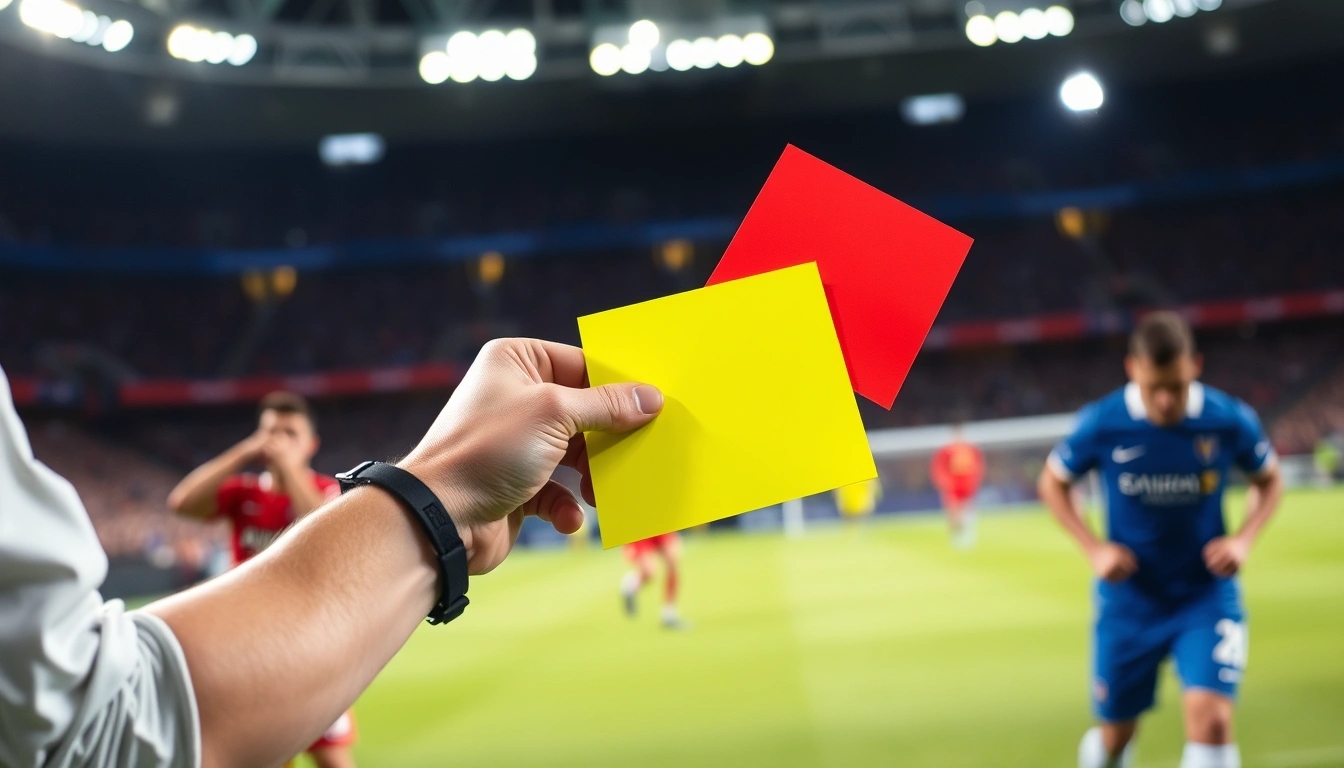
In football, a single card—be it yellow or red—can flip the entire script of a match. It’s like a plot twist nobody saw coming but everyone feels the shockwaves from. One moment, the game’s humming along; the next, a player’s caught off-guard by a referee’s flash of color, and suddenly everything’s different. The flow stumbles, strategies get tossed out the window, and sometimes, a player’s entire night spirals downhill. No exaggeration, these cards carry some serious weight.
Think about it: a yellow card isn’t just a slap on the wrist. It’s a warning, a ticking time bomb hanging over a player’s head. Now they have to tread carefully — one more reckless challenge, and boom, they’re off. Teams start recalibrating immediately. Coaches might pull a player back, switching up formations or tactics to protect their man from a second booking. It’s a game of chess suddenly, with each move scrutinized through the lens of discipline.
| Card Type | Immediate Impact | Team Strategy Shift |
|---|---|---|
| Yellow Card | Player cautioned; must avoid further fouls | More cautious play; possible substitution to avoid red |
| Red Card | Player sent off; team down to 10 men | Defensive reshuffle; often more conservative tactics |
Now, a red card? That’s a whole different beast. Losing a player means the team’s got to cover more ground with fewer legs. Suddenly, stamina gets tested, gaps open up, and the opposition smells blood. The coach’s job becomes akin to firefighting — plugging holes, shoring up defenses, and maybe sacrificing attacking flair just to keep the scoreline respectable. It’s brutal, and honestly, sometimes it feels like the referee’s single decision can make or break a team’s entire campaign.
- Psychological Blow: Players sent off often feel the weight of guilt, frustration, or sheer disbelief. It can kill momentum.
- Fan Reaction: The crowd’s mood shifts instantly, from roaring support to tense silence or angry chants.
- Opposition Advantage: The team with the extra man usually ramps up pressure, exploiting the numerical edge.
But here’s the kicker—sometimes, cards don’t just affect the current game. They ripple outwards, influencing future matches. Suspensions from accumulated yellows or a straight red can bench key players for crucial fixtures, forcing teams to dig deep into their bench or rethink entire game plans. It’s like a bad domino effect.
Sure, some might argue refs are too quick on the cards, or that players milk fouls just to get opponents booked. But at the end of the day, those cards serve as the game’s traffic lights—sometimes frustrating, other times lifesaving. Without them, chaos would reign.
Practical Insight for Teams:- Monitor players on yellow cards closely.- Adjust tactics to protect key players.- Train substitutes to step up when cards lead to suspensions.- Use halftime to mentally reset after a card incident.
So next time you see that yellow or red flash, remember—it’s not just a piece of plastic. It’s a game-changer, a strategy-shaker, and sometimes, the reason a player trudges off the pitch with a heavy heart. Football’s drama, in all its unpredictable glory, often hinges on these tiny but mighty cards.
Famous Controversial Cards in Football History
Football and controversy? Oh, they’ve been BFFs for decades, especially when it comes to those little yellow and red cards that referees whip out like magic tricks. Sometimes, a card isn’t just a card — it’s a spark that sets off debates, arguments, and even riots among fans, pundits, and players alike. Let’s take a stroll down memory lane and revisit some of the most jaw-dropping, eyebrow-raising moments where cards caused more drama than a soap opera.
First up, who could forget the infamous Diego Maradona red card during the 1994 World Cup? The Argentine legend, already carrying the weight of his past, was shown a straight red for testing positive for banned substances. It wasn’t just a card; it was a bombshell that rocked the tournament and left fans stunned. The fallout was massive — Argentina’s campaign went downhill, and Maradona’s legacy took a big hit. That card wasn’t just about punishment; it was a turning point in football history.
Then there’s the 2006 World Cup final where Zinedine Zidane, the maestro, got a red card for headbutting Marco Materazzi in his final professional match. Talk about going out with a bang! The ref had no choice but to send Zidane off, but the drama that followed was pure gold for football gossip. Was it provocation? A moment of madness? A perfect storm? Fans are still debating it, and that red card remains one of the most controversial in the sport.
| Player | Event | Reason for Card | Impact |
|---|---|---|---|
| Diego Maradona | 1994 World Cup | Doping | Argentina eliminated, legacy tarnished |
| Zinedine Zidane | 2006 World Cup Final | Headbutt | Sent off in final, France lost |
| David Beckham | 1998 World Cup | Red card for foul | England knocked out, media frenzy |
Speaking of Beckham, his 1998 World Cup red card against Argentina was another moment that sent shockwaves through England. That moment wasn’t just a foul; it was a cultural event. The English press had a field day, painting him as the villain, and the fans never let him forget it for years. It’s funny how one card can turn a national hero into a scapegoat overnight.
But hey, not all controversial cards come from superstar tantrums or doping scandals. Sometimes it’s just downright bizarre. Remember the 2009 Champions League quarter-final when Liverpool’s Javier Mascherano was controversially sent off for a challenge that many thought deserved a yellow at most? Liverpool fans still grumble about that one — and with good reason. That card arguably shifted the momentum of the tie and cost them dearly.
- Key takeaway: Cards don’t just punish players; they can rewrite games, careers, and even football history.
- Fan reaction: Expect outrage, memes, and endless debates on social media.
- Referee’s dilemma: One split-second decision can lead to decades of controversy.
So, why do these cards matter so much? Because football isn’t just a game; it’s a tapestry of stories, emotions, and sometimes pure chaos. When a card flies out, it’s not just a rule enforcement — it’s a moment that can define legends or break them. And honestly, that’s part of the beautiful madness that keeps us glued to the pitch, yelling at the TV, and arguing with our mates.
Next time you see a ref holding up a card, remember — you might just be witnessing history in the making, or at least the start of a heated debate that’ll last for years!
Practical Tips for Players to Avoid Cards
Alright, listen up players! We all know those pesky yellow and red cards can turn a game upside down faster than you can say “offside.” But staying cool on the pitch and steering clear of bookings isn’t rocket science — it’s about smart choices, keeping your head, and sometimes just plain luck. Here’s a down-to-earth guide to help you dodge those cards and keep playing like a champ.
1. Keep Your Cool, Even When It’s Heating Up
Football’s a fiery game, emotions run wild, and refs can be… well, let’s say, “particular.” But losing your temper? That’s a fast track to a yellow card. Instead of arguing or showing dissent, take a deep breath, shake it off, and focus on the next play. Remember, a calm player is a less carded player.
2. Play Smart, Not Rough
Sure, tackles are part of the game, but reckless challenges? Big no-no. Timing is everything. A mistimed tackle can easily get you booked. So, practice your timing, stay on your feet when possible, and avoid those desperate lunges that scream “foul.”
| Type of Foul | Why It Gets a Card |
|---|---|
| Late tackles | Dangerous and disrupts flow |
| Dissent | Showing disrespect to refs |
| Time-wasting | Delays the game unfairly |
| Persistent fouling | Repeating minor fouls |
3. Watch Your Language and Gestures
Nothing annoys referees more than players mouthing off or throwing tantrums. Even if you think the ref is blind as a bat, keep your cool. Sarcasm, rude gestures, or shouting can quickly land you a yellow card. Save the drama for the fans.
4. Know When to Back Off
Sometimes, it’s better to let a challenge go than risk a foul. If you’re unsure, hold back. Especially late in the game or if you’re already on a yellow. One reckless move then, and you’re off the pitch. Not the legacy you want, trust me.
- Tip: Communicate with teammates to avoid desperate last-ditch tackles.
- Tip: Use positioning and anticipation to intercept rather than tackle.
5. Stay Fit and Focused
Fatigue can make even the best players sloppy. When you’re tired, your timing slips, and frustration builds, increasing the chance of fouls and cards. Keep your fitness up and hydrate well — your brain and body will thank you.
6. Learn the Ref’s Style
Every referee has quirks. Some are quick to flash cards, others let things slide. Pay attention early in the game and adjust your style accordingly. If the ref’s strict, play extra clean.
Summary of Tips:- Stay calm and control emotions- Avoid reckless tackles- Keep respectful language and gestures- Know when to hold back- Maintain top fitness levels- Adapt to the referee’s style
In the end, avoiding cards is about playing smart and respectfully. Sure, football’s a contact sport, and sometimes you’ll get caught out, but if you stick to these tips, you’ll spend more time on the pitch and less time cooling your heels in the stands. So next time you feel that fiery urge to argue or dive into a risky tackle, remember: the yellow and red cards are watching. Play clever, play fair, and keep the game beautiful.
How Fans and Media React to Cards
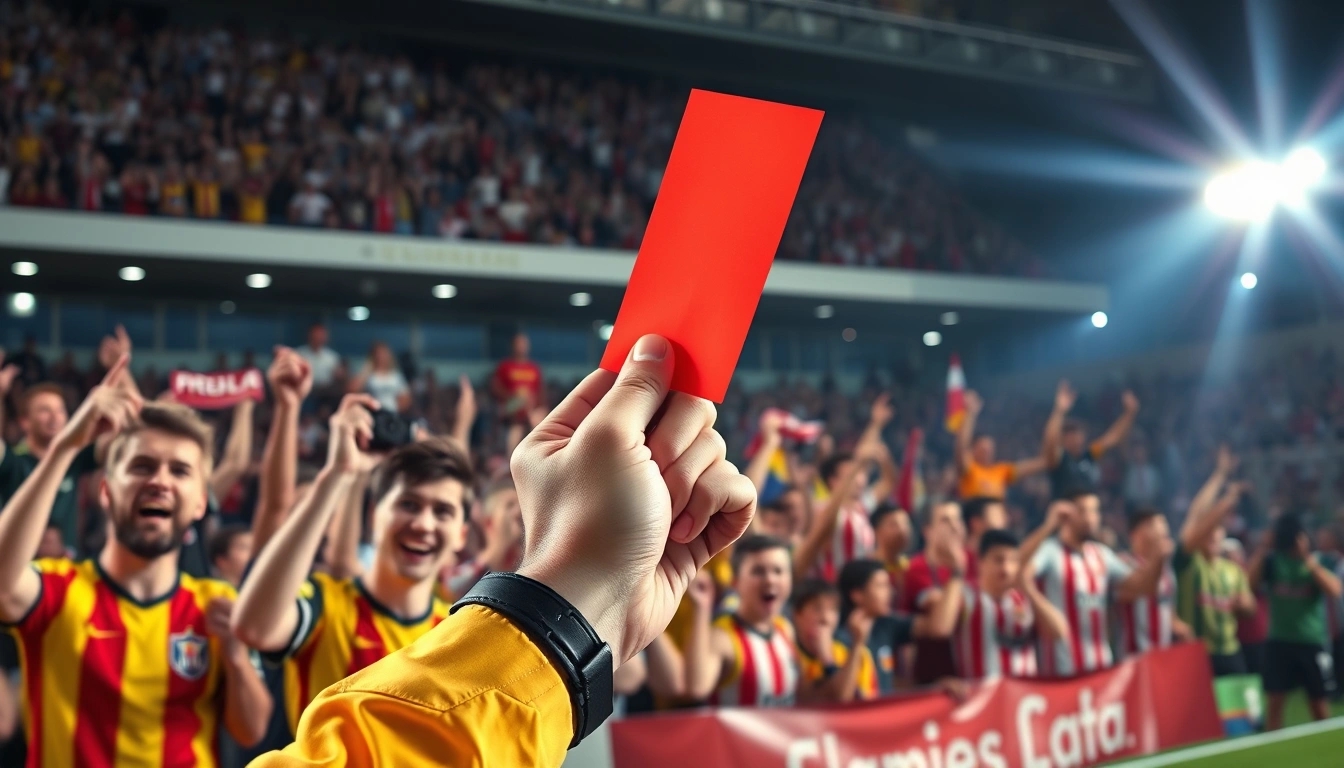
When that yellow or red card suddenly pops up on the screen, you better believe the reactions kick off faster than a striker chasing a loose ball. Fans and media alike go into overdrive—sometimes fair, sometimes just downright bonkers. It’s like the card isn’t just a piece of plastic; it’s a spark that ignites debates, memes, and heated arguments that last well beyond the final whistle.
- Fans’ Reactions: The Passionate Rollercoaster
Fans are the heartbeat of football, and their reactions to cards can be as unpredictable as the game itself. Some see the card as justice served—“Finally! That reckless tackle deserved a red!” Others? They’re screaming “Are you kidding me? That was a dive!” From joyous cheers when an opposing player gets booked to furious boos when their own hero is penalized, emotions run wild. Social media platforms become battlegrounds, with hashtags trending and memes flying faster than the ball during a counterattack. - Media Frenzy: Analysis or Overkill?
The media, on the other hand, often takes a magnifying glass to every card shown. Pundits dissect the referee’s decision like it’s a crime scene, replaying the incident from every angle possible. Sometimes, the coverage feels like overkill—endless debates about whether the card was deserved or if the ref was having an off day. Headlines scream “Controversy!” or “Injustice!” and talk shows buzz with hot takes that can make you wonder if the card was about the game or just good TV drama.
| Reaction Type | Typical Behavior | Impact on Game Atmosphere |
|---|---|---|
| Fan Cheers | Applause, chanting, social media praise | Boosts team morale, intimidates opponents |
| Fan Outrage | Shouting, booing, online rants | Creates tension, potential for unrest |
| Media Analysis | Detailed breakdowns, expert opinions | Shapes public perception, fuels debates |
| Media Sensationalism | Exaggerated headlines, clickbait | Can distort facts, heightens drama |
Let’s be honest, sometimes the reactions are just over the top. A simple yellow card can turn into a conspiracy theory about referees being biased, or a red card might spark calls for rule changes. Remember that game where a player got a red for a questionable handball, and half the internet lost its mind? Yeah, that’s classic.
Practical Insight for Fans:- Take a breath before tweeting outrage.- Remember, refs are human too.- Enjoy the drama, but don’t let it ruin the love of the game.
At the end of the day, cards are part of football’s drama—and the reactions just add flavor. Whether it’s a fair call or a debatable one, the passion they ignite is proof of how deeply everyone cares. So next time you see a card flash, expect the noise, the memes, and maybe even a few eye rolls. Because in football, a card isn’t just a card—it’s a story waiting to unfold.
Frequently Asked Questions
- What exactly do yellow and red cards mean in football?
Think of yellow cards as a friendly warning—like a tap on the shoulder saying, “Hey, watch it!” They’re given for minor fouls or unsporting behavior. Red cards, on the other hand, are the serious business—an immediate send-off signaling a major rule breach or dangerous play. Get a red, and you’re out of the game, no ifs or buts.
- Why do players get yellow cards so often?
Yellow cards pop up for all sorts of reasons: fouls, arguing with the referee, wasting time, or even diving. It’s the referee’s way of keeping players in check without stopping the game completely. It’s like a caution light on the dashboard—ignore it, and things can get worse.
- When is a red card shown instead of a yellow?
Red cards come out for serious offenses like violent conduct, denying a clear goal-scoring opportunity, or using offensive language. It’s the referee’s way of saying, “This behavior is unacceptable,” and it usually changes the game dramatically because the team plays with one less player.
- How does a double yellow card turn into a red card?
Two yellows in one match? That’s an automatic red! It’s like getting two strikes—you’re out. The player must leave the field immediately, and their team has to cope with being a player down. It’s a tough blow but a clear rule to keep the game fair.
- Why are cards so important from the referee’s perspective?
Cards are the referee’s toolkit for controlling the chaos. Without them, the game could spiral into rough tackles and arguments. They maintain respect, fairness, and safety, even if fans sometimes think refs are too strict or too lenient.
- Can a single card really change the outcome of a match?
Absolutely! A yellow or red card can shift momentum, force tactical changes, and put psychological pressure on teams. Imagine losing a key player with a red card—it’s like losing your ace in a poker game. The whole strategy can unravel.
- What are some famous controversial cards in football history?
From World Cup shockers to league-deciding moments, cards have sparked heated debates worldwide. Remember Zinedine Zidane’s infamous headbutt red in 2006? Moments like these show how a single card can explode into football history and controversy.
- How can players avoid getting cards during a match?
Staying calm, playing smart, and respecting opponents and referees go a long way. It’s like driving carefully to avoid tickets—focus on clean tackles and controlling emotions to keep those cards in the referee’s pocket.
- How do fans and media usually react to cards?
Reactions can be wild! Fans might cheer, boo, or flood social media with opinions. Media often analyze whether the card was fair or a blunder, sometimes sparking huge debates. It’s part of football’s drama and passion.