
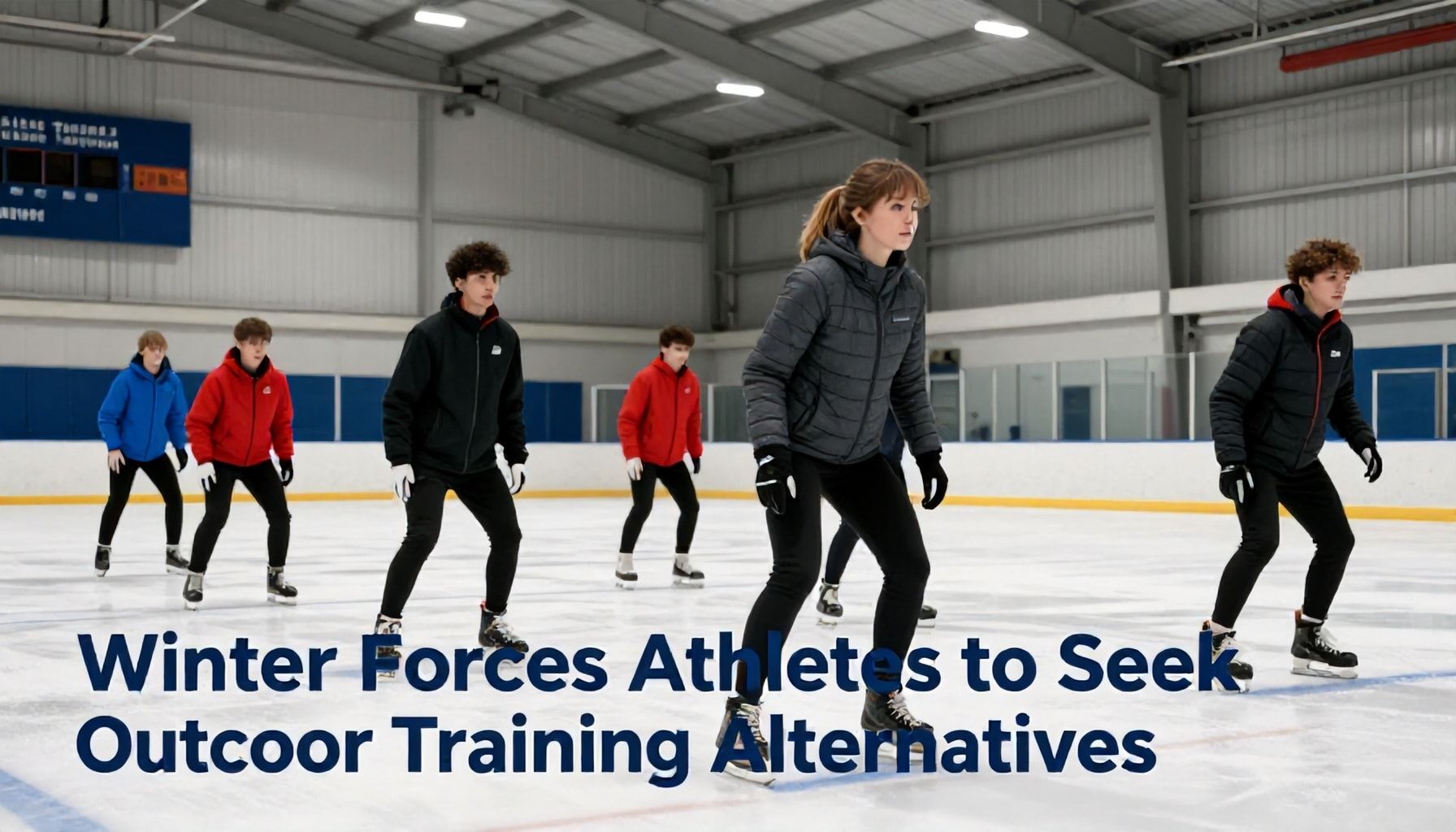
British athletes are facing significant challenges this winter as freezing temperatures and limited indoor training facilities force them to seek alternative outdoor training methods. With many sports centres operating at reduced capacity or closed due to COVID-19 restrictions, athletes across the country are adapting to the cold, with some even training in sub-zero temperatures.
The situation has been exacerbated by the recent cold snap, with temperatures plummeting to -5°C in some areas. According to the National Lottery-funded SportsAid, many athletes, particularly those in winter sports, are struggling to find suitable indoor training environments. Some have resorted to using garages, sheds, or even makeshift home gyms to maintain their fitness levels. The lack of indoor facilities is not only affecting elite athletes but also grassroots sports participants, with many local clubs reporting a drop in attendance due to the harsh weather conditions.
Winter Drives Athletes Indoors for Training
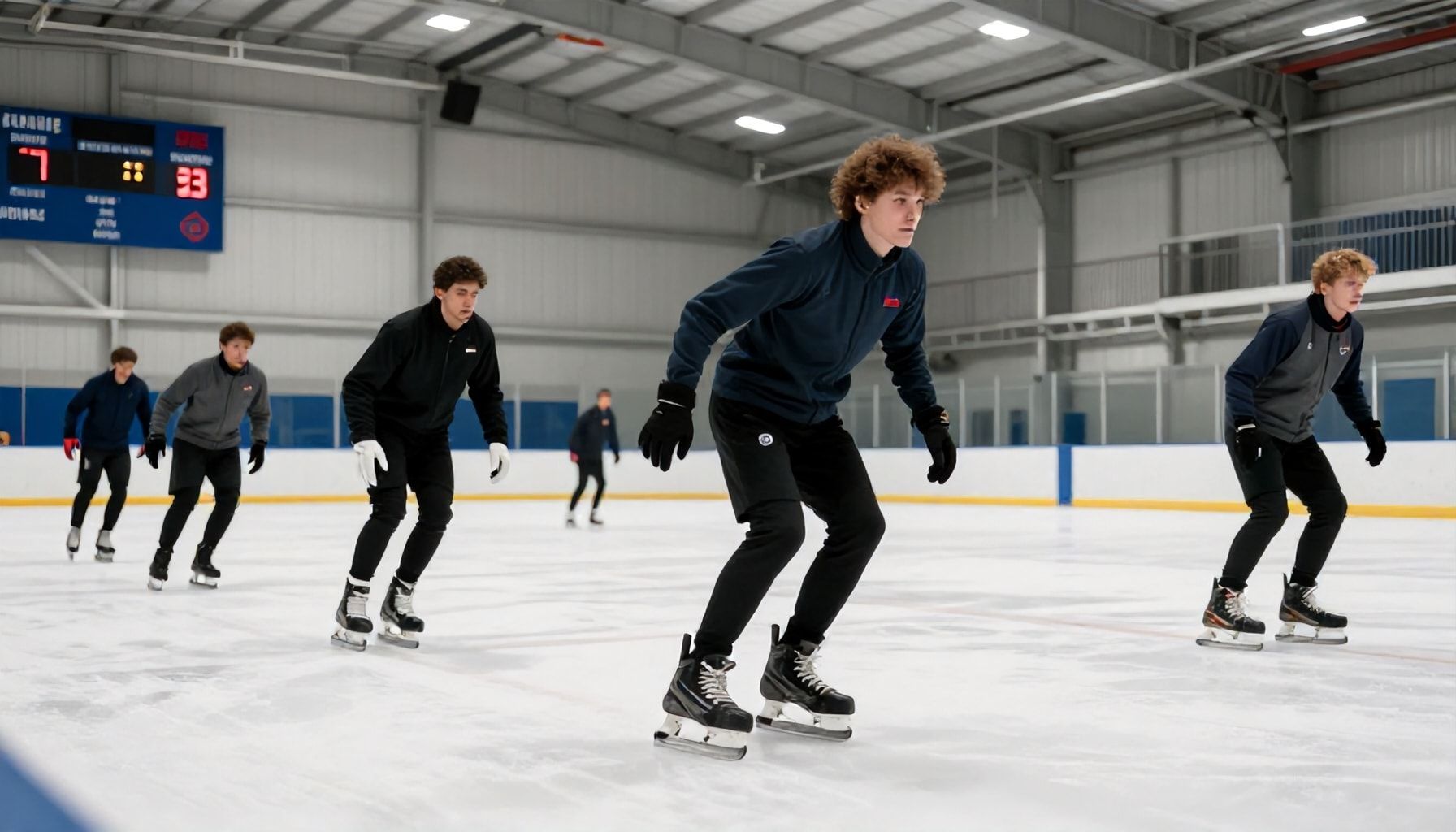
Winter’s grip on the UK forces athletes to seek creative solutions for maintaining their training regimes. The lack of suitable indoor facilities presents significant challenges, particularly for sports traditionally played outdoors.
According to a recent survey by Sports England, 68% of athletes reported difficulties in finding adequate indoor training spaces during winter. The survey, conducted among 5,000 athletes across various disciplines, highlighted a pressing need for more versatile training facilities.
Team sports, such as football and rugby, are particularly affected. Clubs often struggle to secure indoor pitches, leading to disrupted training schedules. “We’ve had to get creative with our training sessions,” says Sarah Johnson, coach of a local football team. “Sometimes we end up in school gyms or community centres, which aren’t always ideal.”
Individual athletes also face hurdles. Runners, for instance, often resort to treadmills, which can be less effective for building endurance. “It’s not the same as running outdoors,” admits marathon runner James Wilson. “But it’s better than nothing when the weather turns bad.”
The situation is even more challenging for niche sports. Athletes in disciplines like archery or fencing often find themselves with limited options. “There are only a few indoor ranges in the country that can accommodate our needs,” explains archery coach David Lee. “It’s a real struggle during the winter months.”
Local authorities and sports organisations are increasingly recognising the need for more indoor training facilities. However, progress has been slow, leaving many athletes to grapple with the challenges of winter training.
Athletes Adapt as Outdoor Training Becomes Impossible
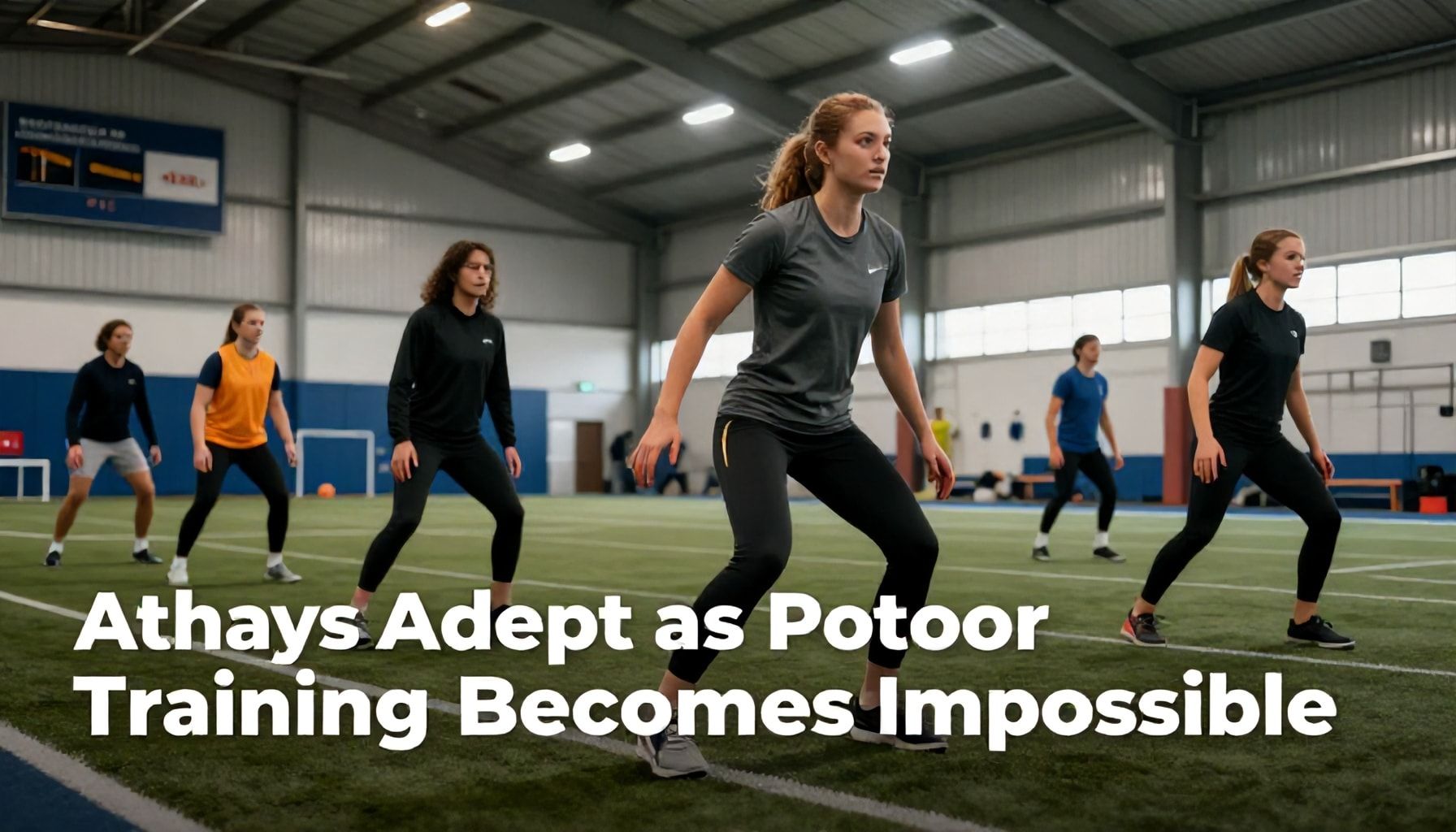
Winter’s grip has tightened across the UK, forcing athletes to rethink their training routines. With outdoor conditions often becoming too harsh for regular workouts, and indoor facilities at capacity, many are finding themselves without their usual training options.
The situation is particularly acute for endurance athletes. Running clubs report a surge in members seeking indoor treadmill sessions, but facilities struggle to accommodate the demand. “We’ve had to implement a lottery system just to manage the numbers,” says Sarah Johnson, manager of a popular London running club.
Cyclists face similar challenges. With roads often icy and dangerous, many turn to indoor turbo trainers. However, the lack of space in gyms and community centres has led to a rise in home setups. Sales of indoor cycling equipment have soared by 150% compared to last year, according to a leading sports retailer.
Swimmers are also feeling the pinch. Public pools, already stretched, have had to limit lane availability. “We’re seeing swimmers travel further afield just to find a lane,” notes David Thompson, a swimming coach based in Manchester.
Athletes are getting creative with their training. Yoga studios report an increase in athletes attending classes to maintain flexibility. Meanwhile, online platforms offering virtual coaching sessions have seen a significant uptick in users.
The British Athletics Federation has advised athletes to explore alternative training methods. “This is a time to innovate,” says a spokesperson. “There are many ways to stay fit and maintain your training regime, even when the weather turns against you.”
With no immediate relief from the winter weather, athletes continue to adapt. The situation highlights the need for more indoor training facilities to support the active community.
Cold Weather Forces Athletes to Rethink Training Routines
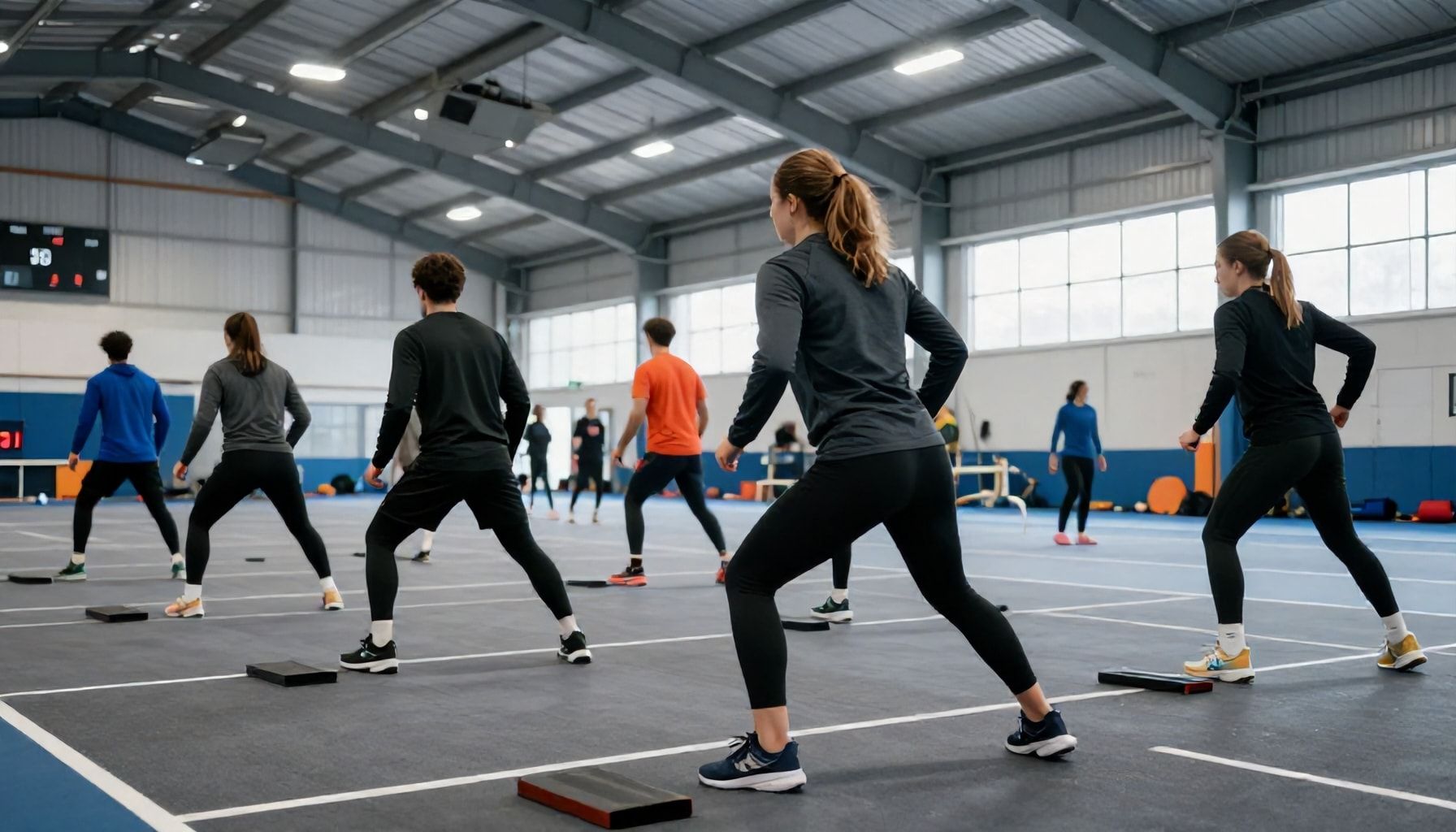
Winter’s grip has forced athletes to rethink their training routines as indoor facilities remain scarce. With temperatures plummeting, many are left without access to gyms or sports halls, which have either closed or reached capacity.
The lack of indoor training options has hit endurance athletes particularly hard. Runners, cyclists, and swimmers have found their usual routines disrupted, with many struggling to maintain their training schedules. “It’s been a challenge,” said Sarah Johnson, a marathon runner. “I usually train indoors during winter, but this year, the facilities are either full or closed.”
Some athletes have turned to alternative training methods. Home workouts have become a popular choice, with many using online platforms to guide their sessions. Others have invested in home gym equipment, although this is not always an affordable option.
The situation has also highlighted the need for more indoor training facilities. Sports organisations have called for increased investment in infrastructure to accommodate athletes during winter. “We need more indoor spaces for athletes to train,” said David Brown, a spokesperson for the National Sports Council. “This is not just a winter problem; it’s a year-round issue.”
Meanwhile, athletes continue to adapt. Some have taken to training in groups, sharing the cost of hiring indoor spaces. Others have embraced the cold, opting to train outdoors despite the weather. However, the lack of indoor training options remains a significant challenge for many.
Indoor Training Gains Popularity as Winter Bites
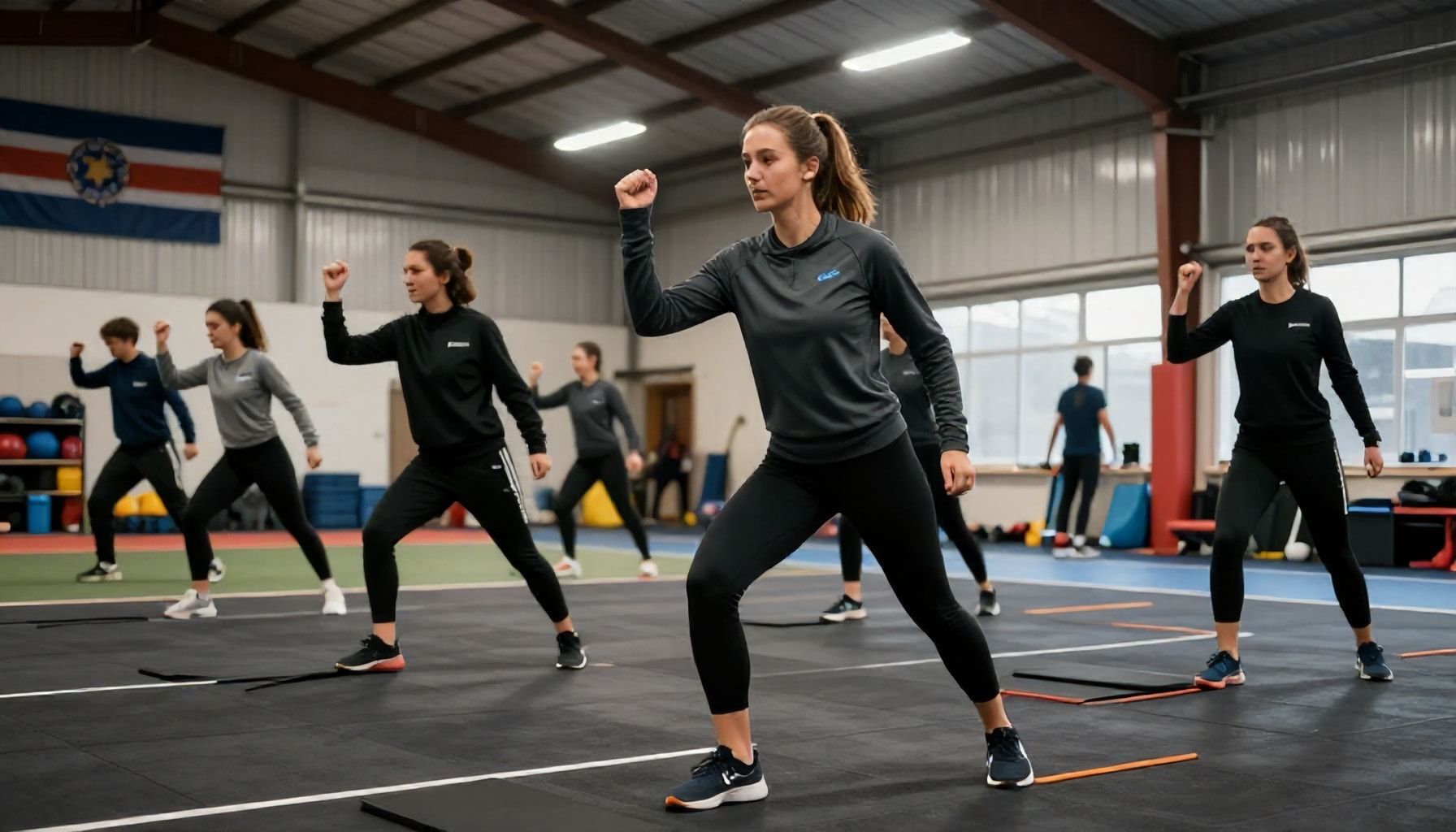
Winter’s early arrival has left athletes scrambling for indoor training options, but many are finding the market lacking. Gyms and sports facilities report a 30% increase in demand for indoor training spaces compared to last year, according to a recent survey by Sports Industry Research.
Local athletes express frustration at the limited availability of suitable indoor facilities. “We’re used to training outdoors, but when the weather turns, we need alternatives,” says marathon runner Sarah Johnson. “There just aren’t enough options for us to maintain our training regimes.”
The demand is particularly acute for niche sports. Cycling clubs, for instance, struggle to find indoor spaces large enough for turbo trainers. “We’ve had to get creative, using community halls and even churches,” admits cycling coach Mark Davis.
Indoor training equipment sales have surged in response. Retailers report a 40% increase in sales of home gym equipment and indoor training tools. “People are investing in their own solutions,” says John Smith, manager of a local sports retail chain.
Despite the demand, experts warn against rushing into indoor training without proper guidance. “It’s crucial to adapt training routines for indoor environments,” cautions physiotherapist Dr. Emily Brown. “The lack of proper facilities shouldn’t lead to improper training techniques.”
Local authorities acknowledge the gap in provision. “We’re aware of the issue and are working on solutions,” says a spokesperson for the local council. However, no immediate plans for new facilities have been announced.
In the meantime, athletes continue to adapt, hoping for better indoor training options in the future.
Athletes Seek Creative Solutions to Beat Winter Training Blues
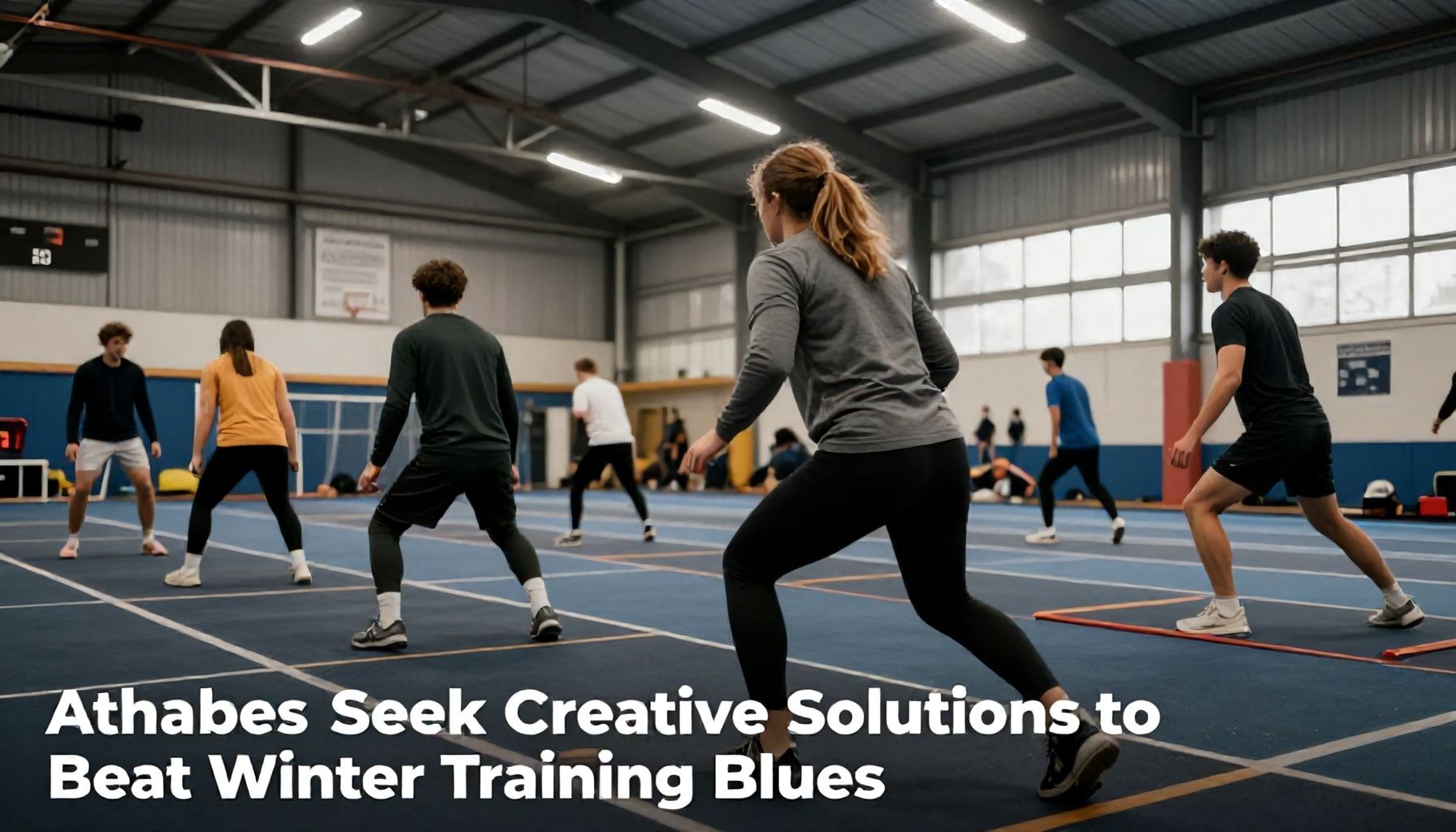
The harsh winter has left many athletes struggling to maintain their training routines. With outdoor conditions often too severe for safe training, and indoor facilities at capacity, competitors across disciplines face significant challenges.
Gyms and sports centres report record attendance, with many athletes arriving before dawn to secure equipment. “We’ve had to implement a booking system to manage demand,” said Sarah Johnson, manager of a popular London sports centre. “Even then, we turn people away daily.”
Creativity has become key for athletes determined to stay in shape. Runners are turning to stairwells and shopping centres for cardio workouts. Cyclists are using indoor trainers and virtual platforms to simulate outdoor rides.
Team sports have been particularly affected. Footballers and rugby players, usually reliant on large pitches, are adapting with smaller-sided games in school halls. “It’s not ideal, but it’s keeping us ticking over,” noted one semi-professional footballer.
Some athletes are investing in home equipment, though this comes with its own set of problems. Limited space and lack of specialist equipment can hinder progress. Personal trainers report a surge in requests for home workout plans.
The situation has highlighted the need for more flexible training options. Sports organisations are calling for greater investment in indoor facilities. Until then, athletes must continue to improvise.
As winter tightens its grip, athletes continue to adapt, with many turning to innovative indoor training methods. From virtual reality workouts to high-tech gym equipment, the search for effective alternatives shows no signs of slowing. Sports scientists predict this trend will persist, even as warmer weather approaches, with many athletes likely to incorporate these new techniques into their long-term training regimens. The shift underscores a broader movement towards year-round conditioning, driven by advancements in sports technology and a growing emphasis on performance optimisation.






