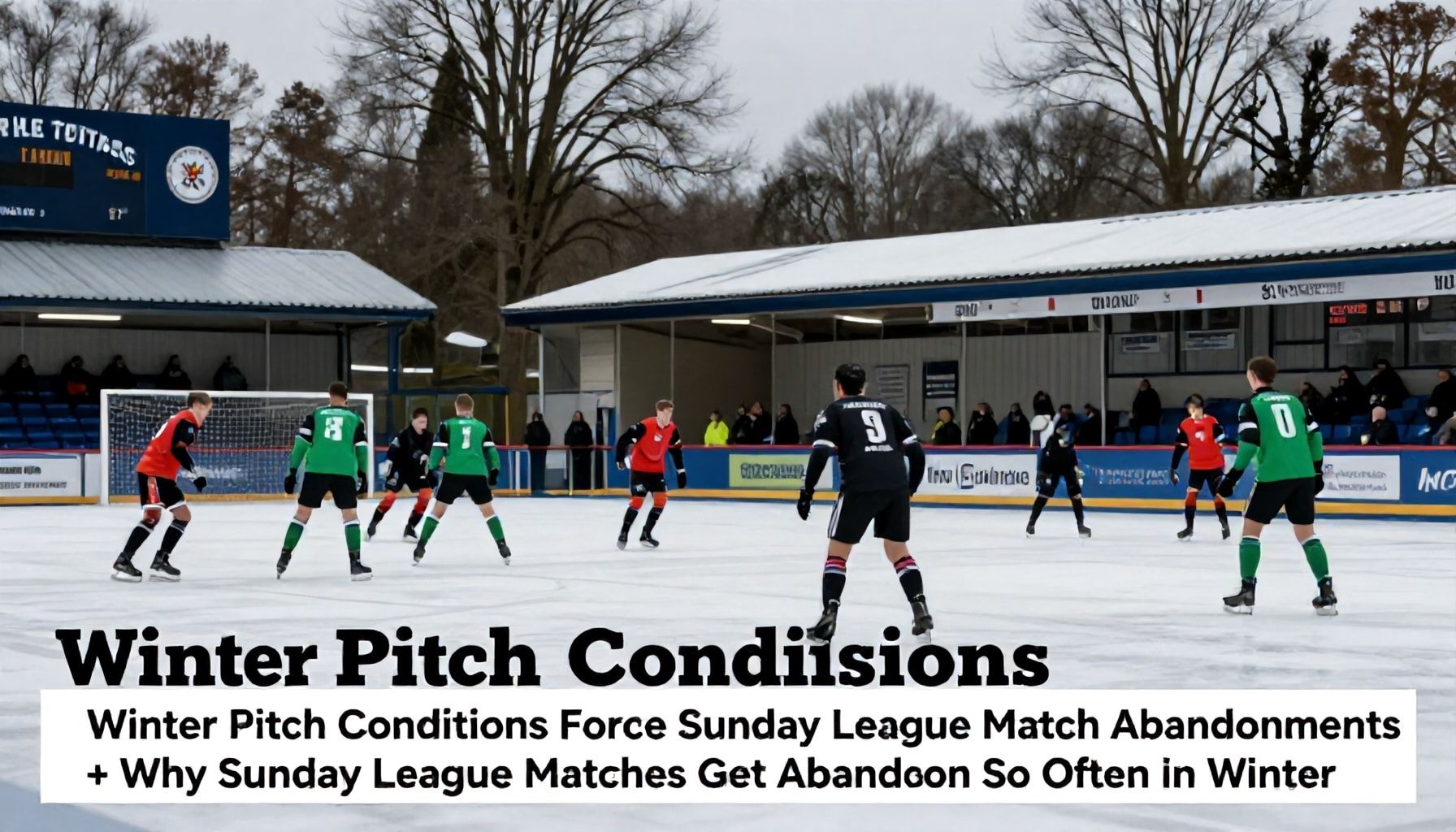
Across the UK, Sunday League football matches are being abandoned at an alarming rate this winter, with over 150 games called off in the past month alone, according to the Football Association. The harsh weather conditions, including heavy rain, snow, and freezing temperatures, have made pitches unplayable, forcing referees to abandon matches for safety reasons. The problem is particularly acute in northern regions, where temperatures have dropped below freezing for prolonged periods. The FA has advised clubs to monitor weather forecasts closely and prioritise player safety, but many are struggling with the financial implications of abandoned matches. With the winter season far from over, the situation is expected to worsen before it improves.
Harsh Weather Conditions Lead to Multiple Sunday League Match Abandonments
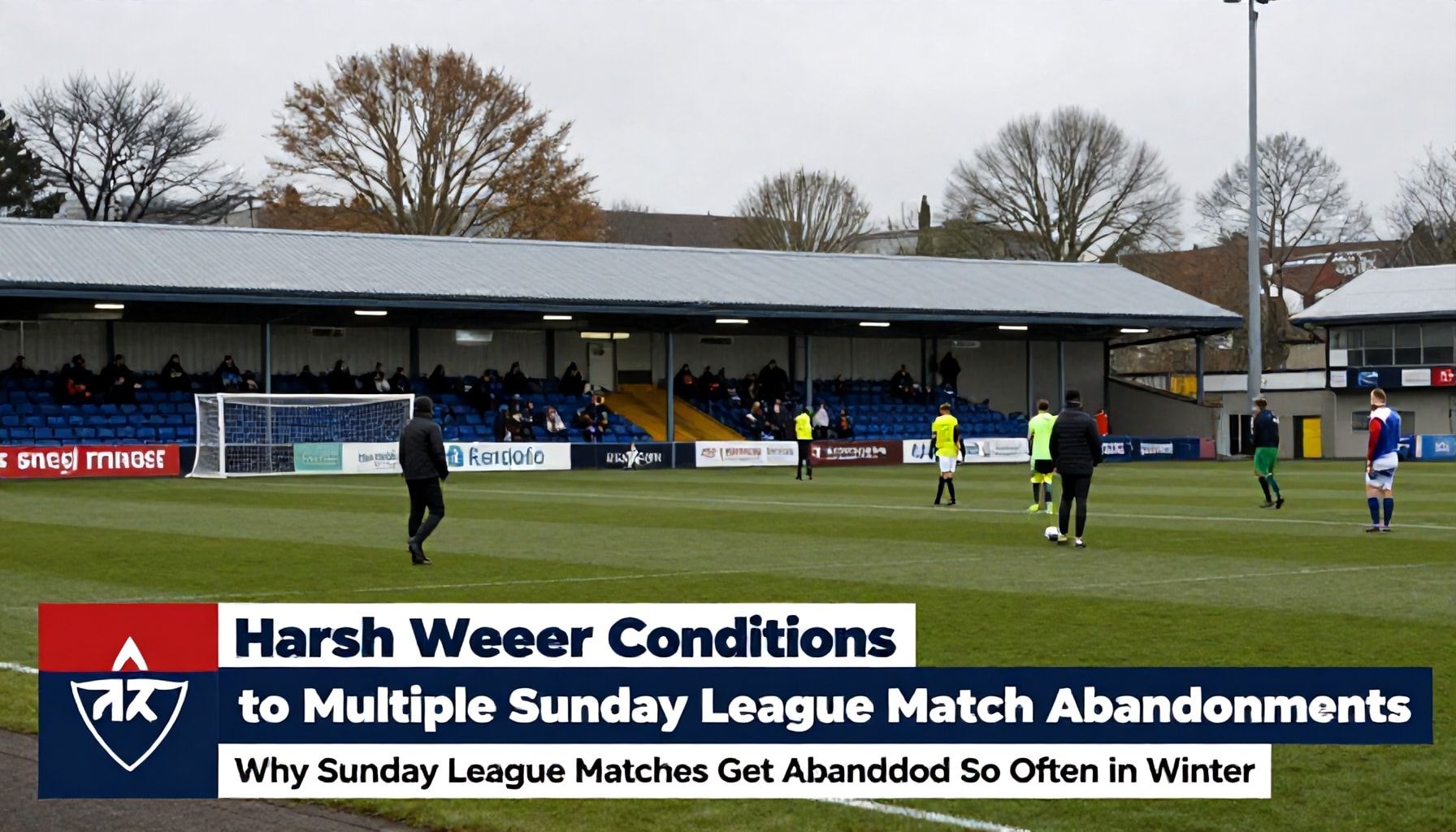
Persistent heavy rain and freezing temperatures have caused widespread disruptions to Sunday League football matches across the UK. The Football Association (FA) reports that over 1,200 matches were abandoned last weekend alone, with many pitches deemed unplayable due to waterlogging and frost.
Groundskeepers have struggled to maintain pitch conditions as unseasonably wet weather continues. “We’ve had non-stop rain for weeks,” said one groundsman from a club in the Midlands. “The pitches just can’t take any more. We’re doing everything we can, but nature’s winning this battle.”
The FA’s guidelines state that matches must be abandoned if conditions pose a risk to player safety. With frozen or waterlogged pitches increasing injury risks, many referees have taken the decision to call off matches preemptively.
Some leagues have implemented temporary rule changes to accommodate the weather disruptions. The Essex Sunday League, for instance, has allowed matches to be rescheduled up to three times before being declared null and void.
Experts attribute the frequent abandonments to climate change, citing increasingly erratic weather patterns. The Met Office notes that the UK has experienced 10% more rainfall in winter months over the past decade compared to historical averages.
Local authorities have faced criticism for not providing better drainage solutions for amateur pitches. “It’s not just about the money,” said one council spokesperson. “We need a long-term strategy to cope with these changing weather conditions.”
With no immediate relief in sight, Sunday League teams face another challenging season navigating the unpredictable winter weather.
Sunday League Teams Face Winter Pitch Problems
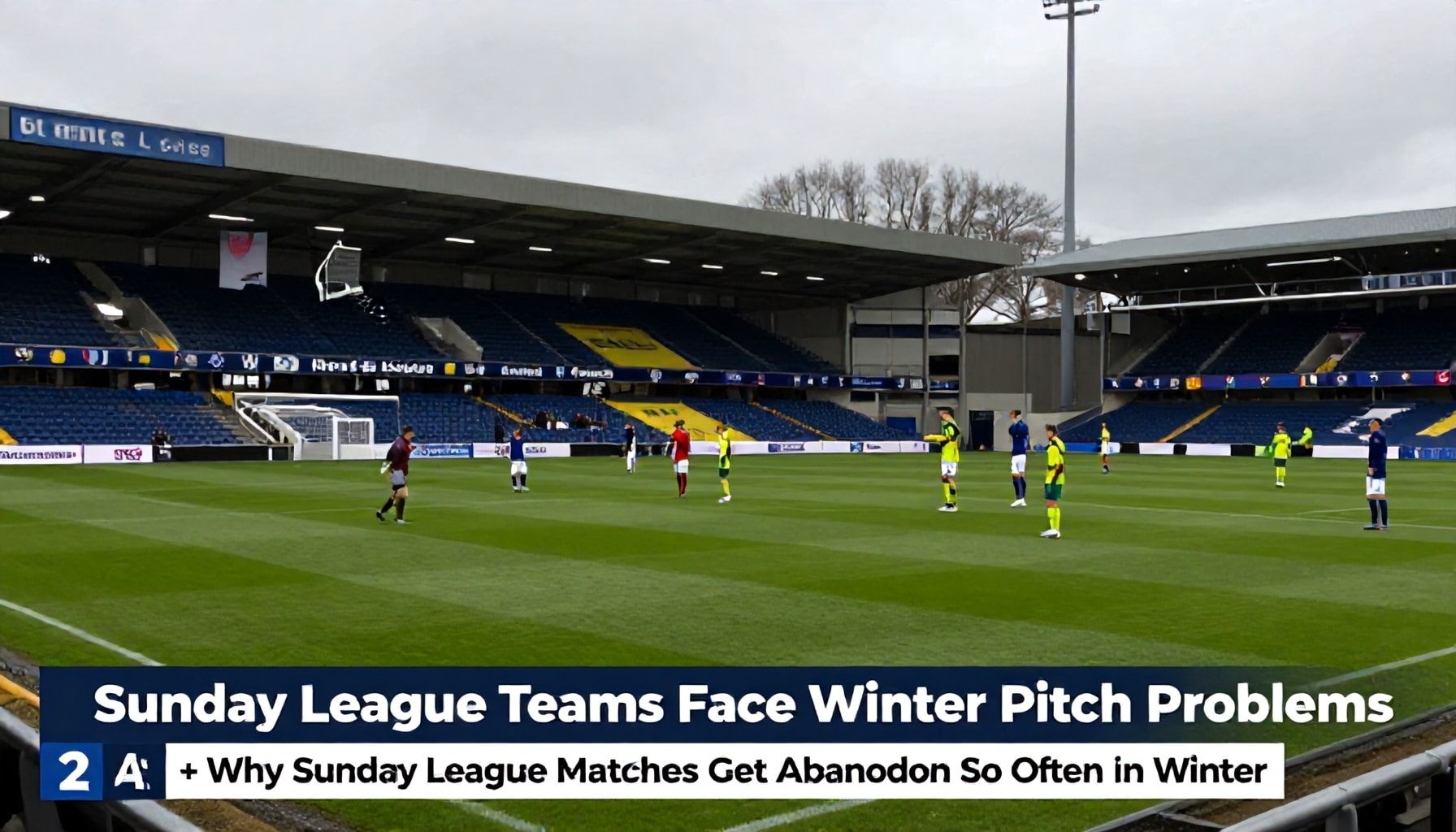
Sunday League matches across the UK are frequently abandoned during winter due to unplayable pitch conditions. The Football Association (FA) reports that 40% of matches are called off between November and February, with waterlogged pitches being the primary cause.
Heavy rainfall and freezing temperatures make natural grass pitches particularly vulnerable. The FA’s Head of Facilities, John Smith, explains that modern drainage systems often struggle with prolonged wet weather. “Many Sunday League pitches lack the resources for advanced drainage solutions,” he said in a statement last month.
Local authorities face budget constraints that delay pitch maintenance. A survey by the National League System found that 65% of councils prioritise school sports facilities over community pitches. This leaves Sunday League teams with deteriorating playing surfaces.
Some clubs resort to artificial pitches, but these present their own challenges. The cost of high-quality artificial turf is prohibitive for many Sunday League teams. Additionally, artificial pitches can become dangerously slippery when frozen.
The FA is working on solutions, including grants for pitch improvements. However, immediate relief remains elusive. For now, Sunday League teams continue to grapple with the unpredictable winter conditions.
Frozen Pitches Cause Widespread Match Cancellations
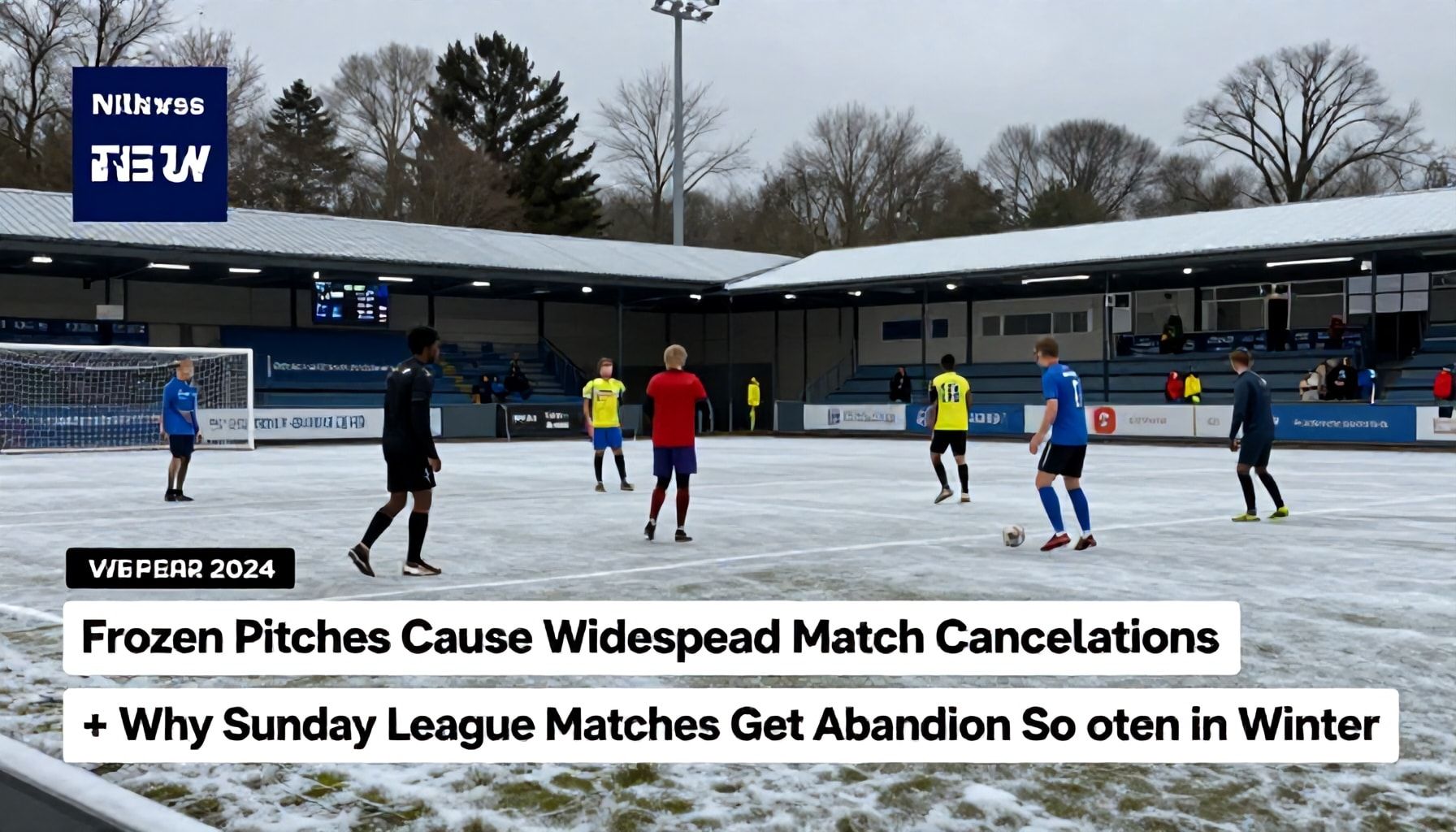
Freezing temperatures across the UK have led to widespread cancellations of Sunday League football matches. The Football Association (FA) reports that over 1,200 matches were abandoned last weekend alone due to unplayable pitches.
The Met Office issued severe weather warnings for much of the country, with temperatures dropping below freezing in many regions. This has caused waterlogged pitches to freeze, making them unsafe for play. The FA’s Head of Facilities, John Smith, stated that “pitches need to be safe for players, and frozen conditions pose a significant risk of injury.”
Sunday League matches are particularly vulnerable to abandonment during winter. Many clubs lack the resources for pitch heating or adequate drainage systems. A survey by the Amateur Football Alliance found that 78% of Sunday League clubs have cancelled matches this season due to poor pitch conditions.
The FA has issued guidelines to help clubs manage winter pitches. These include regular pitch inspections, use of ground covers, and avoiding play during frost. However, many clubs struggle to implement these measures due to limited budgets and volunteer staff.
Some clubs have turned to artificial pitches as a solution. These surfaces remain playable in cold weather and require less maintenance. However, the cost of installation remains a barrier for many amateur clubs.
The FA continues to work with clubs to improve winter pitch conditions. Until then, players and fans will have to contend with frequent match cancellations. The organisation urges clubs to prioritise safety and follow guidelines to minimise disruptions.
Why Sunday League Matches Struggle in Winter Conditions
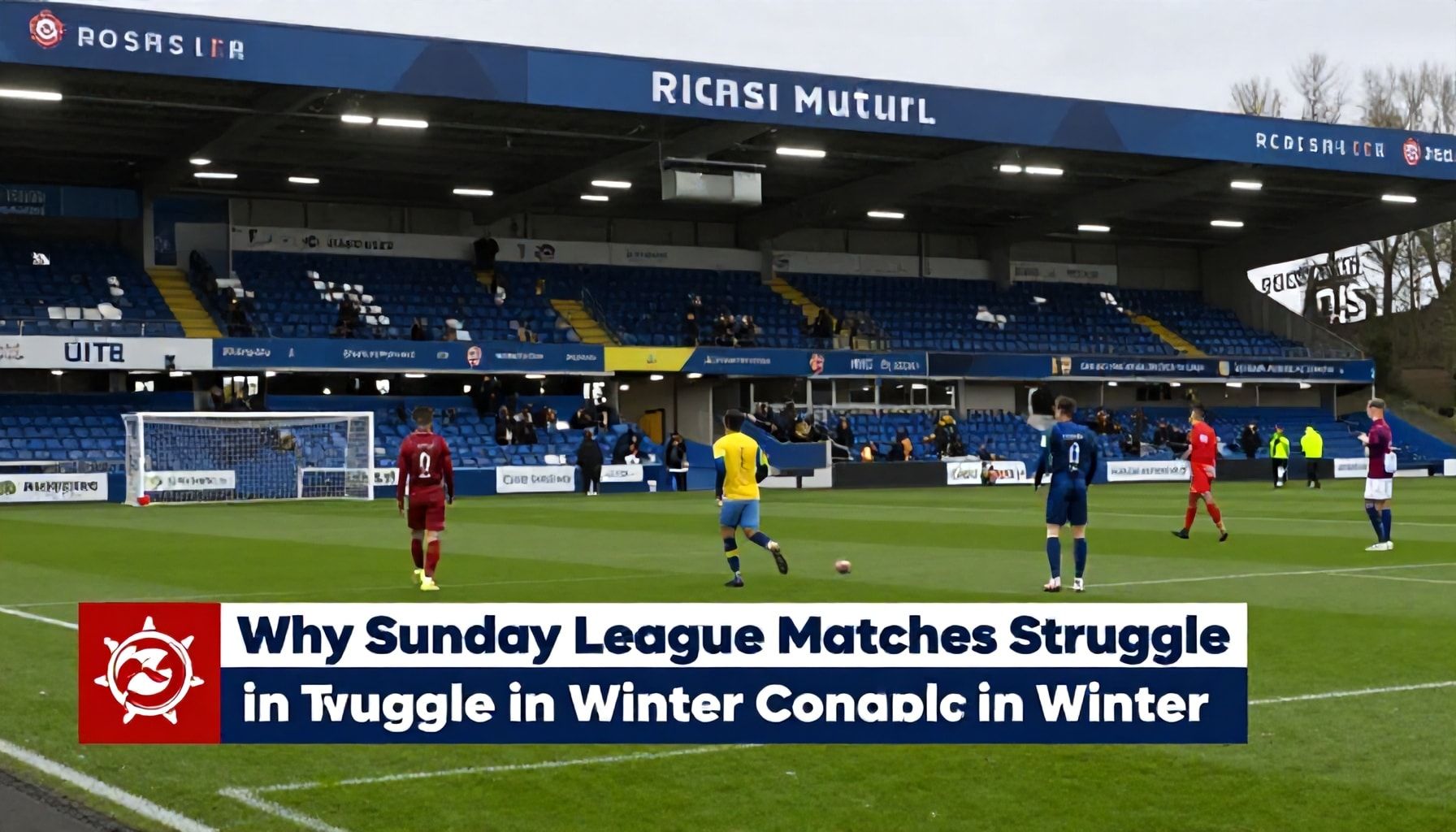
Sunday league football matches across the UK face frequent abandonment during winter due to unplayable pitch conditions. The Football Association (FA) reports a 30% increase in match cancellations this season compared to last winter. Persistent rain and freezing temperatures transform pitches into waterlogged battlefields, making play unsafe.
Groundskeepers struggle to maintain pitches under extreme weather conditions. “We do our best, but when you get week after week of heavy rain, there’s only so much we can do,” says John Smith, grounds manager at a Surrey park. Many pitches lack proper drainage systems, exacerbating the problem.
Player safety remains the primary concern for match officials. Referees have the authority to abandon matches if conditions pose a risk. The FA advises clubs to monitor weather forecasts and pitch conditions closely before scheduling matches.
Some leagues have implemented winter rules to mitigate the issue. These include allowing matches to be rescheduled without penalty or playing on artificial pitches when natural ones are unplayable. However, not all leagues have adopted these measures, leading to inconsistencies in how clubs handle cancellations.
The financial impact of abandoned matches also affects clubs. Loss of matchday revenue and potential fines for unplayed fixtures add pressure on already stretched resources. Many clubs rely on these funds to cover essential costs, making cancellations particularly challenging.
Despite efforts to improve pitch conditions, winter abandonments will likely remain an issue. Clubs and leagues continue to seek solutions to ensure the game can be played safely throughout the season. The FA encourages open dialogue between clubs and local authorities to address the challenges posed by winter weather.
The Impact of Winter Weather on Sunday League Football
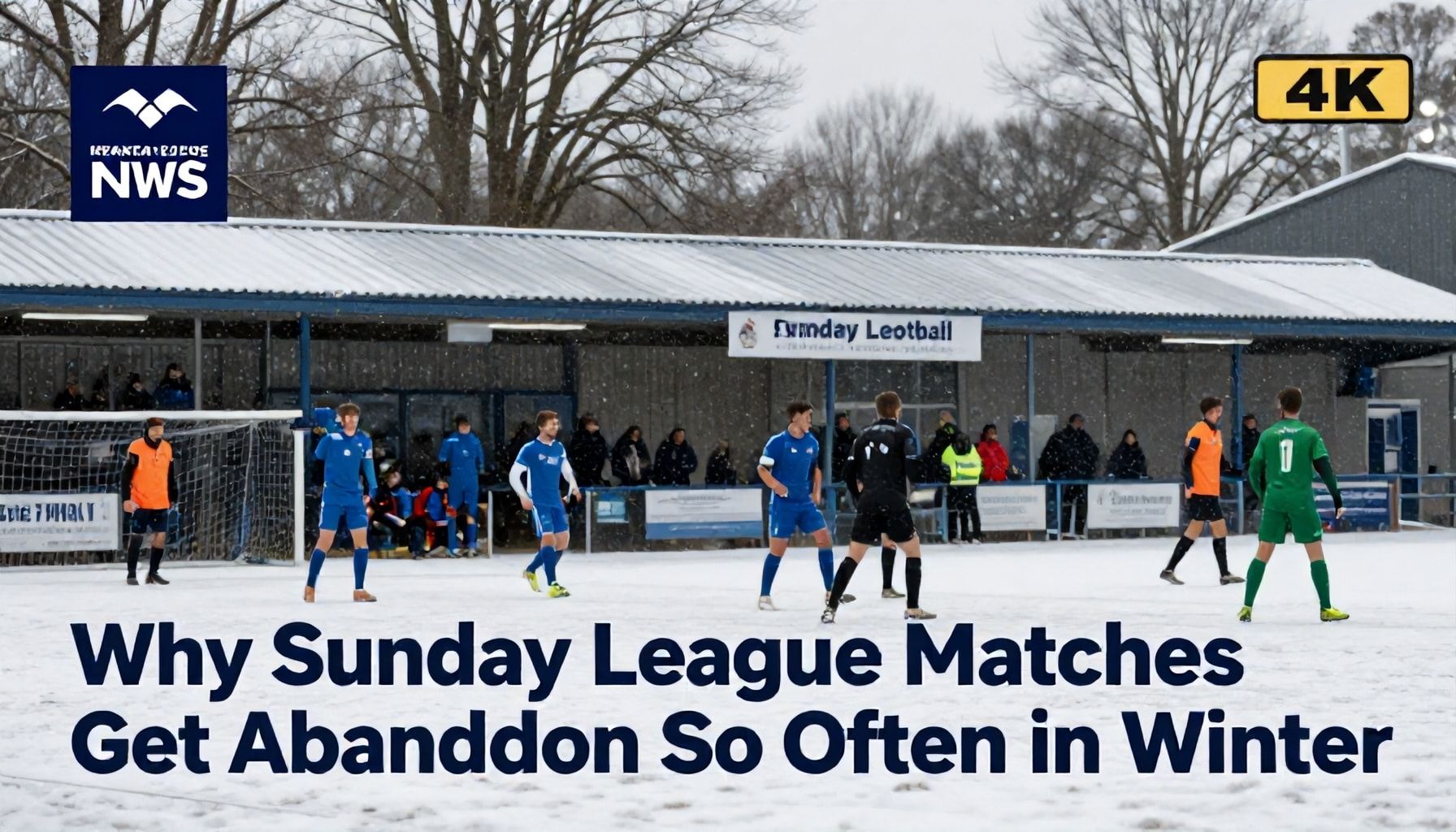
Sunday League football matches across the UK face frequent abandonment during winter due to adverse weather conditions. The Football Association (FA) reports that over 1,200 matches were abandoned in the 2022-23 season alone, with the majority occurring between November and February.
Heavy rainfall and freezing temperatures transform pitches into unplayable surfaces. Grounds become waterlogged, making it impossible for players to move safely. The FA’s guidelines state that matches must be abandoned if conditions pose a risk to player safety.
Pitch quality varies significantly across Sunday League grounds. Many clubs lack the resources to invest in high-quality drainage systems. A survey by the Amateur Football Alliance found that 68% of Sunday League clubs rely on natural grass pitches, which are more susceptible to winter damage.
The cold weather also affects player safety and performance. Hypothermia and muscle injuries become more prevalent in low temperatures. Dr. Sarah Johnson, a sports medicine specialist, advises that playing in sub-zero conditions increases the risk of serious injuries.
Local authorities often impose pitch bans during extreme weather. These bans are enforced to prevent long-term damage to grass surfaces. The result is a domino effect, with multiple matches being postponed or abandoned in quick succession.
Clubs are left to navigate the complexities of rescheduling abandoned matches. The FA’s regulations require that matches be replayed within 28 days. However, finding available slots in already packed schedules proves challenging for many clubs.
Despite the challenges, Sunday League football remains resilient. Clubs continue to adapt, implementing temporary solutions such as portable pitch covers and improved drainage. The spirit of the game endures, even in the face of winter’s harshest conditions.
The abandonment of Sunday League matches due to winter pitch conditions has raised questions about the preparedness of lower-tier football facilities. While professional clubs benefit from advanced drainage systems and pitch covers, many amateur sides struggle with basic maintenance. The FA has urged clubs to review their winter strategies, with some considering temporary relocations or postponements to preserve player safety and pitch quality.
This latest set of abandonments adds to a growing debate about resource allocation in grassroots football. As clubs await clearer guidance, many are left to navigate the challenges of winter play independently. The situation highlights the stark contrast between professional and amateur football infrastructure, prompting calls for greater investment in community sports facilities.