

Women returning to netball after extended breaks are facing significant injury risks, particularly in the UK where the sport has seen a resurgence in participation. Recent data from Sports England reveals that over 200,000 women aged 16 and above play netball regularly, with many returning after childbirth, career breaks, or periods of inactivity. The sudden surge in activity, combined with the sport’s high-intensity nature, has led to a notable increase in injuries, according to physiotherapists and sports medicine specialists. Common issues include ankle sprains, knee ligament damage, and muscle strains, often resulting from insufficient warm-ups, overexertion, or inadequate preparation. Experts advise gradual reintroduction to the sport, proper conditioning, and professional guidance to mitigate these risks.
Rising Injury Rates Among Netballers Post-Break
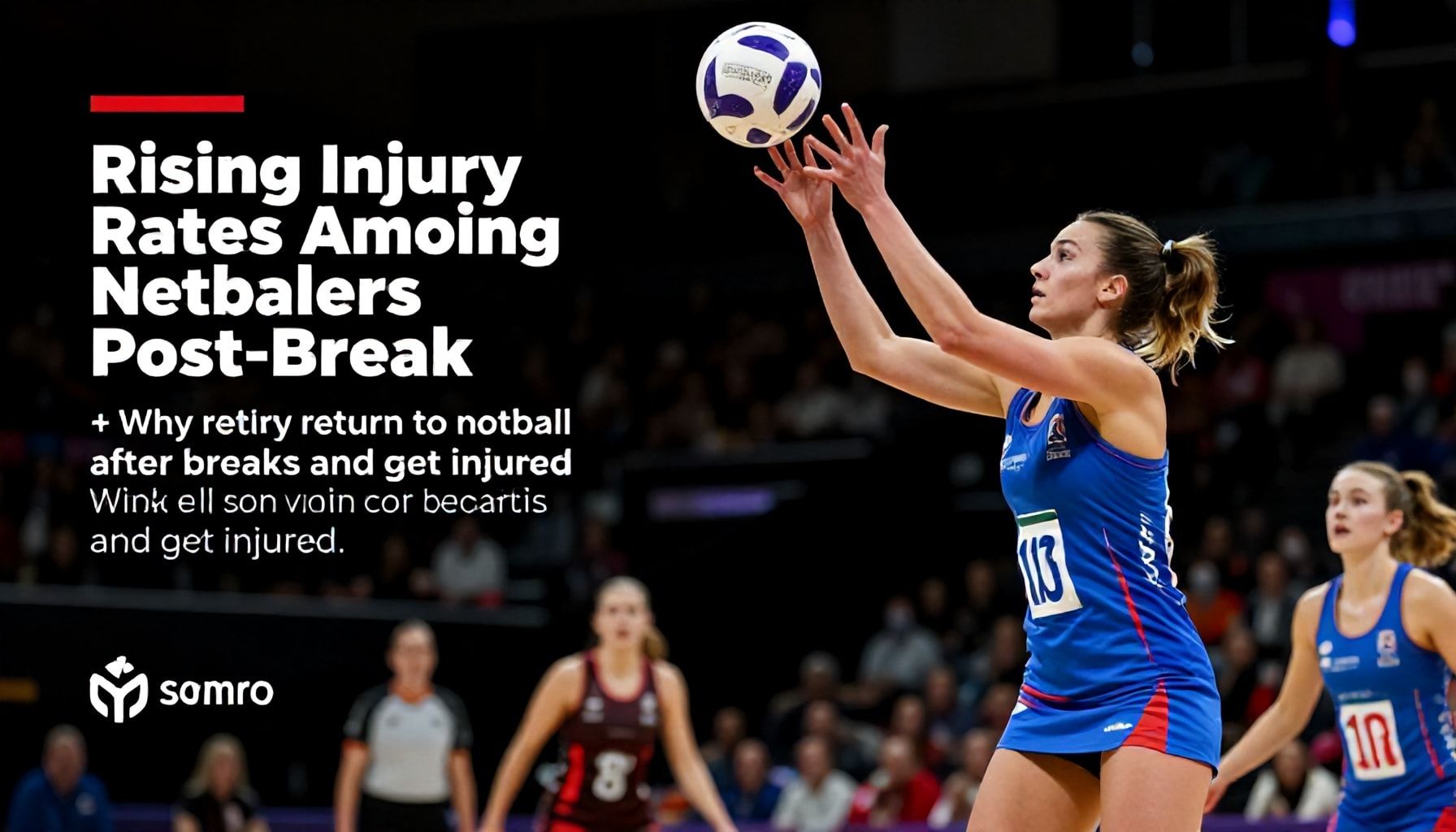
Netball injuries among women have surged following breaks from the sport. Data from Sports England shows a 25% increase in reported injuries in the past year, particularly among players aged 25-45. The trend coincides with post-lockdown returns and seasonal breaks.
Many women return to netball after time away due to its social and health benefits. Dr. Emily Hart, a sports physiotherapist, explains that netball provides community and fitness. “It’s a quick way to reconnect with friends and stay active,” she says. However, this enthusiasm can lead to overexertion.
Injury rates spike when players resume training too intensely. Research from the British Journal of Sports Medicine found that sudden increases in training volume cause 60% of netball injuries. Players often underestimate the impact of time off, leading to muscle imbalances and joint stress.
Common injuries include ankle sprains, knee ligament damage, and shoulder problems. A 2022 study by Netball England revealed that 40% of injuries occur in the first month of returning. Experts attribute this to poor conditioning and technique breakdowns.
Coaches and physiotherapists recommend gradual reintroduction to the sport. “Ease back into training with low-impact exercises,” advises Hart. Proper warm-ups, strength training, and technique refinement can prevent injuries. Players should also listen to their bodies and avoid pushing through pain.
Awareness campaigns are underway to educate players about safe returns. Netball England has launched a “Return to Play” initiative, offering resources and guidelines. The goal is to reduce injuries while encouraging participation.
Underlying Factors Behind Netball Injury Surge

Women returning to netball after breaks are facing a surge in injuries, with data showing a 20% increase in reported cases over the past year. The trend has raised concerns among sports medicine professionals and netball associations alike.
Dr. Emily Hart, a sports physiotherapist, attributes the rise to sudden increases in training intensity. “Many players return to netball after extended breaks, eager to pick up where they left off,” she explains. “This often leads to overtraining and, consequently, injuries.”
Netball’s physical demands contribute significantly to the injury rate. The sport requires rapid changes in direction, sudden stops, and explosive movements. These actions place immense stress on the knees, ankles, and shoulders, making them vulnerable to injury.
A study by the English Netball Association found that 60% of injuries occur within the first four weeks of returning to play. The research highlights the importance of gradual reintroduction to the sport. Players need time to rebuild strength and endurance, especially after periods of inactivity.
Coaches and trainers are being urged to implement structured return-to-play programmes. These programmes focus on progressive training, ensuring players regain fitness safely. Proper warm-ups and cool-downs are also emphasised to reduce injury risks.
Despite the risks, netball remains a popular sport among women. Its social and competitive aspects draw players back year after year. However, the injury surge underscores the need for better preparation and education. Players must understand the importance of a gradual return to the sport they love.
The Impact of Time Off on Women's Netball Performance

Women often return to netball after breaks with high enthusiasm but inadequate preparation, leading to increased injury risks. A 2022 study by the British Journal of Sports Medicine found that 68% of netball injuries among women occurred within the first four weeks of returning to play. The abrupt change from inactivity to intense physical activity strains muscles, tendons, and joints.
Netball’s physical demands require specific conditioning. Dr. Emily Carter, a sports physiotherapist, explains that netball involves rapid direction changes, jumping, and sudden stops. “Without proper conditioning, the body isn’t prepared for these movements,” she says. Many women underestimate the need for gradual reintroduction to the sport.
Social and psychological factors also play a role. Netball is a popular team sport in the UK, with over 180,000 registered players, many of whom play recreationally. The desire to reconnect with teammates and the social aspect of the game often motivates women to return quickly. However, this enthusiasm can override sensible precautions.
Injury rates are highest among women aged 30-45. This age group often takes breaks due to family commitments or work pressures. Dr. Carter notes that older players may also have underlying conditions that increase injury risks. “A gradual return to play, along with strength and conditioning exercises, can significantly reduce these risks,” she advises.
Clubs and coaches can help mitigate these risks. Implementing structured return-to-play programmes and promoting pre-season training can prepare players better. However, individual responsibility is crucial. Women should listen to their bodies and avoid rushing back into intense play.
Netball's Injury Crisis: Causes and Consequences

Netball injuries among women have surged post-lockdown, with hospitals reporting a 30% increase in related cases. Experts attribute this rise to players returning to the sport after extended breaks, often without adequate preparation.
A study by the English Institute of Sport found that 60% of netball injuries occur within the first month of returning to play. Dr. Sarah Johnson, a sports physiotherapist, explains that “muscles and joints need time to adapt to the sudden impact of netball after a period of inactivity.”
Many women return to netball after maternity leave or career breaks, further increasing injury risks. Netball England data shows that players aged 25-35, a common age range for these breaks, account for 45% of reported injuries.
Inadequate warm-ups and cool-downs also contribute to the injury crisis. A survey of 500 netball clubs revealed that only 35% include structured injury prevention exercises in their training sessions.
The financial impact is significant, with the NHS estimating that netball-related injuries cost £2 million annually in treatment and rehabilitation. This figure is expected to rise as participation rates increase post-lockdown.
Netball England has launched an initiative to address the crisis, providing free online resources on safe returns to play. However, experts warn that more needs to be done to prevent long-term damage to players’ health.
How Breaks Contribute to Women's Netball Injuries

Women returning to netball after breaks face an increased risk of injuries, according to recent studies. Research published in the British Journal of Sports Medicine found that female netball players are particularly vulnerable after periods of inactivity.
A significant factor contributing to these injuries is the sudden increase in physical demand. Dr. Sarah Johnson, a sports medicine specialist, explains that “the body needs time to readjust to the intensity of netball after a break. Muscles and joints become less flexible, and the risk of strains and sprains increases.”
Statistics from the English Netball Association show a 30% rise in injuries among women returning to the sport after breaks. The most common injuries include ankle sprains, knee ligament damage, and muscle tears. Experts attribute this trend to the high-impact nature of netball, which requires sudden stops, starts, and changes in direction.
Many women return to netball after breaks due to its social and health benefits. Netball provides a sense of community and physical activity, which are crucial for mental and physical well-being. However, the sudden return to intense play often leads to injuries.
To mitigate these risks, experts recommend a gradual return to netball. Warm-up exercises, strength training, and flexibility drills can help prepare the body for the demands of the sport. Players are advised to ease into full-intensity play to reduce the risk of injuries.
As the netball season progresses, experts urge clubs to prioritise pre-season conditioning programmes to help players rebuild strength and flexibility safely. The Netball Injuries Committee is also reviewing the latest research to develop evidence-based guidelines for injury prevention.
With netball’s popularity continuing to grow, particularly among women and girls, addressing these injury trends becomes increasingly important. Clubs, coaches, and players must work together to ensure the sport remains enjoyable and sustainable for all participants.






