
Women’s football in England is grappling with significant financial challenges, threatening the future of the sport at both club and national levels. The Women’s Super League (WSL) clubs face a stark reality: only three clubs turned a profit in the 2022-23 season, while the rest reported losses, with some exceeding £1 million, according to a recent report from the Football Association (FA). The financial strain is exacerbated by the lack of commercial revenue, with the league’s total commercial income standing at just £1.1 million last season. This financial instability comes despite the growing popularity of women’s football, with record-breaking attendance figures and increased investment from some clubs. The situation has raised concerns about the sustainability of the league and the potential impact on the development of the game in England.
Women's Football Clubs Struggle with Financial Stability

Women’s football clubs in England are grappling with significant financial instability. The Women’s Super League (WSL) and Championship clubs reported combined losses of £10.6 million for the 2021-22 season. This figure, revealed in a recent report, highlights the precarious financial state of the women’s game.
The report, published by the Football Association (FA), shows that only three WSL clubs reported profits. Arsenal, Manchester City, and Chelsea were the exceptions, with the latter reporting a profit of £1.5 million. The remaining clubs reported losses, with some facing debts exceeding £1 million.
The financial struggles are not new. The FA’s Women’s Football Board Chair, Marie Elia, acknowledged the challenges. “The financial sustainability of women’s football is a critical issue,” she said in a statement. “We are working with clubs to address these challenges and ensure the long-term viability of the game.”
The lack of financial stability has led to job cuts and unpaid wages. In 2022, Nottingham Forest’s women’s team ceased operations due to financial difficulties. Players and staff were left unpaid, highlighting the severity of the issue.
The FA has pledged to support clubs in improving their financial management. However, the road to financial stability remains long and uncertain. The financial reality of women’s football in England is a complex issue that requires urgent attention and action.
England's Top Flight Women's Teams Face Financial Hurdles

England’s top flight women’s football teams are grappling with significant financial challenges. The Women’s Super League (WSL) clubs face a stark reality: revenues from ticket sales, sponsorships, and broadcasting rights fall far short of covering operational costs. This financial strain threatens the growth and stability of the league.
A recent report by the Football Association (FA) revealed that WSL clubs operate at an average loss of £1.2 million per year. The report, published in March 2023, highlighted that only a handful of clubs generate enough revenue to break even. The financial disparity between men’s and women’s football remains stark, with the Premier League clubs enjoying significantly higher revenues and resources.
The lack of commercial revenue streams exacerbates the financial woes. Unlike their male counterparts, WSL clubs struggle to secure lucrative sponsorship deals and broadcasting contracts. The FA’s commercial director, Katie Brazier, acknowledged the challenge, stating, “We are working tirelessly to grow the commercial potential of the WSL, but it is a gradual process.”
Player wages also contribute to the financial burden. While top players earn significantly more than in previous years, the average wage in the WSL remains modest compared to other European leagues. The FA’s report noted that the average annual wage for a WSL player is around £25,000, a figure that pales in comparison to the millions earned by top players in other leagues.
The financial hurdles extend beyond the pitch. Many WSL clubs rely on the financial support of their male counterparts to stay afloat. This dependency raises concerns about the long-term sustainability and independence of women’s football in England. The FA has pledged to address these issues, but tangible solutions remain elusive.
The financial challenges faced by WSL clubs underscore the broader issues within women’s football. Despite the growing popularity and success of the England women’s national team, the domestic league continues to struggle. The FA’s report serves as a wake-up call, highlighting the urgent need for sustainable financial models to ensure the future of women’s football in England.
Financial Disparities Threaten Growth of Women's Football

The financial landscape of women’s football in England presents significant challenges, threatening the growth and sustainability of the sport. According to a recent report by the FA Women’s Football Board, the wage gap between male and female players remains substantial. The average annual salary for a Women’s Super League (WSL) player stands at £29,000, a stark contrast to the £3 million average for their male counterparts in the Premier League.
The disparity extends beyond player wages. Clubs in the WSL often struggle with limited resources, impacting training facilities, medical support, and youth development programmes. Marc Prior, CEO of the Women’s Football Association, highlighted the issue: “The financial disparity is not just about player wages. It’s about the entire ecosystem of the women’s game.”
Investment in women’s football has increased in recent years, but experts argue it is insufficient to bridge the gap. The FA has pledged £20 million over three years to support the WSL and the Championship, but critics say more is needed. “We need consistent, long-term investment to ensure the growth and sustainability of the women’s game,” said Dr. Sue Bridgewater, a sports economist at the University of Sheffield.
The lack of financial stability also affects the retention and recruitment of top talent. Many players leave for clubs abroad offering better wages and conditions. “We risk losing our best players if we don’t address the financial challenges,” warned Prior. The FA acknowledges the issue and is working on strategies to improve the financial health of women’s football.
Despite the challenges, there are signs of progress. The WSL’s television deal, worth £8 million over three years, is a step forward. However, it is a fraction of the £1.1 billion deal secured by the Premier League. The financial disparities remain a significant hurdle for women’s football in England.
Women's Football in England Seeks Sustainable Funding
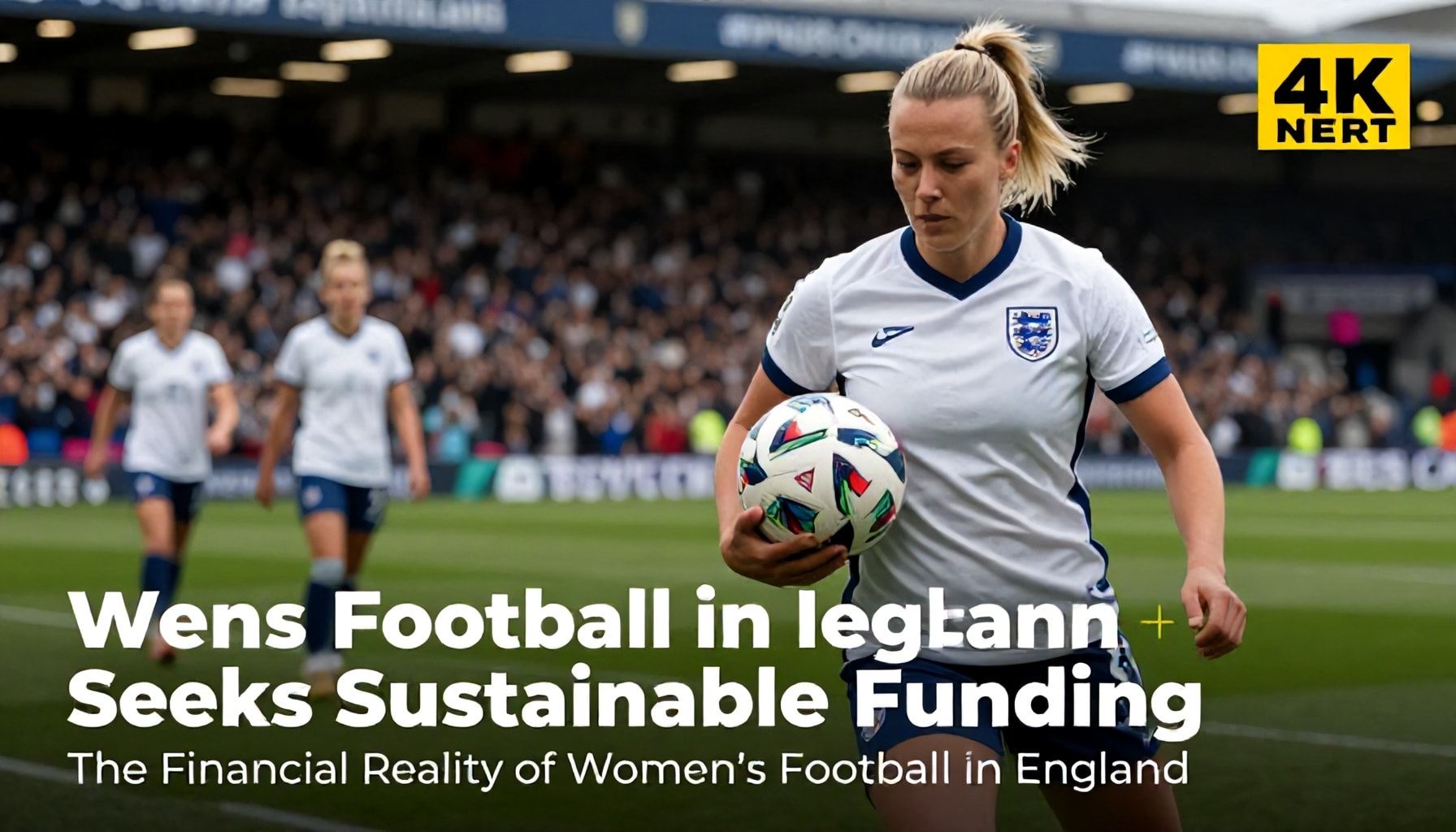
Women’s football in England faces significant financial challenges, with clubs struggling to secure sustainable funding. The Women’s Super League (WSL) and Championship teams operate with vastly different budgets compared to their male counterparts. This financial disparity impacts player wages, facilities, and overall league development.
According to a recent report by the FA, the average wage in the WSL is around £25,000 per year, with many players earning significantly less. This is a stark contrast to the Premier League, where the average wage exceeds £3 million annually. The financial gap highlights the need for increased investment in women’s football.
Clubs like Manchester City and Chelsea have made strides in bridging this gap, investing heavily in their women’s teams. However, many other clubs still rely on minimal funding, often supplemented by part-time jobs for players. This unsustainable model threatens the long-term growth of the league.
The FA has acknowledged the financial challenges and is working on initiatives to improve funding. “We are committed to growing the women’s game and ensuring financial sustainability,” said an FA spokesperson. However, progress has been slow, and many believe more urgent action is needed.
The lack of sustainable funding also affects the league’s ability to attract top talent. Many talented players choose to play abroad, where better financial opportunities exist. This brain drain further hampers the development of women’s football in England.
In summary, the financial reality of women’s football in England is bleak. Without significant investment and sustainable funding models, the league will struggle to compete on both domestic and international stages. The FA and clubs must take decisive action to address these challenges and ensure the future growth of the women’s game.
Financial Challenges Loom Over England's Women's Football Future

England’s women’s football faces a stark financial reality, with clubs struggling to balance ambitions with sustainability. The Women’s Super League (WSL) has seen significant growth in recent years, but financial challenges persist. According to a report by the Football Association (FA), the average wage for a WSL player is £29,000 per year, significantly lower than their male counterparts.
The financial disparity extends beyond player wages. Many WSL clubs operate at a loss, relying on financial support from their parent men’s clubs or external investors. Arsenal Women, for instance, reported a loss of £1.7 million in the 2022-23 season. Manchester United Women, despite their recent success, also face financial pressures, with reports suggesting they operate at a loss of around £5 million annually.
The lack of commercial revenue streams is a significant issue. Unlike men’s football, women’s football struggles to attract lucrative sponsorship deals and broadcasting rights. The FA Women’s Cup final, for example, generated only £1.2 million in broadcasting revenue in 2023, a fraction of what the men’s FA Cup final brings in.
The financial challenges are not limited to the WSL. Lower-league women’s clubs face even greater struggles. Many rely on volunteers and minimal funding, with some players still semi-professional. The FA has acknowledged these issues, pledging to invest £2.5 million annually to support the women’s game at all levels.
Despite these challenges, there is optimism. The FA’s investment and the recent success of the England women’s national team have raised the profile of the game. However, significant financial hurdles remain before women’s football in England can achieve long-term sustainability.
The financial challenges facing women’s football in England highlight a broader struggle for gender equality in sports. While progress has been made, the disparity in funding and investment remains stark. The upcoming review by the FA could set a precedent for how women’s football is financially supported in the future. Meanwhile, clubs and players continue to advocate for better resources, hoping to create a more sustainable and competitive environment.
The situation also raises questions about the long-term viability of women’s football leagues if financial stability isn’t achieved. With the growing popularity of the women’s game, there is optimism that increased commercial opportunities and sponsorship deals could help bridge the financial gap. However, significant hurdles remain before parity with the men’s game is achieved.