
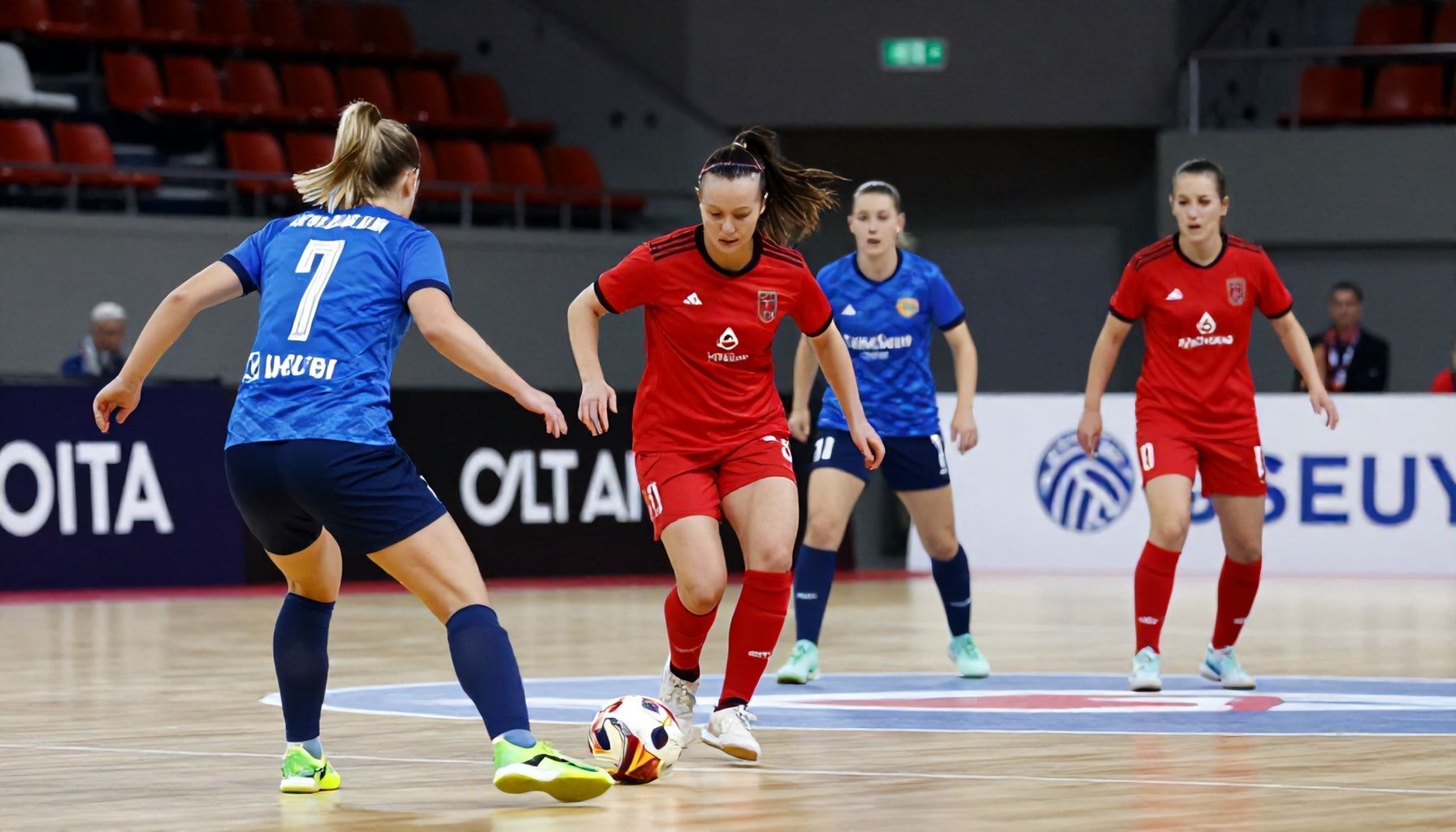
Women’s futsal in England is struggling to establish regular leagues despite a surge in participation, with only 150 registered players across 10 teams as of 2023. The sport, a fast-paced indoor version of football, faces challenges in securing consistent fixtures, adequate facilities, and sufficient referees, according to the England Futsal Association. While men’s futsal has seen steady growth with over 5,000 registered players, women’s futsal lags behind, with many teams relying on informal friendlies and sporadic tournaments. The lack of structured leagues hinders development and limits opportunities for female players to compete at higher levels. The England Futsal Association is working to address these issues, but progress has been slow, leaving many women’s futsal teams in limbo.
Women's Futsal Teams Struggle to Secure Regular Leagues
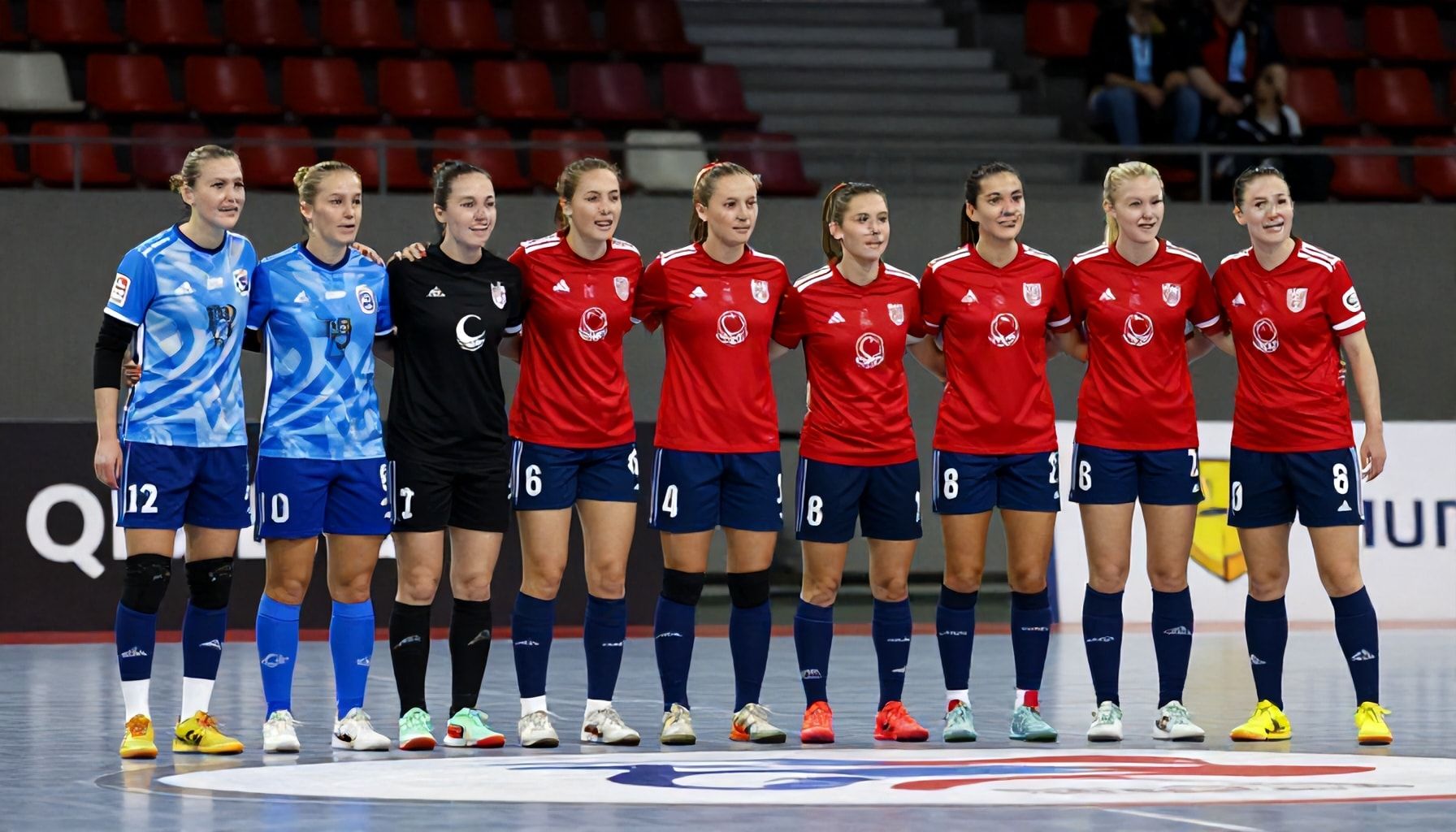
Women’s futsal teams across the UK face significant challenges in securing regular league structures. Despite growing participation, the sport lacks the established infrastructure enjoyed by men’s teams. The Football Association (FA) acknowledges the disparity, citing limited resources and facilities as key barriers.
A 2022 report by the FA revealed that only 15% of registered futsal players are women. This imbalance highlights the need for more inclusive development programmes. The FA’s Head of Futsal, Sarah Jones, stated, “We are committed to growing the women’s game, but progress requires investment and time.”
Many women’s teams currently compete in ad-hoc tournaments or regional leagues. These lack the consistency and competitive depth of men’s leagues. The lack of regular fixtures hampers player development and team progression.
In 2021, the FA launched a pilot programme to establish women’s futsal leagues. However, only six regions participated due to logistical challenges. The FA aims to expand this initiative but faces delays in securing venues and referees.
Some women’s teams have turned to grassroots football leagues as an alternative. This shift, however, dilutes the futsal-specific skills and tactics. The FA recognises the need for dedicated futsal leagues to address this issue.
The British Universities & Colleges Sport (BUCS) introduced women’s futsal leagues in 2020. This move has provided a platform for university teams to compete regularly. The success of these leagues underscores the demand for more structured opportunities.
Despite these efforts, the path to regular women’s futsal leagues remains uncertain. The FA continues to work with stakeholders to overcome the challenges. The ultimate goal is to create a sustainable and competitive environment for women’s futsal.
Growth in Participation Outpaces League Development
Women’s futsal in the UK is experiencing a surge in participation, but the growth in player numbers is outpacing the development of organised leagues. The sport has seen a 40% increase in registered players over the past three years, according to the England Futsal Association.
Despite this growth, many women’s teams struggle to find regular competitive fixtures. Only 15 dedicated women’s futsal leagues exist nationwide, leaving numerous teams without a consistent schedule. This scarcity of leagues forces many teams to play friendlies or join mixed-gender leagues, which can limit their development.
The lack of leagues is partly due to logistical challenges. Securing venues and referees for women’s futsal remains difficult, as many facilities prioritise more established sports. Additionally, the sport’s relatively low profile means fewer volunteers step forward to organise leagues.
Some regions have seen progress. The North West Futsal League, for instance, has introduced a dedicated women’s division this season. “We’ve seen incredible demand,” said league organiser Sarah Johnson. “But we’re still working to expand and improve the structure.”
The England Futsal Association acknowledges the issue. “We’re actively supporting grassroots initiatives to create more leagues,” said a spokesperson. However, the process is slow, leaving many teams waiting for regular competition.
Without more leagues, the long-term growth of women’s futsal could be at risk. Players and coaches argue that structured competition is essential for skill development and retaining participants. Until more leagues are established, the sport’s potential may remain untapped.
Infrastructure Lags Behind Rising Interest in Women's Futsal

The rapid growth of women’s futsal in the UK is outpacing the development of dedicated leagues, leaving many players struggling to find regular competitive opportunities. While participation has surged by 40% in the last two years, according to the FA, the infrastructure to support this growth remains underdeveloped.
A key challenge is the lack of dedicated women’s futsal leagues at both grassroots and elite levels. Many women’s teams currently compete in mixed leagues or adapt men’s leagues, which can be unsuitable for their development. The FA’s Head of Futsal, Simon Walker, acknowledged this gap, stating, “We’re seeing incredible enthusiasm, but we need to build the structures to match.”
Another hurdle is the limited number of indoor facilities suitable for futsal. Many existing facilities are booked solid by other sports or lack the specific requirements for competitive futsal. This scarcity forces teams to travel long distances or settle for suboptimal playing conditions.
Additionally, the lack of qualified referees and coaches trained specifically for women’s futsal further complicates the situation. The FA has initiated training programmes, but the demand far outstrips the current capacity. As a result, many matches are played without officials, undermining the competitive integrity.
Despite these challenges, the demand for women’s futsal continues to grow. Clubs are forming at an unprecedented rate, and players are eager for more structured competition. The FA has pledged to address these issues, but tangible progress will take time. In the meantime, players and clubs are finding creative solutions to keep the game growing.
Clubs Seek Solutions to Expand Competitive Opportunities

Women’s futsal in the UK faces significant challenges in establishing regular leagues, despite growing interest. The lack of dedicated facilities and funding remains a primary obstacle. Many clubs struggle to secure consistent venues, forcing teams to play in makeshift spaces or share pitches with other sports.
Competition from established sports also limits opportunities for women’s futsal. The Football Association (FA) and other governing bodies prioritise traditional football leagues. This leaves futsal teams vying for limited resources and attention.
Additionally, the sport lacks a unified governing body to oversee league structures and development. Without centralised support, clubs operate independently, leading to fragmented competitions. This lack of coordination hampers efforts to create a cohesive national league system.
Some clubs have turned to grassroots initiatives to fill the gap. Local tournaments and friendly matches provide temporary solutions. However, these events do not offer the same level of competition or development as structured leagues.
The British Futsal Federation (BFF) acknowledges the challenges but remains optimistic. “We are working with clubs to find sustainable solutions,” said a BFF spokesperson. The federation aims to secure more funding and partnerships to support league expansion.
Despite these hurdles, women’s futsal continues to grow. More players are joining clubs, and interest in the sport is rising. Clubs remain determined to find long-term solutions to provide regular competitive opportunities.
Barriers to League Formation Highlighted by Futsal Community
Women’s futsal in the UK faces significant hurdles in establishing regular leagues, despite a surge in interest and participation. The sport’s grassroots nature and lack of centralised governance have created barriers to league formation, according to players and organisers.
A key challenge is the scarcity of dedicated futsal facilities. Many women’s teams struggle to find suitable indoor spaces, with some forced to share facilities with other sports or train outdoors. “Finding consistent indoor space is our biggest obstacle,” says Sarah Johnson, captain of London-based team Kicksters. “We often have to adapt our schedules to whatever venue is available.”
The lack of a unified governing body for women’s futsal exacerbates the issue. While the England Futsal Association oversees the men’s game, women’s futsal falls under the broader remit of the Football Association, which has been slow to develop dedicated structures. “There’s no clear pathway or support system for women’s futsal,” explains Emma Wilson, a coach and advocate for the sport. “It’s left to individual teams and communities to organise themselves.”
Additionally, the sport’s relatively low profile means fewer resources and less funding. Many women’s futsal teams operate on shoestring budgets, relying on volunteers and crowdfunding to cover costs. “We’re passionate about the game, but we need more investment and recognition to grow,” says Wilson. “Without proper support, it’s difficult to establish regular leagues and competitions.”
Despite these challenges, the women’s futsal community remains determined. Teams continue to form, and grassroots efforts are gaining momentum. However, without addressing the structural barriers, the sport’s growth may be stifled.
The surge in women’s futsal participation has sparked discussions about establishing dedicated leagues across the UK. With more women taking up the sport, clubs and governing bodies are exploring sustainable structures to support this growth. The development of formal leagues would provide competitive platforms, attract sponsorship, and elevate the sport’s profile.
As the women’s futsal community continues to expand, the establishment of structured leagues could become a reality in the near future. This would not only offer more opportunities for players but also contribute to the overall growth and recognition of the sport in the UK.






