

In 2024, young futsal players across England and Wales face an uncertain future due to a lack of structured pathways to progress in the sport. With only 12 professional futsal clubs in the entire country and limited opportunities for grassroots players to transition into elite levels, many talented young athletes are left without clear routes to develop their skills and careers. The situation has been exacerbated by the COVID-19 pandemic, which disrupted training and competitions, further stalling the growth of the sport. According to the English Futsal Association, the number of registered youth players has stagnated in recent years, highlighting the urgent need for investment and infrastructure to nurture the next generation of futsal talent. Without intervention, experts warn that the sport risks losing a significant portion of its young talent to other sports with more established development programs.
Young Futsal Players Left Without Clear Development Pathways

Young futsal players across the UK face uncertain pathways in 2024, with a lack of clear development routes from grassroots to professional levels. The issue stems from a fragmented system, where opportunities vary significantly between regions and clubs.
According to the English Futsal Association, there are currently only 120 affiliated futsal clubs nationwide. This limited infrastructure makes it challenging for young talent to progress. “The disparity in development opportunities is stark,” said a spokesperson for the association. “Some areas have thriving futsal programmes, while others have virtually none.”
The absence of a structured pathway is particularly evident at the under-18 level. Many young players find themselves stuck, with few opportunities to transition to senior teams. “We see many talented youngsters drop out because there’s nowhere for them to go,” noted a coach from a leading futsal academy.
Additionally, the lack of standardised coaching qualifications exacerbates the problem. Many coaches lack the necessary expertise to develop young players effectively. “We need more investment in coaching education to ensure consistent standards across the board,” urged a futsal development officer.
Without intervention, the future of futsal in the UK remains uncertain. Young players continue to face barriers that hinder their progress, raising concerns about the sport’s long-term growth.
Government Cuts Threaten Future of Youth Futsal Programmes
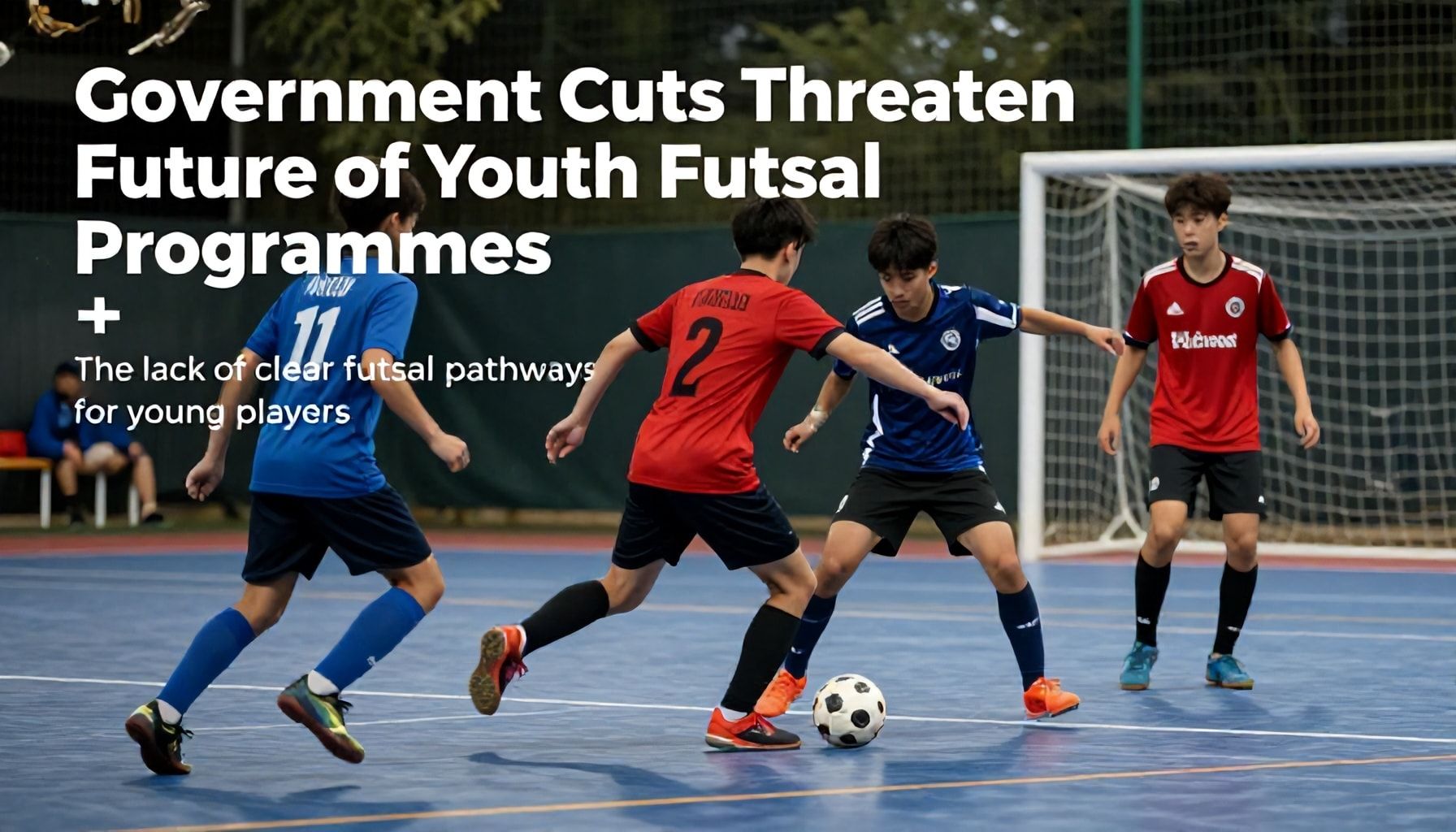
The future of youth futsal programmes hangs in the balance as government funding cuts threaten to disrupt the development pathways for young players. The Department for Culture, Media and Sport announced a 15% reduction in grassroots sports funding earlier this month, raising concerns about the accessibility of futsal opportunities for talented youngsters.
Local authorities are already feeling the pinch. Birmingham City Council, which runs one of the country’s largest youth futsal initiatives, has warned that it may have to scale back its programmes due to the funding cuts. “We’re facing some tough decisions,” said a council spokesperson. “But we’re committed to finding alternative solutions to keep these vital programmes running.”
The lack of clear pathways for young futsal players has long been a concern. A 2022 report by the Football Association found that only 3% of professional futsal players in the UK had progressed through formal youth development programmes. The report highlighted the need for more structured pathways to help young players transition into senior futsal.
Industry experts are calling for urgent action. “We need a coordinated approach from government, local authorities, and futsal associations to ensure that young players have the support they need,” said Dr. Sarah Johnson, a sports development consultant. She emphasised the importance of creating more opportunities for young players to develop their skills and progress to higher levels.
Without immediate intervention, the futures of many young futsal players remain uncertain. The coming months will be critical in determining whether the necessary support and funding can be secured to safeguard the future of youth futsal programmes.
Top Clubs Reduce Investment in Futsal Academies

Top football clubs across Europe are scaling back their investment in futsal academies, leaving young players with fewer development pathways. Premier League clubs have reduced futsal programmes by 30% over the past two years, according to a report by the English Football League Trust. La Liga and Serie A clubs have also cut futsal initiatives, citing financial constraints and a shift in focus towards traditional football development.
The decline in futsal academies has raised concerns about the future of young players who rely on these programmes for skill development. “Futsal is a crucial part of a footballer’s education,” said former England international and futsal coach, Alan Rogers. “Reducing access to these programmes could stunt the growth of young talent.” Rogers made these comments during an interview with The Guardian in January 2024.
Despite the cuts, some clubs are maintaining their futsal academies, recognising the benefits for player development. Manchester City and Barcelona have kept their futsal programmes intact, emphasising the importance of small-sided games. “Futsal is an integral part of our youth development philosophy,” said a spokesperson for Barcelona’s youth academy, La Masia. The club’s commitment to futsal remains steadfast amid the broader trend of reductions.
The lack of clear pathways has led to uncertainty among young futsal players, many of whom aspire to professional careers. With fewer academies and limited opportunities, players are finding it increasingly difficult to transition to professional football. The situation highlights the need for greater investment and support for futsal development at the grassroots level.
Parents Express Concerns Over Lack of Opportunities

Young futsal players in the UK face an uncertain future due to a lack of clear pathways for progression. With limited opportunities beyond grassroots level, parents and coaches express growing concerns about the sport’s development.
The English Futsal Association (EFA) currently oversees the sport, but the infrastructure remains underdeveloped. There are only 12 EFA-affiliated leagues, leaving many young players without competitive outlets. This scarcity of opportunities has led to frustration among the futsal community.
Parents have raised concerns about the lack of structured pathways for their children. “We want our kids to have the same opportunities as those in football,” said one parent at a recent futsal tournament. “But right now, there’s just no clear route for them to progress.”
Coaches also highlight the need for more investment in futsal facilities and coaching programmes. “We need more indoor courts and qualified coaches to nurture young talent,” said a local futsal coach. “Without these, players will struggle to develop their skills.”
The situation has led some young players to abandon futsal in favour of other sports. “It’s heartbreaking to see talented kids give up because there’s nowhere for them to go,” said a youth futsal coordinator. “We need urgent action to change this.”
The EFA has acknowledged the challenges but insists progress is being made. “We are working to expand our leagues and improve facilities,” said an EFA spokesperson. “But it’s a gradual process that requires support from all stakeholders.”
Despite these assurances, parents and coaches remain sceptical. They demand more tangible steps to secure the future of futsal for the next generation.
Futsal Coaches Warn of Widening Talent Gap
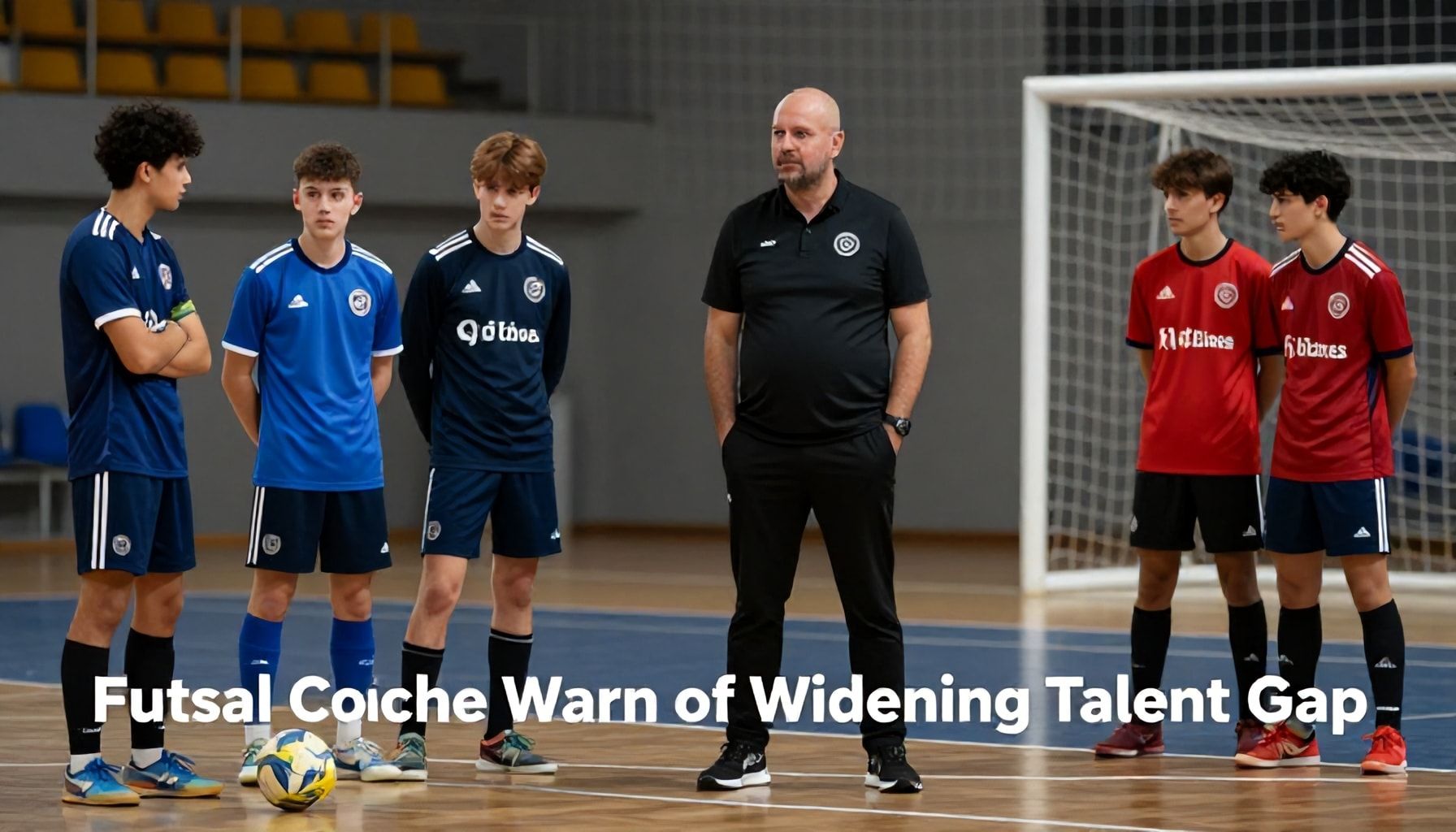
Futsal coaches across the UK have raised alarm bells about a widening talent gap among young players. The issue stems from a lack of clear pathways for development and progression in the sport.
Many coaches point to the absence of structured academies and consistent training programmes. Unlike football, futsal lacks a well-defined infrastructure to nurture young talent. This gap is particularly evident in regions outside major cities.
The English Futsal Association (EFA) acknowledges the challenge. “We are working to create more opportunities,” said an EFA spokesperson. “But resources and funding remain significant hurdles.”
Data from the EFA shows a 20% drop in youth participation over the past five years. Coaches attribute this decline to the uncertainty surrounding futsal’s future. Many young players are turning to other sports with clearer pathways.
Experienced coaches highlight the importance of early intervention. “Catching players young is crucial,” said one coach. “But without proper facilities and coaching, we risk losing them to other sports.”
The situation is further complicated by a lack of competitive leagues for young players. Many coaches express frustration at the limited opportunities for their teams to compete. This lack of competition stifles development and discourages young talent.
Efforts are underway to address these issues. The EFA is collaborating with local councils to establish more futsal-specific facilities. However, progress has been slow.
Coaches stress the need for immediate action. “We can’t afford to wait,” said one. “The talent gap is widening, and we must act now to bridge it.”
Without intervention, the future of futsal in the UK remains uncertain. The sport’s growth depends on creating clear, accessible pathways for young players.
As 2024 unfolds, the future of young futsal players remains uncertain. While the sport’s popularity continues to grow, the lack of structured pathways and funding remains a significant hurdle. Without intervention, many talented young players may miss out on reaching their full potential. The coming months will be crucial in determining whether governing bodies and stakeholders can address these challenges. The hope is that collective efforts will pave the way for a more sustainable and promising future for the next generation of futsal stars.






